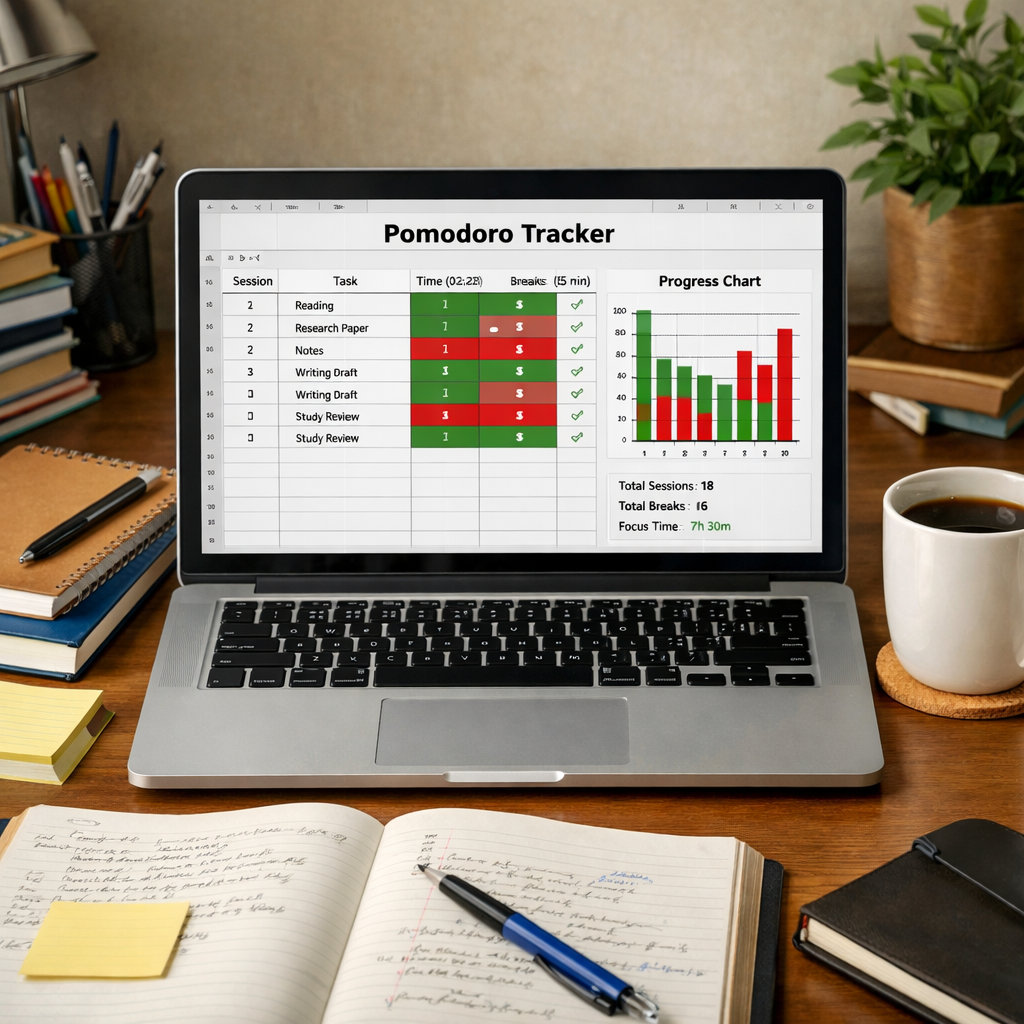

We’ve all been there, staring at a task, knowing we should start, but somehow finding ourselves doing literally anything else. Procrastination feels like this invisible wall that stops us from getting things done. It’s not just about being lazy; it’s often about how we handle our feelings and manage our time. This article is going to break down why we do it and, more importantly, give you some real, actionable ways to stop procrastinating and actually get stuff done. Let’s figure out how to stop procrastinating together.
Key Takeaways
- Understand that procrastination often stems from emotional discomfort, not just laziness.
- Make tasks more appealing by linking them to rewards or long-term goals.
- Design your surroundings and use commitment devices to make action easier.
- Build self-control and mindfulness to better manage impulses and emotions.
- Start small with simple rules like the two-minute rule to build momentum.
Understanding the Roots of Procrastination
The Science Behind Delaying Action
Ever feel like there’s a disconnect between what you know you should be doing and what you’re actually doing? You’re not alone. This common human experience has a name, and even ancient philosophers like Aristotle talked about it. They called it ‘akrasia’ – basically, acting against your own better judgment. In modern terms, it’s procrastination. It’s that force that stops you from following through, even when you have good intentions. The core of this struggle often boils down to a concept called ‘time inconsistency’. Our brains are wired to prefer immediate rewards over future ones. Think about it: the pleasure of scrolling through social media right now often wins out over the long-term benefit of finishing a report that’s due next week.
This creates a bit of a conflict between your ‘Present Self’ and your ‘Future Self’. Your Future Self might want to be healthy, accomplished, and organized, but your Present Self is looking for that quick hit of dopamine from an easy, enjoyable activity. The consequences of delaying important tasks – like missed deadlines or underachievement – feel distant, while the immediate comfort of avoidance is right there. Understanding this internal tug-of-war is the first step to getting a handle on why we put things off.
Common Reasons for Putting Tasks Off
While time inconsistency plays a big role, there are other common culprits behind our tendency to delay. Sometimes, it’s a lack of confidence or a harsh inner critic telling us we’re not good enough. Fear is another major player – fear of failure, fear of success, or even fear of looking incompetent. If a task feels overwhelming or we have unrealistic expectations about how it should be done, we might avoid it altogether. It can also stem from competing priorities or simply an unmet need that we’re trying to address through avoidance.
Here are some common reasons people delay tasks:
- Fear of failure: Worrying that you won’t do a good job.
- Perfectionism: Believing a task must be done perfectly, leading to paralysis.
- Task aversion: Simply finding the task boring, unpleasant, or difficult.
- Lack of clarity: Not knowing where to start or what exactly needs to be done.
- Feeling overwhelmed: The sheer size or complexity of a task can be daunting.
Procrastination as an Emotion Management Issue
Ultimately, procrastination isn’t just about poor time management; it’s often a way we try to manage uncomfortable emotions. When a task triggers anxiety, boredom, frustration, or self-doubt, we might delay it to avoid those feelings. It’s a coping mechanism, albeit an unhelpful one in the long run. The immediate relief from avoiding the unpleasant emotion is more appealing than facing the task itself. This is why tackling procrastination often involves learning to manage these feelings rather than just trying to force yourself to act. It’s about recognizing the emotional trigger and finding healthier ways to deal with it, rather than using avoidance as a shield. Learning to sit with discomfort, even for a short while, can make a huge difference in getting things done.
When we procrastinate, we’re often not being lazy; we’re trying to feel better in the moment. The task itself might not be the problem, but rather the feelings it brings up. Recognizing this emotional component is key to changing the behavior.
Strategies for Immediate Action

Okay, so we’ve talked about why we put things off. Now, let’s get down to actually doing stuff. It’s easy to get stuck in your head, right? Thinking about all the reasons you should do something, but never actually getting around to it. The trick is to make taking action feel good now, not just way off in the future.
Making Rewards More Immediate
Think about it: the payoff for doing your taxes or cleaning out the garage is usually pretty far off. It’s not exactly thrilling. So, how do we make the good stuff happen sooner? One cool way is called temptation bundling. You pair something you have to do with something you love to do. It’s like a little bribe for your present self.
Here are a few ideas:
- Only listen to your favorite podcasts while you’re doing chores.
- Allow yourself to watch that show you’ve been wanting to see, but only while you’re working on a boring report.
- Enjoy a fancy coffee only when you’re at your desk, ready to tackle a difficult task.
This way, you get a little hit of pleasure right away, making the less-than-fun task more bearable. It’s a simple way to trick your brain into cooperating.
Making Consequences More Immediate
On the flip side, sometimes we need a little nudge from the not-so-pleasant side. The problem with most tasks we procrastinate on is that the negative consequences feel ages away. So, what if we brought those consequences closer?
- Commit to a friend: If you agree to meet someone for a workout at 7 AM, you’re way less likely to bail than if you were just planning to go alone. The consequence of looking like a flake is immediate.
- Use a service that holds you accountable. You can even set up a system where if you don’t complete a task, a small amount of money goes to a cause you really dislike. Ouch, but effective!
- Set up automatic payments for savings. You don’t see the money, so it’s out of sight, out of mind, and you’re building wealth without even thinking about it.
The real pain of procrastination often isn’t the task itself, but the anxiety and guilt that build up while you’re avoiding it. Making the actual work feel less daunting than the dread of not doing it is key.
The Power of the Two-Minute Rule
This one is super simple but surprisingly effective. It comes from Mel Robbins, and the idea is this: if you have an impulse to do something productive, you have to physically start it within five seconds. Seriously, just count down: 5-4-3-2-1-GO!
Why does this work? Because our brains are really good at talking us out of things. That little spark of motivation you feel? Your brain can extinguish it with doubts and excuses in less than five seconds. By forcing yourself to move immediately, you bypass that internal debate. You don’t need to feel motivated to start; you just need to start. Often, the motivation follows once you’re actually in motion. It’s about taking that tiny first step, no matter how small, and letting momentum carry you forward.
Designing Your Environment for Productivity

Ever feel like your own desk is working against you? It’s a common trap. Our surroundings have a sneaky way of nudging us towards distraction or, thankfully, towards getting things done. Think about it: a messy desk might make you want to tidy up instead of tackling that report. Or maybe your phone buzzes with a notification, and suddenly you’re lost down a rabbit hole of social media.
Creating Commitment Devices
Sometimes, we need to trick ourselves into doing the right thing. Commitment devices are basically ways to lock yourself into a certain behavior, making it harder to back out. It’s like putting a lock on the cookie jar when you’re trying to eat healthier. For example, you could pre-commit to a certain amount of work by telling a friend you’ll finish a specific task by a certain time. If you don’t, maybe you owe them a coffee. This external pressure can be surprisingly effective.
Modifying Your Workspace
Your workspace should be a sanctuary for focus, not a playground for distractions. The goal is to make your environment scream ‘work’ and whisper ‘distraction’. This means decluttering ruthlessly. Get rid of anything that doesn’t directly relate to the task at hand. If you’re writing, maybe have only your laptop and a notebook on the desk. If you’re studying, have your textbooks and notes visible, but hide that gaming controller.
Here are a few ideas:
- Dedicated Zones: If possible, have a specific spot just for work. When you’re in that spot, you work. When you leave it, you’re done. This mental separation helps.
- Visual Cues: Place items that remind you of your goals or the task at hand in plain sight. If you want to read more, put a book on your nightstand. If you’re working on a project, maybe print out a key quote or image related to it and put it on your monitor.
- Minimize Clutter: A tidy desk often leads to a tidier mind. Put things away that you aren’t actively using. Out of sight, out of mind really does work.
Reducing Distractions and Temptations
This is where you become the boss of your own environment. Think about what pulls you away from your work and actively remove those triggers. This could mean:
- Digital Declutter: Turn off non-essential notifications on your phone and computer. Seriously, just disabling email pop-ups can save you a surprising amount of time over a year. Consider using website blockers or even a separate browser profile for work.
- Physical Barriers: If the TV is calling your name, maybe move it to a different room or cover it up. If your phone is a constant temptation, put it on airplane mode and stash it in a drawer or another room entirely.
- Create Friction: Make it harder to access distractions. If you have a tendency to browse social media, log out of your accounts or delete the apps from your phone during work hours. The extra steps required to get back online can be enough to break the impulse.
The environment we create for ourselves is not neutral; it actively shapes our behavior. By consciously designing our surroundings, we can build in support for our goals and make it significantly harder to fall into procrastination traps. It’s about making the path of least resistance the one that leads to productivity.
Cultivating a Disciplined Mindset
Okay, so we’ve talked about understanding why we put things off and some quick tricks to get started. But what about the long game? Building a disciplined mindset is where the real magic happens for beating procrastination for good. It’s not about being a robot; it’s about training your brain to act even when your feelings are screaming "nope!"
Building Self-Control and Willpower
Think of self-control like a muscle. The more you use it, the stronger it gets. It’s not some innate talent you either have or you don’t. Every time you choose to do the slightly uncomfortable thing – like starting that report instead of scrolling social media – you’re doing a rep for your willpower. It’s a bit like how exercising regularly can improve your overall discipline. You might notice that if you stick to a morning workout, you’re also more likely to keep your workspace tidy or resist impulse buys later in the day. It all connects.
Here’s a simple breakdown of how to build that muscle:
- Start Small: Don’t try to overhaul your entire life overnight. Pick one small habit, like drinking a glass of water when you wake up, and stick to it.
- Track Your Progress: Seeing how far you’ve come can be a huge motivator. Use a simple calendar or a journal.
- Embrace Discomfort: Recognize that feeling a little resistant is normal. Pushing through it, even for a few minutes, builds resilience.
The secret isn’t finding more motivation; it’s learning to act despite the lack of it. Discipline is the bridge between goals and accomplishment.
The Role of Mindfulness in Self-Regulation
This is a big one. Mindfulness is basically paying attention to what’s happening right now, without judging it. When you’re trying to work and your mind wanders to a million other things, mindfulness helps you notice that wandering without getting swept away by it. It’s like watching clouds drift by instead of being caught in the storm. This skill helps you regulate your emotions, which is key because procrastination is often just a way to avoid uncomfortable feelings. By being mindful, you can acknowledge those feelings – boredom, anxiety, overwhelm – and still choose to take action. It puts you back in charge.
Developing Emotional Intelligence
Emotional intelligence (EQ) is about understanding your own emotions and those of others. For beating procrastination, it means recognizing why you’re feeling resistant to a task. Are you scared of failing? Bored? Overwhelmed? Once you can name the emotion, you can address it more directly instead of just avoiding the task. It also helps you understand how your procrastination affects others, which can be a motivator in itself. Developing your EQ means you can manage your internal state better, making it easier to tackle tasks that might otherwise feel daunting.
Making Tasks More Appealing
Sometimes, the reason we put things off isn’t because we’re lazy, but because the task itself just feels… well, boring or even a little painful. It’s like being offered a plate of broccoli when you’re craving ice cream. Nobody wants to eat the broccoli first, right? The trick here is to make that broccoli taste a lot more like ice cream, or at least make the act of eating it more enjoyable. We’re talking about changing how you feel about the task, not just forcing yourself to do it.
Temptation Bundling for Motivation
This is a neat trick that basically means you pair something you have to do with something you want to do. You only get to enjoy the fun thing while you’re doing the less fun thing. It’s like saying, "I only get to listen to my favorite podcast while I’m folding laundry," or "I can only watch that new show everyone’s talking about while I’m working out." It makes the chore more bearable because you’re getting a little reward during the task, not just at the end.
Here’s how you can set it up:
- Identify your ‘must-do’ tasks: What are the things you keep pushing back?
- Identify your ‘want-to-do’ activities: What do you genuinely enjoy?
- Combine them: Decide which enjoyable activity can only happen when you’re doing the less enjoyable one. For example, only allow yourself to play a specific video game while you’re studying for a tough subject.
The key is that the enjoyable activity is contingent on you doing the task you’re avoiding. It’s not just about having fun later; it’s about making the process itself more pleasant.
Connecting Tasks to Long-Term Goals
Often, we procrastinate because a task feels pointless. It’s just busywork, right? But what if that ‘pointless’ task is actually a stepping stone to something bigger you really want? Think about it: cleaning your room might seem like a drag, but if it helps you feel more organized and less stressed, and that reduced stress helps you focus better on your career goals, then suddenly, cleaning your room has a purpose.
Ask yourself:
- How does doing this task help me get closer to my bigger dreams?
- What future benefit will I get from completing this now?
- Does this task align with my personal values or what I want my life to look like down the road?
Seeing the bigger picture can make even the most mundane tasks feel more meaningful. It’s like realizing that each small step you take on a long hike is bringing you closer to that amazing view at the summit.
Gamifying Your Workload
Who doesn’t like a good game? Turning a task into a game can seriously change your attitude towards it. It’s about adding elements of challenge, competition (even if it’s just against yourself), and clear goals with visible progress. You can set time limits, try to beat your previous score, or even create a point system for completing certain parts of the task.
For instance, if you have a big report to write:
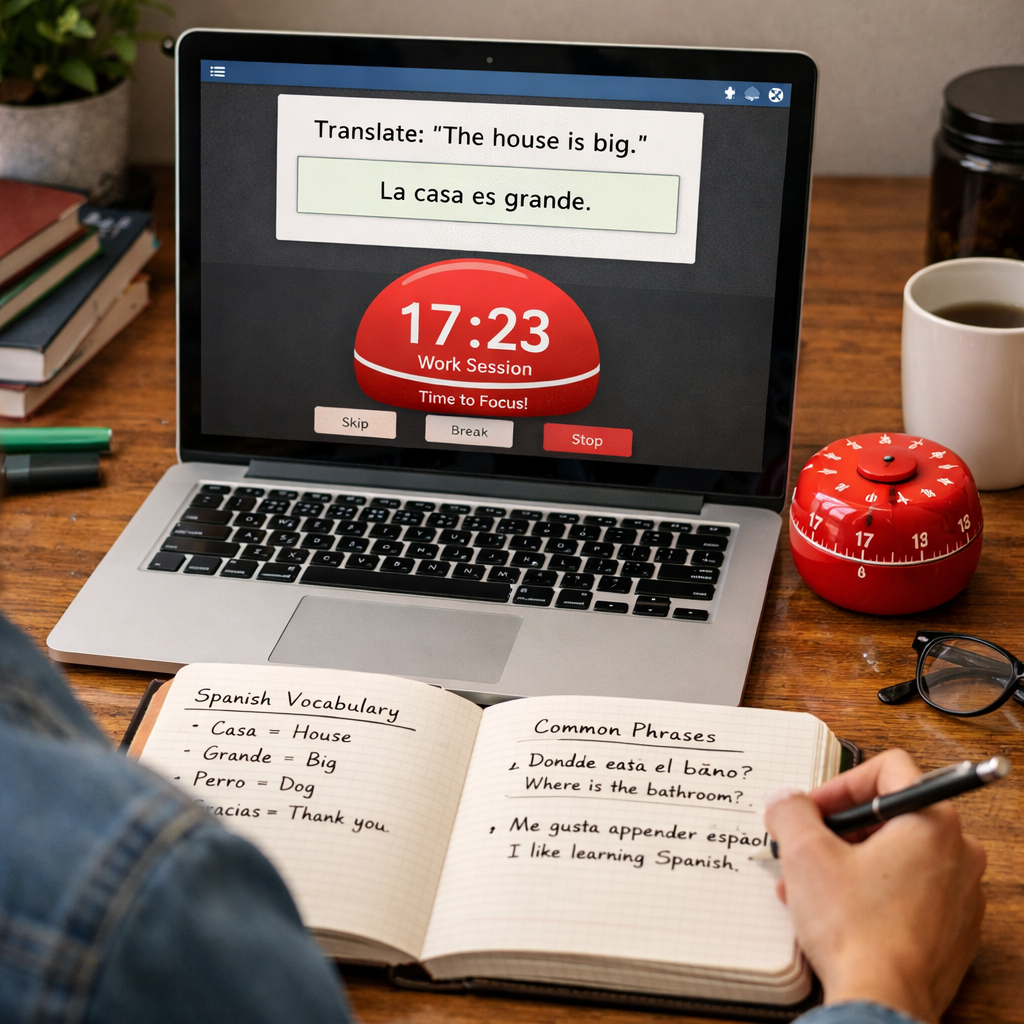
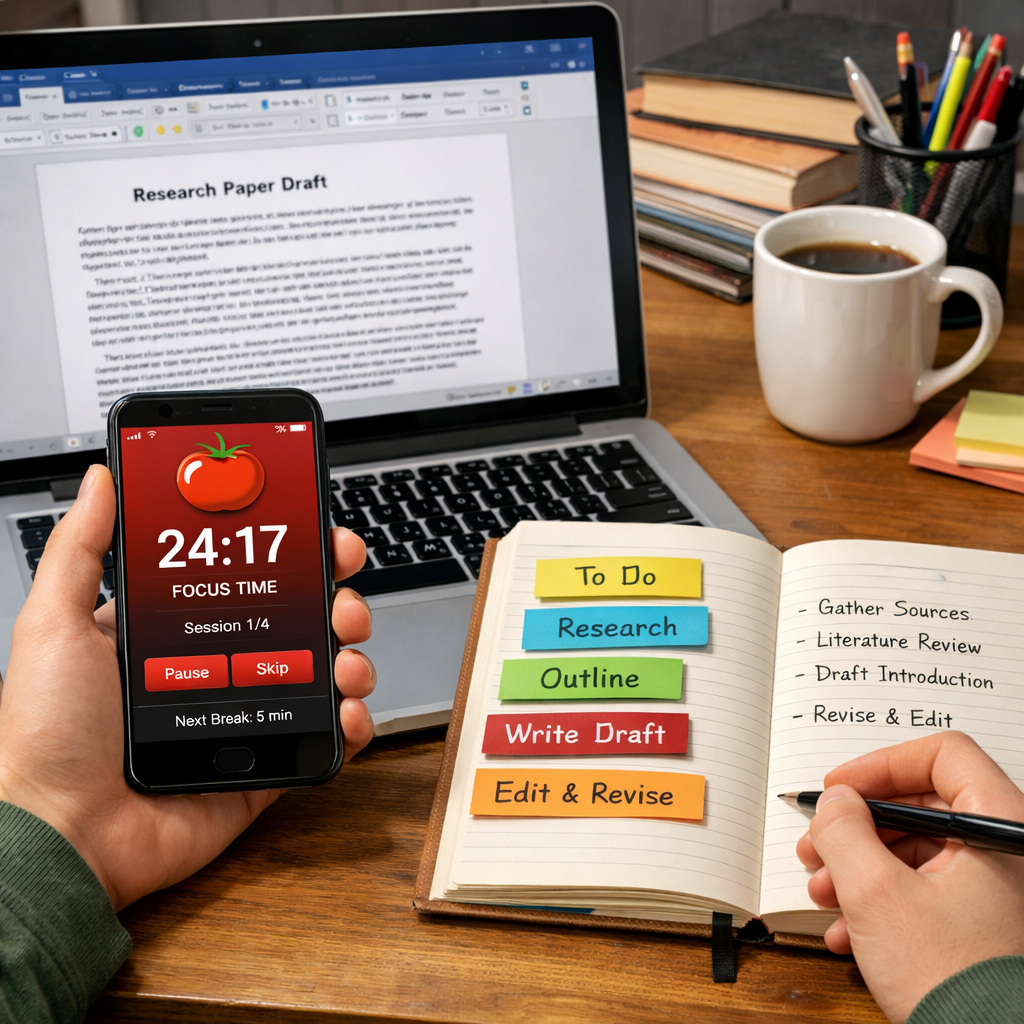
- Set a timer: "I’m going to write for 25 minutes straight and see how much I can get done." (This is like a round in a game).
- Challenge yourself: "Can I finish this section in under an hour?" or "Can I write 500 words without stopping?"
- Track your progress: Keep a tally of words written, sections completed, or tasks checked off. Seeing that number go up feels good, just like leveling up in a video game.
It’s amazing how much more willing you are to tackle something when it feels less like a chore and more like a challenge you’re trying to win.
Establishing Consistent Habits
Building habits is like building a house; you need a solid foundation and consistent effort to see it through. When you’re trying to shake off procrastination, making productivity a regular part of your life is key. It’s not just about getting things done today, but setting yourself up for success tomorrow and the day after that.
The Benefits of Daily Routines
Having a routine can feel a bit rigid at first, but it actually frees up a lot of mental energy. When you know what you’re supposed to do and when, you spend less time deciding and more time doing. This predictability can be a real game-changer for someone who struggles with getting started. Think about it: instead of facing a blank slate each morning, you have a clear path laid out. This reduces the decision fatigue that often leads to putting things off.
- Reduces decision fatigue: Less time spent figuring out what to do next.
- Builds momentum: Starting the day with a known task makes it easier to tackle the next.
- Creates structure: Provides a predictable framework for your day.
- Frees up mental space: Automates certain actions, allowing focus on more complex tasks.
Using Visual Cues for Consistency
Sometimes, we just need a little nudge. Visual cues are like friendly reminders scattered throughout your environment. They can be as simple as a sticky note on your monitor or a dedicated spot for your work materials. The idea is to make the desired action visible and unavoidable. Seeing a checklist or a progress tracker can be surprisingly motivating. It’s like a little scoreboard for your efforts, showing you how far you’ve come and encouraging you to keep going. This visual feedback loop helps reinforce the habit.
The power of seeing your progress, no matter how small, can be a huge motivator. It turns abstract goals into concrete achievements you can point to.
Finding Work You Truly Love
Okay, this one might sound a bit idealistic, but hear me out. While not every task will be a joy, finding aspects of your work that genuinely interest you can make a massive difference. When you connect with the purpose or find enjoyment in the process, procrastination loses a lot of its power. It’s easier to commit to something you care about. Try to identify what it is about a task that you find engaging, or connect it to a larger goal that excites you. Even small moments of genuine interest can fuel consistent effort over time. It’s about finding that spark that makes showing up feel less like a chore and more like an opportunity. This isn’t about quitting your job if you hate it, but about reframing your perspective and finding pockets of engagement within your current situation.
Putting It All Together
So, we’ve talked a lot about why we put things off and some solid ways to actually get stuff done. It’s not always easy, and honestly, nobody’s perfect. You’ll probably still find yourself wanting to hit snooze or scroll through your phone sometimes. But now you’ve got a bunch of tools in your toolbox. Remember to try out different methods, see what clicks for you, and don’t beat yourself up if you slip up. The main thing is to keep trying, make small changes, and celebrate those wins, no matter how small they seem. You’ve got this.
Frequently Asked Questions
Why do I keep putting things off, even when I know I shouldn’t?
It’s super common to put things off! Often, it’s because the task feels boring, hard, or scary. Sometimes, we just don’t want to deal with the uncomfortable feelings that come with starting something new. It’s like our brain is trying to protect us from feeling bad, but it ends up making things worse.
What’s the ‘Two-Minute Rule’ I keep hearing about?
The Two-Minute Rule is a simple trick: if a task takes less than two minutes to do, just do it right away! This helps you build momentum and get small things out of the way quickly, so they don’t pile up and become overwhelming.
How can I make my workspace help me get more done?
Think of your workspace as your productivity buddy! Keep it tidy and free from distractions. Having everything you need within reach makes it easier to start and keep working. Sometimes, even just changing where you sit can make a big difference.
Is procrastination really about managing my feelings?
Yes, a lot of the time! Procrastination is often our way of avoiding unpleasant emotions like stress, boredom, or fear of failure. Learning to understand and manage these feelings, instead of running from them, is a huge step in stopping procrastination.
How can I make boring tasks more interesting?
You can make tasks more appealing by linking them to things you enjoy. This is called ‘temptation bundling’ – like listening to your favorite podcast only while you’re doing chores. You can also connect the task to your bigger goals to see why it’s important.
What’s the best way to build habits so I don’t procrastinate?
The key is consistency! Setting up daily routines helps a lot because you don’t have to think about starting. Using visual reminders, like sticky notes or apps, can also nudge you to stay on track. Finding work that genuinely excites you makes it even easier.