
What is meditative breathing exercises?
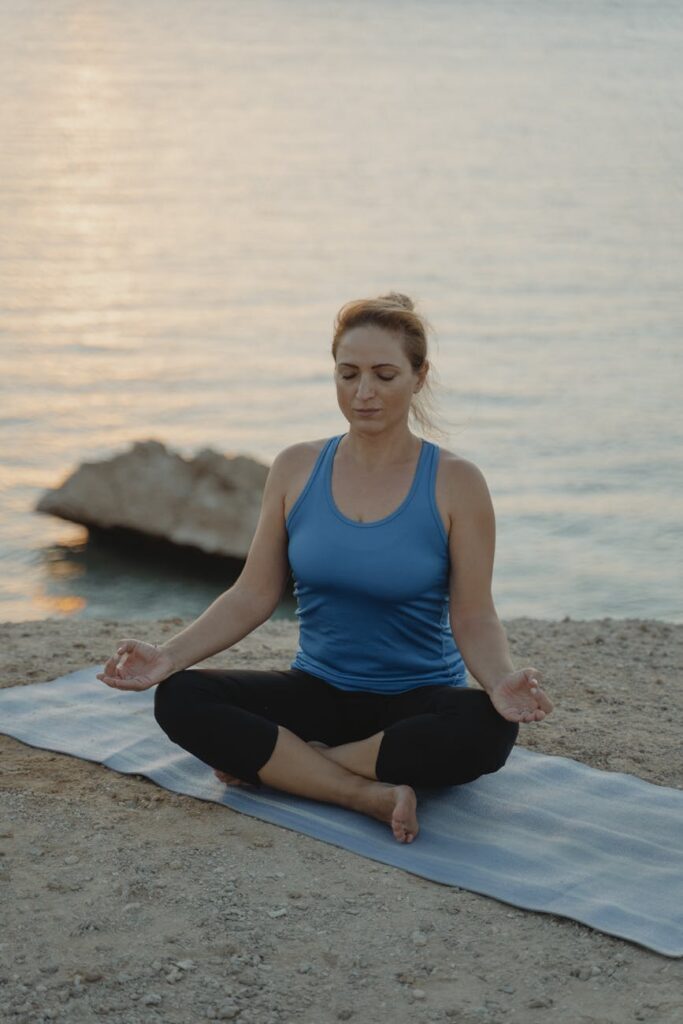
What is meditative breathing exercises?
Meditative breathing exercises are a powerful tool for enhancing productivity, reducing stress, and improving overall well-being. In our fast-paced world, finding moments of calm is essential. These exercises provide a pathway to mindfulness and clarity, allowing us to reconnect with ourselves amidst the chaos. By incorporating meditative breathing techniques into our daily routine, we open the door to a healthier, more balanced life.
Understanding Meditative Breathing Exercises
Meditative breathing exercises involve consciously controlling your breath to promote relaxation, focus, and emotional balance. They play a significant role in personal development, helping individuals cultivate mindfulness and resilience.
Definition and Purpose
At its core, meditative breathing exercises are techniques designed to bring awareness to your breath. They help enhance focus, promote relaxation, and foster mindfulness. By concentrating on breathing patterns, you can shift your attention away from stressors, promoting a sense of peace. This practice encourages a state of calm that can enhance mental clarity and emotional well-being.
Historical Background
The roots of breathing exercises can be traced back to various ancient cultures, including yoga and meditation practices. For instance, in yoga, techniques like Pranayama emphasize the connection between breath and energy. These practices have evolved over thousands of years, integrating spiritual and therapeutic elements. Understanding this rich history allows us to appreciate the depth and effectiveness of meditative breathing exercises today. For a deeper dive into the origins of these practices, check out this article on the history of breathwork.
Benefits of Meditative Breathing Exercises
Engaging in meditative breathing exercises offers numerous benefits, especially concerning productivity and mental health.
Stress Reduction
One of the most notable advantages of meditative breathing is its ability to reduce stress. By focusing on your breath, you stimulate the body’s relaxation response, lowering heart rates and reducing levels of stress hormones. This simple act can help combat the overwhelming feelings that often accompany daily life. Studies suggest that regular practice can lead to long-term stress reduction and a greater sense of calm. For more information, take a look at this Healthline article.
Enhanced Focus and Clarity
Meditative breathing exercises can significantly improve concentration and cognitive function. When you take the time to breathe deeply and mindfully, you clear mental clutter and create space for deeper focus. This can be particularly beneficial during work or study sessions, where distractions abound. With improved focus, tasks become more manageable, leading to increased productivity.
Improved Emotional Well-being
Beyond stress relief and enhanced focus, meditative breathing positively impacts mood and emotional regulation. Regular practice can help individuals manage anxiety and depression by fostering a sense of well-being. When we take the time to inhale deeply and exhale slowly, we create a natural rhythm that encourages emotional balance. This practice can help us respond to challenges with greater resilience and positivity.
Techniques for Practicing Meditative Breathing Exercises
There are various methods for engaging in meditative breathing, catering to different preferences and lifestyles.
Basic Breathing Techniques
Some simple techniques can help you get started. Diaphragmatic breathing, for example, involves breathing deeply into your diaphragm rather than shallowly into your chest. This method promotes relaxation and helps reduce stress. Another effective technique is the 4-7-8 breathing method, where you inhale for 4 seconds, hold your breath for 7 seconds, and exhale for 8 seconds. This technique is known to calm the mind and body. For detailed instructions on various breathing techniques, consider exploring this Healthline resource.
Guided Breathing Exercises
If you’re new to meditative breathing, guided sessions can be incredibly helpful. There are numerous apps and online resources that provide structured breathing exercises. Platforms like Headspace and Calm offer guided meditations focused on breath awareness, making it easy to incorporate these practices into your daily routine. For an example of a guided meditation, check out this simple breathing meditation.
Incorporating Breathing Exercises into Daily Life
Finding time for meditative breathing can be challenging in a busy schedule. However, you can easily integrate these exercises throughout your day. Start with a few minutes in the morning to set a positive tone for the day or take a short break during work to refocus. Even a minute of conscious breathing during stressful moments can make a significant difference. Consider setting reminders on your phone to prompt these mindful breathing sessions.
Conclusion and Call to Action
Meditative breathing exercises hold immense potential for improving productivity, reducing stress, and enhancing emotional well-being. By committing to these practices, you can create a more balanced and fulfilling life. I encourage you to explore different techniques and find what resonates with you. Incorporate meditative breathing exercises into your daily routine and witness the positive changes unfold. Embrace this journey toward mindfulness, and start breathing your way to a healthier, more productive you.
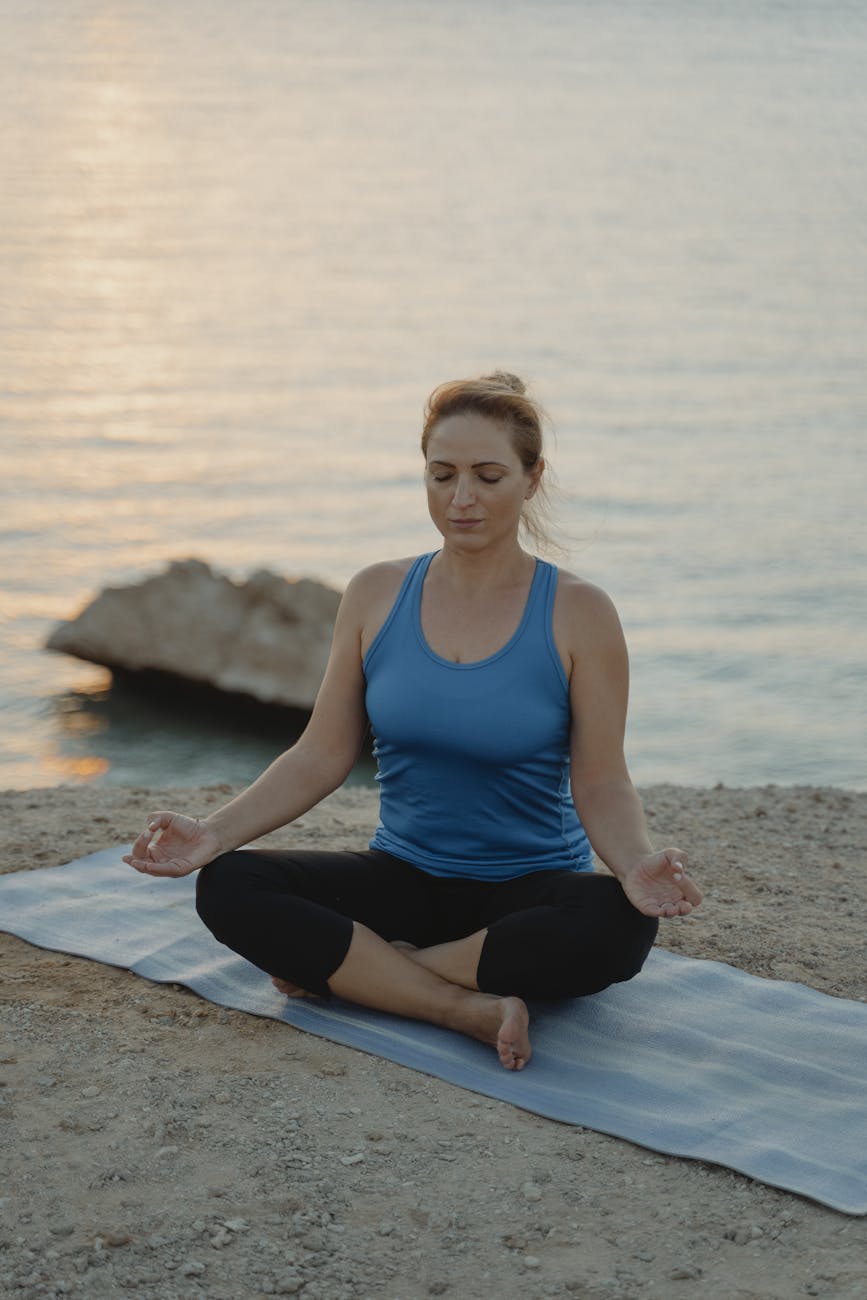
Photo by Tima Miroshnichenko