
What is art therapy applications?
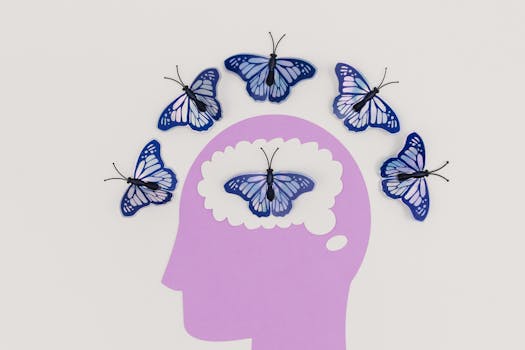
What is art therapy applications?
Art therapy is an innovative approach that harnesses the power of creativity to foster healing and personal growth. It’s not just about painting or drawing; it’s about using art as a medium to express feelings, explore thoughts, and develop coping mechanisms. By engaging in art therapy, individuals can unlock deeper emotional layers and improve their mental health. In this exploration, we’ll delve into what art therapy entails, its applications, and how it can enhance well-being.
Understanding Art Therapy
Art therapy merges psychological principles with creative expression. It encourages individuals to communicate their thoughts and emotions through artistic mediums, fostering a unique form of self-exploration and healing.
The Concept of Art Therapy
At its core, art therapy is about the intersection of art and psychology. It facilitates a safe space where you can express feelings that might be difficult to articulate verbally. This process of creation can lead to insights about oneself and promote emotional health. Whether it’s through painting, drawing, or sculpting, the act of creating art can help bring clarity to complex emotions.
History of Art Therapy
Art therapy began to establish its roots in the early 20th century. It gained traction as mental health professionals recognized the value of creativity in therapy. In the 1940s and 50s, pioneers like Margaret Naumburg and Edith Kramer began formalizing the practice, leading to the establishment of art therapy as a recognized profession. Today, it is widely accepted in various therapeutic settings, continuing to evolve as more research supports its efficacy.
Applications of Art Therapy
Art therapy is remarkably versatile, finding applications across diverse fields. Its adaptability makes it beneficial for various populations and settings.
Art Therapy in Mental Health
Art therapy is particularly impactful for individuals dealing with mental health conditions such as anxiety, depression, and PTSD. For many, engaging in creative processes can reduce symptoms by providing an outlet for expression. Research indicates that art therapy can help improve emotional resilience and manage stress levels, offering a complementary approach to traditional therapy methods. A study published in the National Library of Medicine highlights its potential in enhancing emotional expression and self-esteem.
Art Therapy for Children
Children often struggle to articulate their feelings, making art therapy an ideal tool for them. Through artistic expression, kids can work through trauma, grief, or developmental challenges. This therapeutic approach not only helps them communicate their emotions but can also improve their social skills and self-esteem. For instance, creating art can provide a sense of accomplishment and encourage children to engage in discussions about their feelings in a non-threatening way.
Art Therapy in Hospitals and Healthcare Settings
In healthcare environments, art therapy is used to support patients facing chronic illnesses or undergoing rehabilitation. It can assist in pain management, reduce anxiety, and improve overall emotional well-being. Hospitals increasingly integrate art therapy into patient care, recognizing its ability to foster recovery and support coping strategies during difficult times.
Art Therapy in Educational Settings
Schools are beginning to recognize the value of art therapy in promoting emotional well-being and enhancing learning outcomes. By integrating art therapy into the curriculum, educators can help students deal with stress, anxiety, and behavioral issues. It provides a creative way for students to express themselves, which can lead to improved focus and academic performance.
Effectiveness of Art Therapy
The effectiveness of art therapy is well-documented, with numerous studies supporting its benefits.
Research Studies on Art Therapy
Numerous studies have demonstrated the positive impacts of art therapy on mental health. For example, a comprehensive review in the Journal of Art Therapy outlines how art therapy can improve interpersonal relationships and emotional well-being. These findings underline art therapy’s role as a valuable tool for promoting mental health.
Patient Testimonials and Case Studies
The personal stories of individuals who have engaged in art therapy often reflect profound transformations. Many report feeling a sense of relief and liberation through their creative processes. For instance, one participant shared, “Art therapy allowed me to express emotions I didn’t know I had. It was a breakthrough for me.” Such testimonials highlight the potential of art therapy to facilitate healing and personal growth.
Getting Started with Art Therapy
If you’re interested in exploring art therapy for yourself or recommending it to others, here are some practical steps to consider.
Finding a Qualified Art Therapist
When seeking an art therapist, look for someone with appropriate qualifications and experience. A certified art therapist should possess a degree in art therapy and be registered with a professional organization. Traits like empathy, active listening, and a non-judgmental attitude are essential for effective therapy.
DIY Art Therapy Techniques
You don’t need to be a professional artist to benefit from art therapy. Simple activities can promote healing and self-discovery at home. Here are a few techniques you might try:
- Creative Journaling: Combine writing and art by maintaining a journal where you can draw or doodle alongside your thoughts.
- Coloring: Adult coloring books have gained popularity for their calming effects. Spend some time coloring to relax and focus your mind.
- Collage Making: Use magazines or newspapers to create a collage that represents your feelings or aspirations.
Conclusion: Embracing Art Therapy Applications
In summary, art therapy applications present powerful opportunities for emotional healing and personal development. Whether in mental health settings, schools, or hospitals, art therapy offers a unique path to understanding oneself and navigating life’s challenges. By embracing the creative process, you can unlock a deeper sense of self-awareness and emotional resilience. Whether you’re considering it for yourself or recommending it to someone else, art therapy holds significant promise for enhancing well-being.