
Ever found yourself staring at a blank screen, coffee cooling, and wondering why the words just aren’t flowing?
You’re not alone. Content creators—whether you’re a freelance video editor, a busy marketer, or a student juggling a blog and a thesis—often hit that wall where ideas get stuck and time slips away.
What if you could break that overwhelming chaos into bite‑sized, focused bursts, each with a clear start and finish? That’s the magic of a well‑designed pomodoro workflow for content creators. By syncing your creative tasks with 25‑minute focus intervals, you train your brain to dive deep, then give it a genuine pause to recharge.
Take Maya, a remote copywriter who used to jump between client briefs, social posts, and endless email threads. She started timing her research, drafting, and editing in separate pomodoros. After a week, she reported a 30% reduction in the time it took to finish a client article, and she finally had evenings free for her yoga class.
And it works for visual creators too. Jake, a freelance graphic designer, split his concept sketches, client revisions, and final exports into distinct pomodoros. The short breaks helped him step back, catch design flaws early, and avoid the dreaded “designer fatigue” that creeps in after hours of continuous work.
So how do you set this up without reinventing the wheel? First, list the core stages of your content creation process—research, outlining, creation, editing, publishing. Then assign each stage a pomodoro slot, using a timer to keep you honest. When the timer dings, step away: stretch, grab a snack, or simply stare out the window. Those pauses prevent burnout and keep your ideas fresh.
If you need a concrete roadmap, our One‑Week Pomodoro Plan for Writers: Structured Daily Guide walks you through a day‑by‑day schedule that you can adapt to any type of content work.
Remember, the goal isn’t to squeeze every minute out of your day; it’s to create a rhythm where deep focus and purposeful rest coexist. Start by picking one project, set a timer, and watch how quickly the momentum builds. Ready to give it a try?
TL;DR
A pomodoro workflow for content creators lets you slice research, drafting, editing and publishing into focused 25‑minute bursts, so ideas keep flowing without burnout.
Try it with a simple timer, take short breaks, and watch productivity rise – you’ll finish projects faster, still have evenings free for yoga, and enjoy a clearer mind.
Step 1: Set Up Your Pomodoro Timer and Workspace
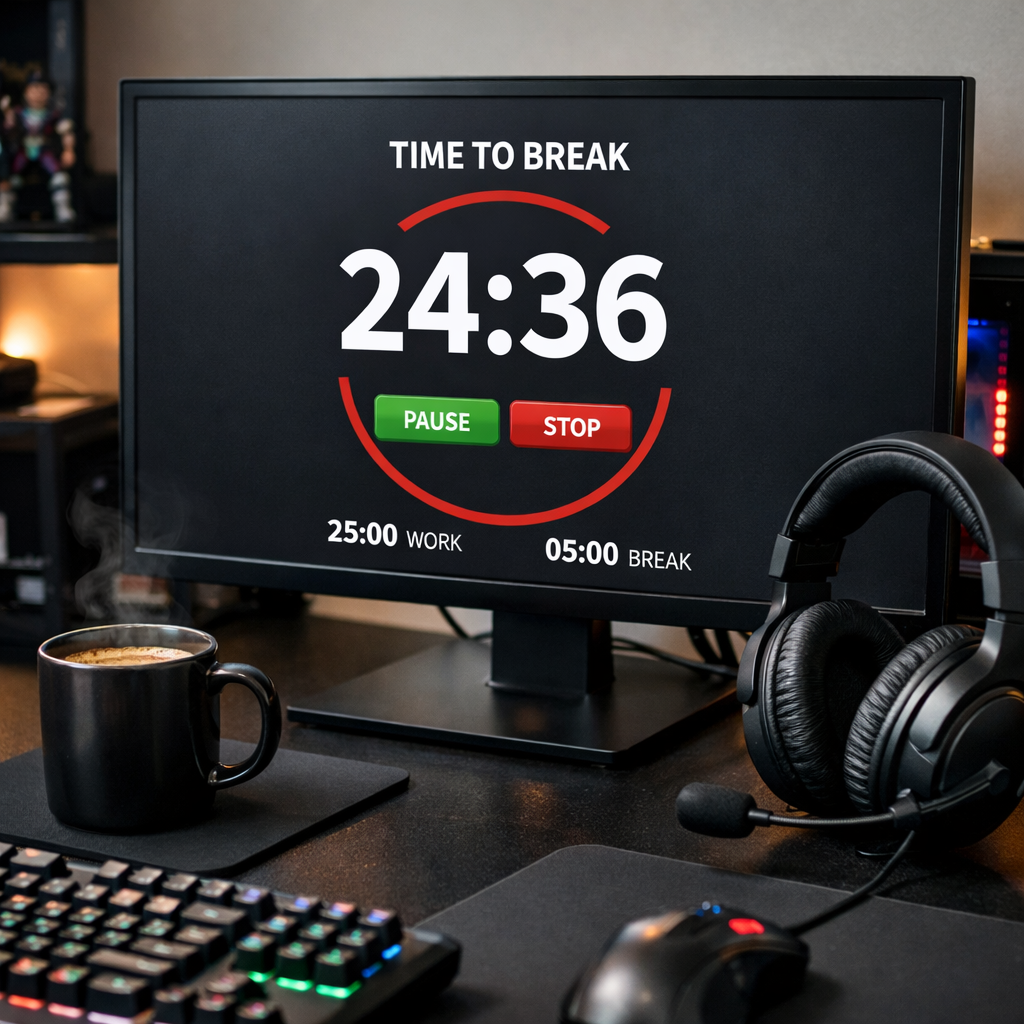
Alright, let’s get your workspace ready for the pomodoro workflow for content creators. First thing’s first: you need a timer that actually rings, not just a silent notification that you keep ignoring. Grab your phone, a kitchen timer, or open the Focus Keeper app – whatever feels least like a chore.
Place the timer where you can see it without scrambling for it every few minutes. A small desk clock, a sticky‑note‑covered phone, or the timer widget on your computer screen works great. The visual cue is half the habit‑building magic.
Clear the clutter
Look around your desk. Is there a stack of papers you never get to? A half‑empty coffee mug? Those little distractions multiply when you’re trying to stay in the zone. Take a quick five‑minute “pre‑pomodoro” sweep: file away anything that isn’t part of today’s task, close unrelated browser tabs, and mute those chat notifications.
And don’t forget the physical comfort factor – an ergonomic chair, good lighting, maybe a plant for a splash of green. If your back hurts, your focus will slip before the timer even hits the first 25 minutes.
Choose your Pomodoro length
Traditional pomodoros are 25 minutes of work followed by a five‑minute break, but the beauty of this technique is its flexibility. If you’re a student cramming for an exam, you might try 20‑minute bursts. If you’re a freelancer deep‑diving into video editing, 30‑minute sessions can feel more natural. Experiment for a week and note what feels most sustainable.
Once you’ve settled on a length, lock it in. The moment the timer starts, you’re committing to a focused sprint. No checking emails, no scrolling Instagram – just the task at hand.
Set up your break zone
Breaks are where the magic happens. They’re not a free‑for‑all; they’re a structured pause to reset your brain. Keep a water bottle, a snack, or a short stretching routine nearby. When the timer dings, step away from the screen, stretch your arms, look out a window, or do a quick breathing exercise.
That tiny mental shift is what keeps burnout at bay and helps ideas keep bubbling up. If you’re working from home, a quick walk to the kitchen feels like a mini‑vacation.
Here’s a quick visual reminder of the rhythm:
Notice how the video walks you through setting up a timer, arranging your desk, and planning a break. It’s a handy cheat‑sheet if you’re still figuring out the logistics.
Now that you’ve got a timer, a tidy workspace, and a break plan, you’re ready to start the first pomodoro. Remember, the goal isn’t to sprint forever – it’s to create a rhythm where focus and rest dance together.
When the first interval ends, celebrate the tiny win. You just completed a focused burst without distraction. That feeling fuels the next round.

Step 2: Define Content Creation Tasks and Prioritize
Okay, you’ve got your timer ticking and your workspace cleared. The next move is to decide exactly what you’ll be doing in each pomodoro. This is where a solid list of tasks becomes your secret weapon.
Grab a notebook or a digital board and break your project down into bite‑size actions. Instead of “write the article,” write “outline intro,” “draft section 1,” “add citations,” “format headings.” The more specific, the easier it is to jump in when the clock starts.
Map the content pipeline
Think of your workflow as a mini assembly line. For a blog post, the stages might look like research, outline, first draft, edit, add images, SEO tweaks, and publish. For a video, you’d have script, storyboard, shoot, rough cut, color grade, upload.
Write each stage as its own task and assign a rough pomodoro count. If research usually takes two 25‑minute bursts, note that. This gives you a realistic view of how many intervals the whole piece will need.
Prioritize by impact and effort
Now ask yourself: which tasks move the needle the most? A well‑crafted headline can boost clicks dramatically, so it lands near the top of your list. Conversely, tweaking a tiny meta tag can wait until the end.
One trick we use at Focus Keeper is the “quick‑win, high‑value” filter. If a task can be done in one pomodoro and will noticeably improve the final product, push it forward. If it’s a low‑value, high‑effort chore, schedule it for later or batch it with similar tasks.
Does this feel like a lot of planning? It actually shaves minutes off the day because you spend less time wondering what to do next.
Example for a remote worker
Maria, a freelance marketer, splits her week’s client deliverables into three buckets: research, copy creation, and performance reporting. She writes each bucket as a separate pomodoro task, then ranks them by deadline and ROI. The result? She never misses a deadline and her clients notice the faster turnaround.
For a student, you might line up flash‑card review, essay outline, and source citation as three distinct pomodoros. Prioritizing the outline first ensures you have a clear road map before you dive into the details.
Use a simple task matrix
Draw a two‑column table: left column = task name, right column = pomodoro estimate. Add a third column for priority (high, medium, low). Fill it out in the first five minutes of your session. This visual cue keeps you on track.
When the timer dings, you already know the next step—no decision fatigue, just pure forward momentum.
So, what should you do next? Pull up your favorite note‑taking app, list every micro‑task for your current project, assign pomodoros, and rank them. That’s your roadmap for the next few hours.
Here’s a quick checklist to cement the habit:
- Write down every micro‑task for the project.
- Group tasks into logical stages (research, draft, edit, etc.).
- Estimate how many pomodoros each will need.
- Mark high‑impact tasks as top priority.
- Keep the list visible beside your timer.
Ready for a visual refresher? Check out this short video that walks through setting up a task list and prioritizing it within a pomodoro framework.
After the video, take a moment to adjust your own list. If a task feels too vague, break it down further. If an item looks like a monster, split it into two or three pomodoros.
Remember, the goal isn’t to cram everything into a single sprint. It’s to create a clear, prioritized path so each 25‑minute burst feels purposeful. When you finish a pomodoro, you’ll have a tangible piece of the puzzle completed, and that momentum fuels the next round.
Give it a try today: set your timer, open a fresh document, and start ticking off the first high‑impact task on your list. You’ll see how much smoother the whole content creation process becomes.
Step 3: Implement Pomodoro Cycles with Creative Flow
Now that your task list is crystal clear, it’s time to let the pomodoro rhythm actually fuel your creative fire. Think of each 25‑minute block as a mini‑studio session where you give your brain permission to dive deep, then step back for a breather.
Blend the timer with your creative rhythm
Start by matching the type of work to the length of the interval. If you’re sketching a storyboard or brainstorming headline ideas, a single pomodoro often feels just right – you get enough momentum without the ideas going stale. For heavier writing, like drafting a full section, you might stack two pomodoros back‑to‑back, taking a quick 2‑minute stretch in between to keep the flow alive.
Notice how the timer does the heavy lifting. When it dings, you don’t have to wonder whether you’ve worked enough; the cue is built in. That’s why we’ve seen students and freelancers alike keep their focus razor‑sharp – the external signal removes the mental overhead of “should I stop now?”
So, what should you do the moment the timer rings?
Step‑by‑step break ritual
1. Pause the work instantly – even if you’re in the middle of a sentence, stop.
2. Stand, stretch, or grab a glass of water. A 5‑minute walk to the kitchen or a quick shoulder roll works wonders.
3. Jot a one‑line note about where you left off. Something like “need a stronger hook for intro” gives you a launchpad for the next round.
4. Reset the timer and dive back in.
This tiny ritual trains your brain to associate the break with a reset, so you return feeling refreshed instead of distracted.
Does it feel odd to stop a flow just because a timer says so? It can at first, but the pattern becomes a habit. After a few cycles, you’ll notice that ideas actually become more vivid after each pause – the brain has time to subconsciously stitch the pieces together.
Guard the creative flow during each pomodoro
During the work sprint, treat the interval like a “focus bubble.” Turn off Slack notifications, mute social apps, and close any tabs that aren’t part of the current task. If you’re a remote worker juggling Zoom calls, schedule them outside your pomodoro windows or use the “Do Not Disturb” mode on your headset.
Freelancers often get pulled into client chats mid‑draft. A quick visual cue – a sticky note that reads “Pomodoro in progress” – can signal to anyone who pops by that you’re in a deep‑work zone.
Students, you might place a study lamp on low and a timer on your desk, creating a physical environment that says “it’s time to focus.” The more consistent the setting, the easier it is for your mind to slip into that productive groove.
What about creative blocks? If you hit a snag halfway through, use the last five minutes of the pomodoro to jot down the obstacle instead of wrestling with it. Then, during the break, step away, maybe doodle something unrelated, and come back with a fresh perspective.
Mini‑checklist for each cycle
- Timer set for 25 minutes (or your preferred interval).
- All non‑essential notifications silenced.
- Specific task written on a sticky or digital note.
- Quick break plan ready – stretch, hydrate, breathe.
When you repeat this loop, the rhythm starts to feel natural, almost like a song you’ve rehearsed a hundred times. That rhythm is the secret sauce for keeping ideas flowing without burning out.
And here’s a little secret we’ve seen work for busy professionals: schedule a “creative buffer” pomodoro at the end of the day. Use it to review what you accomplished, capture loose ideas, and plan tomorrow’s top‑impact tasks. It turns the chaotic end‑of‑day scramble into a calm wrap‑up.
Ready to try it? Grab your timer, pick the first high‑impact task from your list, and let the 25‑minute countdown guide you into a focused, creative sprint. When the bell rings, celebrate the tiny win with a stretch or a quick coffee sip. Then repeat. Before you know it, you’ll have a stack of completed pomodoros and a steady stream of content flowing out of you.
Step 4: Review, Adjust, and Optimize Your Workflow
Now that you’ve run a few pomodoros and have a list of tasks ticking off, it’s time to step back and see how the whole system is working for you.
Do you feel the rhythm is smooth, or are there hiccups that keep pulling you out of focus? That little pause is where the magic happens – you turn raw data from your sessions into smarter habits.
1. Capture the numbers you care about
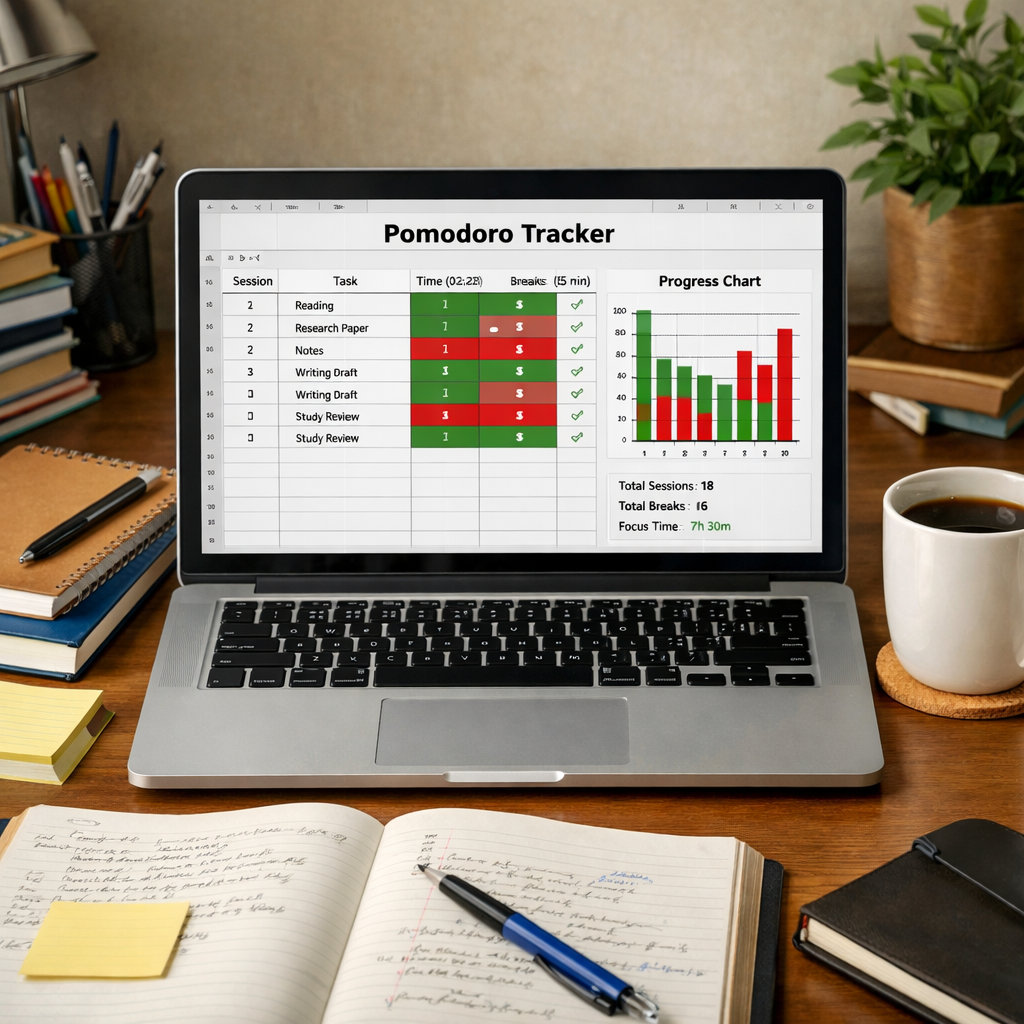
Grab the simple stats your timer or Focus Keeper app gives you: total pomodoros completed, average break length, and how many cycles you needed for each task type.
Write those numbers in a quick notebook table or a digital sheet. You don’t need a fancy dashboard; a few rows are enough to spot patterns.
Quick checklist
- Pomodoros per project phase (research, drafting, editing)
- Break duration you actually took vs. planned
- Tasks that consistently spill over into a second pomodoro
Seeing “research always takes two cycles, but editing stretches to three” is a clue that your original estimate was off.
2. Spot the bottlenecks
Look at the tasks that habitually exceed their time box. Are you losing minutes because you keep checking reference links? Maybe the “creative buffer” at the end of the day is where you’re trying to fix everything at once.
For a freelance designer, the bottleneck might be “client feedback revisions” that always eat an extra pomodoro. For a student, it could be “solving practice problems” that creep beyond the 25‑minute mark.
Ask yourself: what’s the single thing that, if tweaked, would shave off the most time?
3. Adjust your intervals
Not every creative task fits neatly into a 25‑minute slot. If you notice that brainstorming sessions regularly need a bit more breathing room, try a 30‑minute pomodoro just for that phase.
Conversely, repetitive admin chores (like formatting citations) might shrink to 15‑minute bursts. The goal isn’t to force a one‑size‑fits‑all timer; it’s to align the interval with the mental demand of the work.
4. Refine your break rituals
Breaks are where your brain consolidates the work you just did. If you find yourself scrolling social media anyway, swap that habit for a micro‑movement: stand, stretch, or glance at a sticky note with a motivating quote.
Remote workers often benefit from a “window walk” – a quick step to the balcony for fresh air. Students might do a 30‑second doodle of the concept they just studied. The key is that the break feels intentional, not a slip back into distraction.
5. Iterate the task list
After each review, update your master task list. Split any task that repeatedly overruns into smaller sub‑tasks. For example, “edit article” becomes “fix intro flow,” “tighten body paragraphs,” and “polish conclusion.”
This granularity makes the next round of pomodoros feel more achievable and gives you a clearer sense of progress.
6. Build a weekly audit
At the end of the week, set aside a dedicated “review pomodoro.” Pull up your stats, note the wins (maybe you finished a whole video script in four cycles) and the pain points (perhaps you consistently ran out of time on SEO tweaks).
Write down one concrete adjustment for the coming week – like “add a 5‑minute buffer before every editing pomodoro” or “experiment with 20‑minute sprints for social‑media copy.”
Over time, these tiny tweaks compound into a workflow that feels tailor‑made for your creative style.
7. Keep the system flexible
Remember, the pomodoro workflow for content creators isn’t a rigid rulebook; it’s a living framework. If a new project demands a different cadence, feel free to remix the intervals, break types, or task grouping.
What matters is that you keep checking in, adjusting, and optimizing – otherwise the system can become another checkbox instead of a productivity catalyst.
So, what’s your next move? Open your timer, glance at the numbers you just logged, pick one adjustment, and give it a test run tomorrow. You’ll be surprised how a small tweak can turn a jammed afternoon into a smooth, focused sprint.
Step 5: Integrate Pomodoro with Content Planning Tools
Okay, you’ve got your timer ticking and your task list solid. The next magic move is to let the tools you already use for planning become pomodoro‑friendly partners. When your calendar, board, or note‑taking app talks to your timer, the whole workflow feels like a single, smooth conversation.
Why sync them?
Because otherwise you end up juggling two separate worlds: a spreadsheet of ideas and a timer that’s oblivious to what you’re actually doing. Linking the two means each pomodoro automatically pulls the next concrete item from your plan, so you never stare at a blank screen wondering, “what’s next?”
Does that sound like a relief? It’s the kind of tiny friction‑removal that adds up to big gains over a week.
Pick a planning hub that plays nice with pomodoro
Most creators already have a go‑to board – maybe Trello for visual cards, Notion for databases, or a simple Google Sheet. The trick is to add a “Pomodoro” column or tag that the timer can reference.
Here’s a quick cheat sheet:
- Trello: Add a custom field called “Pomodoros” and set the estimate for each card. When the timer ends, move the card to a “Done” list.
- Notion: Create a database view with a checkbox for “In Pomodoro.” Tick it when you start a session; the view filters to only the active task.
- Google Sheets: Use a column for “Pomodoro Count” and a simple script that pops a random row when you hit “Start” in Focus Keeper.
Pick the one you already love, then sprinkle the pomodoro fields on top. No need to learn a brand‑new system.
Step‑by‑step: wiring your board to the timer
1. Map your content pipeline. Break a project into cards – research, outline, draft, edit, publish. Each card gets an estimated pomodoro count.
2. Tag the first card as “Ready.” That’s the task your timer will pull when you hit start.
3. Start the timer. In Focus Keeper, you can add a short note like “Trello: Draft intro” so the session is logged alongside the card.
4. When the timer dings, mark the card. If you finished the estimated pomodoros, move it to “Done.” If you need another cycle, simply decrement the pomodoro count and leave it in the active column.
5. Repeat. The next pomodoro automatically pulls the next “Ready” card, keeping momentum flowing.
It feels a bit like a game of “ready, set, go” – the board tells you what to tackle, the timer tells you how long, and the break tells you when to breathe.
Pro tip for freelancers
When you juggle multiple clients, give each client a separate board or label. Then set a daily “client focus” pomodoro that pulls only from that label. You’ll notice fewer accidental task‑switches and clearer billing logs.
Remote workers love the same idea: a shared Notion page where the whole team tags tasks as “In Pomodoro.” Everyone sees who’s in a deep‑work slot, so Slack interruptions drop dramatically.
Quick comparison of popular planning tools
| Tool | Pomodoro Integration Method | Best‑Fit Use‑Case |
|---|---|---|
| Trello | Custom field + automation (move card on timer end) | Visual kanban lovers, freelancers with many short cards |
| Notion | Checkbox + filtered view; embed timer link in page | Database‑heavy creators, students tracking research sources |
| Google Sheets | Simple numeric column + optional Apps Script trigger | Teams that already rely on spreadsheets for content calendars |
Pick the row that matches your style, then add the tiny pomodoro column. It’s less than a minute of setup for a week of smoother focus.
And what about the occasional “I’m stuck, need a break” moment? Keep a “buffer pomodoro” card on the board. Drag it into the active column whenever you feel mental fatigue, then use that interval to step away, stretch, or grab a coffee. When you return, you’ll have a clean slate and a clear next step.

So, what’s the first action? Open your preferred planning hub, add a “Pomodoro” column, and copy the first task into the “Ready” slot. Then fire up Focus Keeper and let the rhythm do the heavy lifting. You’ll be surprised how quickly the board and timer start speaking the same language.
FAQ
What is a pomodoro workflow for content creators and how is it different from the classic pomodoro technique?
At its core, a pomodoro workflow for content creators takes the 25‑minute focus blocks of the classic technique and layers them onto the specific stages of creating something—research, outlining, drafting, editing, publishing. Instead of just “work for 25 minutes,” you decide exactly which piece of your content piece you’ll tackle in each sprint. That extra step turns a generic timer into a roadmap, so you always know what you’re diving into when the clock starts ticking.
Do I need a special timer or can I use any app?
You don’t need a fancy device; any timer that lets you set 25‑minute intervals works. What matters is consistency and the ability to mute distractions while it runs. Lots of creators swear by simple phone timers, kitchen timers, or web‑based tools like Focus Keeper because they’re low‑maintenance and give a clear audible cue. The key is to pick something you’ll keep on your desk so it becomes part of your daily rhythm.
How many pomodoros should I allocate to each phase of a blog post?
Start by estimating how long each phase usually takes you. For many writers, research might be two pomodoros, outlining one, first draft two, edit one, and polishing another. If you’re unsure, try a trial run: set a timer for each step and note how many intervals you actually needed. Then adjust the plan—maybe research needs three for a technical topic, or editing only one for a short piece. The goal is a realistic map, not a perfect prediction.
What if I get stuck in the middle of a pomodoro?
It happens to the best of us. When the timer dings, pause the work even if you’re in the thick of a sentence. Write a quick note—“need stronger hook” or “reference link missing”—then take the five‑minute break. Often the mental pause lets your brain finish the thought subconsciously. When you return, you’ll see the obstacle with fresh eyes and can decide whether to continue or shift to the next task.
Can I combine pomodoros with a content planning board like Trello or Notion?
Absolutely. Add a “Pomodoro” label or custom field to each card, then move the card to an “In Progress” column when you start the timer. When the interval ends, either mark the pomodoro as complete or shift the card to “Done” if you’ve finished that piece. This visual cue keeps your board synchronized with your timer, so you never wonder what’s next and you can see progress at a glance.
How do I handle interruptions from emails or Slack during a pomodoro?
Set a “Do Not Disturb” window that matches your pomodoro length. Let teammates know you’re in a deep‑work slot and will check messages during breaks. If an urgent issue pops up, jot a quick “interrupt” note on a sticky, handle it, then immediately restart the timer for the remaining time. This way you protect the focus block while still being responsive when truly needed.
What should my break routine look like to keep the momentum going?
Keep breaks intentional but simple: stand, stretch, grab a glass of water, or walk to the kitchen for a quick snack. Avoid diving into social media because that can bleed into the next sprint. Some creators like a 30‑second breathing exercise or a short doodle that isn’t related to the project. The purpose is to reset your brain, not to start a new distraction, so you return to the next pomodoro feeling refreshed.
Conclusion
We’ve walked through every step of a pomodoro workflow for content creators, from setting up the timer to fine‑tuning your break rituals.
So, what does that look like in a real day? Imagine you’re a freelancer juggling a client blog, a newsletter, and a video script. You fire up Focus Keeper, slot each micro‑task into its own pomodoro, and let the 25‑minute beats keep you moving forward without the usual overwhelm.
Notice how the rhythm creates a natural pause for reflection – that five‑minute breather is where ideas settle and you decide the next move. It’s the secret sauce that turns frantic multitasking into a steady stream of finished pieces.
If you’ve ever felt stuck halfway through a draft, remember the simple trick: jot a quick note when the timer dings, step away, and come back refreshed. The pattern repeats, and before you know it, the whole project maps itself onto a series of small wins.
What’s the next step? Take the checklist from the earlier sections, pick one current project, and run a single pomodoro right now. Feel the focus, celebrate the pause, and let that momentum carry you into the next sprint.
Ready to make the pomodoro workflow for content creators a habit? Give it a try today and watch your productivity reshape itself, one focused interval at a time.