
Ever found yourself staring at a blank document, coffee cooling, and the clock ticking, yet the words just won’t flow?
You’re not alone. Writers, whether you’re a freelancer juggling multiple gigs, a remote worker polishing a report, or a student racing to finish a term paper, often hit that productivity wall. The good news? A one‑week Pomodoro plan can turn that wall into a stepping stone.
Think of the week as a mini‑marathon. Instead of trying to sprint through 40‑hour writing sessions, you break the work into 25‑minute bursts—called Pomodoros—followed by short breaks. Research shows that this rhythm helps the brain stay in a high‑focus state longer, reducing mental fatigue.
Step 1: Define a clear weekly outcome. Maybe you need to draft three blog posts, finish a chapter, or outline a research article. Write that goal down and keep it visible; it becomes your north star for the next seven days.
Step 2: Split the goal into daily themes. Monday could be “outline and research,” Tuesday “first draft,” Wednesday “revise,” and so on. Assign each theme a realistic number of Pomodoros—usually 4‑6 for a solid writing block, depending on your schedule.
Step 3: Build a daily Pomodoro schedule. Start with a 5‑minute planning slot, then jump into a 25‑minute writing sprint, followed by a 5‑minute break. After four cycles, take a longer 15‑minute pause to stretch, grab a snack, or simply breathe. Consistency is key, so set the same start time each day.
Real‑world example: Maya, a freelance copywriter, carved out six Pomodoros each morning for client briefs. By Friday she’d delivered two full articles—something that used to take her all week. The focused bursts kept her creative flow alive and prevented burnout.
Another scenario: Carlos, a remote marketing analyst, used the plan to edit a whitepaper. He allocated three Pomodoros for data review, two for drafting, and two for polishing. The structured breaks let him step away and spot errors with fresh eyes.
Students can benefit too. Jenna, studying literature, set a goal to write a 2,000‑word essay. She broke it into a 200‑word outline (one Pomodoro), three 500‑word drafts (three Pomodoros), and a final edit (one Pomodoro). By the end of the week, her essay was ready, and she still had energy for a weekend hike.
Pro tip: use a dedicated Pomodoro timer—like the one built into Focus Keeper—to log each session. Review the data each evening; if you’re consistently hitting five‑minute overruns, shave a minute off the next break.
For anyone new to the technique, our What is pomodoro method? – Focuskeeper Glossary gives a quick refresher on the timing rules and why they work.
Now grab a timer, write down your weekly writing goal, and map out those 25‑minute sprints. You’ll be amazed at how much you can achieve in just seven days.
TL;DR
A one‑week Pomodoro plan for writers breaks your workload into focused 25‑minute sprints with short breaks, letting freelancers, students, remote workers and busy professionals boost output while avoiding burnout.
Set daily themes, track each session with a timer, and watch your writing finish faster, cleaner, and effortlessly without stress today.
Step 1: Set Up Your Pomodoro Toolkit
Alright, you’ve decided to give the one‑week pomodoro plan for writers a go – first thing’s first, you need a toolkit that actually works for you, not a collection of random apps you’ll abandon after a day.
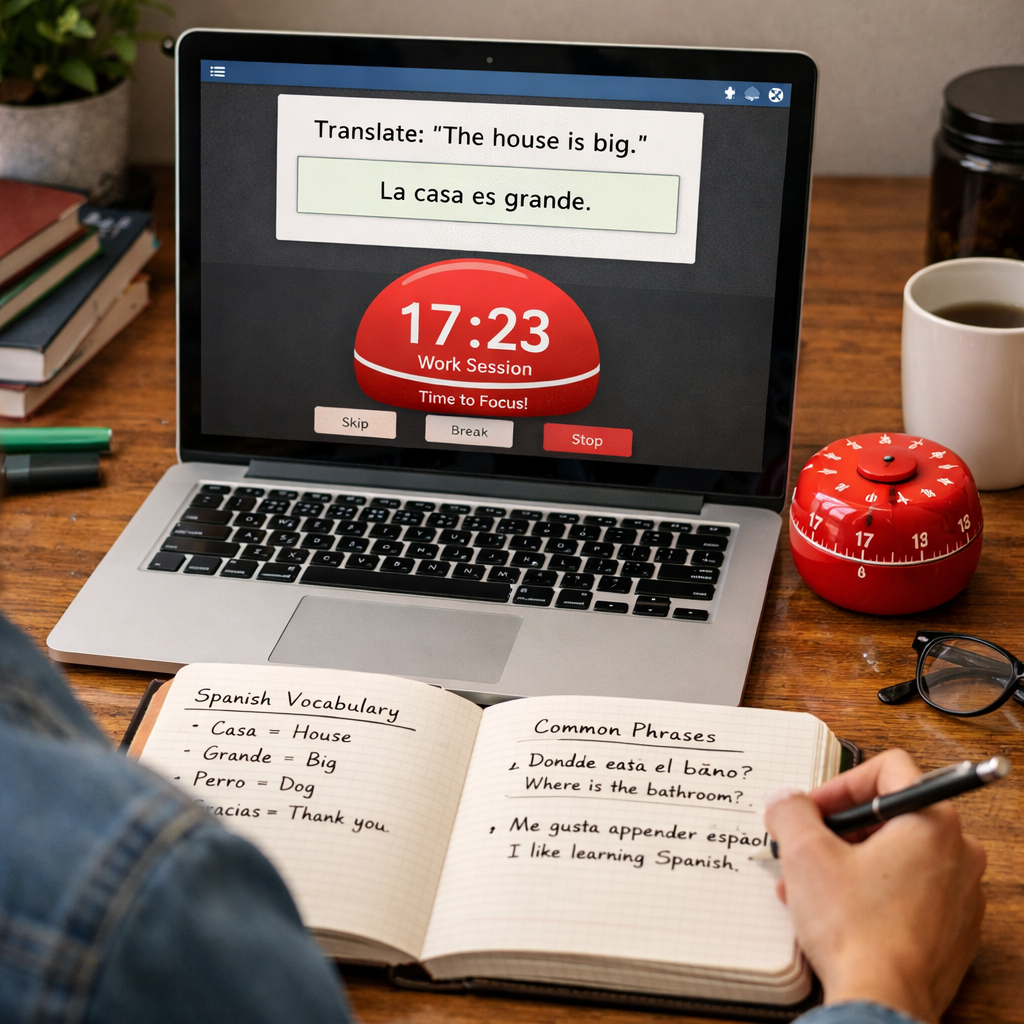
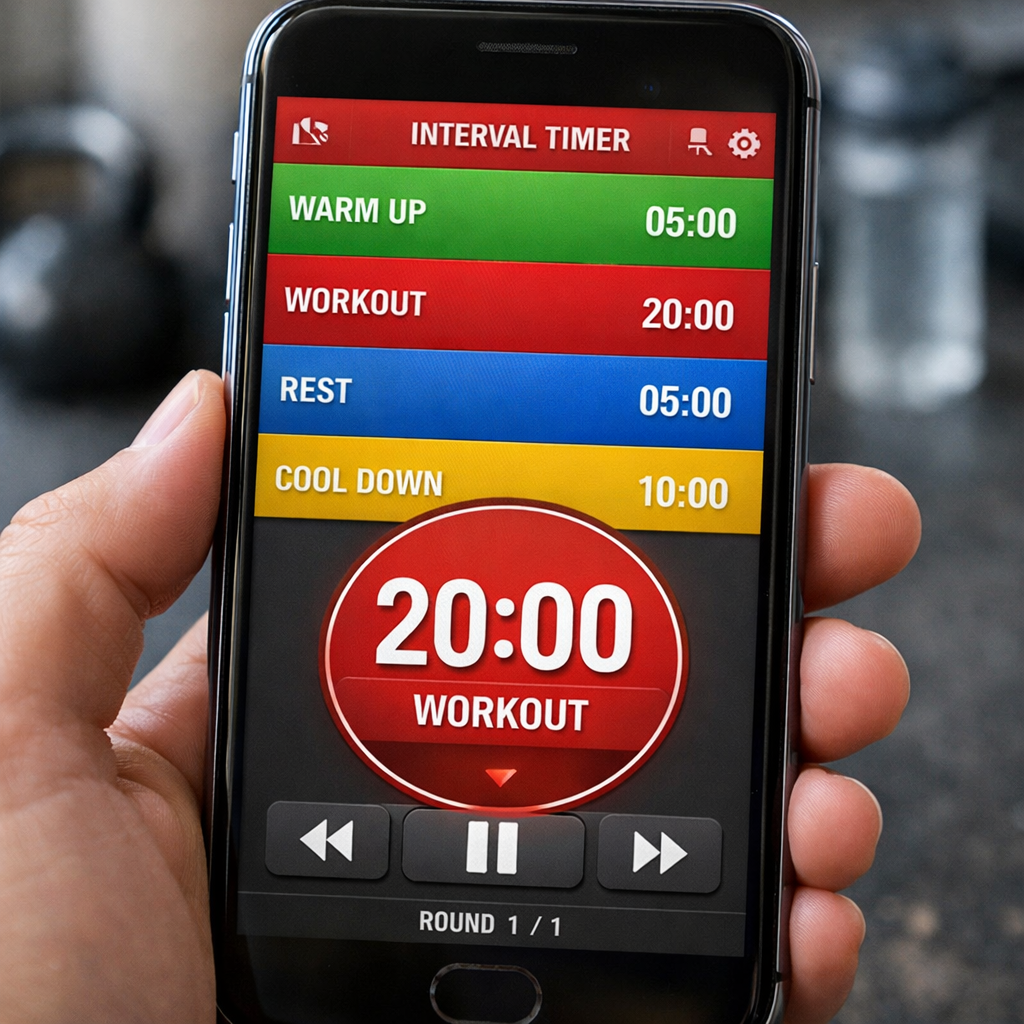
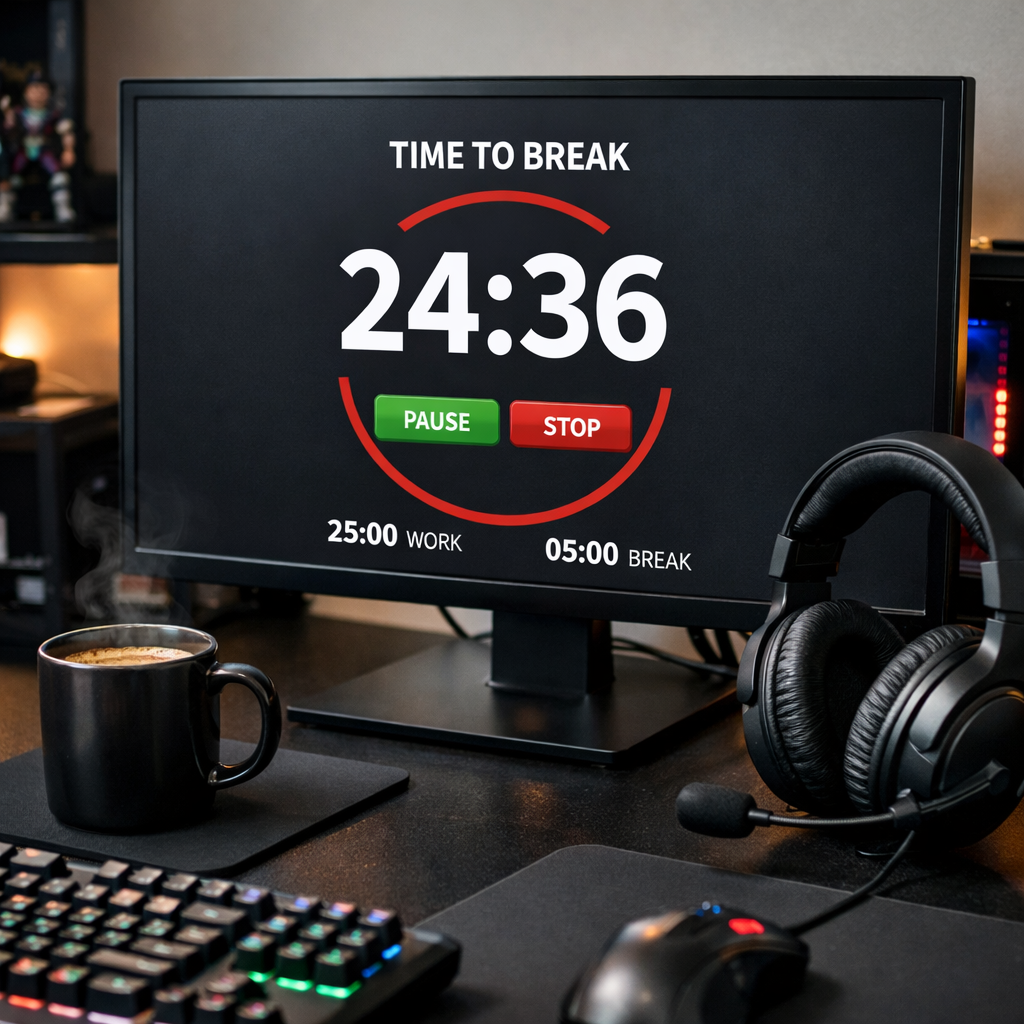
Grab a timer. It can be a physical kitchen timer, the built‑in timer on your phone, or, if you like a little extra visual feedback, the timer inside Focus Keeper. The key is to have a clear start‑stop signal that you can hear or see without scrolling through menus.
Choose your hardware
If you’re a student studying in a noisy dorm, a small desk timer with a loud “ding” can cut through the chatter. Remote workers often prefer a desktop widget that stays on the screen while they juggle Slack, email, and code. Freelancers juggling several client briefs love a timer that syncs across devices so they can switch between a laptop in a coffee shop and a tablet on the couch without missing a beat.
Set up your digital environment
Turn off non‑essential notifications. On Windows, use “Focus Assist”; on macOS, enable “Do Not Disturb”. Close every tab that isn’t part of today’s writing theme. If you use a project board like Trello, move the cards you’ll work on into a “Today” column – that visual cue tells your brain, “this is the only thing that matters right now.”
Next, decide how you’ll log each pomodoro. Some writers love a simple spreadsheet, others prefer a journal. The important part is to capture three data points: start time, end time, and what you accomplished. Over the week you’ll spot patterns – maybe you’re sharper at 9 am or you need a longer break after the second sprint.
Here’s a quick checklist to run through before you launch your first session:
- Timer set for 25 minutes
- Workspace cleared of distractions
- Writing goal for the sprint written on a sticky note
- Quick “do not disturb” mode activated
Does this feel like a lot? Think about it this way: you’re only spending a few minutes now to save hours of endless scrolling later.
Once your toolkit is ready, test it with a single 25‑minute sprint. Notice how the timer’s sound nudges you back when your mind starts to wander. Adjust the volume or visual cue until it feels just right.
After the video, take a moment to reflect: did the timer keep you honest? Did the “do not disturb” setting actually stop those notification pop‑ups? If something felt off, tweak it now before you commit to the full week.

With your toolkit in place, you’re ready to map out the rest of the week. The next step will show you how to assign each pomodoro to a specific writing task, turning abstract goals into bite‑size, doable chunks.
Step 2: Day 1 – Brainstorm & Outline
Alright, you’ve got your timer humming and your desk set up. Now it’s time to fill that blank page with ideas instead of staring at it.
Kick‑off with a quick mind‑dump
Set the first Pomodoro to 10‑15 minutes and write anything that pops into your head about the week’s project. No editing, no judgment. Just grab that “what if” feeling and spill it onto the page. You’ll be surprised how many hidden angles appear when you stop trying to be perfect.
When the timer dings, step back, take a sip of tea, and scan the list. Circle the gems that feel like they could become a section, a scene, or a paragraph.
Turn raw ideas into a skeletal outline
Grab a fresh Pomodoro and start grouping the ideas into logical buckets. For a blog series, those buckets might be “intro,” “key points,” and “conclusion.” For a novel chapter, think “setup,” “conflict,” and “turning point.” Write each bucket as a short headline.
Don’t worry about perfect phrasing yet – the goal is to see the flow. If a bucket feels too heavy, split it into two. If it feels thin, merge it with a neighbor.
Prioritise with the “three‑most‑important” rule
Before you move on, ask yourself: which three headlines will move the piece forward the most? Highlight those. They become the core of Day 1’s writing sprint, and the rest can be fleshed out later in the week.
Tip: Use the Focus Keeper app to tag each Pomodoro as “brainstorm” or “outline.” The visual log helps you see how much mental bandwidth you’re spending on each phase.
Quick sanity check
Take a fifth Pomodoro (5‑minute break) and read your outline out loud. Does it sound like a story you’d enjoy reading? Does it answer the question your reader came to you with? If something feels off, jot a note and tweak the heading.
Remember, the outline is a living map, not a prison. You’ll add, move, or even delete sections as you dive deeper.
Set tomorrow’s theme
Close the day by deciding what tomorrow’s Pomodoros will tackle. Maybe it’s “write the intro paragraph” or “research supporting quotes.” Write that theme on a sticky note, place it where you’ll see it, and let the timer do the rest.
That’s it for Day 1. A focused brainstorm, a rough outline, and a clear next‑step theme give you the momentum to keep the week’s Pomodoro plan rolling.
If you hit a mental wall, feel free to split the outline into two shorter Pomodoros with a mini‑break. A 5‑minute stretch or a quick glance at your favourite playlist can re‑charge the spark, letting you return with fresh eyes today.
For a deeper dive on why the Pomodoro Technique works so well for writers, check out this helpful guide from Darling Axe.
Step 3: Days 2‑3 – Focused Drafting Sessions (Video Walkthrough)
Set a clear drafting goal for each Pomodoro
Before you hit start on day 2, write down exactly what you want to produce in the next four or five Pomodoros. It could be “draft the first 300 words of the intro” or “finish the methodology section.” Having that tiny, concrete target keeps the timer from feeling like a vague reminder and turns it into a launch‑pad.
Chunk the draft into bite‑size sprints
Take your outline from Day 1 and slice it into 25‑minute chunks. For a freelance blog post, you might break it into: (1) hook paragraph, (2) first key point, (3) second key point, (4) conclusion call‑to‑action. For a student essay, split it into intro, each body paragraph, and a quick edit pass. The idea is that each sprint ends with a complete, readable piece – even if it’s only a paragraph.
When the timer dings, you don’t stop thinking about the piece; you just pause the pen. That pause is where the brain consolidates what you just wrote, making the next sprint smoother.
Use the “one‑sentence‑check” to stay on track
At the end of each Pomodoro, ask yourself: “Can I summarise what I just wrote in one sentence?” If you can, you’ve hit a logical stopping point. If not, keep going for another 5‑minute micro‑burst, then try again. This trick prevents you from leaving half‑finished thoughts dangling.
Real‑world examples
Take Maya, the freelance copywriter we mentioned earlier. On Day 2 she set a goal to finish the opening section of a tech article. She broke it into two Pomodoros: first 25 minutes for the hook, second 25 minutes for the first three bullet points. By the end of the day she’d completed a full, polished intro that she could hand off for client review.
Meanwhile, Carlos, a remote marketing analyst, used the same approach for a whitepaper. He allocated three Pomodoros to the data‑analysis paragraph, each sprint ending with a concise summary sentence. The result? No re‑writes later, because every chunk already made sense on its own.
Expert tip: leverage Focus Keeper’s tagging feature
In our experience, the tagging option in Focus Keeper helps you see where you spend the most time. Tag each sprint as “draft‑intro,” “draft‑body,” or “edit‑flow.” At the end of the two‑day block, glance at the dashboard – you’ll instantly spot if you’re over‑investing in one section and can rebalance tomorrow’s Pomodoros.
Breaks that actually reset
Don’t treat the 5‑minute break like a Netflix binge. Stand up, stretch, glance out the window, or do a quick breathing exercise. If you’re a student, flip through a flashcard deck – it keeps the mind active without pulling you into a deep distraction. Freelancers often set a timer for a 30‑second “micro‑walk” around the room; that tiny change of scenery can spark a new idea for the next paragraph.
End‑of‑day quick audit
When you wrap up Day 3, spend one Pomodoro (or just 10 minutes) reviewing what you’ve drafted. Highlight the sections that feel complete and flag any gaps. Jot those gaps on a sticky note and turn them into tomorrow’s theme. This audit turns the frantic “I need to write more” feeling into a clear, actionable to‑do list.
By the end of the focused drafting sessions, you should have a solid first draft that reads like a finished piece, even if you still need polishing. That’s the power of the one‑week pomodoro plan for writers – short bursts, clear goals, and purposeful breaks that keep the words flowing.
Step 4: Days 4‑5 – Editing with Pomodoro
By the time you hit Day 4, the draft already feels like a solid skeleton. Now it’s time to tighten the joints, smooth the edges, and make every sentence earn its place.
Does the thought of a massive edit marathon make you want to hide under your desk? Let’s break it down into bite‑size Pomodoros so the work feels doable, not daunting.
Set a laser‑focused editing goal for each Pomodoro
Instead of saying “edit the whole thing,” write a concrete aim: “scrub dialogue for clarity” or “hunt for passive voice.” Grab your timer and commit to that micro‑goal for the next 25 minutes.
When the bell rings, you’ll either be done or have a clear stopping point. Either way, you’ve made progress without the overwhelm.
Pick the right editing lens per session
Rotate your focus so you don’t fatigue any one brain region. One Pomodoro might target structure, the next spelling and grammar, another tone and flow.
Students often find a “big‑picture” pass (does the argument hold?) most useful before diving into sentence‑level tweaks. Remote workers love a quick readability scan to keep corporate reports crisp.
Use the 5‑minute break to reset, not to scroll
Stand up, sip water, or do a 10‑step stretch. Avoid the temptation to open social media – those five minutes can become fifteen, and the edit momentum stalls.
In our experience, a physical reset lets you spot errors you missed in the previous sprint.
Leverage the “one‑sentence test”
After each Pomodoro, read the paragraph you just edited out loud. Can you sum it up in a single sentence? If you can, the paragraph is likely tight enough to move on.
If not, note the sticky spots on a sticky note and schedule a dedicated “trouble‑spot” Pomodoro later in the day.
Track progress with a simple table
| Editing Focus | Pomodoro Length | Break Reset Idea |
|---|---|---|
| Structure & flow | 25 min | 5‑min window view or quick stretch |
| Grammar & style | 25 min | Eye‑exercise: look away, focus on a distant object |
| Readability & tone | 25 min | Take 2 deep breaths, sip water |
Notice how the table gives you a quick glance at what you’ve tackled and what still needs attention. That visual cue is a tiny morale boost.
What about those pesky “I‑don’t‑know‑where‑to‑start” moments? Try a “micro‑edit” Pomodoro: set the timer for just 10 minutes and attack a single paragraph. You’ll often finish faster than you expect, and the momentum carries over.
Remember the longer break after four Pomodoros – a 15‑minute walk, a coffee, or a quick sketch. Those deeper pauses are where the brain consolidates the edits you just made.
Need a reminder why the Pomodoro rhythm works for editing? The Pomodoro Technique guide for writers explains how short, focused bursts protect against fatigue and keep your attention razor‑sharp.
By the end of Day 5, you should have a polished manuscript that reads smoothly, with all the big‑picture gaps filled and the sentence‑level polish in place. The one‑week pomodoro plan for writers turns a mountain of edits into a series of manageable climbs, and you’ll finish feeling confident rather than exhausted.
Step 5: Day 6 – Review, Polish, and Optimize
You’ve just gotten through two days of heavy drafting and two days of focused editing. Now it’s time to step back, look at the whole piece, and make sure every sentence earns its place.
Set a clear review goal for the Pomodoro
Instead of saying “review everything,” write a concrete aim: “run a 25‑minute read‑through for flow” or “spend one Pomodoro finding any dangling commas.” When the timer starts, you know exactly what to hunt for, and when the bell rings you either finish or have a clean stop point.
Does that sound too rigid? Not at all. The goal‑first mindset keeps you from drifting into endless rabbit holes.
Micro‑polish sprint: one‑sentence test
At the end of each 25‑minute review, pick the paragraph you just read. Can you sum it up in a single sentence? If you can, the paragraph is likely tight enough. If not, flag it and give it a quick rewrite in the next micro‑sprint.
Students often find this trick helpful when polishing essays; freelancers love it for tightening client copy. It forces you to ask, “Is every word pulling its weight?”
Data‑driven optimization
Because you’re already tracking tomatoes, glance at your weekly average. The step‑by‑step Pomodoro planning guide shows how counting your 🍅 can reveal where you consistently lose focus. If you see you’re only getting three tomatoes on editing days, maybe your break length needs tweaking.
In our experience, adjusting the break‑to‑work ratio by just five minutes can boost your end‑of‑day clarity. Try a 30‑second stretch or a quick eye‑exercise before the next review block.
Final checklist before you call it done
- Read the piece out loud – hearing it forces you to catch awkward phrasing.
- Run a spell‑check, but also scan for passive voice manually.
- Confirm that each heading matches the reader’s intent identified on Day 1.
- Cross‑check any facts or quotes you inserted earlier – a quick Google search saves credibility.
- Log the final tomato count for the week; note any patterns for next week’s plan.
And remember, the longer 15‑minute break after four Pomodoros isn’t optional. A short walk or a cup of tea gives your brain the space to consolidate the edits you just made.
So, what’s the next step? Grab your timer, set that first 25‑minute review Pomodoro, and let the polishing begin. By the end of Day 6 you’ll have a manuscript that not only reads smoothly but also feels confident enough to share with a client, professor, or editor.
When you close your laptop tonight, you’ll notice a satisfying sense of completion – the kind that only comes from a well‑structured, one‑week Pomodoro plan for writers.
Finally, schedule a 10‑minute “future‑proof” Pomodoro for the next week. Jot down any lingering ideas, possible new sections, or research gaps you noticed while polishing. Treat that mini‑session as a bridge so you don’t lose momentum when the one‑week cycle ends.
You’ll be surprised how a quick glance at tomorrow’s to‑do list keeps the creative spark alive and prevents the dreaded writer’s block that often creeps in after a big edit sprint.
Step 6: Day 7 – Publish and Reflect
It’s finally here – the moment you hit “Enter” on the final version and share it with the world. After a week of Pomodoro bursts, that button feels a lot less scary, doesn’t it?
1. Give the piece a quick “publish‑ready” scan
Set a fresh 25‑minute Pomodoro and run through a checklist that’s all about the final polish. Look for dangling commas, broken links, and any stray placeholder text. If you’re a student, double‑check citation format; if you’re a freelancer, confirm the client’s brand voice is still intact.
Pro tip: In our experience, using the Focus Keeper timer to tag this sprint as “Publish‑Check” gives you a neat visual cue in the app – you can see at a glance how many minutes you spent on the final audit.
2. Hit the publish button (or send the draft)
Whether you’re posting a blog, uploading a report to Google Docs, or emailing a manuscript to your editor, treat the act of publishing as a celebration, not a chore. Take a breath, click “Publish,” and let that little digital chime be your high‑five.
Does the thought of “going live” still make your heart race? That’s normal. It means you care about the work, and the Pomodoro rhythm has just given you the confidence to move forward.
3. Reflect – the often‑overlooked Pomodoro finish line
After the publish sprint, set another 25‑minute Pomodoro titled “Reflect.” Grab your notebook or a quick digital note and answer three questions:
- What worked best in the week’s schedule?
- Which Pomodoros felt too short or too long?
- What idea popped up that didn’t fit this week but deserves a future sprint?
Jotting these insights turns the week into a data point you can improve on. It’s the same reason the Passion Planner community swears by a weekly reflection to keep the Pomodoro technique sharp (see how they use reflection).
And if you’re a remote worker juggling time zones, you might notice that your most productive Pomodoros landed in the early afternoon. That’s a concrete tweak you can carry into the next cycle.
4. Celebrate the small win
Give yourself a 15‑minute longer break – the one we always recommend after four Pomodoros. Walk to the kitchen, brew a fresh cup, or do a quick stretch. Notice how the sense of completion feels different from the “I’m done for today” vibe you get after a regular workday.
It’s okay to linger a little. Let the satisfaction settle before you jump into the next week’s planning.
5. Bridge to week two
Take the “future‑proof” Pomodoro you scheduled at the end of Day 6 and use it now. Write down any lingering ideas, possible new sections, or research gaps you spotted during the final edit. Pin those notes to your weekly planner so they’re waiting for you when you start the next one‑week Pomodoro cycle.
That tiny habit prevents the dreaded post‑publish slump and keeps the creative engine humming.
So, what’s the next step? Celebrate, reflect, and set the stage for the next round. Your one‑week pomodoro plan for writers isn’t a one‑off sprint; it’s a habit loop that gets smoother each time you run it.

Conclusion
So, you’ve walked through the whole one‑week pomodoro plan for writers—brainstorm, draft, edit, polish, and finally hit publish.
In our experience, the real magic shows up when the habit loops stick. The timer’s little “ding” becomes a cue that you’re ready to focus, and the short breaks keep fatigue at bay.
Does it feel weird to schedule “future‑proof” Pomodoros at the end of a week? It’s actually a tiny safety net that stops the post‑publish slump and keeps ideas from slipping away.
Here’s a quick checklist to lock it in: review your weekly tomato count, note which intervals felt too tight, and set a 10‑minute sprint next Monday to tweak the rhythm.
Remember, you don’t have to be perfect. If a day you only manage two Pomodoros, treat it as data, not failure, and adjust your break length or start time.
For students, remote workers, freelancers, and busy professionals alike, the one‑week pomodoro plan for writers is a lightweight framework that scales—add a day, drop a session, or lengthen the intervals, and it still works.
Ready to turn the “I should write more” thought into a daily habit? Grab your Focus Keeper timer, set the first 25‑minute sprint, and watch the momentum build.
FAQ
Got questions about the one-week pomodoro plan for writers? Below are the most common queries we hear from students, freelancers, remote workers, and busy professionals, along with practical answers you can start using today.
How do I set up a one‑week pomodoro plan for writers?
Start by defining a clear writing goal for the week—whether it’s a blog series, a research paper, or a client draft. Break that goal into daily themes, then allocate 4‑6 Pomodoros (25‑minute sprints) to each theme. Use a simple timer, set a start‑time that fits your routine, and note the task you’ll tackle in each sprint. The key is consistency: the same start time and break rhythm help train your brain to focus.
What should I do if I can’t finish a Pomodoro session on a given day?
Don’t treat it as failure; view it as data. Pause, note where you got stuck, and decide whether to extend the break, shorten the next sprint, or shift the unfinished task to the next day. A quick 5‑minute reflection can reveal whether the block was too ambitious or if distraction was the culprit. Then adjust your plan—maybe swap a 25‑minute sprint for a 20‑minute one and see how the rhythm feels.
How many Pomodoros are ideal for each day of the week?
For most writers, 4‑6 Pomodoros per day provide enough momentum without burning out. On heavy‑draft days you might push to eight, while research or outlining days could be as low as three. The sweet spot varies: students often thrive on four, freelancers on five, and remote workers on six. Track your energy levels; if you notice a dip after the fourth sprint, schedule a longer 15‑minute break to reset.
What’s the best way to track progress during the week?
The best way to track progress during the week is using the timer’s built‑in logging feature to record each Pomodoro and tag it (e.g., “draft‑intro,” “edit‑flow”). At the end of the day, review the log to see how many tomatoes you completed and which tasks remain. Visualizing the count helps you spot patterns—maybe you lose focus after two sprints in the afternoon, or you’re most productive first thing in the morning. Adjust future sessions based on those insights.
Which break activities keep my writing flow intact?
Pick micro‑activities that reset your brain without pulling you into a deep distraction. A quick stretch, a glance out the window, a 30‑second breathing exercise, or flipping through a flashcard deck works well. Avoid scrolling social media; even a short video can extend the break unintentionally. Some writers sip water, others do a mini‑walk around the room—just keep it under five minutes so the momentum stays alive.
How can I adapt the plan for different types of writing projects?
Tailor the daily themes to match the project’s structure. For a long‑form article, split the week into research, outline, draft, and polish phases. For a short blog post, compress research and outline into one Pomodoro, then allocate the rest to drafting and editing. If you’re juggling multiple clients, assign separate Pomodoro tags for each project and rotate them throughout the week to avoid monotony.