
What is user experience design?
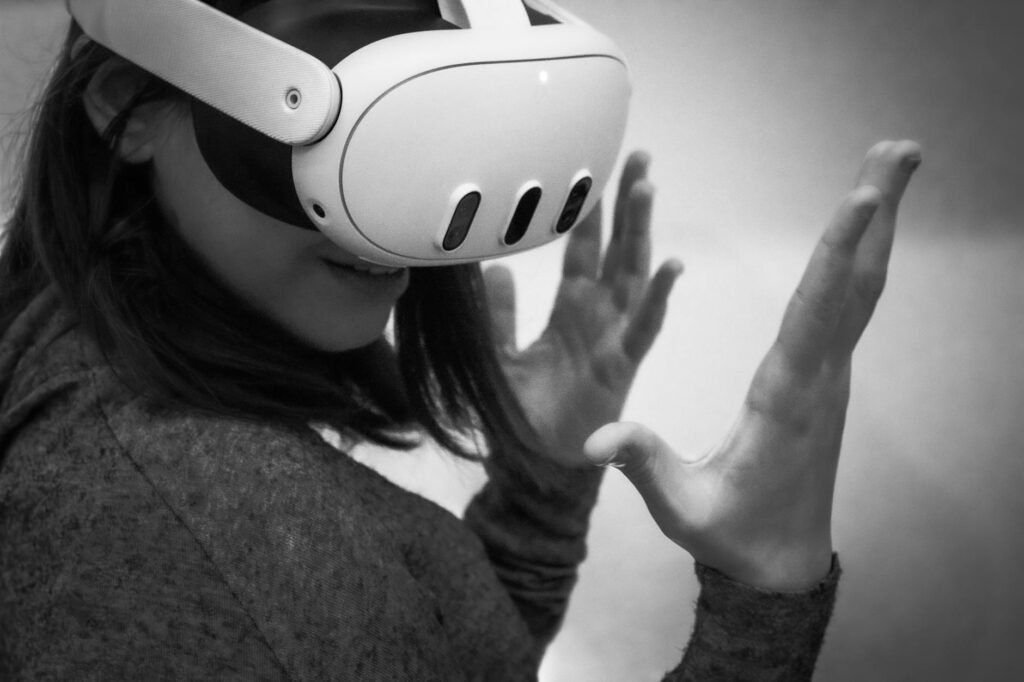
What is user experience design?
User experience design, often abbreviated as UX design, plays a pivotal role in shaping our interactions with various digital products and services. In a world where online presence is crucial, understanding user experience design can significantly impact productivity and personal development. Let’s explore what UX design entails, why it matters, and how it can enhance our daily lives.
Understanding User Experience Design
User experience design refers to the process of creating products that provide meaningful and relevant experiences to users. It’s not just about making things look pretty; it focuses on improving the overall experience a user has when interacting with a product.
The Definition and Scope of User Experience Design
At its core, UX design encompasses several critical components, including user research, interaction design, and usability. User research helps designers understand the needs, motivations, and behaviors of users. This insight is vital for creating designs that resonate with the target audience.
Interaction design involves crafting the actual flow and feel of the product. This includes everything from button placements to the overall layout of a website or app. Finally, usability testing ensures that the product is easy to use and accessible to a diverse group of users.
If you’re curious about the broader aspects of UX design, you might check out this complete guide on UX design.
User Experience vs. User Interface Design
While the terms user experience (UX) and user interface (UI) design are often used interchangeably, they refer to different aspects of the design process. UX design focuses on the overall feel of the product and how users interact with it, while UI design is concerned with the visual aspects and the layout of the interface.
For instance, imagine you’re using a website. The UX design determines how easy it is to navigate, find information, or complete a purchase. In contrast, the UI design involves the colors, fonts, and buttons you see on the page. Both aspects are integral to creating a seamless experience, but they play distinct roles in the design process.
The Principles of User Experience Design
Effective user experience design is guided by several key principles that help in crafting meaningful interactions.
Usability and Accessibility
Usability and accessibility are foundational principles of UX design. Usability ensures that products are straightforward and easy to navigate. Accessibility focuses on making products usable for people with diverse abilities, including those with visual or auditory impairments.
By prioritizing these components, designers can create experiences that are not only enjoyable but also inclusive. This commitment to inclusivity is essential, as it opens up the product to a broader range of users.
User-Centered Design Process
A user-centered design process is integral to successful UX design. This approach involves actively involving users throughout the design process. By gathering feedback and insights from real users, designers can refine their products to better meet user needs.
This iterative process typically includes stages like defining user personas, creating wireframes, and conducting usability testing. Each step helps ensure that the final product aligns closely with user expectations.
Benefits of Good User Experience Design
Implementing strong user experience design strategies brings numerous advantages that can enhance both user satisfaction and business success.
Improved User Satisfaction and Engagement
When products are designed with the user in mind, satisfaction levels soar. Good UX design leads to intuitive interfaces that reduce frustration and confusion. As a result, users are more likely to engage with the product, returning time and again.
An example of this can be seen in many successful applications that prioritize UX, leading to strong user loyalty and community building. For further exploration of this topic, you can read about the importance of user experience.
Increased Productivity and Efficiency
Good UX design doesn’t just benefit users; it can also enhance productivity for businesses. When users can navigate products effortlessly, they accomplish their tasks more efficiently. This efficiency can lead to increased productivity across the board, benefiting both individuals and organizations.
For instance, consider software tools designed with user experience in mind. They often enable teams to collaborate more effectively, resulting in faster project completion and improved outcomes.
Challenges in User Experience Design
Despite its benefits, user experience design is not without challenges.
Balancing User Needs and Business Goals
One of the biggest hurdles UX designers face is finding the right balance between user needs and business goals. While it’s essential to create a product that users love, businesses often have specific objectives that must be met, such as profitability or brand alignment.
Navigating this balance requires careful consideration and sometimes compromise. Designers must advocate for users while also keeping business objectives in focus.
Keeping Up with Technological Changes
The tech landscape evolves rapidly, presenting another challenge for UX designers. New technologies, tools, and platforms emerge regularly, demanding that designers stay current with trends and best practices.
This constant change can make it difficult to maintain a consistent user experience across different devices and platforms. Embracing continuous learning and adaptability is key for designers in this fast-paced environment.
Conclusion and Future of User Experience Design
User experience design is a crucial component of creating meaningful interactions between users and products. By understanding its principles and benefits, we can appreciate its role in enhancing our daily lives. As technology continues to advance, the future of UX design promises even more innovation and exciting opportunities for improvement.
Reflecting on the importance of user experience design, it’s clear that prioritizing usability and accessibility will remain significant in the years to come. Embracing a user-centered approach will ensure that products not only meet business goals but also provide value and satisfaction to users.
With the ever-changing landscape of technology, I’m eager to see how UX design adapts and evolves. After all, the ultimate goal is to create experiences that not only fulfill our needs but also enrich our lives.

Photo by Alessia Lorenzi