
What is stress reduction?
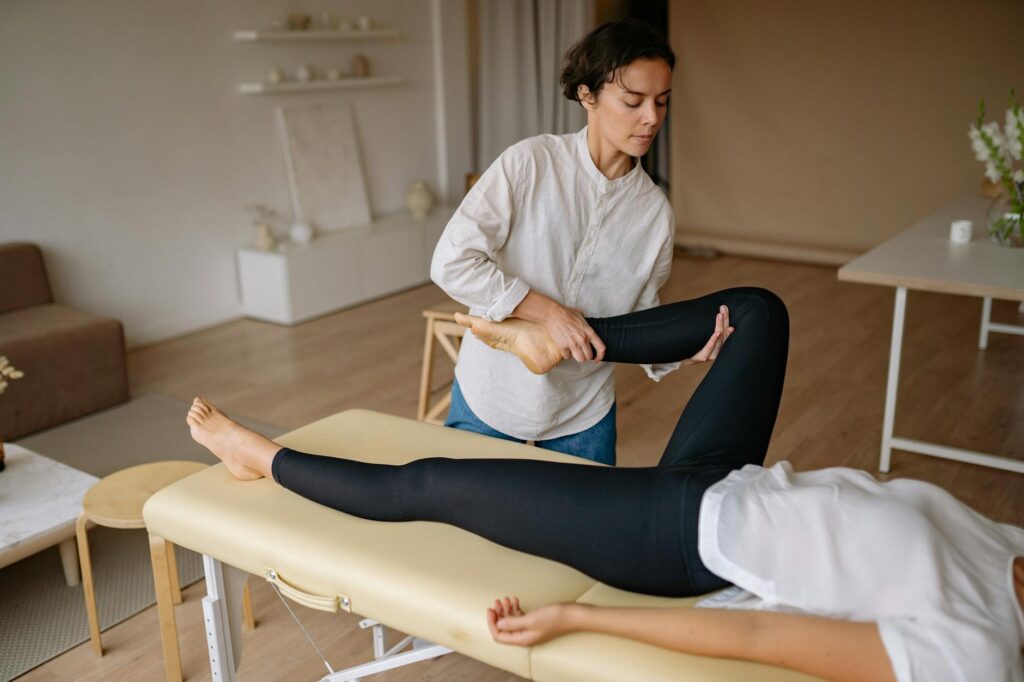
What is stress reduction?
In today’s fast-paced world, stress seems to lurk around every corner, waiting to pounce. Whether it’s the pressure of deadlines, juggling personal commitments, or the constant noise of digital notifications, stress can feel overwhelming. But what if I told you that there’s a way to manage that stress effectively? Stress reduction is a vital practice that can enhance your overall well-being, productivity, and health. By understanding stress and adopting specific techniques to reduce it, we can cultivate a more balanced life.
Understanding Stress
Stress is our body’s response to challenges or demands. It can stem from various sources, including work, relationships, or even daily responsibilities. When faced with a stressor, our body triggers a series of physiological responses, often referred to as the “stress response.”
Types of Stress
Stress can be categorized into three main types:
-
Acute Stress: This is short-term stress that arises from specific events, such as an impending deadline or an argument. While it can be intense, it usually subsides once the situation resolves.
-
Chronic Stress: Unlike acute stress, chronic stress lingers over a prolonged period. It can stem from ongoing issues like financial troubles or a demanding job. This type can have severe consequences on physical and mental health.
-
Eustress: Not all stress is harmful. Eustress is positive stress that can motivate us to perform better, like the excitement before a big presentation or a thrilling adventure.
The Stress Response System
When we encounter stress, our body’s fight-or-flight response kicks in. This mechanism prepares us to either confront the threat or flee from it. While this response can be beneficial in high-pressure situations, it can also lead to negative outcomes if triggered too frequently. The chronic activation of this system can result in fatigue, anxiety, and various health issues.
Benefits of Stress Reduction
Reducing stress is not just about feeling better; it has profound benefits for our mental and physical health.
Improved Mental Clarity
When stress levels are high, our ability to think clearly and make decisions often suffers. By engaging in stress reduction techniques, I’ve noticed a significant improvement in my focus and decision-making skills. Less stress equates to a sharper mind and a more effective approach to problem-solving.
Physical Health Benefits
Reducing stress can lead to better sleep, lower blood pressure, and enhanced immune function. For example, the Health Benefits of Reducing Stress highlight how lower stress levels can protect our long-term health. Regularly managing stress enables our bodies to recover effectively and function optimally.
Effective Stress Reduction Techniques
Integrating stress reduction techniques into your daily routine can transform your life.
Mindfulness and Meditation
Mindfulness involves being present in the moment without judgment. It allows us to observe our thoughts and feelings without being overwhelmed. Practicing mindfulness or meditation can significantly reduce stress levels. Simple techniques include focusing on the breath or engaging in guided meditations, which you can explore further at Harvard’s guide on relaxation techniques.
Exercise and Physical Activity
Regular physical activity is a powerful stress reliever. It helps release endorphins, our body’s natural mood lifters. Whether it’s a brisk walk, a yoga session, or a workout at the gym, finding activities you enjoy makes it easier to stay active. The NHS provides tips to reduce stress through exercise that are easy to implement.
Time Management Strategies
Effective time management can significantly lower stress levels. Techniques like prioritizing tasks, breaking projects into manageable steps, and setting realistic deadlines can create a sense of control. When I started planning my days with intention, I noticed a remarkable drop in my stress levels.
Creating a Holistic Stress Reduction Plan
Designing a personalized stress reduction plan can help you manage stress effectively and sustainably.
Setting Goals and Tracking Progress
Begin by identifying specific stress reduction goals. Whether it’s practicing mindfulness for ten minutes a day or committing to a workout routine, setting clear objectives helps keep you accountable. Regularly monitoring your progress encourages you to stay on track and make adjustments as needed.
Building a Support System
Social support plays a critical role in stress management. Surrounding yourself with positive influences and nurturing relationships can provide comfort during challenging times. Consider joining groups or communities focused on personal development or stress reduction. Reaching out to friends or family for support can make a world of difference.
Conclusion
Stress reduction is key to achieving a balanced, healthy life. By understanding the nature of stress and implementing effective techniques, you can enhance your mental clarity, improve your physical health, and boost your productivity. Don’t underestimate the power of stress management; it’s a crucial skill that can lead to a more fulfilling and peaceful life. Start today, and take actionable steps toward reducing stress in your life!

Photo by Yan Krukau