
What is physical breaks?
What is physical breaks?
In our fast-paced world, where screens dominate our daily lives, the concept of physical breaks has emerged as a crucial element for enhancing both productivity and well-being. Taking short, intentional breaks from physical activity can significantly impact how we feel and perform throughout the day. This article explores what physical breaks are, their importance, and practical ways to incorporate them into your routine.
Understanding Physical Breaks
Physical breaks can be defined as brief periods during which you step away from a sedentary task to engage in some form of movement or physical activity. Unlike mental breaks, which might involve simply resting your mind or doing a non-physical task, physical breaks specifically aim to stimulate your body and mind through movement.
Definition of Physical Breaks
Essentially, physical breaks are moments when you pause from your current activities to engage in actions that involve moving your body. This could range from simple stretches to a short walk around your office or home. The key is to get your blood flowing and your muscles moving, which can refresh your mind and body.
Examples of Physical Breaks
Here are some common examples of physical breaks you might consider integrating into your daily routine:
- Stretching: Simple stretches can relieve tension and improve flexibility.
- Walking: A quick stroll around your workspace or outside can boost your energy levels.
- Standing: Just standing up for a couple of minutes can help counteract the effects of prolonged sitting.
- Light Exercises: Engaging in light exercises like squats or jumping jacks can invigorate you.

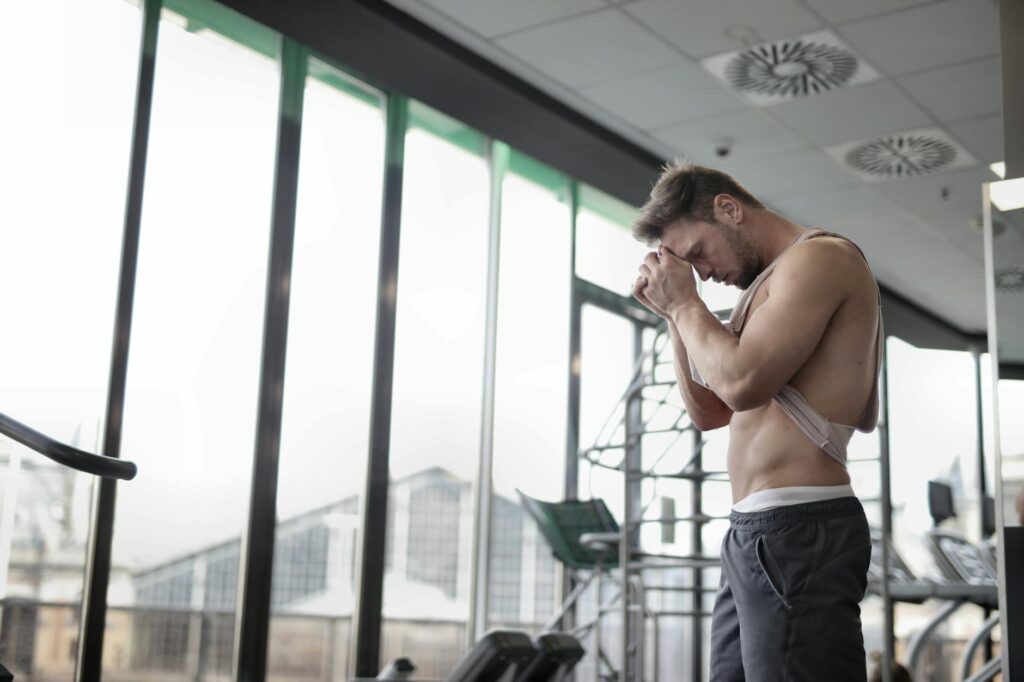
Photo by Andrea Piacquadio
The Benefits of Taking Physical Breaks
Incorporating physical breaks into your daily routine can lead to numerous benefits that enhance your overall quality of life.
Improved Focus and Productivity
Have you ever noticed how your concentration fades after long periods of work? Physical breaks can actually boost your focus. Engaging in movement helps to increase blood flow and oxygen to the brain, leading to improved cognitive function. Research indicates that short, frequent breaks can significantly enhance productivity levels, allowing you to tackle tasks with a clearer mind and renewed energy source.
Reduction of Stress and Fatigue
Physical breaks play a pivotal role in managing stress. Stepping away from your desk to stretch or walk can reduce feelings of anxiety and help clear your mind. According to various studies, regular breaks can lower stress and fatigue, preventing burnout and maintaining a positive mental state throughout the day source.
Enhanced Creativity and Problem-Solving
Sometimes, stepping away is the best way to find a solution. Engaging in physical activity can stimulate creativity and lead to better problem-solving. When you take a break, your brain has the freedom to wander, allowing new ideas to surface. So, the next time you’re stuck on a problem, consider taking a quick physical break to refresh your perspective.
Implementing Physical Breaks into Your Routine
Incorporating physical breaks into your daily schedule doesn’t have to be complicated. Here are some practical strategies to help you get started.
Setting a Timer for Regular Breaks
One effective method for ensuring you take breaks is to set a timer. Aim for a break every 45-60 minutes. This simple action can help create a habit of stepping away from your work, ensuring you’re giving your body the movement it needs source.
Creating a Break-Friendly Environment
Your workspace can significantly influence your willingness to take breaks. Arrange your environment to make it easier to step away. For instance, keep your stretch mat nearby, or locate your workspace near a walking path. Making breaks accessible and inviting can encourage you to take them more frequently.
Incorporating Movement into Breaks
Consider engaging in specific activities during your breaks. Walking, stretching, or even doing a quick workout can be highly beneficial. You might listen to your favorite music or a podcast while you move, turning these breaks into enjoyable moments that also refresh your mind.
Conclusion
In conclusion, physical breaks are not just a luxury; they are a necessity for maintaining productivity and overall well-being. By taking intentional moments to move, you can enhance your focus, reduce stress, and foster creativity. I encourage you to actively integrate physical breaks into your daily routine. Your mind and body will thank you for it!