
What is meditation techniques?
What is meditation techniques?
In today’s fast-paced world, finding moments of stillness can feel nearly impossible. This is where meditation techniques come in. These practices provide a path to tranquility, helping us combat stress while enhancing our productivity and personal growth. Whether you’re new to meditation or looking to deepen your practice, understanding these techniques can be transformative.
Understanding Meditation
Meditation, at its core, is a mental exercise that aims to achieve a state of heightened awareness and focused attention. Historically, meditation has roots in religious and spiritual traditions, including Buddhism and Hinduism. Over time, these practices have evolved, adapting to modern needs and becoming more secular. Today, meditation isn’t just for monks; it’s for anyone looking to cultivate a greater sense of peace and clarity in their lives.
The Purpose of Meditation
The main goals of meditation vary by practice but generally include:
- Promoting relaxation: In our busy lives, finding a moment of peace can significantly reduce tension and anxiety.
- Enhancing focus: Meditation trains the mind to concentrate better, which can improve overall productivity.
- Achieving self-awareness: By turning inward, we can gain insights into our thoughts and behaviors, leading to personal growth.
Different Types of Meditation
There are numerous forms of meditation, each with unique techniques and benefits. Here are a few popular types:
- Mindfulness Meditation: This involves paying attention to the present moment without judgment, often through breath awareness.
- Transcendental Meditation: A mantra-based practice focusing on deep relaxation and stress reduction.
- Loving-Kindness Meditation: This technique emphasizes sending goodwill and kindness to oneself and others.
If you’re curious about exploring these further, resources like Mindful offer excellent guidance on various meditation styles.
Popular Meditation Techniques
Let’s delve into some specific meditation techniques you can easily incorporate into your daily routine.
Mindfulness Meditation
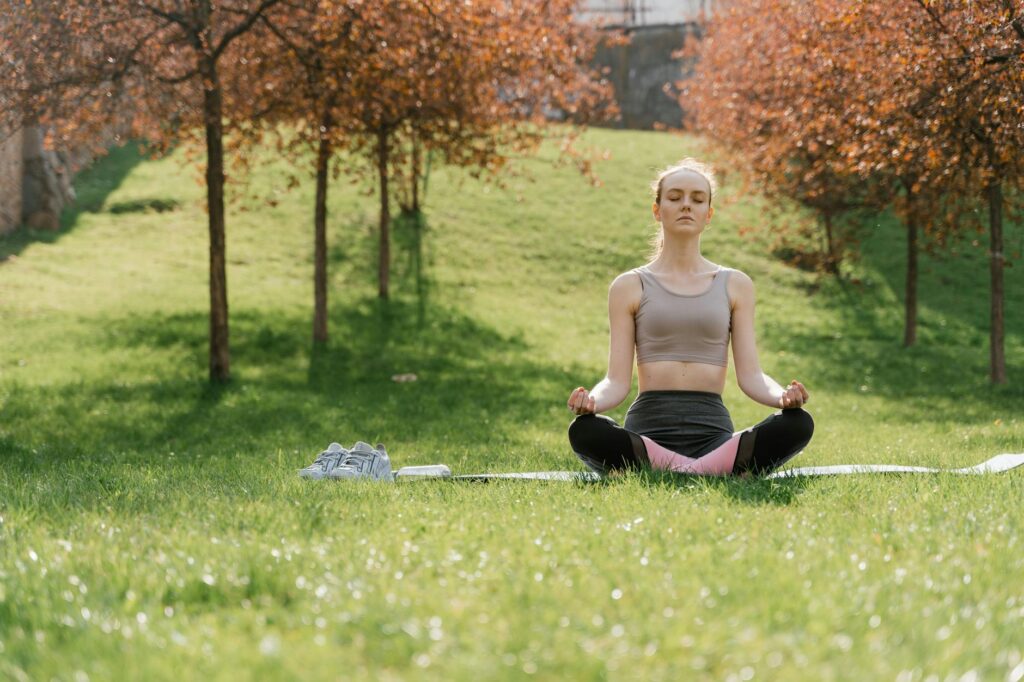
Mindfulness meditation is about bringing your attention to the present moment. To start, find a quiet space, sit comfortably, and close your eyes. Focus on your breath, noticing the sensation of air entering and leaving your body. When your mind wanders, gently redirect your focus back to your breath. This simple practice can help you cultivate a greater sense of awareness.
Guided Meditation
Guided meditation involves listening to a recorded session led by an instructor. This can be incredibly helpful for beginners. There are many free resources available online, including apps like Headspace or Positive Psychology, which provide a variety of guided sessions tailored to different needs and preferences.
Breathing Techniques in Meditation
Breath control is a fundamental aspect of many meditation practices. Techniques like diaphragmatic breathing can enhance your meditation experience. To practice, inhale deeply through your nose, allowing your abdomen to expand, and then slowly exhale through your mouth. This technique helps ground you and can significantly improve focus during meditation.
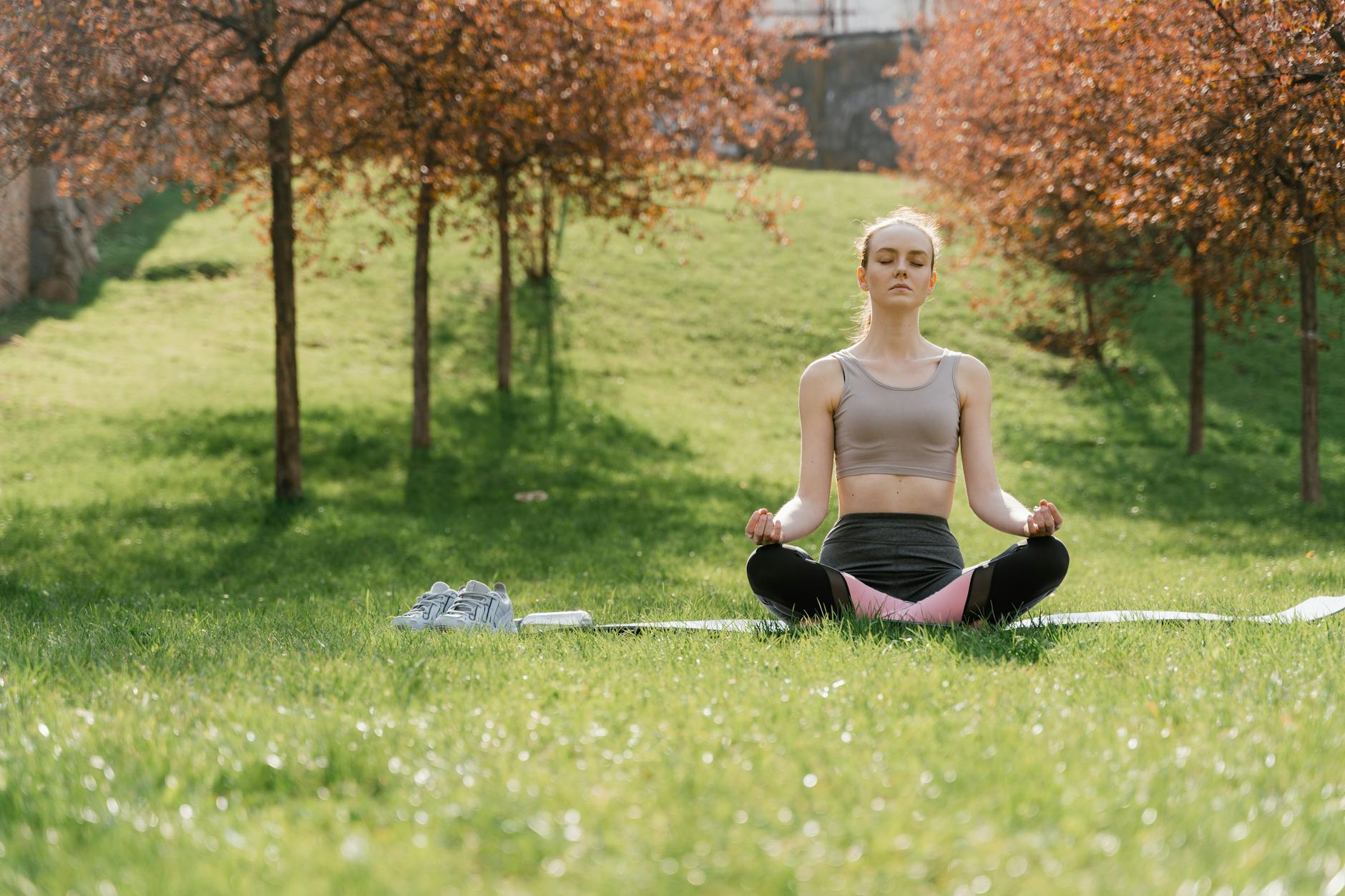
Photo by MART PRODUCTION
Incorporating Meditation into Daily Life
Integrating meditation into a busy lifestyle might seem daunting, but it can be done with a few practical strategies.
Creating a Meditation Routine
Establishing a consistent meditation practice is key. Start small—set aside just five minutes each day. Gradually increase this as you become more comfortable. Find a peaceful spot in your home where you can sit quietly. Creating an inviting atmosphere can make a significant difference in your practice.
Using Technology for Meditation
Technology can be a powerful ally in your meditation journey. There are numerous apps and websites, like Headspace, that provide guided sessions, timers, and reminders to help you stay on track. This can help make meditation a regular part of your day without feeling overwhelming.
Benefits of Regular Meditation Practice
The advantages of regular meditation practice extend beyond the session itself.
Improved Focus and Concentration
Research shows that meditation can enhance attention span and cognitive function. By regularly practicing mindfulness, you can train your brain to stay focused longer, making you more productive in your daily tasks.
Stress Reduction and Emotional Well-Being
Meditation serves as an effective tool for stress reduction. It can lower levels of cortisol, the stress hormone, leading to a calmer state of mind. Regular practice has also been linked to improved emotional health, helping you manage anxiety and depression more effectively. For more on the health benefits of meditation, check out Healthline.
Meditation techniques are not just a trend; they are essential tools for navigating the complexities of modern life. By exploring various practices, you can find the techniques that resonate with you, ultimately enhancing your productivity and personal growth. So why not take a moment today to step back, breathe, and discover the peace that meditation can bring? Your mind and body will thank you.