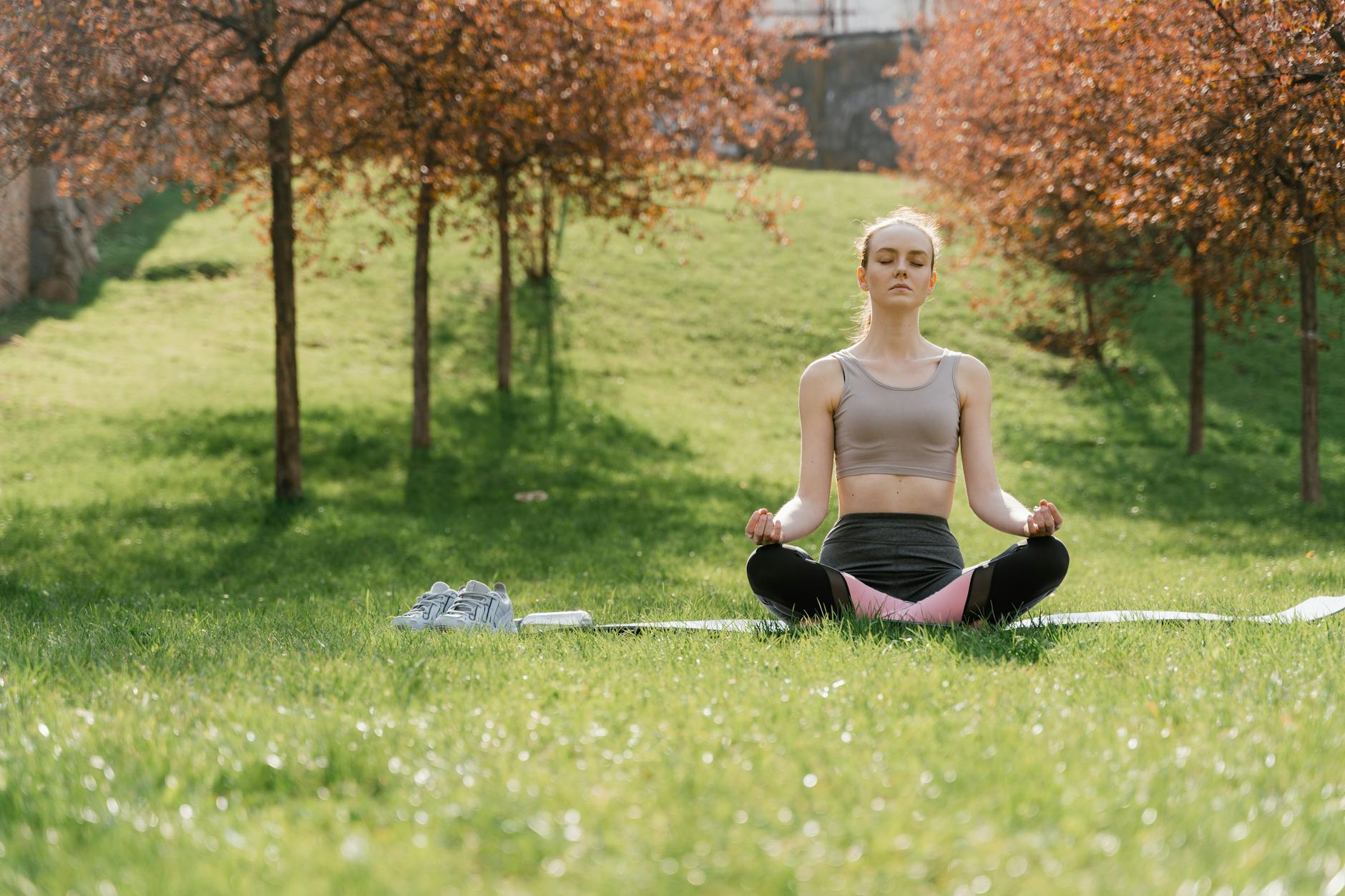
What is breathe techniques?
What is breathe techniques?
Breathe techniques are methods designed to enhance well-being, reduce stress, and improve focus. They’re often used in personal development and productivity strategies because of their powerful ability to impact mental clarity and emotional regulation. Whether you’re navigating a busy workday or seeking a moment of calm, mastering different breathe techniques can help center your thoughts and increase your effectiveness.
Understanding Breathe Techniques
At their core, breathe techniques involve specific methods of controlling your breath to promote relaxation and mental clarity. These techniques can be simple, like taking a few deep breaths, or more structured, like practicing rhythmic inhalation and exhalation patterns. The purpose? To harness the power of your breath to calm the mind, focus your thoughts, and boost your overall well-being.
The Science Behind Breathing
Breathing is more than just a physiological need; it plays a crucial role in how our bodies respond to stress. When you’re anxious or stressed, your body tends to breathe faster and more shallowly. This can activate the sympathetic nervous system, triggering a “fight or flight” response. By practicing breathe techniques, you can stimulate the parasympathetic nervous system, which helps the body relax and promotes feelings of calm. Such practices can lead to lower blood pressure, reduced heart rate, and an overall sense of peace.
Types of Breathe Techniques
There are several popular breathe techniques, each with its unique benefits:
-
Diaphragmatic Breathing: Also known as abdominal breathing, this involves engaging the diaphragm to breathe deeply. It encourages full oxygen exchange and can help reduce tension.
-
Box Breathing: This technique is structured as a four-step process: inhale for four seconds, hold for four seconds, exhale for four seconds, and hold again for four seconds. It’s excellent for calming the mind.
-
Alternate Nostril Breathing: This yogic practice involves breathing in and out through one nostril at a time. It’s said to balance the body’s energy and promote mental clarity.
These techniques can be tailored to your needs and preferences, allowing you to develop a personal routine that works for you.
Benefits of Breathe Techniques
Incorporating breathe techniques into your daily routine can offer numerous advantages.
Stress Reduction and Emotional Regulation
Breathe techniques are well-known for their effectiveness in managing stress. By slowing your breathing and focusing on inhalation and exhalation, you can lower levels of cortisol, the stress hormone. This regulation can lead to enhanced emotional stability, allowing you to respond to challenges with a clearer mindset. For more insights, you can check out this article on breathing techniques for stress relief.
Enhanced Focus and Productivity
Have you ever noticed how taking a moment to breathe can help clarify your thoughts? Proper breathing techniques can enhance concentration and productivity, particularly in high-pressure situations. When you focus on your breath, you create a moment of stillness that allows for better decision-making and creativity. This is especially useful during long study sessions or demanding work tasks.
Physical Health Benefits
The advantages of breathe techniques extend beyond mental health. They can lead to improved physical health too. For instance, regular practice of diaphragmatic breathing has been shown to enhance lung capacity, improve oxygen flow, and even lower blood pressure. Such benefits contribute to better overall health and can even support recovery during illness.
How to Practice Breathe Techniques
Incorporating breathe techniques into your daily life doesn’t have to be complicated. Here are some practical suggestions:
Simple Breathing Exercises
Starting with basic exercises can yield immediate benefits. Here are a couple of exercises to try:
-
Deep Breathing: Sit or lie down comfortably. Inhale deeply through your nose for a count of four, hold for four, and exhale slowly through your mouth for a count of six. Repeat this for several minutes.
-
4-7-8 Breathing: Inhale for four seconds, hold for seven seconds, and exhale for eight seconds. This technique can help you fall asleep faster and improve your overall mood.
For more detailed breathing exercises, you can refer to this comprehensive guide on breathing exercises.
Integrating Breathing into Daily Routines
Breathe techniques can be seamlessly integrated into your everyday activities. Here’s how:
-
During Work Breaks: Take a few minutes every hour to practice deep breathing. This can help reset your focus and increase productivity.
-
Before Meetings: Calm any pre-meeting jitters by engaging in box breathing. This can create a sense of composure and prepare you mentally.
-
At the End of the Day: Wind down by practicing alternate nostril breathing before bed. This promotes relaxation and prepares your body for restful sleep.
Conclusion
Breathe techniques are invaluable tools for personal development and productivity. They provide a simple yet powerful way to manage stress, enhance focus, and improve physical health. By adopting these methods, you can create a balanced life that prioritizes well-being. So why not start exploring these techniques today? Your mind and body will thank you!
Photo by MART PRODUCTION