
What is anxiety relief practices?
What is anxiety relief practices?
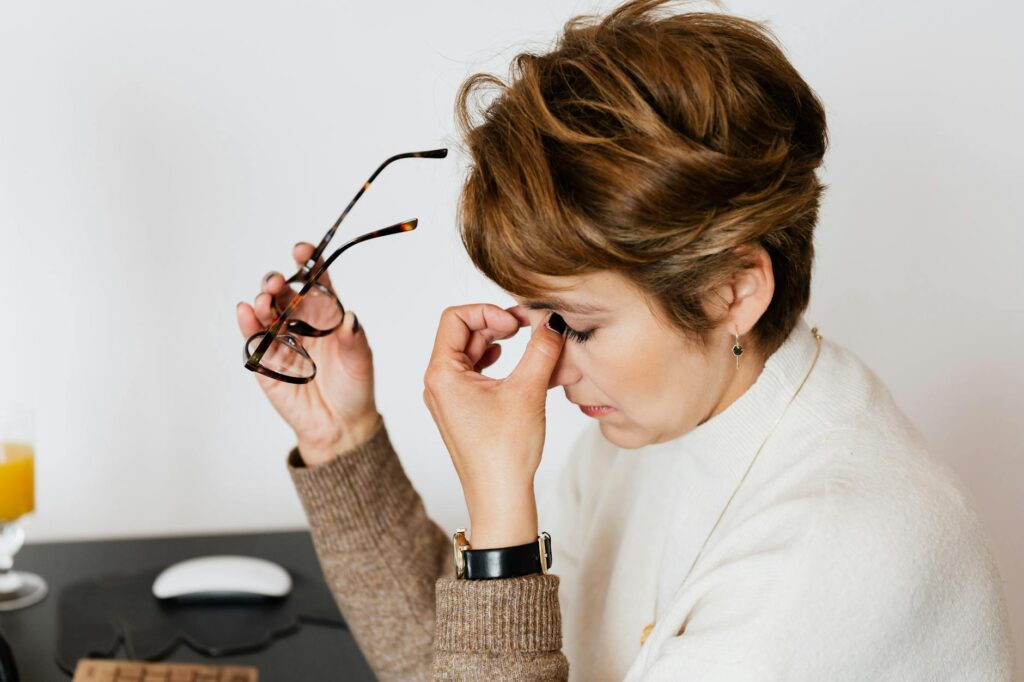
Anxiety can feel like a heavy weight on your shoulders, making daily tasks seem insurmountable. It’s a feeling that many of us have experienced, whether due to work pressures, personal issues, or unexpected life changes. Thankfully, anxiety relief practices can provide pathways to improve our overall well-being. These techniques offer ways to manage anxiety, enabling us to live more balanced lives.
Understanding Anxiety and Its Impact
Anxiety is more than just occasional worry—it’s a condition that can affect your daily life, productivity, and mental health.
What is Anxiety?
At its core, anxiety is the body’s natural response to stress. It manifests as both psychological and physical symptoms. Psychologically, you might feel an overwhelming sense of dread or worry. Physically, symptoms can include a racing heart, shortness of breath, or even gastrointestinal issues. These reactions are normal, but when anxiety becomes persistent, it can interfere with your ability to function. For a deeper understanding of anxiety’s impact, check out this resource from the Anxiety and Depression Association.
Common Triggers of Anxiety
Anxiety can stem from various triggers in both personal and professional life. Deadlines at work, financial pressures, or relationship issues can ignite feelings of anxiety. Even positive changes, like starting a new job, can lead to anxious feelings. Recognizing these triggers is the first step in managing anxiety effectively.
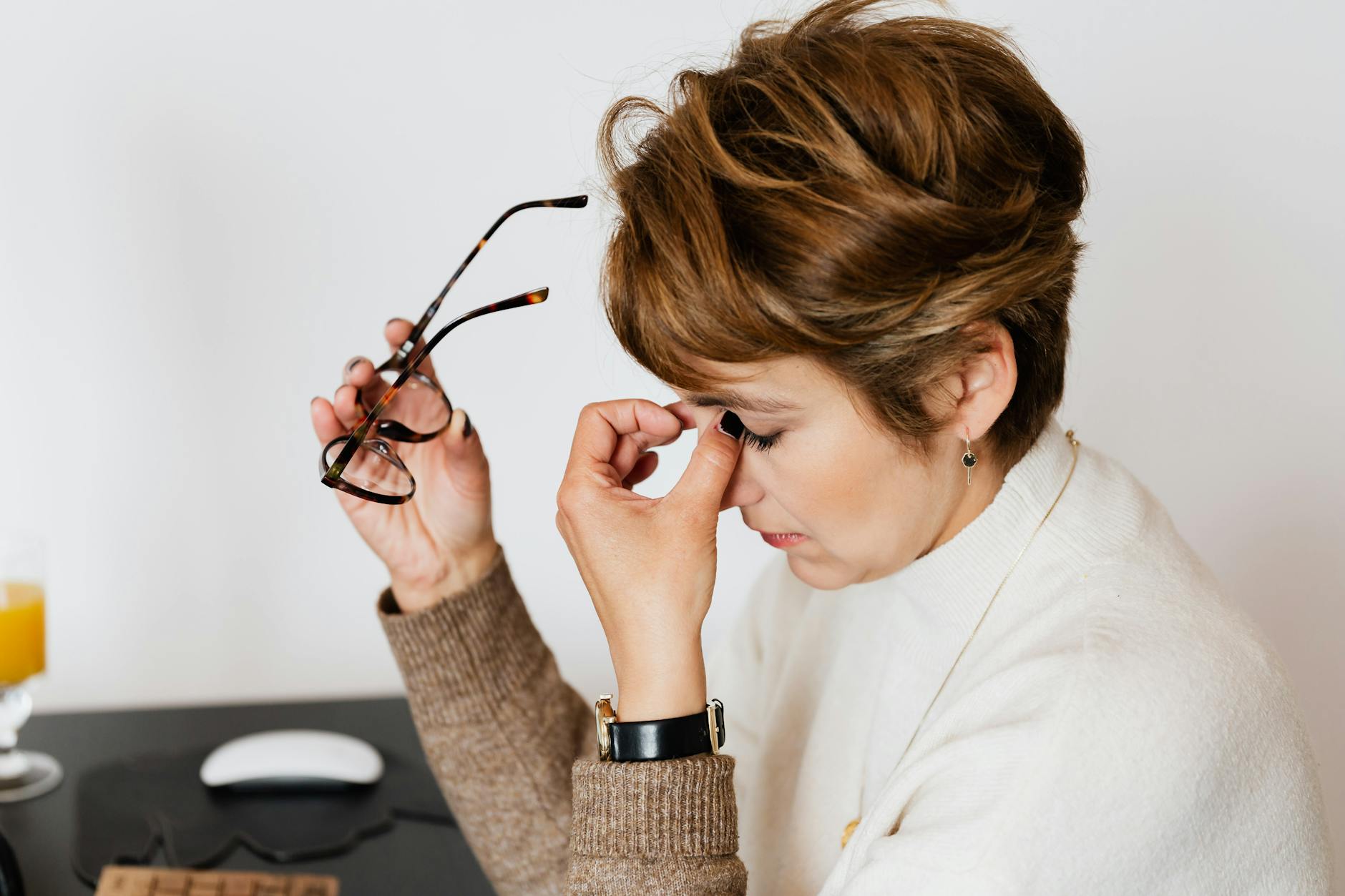
Photo by Kaboompics.com
Anxiety Relief Practices to Incorporate
Incorporating practical techniques into your routine can significantly alleviate anxiety. Here are some effective anxiety relief practices to consider.
Mindfulness and Meditation Techniques
Mindfulness is all about being present in the moment. It helps to quiet racing thoughts and alleviate feelings of anxiety. Practicing mindfulness through meditation can reduce stress levels and promote emotional health. Even just a few minutes a day can make a difference. For more insights, Healthline offers a comprehensive list of mindfulness techniques that can work wonders.
Physical Exercise and Its Benefits
Regular physical activity is a powerful way to combat anxiety. Exercise releases endorphins, which are natural mood lifters. Whether it’s a brisk walk, a dance class, or weightlifting, getting your body moving can have immediate effects on your mental state. Plus, establishing a routine can provide a sense of control that’s beneficial when anxiety feels overwhelming.
Breathing Exercises and Relaxation Techniques
Breathing exercises are simple yet effective in calming the mind and body. One popular technique is diaphragmatic breathing, where you focus on deep, slow breaths. This can help reduce heart rate and lower blood pressure. Combining these exercises with progressive muscle relaxation can further enhance their effects. You can find a detailed guide on MD Anderson’s website to learn more about these practical techniques.
Lifestyle Changes for Long-Term Anxiety Relief
To manage anxiety over time, consider implementing some lifestyle adjustments.
Nutrition and Its Role in Mental Health
What you eat can significantly influence your mental health. A balanced diet rich in whole foods, fruits, and vegetables can positively affect your anxiety levels. Foods high in omega-3 fatty acids, like fish, and those rich in antioxidants can improve brain health. For more on how nutrition impacts mental health, refer to Mayo Clinic’s stress management tips.
Sleep Hygiene for Better Mental Health
Good sleep practices are crucial for managing anxiety. Aim for 7-9 hours of quality sleep each night. Establishing a bedtime routine, limiting screen time before sleep, and creating a restful environment can help improve your sleep quality. The connection between sleep and anxiety is well documented, making this an essential area for improvement.
Time Management Techniques
Effective time management can reduce feelings of overwhelm and anxiety. Break tasks into manageable steps, prioritize your responsibilities, and set achievable goals. This can help you feel more in control and less anxious about looming deadlines. Simple strategies like using planners or digital tools can enhance your productivity and reduce stress.
When to Seek Professional Help
Sometimes, anxiety can become too much to handle alone. Knowing when to seek help is crucial.
Signs of Severe Anxiety
If anxiety leads to severe symptoms, such as panic attacks, prolonged periods of worry, or difficulty functioning in daily life, it might be time to consult a mental health professional. Recognizing these signs early can be key to effective treatment.
Therapies and Treatment Options
There are various therapeutic approaches available for managing anxiety. Cognitive Behavioral Therapy (CBT) is particularly effective, as it helps individuals identify and change negative thought patterns. Medication might also be an option, depending on individual needs. For more information on therapies, visit McLean Hospital’s resource.
Conclusion: Embracing Anxiety Relief Practices
Incorporating anxiety relief practices into your daily life can significantly improve your mental health and productivity. Whether through mindfulness, exercise, or lifestyle changes, these techniques provide valuable tools for managing anxiety. Remember that everyone’s journey with anxiety is unique, so explore different practices to find what works best for you. Embracing these methods can lead to a more balanced and fulfilling life.