
We’ve all been there, right? Staring at a to-do list that seems to grow by the minute, feeling a bit lost on where to even start. In today’s busy world, knowing how to manage your time isn’t just a good idea, it’s pretty much a requirement. That’s where popular methods like Time Blocking and the Pomodoro Technique come in. They both promise to help you focus, get more done, and feel less overwhelmed. But the big question is, which one actually works for you? This article breaks down time blocking vs Pomodoro to help you find your best fit.
Key Takeaways
- The Pomodoro Technique uses timed work intervals (usually 25 minutes) followed by short breaks, great for focus and tackling procrastination.
- Time Blocking involves scheduling your day into specific time slots for tasks, offering structure and control, especially for complex projects.
- Pomodoro is reactive and task-by-task, while Time Blocking is proactive, planning your day or week in advance.
- Pomodoro offers flexibility in task choice but rigidity in timing, whereas Time Blocking allows flexible block duration but is less adaptable once scheduled.
- Combining Time Blocking for overall structure with Pomodoro for focused work within those blocks can create a powerful, personalized productivity system.
Understanding Time Blocking vs Pomodoro

We’ve all been there, right? Staring at a to-do list that seems to grow by the minute, feeling a bit lost on where to even start. In today’s world, managing your time well isn’t just a nice idea; it’s pretty much a requirement. That’s where popular methods like Time Blocking and the Pomodoro Technique come in. They both promise to help you focus, get more done, and feel less stressed about it all. But how do they actually work, and what makes them different?
Defining The Pomodoro Technique
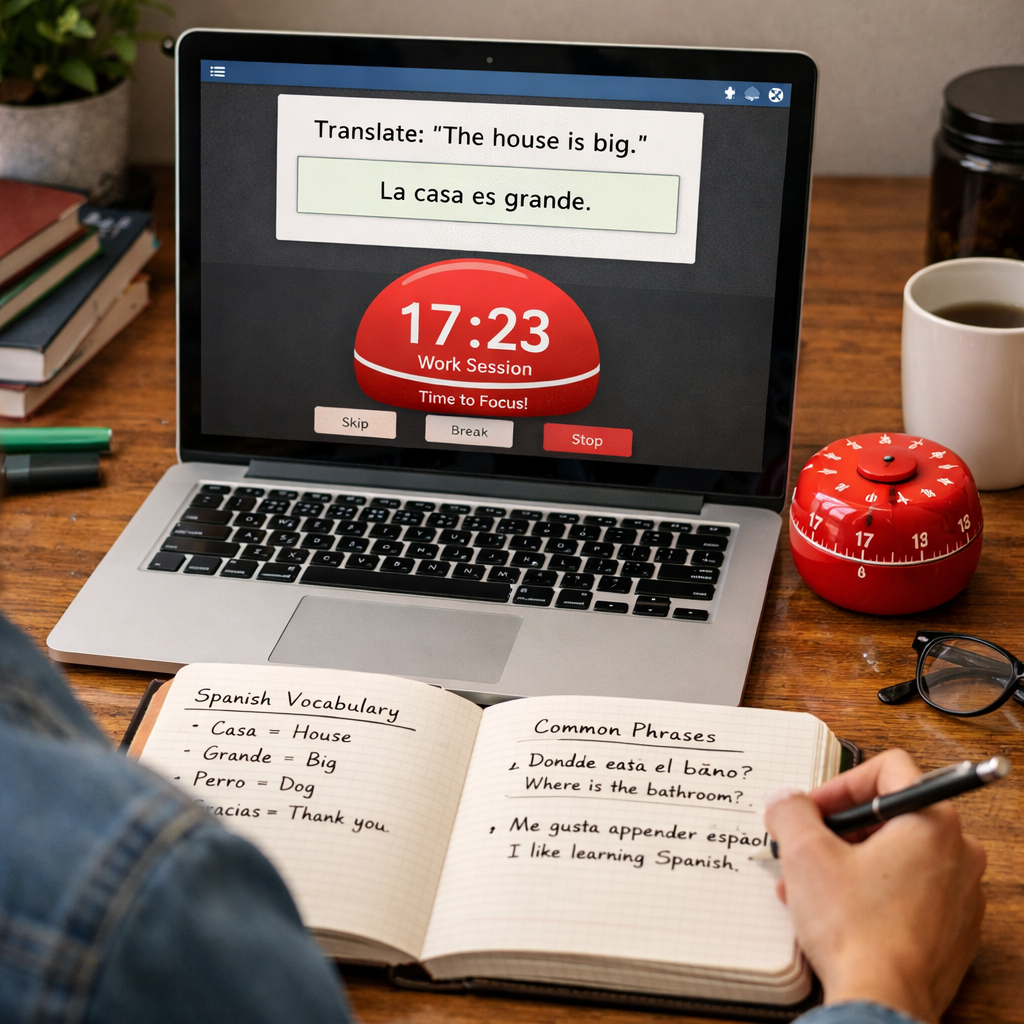
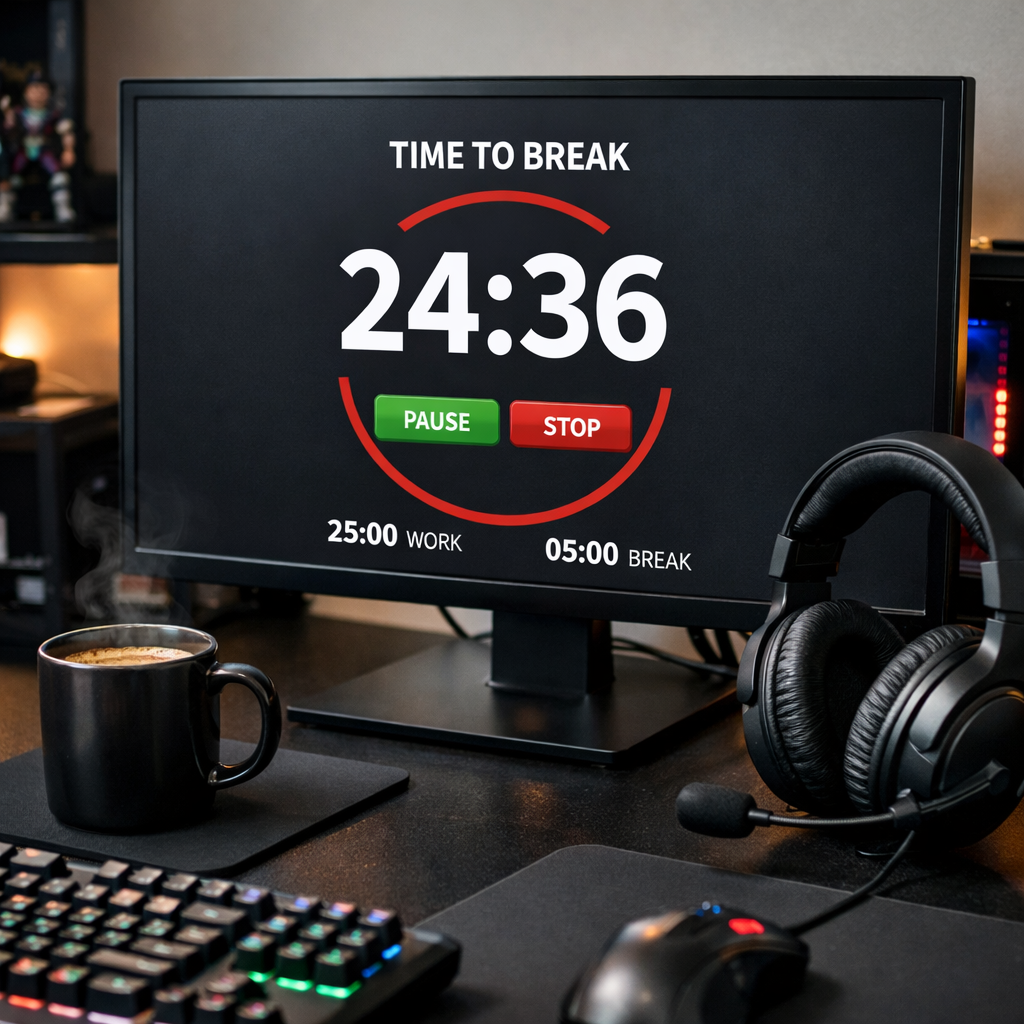
The Pomodoro Technique is a pretty straightforward way to manage your work. The basic idea is to break your work into short, focused intervals, usually 25 minutes long. These intervals are called "pomodoros." After each pomodoro, you take a short break, typically 5 minutes. Once you’ve done about four pomodoros, you take a longer break, maybe 15 to 30 minutes. It was created by Francesco Cirillo back in the late 1980s, and he named it after his tomato-shaped kitchen timer. The goal is to work with your natural focus cycles, not against them. It helps you tackle tasks without getting completely drained.
Here’s a quick look at how it typically runs:
- Choose a task: Decide what you’re going to work on.
- Set the timer: Aim for 25 minutes of focused work.
- Work: Concentrate only on that task until the timer rings.
- Short break: Step away for 5 minutes.
- Repeat: Do this about four times.
- Longer break: Take a good 15-30 minute break to really recharge.
This method is great for people who find it hard to stay focused or tend to put things off. Each completed pomodoro feels like a small win, which can build momentum.
Introducing The Concept Of Time Blocking
Time Blocking is a bit different. Instead of focusing on short work intervals, it’s all about planning out your entire day or week by assigning specific tasks to specific blocks of time on your calendar. Think of it like scheduling appointments with yourself for everything you need to do. You decide, "Okay, from 9 AM to 10:30 AM, I’m going to work on the marketing report," or "1 PM to 2 PM is for answering emails." You can make these blocks as long or as short as you need, depending on the task.
This method is really useful for getting a clear picture of how you’re spending your time and making sure you allocate enough time for important, but maybe not urgent, tasks. It helps create a clear structure for your day.
Core Differences In Approach
While both methods aim to boost your productivity, they go about it in very different ways. Pomodoro uses a fixed rhythm of work and break intervals, focusing on short bursts of intense concentration. It’s about building momentum through repetition. Time Blocking, on the other hand, is about proactive planning. You map out your entire schedule, dedicating specific chunks of time to specific activities. It’s more about structure and control over your day.
Pomodoro is strict about its 25-minute intervals but flexible about what you do in those intervals. Time Blocking is flexible about the length of your time slots but can be more rigid once your schedule is set. It’s like Pomodoro gives you a set of tools to use in short bursts, while Time Blocking gives you a blueprint for your whole day.
When To Employ Each Productivity Method
So, you’ve got these two popular ways to manage your time: the Pomodoro Technique and Time Blocking. They both aim to get you more done, but they do it in pretty different ways. Knowing when to pull out which tool can make a big difference in how productive you actually feel.
Ideal Scenarios For The Pomodoro Technique
The Pomodoro Technique, with its short bursts of focused work followed by quick breaks, is a real lifesaver for certain kinds of tasks. Think about those jobs that feel a bit overwhelming to start, or maybe tasks that are pretty repetitive and could get boring fast. It’s also great when you’re easily distracted or tend to put things off. The structure of 25-minute work sprints and 5-minute breaks helps you just get going and keeps you moving without feeling like you’re stuck in a marathon.
- Tackling Procrastination: That 25-minute timer is a gentle nudge to just start, making it easier to overcome the urge to delay.
- Managing Small, Varied Tasks: If your day is a mix of emails, quick calls, and minor to-dos, Pomodoro helps you cycle through them without losing steam.
- Combating Mental Fatigue: For tasks that require sustained concentration but can drain your brainpower, the frequent breaks are built-in recovery periods.
When Time Blocking Becomes Essential
Time Blocking is where you map out your entire day, or even your week, by assigning specific chunks of time to particular activities. This method really shines when you have bigger, more complex projects that need deep, uninterrupted focus. It’s also fantastic for reducing that constant feeling of having to decide what to do next, which can be surprisingly draining.
- Deep Work Projects: For tasks requiring significant concentration, like writing a report, coding, or strategic planning, blocking out dedicated time prevents interruptions.
- Reducing Decision Fatigue: By pre-planning your day, you eliminate the mental overhead of deciding what to tackle next, freeing up cognitive resources.
- Ensuring Important Tasks Get Done: When you have critical deadlines or large deliverables, time blocking makes sure that the necessary time is allocated and protected.
The key is to see these methods not as rigid rules, but as flexible guides. If a 25-minute Pomodoro feels too short or too long, adjust it. If your time blocks get disrupted, don’t scrap the whole day – just adapt and reschedule.
Choosing Based On Task Complexity
When you’re deciding which method to use, the nature of the task itself is a big clue. For simpler, more straightforward jobs, or when you’re just trying to build momentum, Pomodoro often fits the bill. It breaks down the work into manageable pieces. However, when you’re facing a complex problem that requires sustained thought and analysis, Time Blocking is usually the better bet. It gives you the space to really get into the weeds of a problem without constantly switching gears.
| Task Type | Recommended Method | Why it Works |
|---|---|---|
| Simple/Repetitive | Pomodoro | Keeps momentum, prevents boredom with short bursts and breaks. |
| Complex/Deep Work | Time Blocking | Allocates uninterrupted focus time needed for intricate tasks. |
| Varied/Unpredictable | Pomodoro | Allows for quick shifts between tasks, managing interruptions more easily. |
| Large Projects | Time Blocking | Ensures dedicated time is set aside for significant progress and completion. |
Ultimately, the best approach often involves understanding your own energy levels and the demands of your work. Don’t be afraid to experiment and see what clicks for you.
Key Distinctions In Structure And Flexibility
Pomodoro’s Rhythmic Structure
The Pomodoro Technique is all about rhythm. It’s built around these consistent, short bursts of focused work, typically 25 minutes long, followed by brief breaks. Think of it like a metronome for your productivity. This fixed interval approach is designed to create a sense of urgency and help you power through tasks without getting bogged down. It’s great for tasks that require intense focus for a limited time, or for when you just need to get started on something that feels overwhelming. The breaks are just as important as the work periods; they’re built-in recovery times that prevent burnout and keep your mind fresh. This predictable cycle can be really helpful if you struggle with distractions or tend to lose focus easily. It’s a straightforward system: work, break, work, break. Simple, right?
Time Blocking’s Flexible Framework
Time Blocking, on the other hand, is more like a blank canvas for your day. Instead of fixed intervals, you decide how long each block of time should be. This means you can dedicate a whole afternoon to a big project, or just 30 minutes to answer emails. The key here is pre-planning. You look at your week or day and assign specific tasks to specific time slots on your calendar. This method is fantastic for managing complex schedules or when you have a variety of tasks that need attention. It gives you a visual roadmap for your day, showing you exactly what you should be doing and when. Because you can set your own block lengths, it’s adaptable to different types of work, from quick check-ins to deep, uninterrupted work sessions. You can find more about setting your own block lengths here.
Comparing Planning Styles: Reactive Versus Proactive
This is where the two methods really show their different personalities. Pomodoro tends to be more reactive. You finish a 25-minute sprint, take your break, and then decide what to tackle next. It’s about working with momentum and choosing your next step as you go. Time Blocking, however, is inherently proactive. You’re not just deciding what to do; you’re deciding when you’re going to do it, often days or even weeks in advance. This upfront planning helps you anticipate your workload and allocate resources (your time) accordingly.
Here’s a quick look at how they stack up:
| Feature | Pomodoro Technique | Time Blocking |
|---|---|---|
| Work Duration | Fixed 25-minute intervals | Custom time blocks |
| Break Structure | Frequent, short breaks | Scheduled as needed |
| Planning Style | Reactive | Proactive |
| Flexibility | High task flexibility | High duration flexibility |
The core difference boils down to how you approach your schedule. Pomodoro is about managing your focus within set timeframes, while Time Blocking is about managing your time by pre-assigning tasks to specific slots. Both have their place, and understanding this distinction is key to picking the right one for your needs.
Maximizing Productivity With Time Blocking vs Pomodoro
So, you’ve got these two productivity heavyweights, Time Blocking and Pomodoro, and you’re wondering how to actually make them work for you. It’s not just about knowing what they are; it’s about using them to their full potential. Think of it like having two different tools in your toolbox – each is great for specific jobs, and sometimes, you need both.
Leveraging Pomodoro For Focus And Momentum
The Pomodoro Technique is all about building momentum through short, intense bursts of work. It’s like sprinting – you go hard for a bit, then you get a breather. This method is fantastic for tasks that feel overwhelming or when you’re just struggling to get started. The timer acts as a gentle nudge, saying, "Okay, just focus on this for 25 minutes." When that timer rings, you’ve accomplished something concrete, and that feeling of progress can be really motivating.
- Beat Procrastination: The 25-minute commitment is much less daunting than a whole afternoon of work.
- Maintain Energy: Frequent short breaks prevent burnout and keep your mind fresh.
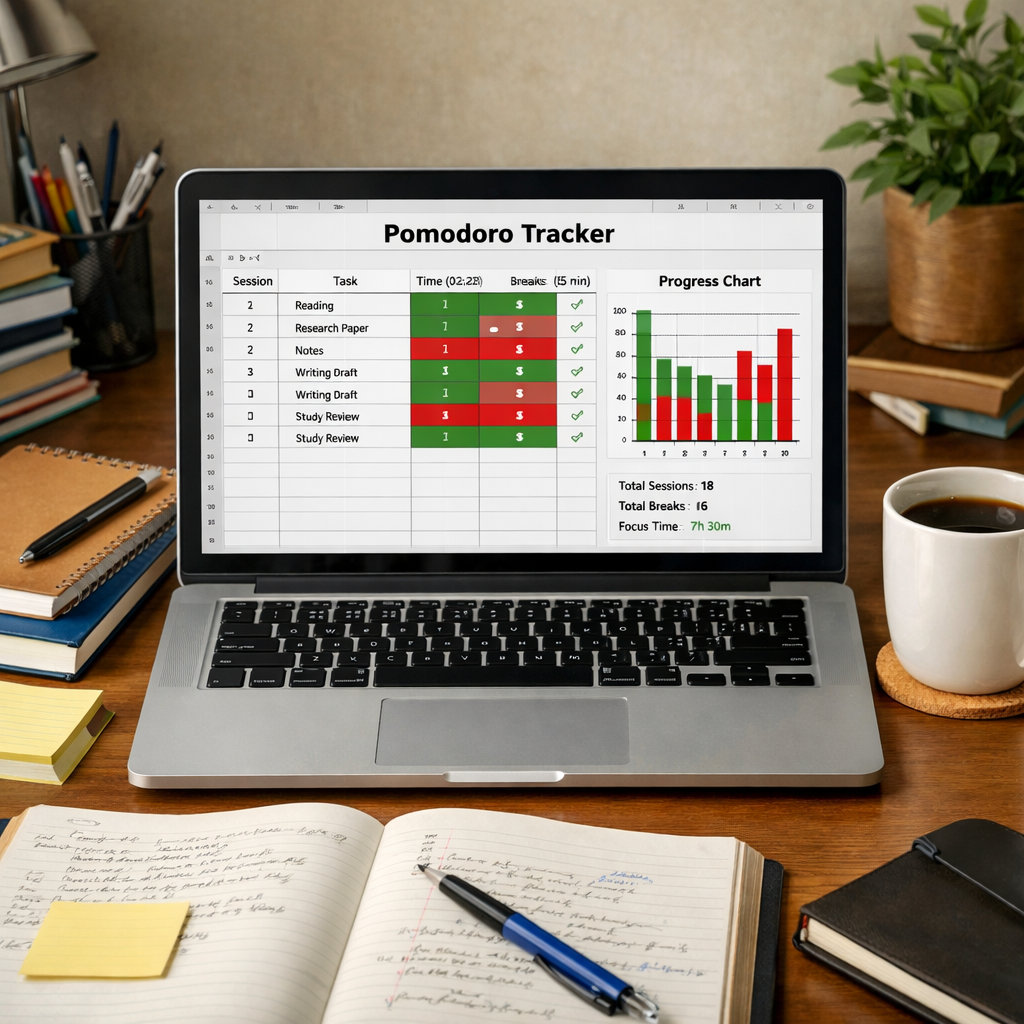
- Track Progress: Each completed ‘pomodoro’ is a small win, building confidence.
The beauty of Pomodoro is its simplicity. You pick a task, set the timer, and work. No overthinking, just doing. This can be a real game-changer when you’re feeling stuck.
Utilizing Time Blocking For Structure And Control
Time Blocking is where you take charge of your entire day, or even week. Instead of just having a to-do list, you’re assigning specific tasks to specific time slots on your calendar. This is where you get that sense of control. You know that from 9 AM to 10 AM, you’re working on that big report, and nothing else is supposed to interrupt that. It’s proactive planning that helps you see the bigger picture and make sure important, but not urgent, tasks get their due time.
Here’s a look at how it structures your day:
| Time Slot | Task |
|---|---|
| 9:00 AM – 10:00 AM | Draft Project Proposal |
| 10:00 AM – 10:30 AM | Respond to urgent emails |
| 10:30 AM – 11:00 AM | Break / Coffee |
| 11:00 AM – 12:30 PM | Deep Work: Code Feature X |
| 12:30 PM – 1:30 PM | Lunch |
This method is particularly effective for complex projects that require sustained focus.
The Power Of Combining Both Methods
Honestly, the real magic often happens when you don’t have to pick just one. You can absolutely use both Pomodoro and Time Blocking together. Imagine you’ve blocked out two hours for "Writing Blog Post" on your calendar. Within that block, you can then use the Pomodoro Technique to structure your writing sessions – maybe two or three 25-minute pomodoros with short breaks in between. This gives you the overall structure of Time Blocking and the focused intensity of Pomodoro within those blocks. It’s about creating a system that fits your life, not the other way around.
Tailoring Your Productivity Strategy

So, you’ve looked at Time Blocking and the Pomodoro Technique, and maybe you’re wondering how to actually make them work for you. It’s not a one-size-fits-all situation, right? What works wonders for your colleague might feel like a total drag for you. The trick is to figure out what fits your personal rhythm and the kind of work you do.
Assessing Your Personal Work Style
Think about when you’re naturally most alert. Are you a morning person who crushes tasks before lunch, or do you hit your stride in the afternoon? Some people thrive on the structured, short bursts of Pomodoro, finding that the built-in breaks keep them from burning out. Others prefer the big-picture planning of Time Blocking, where they can dedicate large chunks of time to deep work without interruption. Understanding your energy cycles is key to picking the right method, or even a blend of both.
Here’s a quick way to think about it:
- High Energy, High Focus: This is prime time for your most demanding tasks. Whether you tackle one big block or several focused Pomodoros, this is when you get the heavy lifting done.
- Medium Energy, Moderate Focus: Good for routine tasks, administrative work, or planning.
- Low Energy, Low Focus: Perfect for breaks, light reading, or less mentally taxing activities.
Adapting Techniques For Remote Work
Working from home throws its own curveballs. Distractions are different – maybe it’s the laundry calling, or a family member needing something. For remote workers, the structure of Time Blocking can be a lifesaver, creating clear boundaries between work and home life. You can literally block out time for
Finding Your Flow
So, we’ve looked at two pretty different ways to get things done: the Pomodoro Technique with its short bursts and breaks, and Time Blocking with its scheduled chunks of your day. Neither one is magically better than the other, really. It all comes down to what feels right for you and how you actually work. Maybe you’re someone who needs those quick wins from Pomodoro to get going, or perhaps you prefer the clear plan that Time Blocking offers. Honestly, a lot of people find that mixing them up works best. You could block out your day for big projects and then use Pomodoro timers within those blocks to stay focused. The main thing is to give them a try, see what sticks, and don’t be afraid to change things up until you find that sweet spot where your work just flows. Because in the end, the best method is just the one that helps you get your stuff done without feeling totally drained.
Frequently Asked Questions
What’s the main difference between Pomodoro and Time Blocking?
Think of Pomodoro like short sprints with quick rests – you work hard for 25 minutes, then take a 5-minute break. Time Blocking is more like planning your whole day with specific times for each task, like appointments on a calendar. Pomodoro focuses on short bursts of focus, while Time Blocking is about scheduling your entire day.
When is the Pomodoro Technique a good choice?
Pomodoro is awesome when you find it hard to start tasks, get easily distracted, or feel overwhelmed. Those 25-minute work sessions make starting feel less scary, and the short breaks help you stay refreshed. It’s great for homework, small chores, or anything that feels like a drag to begin.
When should I use Time Blocking instead?
Time Blocking is super helpful when you have a lot going on, like many different projects or meetings. It’s also perfect for big tasks that need long periods of focus, like writing a report or coding. It gives you a clear plan for your whole day, so you know exactly what to do and when.
Can I use both Pomodoro and Time Blocking together?
Absolutely! Many people find that using both is the best way to be productive. You can use Time Blocking to set up your day with big chunks of time for different types of work, and then use the Pomodoro Technique within those blocks to stay focused during those specific work periods. It’s like getting the best of both worlds!
Is one method better for people who get distracted easily?
Both methods can help with distractions, but in different ways. Pomodoro’s short, timed work sessions help you power through distractions for a set period. Time Blocking helps by dedicating specific, uninterrupted time to tasks, reducing the need to switch between things, which can also cause distraction.
How do I know which method is right for me?
The best way to find out is to try them! Think about your own habits. Do you struggle to start tasks or get bored easily? Pomodoro might be your go-to. Do you prefer having a clear plan for your whole day and managing lots of different things? Time Blocking could be a better fit. Don’t be afraid to experiment and see what makes you feel most productive and in control.