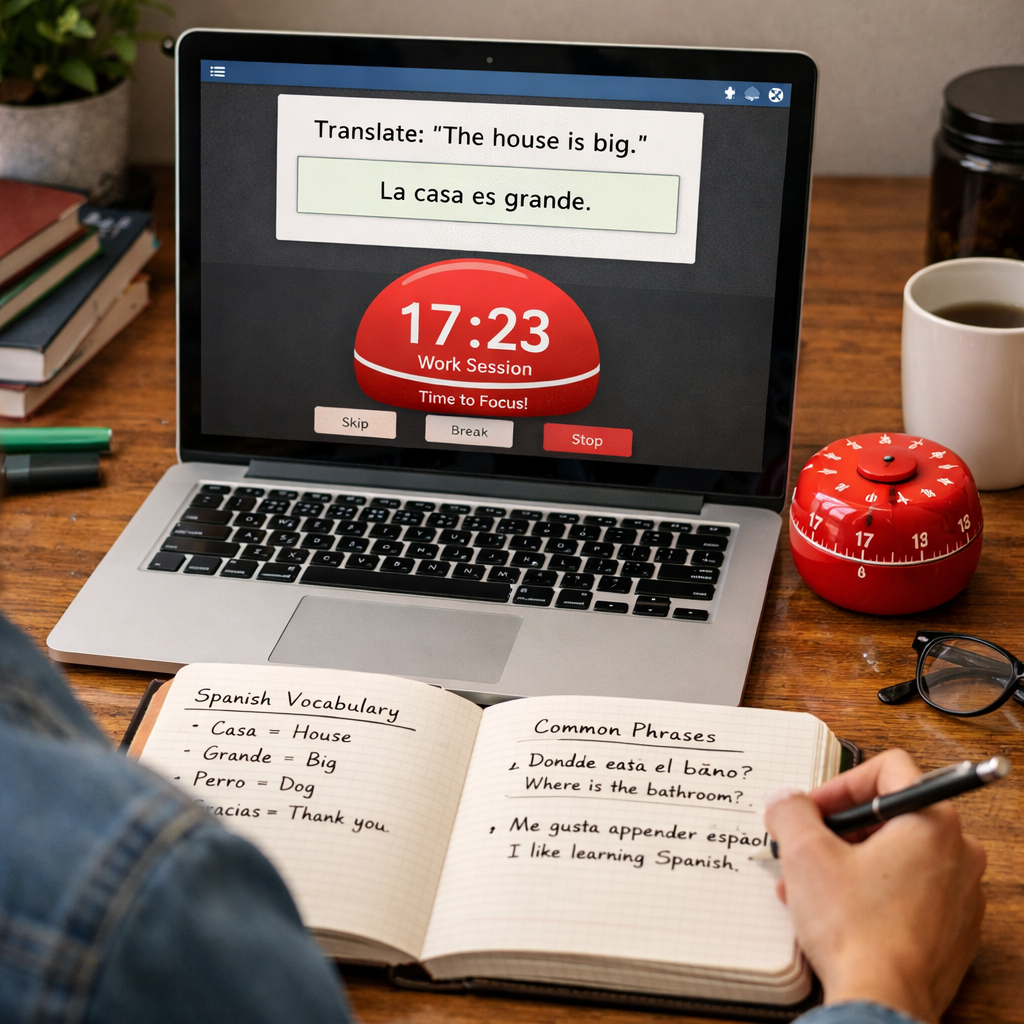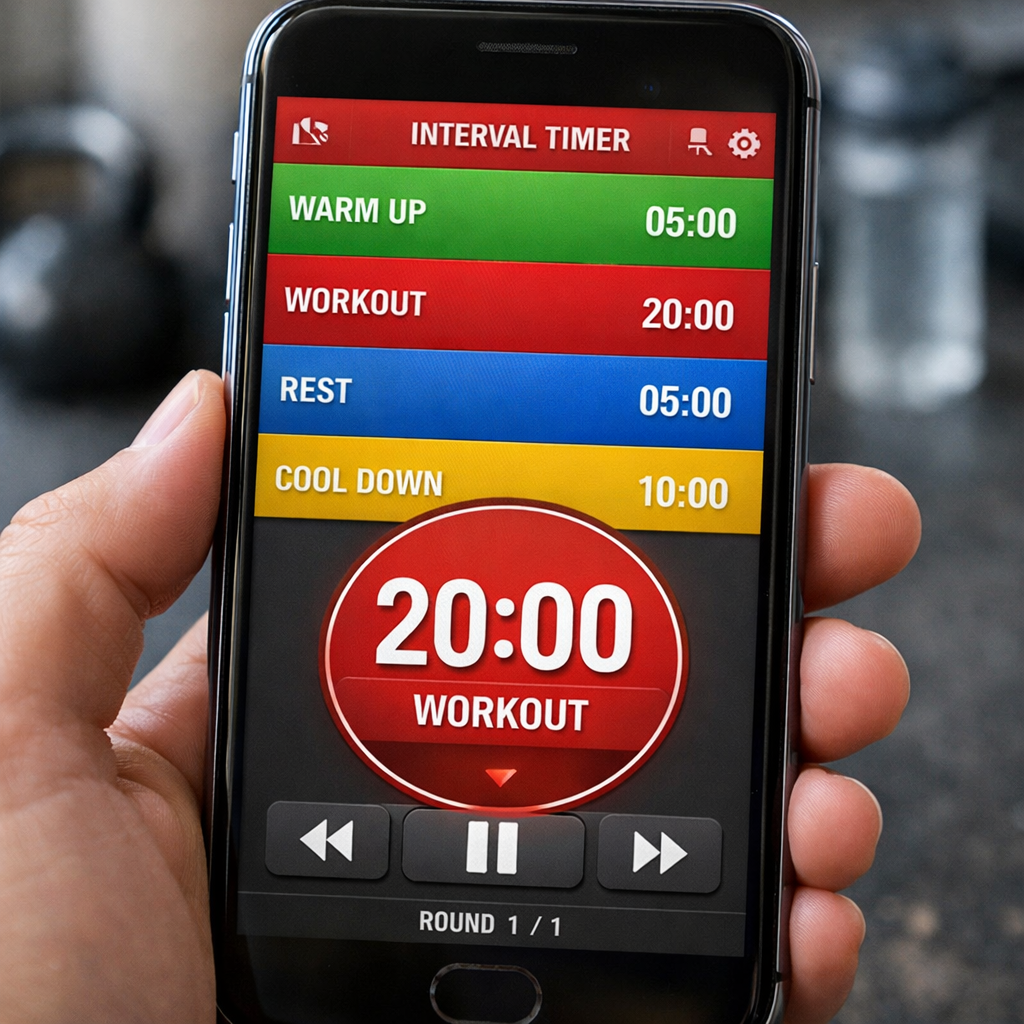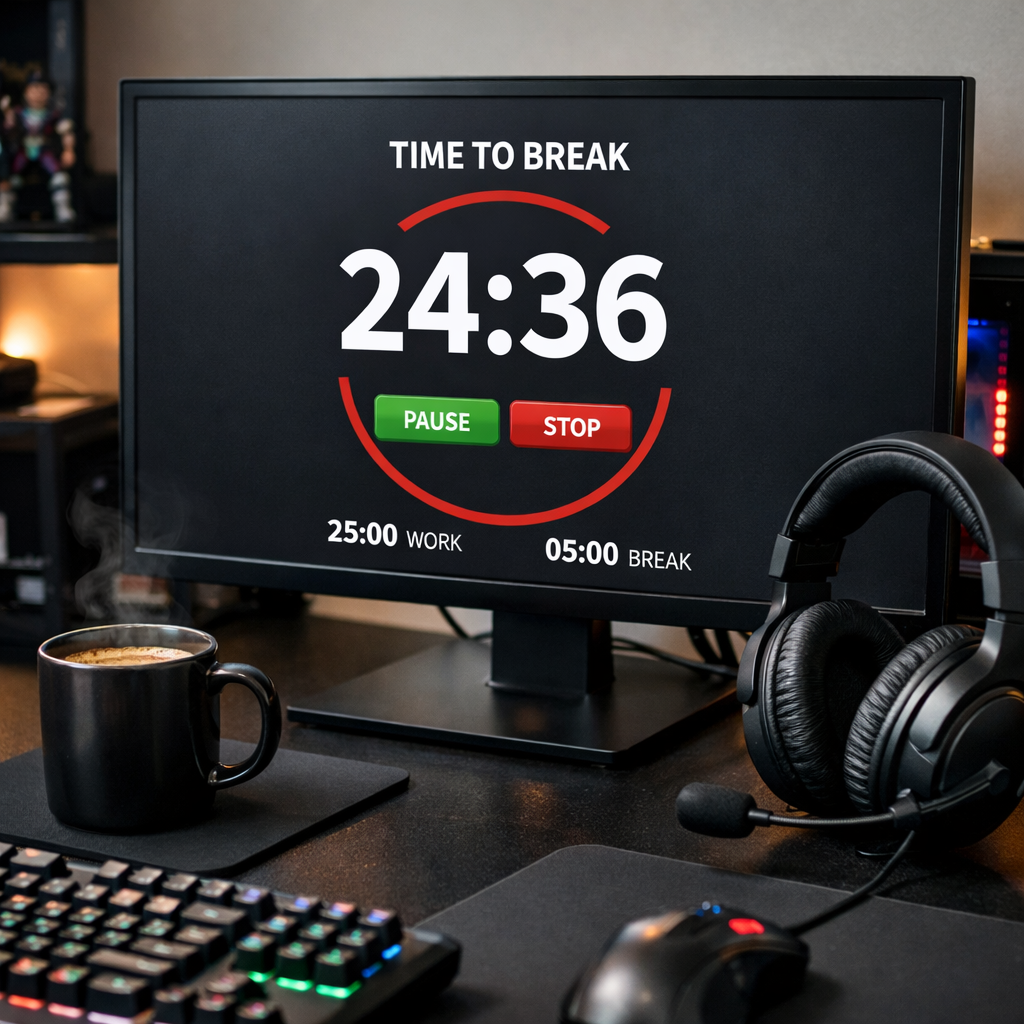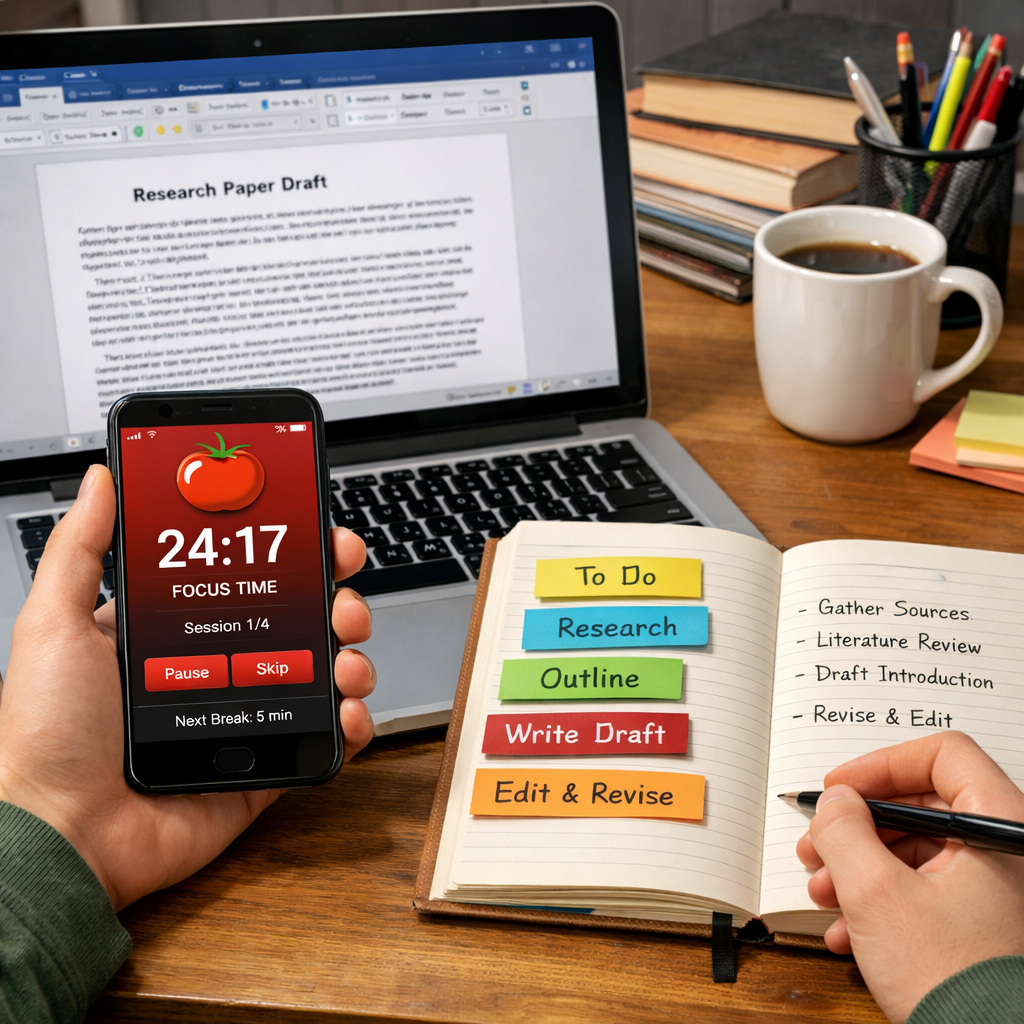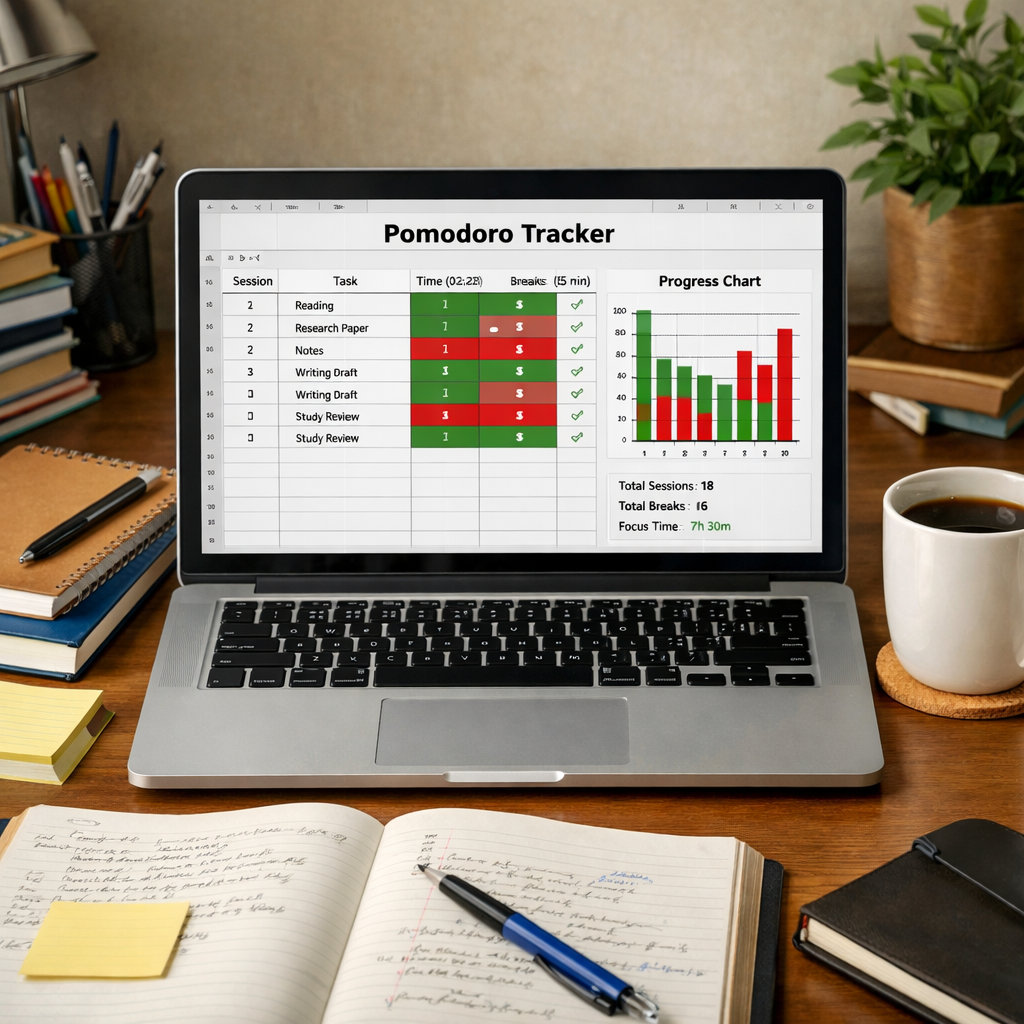
You know, sometimes it feels like there just aren’t enough hours in the day. You’ve got a million things to do, and before you know it, the day’s over and you’re wondering where the time went. Well, I’ve been trying out this thing called the Pomodoro Technique, and it’s actually pretty neat. It’s all about working in short bursts and taking breaks. And the best part? Some timers have this cool feature that tracks your ‘streaks’ – how many days in a row you actually stick with it. It’s like a little nudge to keep going. This article is all about how a pomodoro timer with streak tracking can seriously help you get more done without feeling totally wiped out.
Key Takeaways
- The Pomodoro Technique uses timed work intervals followed by short breaks to boost focus and prevent burnout.
- A pomodoro timer with streak tracking adds a motivational layer by rewarding consistent daily effort.
- Customizing work and break times can help tailor the technique to different tasks and personal rhythms.
- Tracking productivity metrics offers insights into work habits and areas for improvement.
- Minimizing distractions during focus sessions and planning breaks intentionally are key to maximizing effectiveness.
Understanding The Pomodoro Technique
The Core Principles of Focused Work
The Pomodoro Technique is a time management method that breaks down work into focused intervals, traditionally 25 minutes long, separated by short breaks. It was developed by Francesco Cirillo in the late 1980s, who used a tomato-shaped kitchen timer (hence ‘pomodoro,’ the Italian word for tomato) to structure his study sessions. The main idea is to create a sense of urgency and minimize distractions during these work periods. By committing to a short, defined block of time, it becomes easier to start tasks and maintain concentration. This structured approach helps combat procrastination and mental fatigue.
The technique is built on the idea that short, intense bursts of focus, followed by regular rest, are more effective than long, uninterrupted work periods for many types of tasks.
Beyond the Classic 25-Minute Interval
While the classic 25-minute work interval and 5-minute break is the most well-known setup, it’s not the only way to use the Pomodoro Technique. The beauty of this method lies in its adaptability. Many people find that longer focus sessions work better for them, especially for complex tasks that require deep concentration. Experimenting with different timings is key to finding what suits your personal workflow and task demands.
Here are some popular interval variations:
- 20 minutes work / 4 minutes break: Good for quick, repetitive tasks.
- 30 minutes work / 6 minutes break: A slightly longer focus period.
- 50 minutes work / 10 minutes break: Suitable for tasks needing extended concentration.
- 90 minutes work / 15 minutes break: Ideal for complex projects requiring deep work.
Remember, the goal is to find a rhythm that helps you stay focused without burning out. Don’t be afraid to adjust these times based on how you feel and the nature of the work you’re doing.
Benefits for Concentration and Motivation
Using a Pomodoro timer can significantly boost your concentration and motivation. The timed intervals create a clear start and end point for focused work, making it easier to resist distractions. Knowing that a break is just around the corner can make even daunting tasks feel more manageable. Completing each 25-minute (or custom-length) session provides a small sense of accomplishment, which builds momentum over time. This consistent progress can be incredibly motivating, especially when working on long-term projects.
- Improved Focus: Short bursts of work help train your brain to concentrate intensely.
- Reduced Procrastination: It’s easier to commit to a 25-minute work session than an open-ended task.
- Prevents Burnout: Regular breaks allow your mind to rest and recharge, maintaining energy levels.
- Builds Momentum: Each completed session acts as a small win, encouraging you to continue.
- Better Time Awareness: You become more conscious of how long tasks actually take.
Implementing Your Pomodoro Timer
Setting Up Your Ideal Work and Break Rhythms
The classic 25-minute work, 5-minute break structure is a solid starting point, but it’s not the only way to go. Think of it as a suggestion, not a strict rule. Your brain might work better with longer stretches of focus, or maybe you need more frequent, shorter breaks. It’s all about finding what clicks for you.
Here are a few popular variations people use:
- 25 minutes work / 5 minutes break: The standard, good for most tasks.
- 30 minutes work / 6 minutes break: A bit more focus time without feeling too long.
- 50 minutes work / 10 minutes break: Great for tasks that need deeper concentration.
- 90 minutes work / 15 minutes break: For those really complex projects where you get into a flow.
Experimenting is key. Try a few different setups for a week and see which one helps you feel most productive and least drained. You can usually find these options in the timer’s settings menu, often marked by a gear or an icon that looks like a palette.
Don’t be afraid to tweak the timings. What works for someone else might not be perfect for you, and that’s totally fine. The goal is to make the timer work for your natural rhythm, not against it.
Integrating Tasks and Progress Tracking
Just having a timer isn’t enough; you need to know what you’re working on and how you’re doing. Most good Pomodoro timers let you create a to-do list right inside the app. This is super helpful for keeping your focus sharp.
When you start a work session, pick just one task from your list. Trying to juggle too many things during a focus block is a recipe for distraction. Once you finish a task, or even just make good progress on a big one, check it off. That little visual cue is surprisingly motivating.
Most timers also track how many Pomodoros you complete each day. Seeing that number tick up can be a real boost. It’s a simple way to see your effort add up over time.
Leveraging Customization for Deeper Focus
Beyond just the work and break times, look for other ways to tailor the timer to your needs. Some timers let you choose different alarm sounds – maybe a gentle chime is better than a jarring buzz for you. Others offer ambient background sounds like rain or ocean waves, which can help block out distracting office noise or household sounds.
Another useful feature is a mini-window or tab countdown. This lets you keep an eye on your remaining focus time without having to switch back to the main timer window, which can break your concentration. The more you can make the timer fit your personal workflow and environment, the more effective it will be. If your timer has options for auto-starting the next session or break, try those out too – it can reduce the friction of starting your next work block.
The Power of Streak Tracking
Okay, so you’ve got your Pomodoro timer set up, you’re knocking out focused work sessions, and taking those well-deserved breaks. That’s awesome! But how do you keep that momentum going, day after day? That’s where streak tracking comes in. It’s like a little visual nudge that says, ‘Hey, you’re doing great, keep it up!’
Building Consistent Productivity Habits
Think about it: nobody wants to break a good streak. Whether it’s a streak of hitting the gym, learning a new language, or, in our case, completing Pomodoro sessions. Seeing that number climb is surprisingly motivating. It taps into our natural desire for progress and completion. Behavioral science backs this up; tracking a streak can be a powerful tool for habit formation and goal achievement. It provides subtle rewards for consistent effort, helping you build new habits effectively.
Here’s how it works:
- Visual Reinforcement: A growing streak on your timer app is a constant, visible reminder of your commitment.
- Psychological Momentum: Each day you maintain the streak, you build momentum, making it easier to continue the next day.
- Avoiding the ‘All or Nothing’ Trap: If you miss one day, it’s easier to just give up. A streak encourages you to get back on track quickly, even if it’s just one session.
Visualizing Your Focus Journey
Your Pomodoro timer isn’t just about counting minutes; it’s about tracking your progress over time. A streak counter transforms your daily efforts into a tangible representation of your dedication. It’s not just about how many Pomodoros you did today, but how many days in a row you showed up and focused. This visualization can be incredibly powerful, turning abstract goals into concrete achievements.
Some apps even offer detailed reports showing your focus time, break time, and completion rates over days, weeks, and months. This data helps you see patterns and understand when you’re most productive. It’s like having a personal productivity dashboard right at your fingertips.
Motivation Through Daily Accomplishments
Let’s be real, staying motivated can be tough. Some days, getting started feels like a Herculean task. That’s where the streak comes in handy. It’s a simple, yet effective, way to celebrate small, daily wins. You might not feel like you accomplished much on a particular day, but if you completed your Pomodoros and kept the streak alive, that’s a win! It shifts your focus from the overwhelming big picture to manageable daily progress. This consistent positive reinforcement can make a huge difference in your long-term productivity and overall well-being. It’s about building a sustainable rhythm, not just burning yourself out. You can track your progress through various metrics, like Pomodoros completed today, this week, and this month, giving you a clear view of your focus journey.
The simple act of not breaking the chain, day after day, builds a powerful psychological commitment. It transforms a task into a habit, making consistent effort feel less like a chore and more like an automatic part of your routine.
Advanced Pomodoro Timer Features
So, you’ve got the basics of the Pomodoro Technique down, and you’re seeing some real progress. That’s awesome! But what if you want to take things up a notch? Many Pomodoro timers offer features that go way beyond just a simple countdown. These advanced options can really help you fine-tune your focus and understand your work habits better.
Customizable Intervals for Varied Tasks
The classic 25-minute work, 5-minute break cycle is a solid starting point, but let’s be real, not every task fits neatly into that box. Sometimes you need a longer stretch for deep work, and other times, shorter bursts are more effective. Good timers let you tweak these durations. You might find that a 50-minute work session followed by a 10-minute break works better for complex projects, or maybe 90-minute blocks with 15-minute breaks are your sweet spot for really getting into a flow state. Experimenting with different intervals is key to finding what clicks for your personal rhythm and the type of work you’re doing. It’s all about adapting the tool to your needs, not the other way around.
Productivity Metrics and Analytics
This is where things get really interesting. Beyond just tracking your streaks, advanced timers can give you a detailed look at how you’re spending your time. You might see stats like:
- Pomodoros completed today, this week, and this month
- Total focus time logged
- Average focus session length
- Tasks completed within focus sessions
- Break times logged
Looking at this data can be super insightful. You might notice patterns you weren’t aware of, like consistently getting more done in the mornings or finding that longer breaks actually lead to more productive afternoons. It’s like having a personal productivity coach, showing you where your time is going and where you can make improvements. Some apps even offer visual graphs to help you see your progress over time, which is pretty neat.
Gamification Elements for Engagement
Let’s face it, staying focused can be tough. Gamification elements are designed to make the process more engaging and fun. Think about things like:
- Achievements: Earning badges for hitting certain milestones, like completing 100 Pomodoros or maintaining a 7-day streak.
- Leaderboards: (Though less common in personal timers) Competing with yourself or friends.
- Points or Levels: Gaining points for completed sessions that unlock new features or customization options.
These little rewards can provide a nice psychological boost, making you feel a sense of accomplishment and encouraging you to stick with your focused work habits. It turns productivity into a bit of a game, which can be surprisingly motivating. If you’re looking for a tool that integrates task management with a timer, TickTick is worth checking out.
The real power of these advanced features lies in their ability to provide personalized feedback and motivation. By understanding your unique work patterns and getting positive reinforcement, you can build more sustainable and effective productivity habits over time. It’s not just about counting minutes; it’s about making those minutes count.
Maximizing Your Pomodoro Sessions
So, you’ve got your Pomodoro timer set up, maybe you’re even tracking those streaks. That’s awesome! But how do you really squeeze the most out of every focused work block and break? It’s not just about hitting ‘start’ and ‘stop’; it’s about being smart with your time.
Minimizing Interruptions During Focus Time
This is a big one. If you’re constantly getting pulled away, your focus gets shattered, and that whole Pomodoro rhythm goes out the window. Think about it: every time you get interrupted, it takes time to get back into the zone. The goal is to create a bubble of concentration.
- Communicate your focus time: Let colleagues or family know when you’re in a deep work session. A simple "Heads up, I’m focusing for the next hour" can work wonders.
- Silence notifications: Turn off non-essential alerts on your phone and computer. Seriously, that social media ping can wait.
- Close unnecessary tabs: If you’re working on a report, don’t have a dozen other browser tabs open. It’s just too tempting to click over.
- Use ‘Do Not Disturb’ modes: Most operating systems and apps have these. Use them!
Protecting your focus time is like building a fortress around your most important work. Every interruption is a breach, and the more breaches, the weaker your productivity becomes.
Strategic Planning of Breaks
Breaks aren’t just downtime; they’re active recovery. How you spend them makes a difference.
- Short Breaks (5-10 minutes): These are for quick resets. Stand up, stretch, grab some water, look out the window. Avoid diving into anything mentally taxing or that might suck you in, like scrolling through social media.
- Long Breaks (15-30 minutes): After a few Pomodoros, you need a more substantial break. This is a good time for a short walk, a quick snack, or just completely stepping away from your screen.
- Avoid ‘work-adjacent’ activities: Don’t use your break to check emails or plan your next task. Give your brain a real rest.
Integrating Pomodoros into Your Workflow
Making the Pomodoro Technique a natural part of your day is key. It’s not about forcing it, but about letting it support how you already work.
- Task Breakdown: For larger projects, break them down into smaller, manageable tasks that can fit within a Pomodoro. This makes daunting tasks feel much more achievable.
- Flexibility with Intervals: While 25 minutes is classic, don’t be afraid to adjust. If a task needs 40 minutes of solid focus, try a 40/10 interval. The key is finding what works for you and the task.
- Review and Adjust: At the end of the day or week, look at your completed Pomodoros and tasks. Did you feel productive? Were your intervals right? Make small adjustments as needed. It’s an ongoing process.
Here’s a quick look at how different task types might fit different Pomodoro lengths:
| Task Type | Suggested Pomodoro Length | Suggested Break Length | Notes |
|---|---|---|---|
| Quick emails/calls | 25 minutes | 5 minutes | Good for routine communication |
| Writing/Coding | 50 minutes | 10 minutes | Allows for deeper concentration |
| Complex problem-solving | 90 minutes | 15 minutes | For tasks requiring sustained deep thought |
| Admin/Data entry | 25 minutes | 5 minutes | Repetitive tasks benefit from short bursts |
By being mindful of interruptions, using breaks effectively, and fitting Pomodoros into your natural workflow, you’ll find your productivity not just boosted, but sustained.
Choosing the Right Pomodoro Timer
So, you’re ready to get serious about your focus and maybe even build some solid habits. That’s awesome! But with so many Pomodoro timers out there, how do you pick the one that actually fits you? It’s not just about hitting a button; it’s about finding a tool that works with your brain, not against it.
Essential Features for Effective Use
When you’re looking at timers, think about what you absolutely need. Most timers will give you the basic 25-minute work, 5-minute break cycle, which is a good starting point. But what if your tasks need longer stretches of concentration? Look for timers that let you adjust these intervals. Some people find that 50-minute work sessions with 10-minute breaks work better for their workflow, especially for more involved projects. A simple task list where you can check things off as you go is also a big win. It gives you that little hit of accomplishment after each focused burst.
- Customizable Work/Break Times: Don’t get stuck with just 25/5 if it doesn’t feel right. Find one that lets you experiment.
- Task Management: A built-in to-do list keeps your focus on what needs doing.
- Progress Tracking: Seeing how many sessions you’ve completed can be surprisingly motivating.
- Sound Options: Pick alarms that aren’t jarring. Some timers offer ambient sounds like rain or ocean waves to help you get into the zone.
The goal is to find a timer that feels like a helpful assistant, not another distraction. It should simplify your workflow, not complicate it.
Personalization Options for a Better Experience
Beyond the core functions, personalization is where a timer can really shine. Think about the little things that make a difference. Do you prefer a minimalist interface, or do you like seeing lots of data? Some timers offer different color themes, which might sound minor, but having a visually pleasing setup can make you more inclined to use it. Others might include motivational quotes or ambient background sounds. If you’re someone who gets easily bored or needs a bit of extra encouragement, these touches can be surprisingly effective. For instance, Toggl Track offers robust reporting, which might appeal if you like digging into your productivity data.
Understanding Premium vs. Free Tiers
Most apps come in free and paid versions. The free options are usually great for getting started. They’ll likely have the core Pomodoro timer, maybe some basic customization, and perhaps streak tracking. If you’re just dipping your toes in, a free app is perfect. However, if you find yourself using the timer daily and wanting more advanced features, like detailed analytics, more sound options, or a wider range of customization, then a premium version might be worth the investment. Think about what you’re willing to pay for. Is it more detailed reports, or perhaps a cleaner, ad-free experience? It really comes down to how much you plan to integrate this tool into your daily grind.
Keep the Momentum Going
So there you have it. Using a Pomodoro timer with streak tracking isn’t just about getting more done in a day; it’s about building a consistent habit of focused work. Seeing that streak grow can be a real motivator, pushing you to stick with it even when things get tough. Remember, you can tweak the timer settings to fit your own rhythm, whether that’s the classic 25-minute bursts or longer focus sessions. Give it a try, track your progress, and watch your productivity climb. You might be surprised at what you can achieve, one focused session at a time.
Frequently Asked Questions
What exactly is the Pomodoro Technique?
Think of the Pomodoro Technique as a way to break down your work into small, manageable chunks. You focus hard for a set amount of time, usually 25 minutes, and then take a short break. Each of these focus periods is called a ‘pomodoro’. It helps you concentrate better and avoid getting tired.
Why is ‘streak tracking’ important for productivity?
A streak is like a chain of days where you’ve successfully used your Pomodoro timer. Keeping a streak going is super motivating! It makes you want to stick with your focus habits and see how long you can keep the chain going. It turns productivity into a fun challenge.
Can I change the timer lengths for work and breaks?
Absolutely! While the classic is 25 minutes of work and 5 minutes of break, many timers let you change these. Some people find longer work periods, like 50 minutes, followed by a 10-minute break work better for them, especially for tougher tasks.
How do I avoid distractions when my timer is running?
The best way is to prepare. Let people know you’re focusing, turn off notifications on your phone and computer, and close any websites or apps you don’t need for your current task. It’s like creating a quiet zone just for your work.
What should I do during my short breaks?
During your short breaks, it’s good to step away from your work completely. Stand up, stretch, grab a drink of water, or just look out the window. The goal is to give your brain a quick rest so it’s ready for the next focus session, not to start another task.
Is the Pomodoro Technique only for work, or can students use it too?
It’s fantastic for students! You can use it to study for tests, work on homework, or write papers. Breaking down big assignments into pomodoros makes them feel less overwhelming. Plus, regular breaks help you absorb information better.