
Ever felt your freelance workload explode like a fireworks display, leaving you scrambling to fit client briefs, invoices, and brainstorming sessions into a single day?
You’re not alone—most freelancers wrestle with the same chaotic to‑do list, and the missing piece is a rhythm that turns that chaos into a predictable flow.
What if you could map out every client commitment, creative sprint, and admin bite into a clear pomodoro schedule for freelancers, then watch the timer nudge you forward instead of pulling you apart?
The secret is simple: break the day into 25‑minute focus intervals, label each with a tiny, deliverable‑focused milestone, and protect those slots like any other client meeting.
Take Maya, a freelance copywriter who used to hop between drafts, email threads, and social posts. She now groups each client article into three pomodoros—research, first draft, and edit—and finishes a piece in under two hours, freeing evenings for family time.
Buffers are your safety net. Schedule at least one 25‑minute pomodoro each day with no specific task attached—use it for unexpected client calls, quick invoicing, or a mental reset. When the surprise hits, you already have a slot, so the rest of your plan stays intact.
Align pomodoros with project phases: outline, design, client feedback, final tweaks. By assigning a concrete label—“[Client X] – outline homepage” or “[Client Y] – revision notes”—you eliminate decision fatigue the moment the timer starts.
Here’s a quick three‑step routine to build your own pomodoro schedule for freelancers: 1️⃣ List every billable task for the week. 2️⃣ Split each task into 25‑minute chunks that feel doable—if it feels too big, carve out another chunk. 3️⃣ Drag those chunks into your calendar, colour‑code by client, and lock the time just like any other meeting.
If you want a ready‑made template, check out How to Plan Weekly Milestones with Pomodoros, which walks you through turning those milestones into calendar blocks you can copy‑paste.
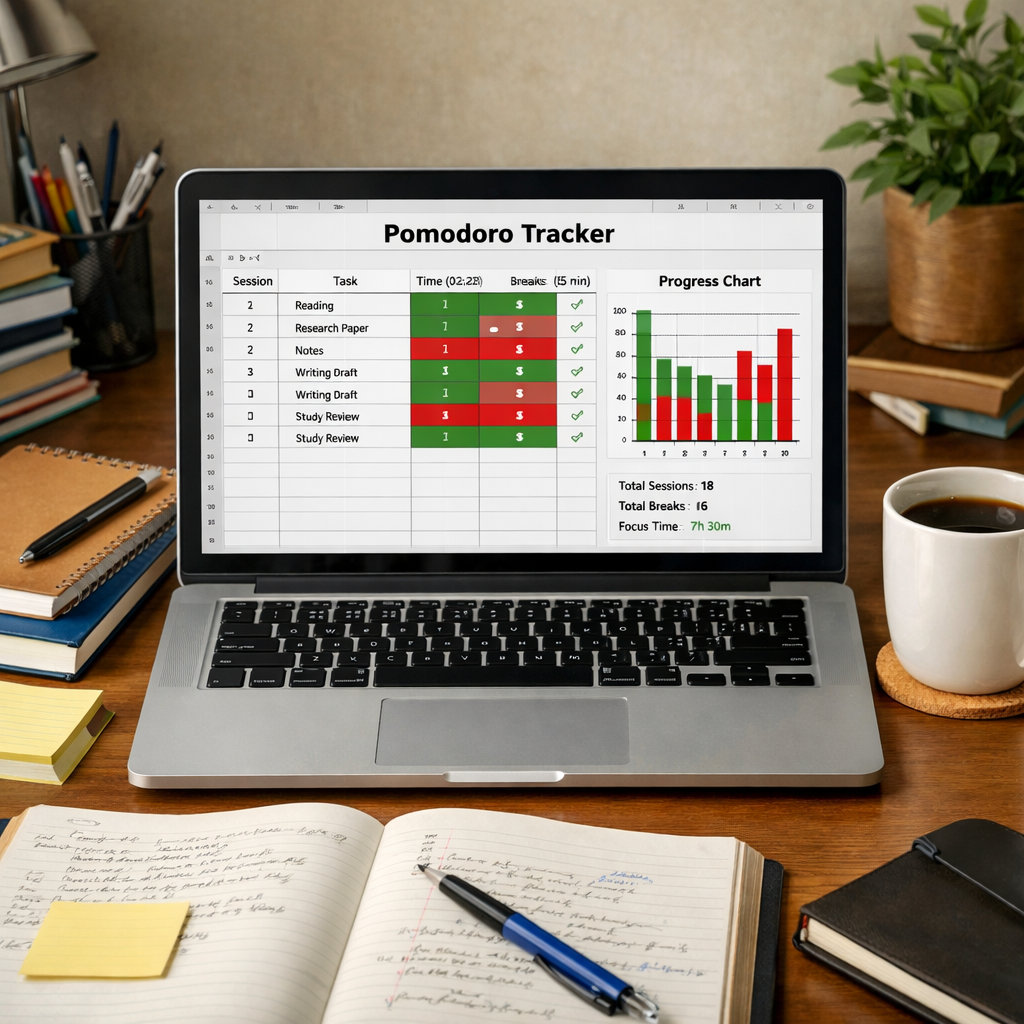
As you finish each pomodoro, mark it in the Focus Keeper dashboard. The visual progress bar gives you a dopamine hit and instantly shows which client projects are on track and which need a buffer adjustment.
Pairing the timer with a writing assistant can boost output even more. For example, running a pomodoro while using best SEO content writer software for 2026 helps you stay focused and produce optimized copy in the same sprint.
Start tonight: write down three client tasks, break them into pomodoros, set the timer, and watch your freelance workflow finally feel manageable. Consistency turns those 25‑minute bursts into steady revenue streams and a healthier work‑life balance.
TL;DR
A pomodoro schedule for freelancers turns a chaotic to‑do list into bite‑size, timed blocks, letting you label each client task, protect focus slots, and slip in buffer pomodoros for surprises.
Start tonight by writing down three client deliverables, chopping them into 25‑minute intervals, firing the timer, and watching your freelance workflow finally feel manageable and revenue‑friendly.
Step 1: Assess Your Freelance Workflow
Before you can turn chaos into a smooth pomodoro schedule for freelancers, you need a clear picture of where your time is actually going. Grab a coffee, open a fresh document, and start listing every recurring activity you do in a typical week. Think of everything: client calls, research, drafting, invoicing, social media, even those little “just‑checking‑email” moments.
It feels a bit like a reality check, right? You’ll probably be surprised at how many minutes get swallowed by admin fluff. That’s the sweet spot where the pomodoro method can step in and give you back control.
Once you have that raw list, group the items into three buckets: Billable work (the tasks that directly earn you money), Non‑billable but necessary (like invoicing or client follow‑ups), and Distractions/Buffer (random emails, social scrolls, unexpected calls). This categorisation helps you see where you can apply focused intervals and where you need protective buffers.
Now, estimate how long each bucket typically takes. Don’t over‑think it—use the 25‑minute pomodoro as a mental ruler. If a client revision usually feels like a half‑hour, mark it as one pomodoro plus a short buffer. If a research sprint drags on for an hour, split it into two or three pomodoros with a tiny break in between.
Here’s a quick checklist to run through:
- List every task you do in a week.
- Assign each task to Billable, Non‑billable, or Distraction.
- Estimate pomodoros needed for each task.
With that map in hand, you can start shaping a realistic schedule. The goal isn’t to cram every minute into a timer; it’s to give each type of work its own dedicated slot so you stop wondering, “What should I work on next?”
Next, look at your natural energy peaks. Do you feel sharp in the mornings? That’s prime time for deep‑focus billable work. Afternoons might be better for admin or client calls. Align your pomodoro blocks with these rhythms, and you’ll notice the timer becomes a gentle nudge rather than a harsh alarm.
And don’t forget the buffer pomodoro. Set aside at least one 25‑minute slot each day with no specific label. When a surprise client request lands, you already have a slot ready, keeping the rest of your plan intact.
Ready to see it in action? Below is a short video that walks through how to turn this assessment into a visual workflow you can copy‑paste into any calendar.
Take a moment after the video to sketch a simple table on a sticky note or in a Google Sheet. Column A: Task name. Column B: Bucket (Billable, Non‑billable, Distraction). Column C: Estimated pomodoros. Column D: Preferred time of day. This visual cue becomes your launchpad for the next step—actually populating your calendar with pomodoro blocks.
Finally, run a quick sanity check. Add up the total pomodoros you’ve allocated. If you’re looking at more than 8‑10 pomodoros a day, you’re probably over‑estimating. Trim the non‑essential tasks, combine similar small items, or add more buffer slots. The aim is a sustainable rhythm, not burnout.
When you’ve refined the list, you’ll have a solid foundation for building a pomodoro schedule that respects both your client commitments and your need for focused, stress‑free work. This assessment step is the compass that keeps every subsequent timer tick pointing you toward revenue‑friendly progress.
Step 2: Set Up Pomodoro Intervals
Now that you’ve sorted your tasks into the three buckets, it’s time to give those buckets a rhythm. Think of a pomodoro schedule for freelancers as a simple train timetable you control yourself – you decide when each carriage leaves the station and when it pauses for a quick coffee break.
Pick the interval length that feels right
The classic 25‑minute work slot followed by a five‑minute break works for a lot of people, but there’s no rule that says you have to stick to it. If you’re a copywriter who gets into a flow after a few minutes, try a 20‑minute sprint. If you’re a designer needing deeper focus, a 30‑minute block might feel more natural.
Experiment for a week: set the timer to 25 minutes for three days, 30 minutes for two days, and note which feels most sustainable. The goal isn’t to chase perfection; it’s to land on a cadence that keeps you moving without burning out.
Map each bucket to a specific pomodoro
Take your core creative work bucket and break the biggest deliverable into bite‑size pieces. For example, Maya, a freelance copywriter, split a 2,000‑word article into three pomodoros: research (25 min), first draft (25 min), and edit (25 min). She labeled each slot “[Client X] – article research” so the timer became a cue, not a question.
Do the same for client communication. If you have a 30‑minute Zoom call, block a pomodoro titled “[Client Y] – strategy call.” When the timer rings, you’ve already cleared the mental clutter and can move on to the next bucket.
Admin tasks often feel like a black hole. Batch them: “Invoice batch,” “file organization,” or “quick social‑media scan.” One pomodoro can hold several tiny admin items, keeping the rest of your day focused on higher‑value work.
Build a visual schedule you trust
Open your calendar (Google, Outlook, or even a paper planner) and drag coloured blocks onto the day. Use one colour for creative pomodoros, another for communication, and a third for admin. The visual cue makes it hard to double‑book yourself and easy to spot where you’ve left a buffer.
Remember to reserve at least one 25‑minute buffer each day. This is the safety net for surprise client emails, a sudden bug, or simply a moment when you need a longer reset. When the buffer is already in place, the rest of your schedule stays honest.
Choose a timer that fits your workflow
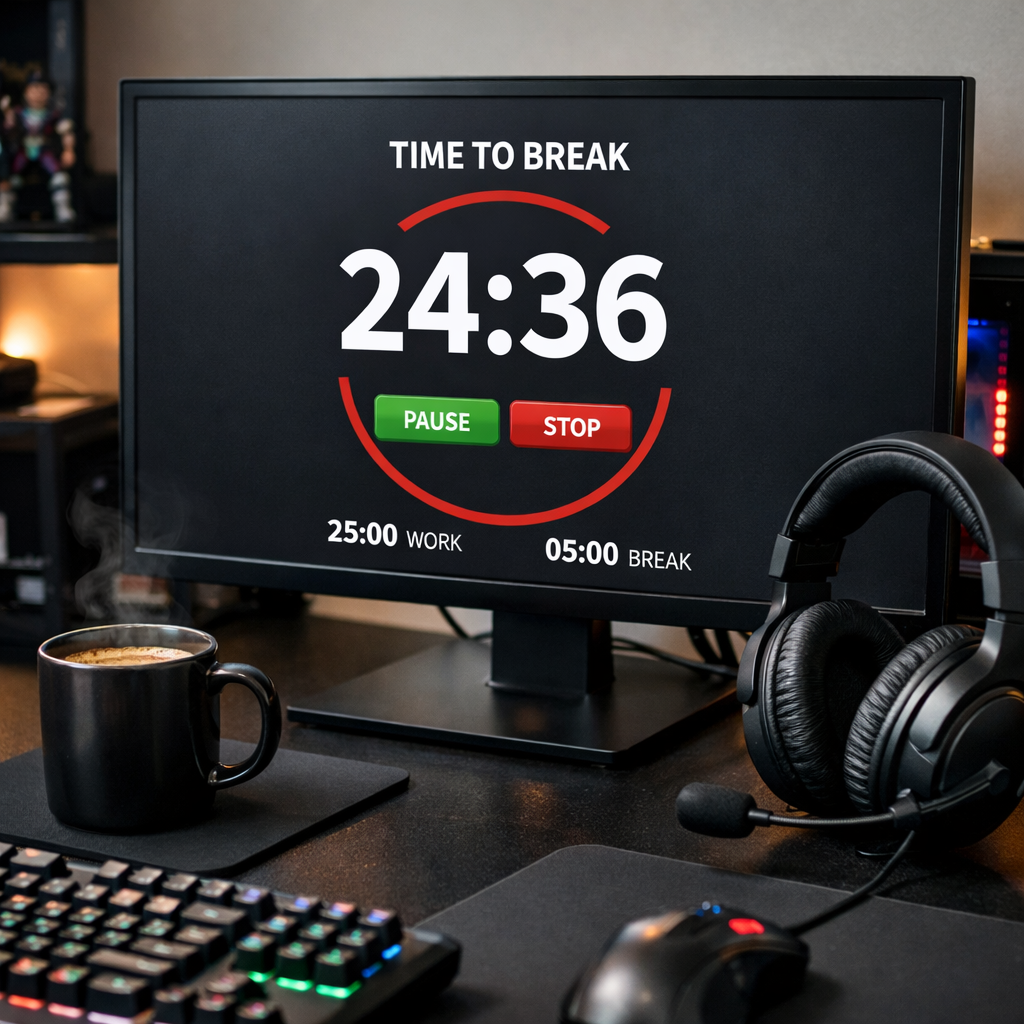
Platforms like Focus Keeper make the whole process painless: the app rings, logs the pomodoro, and even lets you add a quick note about what you accomplished. If you prefer a free, web‑based option, the Pomodoro Technique guide from Todoist walks you through setting up a simple timer and tracking interruptions.
Whichever tool you pick, make sure it blocks distractions. Turn off Slack notifications, mute non‑essential chats, and keep the timer visible on your desk. The timer becomes a “focus shield” that tells your brain, “Now’s the time to work, everything else can wait.”
Test, tweak, repeat
At the end of each day, glance at your pomodoro log. Did you finish the block you named? If not, ask yourself why: was the milestone too big, or did an unexpected call eat the slot? Jot a quick note and adjust tomorrow’s plan – maybe split that milestone into two, or move it to a buffer.
After a week, you’ll see a pattern: perhaps you’re most productive in the morning, or you need a longer break after the third pomodoro. Use those insights to fine‑tune the length of your intervals, the order of buckets, and the placement of buffers.
Quick checklist for setting up your pomodoro schedule
- Decide on a base interval (25 min, 30 min, or 20 min).
- Label each pomodoro with a concrete, client‑focused milestone.
- Colour‑code the three buckets in your calendar.
- Reserve a daily buffer pomodoro for the unexpected.
- Use a timer that logs sessions and blocks distractions.
- Review each day, note missed blocks, and adjust the next day’s plan.
Step 3: Integrate Break Activities
Let’s be real: breaks aren’t a luxury for freelancers juggling multiple projects. They’re the engine that keeps you moving without burning out.
In our experience, purposeful breaks — short resets that actually feel like a reset — keep you sharp enough to finish strong without crashing into brain fog. So, what should you do to integrate breaks that actually help you ship client work?
First, treat breaks as an authentic part of your workflow, not an afterthought. After each focused block, take a deliberate pause aimed at recharging your brain and resetting your posture.
Why break activities matter for freelancers
Breaks give your eyes a break from screens, stretch your hips after hours of sitting, and cue your brain that the next block will be productive. The result is less fatigue, fewer distractions, and quicker returns to deep work. Does this really work? Yep — the predictable reset is exactly what keeps you writing, designing, or coding with momentum.
For freelancers juggling client deadlines, a thoughtful break pattern prevents a creeping sense of overwhelm. You’ll notice you recover faster between sprints and avoid the mid‑afternoon slump that makes late-stage revisions feel like slogging through mud.
Implement a simple break rotation
Start with a basic rhythm: after every focused pomodoro, a five‑minute reset that excludes work tasks. Stand up, stretch, sip water, and look away from your screen for a full minute. Then, reset your posture and breathe—this tiny ritual signals your brain that it’s go‑time again.
If you hit a milestone that takes longer than expected, swap in a longer break mid‑day rather than pushing through. You’re training your brain to expect a break, which makes the next block easier to dive into.
Types of breaks to mix in
- Micro‑reset: 1–2 minutes of box breathing, shoulder rolls, or a quick coffee sip.
- Hydration/ nourishment: a glass of water, a small snack, or a fruit break.
- Movement break: a quick stroll, a few yoga stretches, or a tiny desk workout.
- Eye reset: look out a window, refocus at a distant object, then return to the screen.
- Mind reset: 1 minute of a non‑work thought, a quick doodle, or a short music cue to reframe focus.
Tip: mix breaks by intention — short resets for maintenance, longer resets after big milestones, and occasional creativity bursts where the break itself sparks a new idea.
How long should breaks be? Start with five minutes, but adjust based on energy. If you notice you lose momentum after the third block, add a longer buffer break on that day. It’s all about learning your rhythm and locking it in.
Track your breaks and learn your rhythm
This is where a dedicated tool shines for freelancers. When you log each break, you start to see patterns: which breaks restore energy the fastest, which moments you drift into distraction, and when a longer reset pays off. With Focus Keeper, you can visualize this data and tailor your schedule to real‑world needs — not guesswork. It helps you protect focus slots and keep the momentum alive across multiple client projects.
If you’re curious about the science behind mini‑breaks, this primer lays it out clearly — reinforcing why a well‑timed break actually enhances your next sprint. mini‑breaks for productivity is a quick read you can bookmark.
So, what will your first week of integrated break activities look like? Start with a five‑minute reset after every pomodoro, log it, and adjust based on what you notice. Small, consistent tweaks add up to big gains in clarity, speed, and revenue over time.
Step 4: Customize Schedule for Different Projects
Now that you’ve got your basic pomodoro schedule for freelancers, it’s time to make it fit the shape of each client or side‑gig you juggle. Think of your week as a toolbox – every project needs a different wrench, and you don’t want to try turning a bolt with a screwdriver.
Identify project categories
Start by grouping your work into three buckets: quick‑turn tasks (like email replies or tiny revisions), medium‑size deliverables (draft outlines, storyboard sketches), and heavy‑weight pieces (full website builds, long‑form articles).
Ask yourself: which bucket does each client project belong to? If a client needs a 500‑word blog post every Tuesday, that’s a quick‑turn. A branding package that spans several days lands in the heavy‑weight lane.
Assign interval lengths
Not every pomodoro has to be 25 minutes. In our experience freelancers who treat a heavy‑weight task with a 30‑minute block and a short‑turn with a 15‑minute sprint see less fatigue.
Here’s a quick cheat sheet you can copy into your calendar:
- 15‑minute pomodoros for admin or quick edits.
- 25‑minute pomodoros for most writing or design drafts.
- 30‑minute pomodoros for deep‑focus work like coding a feature or polishing a video.
Notice how the break length follows the same pattern: 5 minutes after a 15‑minute sprint, 5‑7 minutes after a 25‑minute sprint, and 7‑10 minutes after a 30‑minute sprint. The goal is to give your brain just enough time to reset without losing momentum.
Build a visual matrix
Grab a simple spreadsheet or a colour‑coded digital calendar. Create columns for each day and rows for the three buckets you defined. Then drop the pomodoro blocks into the right rows, using a distinct colour for each client.
Because you’re a freelancer, you’ll often see overlapping deadlines. The visual matrix makes those clashes obvious before you double‑book yourself. When two heavy‑weight blocks land back‑to‑back, slide one into a buffer slot (see next step).
Buffer for the unexpected
Every freelancer knows that a sudden client call or a last‑minute revision can throw a wrench in the best‑planned schedule. Reserve at least one 25‑minute buffer pomodoro each day – treat it like a safety net rather than an empty slot.
When the day runs smoothly, use that buffer for a quick creative brainstorm or a micro‑learning video. When chaos strikes, the buffer becomes the place you absorb the surprise without derailing the rest of your plan.
Real‑world examples
Take Maya, a freelance copywriter who handles three clients simultaneously. She groups Client A’s weekly blog into two 25‑minute pomodoros (research + draft), Client B’s email campaign into a single 15‑minute sprint, and Client C’s ebook into three 30‑minute blocks spread over two days. By assigning each bucket its own interval length, Maya finishes the ebook a day early and still has time for a yoga class.
Or consider Jake, a graphic designer who splits a brand refresh into: mood‑board (15 min), concept sketches (30 min), client feedback (15 min), final assets (30 min). The short‑turn feedback pomodoro prevents endless back‑and‑forth, while the longer creative blocks keep his flow intact.
Review and tweak weekly
At the end of each week, spend five minutes looking at your pomodoro matrix. Did any heavy‑weight block consistently spill into the next day? Did a 15‑minute sprint feel too short for a particular task? Jot down one adjustment – maybe bump a 25‑minute block to 30 minutes, or add a second buffer on Tuesday.
Platforms like Focus Keeper make the review painless: the app logs each completed pomodoro, so you can see at a glance where you over‑estimated or under‑estimated time. Over a month, those tiny tweaks add up to a schedule that feels custom‑built for every project you take on.
So, what’s the next move? Grab your calendar, sketch the three buckets, assign interval lengths, and slot in a daily buffer. Then watch how your pomodoro schedule for freelancers transforms from a one‑size‑fits‑all list into a flexible roadmap that respects each project’s unique rhythm.
Step 5: Track and Optimize Your Pomodoro Performance
Now that you’ve got your pomodoro blocks mapped out, the real magic happens when you start looking at the data. Does your pomodoro schedule for freelancers actually reflect how you work, or is it just another to‑do list?
First, grab the log that your timer creates. In Focus Keeper you’ll see a simple list of completed intervals, the label you gave each one, and a tiny pause‑counter. If you’re using a separate tracker, the same principle applies – you need a record you can review.
What to Measure
Ask yourself three quick questions after each day:
- Did I finish the milestone I promised for each pomodoro?
- How many interruptions slipped in, and were they avoidable?
- Which interval length felt too short or too long for the task?
Those answers become your optimization checklist.
So, how do you turn those answers into action?
1. Spot Patterns with a Simple Table
Copy the numbers into a quick spreadsheet and look for trends. Below is a minimal example you can replicate in any tool you like.
| Metric | What to Track | Quick Insight |
|---|---|---|
| Completion Rate | Pomodoros finished vs. planned | 80% + means your estimates are solid. |
| Interruptions | Unexpected breaks per day | More than 2? Try a “Do Not Disturb” status. |
| Interval Fit | 25‑min, 30‑min, 15‑min success | If 30‑min blocks lag, shrink them. |
Seeing the data side‑by‑side makes it obvious where you’re over‑ or under‑estimating.
2. Tweak Your Pomodoro Lengths
Freelancers often juggle creative sprints and quick admin bursts. If you notice that your 25‑minute creative pomodoros regularly spill into the next slot, bump them to 30 minutes and add a 5‑minute “reset” break. Conversely, if you finish a 15‑minute buffer with minutes to spare, consider folding it into a longer deep‑work block.
Remember, the goal isn’t perfection; it’s a schedule that feels fluid.
3. Adjust Buffer Placement
Buffers are your safety net, but their timing matters. If a surprise client call always hits your mid‑morning pomodoro, move the buffer to 10 am instead of the end of the day. The data will tell you the sweet spot.
Pro tip: label buffers explicitly in the app – “Unexpected call buffer” – so you can filter them later and see how often you actually use them.
4. Review Weekly, Not Just Daily
At the end of each week, set aside a “review pomodoro.” Open your log, glance at the table, and answer these two prompts:
- Which task type consistently needs more time?
- What was the biggest source of interruption?
Jot a single tweak for the upcoming week – maybe a new 20‑minute sprint for research or a stricter Slack‑quiet‑hours rule.
Does this sound like extra work? Not really. It’s a five‑minute habit that keeps your schedule from drifting.
5. Leverage a Dedicated Tracker (Optional)
If you crave a more automated view, tools like Memtime capture every app you use and can export pomodoro‑style reports. You’ll see exactly which programs eat up your focus time without even opening the timer.
Or, if you prefer a broader business perspective, the Business.com Pomodoro guide breaks down how teams measure interruptions and focus quality – useful if you collaborate with other freelancers or a small agency.
Either way, the data should always serve one purpose: to make your pomodoro schedule for freelancers tighter, more realistic, and less stressful.
Ready to put this into practice?
Take the next day, run through a few pomodoros, log the outcomes, and then use the table above to spot the first tweak. You’ll notice the difference almost immediately – fewer rushed blocks, clearer buffer moments, and a schedule that actually works for you.

Step 6: Tools and Apps to Support Your Pomodoro Schedule
Let’s get real: the right tools can make or break a pomodoro schedule for freelancers. When you’re juggling client pitches, drafts, and admin, friction is the enemy. You want a setup that starts fast, logs cleanly, and talks nicely to your task list.
In our experience, the best tools for freelancers blend simplicity with visibility. Look for a timer that you can start in one click, logs each session, and let you tag blocks by client or deliverable. Color coding helps you see at a glance where your focus is today. And if it stores data across devices, you’re golden, because focus shouldn’t be tied to a single computer. For a deeper dive, check our milestone planning guide: milestone planning guide.
For a practical blueprint, focus on four tool categories. First, dedicated pomodoro timers with robust logging. Second, timer features that ride along with your calendar. Third, lightweight task-management integrations that keep your blocks anchored to real work. Fourth, lightweight analytics that show you where you’re gaining momentum and where you’re getting stuck.
Our Focus Keeper timer is built around this exact idea. It’s designed to help students, remote workers, and freelancers manage time without wasting mental energy on setup. You’ll appreciate the clean timer wheel, milestone tagging, and quick logs that translate into actionable insight. And because you’re probably managing multiple projects, you’ll get a clear picture of how much focus you’ve actually carved out for each client this week. In 2026, we’re seeing freelancers land more predictable timelines and steadier income thanks to a repeatable rhythm like this.
Next, a practical setup you can deploy this week. Step one: decide your baseline interval. Start with 25 minutes, but if you’re in deep flow, use 20 or 30 minutes for a day or two and see what feels best. Step two: choose a timer that can log each session and attach a short note. Step three: create a simple milestone label for each block (for example, “Client A – homepage draft” or “Client B – client call prep”). Step four: pair the timer with your calendar or task board so a completed pomodoro shows up as a task in your to-do list. Step five: run a 7-day test, then tweak block lengths and buffer placement based on the data you collect. You’ll notice fewer midweek derailments and more consistent delivery pace.
You’ll get even more value by linking your timer to a broader workflow. If you want deeper guidance, our milestone planning guide shows how to map outcomes to blocks so you’re never staring at a blank screen midweek. And if you’d like to see how a timer fits into a broader workflow, timer features and productivity benefits is a solid start.
Does this actually work for freelancers juggling multiple projects? It does when you keep the setup simple and the focus tight. Ready to test a real schedule this week? Start with a single client, two or three focused blocks, and watch how your days stop feeling like chaos and start feeling doable.

FAQ
How do I start building a pomodoro schedule for freelancers?
First, pull out a fresh list of every billable task you have this week. Break each task into bite‑size pieces that feel doable in a 25‑minute sprint – if it still feels huge, split it again. Then drop those chunks into your calendar as if they were client meetings, colour‑code by project, and protect the slots with a timer. The key is to label each block clearly so you know exactly what to work on when the timer rings.
What length should my pomodoro intervals be?
While the classic 25‑minute work block works for many, freelancers often tweak it. If you find yourself slipping into flow quickly, a 30‑minute block can give you a deeper dive; if you get distracted fast, try 20 minutes. Experiment for a week: use 25 minutes three days, 30 minutes two days, and note which feels most sustainable. The goal isn’t a rigid rule – it’s a cadence that keeps you productive without burning out.
How many pomodoros should I schedule each day?
There’s no magic number, but most freelancers hit a sweet spot with four to six pomodoros on a typical workday. That gives you about two to three hours of focused effort spread across the day, plus short breaks that recharge you. If you have a heavy‑weight client project, you might cluster two longer blocks in the morning and save lighter admin pomodoros for the afternoon. Adjust based on energy levels and client deadlines.
What if an unexpected client call breaks my pomodoro?
That’s where a buffer pomodoro comes in handy. Reserve at least one 25‑minute slot each day with no specific task attached. When a surprise call or urgent revision pops up, you can slide it into the buffer without derailing the rest of your schedule. If the interruption happens mid‑pomodoro, pause the timer, note where you left off, and resume when you’re back on track – the timer becomes a flexible safety net.
How can I track my progress without getting overwhelmed?
Keep it simple: use the built‑in logging feature of your timer or a quick spreadsheet with three columns – task label, pomodoro count, completed? At the end of each day, glance at the list and tick off what you finished. Look for patterns – maybe you consistently finish research in two blocks but need three for editing. Those insights let you fine‑tune future estimates and keep your schedule realistic.
Do I need a special app for this, or can I use a basic timer?
A basic kitchen timer works, but a dedicated pomodoro app saves you a step by automatically logging each session and letting you add a short note. That way you don’t have to remember to write things down later. If you already use a digital calendar, choose a timer that syncs or at least lets you copy the label into the event description – it keeps everything in one place.
How often should I review and adjust my pomodoro schedule?
Set aside a quick “review pomodoro” once a week, maybe on Friday afternoon. Open your log, check which blocks you completed, which spilled over, and whether any interval length felt off. Jot down one concrete tweak – like converting a 25‑minute admin sprint to a 15‑minute burst or moving a buffer to mid‑morning. Those small weekly adjustments add up, turning a rough schedule into a polished workflow that matches the reality of freelance life.
Conclusion
We’ve walked through every step of building a pomodoro schedule for freelancers, from mapping tasks to fine‑tuning break lengths.
Now you know how to slot creative work, client calls, and admin into bite‑size intervals that protect your focus.
Start by listing your three buckets, assign a realistic pomodoro length to each, and colour‑code the blocks in your calendar.
Reserve a daily buffer pomodoro for surprise client emails or a quick creative brainstorm – it keeps the rest of your day honest.
When a block spills over, pause, note where you stopped, and either split the task or shift it to the next slot; the habit of logging makes future estimates sharper.
In our experience, freelancers who review their pomodoro log each Friday see a 10 % boost in on‑time delivery because they continuously tweak intervals and buffers.
So, what’s the next move? Open your calendar, drop the coloured pomodoro blocks, set a timer, and commit to a five‑minute break after every session.
Stick with it for a week, note the patterns, and you’ll watch the chaos turn into a steady rhythm that powers client work and gives you evenings back.
Ready to make your freelance day predictable and stress‑free? Give the pomodoro schedule a try today and feel the difference.