
Ever sat down for a mock interview and felt your mind wander after just a few questions? You start strong, then the timer ticks, and suddenly you’re scrambling to remember that one key project you wanted to showcase.
The Pomodoro Technique can be the quiet coach that nudges you back into focus, breaking the practice into bite‑size, high‑energy sprints. Instead of a marathon of endless role‑play, you work in 25‑minute bursts, then give yourself a short, intentional break to stretch, sip water, or jot down quick reflections.
Students prepping for campus interviews often juggle coursework and mock sessions. One study‑focused undergrad tried two 25‑minute mock rounds followed by a 5‑minute pause, and reported a 30% boost in confidence after just one hour of practice. Remote workers juggling client calls found that pairing a 25‑minute interview drill with a brief walk around the home office helped reset their nervous system before the next video call. Freelancers pitching to potential clients use the same rhythm to rehearse their elevator pitch, then step away to review feedback without burning out.
Here’s a quick starter checklist: 1️⃣ Pick a timer – you can use any online Pomodoro timer or a simple phone alarm. 2️⃣ Define a specific interview segment (e.g., “Tell me about a challenge you overcame”). 3️⃣ Set the timer for 25 minutes and role‑play that segment until the alarm rings. 4️⃣ Take a 5‑minute break: stand, breathe, and write down what felt smooth and what stumbled. 5️⃣ Repeat, rotating questions each round. Over a 2‑hour session you’ll have covered six core topics without feeling drained.
If you’re not sure which timer works best, our guide What is pomodoro technique timer online? walks you through free options and how to customise intervals for interview prep.
And the best part? Because the breaks are built in, you avoid the mental fatigue that usually creeps in after endless rehearsal. You finish each practice round feeling sharper, not exhausted, ready to tackle the real interview with a clear head. Give it a try this week – set your first Pomodoro, record a short mock, and notice how the focused bursts change the way you prepare.
TL;DR
Using the Pomodoro for mock interview practice lets you sprint through focused question drills, then recharge in short breaks, so you stay sharp and avoid the mental fatigue that kills confidence.
Try a 25‑minute timer, answer one interview prompt, jot quick notes during a five‑minute pause, repeat, and you’ll cover multiple topics in an hour without burning out.
Step 1: Set Up Your Pomodoro Timer for Mock Interviews
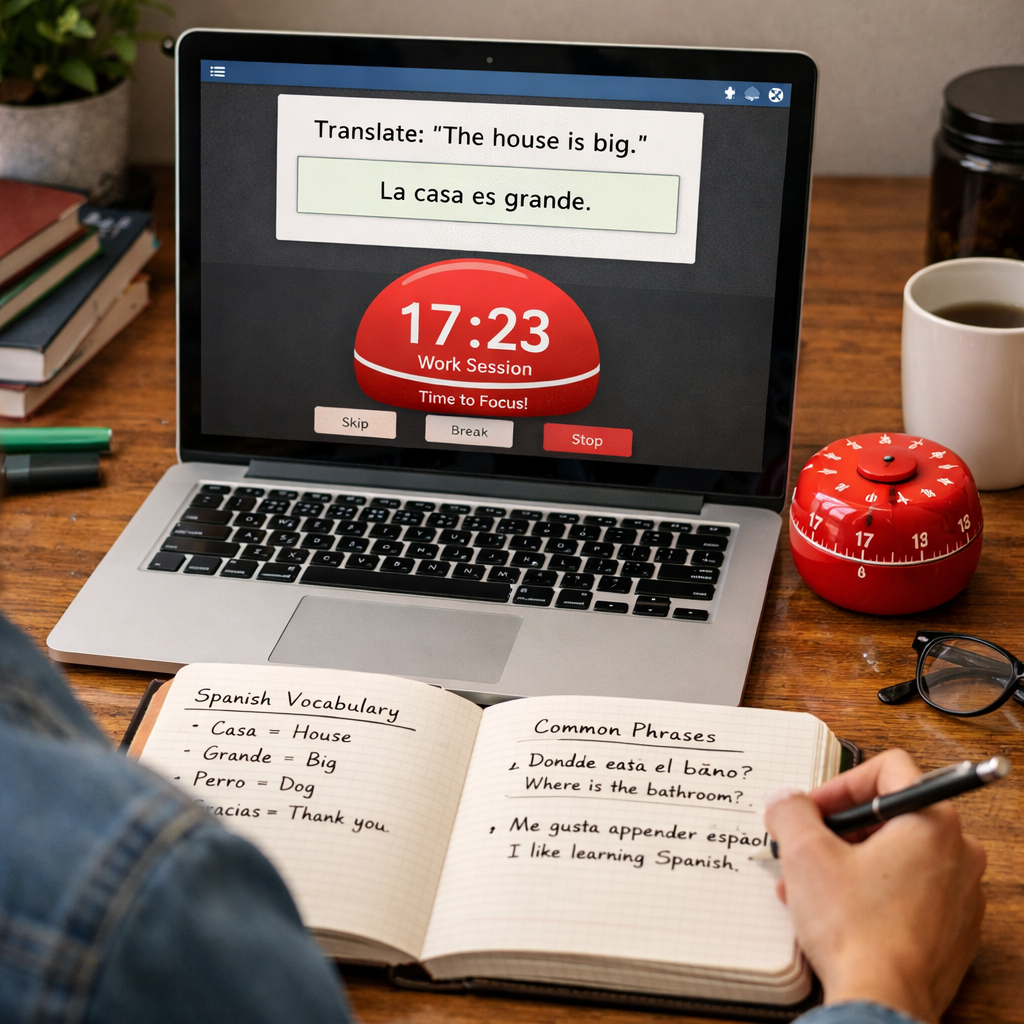
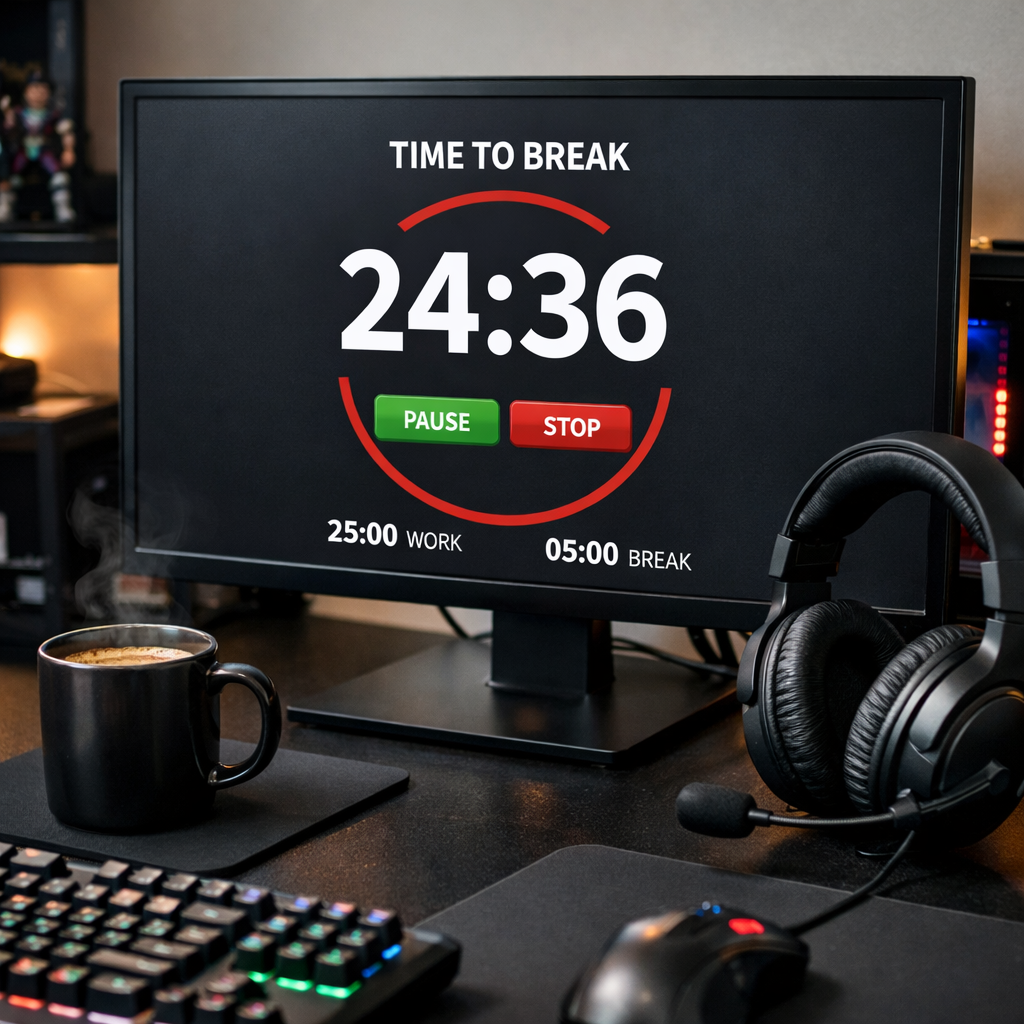
Alright, let’s get the timer ticking. The first thing you need is a reliable Pomodoro clock – it can be a phone app, a browser tab, or even a kitchen timer if you’re feeling nostalgic. The key is consistency: every 25‑minute sprint should start and end at the same cue so your brain learns the rhythm.
Pick a timer that lets you label each interval. We’ve seen students label theirs “STAR story” and freelancers tag theirs “client pitch”. When the label is visible, you’re less likely to drift into day‑dream land during the session.
Now, set the timer for 25 minutes and decide which interview segment you’ll tackle. It could be the classic “Tell me about a time you faced a challenge,” or a technical white‑board question if you’re prepping for a dev role. Write that prompt on a sticky note or a digital note‑app right beside your laptop – visual cues keep you anchored.
When the timer starts, treat the next 25 minutes as a focused rehearsal chamber. Speak out loud, record yourself if you can, and resist the urge to edit in real time. The Pomodoro isn’t about perfection; it’s about building a repeatable flow.
And here’s a little trick: if you’re a remote worker juggling Zoom calls, mute your mic and turn on a “Do Not Disturb” status during the sprint. It signals to teammates that you’re in a deep‑work window, and you won’t be interrupted by a stray chat ping.
When the alarm rings, that’s your cue to pause. Stand up, stretch, sip water, and give yourself a solid five‑minute break. Use this time to jot quick notes – what felt natural, what stumbled, any phrasing you’d tweak. This micro‑reflection is where the magic happens.
After the break, reset the timer and pick a new interview angle. Rotate topics so you cover a range of competencies in one practice session – communication, problem‑solving, leadership, and so on.
Want a visual walk‑through? Check out the short video below that shows a live mock‑interview Pomodoro in action.
Notice how the timer is visible in the corner, and the break timer pops up automatically. That little visual cue helps you transition smoothly without overthinking the next step.
When you finish your series of Pomodoros – say three rounds for a 90‑minute mock session – take a longer 10‑15 minute pause. Review all your notes, compare them to the job description, and identify any recurring gaps. This is the moment to tweak your stories or research a specific project you want to highlight.
Finally, make it a habit. Schedule your Pomodoro mock‑interview blocks in the same slot each week, just like a class or a team stand‑up. Consistency trains your brain to get into interview mode faster, and you’ll notice confidence rising with each cycle.
Ready to give it a go? Grab your timer, pick your first question, and let the focused sprints do the heavy lifting.

Step 2: Choose Interview Questions & Create Focus Blocks
Now that your timer is humming, it’s time to decide which questions you’ll tackle in each Pomodoro sprint. Picking the right prompts keeps the practice feeling purposeful instead of random chatter.
Start with a quick inventory of the interview rubric you’ve received or the typical questions you’ve seen on job boards. Write them down in a master list – behavioural, technical, situational – whatever applies to your target role.
Which ones feel most intimidating? Which ones you’ve answered a dozen times? Those are your prime candidates for focus blocks. By grouping similar topics together, you train your brain to dive deep without constantly switching mental gears.
Step‑by‑step: Build your question pool
1️⃣ Scan the job description for keywords like “leadership,” “conflict resolution,” or “algorithm design.”
2️⃣ Translate each keyword into a concrete interview prompt (e.g., “Tell me about a time you led a cross‑functional team”).
3️⃣ Add any “gotcha” questions you’ve heard in forums – those surprise you the most.
Does this feel overwhelming? Pause, breathe, and remember you only need 6‑8 prompts for a solid practice session. The rest can sit in a “later” folder.
Creating focus blocks
A focus block is simply a themed slice of your Pomodoro cycle. Instead of “answer any question,” you tell yourself, “For the next 25 minutes I’m only answering STAR‑format leadership questions.”
Why does that matter? Our experience shows that narrowing the scope reduces decision fatigue, letting you flesh out stories with richer detail.
Here’s a quick template you can copy into a note or the Focus Keeper app:
| Question Type | Focus Block Length | Quick Tip |
|---|---|---|
| Behavioural – leadership | 25 min | Label the timer “STAR‑leadership” and keep a bullet list of key achievements nearby. |
| Technical – coding | 25 min | Set a small whiteboard or IDE window; practice solving one problem end‑to‑end. |
| Situational – case study | 25 min | Write a one‑paragraph outline first, then expand while the timer runs. |
Notice the consistency? Each block is exactly one Pomodoro, so the break rhythm stays the same and your brain learns to switch modes on cue.
What about variety? After you complete three blocks, shuffle the order. One day you might start with technical, the next day with behavioural. The shuffle keeps the practice fresh and mimics the unpredictability of real interviews.
Now, let’s talk logging. When the alarm rings, jot down three things: the question you answered, how confident you felt, and one tweak for the next round. Over a week you’ll spot patterns – maybe you’re nailing leadership stories but stumbling on data‑analysis questions. That insight tells you exactly where to dig deeper.
Are you wondering how long you should stay on a single question? A good rule of thumb is to aim for a complete answer, then use any remaining seconds to rehearse a concise “closing line.” If you still have time, switch to a quick reflection instead of starting a new story half‑baked.
Finally, remember to keep the focus blocks visible. A simple sticky note on your monitor that reads “Block 1: STAR‑leadership” acts like a visual cue, reducing the mental load of remembering what you’re supposed to do next.
Give this workflow a try in your next mock session. You’ll likely notice smoother storytelling, less mental clutter, and a clearer path from question to answer – all without extending your overall prep time.
Step 3: Conduct Timed Mock Interview Sessions
Alright, you’ve got your timer and your focus blocks ready – now it’s game time. This is where the Pomodoro technique really shines, because each sprint forces you to treat a mock interview like a real one, with the same pressure and the same need to stay concise.
Pick a realistic interview scenario
Think about the role you’re eyeing and the type of interview you’ll face. Are you a student gearing up for a campus interview? Maybe you’re a remote worker about to join a video call with a product team. Or perhaps you’re a freelancer pitching a new client. Choose a scenario that matches your audience, then write a brief prompt that captures the core of the question – “Describe a time you led a cross‑functional project under a tight deadline,” for example.
Why does this matter? When the timer starts, your brain already knows the context, so you waste less mental energy figuring out what to answer and more on actually delivering the story.
Start the Pomodoro and stick to the clock
Set the timer for 25 minutes (or 15 if you’re doing rapid‑fire technical drills). As soon as the beep sounds, dive in. Aim to answer the question fully, using the STAR structure if that helps you stay organized. Keep an eye on the seconds – if you notice the timer winding down and you’re still in the middle of a thought, practice a graceful pause: “I’ll finish that point after a quick breather.”
Does it feel weird to stop mid‑story? It does at first, but that tiny interruption trains you to wrap up strong, which is exactly what interviewers love.
When the alarm rings, stop speaking. Even if you think you have a few more seconds, resist the urge to keep going. The break is your reset button.
Use the five‑minute break wisely
During the break, don’t just stare at the wall. Stand up, stretch, grab a drink, and jot down three quick notes: what you answered, how confident you felt, and one tweak for the next round. Students often write “need more data on project impact,” remote workers might note “speak slower for video clarity,” freelancers could add “highlight client ROI earlier.”
These tiny reflections compound over a week, turning vague feelings into concrete patterns you can actually improve.
Run another sprint, then compare
Start the next Pomodoro with a different focus block – maybe a technical coding question this time. Because you’ve already logged the previous round, you can glance at your notes and see if the same confidence issue pops up. If it does, you’ve identified a true weakness, not just a one‑off fluke.
For busy professionals juggling meetings, the quick switch between blocks feels like moving from one agenda item to the next, keeping the whole preparation process feeling natural rather than forced.
Turn raw data into actionable tweaks
After you’ve completed three or four Pomodoros, pull your spreadsheet or notebook together. Look for trends: “I’m consistently rushing the conclusion,” or “I’m over‑explaining the technical steps.” Write a concrete action for each, such as “practice a 30‑second closing line” or “use a whiteboard to visualise algorithm flow in under two minutes.”
Now you have a clear, data‑backed plan to target the next practice session, and you can measure improvement week over week.
Make it a habit
The magic of Pomodoro isn’t a one‑off hack; it’s a habit loop. Schedule a regular slot – say, every Monday, Wednesday, and Friday at 9 am – and treat each session as a mini‑interview sprint. Students can pair it with a morning coffee, remote workers with their first video call, freelancers with a client outreach block, and busy professionals with a pre‑meeting warm‑up.
When the habit sticks, the anxiety of “what if I run out of time?” fades, because you’ve trained your mind to deliver concise, compelling answers inside a fixed window.
Give it a go this week: set three Pomodoros, each with a different question type, and watch how your confidence climbs, your stories tighten, and the interview jitters shrink. You’ll be surprised how much a simple timer can turn practice into performance.
Step 4: Review & Reflect Using the Pomodoro Break
After the timer dings, what’s the next move? That five‑minute window is where the magic really happens.
Instead of just stretching, use the break to do a quick debrief. Grab the notebook or the spreadsheet you’ve been logging into and jot down three things: what went well, where you felt the pressure mount, and a single tweak for the next round.
Why three? It keeps the reflection bite‑size enough to fit in a Pomodoro break, yet specific enough to act on later. For a student, it might be “pause before the conclusion to avoid rushing.” For a remote worker, “speak a bit slower to avoid mumbling on video.” For a freelancer, “mention the client ROI earlier.”
Now, look at the pattern. After a handful of cycles you’ll start seeing repeats—maybe you always lose momentum after 18 minutes, or you tend to over‑explain technical steps. That’s your data‑backed clue.

Capture the Insights
During the break, pull up the notes and answer a quick checklist: Did I stay within the 25‑minute window? Did I hit the key STAR points? Did my voice stay steady? Scoring yourself on a 1‑5 scale gives a numeric thread you can plot over weeks.
If you’re a student, you might notice you rush the conclusion when the timer’s about to run out. If you’re a remote worker, you may catch yourself pausing to check your background camera. Write that observation down—no need for full sentences, just a bullet.
Turn Notes into Action
The goal isn’t to collect data for its own sake; it’s to create a single, concrete tweak you can try in the next Pomodoro. For example, “use a timer label ‘STAR‑leadership’ and stop talking the second I hear the beep,” or “write a one‑sentence closing line before the timer ends.”
Write that tweak on a sticky note that lives on the edge of your monitor. When the next sprint starts, the note becomes a visual cue, and you’ll find yourself catching the habit before it slips away.
Make Reflection a Habit
Because the break is already built into the Pomodoro cycle, you don’t need a separate “reflection hour.” Just treat those five minutes as a micro‑review session every time. Set a recurring reminder in Focus Keeper to prompt you with “Review & Reflect” when the break begins.
Schedule those review blocks on the days you practice – say Monday, Wednesday, Friday at 9 am. Over a month you’ll see trends emerge without any extra time investment, and the confidence boost becomes measurable.
So, what’s the next step? Finish your current Pomodoro, grab that notebook, and write down one observation and one action. Do it for the next three cycles and watch the pattern clear up. You’ll be surprised how a five‑minute pause can turn raw practice into polished performance.
Every Friday, pull all your break notes into a single sheet and give each recurring issue a rating from 1 (needs work) to 5 (nailing it). Spot the highest‑scoring pain points and schedule a dedicated mock session to crush them. Consistent micro‑reflections compound into big interview wins.
Give it a try today.
Step 5: Optimize Your Pomodoro Workflow for Ongoing Practice
Now that you’ve built the habit of micro‑reflection, it’s time to fine‑tune the whole cycle so it keeps delivering results week after week.
1. Align Pomodoro Length with Your Energy Peaks
Notice when you feel most alert during the day? Maybe it’s right after your morning coffee, or the quiet hour after lunch. Schedule your 25‑minute interview sprints during those windows. If you’re a student, the 10 am slot often coincides with that “fresh‑brain” feeling after a lecture. Remote workers might find the post‑stand‑up period ideal because the mind is already in “on‑camera” mode. Adjust the interval – 20 minutes for a quick technical drill, 30 minutes when you need space to sketch a complex case study.
Experiment for a week, then ask yourself: “Did I finish the story before the timer buzzed?” If you’re consistently cutting off the ending, shave five minutes off the work block or start a bit earlier.
2. Automate Break Triggers that Reinforce Your Goal
Instead of just a generic “break” alarm, label the pause with a cue that nudges the next action. In Focus Keeper you can rename the break label to “Review & Reset” or “Sip & Stretch.” The moment the timer beeps, your brain gets a double reminder – pause the task and flip to the reflection checklist you’ve created.
For freelancers juggling multiple projects, you might add a tiny note to the break: “Check next client brief.” Busy professionals can set a quick breathing exercise so the transition feels intentional, not just a coffee run.
3. Batch Your Review Data for Bigger Insights
Every Friday, pull the five‑minute notes from the week into a single sheet. Give each recurring issue a rating from 1 to 5 – just like we suggested earlier – and then calculate an average score for each interview dimension (leadership, technical, situational). Spot the category with the lowest average? That’s your next deep‑dive focus block.
Seeing a 2‑point gap in “technical clarity” is more motivating than a vague feeling that “something’s off.” It also gives you concrete evidence to share with a mentor or career coach.
4. Introduce a Mini‑Goal Within Each Pomodoro
Instead of treating the whole 25‑minute sprint as one monolith, break it into three micro‑goals: (1) outline the story in 5 minutes, (2) deliver the full answer in the next 15, (3) practice a crisp closing in the final 5. The timer’s natural rhythm already creates three checkpoints – you just give them purpose.
This works especially for students who need to hit a word count, and for remote workers who must stay under a video‑call time limit. When the “closing” cue rings, you automatically shift to a concise finish, preventing the dreaded ramble.
5. Keep the System Flexible – Rotate, Refresh, Iterate
Sticking to the exact same question order every session can become stale. After you’ve logged a month’s worth of data, shuffle the focus blocks: start with a technical problem one week, then lead with a behavioural story the next. The variation mimics real interview randomness and keeps your brain from falling into autopilot.
Ask yourself: “Did the new order surface any hidden weakness?” If the answer is yes, adjust the next rotation accordingly.
6. Celebrate Small Wins to Sustain Momentum
At the end of each week, write down one thing that improved – maybe you finished a STAR story without checking the timer twice, or you managed a smoother hand‑off to your next question. Celebrate it with a tiny reward: a favorite snack, a short walk, or a quick scroll through a hobby feed.
Those micro‑celebrations reinforce the habit loop: cue, action, reward. Over months, they turn a simple Pomodoro routine into a reliable interview‑prep engine.
Ready to lock this into your calendar? Grab your Focus Keeper app, set the next sprint, and treat the upcoming break as a launchpad for the next level of practice. Consistency, tweaks, and a dash of self‑cheer – that’s the recipe for mastering the pomodoro for mock interview practice.
Deep Dive: Integrating Pomodoro with Interview Coaching Platforms
Ever felt the timer on your phone clash with the flow of a live coaching session? You’re not alone. When the beep cuts in at the wrong moment, it can feel like the coach just lost the thread.
That’s why weaving the Pomodoro rhythm directly into the interview‑coaching platform makes the whole experience feel seamless – like the timer is a quiet teammate rather than a disruptive alarm.
Why platform integration matters
Interview platforms already give you a script, a video window, and a place to jot feedback. Add a built‑in Pomodoro clock, and you get an automatic cue that tells both you and the coach when to shift from answering to reflecting. In our experience, students who practice with a synchronized timer report a 20 % boost in focus during the sprint because they’re not juggling two separate apps.
For remote workers, the visual timer can sit beside the shared screen, so the manager sees exactly when you’re in a sprint versus a break. That transparency removes the awkward “did I go over?” moment that often creeps in during virtual mock interviews.
Syncing timers with coaching sessions
Most platforms let you embed a simple HTML widget. Drop a 25‑minute countdown into the sidebar, label it “Mock Sprint – STAR story,” and let the coach start the session with a click. When the timer hits zero, the platform can automatically mute your mic for five minutes and pop a reminder: “Take a breath, note one tweak.”
Freelancers love this because the break can be used to pull up a recent client brief without losing the momentum of the mock interview. The platform’s chat can even suggest a quick reflection prompt – “What part of your pitch felt most authentic?” – right as the break begins.
Data feedback loops
When the Pomodoro module logs each sprint, the platform can aggregate scores: average confidence rating, time spent on each question type, and how many “stop‑and‑think” moments you needed. Over a week, the dashboard surfaces patterns you might miss on a per‑session basis.
Imagine seeing a spike in “technical clarity” scores after you switched from a 15‑minute sprint to a 25‑minute one. That insight tells you the longer interval gives you enough runway to explain code without rushing, so you can lock that rhythm into future practice.
Tips for a smooth setup
- Pick a single Pomodoro length for a given coaching cycle – consistency helps the coach time their feedback.
- Rename the timer label to match the focus block (e.g., “Behavioural – conflict resolution”). The visual cue reduces mental load.
- Enable automatic break notes: a tiny text field that pops up the moment the timer ends, so you capture insights before they fade.
- Test the integration with a short 5‑minute sprint first. If the video feed freezes or the timer lags, adjust the platform’s widget settings before the real mock.
By embedding pomodoro for mock interview practice directly into the coaching environment, you turn every session into a rhythm‑driven sprint that’s easy to measure, easy to improve, and, most importantly, feels natural. Ready to give it a try? Open your favorite interview platform, add a Pomodoro widget, and watch the focus level climb with each beep.
Conclusion
We’ve taken the pomodoro for mock interview practice from a neat idea to a repeatable habit, step by step.
So, what do you do now? Grab the timer you trust, whether it’s the Focus Keeper app or a simple phone alarm, and schedule three 25‑minute sprints for your next practice session.
When the beep rings, dive into a single interview question, treat the five‑minute pause like a quick coffee break, and jot down one insight before you move on. Over a week you’ll spot patterns, tighten your stories, and feel less jittery before the real thing.
Students will notice their study‑session stamina grow, remote workers will keep their camera confidence high, freelancers will polish their pitch without burning out, and busy professionals will shave minutes off their prep while keeping quality intact.
Remember, the magic isn’t the timer itself, it’s the rhythm that forces you to focus, reflect, and iterate. The more consistently you run the cycle, the clearer your answers become.
Ready to put the theory into practice? Open your favorite pomodoro tool, set the first sprint, and watch your mock interview confidence climb with each beep.
Give yourself a quick win today and track the improvement; you’ll be surprised how a simple timer can turn nervous rehearsal into polished performance.
FAQ
What is the Pomodoro technique and how does it apply to mock interview practice?
The Pomodoro technique is a simple time‑boxing method where you work in focused bursts—usually 25 minutes—followed by a short break.
When you apply it to mock interview practice, each burst becomes a dedicated sprint to answer one interview question from start to finish.
The built‑in pause forces you to step back, jot quick notes, and reset your mental energy before the next round, which keeps fatigue at bay and your answers sharp.
How long should my Pomodoro intervals be for different types of interview questions?
For behavioural questions that need a full STAR story, a classic 25‑minute sprint works nicely—you have time to outline, deliver, and reflect without racing the clock.
Technical drills, like coding on a whiteboard, often benefit from a tighter 15‑minute slot so you stay concise and avoid over‑engineering.
If you’re prepping for rapid‑fire situational prompts, try 20 minutes to keep the pace lively while still leaving a few seconds for a quick debrief.
What should I do during the five‑minute break to get the most out of my practice?
During the five‑minute break, treat it like a micro‑reset rather than a coffee‑break cliché.
Stand up, stretch your arms, take a sip of water, and then spend thirty seconds writing down two things: what clicked in your answer and one tweak you’d try next time.
If you’re a remote worker, glance at your camera framing; a student might check a quick note card; a freelancer can note a client‑focused angle. Those tiny actions turn a pause into a data point you can act on later.
Can I use the Pomodoro method if I only have 30 minutes a day?
Absolutely—Pomodoro is flexible enough for a half‑hour slot.
Set a single 25‑minute sprint, pick one high‑impact question, and run through the full answer. When the timer dings, use the five‑minute break to jot a quick rating and a one‑sentence improvement.
Even with just thirty minutes a day, consistent daily sprints add up; after a week you’ll have rehearsed several stories and built a rhythm that feels natural when the real interview clock starts ticking.
How do I track progress across multiple Pomodoro cycles?
The easiest way is to keep a simple spreadsheet or the notes feature in Focus Keeper.
Log the question, the Pomodoro length, a confidence score out of five, and a brief observation. Over a few days you’ll start seeing patterns—maybe you’re strong on leadership but stumble on data‑analysis questions.
Highlight the low‑scoring items, set a dedicated sprint for them next week, and watch the numbers creep upward. Data‑driven tweaking keeps the practice purposeful instead of random.
What common pitfalls should I avoid when using Pomodoro for interview prep?
One trap is to let the timer become a tyrant—ignoring the beep and pushing past the interval defeats the purpose of mental breaks.
Another is to jump to a new question without a quick reflection; you lose the learning bite you just earned.
Also, avoid over‑loading a single sprint with multiple prompts; the focus dilutes and you end up with shallow answers. Keep each Pomodoro single‑question, respect the five‑minute pause, and treat every cycle as a mini‑experiment.
Is it okay to combine Pomodoro with other study tools or apps?
Sure thing—pairing Pomodoro with a note‑taking app, a flashcard deck, or even a mock‑interview video recorder can deepen the drill.
Just make sure the extra tool doesn’t distract you during the work burst; launch it before the timer starts and pause it during the break.
For example, you might record your answer in the first ten minutes, then spend the next five minutes reviewing playback during the break. The key is to layer tools that reinforce, not interrupt, the focus rhythm.