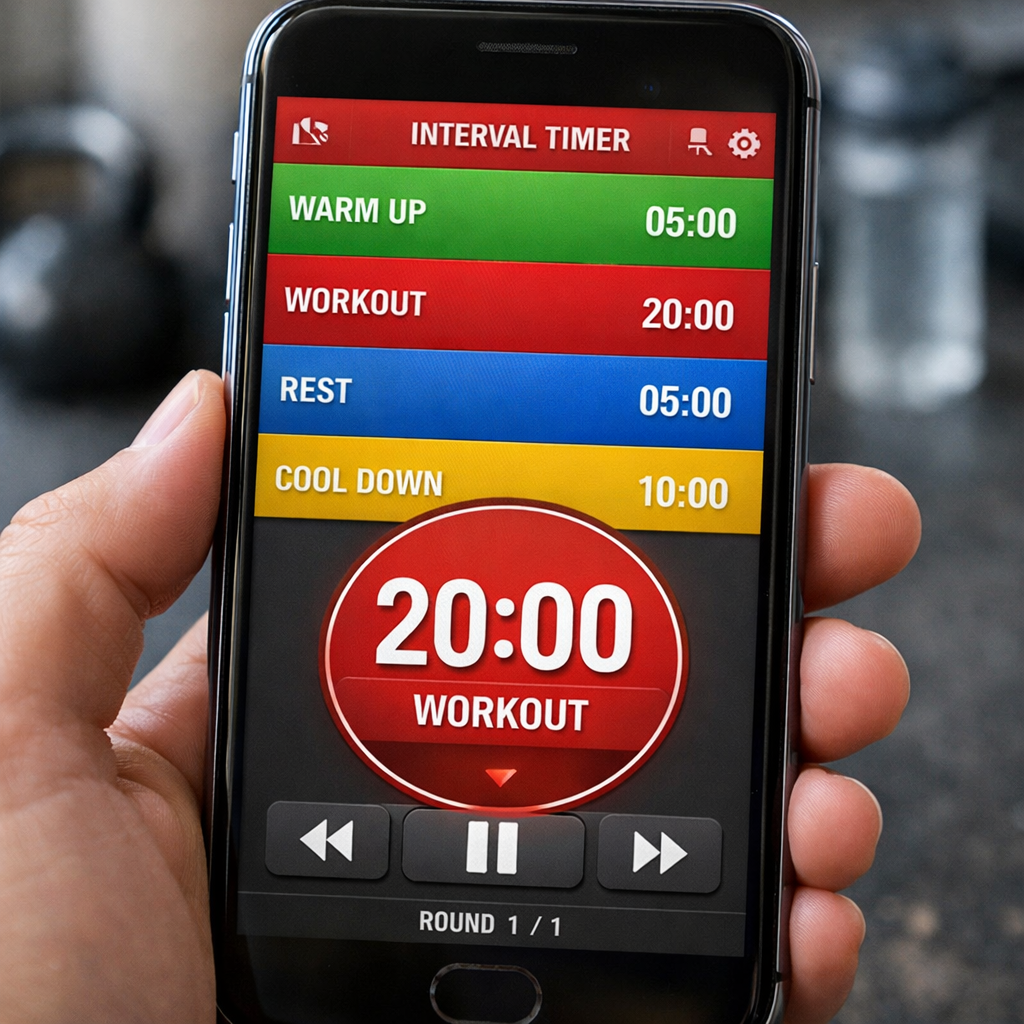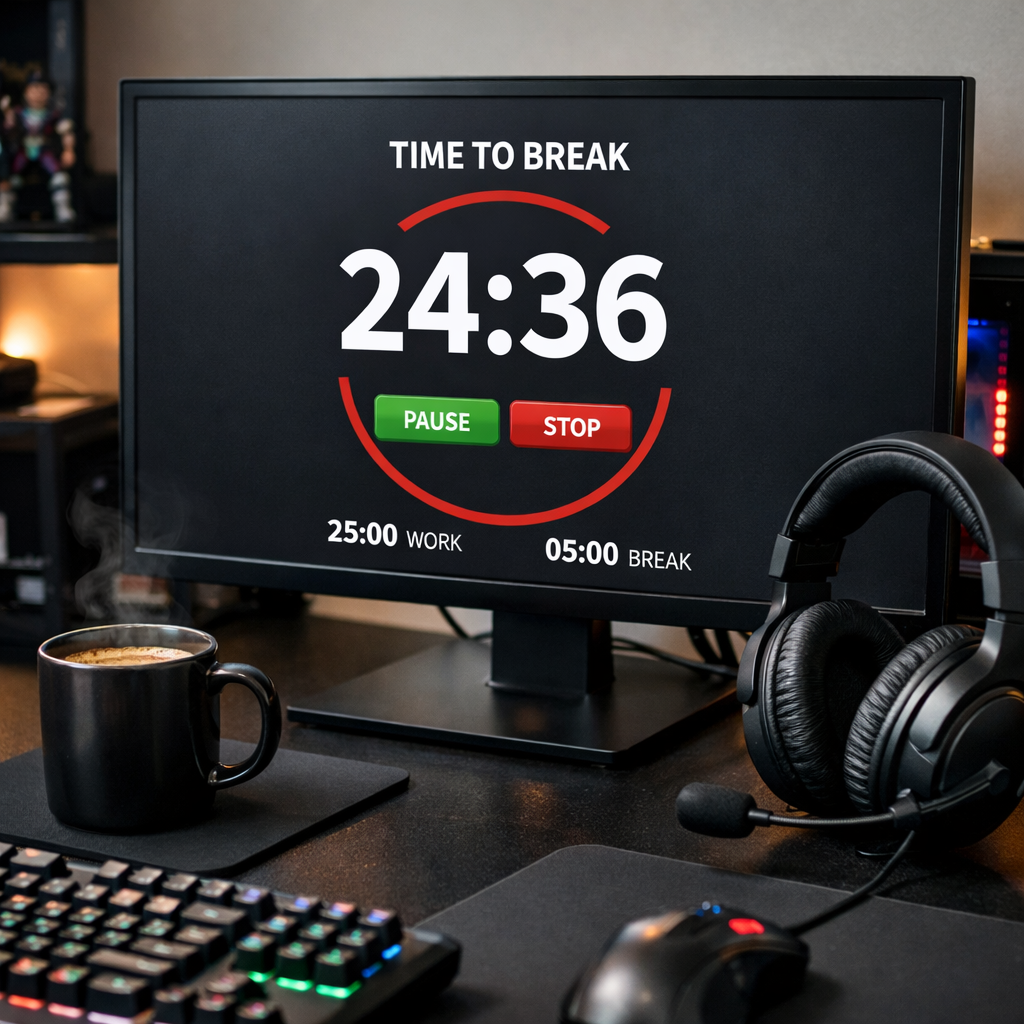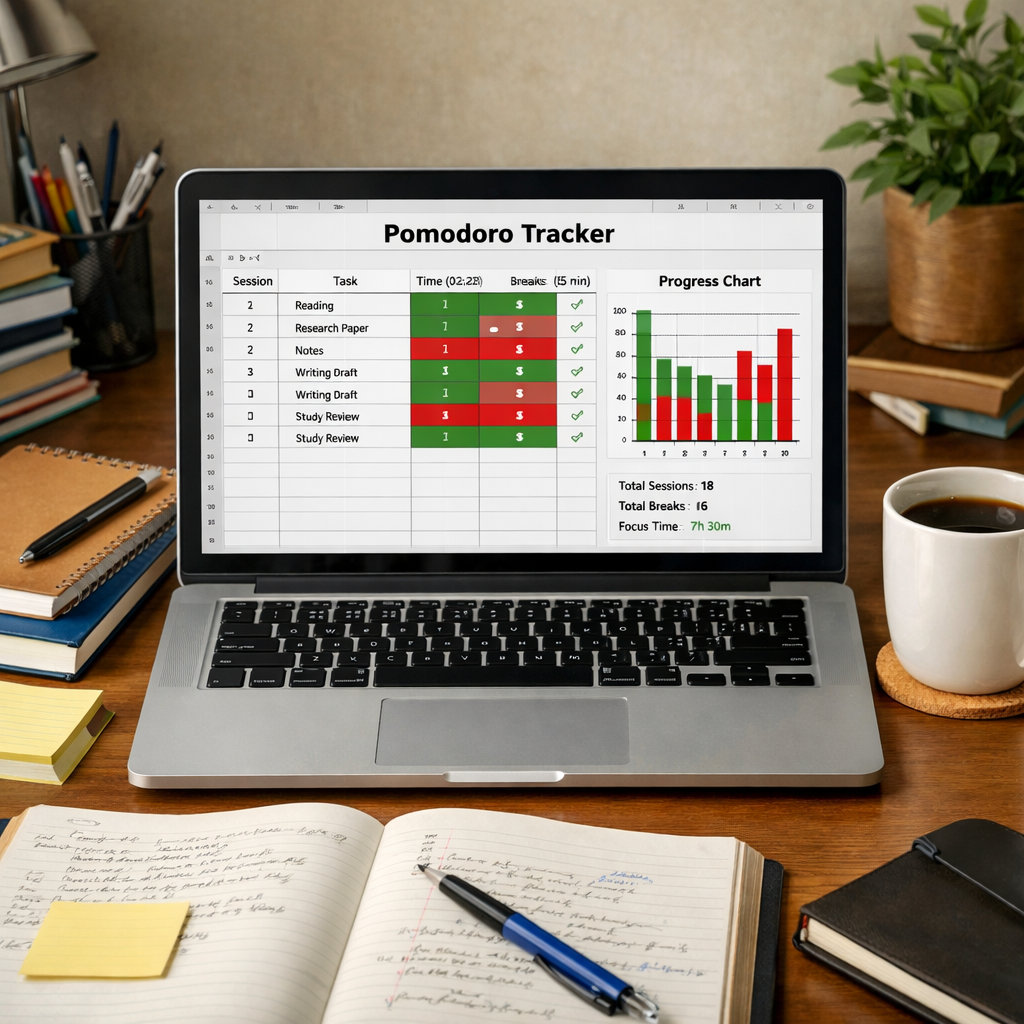

Ever stared at a blank slide deck and felt the clock ticking louder than your own thoughts? That’s the exact moment many of us—students cramming for a final, freelancers juggling client pitches, remote workers prepping a quarterly update—hit that mental wall.
What if you could slice that anxiety into bite‑size bursts, keep your energy humming, and still finish the whole presentation without the usual burnout? That’s exactly what the pomodoro routine for presentations promises.
In our experience at Focus Keeper, we’ve watched remote teams break a 90‑minute slide rehearsal into six 15‑minute pomodoros, each followed by a quick 3‑minute stretch. The result? They stay sharp, spot errors early, and the final delivery feels rehearsed yet fresh. For a student, the same trick means turning a daunting 30‑slide deck into ten focused chunks, making it easier to remember key points.
Here’s a quick three‑step starter you can copy right now: 1️⃣ Define your presentation milestones – outline intro, main points, and conclusion. 2️⃣ Set a 25‑minute timer (or 15‑minute if you’re nervous) and work on the first milestone without checking emails. 3️⃣ When the timer dings, take a 5‑minute break: stand, grab water, or glance at your notes. Repeat until the deck is complete. This rhythm keeps dopamine flowing and prevents the dreaded “slide‑fade‑out” where you lose focus halfway.
If you need a deeper dive, our guide Mastering the Pomodoro Technique: A Beginner’s Guide to Boosting Productivity walks you through timer settings, break variations, and how to track progress – all the nuts and bolts that make a presentation prep routine painless.
Give it a try on your next deck and notice the difference – less scrambling, more confidence, and a clear path from opening slide to closing thank‑you. Ready to level up?
You’ll find that the structure not only saves time but also impresses your audience with a polished delivery that feels natural and engaging.
TL;DR
The pomodoro routine for presentations breaks your deck prep into focused intervals, keeping energy high and anxiety low while ensuring every slide gets polished attention. Try three 25‑minute cycles with 5‑minute breaks, track progress in Focus Keeper, and walk into your talk feeling confident, organized, and ready to engage today.
Step 1: Define Your Presentation Goals and Time Blocks
First thing’s first – what do you actually want to walk away with after the slide deck is done? Is it a clear story arc, a set of data points that stick, or simply the confidence to hit “next” without a wobble? Pinning that down is the compass for every pomodoro you’ll spend later.
Grab a fresh sheet of paper or a digital note and write down three concrete goals: the opening hook, the core message, and the closing call‑to‑action. Keep each goal bite‑size – think “I’ll open with a relatable anecdote”, not “I’ll wow the audience with a masterpiece”. When you can see the goals in front of you, you’ll notice how much easier it is to break the work into timed blocks.
Map Your Milestones to Pomodoro Slots
Now, translate those goals into time blocks. A classic pomodoro is 25 minutes of focused work followed by a 5‑minute break, but for presentations you might start with a 15‑minute sprint if you’re nervous, then graduate to 25 minutes as momentum builds.
Assign each milestone its own slot. Example for a remote worker preparing a quarterly update:
- 15‑minute pomodoro: outline the intro and set the agenda.
- 25‑minute pomodoro: flesh out the data‑driven middle section.
- 15‑minute pomodoro: craft a punchy conclusion and Q&A prep.
Seeing the schedule laid out turns a massive deck into a series of tiny, doable tasks. It also gives you natural checkpoints to celebrate – finish a block, stand up, stretch, maybe refill that coffee.
And here’s a little secret: many of our freelancers swear by pairing each pomodoro with a specific tool. If you’re looking for a sleek way to keep track, check out Mancave’s minimalist timer. It strips away distractions and lets you focus on the slide, not the settings.
Set Realistic Time Expectations
It’s tempting to over‑promise yourself – “I’ll finish the whole deck in two pomodoros!” – but that usually ends in frantic cramming. Instead, estimate how many pomodoros each milestone will need based on its complexity.
For students, a 30‑slide research presentation often breaks down to eight 25‑minute intervals: four for content, two for visuals, and two for rehearsing. Write those numbers next to each goal. If the total feels overwhelming, trim a goal or spread it over another day. The point is to keep the workload honest.
One practical tip: after each pomodoro, jot a quick note about what you accomplished and what’s left. Those tiny progress logs become a morale booster and a roadmap for the next block.
Need a place to stash those notes? PlugNCarry’s portable notebook is a fan favourite among presenters who like a physical reminder of their progress.
Align Break Activities With Your Energy
Breaks aren’t just coffee runs – they’re strategic resets. For remote workers, a 5‑minute stretch or a quick walk to the kitchen can reboot focus. Freelancers juggling multiple clients often use the break to glance at email (just one glance, not a deep dive) to keep the anxiety at bay.
If you’re a busy professional, try a micro‑meditation or a glance at a calming visual. Some of our users love the subtle glow of a glass‑filled desk accessory – GlassologyTech’s ergonomic desk lamp does the trick, casting a soft light that eases eye strain during those late‑evening pomodoros.
Remember, the break is part of the rhythm. Treat it like a mini‑reward: you’ve earned five minutes of mental breathing space because you just nailed a chunk of your deck.
When you’ve mapped goals, matched them to pomodoro slots, and decided on purposeful breaks, you’ve built the backbone of a stress‑free presentation workflow. The next step is to actually fire up the timer and start slicing.
Below is a quick visual recap of the process – feel free to pause the video and follow along.
Take a moment now to write down those three goals, assign them to pomodoros, and set your first timer. You’ll be amazed at how the deck starts to shape itself, one focused burst at a time.
Ready to see the plan in action? Grab your timer, open your slide deck, and let the pomodoro routine for presentations guide you toward a polished, confident delivery.

Step 2: Break Your Content into 25‑Minute Pomodoro Segments
Now that you’ve mapped out the milestones, it’s time to slice them into bite‑size, 25‑minute work bursts. If you’ve ever felt the dread of a looming deadline, you’ll recognise the relief that comes from seeing a clear, time‑boxed chunk on your calendar.
Why 25 minutes? Research shows that most people can sustain high‑quality focus for roughly half an hour before mental fatigue sets in. The classic 25/5 pattern gives your brain a predictable rhythm – work, breathe, repeat – and that rhythm becomes a sort of invisible coach.
Step‑by‑step: Turning a slide set into Pomodoro blocks
1. List each milestone you wrote down earlier – for example, “intro hook”, “key metric slide”, “Q&A prep”.
2. Estimate how many slides or speaking minutes each milestone contains. A good rule of thumb is one Pomodoro per 5–7 slides, or one per 3‑minute speaking segment.
3. Write a concrete, measurable goal for every Pomodoro. Instead of “work on intro”, try “draft opening hook and add two supporting visuals”. Having a target makes the timer feel like a sprint rather than a vague stretch.
4. Pop those goals into your favourite Pomodoro timer – the built‑in timer in Focus Keeper works perfectly for this – and colour‑code them if you like. Green for research, blue for design, orange for rehearsal. The visual cue alone nudges you back on track when you glance at your schedule.
5. When the timer dings, step away for a genuine 5‑minute break. Stretch, sip water, or glance at a finished slide, but avoid any editing. The break is your brain’s reset button.
Real‑world examples
Take Maya, a graduate student defending a 30‑minute thesis. She breaks her deck into three sections: background, methodology, findings. She assigns two Pomodoros to the background (because it needs a clear narrative), three to methodology (data‑heavy), and two to findings. After each Pomodoro she rehearses the spoken part, so by the end she’s delivered the whole talk without a single “uh‑uh‑uh”.
Alex, a remote product manager, needs stakeholder buy‑in for a new feature roadmap. He splits his deck into four milestones and gives each a 30‑minute block – a little longer because the slides contain mock‑ups that demand visual tweaks. The timed focus stops him from obsessing over font sizes and keeps his energy steady for the final rehearsal.
Freelancers often juggle several decks in a week. One freelancer maps a “time‑block map”: Monday – client A (2 × 25 min), Tuesday – client B (3 × 25 min), Wednesday – buffer Pomodoros for revisions. Seeing the blocks side by side prevents overlap and eliminates the “I’ll finish it tonight” panic.
Pro tip: after each Pomodoro, jot a one‑sentence success metric – “audience should grasp the ROI formula”. During the next break, glance at that sentence to confirm you’re still on target.
And remember, the goal isn’t to cram every slide into a marathon. It’s to give each piece of content its own spotlight, then step back, breathe, and move on.
Here’s a quick visual of the rhythm:
Notice how the timer, the break, and the check‑off create a loop that keeps you moving forward without burning out.
Fine‑tuning the intervals
Not everyone thrives on the strict 25/5 split. If you find yourself in a flow state, extending a block to 30 or even 35 minutes can be beneficial – just remember to still honour a short pause. Conversely, beginners might start with 15‑minute bursts and gradually lengthen them as focus improves.
Data from the Pomodoro community suggests that 70 % of users who experiment with longer blocks report higher satisfaction after a week of adjustment. The key is to listen to your own energy curve – morning people often prefer a longer first block, night owls may need a shorter one later in the day.
Another common mistake is letting the timer become a distraction. Instead of glancing at the clock every minute, trust the timer to ring and focus entirely on the task. This advice lines up with findings from Med School Insiders, which warn that “fixating too much on the timer can be a distraction in itself”.
Finally, track your progress. A simple checklist – “Pomodoro 1: intro draft completed” – gives you a dopamine hit and a clear picture of what’s left. Over time you’ll see patterns, like which milestones consistently need two blocks versus one, and you can adjust your future schedules accordingly.
By breaking your presentation into focused Pomodoro segments, you turn a daunting deck into a series of manageable sprints. Your brain stays sharp, your stress stays low, and you finish with a polished, rehearsed flow that feels natural – not forced.
Step 3: Incorporate Short Breaks to Refresh Your Delivery
Okay, you’ve just finished a Pomodoro sprint and the timer’s chirped. What’s the next move? Most people stare at the screen, check email, or scroll social feeds. That’s the exact moment your brain starts to slip back into “auto‑pilot” mode and the momentum you just built can evaporate.
Instead, treat the five‑minute pause like a mini‑reboot for your presentation engine. A well‑chosen break does three things: it clears mental clutter, it re‑energises your body, and it gives you a quick reality‑check on what you just produced.
Pick a break that matches the task
Not every break has to be the same. If you’re a student rehearsing a dense theory slide, a quick breath‑work session works better than a full‑blown stretch. If you’re a freelancer polishing visual assets, a short walk to the kitchen for a glass of water can reset your visual fatigue.
Here are three break formats that pair nicely with a presentation Pomodoro:
- Physical micro‑move – stand, do 10 shoulder rolls, or march in place. It gets blood flowing to the brain and reduces the “slouch” that creeps in after long sitting.
- Mental reset – close your eyes, count to 20, then open them and glance at a non‑work object (a plant, a photo). This tiny mindfulness habit tricks your nervous system into “off‑mode” without losing focus.
- Content preview – grab the next slide, read it aloud once, then put it back. You’re not editing, just priming the next segment so the transition feels smoother.
Does that sound like a lot? It isn’t. Each activity fits comfortably into the five‑minute window, and you can rotate them to keep things fresh.
Set a break cue in Focus Keeper
Our own Focus Keeper app lets you attach a custom “break activity” to each Pomodoro. When the timer ends, the app pops up a reminder: “Stretch shoulders” or “Take three deep breaths.” By automating the cue, you eliminate the decision‑fatigue of wondering what to do next.
If you prefer a physical timer, slap a sticky note on the side that reads “5‑minute refresh: move, breathe, glance ahead.” The visual cue does the same job – it tells your brain the pause is intentional, not a slip‑up.
Use the break to audit your work
While you’re sipping water or walking to the door, run a quick mental checklist:
- Did the last slide convey the main point in under 30 seconds?
- Is the visual hierarchy clear, or does anything look cluttered?
- Did you hit the spoken‑word cue you set for this Pomodoro?
Answering these three questions in a minute or two helps you catch tiny errors before they snowball. If something feels off, note it on a separate “revision” list and move on – you’ll address it in the next Pomodoro, not during the break.
Keep the energy flow steady
One mistake we see a lot is extending the break until you feel “relaxed enough,” which can stretch to ten or fifteen minutes. That length throws off the rhythm and makes it harder to dive back into work.
Stick to the timer: five minutes, no more, no less. If you finish a micro‑move in three, use the remaining two to glance at your next slide or just close your eyes and breathe. The goal is a crisp transition, not a full‑on coffee break.
What about longer presentations that span multiple hours? After four Pomodoros, schedule a slightly longer 10‑minute recharge. Use that time for a proper stretch, a snack, or a quick glance at a non‑work video that makes you smile. The extra pause respects your circadian dip without derailing the overall cadence.
Quick break checklist you can print
- Timer rings → stop work immediately
- Choose break type (move, breathe, preview)
- Set a 5‑minute countdown (app or phone)
- Run the three‑question audit
- Return to the next Pomodoro with a clear intent
Give this routine a try on your next deck rehearsal. You’ll notice the difference within a single session: smoother transitions, fewer “uh‑uh‑uh” moments, and a steady confidence boost that carries you right to the final “thank you” slide.
Step 4: Use Timers and Visual Cues to Stay On Track
Alright, you’ve nailed the micro‑moves and the quick‑break checklist, but now you need something concrete to keep the rhythm from slipping. That’s where timers and visual cues become your backstage crew – they cue the lights, cue the music, and make sure you don’t miss a beat.
Ever found yourself scrolling through emails just as the timer dings, wondering why the momentum vanished? You’re not alone. The trick is to give your brain a clear, unambiguous signal that it’s time to switch gears, and then let that signal do the heavy lifting.
Pick the right timer
If you’re already using Focus Keeper, you’ve got a solid foundation. But sometimes a fresh visual can boost the effect. The best Pomodoro timer apps list mentions a few that let you colour‑code work vs. break periods, block distracting sites, or even add a gentle chime that’s less jarring than a phone alarm.
Choose a timer that lets you:
- Customise work‑and‑break lengths (so a 30‑minute sprint for a dense slide isn’t a problem)
- Set a visual theme – a bright green bar for work, a calm blue for break
- Automatically reset for the next Pomodoro without you having to click ‘start’ again
Once you’ve settled on a timer, treat it like a stage manager: when it rings, you stop instantly, no debate.
Set visual anchors
Timers are auditory, but our brains love something to look at. A sticky‑note on your monitor that says “5‑minute refresh: move, breathe, preview” works wonders. Or, if you’re a digital‑native, create a dedicated desktop wallpaper that shows a simple countdown graphic.
Even a tiny post‑it with a doodle of a coffee cup can become a cue that says, “Okay, break time – step away from the slides.” The key is consistency: you want the same visual to appear every cycle so your mind learns the pattern.
Combine timers with visual cues
Here’s a quick routine you can try during a 25‑minute Pomodoro for a presentation:
- Start your timer and pull up a “focus” wallpaper – maybe a muted gradient with the word “Focus” in the corner.
- When the timer rings, switch the wallpaper to a “break” image – a calming nature shot or a simple “5‑min break” overlay.
- During the break, glance at a separate “next‑slide preview” card you’ve printed or displayed on a second monitor. It keeps the transition smooth without pulling you back into editing.
Notice how the visual shift reinforces the auditory cue. It’s a tiny habit loop that feels almost automatic after a few cycles.
Do you ever feel the urge to keep tweaking a slide right when the break starts? That’s the brain’s resistance to stopping. The visual cue acts like a traffic light – red means stop, green means go. When the colour changes, your mind gets permission to step away.
Quick visual‑cue checklist
- Timer set → start with a “focus” visual.
- Timer rings → swap to a “break” visual instantly.
- During break, glance at a printed “next‑slide” cue.
- Return to work → reset timer, swap back to “focus” visual.
Try this on your next deck rehearsal. You’ll notice fewer “uh‑uh‑uh” moments because you’re not fighting the urge to edit mid‑break. Instead, you’re giving your brain the clear, repeated signal it craves.
Remember, the Pomodoro routine for presentations is all about rhythm. Timers give you the beat; visual cues are the lighting that keeps the stage looking right. Pair them, and you’ll glide from slide to slide with the confidence of a seasoned performer.
Step 5: Review, Adjust, and Optimize Your Pomodoro Workflow
At this point you’ve already mapped milestones, sliced them into Pomodoros, and built a break habit. The next move is to look back, tinker a bit, and make the system run smoother for the rest of your deck rehearsal.
What if a few tiny tweaks could shave minutes off each sprint and keep your creative flow humming?
Quick review checklist
- Did every Pomodoro end with a clear, single‑slide goal?
- Did you notice any “stuck” moments where the timer rang but you were still in the middle of a thought?
- How energized did you feel after each 5‑minute break?
Answering these three questions on the spot gives you a snapshot of what’s working and where the friction lies. It’s like a pulse check for your workflow.
Adjusting the length of intervals
Not every slide needs the same amount of brainpower. In our experience, dense data slides profit from a 30‑minute block, while a simple title slide can be wrapped up in 15 minutes. Try a “flex‑timer” approach: start with the classic 25‑minute sprint, then add five minutes if you hit a roadblock, or cut it short if the task feels breezy.
Why does this matter? Shortening a sprint that feels too long prevents mental fatigue, while extending a sprint that’s flowing keeps you from breaking concentration prematurely.
Optimising break activities
Breaks are the secret sauce. If you notice yourself scrolling through emails during the 5‑minute pause, swap that habit for a micro‑movement, stand, stretch, or look out the window for a quick visual reset. Remote workers love a quick “window‑view breath” because it grounds them without pulling them back into the screen.
Freelancers juggling multiple clients often use the break to jot a one‑sentence note about the next client’s deck. That tiny habit creates a mental bridge without the temptation to start editing early.
Students, on the other hand, might use the break to recite the key point of the slide they just finished. Repetition in a short burst cements the message in memory.
Tracking metrics for continuous improvement
Grab a simple spreadsheet or the built‑in log in Focus Keeper and note three columns after each Pomodoro: the slide or section tackled, the perceived focus level (high, medium, low), and any adjustment you made. Over a week you’ll see patterns—maybe you’re consistently low‑energy after the third sprint, signalling a need for a longer lunch‑break or a change in the order of milestones.
Here’s a compact table that summarises the core elements you should be reviewing, adjusting, and optimising.
| Review Focus | Adjustment Action | Optimization Tip |
|---|---|---|
| Interval length | Shift 25 min → 30 min or 15 min | Match length to slide complexity |
| Break activity | Replace scrolling with micro‑movement | Use a physical cue (post‑it) as reminder |
| Energy rating | Log high/medium/low after each sprint | Plan tougher slides when energy is high |
Now, let’s turn those notes into action. Pick one Pomodoro from yesterday’s session, look at your log, and ask: “Did I finish the slide I set out to?” If the answer is no, decide whether to break the slide into two smaller tasks or give yourself an extra five‑minute buffer next time.
Another practical tweak is the “reset cue.” Before you start a new Pomodoro, take a breath, glance at a sticky‑note that reads “One slide, one goal,” and hit start. That tiny ritual signals to your brain that the old sprint is truly closed.
And don’t forget to celebrate the small wins. When a Pomodoro ends exactly on target, give yourself a quick mental high‑five. Those positive reinforcements keep motivation high for the next round.
Finally, schedule a weekly “workflow audit” – 10 minutes on Friday afternoon to scan your logs, spot trends, and tweak the next week’s plan. Treat it like a sprint retro in agile: it’s not a criticism, it’s a chance to iterate.

By reviewing, adjusting, and fine‑tuning each piece of the workflow, you turn a simple timer trick into a high‑performing presentation engine. Your deck will feel tighter, your nerves steadier, and you’ll walk into the room confident that every slide has earned its spot.
Conclusion
You’ve just walked through every step of the pomodoro routine for presentations, so what’s the final takeaway?
First, remember that the magic isn’t in the timer itself but in the rhythm you create – a focused sprint, a brief reset, then back into the flow. That pattern keeps anxiety low and energy high, whether you’re a student polishing a thesis or a freelancer fine‑tuning a client pitch.
Second, make the tiny rituals real for you. A sticky note that says “One slide, one goal,” a quick stretch, or a mental high‑five after each sprint are all tiny anchors that tell your brain the work is done and it’s time to recharge.
Third, treat the weekly audit as a mini‑retro. Spot the blocks that felt too long, the breaks that slipped into scrolling, and adjust the lengths. In our experience, a 5‑minute tweak can shave minutes off an entire rehearsal and boost confidence.
So, what’s next? Grab your favourite timer – the Focus Keeper app works great – set the first Pomodoro, and let the cycle guide you toward a tighter deck and a calmer delivery.
When you finish, you’ll notice the difference: smoother transitions, fewer filler words, and that satisfying feeling of walking into the room knowing every slide earned its place.
FAQ
What is the pomodoro routine for presentations and why does it work?
At its core, the pomodoro routine for presentations breaks your prep into timed sprints – usually 25 minutes of focused work followed by a 5‑minute reset. The rhythm tricks your brain into a flow state, because you know exactly when you’ll stop and recharge. That predictability lowers anxiety, keeps energy steady, and forces you to prioritize the most important slide or talking point during each sprint.
How long should each pomodoro be for a 30‑minute talk?
For a 30‑minute presentation, many people find 20‑minute sprints work best. Start with a 20‑minute block to draft a section, then take a 5‑minute break to stretch or glance at your next cue. If a segment feels too dense, add a second 20‑minute sprint before the break. The key is to match the interval to the complexity of the material – shorter blocks for lighter content, longer ones when you need deep focus.
What kind of break activity keeps me from slipping back into email?
Pick something physical or sensory that can’t be done on a screen. A quick shoulder roll, a three‑breath mindfulness pause, or a stroll to the kitchen for a glass of water all reset your nervous system without pulling you back into work. The goal is a clear mental “off‑switch” – if you catch yourself scrolling, swap that habit for a micro‑move and the habit will stick.
Can I use the pomodoro routine when rehearsing spoken delivery?
Absolutely. Treat each sprint as a rehearsal chunk: set a timer, run through one slide or a short speaking segment, then stop. During the 5‑minute break, record a quick note about pacing or filler words you heard, but don’t re‑edit the slide yet. When the next sprint starts, you’ll have a fresh ear and the confidence that you’ve already practiced that piece.
How do I track progress without over‑complicating things?
Keep a simple log – a column for the slide or section, a checkbox for “completed,” and a quick rating of focus (high, medium, low). You can do this in a notebook or within the Focus Keeper app’s built‑in tracker. After a week you’ll spot patterns: maybe you’re low‑energy after the third sprint, or a particular type of slide consistently needs two blocks. Adjust lengths or break activities based on those insights.
What if I hit a roadblock halfway through a pomodoro?
When the timer rings, honor the break anyway – that’s part of the method. In the pause, note the obstacle (“can’t find the right chart”) and decide on a concrete next step. Often the brief mental distance gives you a fresh angle. If the block is critical, add a “flex‑timer” of five extra minutes in the next sprint instead of trying to force‑fit it now.
Is the pomodoro routine suitable for teams rehearsing together?
Yes, just sync the timers. Have everyone start the same 25‑minute sprint, work on their individual slides, then reconvene for a 5‑minute group debrief. The shared rhythm builds accountability and prevents endless side‑chat. After each sprint, a quick “what worked, what stalled” round keeps the whole team aligned and the deck moving forward as a cohesive whole.