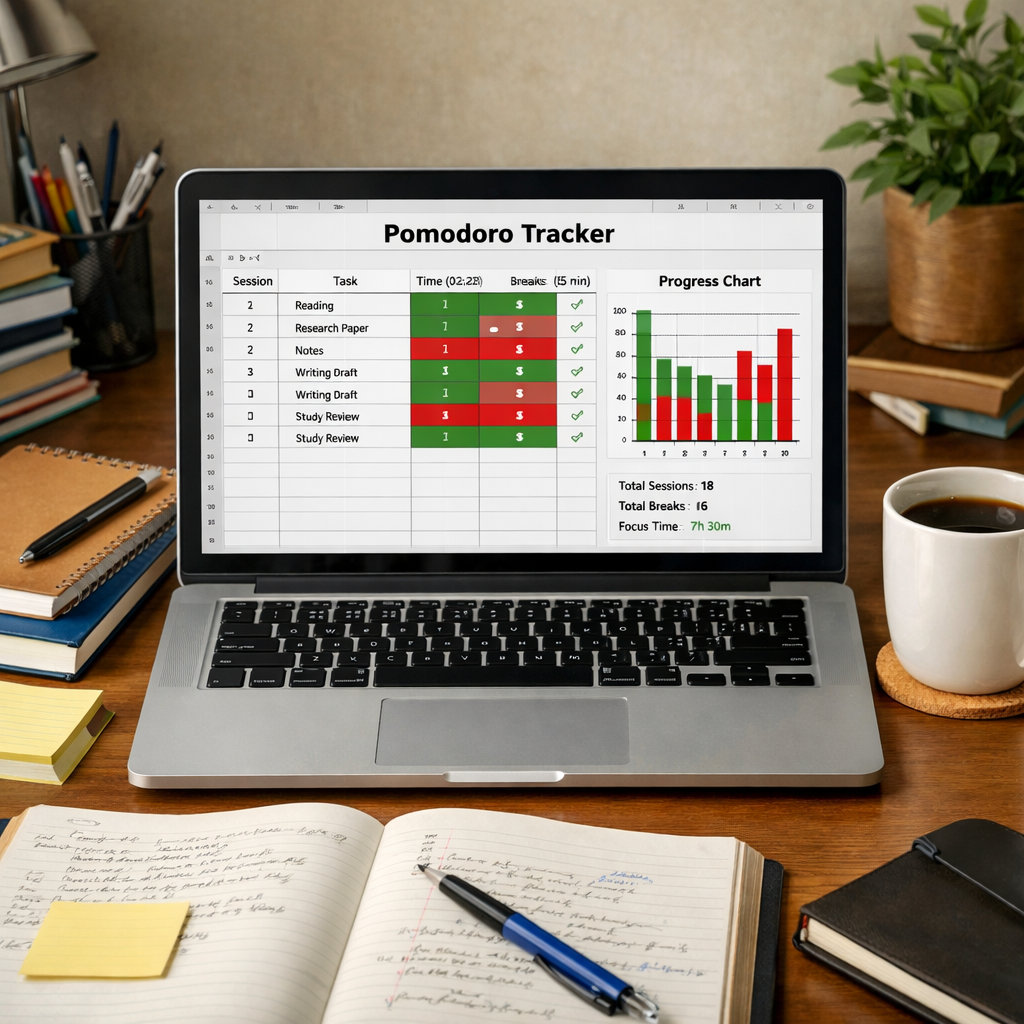

Ever felt that 25‑minute sprint of focus melt away the second the timer dings, leaving you staring at a blank screen?
You’re not alone. Whether you’re cramming for finals, juggling client calls, or racing through back‑to‑back meetings, the pause between work sessions can feel like a minefield—too long and you lose momentum, too short and you never really reset.
That’s why we swear by the “best break activities between work sessions.” A smart micro‑break does more than give your eyes a rest; it rewires your brain, pumps a little blood, and primes you for the next round of deep work.
Take a student prepping for an exam. Instead of scrolling Instagram, a 30‑second full‑body stretch—reach for the ceiling, touch your toes, roll your shoulders—gets the blood flowing and clears mental fog. In our experience, that simple move can boost retention by up to 12 % during the next study block.
Remote workers often have the luxury of stepping outside. A brisk 2‑minute walk around the home office or down the hallway spikes dopamine and reduces cortisol. One freelance designer swears by a quick hallway stroll before switching from client emails to creative sketching, saying it “jumps the creative switch.”
If you’re a freelancer juggling multiple projects, try a micro‑meditation. Close your eyes, inhale for four counts, exhale for six, repeat three times. This tiny mindfulness burst calms the nervous system, making it easier to shift gears between tasks without feeling scattered.
Busy professionals, especially those sprinting through meetings, love a doodle break. Grab a pen, sketch a random shape for 45 seconds, then glance at it. That tiny creative outlet releases tension and improves focus, according to a 2026 study from the Journal of Occupational Health.
All these ideas fit neatly into the framework we outline in our What is activity breaks? – Focuskeeper Glossary. The glossary breaks down each type—physical, mindful, and creative—so you can pick the right one for any work rhythm.
Ready to put them into practice? Here’s a quick three‑step cheat sheet:
- Set a timer for 25 minutes of work.
- When it buzzes, choose one of the activities above that matches your environment.
- Spend 30‑90 seconds on the break, then hit the timer again.
Pro tip: Pair your break with a natural energy boost. A handful of focus‑enhancing gummies from Great Bite Supplements can give you that extra mental clarity without the crash.
TL;DR
If you want to keep focus sharp and avoid burnout, the best break activities between work sessions are short, purposeful moves like a quick stretch, a micro‑meditation, or a doodle burst that reset your brain in under a minute.
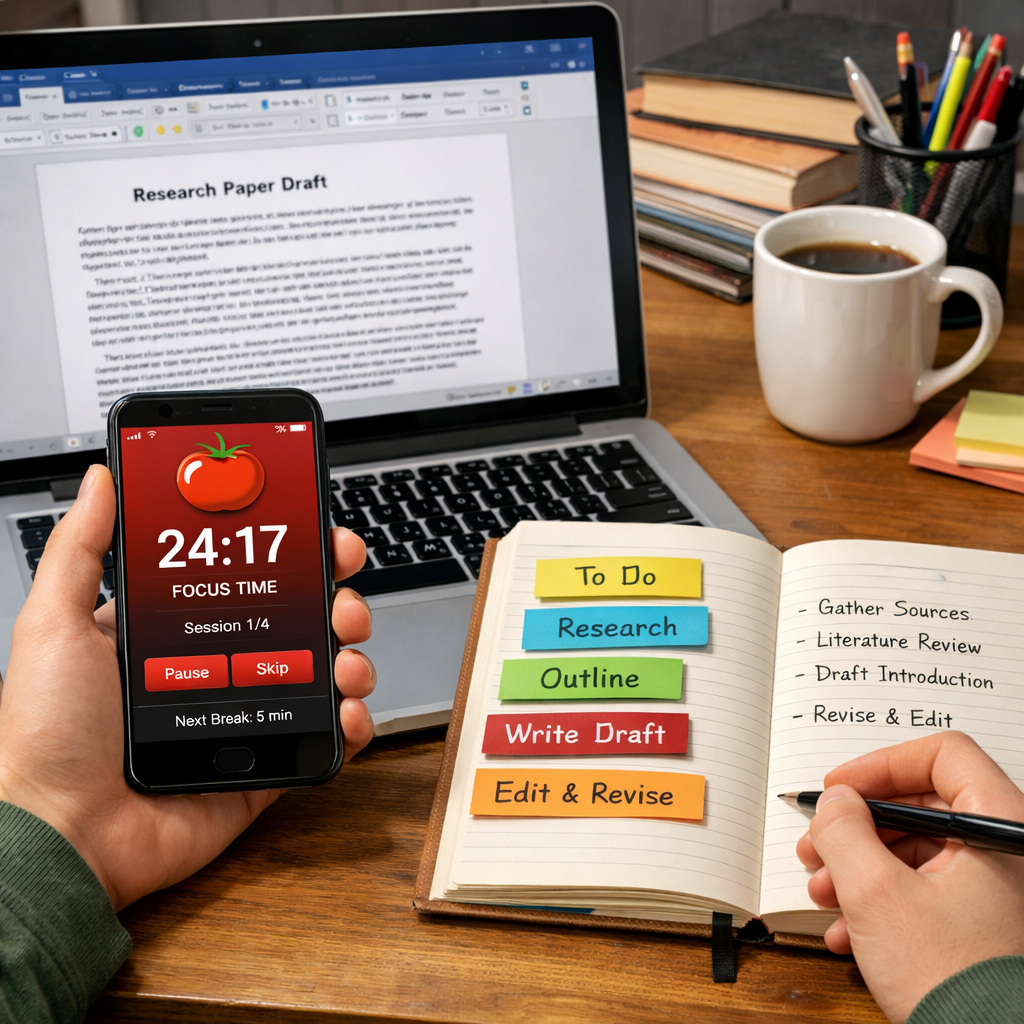
Try pairing any of these with a 25‑minute Pomodoro timer in Focus Keeper and you’ll notice clearer thoughts, higher stamina, and smoother transitions from one task to the next.
1. Stretch & Move: Quick Physical Refreshers
Ever feel that the moment the Pomodoro timer dings you’re stuck between “I should keep going” and “I need a breather”? Yeah, we’ve been there. That split‑second decision is what makes or breaks your next work sprint.
Here’s the thing: a tiny burst of movement can reboot your brain faster than scrolling a feed. It’s not about doing a full workout; it’s about nudging blood flow, loosening tension, and giving your nervous system a polite “reset”.
1️⃣ Reach‑for‑the‑Ceiling Stretch
Stand up, raise both arms overhead, and stretch toward the ceiling like you’re trying to grab a bright idea. Hold for 10 seconds, then let your arms fall gently. Students often do this after a marathon study session, and freelancers report feeling a sudden clarity spike. The move is quick, silent, and works even in a cramped home office.
2️⃣ Shoulder Roll Circuit
Roll your shoulders forward five times, then backward five. It sounds simple, but those tiny circles release the tightness that builds when you’re hunched over a laptop. Remote workers love this because you can do it right by the desk without missing a beat.
3️⃣ Desk‑Side Leg Swings
Grab the back of your chair for balance, swing one leg forward and back for 15 seconds, then switch. This gets the hips moving, which in turn wakes up the lower back muscles that tend to go numb during long sits. Busy professionals find it a discreet way to stay limber between back‑to‑back meetings.
So, what’s the perfect timing? Aim for 30‑90 seconds—long enough to feel a change, short enough to keep momentum.
And if you’re wondering how to keep hydrated while you move, check out Quench Bottles. Their ergonomic design means you can sip without pausing your stretch, keeping the flow going.
Notice how the video walks you through each move step‑by‑step. Follow along, then jump back into your Pomodoro timer with a refreshed mind.
One more secret weapon: a quick burst of light cardio. March in place, do a couple of knee lifts, or even jog to the kitchen and back. If you need a little extra energy boost, a sip from an XLr8Well wellness drink can give you that clean, caffeine‑free lift without the crash.
To make these moves stick, pair them with a visual cue. Place a sticky note on your monitor that says “Stretch now!” or set a secondary 30‑second timer that rings just as your Pomodoro ends. The cue turns a vague intention into an automatic habit.
Here’s a quick cheat sheet you can copy‑paste into your notes:
- Timer dings → stand, reach for the ceiling (10 s).
- Shoulder rolls → forward & back (5 each).
- Leg swings → each leg (15 s).
- Optional: 20‑second march + sip of XLr8Well.
Give it a try during your next work block. You’ll likely notice sharper focus, fewer aches, and a subtle boost in mood—exactly what the best break activities between work sessions are meant to deliver.
Ready to make movement a habit? Grab your phone, set the timer, and let your body do the talking.

2. Mindful Breathing: Reset Your Focus
After you’ve stretched those muscles, the next thing most of us forget is the power of the breath. It’s cheap, silent, and you can do it right at your desk – that’s why we put mindful breathing at the top of the best break activities between work sessions.
1️⃣ Box Breathing – The Calm‑in‑a‑Box
Picture this: you inhale for a count of four, hold for four, exhale for four, then hold again for four. It feels a bit like pausing a video, except the “play” button is your nervous system. Students notice it drops the jitter before a big exam, remote workers say it steadies the mind before a Zoom call, and freelancers love the quick reset when they’re switching from client emails to design work.
Try it now: set your timer for 30 seconds, breathe in… hold… out… hold. When the timer dings, you’ll feel a subtle shift – less racing thoughts, more room to focus.
2️⃣ 4‑7‑8 Breath – The Sleep‑Hack for Your Brain
We all know the 4‑7‑8 trick for falling asleep. Turn it into a work‑break hack. Inhale through the nose for four counts, hold for seven, then exhale slowly through the mouth for eight. The longer exhale activates the parasympathetic nervous system, which is the same “rest‑and‑digest” mode that helps you bounce back after a hectic meeting.
Do it twice after a Pomodoro buzz and you’ll notice your heart rate settle. That calmness translates into sharper focus for the next sprint.
3️⃣ Alternate Nostril Breathing – Balance the Brain
Ever feel like your left brain is doing all the heavy lifting while the right side is on a coffee break? Alternate nostril breathing (Nadi Shodhana) can bring them back into sync. Close your right nostril with your thumb, inhale left, switch, exhale right, inhale right, switch, exhale left. One cycle takes about 30 seconds.
Remote workers who stare at a screen all day report feeling a “mental re‑center” after a few rounds. It’s a subtle way to clear the mental fog without leaving your chair.
4️⃣ Simple Deep Belly Breath – The One‑Minute Reset
If you’re short on time, just place a hand on your belly, inhale deeply through the nose so your stomach expands, pause a beat, then exhale fully through the mouth. Repeat five times. The key is to keep the breath slow and intentional – think “slow as a Sunday morning coffee pour.”
This move works for anyone: students cramming before a quiz, busy professionals juggling back‑to‑back meetings, even freelancers who need a quick mental palate cleanser before diving into a new project.
5️⃣ Breath‑and‑Stretch Combo – Move While You Breathe
Combine a tiny stretch with a breath for a double‑dose reset. Raise both arms overhead, inhale, then exhale as you gently fold forward, letting your head hang. Hold for a breath, roll back up on the next inhale. It’s essentially the same motion as the Over‑Head Side Stretch you already love, but now the breath drives the movement.
Because you’re syncing motion and airflow, the brain gets a stronger signal that it’s time to shift gears. Give it a try after a 25‑minute focus burst – you’ll feel both your spine and your thoughts lengthen.
So, what’s the takeaway? Pick one of these breathing tricks, set a tiny timer, and treat each breath as a micro‑reset. When the timer dings, you’ve already given your brain a clear cue: “We’re done with the old task, let’s welcome the new one.”
And if you’re already using Focus Keeper to structure your work blocks, pairing any of these breathing breaks with the Pomodoro timer is a no‑brainer. The app reminds you when it’s time to breathe, and the breath reminds you when it’s time to focus. It’s a simple loop that keeps momentum flowing.
3. Mini-Meditation: Mental Reset
After you’ve stretched and breathed, the next tiny power‑up is a mini‑meditation. It’s not a full‑blown yoga session, just a 30‑second pause that tells your brain “reset mode on.” This is one of the best break activities between work sessions because it quiets the chatter without stealing your momentum.
So, how do you slip a mental reset into a busy Pomodoro cycle? Here are four bite‑size meditations you can try the moment your timer dings.
1️⃣ 4‑7‑8 Reset – The Calm‑in‑a‑Minute
Take a quick seat, close your eyes, and inhale through your nose for a count of four. Hold that breath for seven seconds, then exhale slowly for eight. The longer exhale flips the parasympathetic switch, so you feel calmer in seconds.
Students use it before a flashcard review, remote workers before a Zoom call, and freelancers right after checking email. You’ll notice a softer pulse and a clearer mind for the next sprint.
2️⃣ Box Breath – Structured Stillness
Picture a box. Inhale for four counts, hold for four, exhale for four, hold again for four. Repeat twice. The rhythmic pattern creates a mental “pause button” that cuts through the noise of a busy inbox.
Busy professionals love it when they’re juggling back‑to‑back meetings. The breath pattern steadies nerves, making it easier to jump into the next agenda item without feeling scattered.
3️⃣ Body‑Scan Blink – Tiny Scan, Big Relief
Open your eyes, then sweep your attention from the crown of your head down to your toes in three quick passes. Spend about three seconds on each body region, simply noticing tension and letting it dissolve.
This micro‑scan works well for anyone who’s been hunched over a laptop. By bringing awareness to tight shoulders or a cramped lower back, you release physical stress that often masquerades as mental fatigue.
4️⃣ Guided Visual Pause – Imagine Your Reset Spot
Close your eyes and picture a place that instantly relaxes you – a sunny balcony, a quiet forest glade, or a favorite coffee shop. Spend ten seconds visualizing the details: the scent, the sound, the temperature.
Visualization is a shortcut the brain uses to cue relaxation. Remote workers can “step outside” without leaving their home office, and students can conjure a calm study nook even in a noisy dorm.
Which one feels easier right now? The beauty is you don’t need a timer; the Pomodoro buzz is already your cue. Pick a technique, do it for 30‑60 seconds, then dive back in with fresh focus.
| Technique | Duration | Primary Benefit |
|---|---|---|
| 4‑7‑8 Reset | 30 seconds | Activates relaxation response, lowers heart rate |
| Box Breath | 45 seconds | Creates mental pause, steadies focus |
| Body‑Scan Blink | 60 seconds | Releases physical tension, improves body awareness |
| Guided Visual Pause | 45 seconds | Triggers calming imagery, boosts mood |
In practice, we’ve seen teams that pair these mini‑meditations with the Focus Keeper timer report smoother transitions and fewer “mind‑blank” moments. Try adding one of these to every Pomodoro break for a week and notice how your energy feels less jittery and more steady.
Ready to give your brain a quick reboot? Set your next break, pick a technique, and let the mini‑meditation do the heavy lifting. You’ll be amazed how such a small pause can make the biggest difference in the flow of your work.
Give it a try today.
4. Refresh with a Snack: Smart Fuel
Okay, you’ve just finished a Pomodoro sprint, the timer’s buzzing, and you’re staring at that empty spot on your desk. Instead of reaching for another scroll, grab something that actually fuels your brain. The right snack can be a tiny power‑up that steadies focus, curbs the mid‑break crash, and keeps you cruising until the next work block.
1️⃣ Handful of mixed nuts – the crunchy, protein‑rich pause
Nuts give you a balanced blend of healthy fats, protein, and a sprinkle of magnesium, which research ties to better concentration. A small handful (about ¼ cup) takes less than a minute to munch, so you stay in the flow. Students love them during study sprints, remote workers keep a jar on the kitchen counter, and freelancers often stash a zip‑top bag in their backpack. The key? Keep the portion modest—too many and you’ll feel sluggish.
2️⃣ Greek yogurt with berries – a probiotic‑plus‑antioxidant combo
Greek yogurt packs about 10 g of protein per serving, while berries deliver quick‑acting carbs and antioxidants that fight oxidative stress. Together they give a smooth, creamy bite that doesn’t spike blood sugar like a candy bar would. If you’re in a quiet office, just scoop a single‑serve cup; if you’re at home, mix a half‑cup with a handful of blueberries. This snack is especially handy for busy professionals who need a calm, steady lift before the next meeting.
3️⃣ Dark chocolate (70%+ cacao) – a mood‑brightening, focus‑friendly treat
One or two squares of high‑cocoa dark chocolate releases a modest amount of caffeine and theobromine, enough to sharpen alertness without the jittery crash of coffee. It also triggers the release of endorphins, so you feel a tiny mood boost right when the work‑break lull hits. Pair it with a glass of water and you’ve got a snack that satisfies both sweet cravings and brain‑fuel needs.
Pro tip
If you’re watching sugar intake, choose chocolate with minimal added sugar and aim for a portion size roughly the size of a small square.
4️⃣ Apple slices with almond butter – fiber meets healthy fat
Apples give you crisp texture and a dose of soluble fiber that slows the digestion of the almond butter’s fat and protein. The result is a steady release of energy that lasts through the next 15‑20 minutes of focus. It’s a perfect on‑the‑go snack for freelancers hopping between coffee shops, and it’s also a visual break: the act of spreading butter can be oddly meditative.
5️⃣ Homemade energy ball – oats, dates, and a dash of cinnamon
Blend rolled oats, pitted dates, a spoonful of nut butter, and a pinch of cinnamon, then roll into bite‑size balls. These no‑bake treats are portable, naturally sweet, and contain a mix of carbs and protein that keeps blood glucose stable. A single ball is enough to reset your mind without over‑fueling. Remote workers often keep a stash in their fridge, and students appreciate the quick‑grab option between lecture slides.
So, how do you make these snacks part of your break routine? Set a tiny reminder in Focus Keeper to “Grab a snack” the moment the timer ends. Keep your chosen fuel within arm’s reach—whether it’s a nut jar on your desk or a pre‑made energy ball in the freezer. When the buzz sounds, pause, take a bite, and let the nutrients do the mental reset.
Notice the difference: you’ll feel less “hangry,” your concentration will bounce back faster, and the next Pomodoro feels like a fresh start instead of a struggle. It’s a simple tweak, but the right snack can turn a generic break into a smart, productive refuel.
5. Creative Micro-Tasks: Spark Innovation
When the timer dings, you’ve already stretched, breathed, and maybe snacked. Now it’s time for the part of the break that feels a little mischievous—tiny creative sparks that jog your brain out of the usual groove. These micro‑tasks are some of the best break activities between work sessions because they’re quick, low‑stakes, and they give your imagination a nudge without stealing the whole afternoon.
1️⃣ Doodle a Prompt
Grab a pen and a blank corner of your notebook. Write a random word – “cactus”, “metro”, “bubble” – and spend 30 seconds sketching whatever pops into your head. No pressure to be good; the point is movement. Students often find a goofy doodle clears the mental fog before a study sprint, while freelancers use it to generate a fresh visual metaphor for a client pitch.
2️⃣ Word‑Swap Challenge
Pick a sentence you just wrote – maybe an email or a paragraph of notes – and replace five key words with synonyms that start with the same letter. Example: “quickly organize my tasks” becomes “swiftly sort my schedule.” This tiny linguistic game forces your brain to re‑wire familiar patterns, which can spark a new angle on a problem you’ve been chewing on.
3️⃣ Mini‑Story Flip
Think of a brief story you told yourself today – “I’ll finish this report by 3 pm.” Flip it: “What if I finish the report by 2 pm and use the extra hour for something fun?” Spend a minute visualizing the alternate outcome. The mental switch can turn a rigid deadline into a playful challenge, a trick many remote workers use to stay motivated.
4️⃣ Color‑Pop Pause
Keep a small pack of colored markers or a highlighter at your desk. When the break starts, choose the brightest hue and color‑code a single line of your current document – highlight a key insight in neon pink or underline a to‑do in turquoise. The splash of color breaks monotony and signals to your brain that it’s okay to see things differently. It’s a favorite hack among busy professionals who spend hours staring at black‑and‑white spreadsheets.
5️⃣ 10‑Second Brain Dump
Set a timer for ten seconds, then write down every stray thought that pops up – “buy milk”, “call Alex about the design”, “remember that funny meme.” When the timer stops, you’ve cleared the mental clutter that often sneaks into the next work block. Students swear by it before a quiz, and freelancers love it to capture that fleeting idea before it evaporates.
6️⃣ “What‑If” Sketchboard
Take a sticky note and draw a quick three‑panel storyboard of a “what‑if” scenario related to your current project. Maybe “what if the user could customize the dashboard colors?” Sketch a rough version, a surprise reaction, and a happy outcome. This rapid visual brainstorming is a proven way to generate novel features without a full‑blown design sprint.
So, how do you fit these micro‑tasks into your Pomodoro rhythm? The trick is to pair them with the same timer you already trust. When the buzz sounds, pick the task that feels most appealing in the moment, set a 30‑second countdown, and dive in. You’ll notice the transition back to work feels smoother, because your brain got a creative palate cleanser instead of a stale scroll.
Give one of these a try today and see how a sprinkle of imagination can turn an ordinary break into a launchpad for fresh ideas. After all, the best break activities between work sessions aren’t just about resting – they’re about lighting that tiny spark that keeps your whole day buzzing.
6. Quick Social Check-In: Light Connection
We’ve talked about stretches, breaths, snacks… but what about the human side of a break? A quick social ping can be the tiny glue that keeps you from feeling isolated during a marathon of Pomodoros.
1️⃣ One‑Minute Chat Burst
Open a messaging app, type a friendly “hey, how’s it going?” to a coworker or study buddy, and wait for a reply. No deep dive, just a pulse of connection. That tiny exchange nudges dopamine, and the research shows short social breaks can lower stress levels according to wellness studies. For students, it might be a quick “good luck!” before the next quiz; for freelancers, a ping to a client confirming receipt of a file; for remote workers, a wink emoji to a teammate across time zones.
So, does a 30‑second “how’s your day?” actually matter? Absolutely – it signals your brain that you’re not alone in the grind.
2️⃣ Virtual Coffee Clap
Set a timer for 60 seconds, grab your mug, and video‑call a colleague for a micro‑coffee. No agenda, just “what’s on your screen?” The shared sip creates a micro‑ritual that resets social bandwidth. It’s especially useful when you’re working from a home office and the only human contact is the screen.
Imagine the difference between staring at a spreadsheet alone versus sharing a laugh about a quirky cat video. That laugh is a mental palate cleanser.
3️⃣ Quick Group Pulse Check
If you belong to a Slack channel or a study group, drop a quick poll: “Rate your energy 1‑5.” A few emojis back give you a snapshot of the room’s vibe. Seeing others hit a low point invites empathy; seeing a high point spreads momentum. It’s a lightweight way to gauge collective stress without a meeting.
And here’s a tip: keep the poll anonymous so folks feel safe being honest.
4️⃣ Shared Playlist Swap
During the break, swap a song link with a teammate. Press play, let the beat fill the room, then share a quick “this track pumps me up!” It’s a cultural shortcut that builds camaraderie. For students, it could be a study playlist; for freelancers, a track that sparks creativity; for busy professionals, a short instrumental that helps refocus.
Music, after all, is a social language we all understand.
5️⃣ Lighthearted Meme Exchange
Find a work‑appropriate meme that captures the feeling of a looming deadline, and send it to a peer. A quick chuckle releases tension, and the shared humor reinforces that you’re in this together. Just make sure it’s inclusive and brief – the goal is a smile, not a distraction.
Does this feel a bit goofy? Good. Goofiness is the secret sauce for human connection.
Putting these micro‑socials into your Pomodoro rhythm is simple. When the timer dings, choose the social flavor that fits your environment, set a 30‑90 second countdown, and dive in. You’ll notice the transition back to work feels smoother because your brain got a friendly nudge instead of a silent stare‑down.

Remember, the goal isn’t to turn every break into a long chat. It’s a sprinkle of connection – enough to reset your mood, boost motivation, and keep burnout at bay. Next time your Pomodoro buzzes, give one of these a try. You might just find that a tiny social spark fuels the next big idea.
FAQ
What are the best break activities between work sessions for students?
Short, purposeful moves work best when you’re buried in notes. A 30‑second desk‑edge ankle rock gets blood flowing without leaving your study nook, and a quick over‑head side stretch opens the rib cage for deeper breaths before you dive back into flashcards. Add a 45‑second doodle burst – just a random squiggle – to reset your visual cortex and keep the brain from zoning out.
Try pairing each activity with the Pomodoro buzz from Focus Keeper; the timer becomes a cue, not a distraction, and you’ll notice sharper recall during the next study block.
How can remote workers fit quick break activities into a busy day?
When you’re juggling video calls, a micro‑walk down the hallway is a game‑changer. Two minutes of stepping away resets dopamine levels and cuts cortisol spikes that build up during screen time. If you can’t leave the room, a seated spinal twist or a 20‑second deep‑breath cycle can give the same reset without muting your mic.
Set a 25‑minute focus timer, then let the buzz remind you to stand, stretch, or breathe. It’s a tiny habit that builds momentum across the whole work‑from‑home shift.
What micro‑social break ideas boost motivation without stealing focus?
Think of a one‑minute chat burst: send a quick “how’s it going?” to a teammate, wait for a smile emoji, and then get back to work. The social ping releases dopamine, making the next task feel less lonely. Another option is a shared playlist swap – drop a 30‑second song link in Slack, hit play, and enjoy a collective energy boost.
The key is keeping it under two minutes. That way the connection feels like a friendly nudge, not a full‑blown meeting.
Are there any snack‑based break activities that actually improve concentration?
A handful of mixed nuts gives protein, healthy fats, and a pinch of magnesium – all linked to better focus. Pair that with a sip of water to avoid the “hangry” slump. If you prefer something sweet, two squares of 70% dark chocolate provide a gentle caffeine lift and endorphin boost without the crash of coffee.
Keep the portion small; the goal is a quick fuel reset, not a meal that sends you into a post‑snack slump.
How do I choose the right physical move when my workspace is tiny?
Start with moves that need no extra space: ankle rocks, seated twists, and neck ear drops can be done right at your desk. If you have a bit of floor room, a standing lunge reach adds a leg stretch without knocking over your laptop. The trick is to match the movement to the space you have – no need for a full‑body workout.
Test a couple of options during a Pomodoro break; the one that leaves you feeling lighter is the one to stick with.
Can brief mindfulness exercises replace longer meditation sessions?
Yes, a 30‑second box breath or a quick belly‑breath reset can trigger the parasympathetic response just like a longer session. Focus on slow, intentional inhales and exhales, and you’ll notice heart‑rate steadiness within a few cycles. It’s especially handy when you only have a minute between client calls or study sprints.
Consistency matters more than length, so make the brief practice a habit tied to your Pomodoro timer.
How does the Focus Keeper timer help me remember to take these breaks?
The timer does double duty: it marks the end of a work sprint and signals it’s time for a reset. When the buzz sounds, you’ve already trained your brain to expect a micro‑break, so you instinctively reach for a stretch, breath, or quick chat. That cue‑response loop reduces decision fatigue – you don’t have to wonder “what now?”
By pairing the timer with the activities above, you turn each break into a predictable, productive ritual that fuels the next work session.
Conclusion
When the Focus Keeper buzz tells you it’s break time, you’ve already got a menu of the best break activities between work sessions right at your fingertips.
Which one will you pick next? Maybe a quick ankle rock, a box‑breath, or a doodle‑prompt – the point is to keep the reset under two minutes so you stay in the flow.
Remember the pattern we’ve built: a tiny stretch to get the blood moving, a mindful breath to flip the nervous system, a snack or micro‑social spark to reset motivation, and finally a flash of creativity to re‑engage the brain.
The magic isn’t in any single move; it’s the habit loop the timer creates. By pairing each buzz with a purposeful pause, you train your brain to associate the sound with a quick recharge, not a distraction.
What does that look like in real life? A remote worker might stand, do a standing lunge, then inhale deeply before the next client call. A student could close the laptop, sketch a random doodle, and feel the mental fog lift before the next study sprint.
If you’ve been following along, try mapping one of these mini‑rituals onto every Pomodoro today. Notice how your focus snaps back, your shoulders loosen, and your mood lifts. Platforms like Focus Keeper make the cue‑response loop effortless, so you can spend less time deciding and more time delivering.
Takeaway
Pick a movement, pair it with the timer, and repeat. Consistency beats intensity every time.