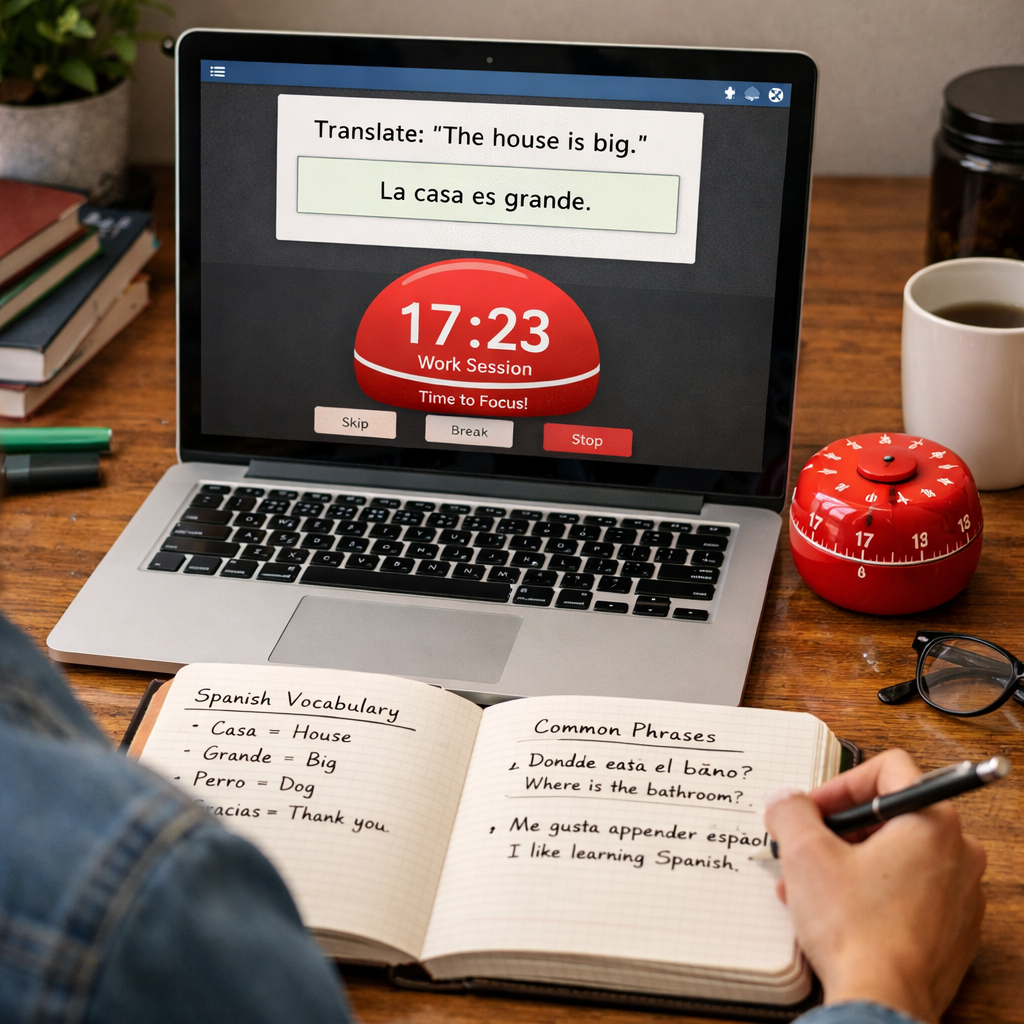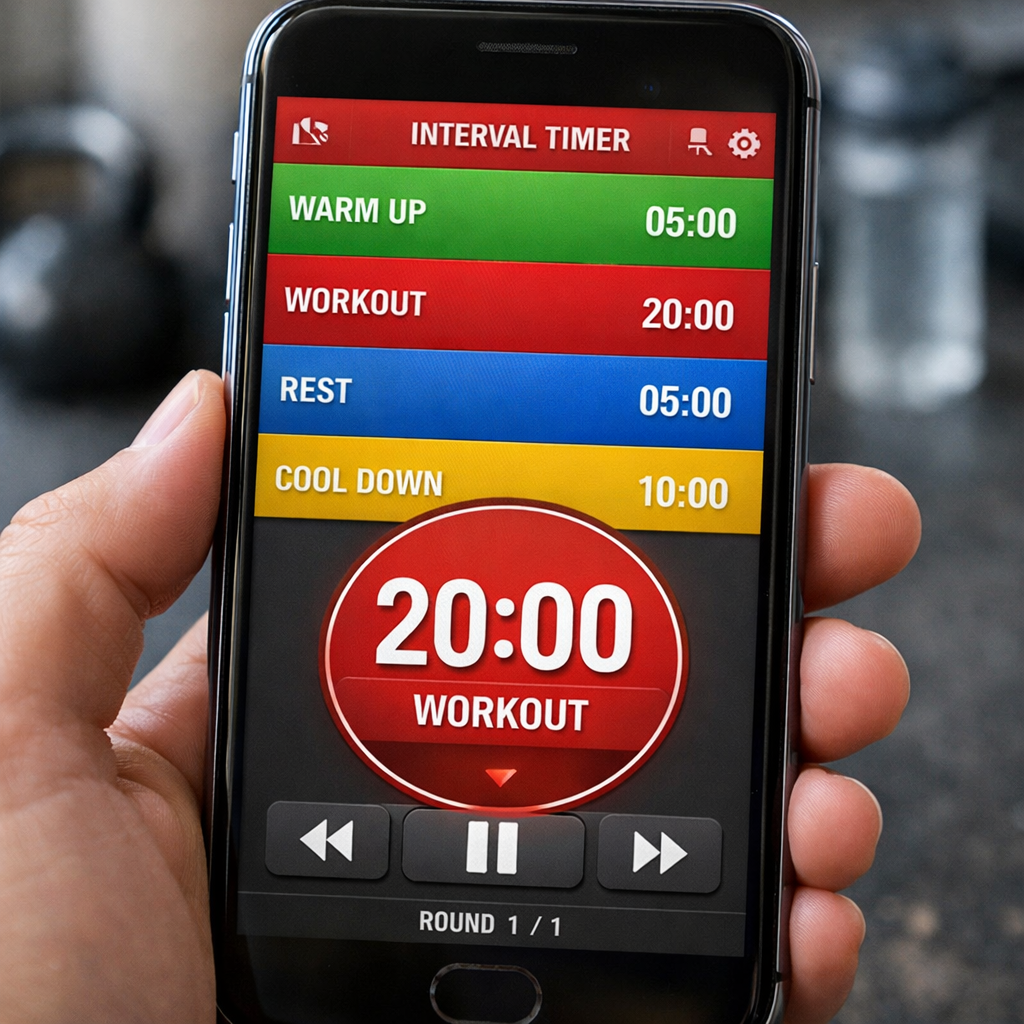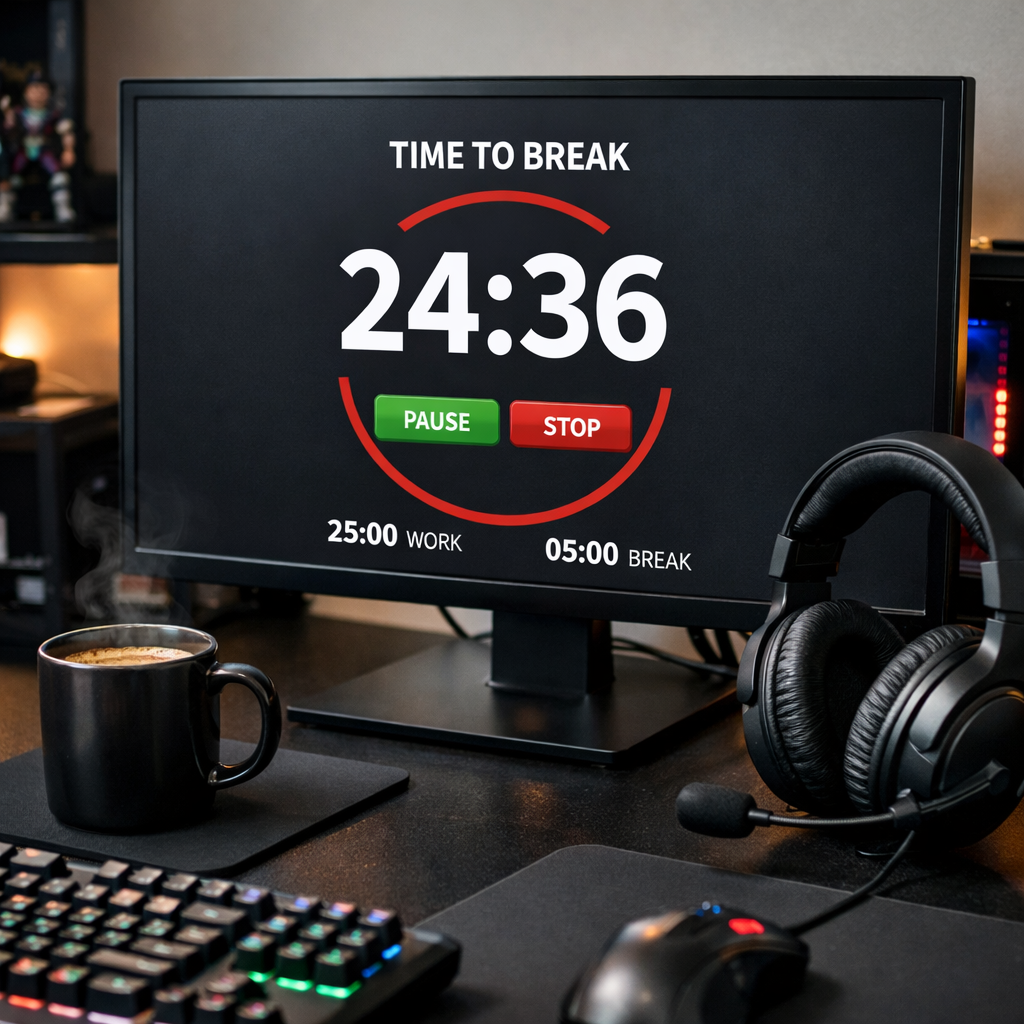
Feeling like your to-do list is a mountain you can’t climb? Emails pinging, meetings back-to-back, and that endless stream of tasks can make peak productivity feel like a myth. But what if there was a simple way to get more done without feeling totally drained? Enter the Pomodoro Technique. It’s a method that breaks your work into focused bursts, and finding the best Pomodoro interval for you is key to making it work. Let’s figure out how to make this technique your productivity superpower.
Key Takeaways
- The traditional 25-minute work interval with 5-minute breaks is a starting point, but your personal best Pomodoro interval might be different. Experiment to find what truly works for your focus.
- Individual attention spans vary. Some people focus better in shorter bursts (like 15 minutes), while others can maintain concentration for longer (40 minutes or more).
- Match your Pomodoro intervals to the task at hand. Creative work might benefit from slightly longer, uninterrupted sessions, while repetitive tasks can be powered through with shorter sprints.
- Breaks are not optional extras; they are vital for recharging your brain. Use short breaks to move or stretch, and longer breaks to truly disconnect and reset.
- Your ideal Pomodoro interval isn’t set in stone. Track your progress, notice your energy levels, and be willing to adjust your timings over time to keep hitting peak productivity.
Understanding Your Optimal Pomodoro Interval

So, you’ve heard about the Pomodoro Technique, right? It’s that time management thing where you work in focused bursts, usually 25 minutes, followed by short breaks. Sounds simple enough, but here’s the thing: not everyone’s brain works the same way. Finding the perfect Pomodoro interval for you is key to actually getting stuff done without feeling totally drained.
The Science Behind Focused Work Bursts
Our brains aren’t really built for staring at a screen for hours on end. Think about it – our ancestors were probably focused on hunting or gathering for short, intense periods, then resting. That’s kind of what the Pomodoro Technique taps into. It uses these short bursts of concentration, called work intervals, to keep your mind sharp. When you know you only have to focus for a set amount of time, it’s easier to push past distractions. The short breaks are just as important; they let your brain reset so you can come back ready for the next sprint.
Individual Attention Span Variations
Here’s where it gets personal. That classic 25-minute interval? It’s a great starting point, but it’s not a one-size-fits-all rule. Some people find they can concentrate for longer, maybe 40 or even 50 minutes, especially if the task is really engaging. Others might find 25 minutes is already pushing it, and they do better with shorter, 15-minute sprints. It really depends on your natural focus levels, how tired you are, and even what you’re working on.
The goal isn’t to rigidly stick to a number, but to find a rhythm that allows for deep work without leading to burnout or constant task-switching.
Recognizing Your Personal Productivity Peaks
When do you feel most
Experimenting with Pomodoro Timings
So, the classic Pomodoro setup is 25 minutes of work followed by a 5-minute break. It’s a great starting point, really. But here’s the thing: it’s not a one-size-fits-all kind of deal. What works for one person, or even one task, might not be the best for you or your current project. That’s why playing around with the timings is super important. You’ve got to find what makes your brain tick best.
Starting with the Classic 25-Minute Interval
Look, there’s a reason the 25-minute block is the standard. It’s short enough that it doesn’t feel overwhelming to start, and long enough to actually get into a task. It’s like a quick sprint. You commit to focusing for just 25 minutes, and then you get a little reward – a break. This structure helps build momentum and makes it easier to just dive in without overthinking it. It’s a solid default if you’re just starting out or if you’re tackling tasks that don’t require super deep, sustained concentration.
Exploring Shorter Work Sprints
Sometimes, 25 minutes feels like an eternity. Maybe you’re just not feeling it, or the task is something you can knock out quickly. In those cases, shorter bursts can be a game-changer. Think 15 or even 10 minutes. This is great for tasks that are more about quick wins, like answering a few emails, making a couple of calls, or doing some light reading. It keeps things moving and prevents that feeling of being stuck. Plus, if you’re new to this whole focus thing, starting small can make it way less intimidating.
Here’s a quick look at how shorter sprints might work:
- 15-Minute Sprints: Good for routine tasks, quick planning, or when your energy is low.
- 10-Minute Sprints: Ideal for very specific, small actions or when you need to break up a larger task into tiny, manageable chunks.
- 5-Minute Sprints: Useful for quick checks, like reviewing a short document or tidying up your digital workspace.
Testing Longer Focused Work Sessions
On the flip side, some tasks just need more time. If you’re deep into writing code, drafting a report, or doing some serious creative work, 25 minutes might just be enough to get warmed up before you have to stop. This is where you might want to try longer intervals. Maybe 40 minutes, 50 minutes, or even an hour. You’ll need to adjust your break times too, of course. A longer work session means you can really get into a flow state without interruption. The key is to find that sweet spot where you’re fully engaged but not yet feeling drained.
When you extend your work intervals, it’s important to listen to your body and mind. If you start feeling restless or your focus drifts significantly before the timer goes off, it might be a sign that the interval is too long for that particular task or for your current state. Don’t be afraid to cut it short and take a break.
Here’s a table to help you think about different interval lengths:
| Interval Length | Best For | Break Length | Notes |
|---|---|---|---|
| 15-25 Minutes | Quick tasks, low-energy periods, beginners | 3-5 Minutes | Easier to start, good for building focus stamina. |
| 30-50 Minutes | Standard work, moderate complexity tasks | 5-10 Minutes | Allows for deeper engagement without significant fatigue. |
| 60+ Minutes | Deep work, complex projects, creative flow | 10-15 Minutes | Requires good focus, best for tasks needing sustained concentration. |
Tailoring Intervals to Task Complexity

Not all tasks are created equal, right? Some need a quick burst of attention, while others demand a deep dive. The Pomodoro Technique is pretty flexible, and you can totally tweak those work intervals to match what you’re actually doing. It’s not a one-size-fits-all deal.
Matching Pomodoros to Creative Work
When you’re in a creative zone – maybe writing, designing, or just brainstorming ideas – you want to stay in that flow. Shorter, more frequent Pomodoros can actually help here. Think 20-25 minute sprints. This keeps your mind fresh and prevents that feeling of being stuck. It’s like giving your brain little chances to reset before diving back in, which can spark new ideas.
- Brainstorming: Use 20-minute Pomodoros with 5-minute breaks. This keeps the ideas flowing without getting bogged down.
- Writing/Drafting: Try 25-minute sessions. This gives you enough time to get into a paragraph or two without losing momentum.
- Design Work: Shorter bursts of 15-20 minutes can be good for detailed design tasks, allowing for quick breaks to step back and look with fresh eyes.
For creative tasks, the goal is often to maintain momentum and avoid mental fatigue. Shorter, focused intervals can be more effective than longer ones that might lead to burnout.
Applying Intervals to Repetitive Tasks
Got a bunch of similar, maybe even boring, tasks to get through? Pomodoros can make them way less painful. You can actually use slightly longer intervals here if you find that works for you, maybe 30-40 minutes. The key is to power through them in blocks. Knowing you have a break coming up makes those mundane jobs feel more manageable. It’s all about breaking up the monotony.
- Data Entry: 30-minute sessions can be effective, allowing you to get into a rhythm.
- Email Management: Dedicate 25-minute Pomodoros specifically for clearing your inbox. Batching similar tasks like this is a game-changer.
- Filing/Organizing: Try 35-minute blocks to get a good chunk done without feeling overwhelmed.
Structuring Meetings with Focused Blocks
Meetings can be notorious time sinks. You can actually use the Pomodoro idea to make them more productive. Instead of one long, draining meeting, break it down. You could have a 25-minute focused discussion, then a 5-minute stretch break, and then another 25-minute session. This keeps everyone more engaged and less likely to zone out. It’s a simple way to keep energy levels up during longer discussions.
| Meeting Segment | Duration | Purpose |
|---|---|---|
| Focused Discussion 1 | 25 minutes | Core agenda items |
| Short Break | 5 minutes | Quick stretch, water |
| Focused Discussion 2 | 25 minutes | Next agenda items, action planning |
| Longer Break (after 2-3 blocks) | 15-30 minutes | Deeper recharge, transition |
The trick is to experiment and see what interval length feels right for the specific type of work you’re doing.
The Role of Breaks in Interval Effectiveness
Think of your brain like a muscle. You wouldn’t lift weights for hours straight without a rest, right? Your brain needs downtime too, and that’s exactly what breaks are for in the Pomodoro Technique. They aren’t just optional pauses; they’re a vital part of making those focused work sprints actually work.
Recharging During Short Breaks
After each focused work interval, you get a short break, usually around 5 minutes. This isn’t the time to scroll through social media or check your email. Seriously, resist that urge. Instead, use these few minutes to get up, stretch your legs, grab a glass of water, or just stare out the window. These brief respites help prevent mental fatigue and keep your focus sharp for the next work session. It’s like hitting a mini-reset button for your brain.
Here’s a quick rundown of what to do (and not do) during short breaks:
- Do: Stand up and move around.
- Do: Drink some water or have a healthy snack.
- Do: Close your eyes and take a few deep breaths.
- Don’t: Check your phone for non-urgent messages.
- Don’t: Start a new, complex task.
- Don’t: Get caught up in a conversation that might run long.
Maximizing Extended Break Benefits
After about four Pomodoro sessions, you get a longer break, typically 15-30 minutes. This is where you can really let your brain recover. Think of it as a more substantial recharge. Going for a short walk outside, doing some light stretching, or even just listening to a song can make a big difference. This longer break is key to sustaining your productivity throughout the day and avoiding burnout. It allows for a deeper level of mental rest, helping you return to your work feeling refreshed and ready to go.
Avoiding Distractions During Downtime
It’s easy to let distractions creep into your breaks, especially if you’re tempted to check notifications or get pulled into a quick chat. However, the whole point of the break is to step away from the demands of your work. If you spend your break thinking about work or getting sidetracked by your phone, you’re not truly resting. Try to create a clear boundary between your work time and your break time. This might mean putting your phone in another room or setting a specific intention for what you want to achieve during your break, like simply relaxing or getting some fresh air. This conscious effort to disconnect will make your breaks much more effective.
The temptation to fill every moment with activity, even during breaks, is strong. But true productivity comes from understanding when to push and when to pause. These breaks aren’t lost time; they are strategic investments in your focus and energy for the work ahead.
Adapting Your Pomodoro Interval Over Time
So, you’ve tried the classic 25-minute Pomodoro, and maybe you’ve tinkered with a few other timings. That’s great! But here’s the thing: your productivity isn’t static, and neither should your Pomodoro intervals be. What works wonders one week might feel like a drag the next. It’s all about staying flexible and paying attention to what your brain and body are telling you.
Tracking Your Pomodoro Performance
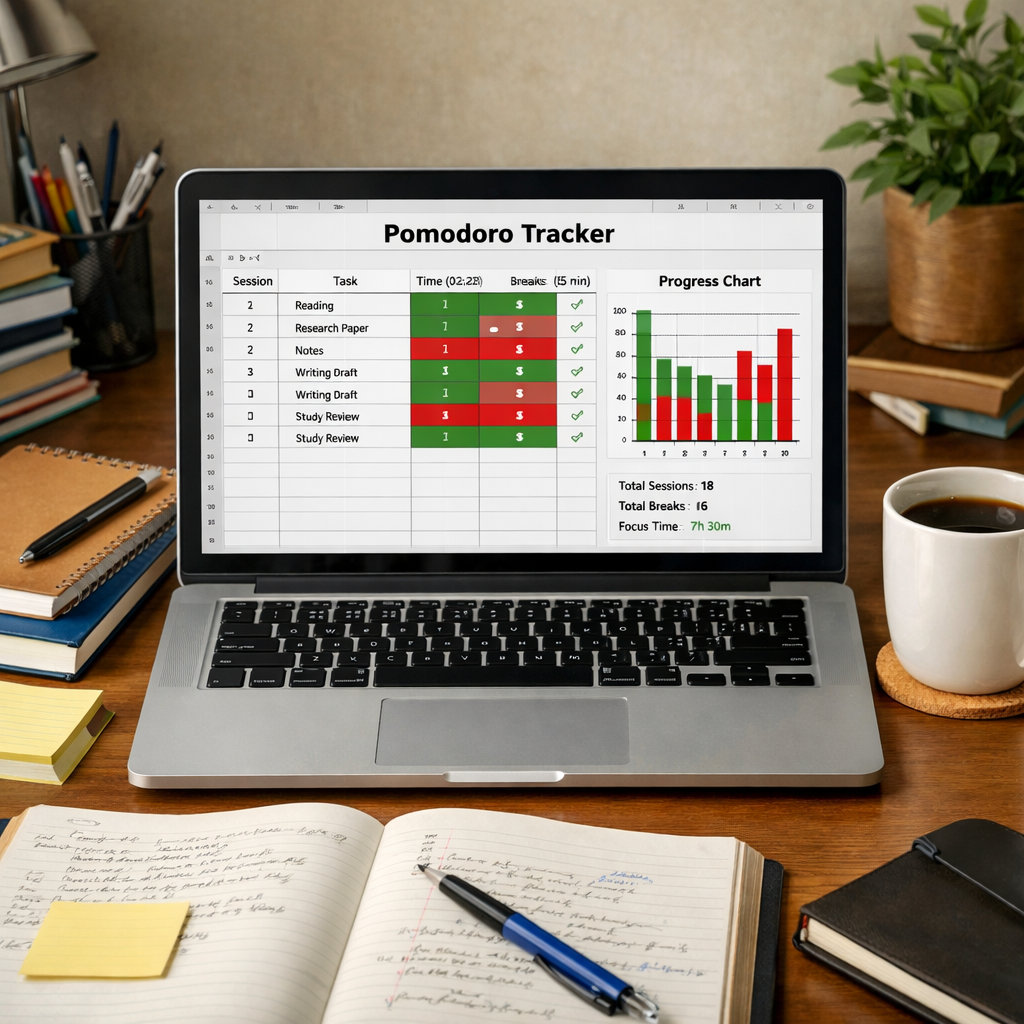
To really get a handle on what’s working, you’ve got to keep some notes. It sounds a bit tedious, I know, but it’s super helpful. Think of it like a little productivity diary. You don’t need anything fancy, just a notebook or a simple spreadsheet will do.
Here’s a basic way to track things:
- Date: When did you do the work?
- Task Type: What were you working on (e.g., writing, coding, emails, planning)?
- Pomodoro Interval: How long was your work burst (e.g., 25 min, 40 min)?
- Break Length: How long was your break (e.g., 5 min, 10 min)?
- Focus Level (1-5): How focused did you feel during the work burst? (1 = easily distracted, 5 = totally in the zone)
- Energy Level (1-5): How did you feel at the end of the work burst? (1 = drained, 5 = still good)
- Notes: Any other observations? (e.g., "felt rushed," "could have gone longer," "interrupted a lot")
Looking back at this data after a week or two can really show you patterns you might have missed. Maybe you notice you’re consistently hitting a 4 or 5 for focus with 40-minute intervals on coding tasks, but only a 2 or 3 on writing. That’s gold!
Adjusting Intervals Based on Energy Levels
Your energy levels aren’t the same every single day, right? Some mornings you wake up feeling like you can conquer the world, and other days, getting out of bed feels like a major accomplishment. Your Pomodoro intervals should reflect this.
- High Energy Days: If you’re feeling particularly sharp and focused, don’t be afraid to extend your work intervals. Maybe try 45 or even 50 minutes. You might find you can get into a deeper flow state without feeling the urge to stop.
- Lower Energy Days: On days when your focus feels a bit scattered, shorter bursts might be more effective. Stick to 20 or 25 minutes, or even try 15-minute sprints for tasks that don’t require deep concentration. The goal here is to get small wins and build momentum without burning yourself out.
- Task Demands: Consider the task itself. A complex problem-solving session might benefit from longer, uninterrupted blocks when you have the energy, while answering emails might be perfectly fine in shorter, more frequent bursts.
The key is to listen to your body. Pushing yourself too hard when you’re already tired is counterproductive. It’s better to work with your natural energy fluctuations than against them.
Iterating Your Best Pomodoro Interval
Once you’ve gathered some data and started adjusting based on your energy, it’s time to refine. This isn’t a one-and-done thing; it’s an ongoing process. Think of it as fine-tuning an instrument.
- Review Your Tracking: Look at your notes. Where did you consistently report high focus and energy? What interval lengths and task types were associated with those positive experiences?
- Experiment with Variations: If you found that 40-minute intervals worked well for a specific type of task, try variations around that. Maybe 35 minutes or 45 minutes. See if you can pinpoint the sweet spot.
- Don’t Be Afraid to Change: If an interval that used to work no longer does, that’s okay! Your needs change, your work changes, and your optimal Pomodoro should change with it. Maybe you’ve gotten better at a certain task and can now do it in a shorter time, or perhaps a new project requires longer stretches of concentration.
By consistently tracking, adjusting, and iterating, you’ll move closer to a Pomodoro rhythm that truly supports your peak productivity, whatever that looks like for you on any given day.
Overcoming Challenges with Interval Selection
So, you’ve decided to give the Pomodoro Technique a real shot, but you’re hitting a few snags. It’s totally normal! Not every work style or task fits perfectly into those neat little 25-minute boxes. Let’s talk about how to smooth out those rough edges.
Handling Interruptions During Focused Work
Interruptions are the absolute worst, aren’t they? Someone pops their head in, an urgent email lands, or a random thought just hijacks your brain. The key here is to have a plan. For external interruptions, like a colleague needing something, a polite "Can I get back to you in X minutes when my timer is up?" usually does the trick. If it’s truly urgent, pause your timer, deal with it, and then restart. For those internal interruptions – those brilliant ideas or nagging to-dos that pop up – just jot them down on a notepad to deal with later. Don’t let them derail your current focus.
Balancing Short and Long Tasks
This is where flexibility really comes in. If you’ve got a big, complex project, trying to cram it into one Pomodoro is just setting yourself up for frustration. Instead, break it down. Think about the smallest possible step you can take on that project. That becomes your task for one Pomodoro. You can also chain Pomodoros together for longer, more involved tasks. Just make sure to take your full break after a set of Pomodoros, maybe after three or four, to really reset.
Here’s a quick way to think about it:
- Short Tasks (under 25 mins): Batch similar short tasks together. Answer emails, make quick calls, or do data entry all within one or two Pomodoros.
- Medium Tasks (25-50 mins): These fit nicely into one or two standard Pomodoros.
- Long Tasks (over 50 mins): Break them into smaller sub-tasks, or chain multiple Pomodoros together, taking a longer break after every 3-4 sessions.
Adapting to Structured Time Blocks
Sometimes, the rigid structure of timed work and break sessions can feel a bit stifling, especially when you’re really in the zone. If you find yourself consistently going over your work interval because you’re on a roll, it might be time to adjust. Maybe 40-minute work blocks with 10-minute breaks feel more natural for your workflow. Or perhaps you need shorter, 15-minute sprints for tasks that require quick bursts of attention. The goal isn’t to be a slave to the timer, but to use it as a tool to build focus. Experiment until you find a rhythm that feels productive without feeling like a straitjacket.
The Pomodoro Technique is a guide, not a dictator. If the standard intervals aren’t working for you, don’t be afraid to tweak them. The real win is finding a sustainable rhythm that keeps you focused and prevents burnout.
Wrapping Up Your Pomodoro Journey
So, we’ve talked a lot about finding that sweet spot with your Pomodoro intervals. It’s not really about sticking to a rigid 25 minutes if that’s not working for you. The real win here is figuring out what helps you stay locked in and get stuff done without burning out. Experimenting is key, whether that means shorter bursts or slightly longer work periods. Remember to take those breaks seriously – they’re not just downtime, they’re essential for recharging. By playing around with the timing and being mindful of your own energy levels, you can really make the Pomodoro Technique a powerful tool for getting more done, feeling less stressed, and actually enjoying your workday a bit more.
Frequently Asked Questions
What exactly is the Pomodoro Technique?
The Pomodoro Technique is a way to manage your time by breaking your work into short bursts, usually 25 minutes long. After each burst, you take a short break. It’s like using a kitchen timer (a ‘pomodoro’ in Italian) to keep track of your work time and break time.
Why do I need to take breaks?
Breaks are super important! They give your brain a chance to rest and recharge. Think of it like letting a computer cool down. Taking short breaks helps you avoid getting tired and keeps you focused when you go back to work.
Can I change the timer times?
Absolutely! The classic 25-minute work time and 5-minute break are just a starting point. If you find you focus better for a different amount of time, or need longer breaks, feel free to adjust them. The goal is to find what works best for you.
What if I get interrupted during a work burst?
Interruptions happen! If it’s something small, try to jot it down and deal with it later. If it’s urgent, you might need to pause your work burst and restart it when you can focus again. It’s okay to be flexible.
How do I know what the best time interval is for me?
The best way is to try different times! Start with the standard 25 minutes and see how it feels. Then, try shorter or longer work periods. Pay attention to when you feel most focused and when your concentration starts to fade. That will help you find your sweet spot.
Can I use this for all kinds of tasks?
Yes, you can! The Pomodoro Technique is great for many things, like studying, writing, coding, or even doing chores. You can even use it for meetings to keep everyone focused. Just remember to adjust the timing if a task needs a lot more or less focus.