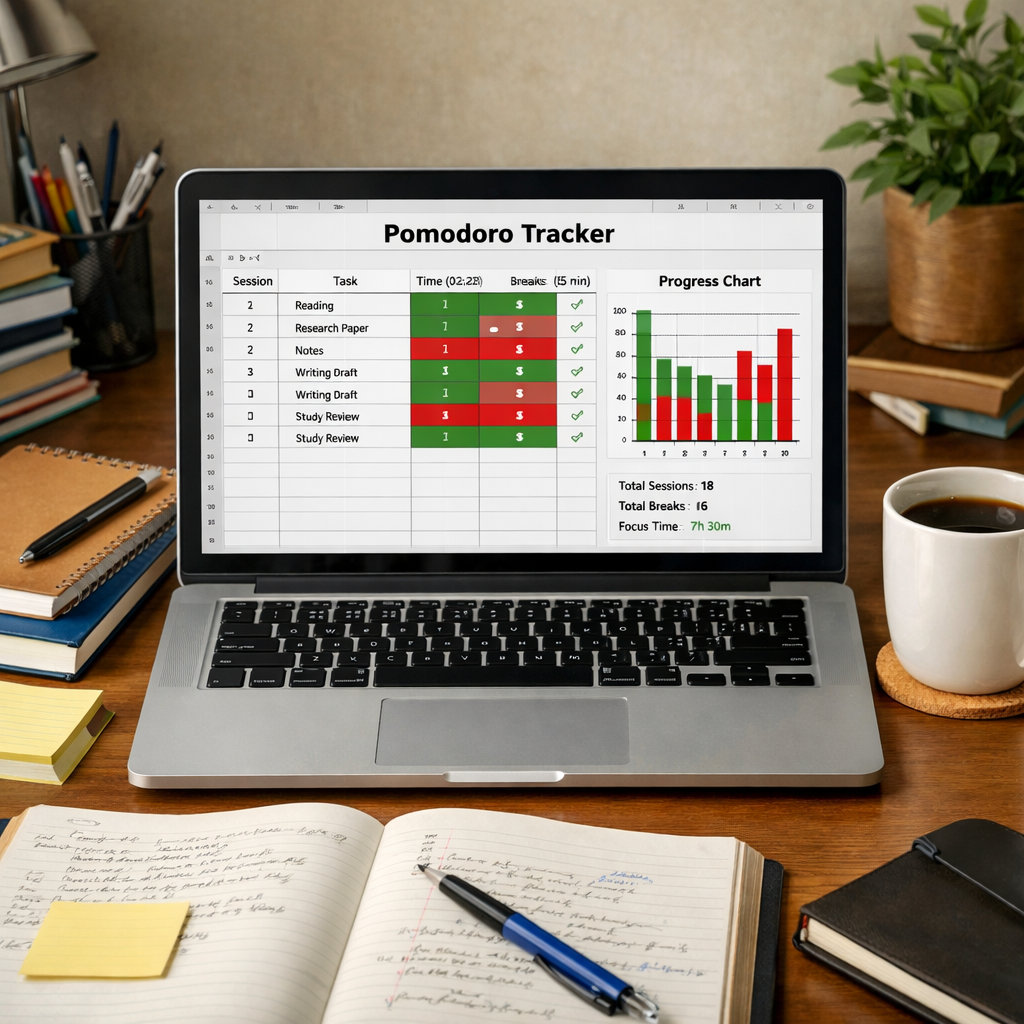

Feeling like your day just disappears without much to show for it? You’re not alone. Many of us struggle to get things done, especially when distractions are everywhere. This article is about figuring out how to schedule focus time, so you can actually get to the important stuff. We’ll look at some simple ways to plan your day, work in focused bursts, and make sure you’re not getting pulled off track. It’s not about being perfect, but about building habits that help you get more done.
Key Takeaways
- Break your day into planned segments, assigning specific tasks to each block and putting your most important work first.
- Use short, focused work periods, like the Pomodoro Technique’s 25-minute bursts, followed by quick breaks to keep your energy up.
- When it’s time to focus, give your full attention to the task. Turn off notifications and close unnecessary tabs to avoid distractions.
- Make your workspace a place where you can concentrate. Keep it tidy, comfortable, and free from things that pull your attention away.
- Pay attention to when you work best. Adjust your schedule and work intervals to match your natural energy levels and get more done.
Mastering Your Day With Time Blocking

Ever feel like your day just disappears, swallowed by endless tasks and distractions? You’re not alone. Many of us struggle to get a handle on our schedules, leaving us feeling overwhelmed and unproductive. But what if you could design your day, giving every important activity its own dedicated space? That’s where time blocking comes in. It’s a method that helps you take control, turning a chaotic schedule into a clear, actionable plan.
Understanding The Blueprint Of Your Day
Think of time blocking as drawing a map for your day before you even start it. Instead of just having a to-do list, you’re assigning specific chunks of time to each task. This isn’t about filling every minute rigidly; it’s about being intentional with your time. It helps you see where your day is going and make sure the things that matter actually get done. It’s like giving your day a structure, a framework that supports your goals.
Allocating Specific Time Slots For Tasks
This is the core of time blocking. You look at your tasks for the day or week and decide exactly when you’ll work on them. For example, you might block out 9:00 AM to 10:30 AM for writing a report, 10:30 AM to 11:00 AM for checking emails, and 11:00 AM to 12:00 PM for a project meeting. The key is to be realistic and specific. Don’t just write ‘work on project’; instead, ‘research project data’ or ‘outline project proposal’.
Here’s a simple way to visualize it:
| Time Slot | Activity |
|---|---|
| 9:00 AM – 10:30 AM | Write Project Report |
| 10:30 AM – 11:00 AM | Respond to Urgent Emails |
| 11:00 AM – 12:00 PM | Team Meeting: Project Alpha |
| 12:00 PM – 1:00 PM | Lunch Break |
| 1:00 PM – 2:30 PM | Develop Marketing Strategy |
Visualizing Your Day’s Flow
Seeing your day laid out in blocks can be incredibly helpful. It gives you a visual representation of your commitments and your planned work. This visualization helps you:
- Spot potential conflicts or over-scheduling.
- Understand how much time you realistically have for deep work.
- See the balance between different types of tasks (e.g., focused work, meetings, breaks).
- Easily identify free slots for unexpected tasks or breaks.
When you block out time, you’re not just scheduling tasks; you’re scheduling your focus. This deliberate act helps protect your attention from the constant pull of distractions, allowing you to engage more deeply with what you’re working on. It’s a proactive way to manage your energy and attention, rather than just reacting to whatever comes your way.
Leveraging The Pomodoro Technique For Focus
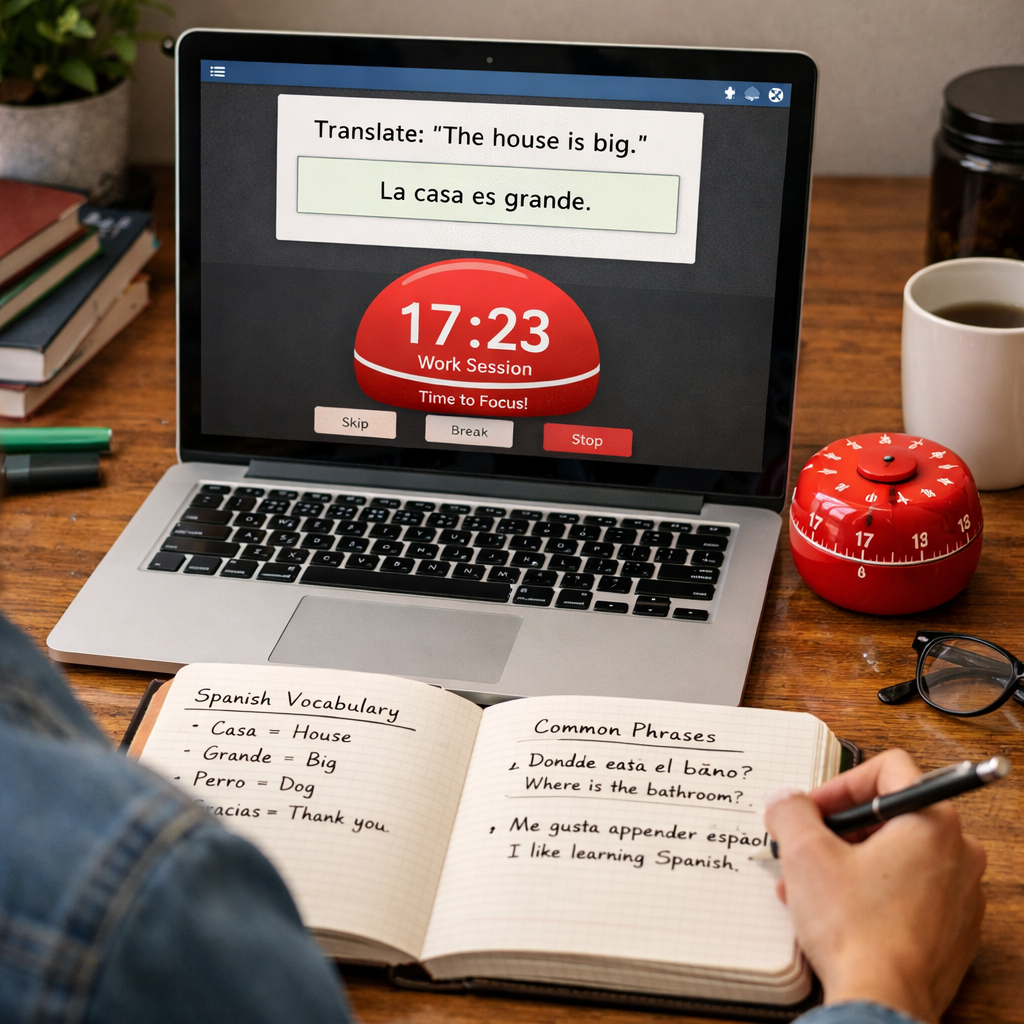
Ever feel like your brain is just a leaky faucet, dripping away your attention span? You’re not alone. The Pomodoro Technique is a simple, yet surprisingly effective way to get a handle on that wandering mind. It’s named after a tomato-shaped kitchen timer, which is pretty neat, right? The basic idea is to work in short, focused bursts, then take a quick break. Think of it like interval training for your brain.
The Rhythm Of Concentrated Work Bursts
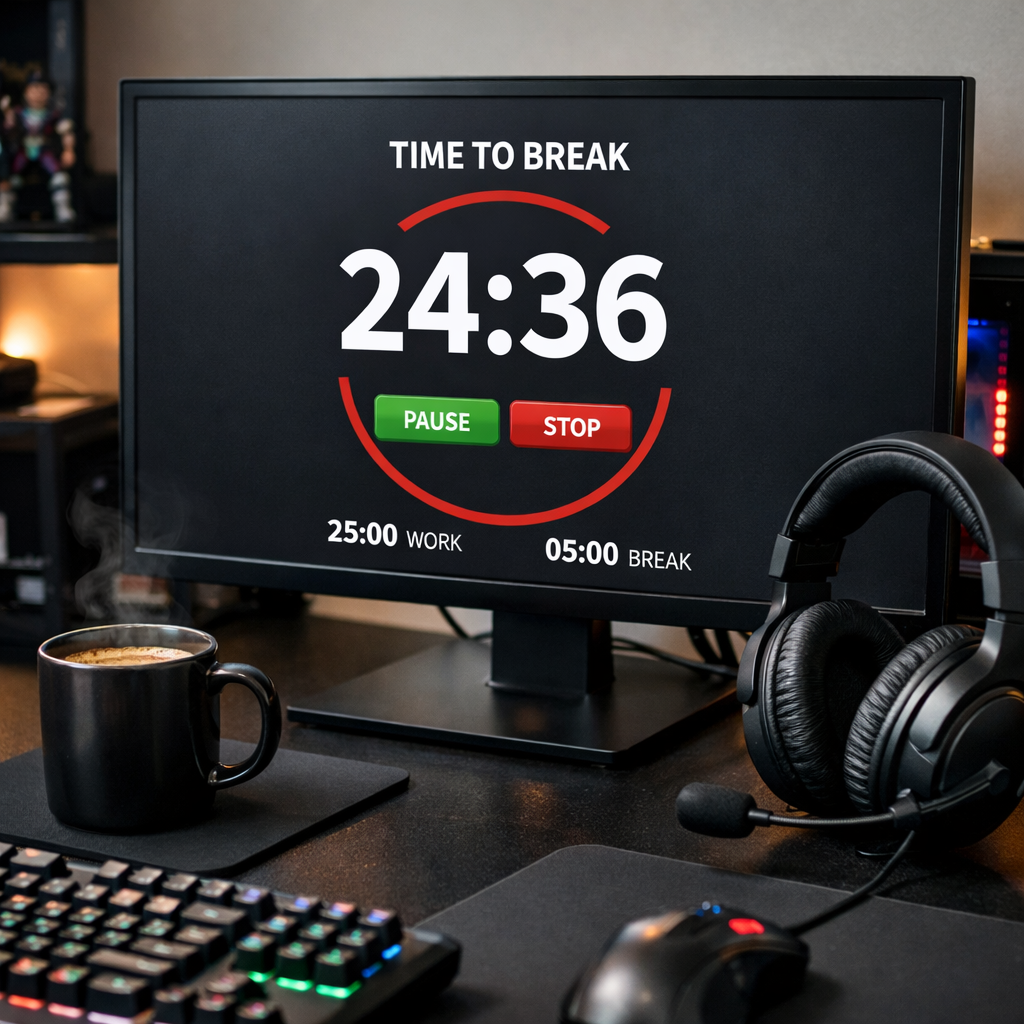
The core of the Pomodoro Technique is the work interval, traditionally set at 25 minutes. During this time, you commit to one task and one task only. No checking emails, no scrolling through social media, just pure focus. It’s about training yourself to concentrate deeply for a set period. This short burst helps prevent burnout and makes even daunting tasks feel more manageable. The key is to be strict with yourself during these 25 minutes. If a thought pops into your head, jot it down quickly to deal with later.
Incorporating Crucial Short Breaks
Once your 25-minute work session is up, you take a short break, usually about 5 minutes. This isn’t a time to jump into another demanding activity. Instead, stand up, stretch, grab some water, or just look out the window. These mini-breaks are super important for letting your brain reset and preventing fatigue. After about four of these work-break cycles, you take a longer break, maybe 15-30 minutes. This longer pause helps you consolidate what you’ve done and prepare for the next set of focused work.
Maximizing Energy And Concentration
By breaking your day into these manageable chunks, you can actually get more done. It stops you from feeling overwhelmed and helps maintain a higher level of concentration throughout the day. Instead of one long, draining work session, you have a series of shorter, more intense ones. This rhythm helps keep your energy levels more consistent and your focus sharper. It’s a way to work smarter, not just harder, and it really makes a difference when you’re trying to get through a long to-do list.
The beauty of the Pomodoro Technique lies in its simplicity and adaptability. It’s not about rigid rules, but about creating a sustainable rhythm for focused work that fits your personal energy levels and task demands.
Strategies To Schedule Focus Time Effectively
So, you’ve got your day mapped out, maybe using time blocking or the Pomodoro technique. That’s a great start! But how do you actually make sure those focus blocks are productive and not just empty spaces on your calendar? It’s all about being smart with how you plan them. Prioritizing your most important work is the bedrock of effective scheduling. If you’re not tackling what matters most when you’re at your best, you’re just spinning your wheels.
Prioritizing Your Most Important Work
Think about what truly moves the needle for your goals. Is it that big project report, developing a new client relationship, or maybe deep research? These are the things that often get pushed aside for urgent but less important tasks. Stephen Covey famously said, "The key is not to prioritize what’s on your schedule, but to schedule your priorities." This means actively looking at your to-do list and deciding what absolutely needs your focused attention, then making sure it gets a prime spot in your day. It’s about being proactive, not just reactive.
Breaking Down Tasks Into Manageable Sessions
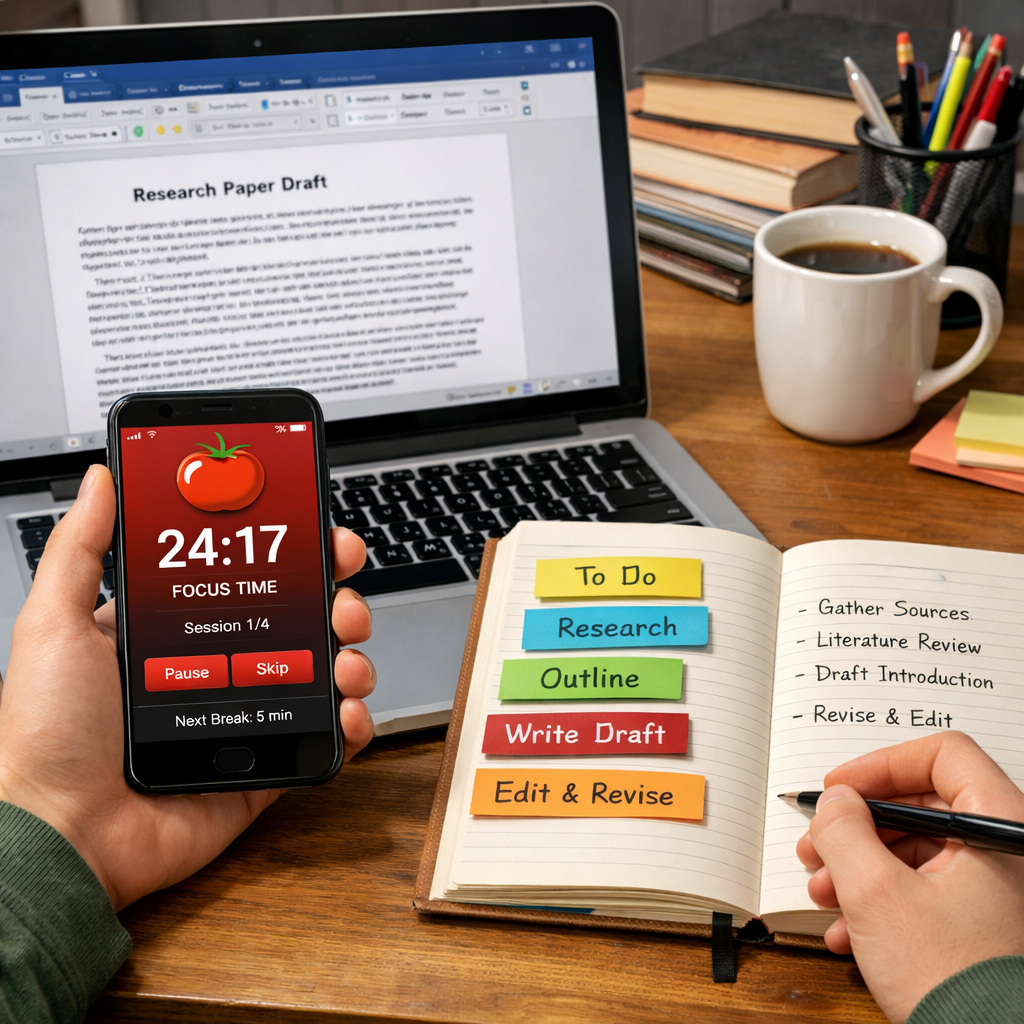
Big tasks can feel overwhelming, right? That’s where breaking them down comes in. Instead of blocking out three hours for "Write Report," try "Outline Report" for 45 minutes, then "Research Section 1" for another 45 minutes, and so on. This makes the work feel less daunting and gives you a sense of accomplishment as you tick off smaller steps. It also makes it easier to fit these focused sessions into your schedule, even on busy days. You can use a simple list to track these smaller chunks:
- Define the main objective of the task.
- Identify the key steps required to achieve it.
- Estimate the time needed for each step.
- Schedule these steps as individual focus blocks.
Setting Realistic Time Estimates
This is where a lot of people stumble. We tend to either overestimate how much we can get done or underestimate how long a task will actually take. Be honest with yourself. If a task usually takes you two hours, don’t schedule it for 45 minutes. It’s better to block out a bit more time and finish early than to constantly feel rushed and behind. Keep a log for a week or two of how long tasks actually take you. You might be surprised! This data will help you create a much more accurate schedule for future focus time. For example:
| Task Type | Estimated Time | Actual Time | Difference |
|---|---|---|---|
| Email Response | 30 mins | 45 mins | +15 mins |
| Project Planning | 1 hour | 1 hour 15m | +15 mins |
| Report Writing | 2 hours | 2 hours 30m | +30 mins |
When you consistently underestimate how long tasks take, you set yourself up for a cycle of feeling rushed and unproductive. It’s like trying to pack for a week-long trip with only a small backpack – you’re bound to leave something important behind or feel cramped the whole time. Being realistic with your time estimates is a form of self-respect for your work and your energy levels. It allows you to approach tasks with a calm, focused mindset, knowing you’ve allocated sufficient time to do them well. This approach is key to building a sustainable productivity system, much like the time management strategies that focus on realistic planning.
Overcoming Common Obstacles To Focus

Even with the best plans, things don’t always go smoothly. Life happens, right? You might find yourself getting pulled away from your scheduled focus time more often than you’d like. It’s easy to feel discouraged when a planned work interval gets interrupted or you miss a session entirely. Don’t let a few bumps in the road derail your whole system.
Minimizing Distractions In Your Environment
Distractions are like tiny productivity thieves, sneaking in and stealing your valuable attention. They come in many forms, from the ping of a new email to a chatty coworker or even just the urge to check your phone. The first step is recognizing what pulls you away. Is it your phone? Social media? Background noise? Once you know your usual suspects, you can start building defenses.
- Silence the alerts: Turn off non-urgent notifications on your phone and computer. Seriously, that little red dot on an app icon can wait.
- Create a physical barrier: If possible, find a quiet space. Use noise-canceling headphones if your environment is noisy. Let people know you’re in a focus block.
- Digital detox: Use website blockers or apps that temporarily prevent access to distracting sites during your work periods. It sounds extreme, but it works wonders.
Communicating Your Focus Needs
Sometimes, the biggest obstacles aren’t external but come from the people around us. If you work with others, whether in an office or remotely, they might not realize you need uninterrupted time. Clear communication is key to protecting your focus blocks.
- Announce your schedule: Let your team or family know when you’ll be unavailable for non-urgent matters. A simple "I’m in a focus block until 11 AM, I’ll get back to you after that" can go a long way.
- Use visual cues: A sign on your door, a status message on your chat app, or even just wearing headphones can signal that you’re concentrating.
- Set expectations: Explain why focus time is important for your work and how it helps you be more productive, which ultimately benefits everyone.
Handling Setbacks With Resilience
No system is perfect, and you’ll have days where your schedule goes out the window. Maybe an urgent issue pops up, or you just can’t seem to get into the zone. Instead of beating yourself up, treat these moments as learning opportunities.
When you miss a planned work session or get completely sidetracked, don’t see it as a failure. Acknowledge it happened, take a breath, and then gently guide yourself back to your schedule. Consistency is more important than perfection. It’s about getting back on track, not about never falling off.
Think of it like this: if you’re trying to eat healthier and accidentally eat a whole pizza, you don’t just give up on healthy eating forever. You acknowledge the pizza, maybe feel a little regret, and then get back to your salad the next day. The same applies to your focus schedule. Acknowledge the interruption, reset, and get back to your planned task as soon as you can. This resilience is what will help you stick with time blocking in the long run.
Creating A Conducive Work Environment
Your physical space plays a bigger role in your focus than you might think. It’s not just about having a desk; it’s about setting up that desk, and the area around it, so your brain can actually do the work you need it to do. Think of it as building a little productivity bubble.
Decluttering Your Workspace
Look, nobody works best when they’re surrounded by a mountain of papers, old coffee cups, and random bits of tech. A messy desk often leads to a messy mind. Take a few minutes each day, maybe at the end of your work session, to just tidy up. Put things back where they belong, toss out trash, and clear the surface. You’ll be surprised how much calmer you feel just looking at a clean space. It’s like hitting a reset button before you even start your next task.
Optimizing Lighting And Temperature
This is a big one. Too dim, and you’ll feel sleepy. Too bright, and you might get headaches. Natural light is usually best, so if you can position your desk near a window, do it. If not, a good desk lamp that provides bright, even light can make a world of difference. Same goes for temperature. If you’re constantly too hot or too cold, you’re going to be distracted. Find that sweet spot where you feel comfortable and alert. It might take some fiddling, but it’s worth it.
Ensuring Ergonomic Comfort
This isn’t just for people with back problems. Being uncomfortable is a distraction. If your chair is digging into your back or your screen is at a weird angle, your body will constantly be sending you ‘fix this’ signals. Make sure your chair supports your back properly. Your feet should be flat on the floor, and your screen should be at eye level. Even small adjustments can prevent aches and pains that pull your attention away from your work. Investing a little time in setting up your ergonomics properly can save you a lot of discomfort and lost focus later on.
Your workspace is more than just a place to put your computer. It’s an active participant in your productivity. By making small, intentional changes to your environment, you’re essentially telling your brain, ‘Okay, it’s time to focus now.’ It’s about creating signals that help you transition into a work mindset without even thinking about it.
Adapting Your Schedule For Peak Performance
Identifying Your Most Productive Hours
Not everyone is a morning person, and that’s perfectly fine. The key is to figure out when your brain is firing on all cylinders. Are you someone who hits their stride after lunch, or do you find your best ideas come late at night? Pay attention to your energy levels and focus throughout the week. You might notice a pattern. For instance, some people find their concentration dips significantly after 3 PM, while others feel most alert between 10 AM and noon. Tracking your perceived energy and focus levels alongside your completed tasks can reveal these personal productivity peaks.
Tailoring Work Intervals To Your Needs
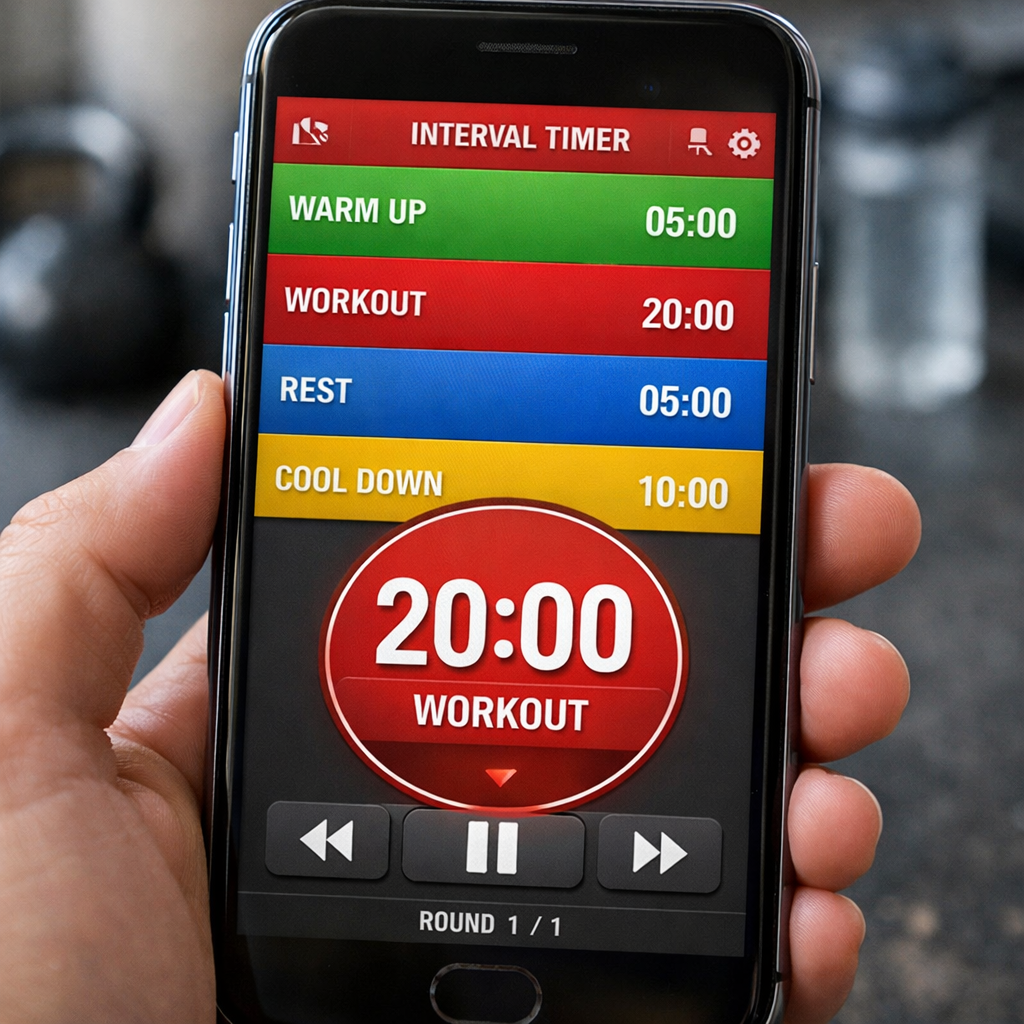
Once you know your peak times, you can adjust your work intervals. If you’re most focused in the morning, schedule your most demanding tasks then. If your attention span is shorter in the afternoon, maybe shorter work blocks with more frequent, brief breaks would work better. It’s not about rigidly sticking to a 25-minute Pomodoro if that’s not working for you. Maybe 45 minutes of focused work followed by a 10-minute break feels more natural. Experimentation is key here.
Here’s a simple way to think about it:
- High Energy/Focus Times: Schedule complex tasks, deep work, or creative projects.
- Medium Energy/Focus Times: Tackle routine tasks, emails, or administrative work.
- Low Energy/Focus Times: Use for planning, light reading, or taking longer breaks.
Reflecting And Adjusting Your System
Your schedule isn’t set in stone. Life happens, and your productivity needs might change. At the end of each week, take a few minutes to review how things went. Did you meet your goals? Were your time estimates accurate? Did you feel burnt out or energized? Use this reflection to make small tweaks to your schedule for the following week. Maybe you need to block out more time for unexpected interruptions, or perhaps you can shorten certain work intervals because you’re finishing tasks faster than anticipated.
Don’t be afraid to change things up. What worked last month might not work today. The goal is to create a system that supports you, not one that you feel trapped by. Regular check-ins help keep your schedule relevant and effective.
Keep Going, You’ve Got This
So, we’ve talked a lot about blocking out time and using those little tomato timers. It might seem like a lot at first, and honestly, you won’t be perfect right away. That’s totally okay. The main thing is to just keep trying. Little by little, you’ll get better at figuring out how long things really take and how to actually stick to your plan. Don’t get discouraged if a day goes off the rails – just reset and try again tomorrow. You’re building a new habit, and that takes time. But with a little practice, you’ll start to see a real difference in how much you get done and how much less stressed you feel. Ready to make your days work for you?
Frequently Asked Questions
What is Time Blocking and how does it help me?
Time blocking is like drawing a map for your day. You decide exactly when you’ll do each task. This helps you focus on what’s important and see how your day will flow, making sure you get things done.
How does the Pomodoro Technique work?
The Pomodoro Technique is a way to work in short bursts. You focus hard for about 25 minutes, then take a quick 5-minute break. After a few of these cycles, you take a longer break. It helps your brain stay sharp and prevents burnout.
Why combine Time Blocking and Pomodoro?
They work great together! Time blocking gives your day structure, telling you *when* to work on things. Pomodoro gives you the rhythm for *how* to work during those times, keeping you focused and energized.
What if I get distracted during my focus time?
It happens! The best thing to do is turn off notifications on your phone and computer. You can also tell your friends or coworkers when you need uninterrupted time. If you get sidetracked, just gently get back to your task.
How can I make my workspace better for focusing?
Keep your desk tidy and free of clutter. Make sure you have good light and a comfortable temperature. An ergonomic chair can also make a big difference in how long you can focus without feeling tired.
What if my schedule doesn’t work perfectly the first time?
That’s totally normal! At the end of each day, think about what worked and what didn’t. Were your time estimates right? Did you get distracted too much? Use what you learn to make your schedule even better for the next day.