
What is electronic interference?
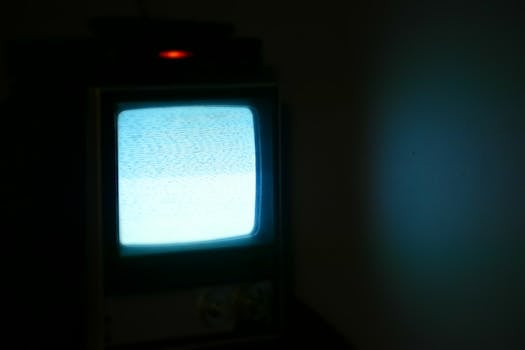
What is electronic interference?
In our fast-paced, technology-driven world, the term “electronic interference” pops up more often than you might realize. From the smartphone in your pocket to the Wi-Fi router in your living room, various devices constantly communicate with one another. But what happens when those conversations get disrupted? That’s where electronic interference comes into play, affecting how we interact with technology every day.
Understanding how electronic interference works is crucial for anyone who relies on electronic devices or communication systems. Let’s dive deeper into this phenomenon, explore its types, sources, impacts, and ways to mitigate its effects.
Understanding Electronic Interference
Electronic interference refers to the disruption of electrical signals caused by external sources. It can lead to degraded performance of electronic devices and communication systems. Essentially, it’s like trying to have a conversation in a noisy room: the more distractions there are, the harder it becomes to hear one another.
Types of Electronic Interference
There are several types of electronic interference, each with unique characteristics and implications.
Electromagnetic Interference (EMI) is the most common form. It occurs when electromagnetic energy disrupts electrical circuits, often leading to performance issues in devices. EMI can be caused by natural sources, like lightning, or human-made sources, such as motors and power lines. For more detailed information, you might want to check out this overview of electromagnetic interference.
Radio Frequency Interference (RFI) is a subset of EMI that specifically affects radio frequency signals. This type of interference is often observed in wireless communication devices like radios and Wi-Fi routers.
Crosstalk refers to the unwanted transfer of signals between communication channels. For instance, you might hear background noises or conversations from adjacent phone lines or wires, which can be particularly annoying during important calls.
Common Sources of Electronic Interference
Everyday life is full of devices that can cause electronic interference. Here are a few common sources:
- Household Appliances: Items like microwaves, refrigerators, and fluorescent lights can emit electromagnetic fields that interfere with nearby electronic devices.
- Wireless Devices: Bluetooth devices, Wi-Fi routers, and even cordless phones can disrupt each other’s signals.
- Industrial Machinery: In manufacturing settings, large machines can generate significant electromagnetic fields, negatively impacting the performance of nearby sensitive equipment.
Effects of Electronic Interference
The impact of electronic interference can be profound, affecting both communication systems and device performance.
Influence on Communication Systems
When it comes to communication systems, electronic interference can lead to dropped calls, slow internet speeds, and disrupted transmissions. For instance, if you’ve ever experienced poor Wi-Fi connectivity while using multiple devices, you might have been dealing with interference from those very devices. In addition, radio broadcasts can be impacted, leading to static or interruptions in the audio.
Impact on Device Performance
Electronic interference doesn’t just disrupt communication; it can also lead to malfunctions in electronic devices themselves. For example, computers may freeze or behave erratically when subjected to high levels of interference. Such malfunctions can be frustrating and may even lead to data loss or damage.
Mitigating Electronic Interference
While it’s impossible to completely eliminate electronic interference, there are several strategies you can adopt to reduce its impact.
Shielding and Grounding Techniques
One effective method is to use shielding materials—like metal enclosures or specialized cables—that can block or absorb electromagnetic energy. Proper grounding is equally important; it helps to divert excess energy away from sensitive equipment, minimizing the chance of interference.
Design Considerations for Devices
Manufacturers are increasingly aware of the challenges posed by electronic interference. Many now incorporate design strategies to mitigate its effects. This includes using components that are less susceptible to interference or designing devices with better shielding. For example, the latest smartphones often feature improved antenna designs to minimize RFI and EMI.
Conclusion
In conclusion, electronic interference poses a significant challenge in our technology-saturated environment. Understanding its types, sources, and impacts is crucial for anyone relying on electronic devices and communication systems. By adopting effective mitigation strategies, we can enhance our user experience and keep our devices functioning smoothly. As technology continues to evolve, staying informed about electronic interference will be increasingly important in maintaining productivity and connectivity in our daily lives. For a deeper understanding of electromagnetic interference, consider exploring this resource on preventing EMI.