
What is neurocognitive assessment?
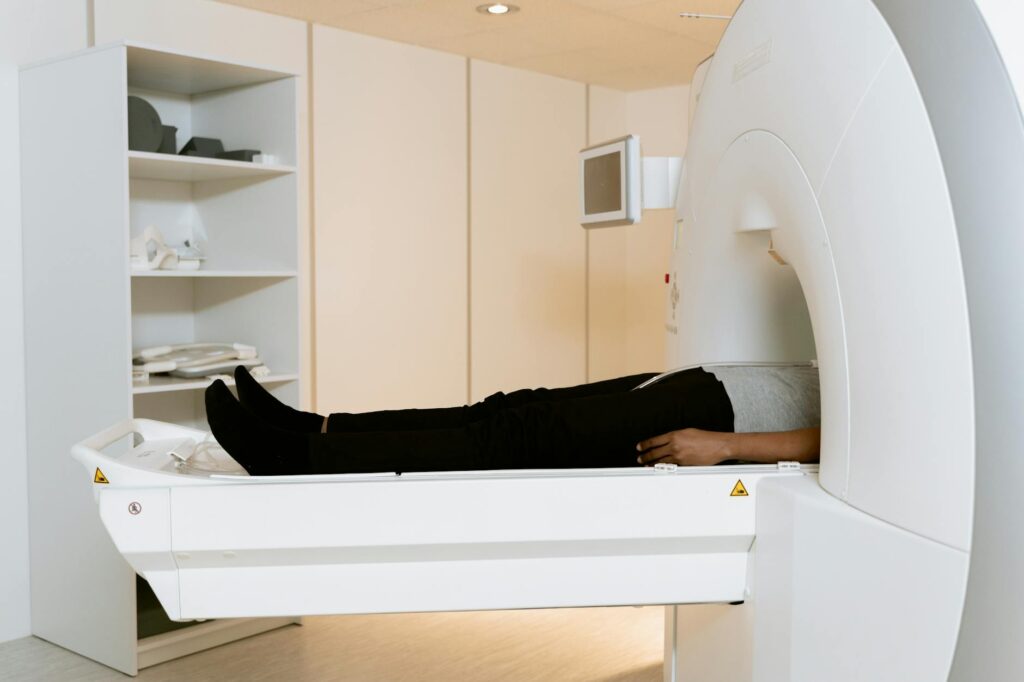
What is neurocognitive assessment?
Neurocognitive assessment is a powerful tool used to measure and understand the intricate workings of the human brain. This type of assessment plays a crucial role in evaluating cognitive functions, emotional regulation, and behavioral patterns. Whether you’re aiming for personal growth or improving productivity, understanding neurocognitive assessment can pave the way for significant advancements in your life.
Understanding Neurocognitive Assessment
At its core, neurocognitive assessment is a systematic method of evaluating various cognitive abilities and emotional responses. These assessments can reveal insights into how well the brain is functioning and identify areas that require improvement.
Definition and Purpose
Neurocognitive assessment refers to a range of tests and evaluations designed to measure cognitive functions such as memory, attention, language skills, and problem-solving abilities. The primary objectives include diagnosing potential cognitive impairments, guiding treatment plans, and enhancing personal development strategies. According to a research article on neurocognitive testing, these assessments can play a vital role in detecting early signs of cognitive decline or injury.
Key Components
Several key components make up a neurocognitive assessment. These include:
- Cognitive Functions: This refers to the mental processes that help in acquiring knowledge and understanding through thought, experience, and senses.
- Emotional Regulation: The ability to manage and respond to emotional experiences can be assessed.
- Behavioral Aspects: Observing behaviors during assessment tasks can highlight challenges in daily functioning or coping strategies.
By examining these components, professionals can create a comprehensive profile of an individual’s cognitive strengths and weaknesses.
Types of Neurocognitive Assessments
Neurocognitive assessments can take various forms, each tailored to specific needs.
Standardized Tests
Standardized tests are often the first step in neurocognitive assessment. These tests are structured to provide a consistent measure across different individuals. Examples include the Wechsler Adult Intelligence Scale (WAIS) and the Mini-Mental State Examination (MMSE). The Cleveland Clinic explains that these tests can assess memory, problem-solving skills, and other cognitive functions in a controlled environment.
Neuropsychological Evaluations
Neuropsychological evaluations take a more in-depth approach. These assessments are conducted by trained professionals and include a series of tests that measure a wide range of cognitive abilities. This type of assessment helps in diagnosing conditions like ADHD, learning disabilities, and dementia. The National Center for Biotechnology Information highlights the importance of these evaluations in providing comprehensive insights into an individual’s cognitive health.
Importance of Neurocognitive Assessment in Personal Development
Engaging in neurocognitive assessment can unlock a multitude of benefits for personal growth and productivity. Understanding where you stand cognitively can facilitate better decision-making and planning for the future.
Identifying Strengths and Weaknesses
One of the most significant advantages of neurocognitive assessment is the identification of cognitive strengths and weaknesses. This awareness allows you to focus on enhancing your strengths while also addressing any areas needing improvement. By recognizing your unique cognitive profile, you can tailor your study habits and work techniques to suit your individual needs.
Application in Work-Life Balance
Neurocognitive assessments can also play a role in achieving a healthier work-life balance. By understanding your cognitive processing speeds and emotional responses, you can better manage your time and energy. Awareness of your cognitive limits can help in setting realistic goals and expectations, ultimately leading to a more satisfying and productive life.

Photo by MART PRODUCTION
Conclusion and Future Directions
Neurocognitive assessment is an invaluable tool that can significantly enhance our understanding of cognitive functions and emotional well-being. It offers the potential for personal growth, improved productivity, and effective time management.
As research continues to advance, we can look forward to even more sophisticated methods of neurocognitive assessment. Future studies may explore the connections between neurocognitive health and other aspects of well-being, such as physical health and mental resilience. By embracing neurocognitive assessments, you can take proactive steps towards a more fulfilling and productive life.
Understanding and applying these assessments could be the key to unlocking your true potential. Whether you’re a student, a professional, or someone seeking personal development, the insights gained from neurocognitive assessments can truly make a difference.