
What is meditative breathing techniques?
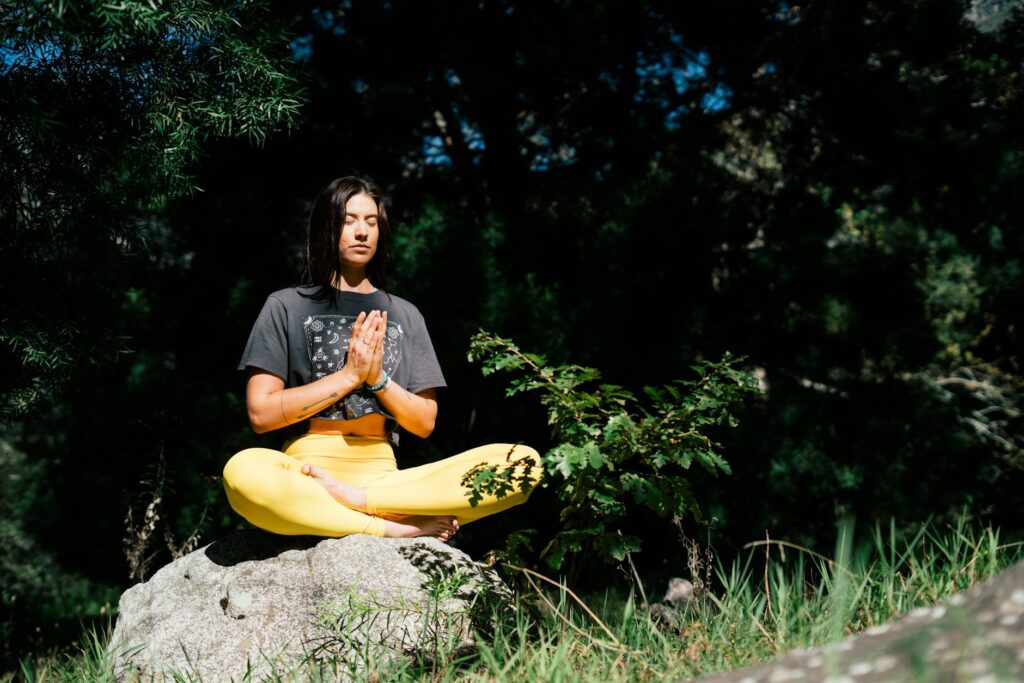
What is meditative breathing techniques?
Meditative breathing techniques serve as a bridge between mind and body, promoting relaxation and mental clarity. By focusing our breath, we can tap into a reservoir of calmness that positively impacts both our mental and physical health. Whether you’re looking to reduce stress, enhance concentration, or simply find peace amidst the chaos of daily life, these techniques can offer significant benefits.
Understanding Meditative Breathing
Meditative breathing can be defined as a series of breathing exercises designed to promote mindfulness and relaxation. Unlike shallow, hurried breaths associated with stress, meditative breathing encourages deep, intentional inhalation and exhalation. This method not only calms the mind but also enhances overall well-being. As you practice, you may feel your heart rate slow, your mind clear, and your stress levels decrease.
The Science Behind Breathing Techniques
The act of breathing deeply triggers a physiological response in the body. When you engage in meditative breathing, your body activates the parasympathetic nervous system, which signals a state of rest and relaxation. This leads to various physiological benefits, including:
- Lowered blood pressure: As you breathe deeply, your heart rate stabilizes, which can lower blood pressure.
- Reduced stress hormones: Deep breathing can reduce levels of cortisol, the hormone associated with stress.
- Enhanced focus: By calming the mind, meditative breathing can improve cognitive function.
Psychologically, these techniques can help reduce feelings of anxiety and depression, making them powerful tools for mental health management. For more in-depth information, check out Breathwork Meditation: Benefits, Exercises, and Tips.
Types of Meditative Breathing Techniques
There are several specific techniques you can explore, each offering unique advantages:
-
Diaphragmatic Breathing: This technique focuses on breathing deeply into the diaphragm rather than shallowly into the chest. It encourages full oxygen exchange and promotes relaxation. Learn more about this technique at Diaphragmatic Breathing Exercises & Benefits.
-
Box Breathing: In this method, you inhale for a count of four, hold your breath for four, exhale for four, and hold again for four. This structured breathing can ground you in the moment and is excellent for reducing anxiety.
-
4-7-8 Breathing: Inhale quietly through the nose for four seconds, hold the breath for seven seconds, and exhale completely through the mouth for eight seconds. This technique is particularly effective for promoting sleep and reducing stress levels. More details can be found in A Beginner’s Guide to Breath Work Practices.
How to Practice Meditative Breathing
Incorporating meditative breathing into your daily routine can be straightforward. Follow these steps to get started:
Creating a Comfortable Space
Your environment plays a significant role in your ability to practice meditative breathing effectively. Find a quiet space where you won’t be disturbed. You might consider using cushions, dim lighting, or relaxing scents like lavender to enhance the atmosphere. This space becomes your sanctuary, allowing you to focus solely on your breath.
Duration and Frequency of Practice
Aim to practice meditative breathing for at least 5-10 minutes daily. You can gradually increase this time as you become more comfortable with the techniques. The key is consistency; try to incorporate your practice into your morning routine or as a break during your workday to reap the most benefits.
Integrating Breathing Techniques into Daily Life
Meditative breathing isn’t limited to formal practice. Here are ways to integrate these techniques into your everyday life:
Breathing Techniques for Work Productivity
Feeling overwhelmed at work? Taking short breaks to practice breathing can significantly enhance your focus and reduce stress. Simply step away from your desk, close your eyes, and take five deep breaths. You’ll likely notice a boost in concentration and overall productivity.
Using Breathing Techniques for Relaxation
At the end of a long day, consider using meditative breathing to wind down. This technique can help you transition into a restful state, making it easier to fall asleep. Try the 4-7-8 breathing technique before bedtime for a calming effect.
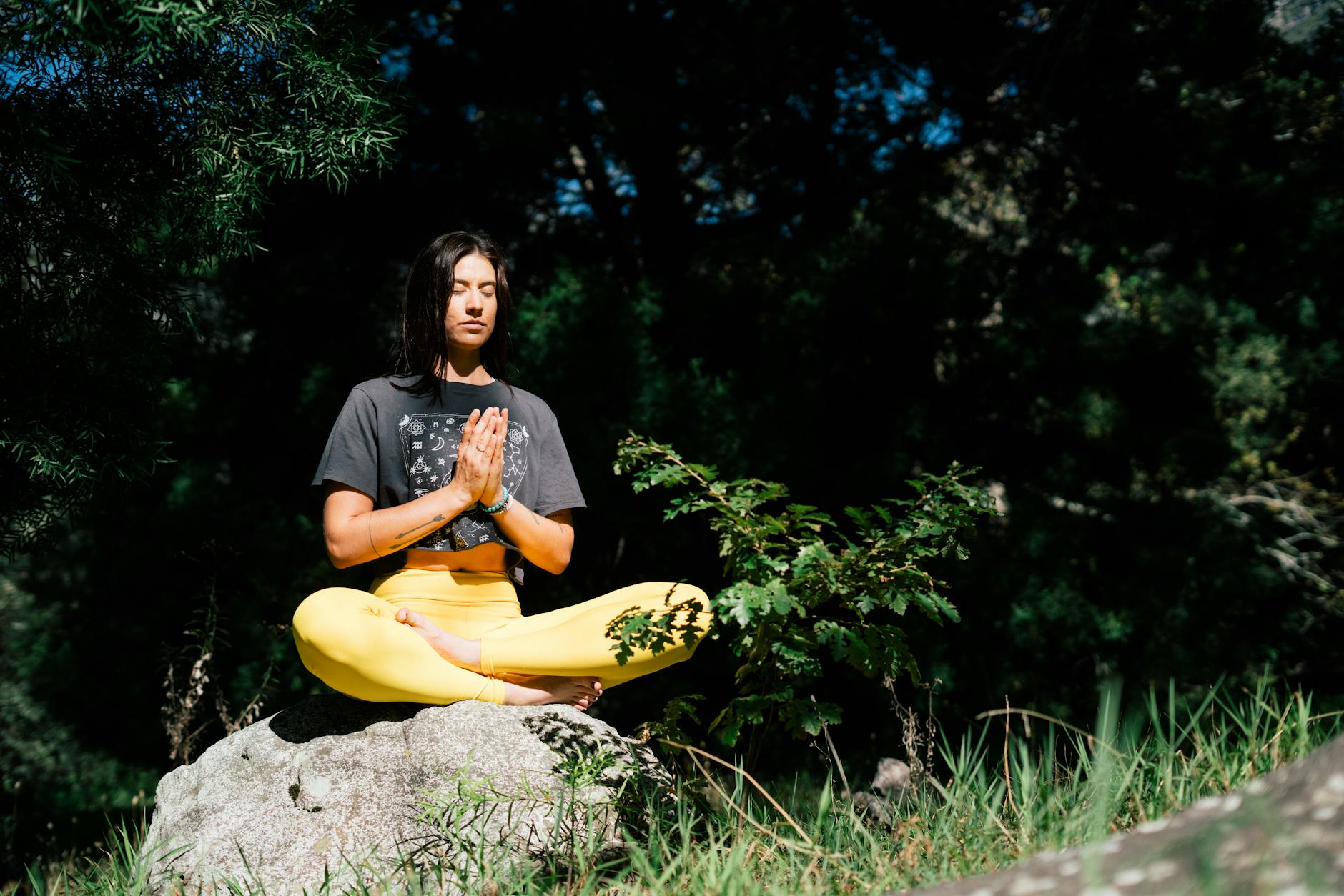
Photo by RF._.studio
Conclusion
Meditative breathing techniques offer a wealth of benefits for both your mental and physical health. From reducing stress and anxiety to improving focus and promoting relaxation, these techniques are invaluable tools on the journey to personal well-being. Start practicing today, and discover how simple breaths can transform your life. Embrace the calm, and let your breath be the anchor in the storm of daily challenges.