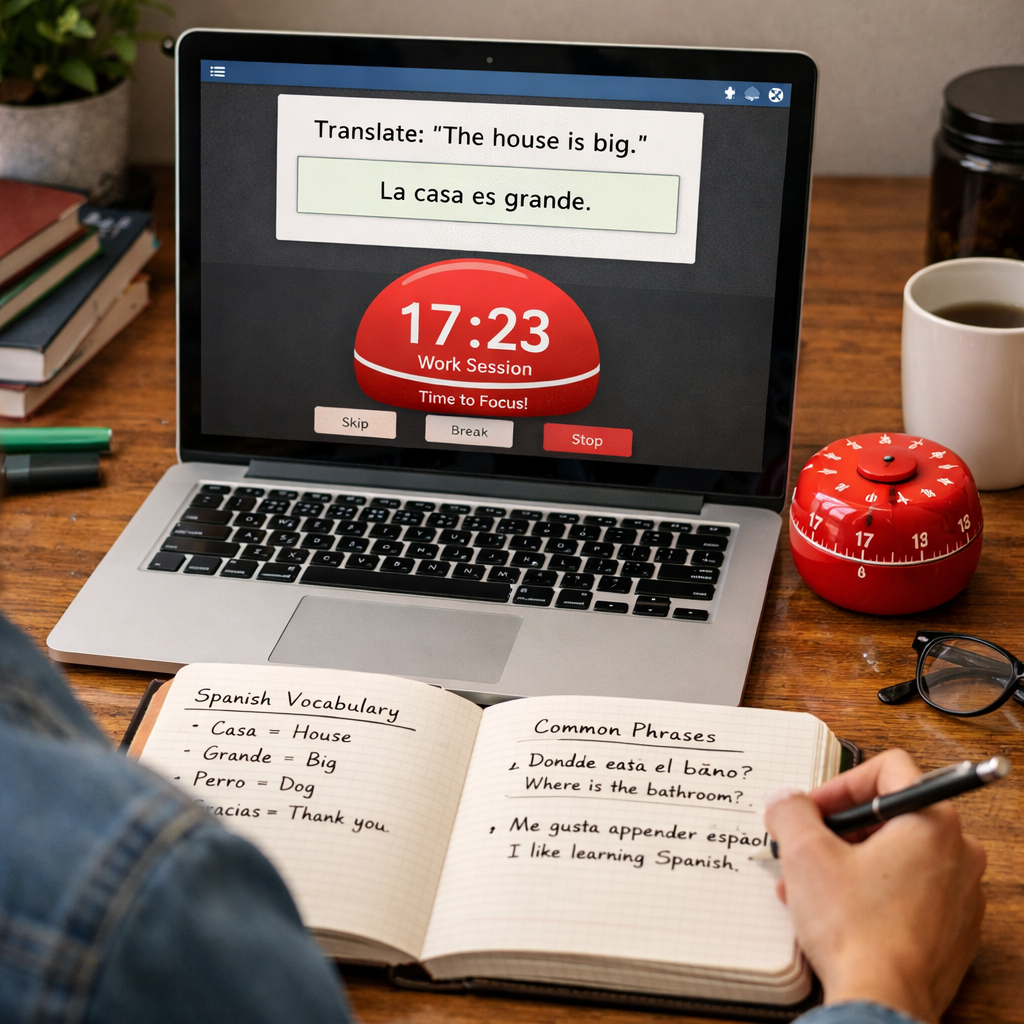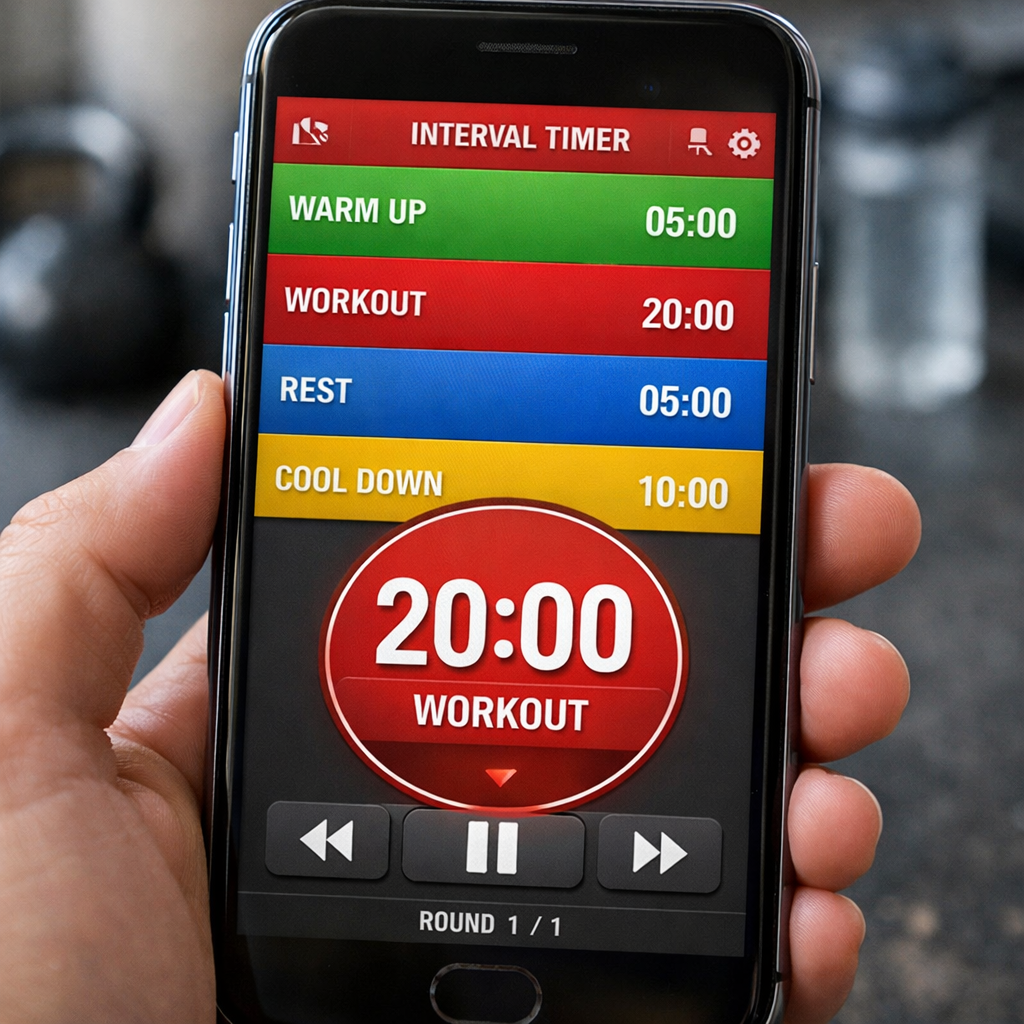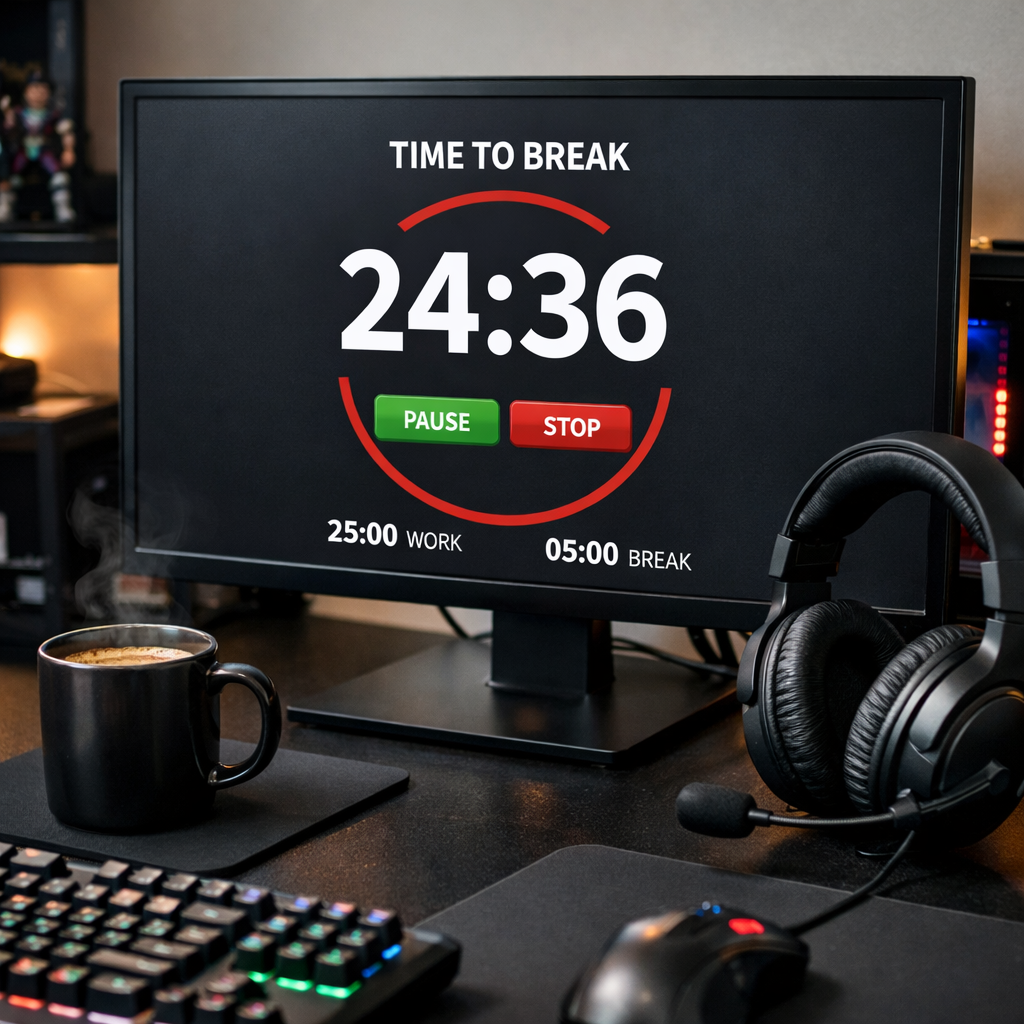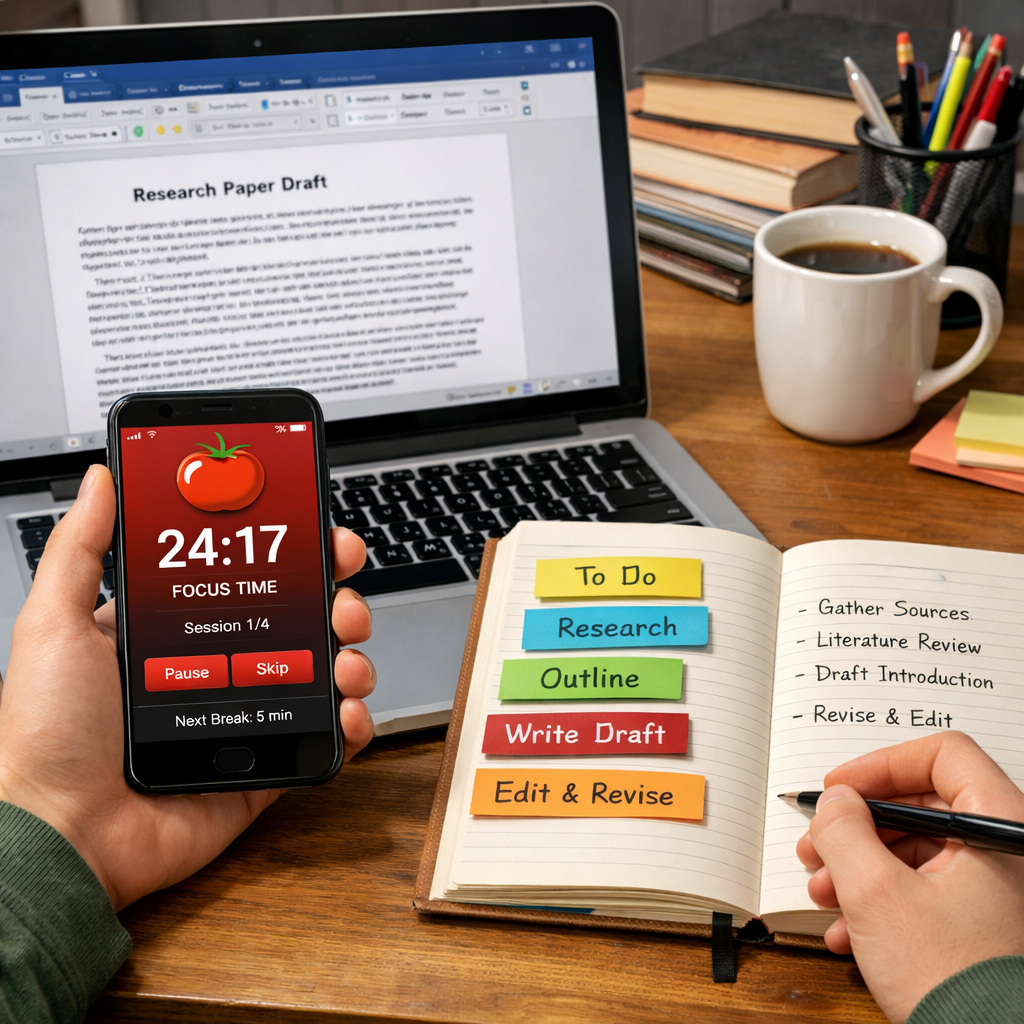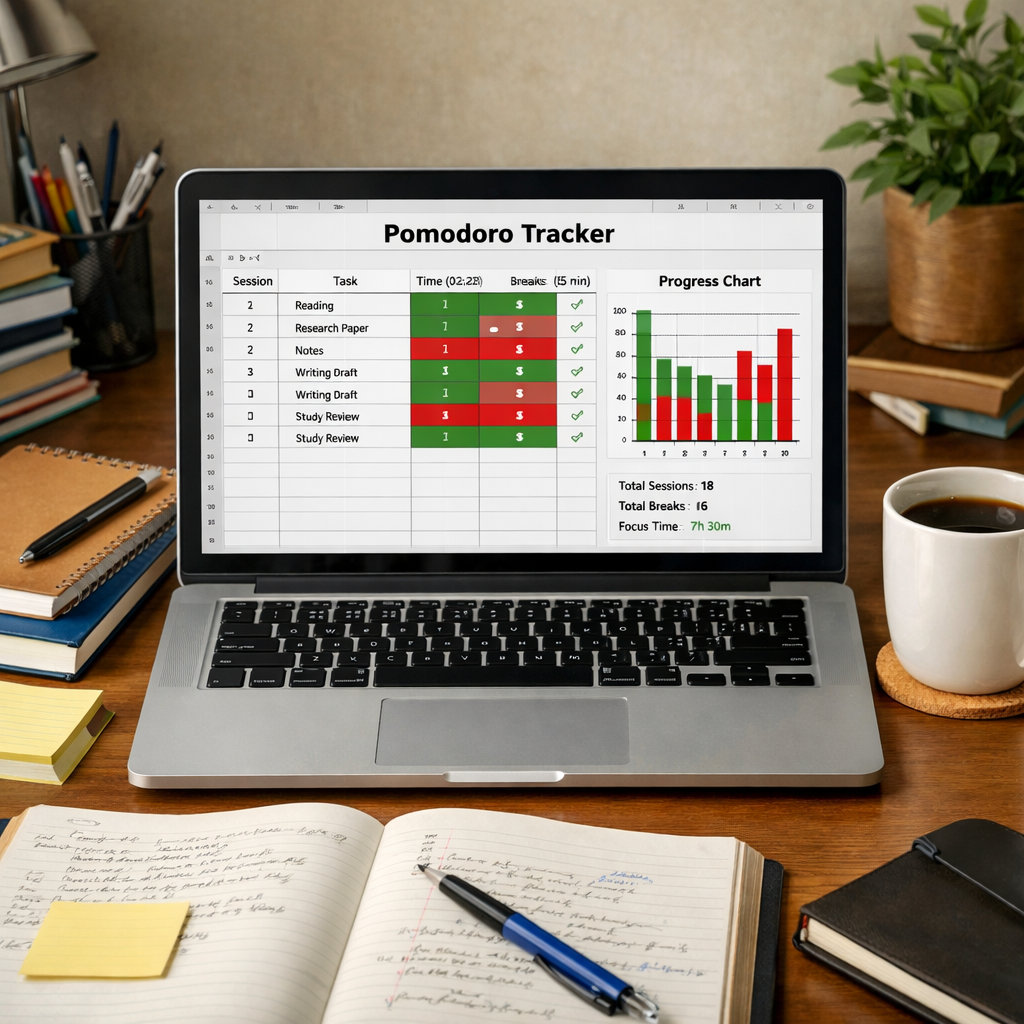

Ever find yourself staring at a screen, the words blurring together, and wondering why your mind keeps hopping from one thought to the next? It’s that frustrating moment when you know you have work to do, but your focus feels like a leaky faucet.
You’re not alone—students pulling all‑night study sessions, remote workers juggling Zoom calls, freelancers hopping between client briefs, and busy professionals trying to squeeze a workout into a packed day all report the same scatter‑brain feeling.
So, what can you actually do when the noise in your head drowns out the task at hand?
In our experience, the first step is to recognize that focus isn’t a magic switch—it’s a habit you can train, much like building stamina at the gym.
Imagine setting a simple 25‑minute timer, working solidly until it dings, then rewarding yourself with a short stretch or a favorite song. That rhythm creates a clear start‑stop cue, telling your brain it’s time to zero in, then relax.
Another tiny tweak is to clear the peripheral clutter before you begin. That means closing extra tabs, silencing non‑essential notifications, and even putting your phone on ‘Do Not Disturb’—the fewer the interruptions, the easier it is to stay in the zone.
Students often swear by a dedicated study playlist that’s low on lyrics but high on steady beats; remote workers find background ambient sounds—like coffee shop murmur—helpful; freelancers like a quick visual cue, such as a sticky note that reads ‘Focus now’.
All these tricks share a common thread: they reduce decision fatigue. When you don’t have to ask yourself ‘what should I do next?’, your brain can devote more energy to the task itself.
So, if you’ve been scrolling endlessly, feeling stuck, or just curious about a better way to keep your mind on track, stick around. We’ll walk through practical steps, from setting up a timer to choosing the right background sounds, that you can start using today.
Ready to reclaim those scattered minutes and turn them into focused progress? Let’s dive in and explore how to improve focus—one simple habit at a time.
TL;DR
If you’re tired of scattered minutes and endless scrolling, the simple habit of using short, timed work bursts can transform your concentration.
By pairing a 25‑minute Pomodoro timer with minimal distractions—like a focused playlist or a “Do Not Disturb” phone setting—you’ll learn how to improve focus and boost productivity instantly.
Step 1: Create a Distraction‑Free Environment
Ever notice how a buzzing phone or a pile of random papers can yank your attention away just when you’re about to hit that sweet spot of focus? It’s like trying to have a quiet conversation in a crowded café—impossible without a little planning.
Let’s face it: a cluttered desk or a flood of notifications is the biggest thief of concentration. The first thing we need to do is clear the stage so your brain can take center‑stage.
Step 1A: Tame the physical space
Start by giving your workspace a quick scan. Are there old coffee cups, stray chargers, or stacks of notes that never get used? If you can’t see the surface of your desk, you’ll keep searching for that mental “where did I put that thought?” feeling.
Take one drawer at a time and apply the “keep, donate, discard” rule. Keep only the items you truly need for today’s tasks, set aside the rest, and watch the stress melt away. A tidy desk isn’t just aesthetic—it actually frees up mental bandwidth.
For a deeper dive into decluttering, check out these office decluttering tips. They walk you through a simple, repeatable process that works for both physical and digital clutter.
Step 1B: Silence the digital noise
Next, turn your phone into a “do not disturb” zone for the next 25 minutes. Disable non‑essential app notifications, mute social media alerts, and consider moving your chat apps to a separate desktop space.
Close every browser tab that isn’t part of your current project. If you’re a student, keep only the class syllabus and research article you’re reading. Freelancers, close the client‑proposal drafts you’ll revisit later. This tiny act cuts decision fatigue in half.
And here’s a quick trick: move your Pomodoro timer to a separate browser window or a dedicated app, so it stays visible while the rest of your screen stays clean.
Step 1C: Set the ambience
Now that the clutter is under control, think about background sound. Some people thrive on total silence; others prefer low‑key instrumental music or ambient coffee‑shop chatter. The key is consistency—pick a soundtrack you associate with “work mode” and stick with it.
Below is a short video that walks you through setting up a distraction‑free zone in under five minutes. Give it a watch while you start clearing your desk.
Feeling the vibe? Great. Let’s lock in a habit.

Finally, create a quick “pre‑work checklist” that you run through before every Pomodoro session: clear desk, silence phone, launch timer, and press play on your focus playlist. It only takes a minute, but it tells your brain, “It’s go time.”
And remember, the environment you build isn’t a one‑off project. Spend a few minutes at the end of each day resetting the space—put away stray pens, archive finished files, and note any lingering distractions for tomorrow. Consistency beats perfection every time.
So, what’s the next move? Pick one corner of your room right now, remove anything that doesn’t belong, and set a timer. In the next 25 minutes you’ll see just how much smoother your focus can be when the world around you is quiet.
Step 2: Adopt a Structured Pomodoro Schedule
Now that your space is tidy, the next piece of the puzzle is turning that clean slate into a rhythm your brain can trust.
The Pomodoro schedule is simple: four 25‑minute work sprints, each followed by a 5‑minute micro‑break, then a longer 15‑minute reset after the fourth sprint.
Sounds almost too easy, right? But the magic is in the consistency – you’re giving your mind a clear cue for “focus mode” and an equally clear cue for “recharge mode.”
Map out your day in Pomodoro blocks
Start by looking at your to‑do list for the day. Pick the three biggest tasks you need to move forward – whether you’re a student cramming for an exam, a remote worker tackling client deliverables, a freelancer juggling multiple briefs, or a busy professional clearing inbox overload.
Assign each task a number of Pomodoros. For example, a research paper might need three Pomodoros, while answering emails could fit into one. Write those numbers next to the task on a sticky note or in a digital checklist.
Then, block out the actual clock time. If you start at 9 am, your first Pomodoro ends at 9:25, the break runs until 9:30, and so on. Seeing the schedule laid out on a wall or a planner makes the day feel less chaotic and more like a series of bite‑size wins.
Fine‑tune the intervals for your lifestyle
Not everyone feels sharp for a full 25 minutes. If you’re just getting started, try 20‑minute work bursts and 5‑minute breaks. If you’re a seasoned focus‑fan, stretch the work slot to 30 minutes and keep the break at 5.
The key is to keep the ratio roughly 5:1 – work time should be about five times longer than break time. That proportion keeps your brain from slipping into “just‑another‑meeting” mode.
And remember: the longer break after four cycles isn’t a luxury, it’s a reset button. Use it to stretch, grab a snack, or step outside for a quick breath of fresh air.
Build a Pomodoro checklist
Before you hit “start,” run through a quick pre‑work checklist: desk cleared, phone on Do Not Disturb, timer launched, and a focus playlist queued.
This ritual tells your brain, “We’re about to dive in,” and it reduces the mental friction of deciding what to do next.
For students, the checklist might also include opening the textbook to the right chapter. For freelancers, it could be pulling up the client brief. Tailor it to the audience you serve, and you’ll notice the start‑up lag shrink dramatically.
Track and adjust
After a week of using the schedule, glance at your numbers. Did you consistently hit all four sprints before the longer break? Did any break feel too short?
If you notice you’re constantly extending the 5‑minute pauses, bump them up to 7 minutes. If you finish tasks early, celebrate the extra time and maybe add a “bonus Pomodoro” for a side project.
Iterating on the schedule is part of how to improve focus – you’re teaching your brain the exact pattern that works for you.
Quick reference table
| Cycle | Work Interval | Break | Tip |
|---|---|---|---|
| 1‑3 | 25 min (or 20‑30 min) | 5 min micro‑break | Stand, stretch, sip water |
| 4 | 25 min (or 20‑30 min) | 15 min long break | Walk, snack, reset eyes |
| After each day | Review Pomodoros completed | Plan next day’s blocks | Adjust intervals based on fatigue |
By giving yourself a repeatable, structured schedule, you remove the guesswork that usually drags focus down the rabbit hole.
So, grab your timer, map out three tasks, and let the Pomodoro rhythm do the heavy lifting. You’ll find that “how to improve focus” becomes less of a mystery and more of a daily habit you can count on.
Step 3: Practice Mindfulness and Breathing Exercises
Ever notice how your mind starts wandering the moment you sit down for a study session or a client call? That’s the cue that it’s time to train your attention muscle, and mindfulness is the dumbbell that actually works.
Why mindfulness matters for focus
In a recent USC Leonard Davis School of Gerontology study, just 30 days of guided mindfulness meditation measurably sharpened how quickly participants could lock onto a task and ignore distractions. The researchers even tracked eye movements to prove the point – no self‑report bias.
What that means for you is simple: a regular, short mindfulness habit can rewire the brain areas that handle attention, giving you a steadier “focus lens” whether you’re cramming for an exam or polishing a client proposal.
Does that sound too good to be true? It isn’t. The same study found the boost was consistent across young adults, middle‑aged professionals, and seniors, so the technique works for students, remote workers, freelancers, and busy executives alike.
Getting started with a micro‑mindfulness break
Here’s a no‑fluff routine you can slip into any Pomodoro cycle. It takes less than a minute, but the payoff stretches across the whole work block.
- Step 1 – Pause the timer. When your 25‑minute sprint ends, instead of reaching for your phone, sit upright at your desk.
- Step 2 – Ground yourself. Place both feet flat on the floor, feel the weight of your hands on the keyboard or table.
- Step 3 – Breathe with intention. Inhale through your nose for a count of four, letting your belly expand. Exhale through your mouth for a count of six, lengthening the release. Repeat four times.
- Step 4 – Scan your senses. Quietly notice one sound, one scent, and one tactile sensation. No judgment, just observation.
- Step 5 – Return to work. Open your Pomodoro timer and launch the next sprint.
If you’re skeptical about the breathing part, the Global Classroom explains that a slow, diaphragmatic breath shifts the nervous system from “fight‑or‑flight” to a calmer state, which directly supports concentration.
Mindfulness tools that don’t distract
Because you already use a timer, adding a mindfulness app feels natural. Platforms like Focus Keeper let you tack a “mindful break” button onto the same interface, so you never have to hunt for a separate meditation widget.
Alternatively, a simple guided audio (even a free YouTube track) can cue the same rhythm. The key is consistency – do the five‑minute practice at the end of every Pomodoro, and you’ll notice fewer mental hiccups.
Tailoring the practice to your audience
Students: Do the breathing routine while your textbook is still open. It primes the brain right before you dive back into reading, reducing the urge to scroll.
Remote workers: Use the micro‑mindfulness pause during virtual meetings that run over. A quick breath reset signals to teammates that you’re present and focused.
Freelancers: Pair the pause with a quick glance at your task board. It’s a natural cue to switch contexts without losing momentum.
Busy professionals: Slot the practice into your coffee break. A mindful sip of tea followed by the breathing steps can turn a routine pause into a power‑up.
Tracking the impact
After two weeks, glance at your Pomodoro stats. Are you finishing more sprints without needing extra breaks? Do you feel less “foggy” after each session? Jot down a quick note in your work journal – the data will reinforce the habit.
Remember, the science shows that even short, daily mindfulness can improve attentional control. Treat it like any other productivity hack: schedule it, measure it, and iterate.
So, ready to give your focus a brain‑boosting breath? Try the five‑step micro‑mindfulness break after your next Pomodoro and feel the difference for yourself.
Give it a week and notice how quickly your mind steadies.
Step 4: Optimize Nutrition and Hydration
Now that you’ve got the Pomodoro rhythm down, let’s talk about the fuel that keeps your brain humming. If you’ve ever tried to run a marathon on empty stomach, you know how quickly the mind starts to wander. The same principle applies to focus‑heavy work sessions.
Pick brain‑boosting foods that actually work
Science tells us that certain nutrients act like premium gasoline for the cortex. Fatty fish such as salmon or sardines are packed with omega‑3s, especially DHA, which helps build and protect brain cells. Eggs bring choline to the table—a nutrient that supports memory and the communication highways between neurons. And don’t overlook blueberries; their flavonoid‑rich antioxidant punch improves blood flow to the brain, sharpening concentration.
Want a quick grocery‑store cheat sheet? Grab a handful of walnuts or almonds for healthy fats, toss some spinach or kale into your lunch, and keep a piece of dark chocolate (85 % cocoa or higher) on hand for that modest caffeine‑plus‑flavonoid boost. The Northwestern Medicine guide breaks down these eight superfoods and why they matter.
Turn nutrition into a habit, not a diet
It’s easy to say “eat more fish,” but the real challenge is weaving those choices into your workday without breaking your flow. Here’s a simple checklist you can slip into the same Pomodoro prep ritual we’ve been using:
- Before you start the first sprint, fill a reusable bowl with a protein‑rich snack – think boiled eggs or a Greek‑yogurt parfait.
- During your 5‑minute micro‑break, swap a candy bar for a handful of berries or a few walnut halves.
- Schedule a “brain‑fuel lunch” that pairs a leafy‑green salad with grilled salmon or tofu, drizzled with olive‑oil vinaigrette.
Notice how each step aligns with the timer you already trust. When the break timer dings, you already know what to reach for, so you stay in the zone instead of scrolling for snack ideas.
Hydration: the silent focus killer
Even a 1‑2 % dip in body water can fog your mental clarity. You might think a sip of coffee solves it, but caffeine is only a temporary mask; the brain still needs water to shuttle nutrients and clear waste. That’s why “smart hydration” matters more than just chugging a bottle whenever you feel thirsty.
One easy trick is to set a small water‑reminder that coincides with the end of each Pomodoro. When the timer dings, pause, take a quick sip, then jump back in. Over an eight‑hour day that adds up to eight intentional hydration moments – enough to keep your cortex happy without breaking concentration.
For a deeper dive on why staying hydrated boosts attention, check out WaterH’s smart hydration guide. It even suggests using a Bluetooth‑enabled bottle that flashes when it’s time to drink, turning hydration into another cue in your focus system.
Combine food and water into a mini‑routine
Try this 3‑minute “focus refuel” after every two Pomodoros:
- Take a 30‑second breath reset (the micro‑mindfulness we covered earlier).
- Grab a bite of a brain‑boosting snack – a few almonds, a slice of avocado, or a blueberry handful.
- Drink a 200 ml glass of water, or if you’re in a chilly office, a warm herbal tea (no added sugar).
The pattern creates a predictable loop: mental reset → nutrient boost → hydration → back to work. Over a week you’ll start noticing less “brain fog” and more steady stamina during those longer sprints.
Tailor it to your audience
Students: Pack a portable snack bag with a boiled egg, a small container of berries, and a water bottle that fits in a backpack. When you flip a page, you also flip a snack.
Remote workers: Keep a mini‑fridge at your home office stocked with pre‑portion‑ed salmon or tofu cubes. Pair it with a smart water bottle that syncs to your calendar.
Freelancers: Use your project‑management tool to add a “refuel” sub‑task after each milestone. It’s a visual reminder that nourishment is part of the workflow.
Busy professionals: Schedule a 5‑minute “nutrition break” right after your lunch meeting. A quick walnut handful and a glass of water can turn a post‑lunch slump into a power‑up.
Bottom line: optimizing what you put on your plate and how much you sip isn’t a separate wellness project – it’s an extension of the Pomodoro system you already trust. By aligning food and hydration with your timer, you give your brain the steady supply it needs to stay razor‑sharp.
Give these tweaks a try for a week, track how many Pomodoros you complete without a mental “crash,” and you’ll see why nutrition and hydration are the hidden levers behind how to improve focus.
Step 5: Leverage Focus‑Enhancing Tools and Apps
Alright, you’ve got the timer and the snack routine down – now it’s time to bring in some digital muscle. Ever feel like your browser is a magnet for cat videos the moment you sit down? That’s where focus‑enhancing tools step in.
So, how do you pick a tool that actually helps instead of just adding another tab to manage?
Pick a blocker that matches your discipline style
There’s a spectrum. On one end you have “soft” friction tools that pause a site and ask you to think before you click. On the other end you have “nuclear” options that lock you out completely. The Zapier roundup lists a few solid choices – Freedom, Cold Turkey, LeechBlock and others – each with its own vibe.
If you’re the type who can resist a pop‑up after a few seconds, a light‑touch app like one sec or PawBlock might be enough. If you’ve tried “just one more tweet” and ended up scrolling for an hour, go nuclear with SelfControl (Mac only) or the “Frozen Turkey” mode in Cold Turkey.
And remember: the best tool is the one you actually keep turned on.
Pair the blocker with your Pomodoro timer
Here’s a quick workflow that turns a simple timer into a focus fortress:
- Start your 25‑minute Pomodoro in Focus Keeper.
- Immediately hit the “activate blocklist” button in your chosen blocker.
- Work uninterrupted until the timer dings.
- The blocker automatically lifts, giving you permission to check messages during the 5‑minute break.
- Repeat.
This dance ensures the blocker never feels like a punishment; it’s just another cue in your focus rhythm.
Tailor the setup to your audience
Students: Install a free browser extension like LeechBlock, set a schedule that blocks social feeds from 8 am‑12 pm, and let the timer handle the rest. A quick glance at the blocked‑sites list before each study session reminds you, “I’m in the zone.”
Remote workers: Use Freedom’s cross‑device blocking so you can’t sneak a quick Instagram scroll on your phone while you’re on a Zoom call. Sync the block schedule with your Outlook calendar so the tool knows when “focus time” starts.
Freelancers: Combine the “Session” app’s Pomodoro timer with its built‑in blocker. You can tell it to mute Slack during deep work, then automatically re‑enable it for the break – no manual toggling required.
Busy professionals: Set a “hard block” for non‑work apps after 5 pm so you can truly unwind. Pair that with a short “wind‑down” Pomodoro where you review the day’s wins.
Make the tools part of a mini‑ritual
Before you hit start, run through this three‑step checklist:
- Open Focus Keeper and launch a Pomodoro.
- Flip the switch on your blocker (or confirm the schedule is active).
- Take a 10‑second breath, glance at your “focus playlist,” then dive in.
Doing the same three actions every time trains your brain to associate the ritual with laser‑sharp concentration.
And if you ever forget, the blocker will flash a reminder – a tiny nudge that says, “Hey, you’re about to work. Let’s lock out the noise.”

Give it a shot for a week. Track how many Pomodoros you complete without a stray tab opening. If the numbers climb, you’ve just added a powerful lever to your “how to improve focus” toolbox.
Bottom line: the right app + the right timer = a self‑enforcing habit loop that keeps distractions at bay without draining your willpower.
Conclusion
We’ve walked through a handful of habits—decluttering, timed sprints, micro‑mindfulness, nutrition, and the right apps. The common thread? Each step gives your brain a clear cue, so it stops guessing and starts delivering.
Imagine a student who now blocks social media, sets a 20‑minute timer, and grabs a handful of walnuts during the break. After a week she reports finishing three chapters instead of one, and she actually looks forward to the short pauses.
Think about a remote worker who pairs a 25‑minute Focus Keeper session with a simple breathing reset and a sip of water. By Friday, his task list is 30 % shorter, and he feels less foggy during video calls.
Freelancers often tell us they struggle with “switch‑cost” when hopping between clients. The three‑step ritual—launch timer, flip the blocker, take a ten‑second breath—creates a mental “doorway” that tells the brain, “we’re in work mode now.” That tiny habit can shave minutes off every transition.
Busy professionals can lock non‑work apps after 5 pm, then run a short wind‑down Pomodoro to review wins. The habit loop reinforces a clean break between work and personal time, which research shows protects long‑term focus.
Ready to cement these habits? Pick one of the tricks we covered, test it for seven days, and log the number of Pomodoros you complete without a stray tab. When the numbers rise, you’ve built a self‑reinforcing system.
Need a quick refresher on how to set up the timer correctly? Check out our guide How to Use a 25 Minute Timer to Maximize Focus and Productivity. And if you’re redecorating your workspace, you might enjoy discover the charm of deer tree art print for a touch of calm inspiration.
FAQ
What is the best way to start using the Pomodoro technique to improve focus?
Begin with a single 25‑minute timer, pick a concrete task, and tell yourself you’ll work until the timer dings. Close unrelated tabs, put your phone on Do‑Not‑Disturb, and launch the timer. When the bell rings, take a 5‑minute break—stretch, sip water, or do a quick breath reset. Repeat the cycle three more times, then enjoy a longer 15‑minute reset. The rhythm trains your brain to associate the start‑stop cue with deep work.
How can I keep distractions from sneaking back in during a Pomodoro session?
Use a lightweight blocker or the native “focus mode” in your operating system to mute social apps for the duration of the sprint. Keep a sticky note that reads “Focus now” on your monitor as a visual cue. If a thought pops up, jot it on a notepad and promise yourself you’ll address it during the next break. This tiny habit prevents the mental back‑and‑forth that erodes concentration.
Why does a short breathing exercise boost my ability to stay on task?
A brief diaphragmatic breath signals the nervous system to shift from fight‑or‑flight to a calm, parasympathetic state. In practice, inhale for four counts, hold for two, then exhale for six. Doing this at the end of a Pomodoro clears residual tension, lowers cortisol, and sharpens attention for the next sprint. You’ll notice fewer mind‑wandering moments and a steadier “focus lens” across the day.
Can nutrition really affect my focus, or is it just hype?
It’s more than hype. Blood‑glucose spikes from sugary snacks cause quick crashes that fog the mind. Instead, reach for protein‑rich snacks—like a boiled egg or a handful of almonds—and pair them with a glass of water. The steady fuel keeps glucose levels stable, while hydration supports neurotransmitter function. Over a week, you’ll likely see longer, uninterrupted Pomodoros and less reliance on caffeine spikes.
How do I adapt the Pomodoro intervals if 25 minutes feels too long or too short?
Experiment with 20‑minute work blocks if you’re new to sustained focus, or stretch to 30 minutes if you’ve built stamina. Keep the break‑to‑work ratio around 5:1—so a 20‑minute sprint pairs with a 4‑minute pause, and a 30‑minute sprint with a 6‑minute pause. Adjust after a few days; the goal is a rhythm that feels natural, not forced.
What’s the simplest way to track my progress without getting overwhelmed?
Grab a small notebook or a digital checklist and write down the number of Pomodoros you complete each day. Add a quick note about how you felt—“sharp,” “foggy,” or “distracted.” After a week, glance back to see patterns. If you notice a dip on certain tasks, tweak the environment or nutrition routine for those slots. Simple tracking creates accountability without adding extra tech.
Are focus‑enhancing apps worth the extra hassle?
They’re useful when the temptation to browse is strong. A lightweight blocker that activates with one click, synced to your timer, removes the decision‑making step. If you find yourself constantly reaching for social media, a “hard block” for the sprint can save minutes that add up. The key is to choose a tool you’ll actually keep on, not one you uninstall after a week.