
Most writers hit a wall when the clock ticks but the words won’t flow.
A pomodoro timer for writers cuts that wall down to size. You work in short, focused bursts, then give your brain a tiny break. The rhythm trains your mind to start typing as soon as the timer rings.
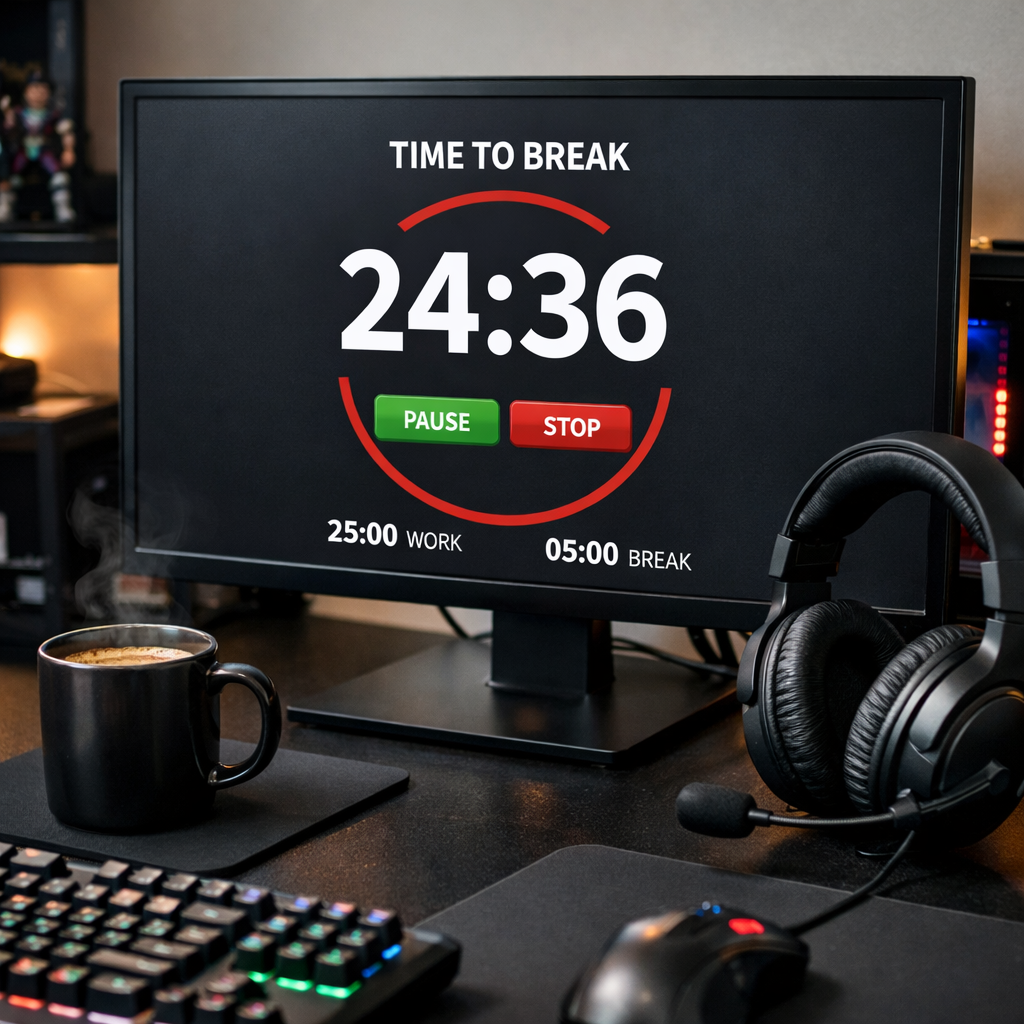
Here’s a quick way to start: pick a 25‑minute slot, set the timer, and write anything that comes to mind. When the alarm sounds, stop, stretch, and jot a one‑sentence note about what you just wrote. Do this four times, then take a longer break. That pattern keeps fatigue low and momentum high.
Students can use it to draft essays, remote workers to outline reports, freelancers to juggle client briefs, and busy pros to polish emails. If you need a ready‑made schedule, check out the One-Week Pomodoro Plan for Writers that walks you through a full week of timed writing sessions.
While the timer sharpens focus, a language‑learning buddy can help you choose the right words. The ChickyTutor language tutor lets you practice vocab during those short breaks, turning downtime into a quick study sprint.
Stick to this loop for a few days and you’ll see fewer distractions, more words, and a clearer path to finishing that draft.
Step 1: Define Your Writing Goals and Pomodoro Length
First thing you need is a clear goal. Without it, the timer is just noise.
Ask yourself what you want to finish in a session. Is it a paragraph, a scene, or a research note?
Write that goal down. Seeing it on paper makes it real and keeps you honest.
Next, pick a Pomodoro length that matches the task. The classic 25 minutes works for most, but you can shrink it to 15 if you’re a student juggling short bursts, or stretch to 35 for deep editing work.
A quick test helps: start a timer for the length you chose, write until the bell, then note how many words you got. If you felt rushed, drop the time by five minutes. If you were still in flow, add five.
Tip: pair each Pomodoro with a tiny break that does something useful. A quick stretch, a glass of water, or a flash of vocab on ChickyTutor keeps the brain fresh.
For freelancers who juggle many clients, break the day into blocks for each project. Use a simple spreadsheet or a tool like Velio to flag which Pomodoro belongs to which brief.
If you negotiate rates or contracts, Edge Negotiation suggests setting a goal to draft one clause per Pomodoro. That way you move forward without getting stuck.
When your goals and timer match, the timer becomes a cue, not a chore. Stick to the rhythm for a week and watch your output rise.
Step 2: Choose a Pomodoro App or Physical Timer
Choosing the right timer can make or break your writing flow.
If you love the feel of a ticking kitchen timer, go physical. If you prefer a phone or laptop that can log each session, pick an app.
Ask yourself: what device do you use most while you write? A student who studies on a laptop will benefit from a web‑based timer that never asks for an install.
Key factors to weigh include: platform compatibility, ability to silence alerts, cost, and whether the tool tracks how many Pomodoros you finish.
For a no‑cost web option, check out a simple web Pomodoro timer that lets you set work and break lengths in seconds (best Pomodoro apps roundup). It runs in any browser, so you can start a session on a school computer or at the library without signing up.
If you want a desktop app that can block distracting sites, the same roundup highlights a Chrome extension that does exactly that (Chrome Pomodoro extension). It even shows a tiny counter in the toolbar so you don’t have to switch windows.
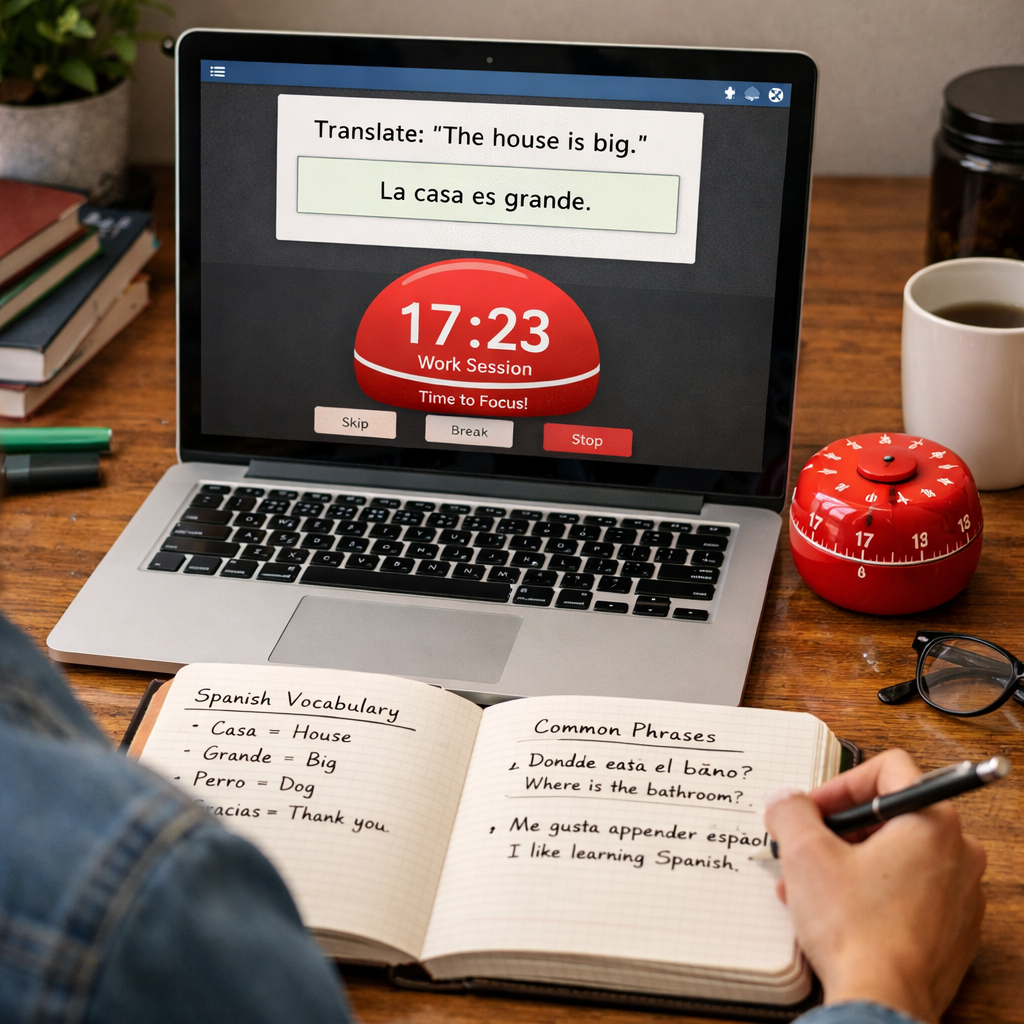
When you opt for a physical timer, look for one with a clear dial and a loud but pleasant ring. Set it for 25 minutes, write until it buzzes, then flip it for a five‑minute break. The tactile click can signal a mental shift that a phone notification can’t.
Try this quick test: pick a tool, run one Pomodoro, note how often you get pulled away, then switch to another option. The one that lets you stay in the zone wins.

Step 3: Compare Popular Pomodoro Tools for Writers
Picking the right timer is like choosing a pen – you want one that feels natural and helps you write, not distracts you.
Our pick goes first: Focus Keeper. It’s built around the Pomodoro method, works in any browser, and lets you log each session without ads. Students, freelancers, and busy pros love how the simple dashboard shows daily totals at a glance.
Next up are a few solid alternatives that many writers try before settling on a favorite.
Tool snapshot
| Tool | Platform | Key note |
|---|---|---|
| Focus Keeper | Web & mobile | Clean UI, session log, no extra fluff |
| Forest | iOS, Android, Chrome | Gamified tree‑growing keeps you from quitting early |
| TomatoTimer | Web only | Zero‑install, free, great for quick bursts |
Why does a timer matter? A short study noted that breaking work into 25‑minute chunks cuts fatigue and lifts motivation, especially for writers who chase flow (PCMag on flow and Pomodoro).
If you’re not sure which fits you, try the “test‑and‑switch” method: run one Pomodoro with Focus Keeper, note how often you get pulled away, then repeat with Forest or TomatoTimer. The one that keeps you in the zone wins.
For a deeper dive into each option, check out this roundup of Pomodoro timers for writers. It lists features, pricing, and pros‑and‑cons so you can match a tool to your workflow.
Step 4: Implement the Pomodoro Cycle with Writing Milestones
Now the timer does more than just count minutes—it becomes a marker for what you finish.
Choose a tiny milestone
Before you hit start, write a one-sentence target. It could be “draft the opening hook,” “outline two subheadings,” or “proofread 200 words.” Keep it small enough to fit inside a 25-minute slot.
Why does this help? A short study notes that breaking work into bite-size chunks lifts creativity and cuts fatigue research shows that the Pomodoro Technique can boost creativity. When you see progress, your brain stays pumped.
Log the result, then reset
When the alarm rings, stop writing. Take the five-minute break, then jot a quick note: what you got done and what’s left. A simple line like “wrote intro hook” is enough. This log turns each pomodoro into a mini-checklist.
- Write the milestone.
- Start the pomodoro timer.
- Work until the bell.
- Take a break, record the win.
- Adjust the next milestone if needed.
Students can use this to finish a paragraph before a class; remote workers can finish a bullet point for a report; freelancers can lock in a client brief section; busy pros can polish an email draft.
Need a quick way to set up the list? One writer swears by a plain note‑app and a practical guide for writers that walks you through the steps.
Stick to the cycle for a few days and you’ll watch the word count climb, the stress drop, and the sense of “getting stuck” fade away.
Step 5: Track Progress and Adjust Intervals
Now that you’ve set tiny milestones, you need to see how you’re really moving forward. A quick glance at what you finished tells you if the 25‑minute slot is right for the task.
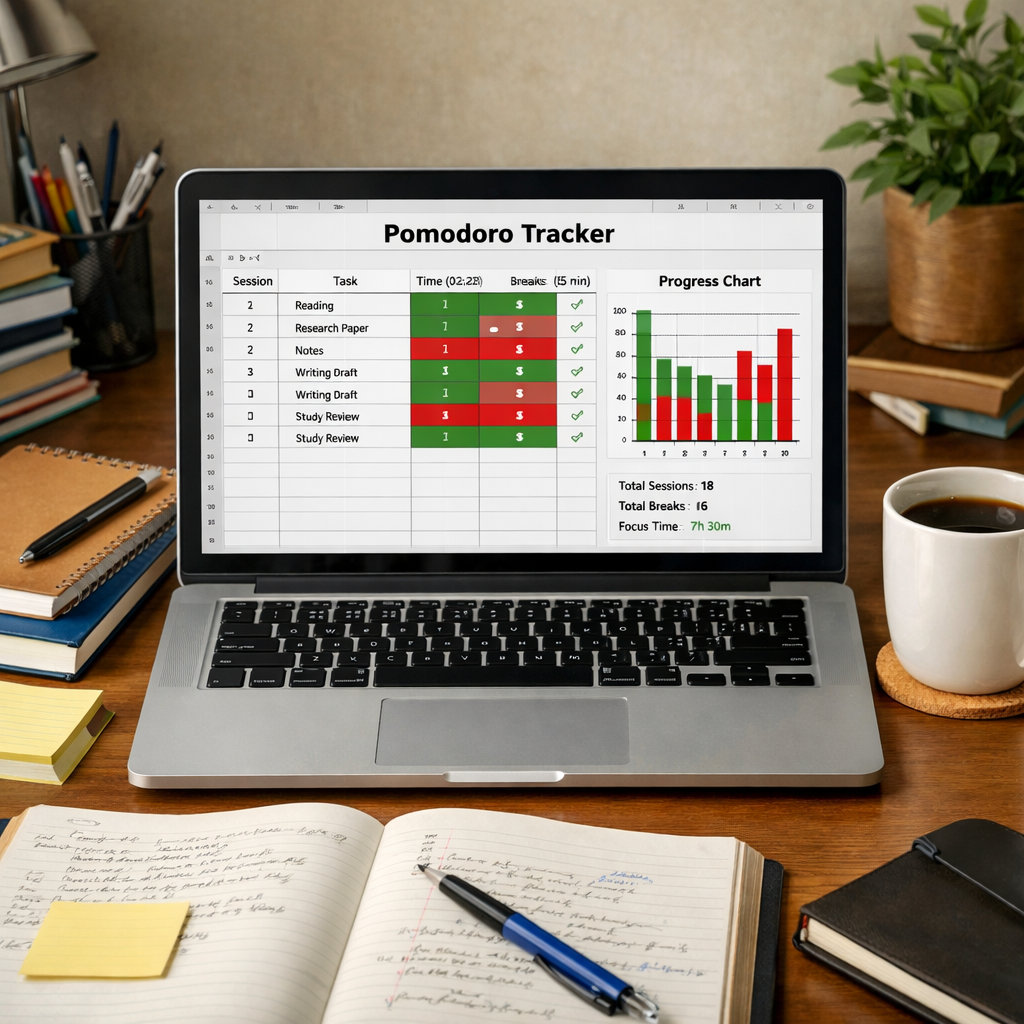
Grab a notebook or open a simple note app right after each pomodoro. Write down the milestone you hit, how many minutes it took, and how you felt. Did you breeze through or grind to the end? That data is the compass for the next round.
Simple tracking checklist
- Note the task name.
- Mark the pomodoro count you used.
- Score focus on a 1‑5 scale.
- Jot one tweak you’ll try next time.
For a student, a record might read: “Outline intro, 1 pomodoro, focus 4, try a 20‑minute block tomorrow.” If the focus score drops, shortening the interval can keep the mind fresh.
A remote worker could log: “Write project update email, 2 pomodoros, focus 2, add a 3‑minute stretch break.” Seeing a low focus rating signals that the break length might need a bump.

Tip: If you notice a pattern where you often need extra time, add a 5‑minute buffer to the next pomodoro or split the task into two smaller ones. If you finish early, use the spare minutes for a quick proofread or idea sketch.
Finally, review your log at the end of the day. Spot the intervals that felt just right and lock those into your routine. Adjusting on the fly keeps the pomodoro timer for writers a living tool, not a rigid rule.
Conclusion
You’ve seen how a pomodoro timer for writers can turn a scattered day into a steady stream of words.
Pick a clear goal, set a 25‑minute slot, work until the bell, then give yourself a short break. Log what you got done and tweak the length if you feel rushed or bored.
Students can lock in essay sections, remote workers can finish update emails, freelancers can nail client briefs, and busy pros can polish reports without the endless scroll.
If you need a simple web tool that tracks each session, Focus Keeper offers a clean dashboard and a quiet alarm that keeps distraction low.
Try one cycle tomorrow. Notice the rhythm, adjust the timer, and watch your focus grow. The habit stays with you long after the timer stops.
Remember, the goal isn’t perfection; it’s steady progress. A few minutes each day add up to chapters, reports, or even a finished book.
FAQ
How do I set up a pomodoro timer for writers?
Start by picking a tool that lets you set work and break periods. Open the app or turn on a kitchen timer, set it for 25 minutes, and write until it rings. When the alarm sounds, stop, stretch, and note what you finished. Then set a five-minute break and repeat. The key is to treat each block as a single sprint. You can adjust the time later if it feels too short or too long.
What length works best for writing tasks?
The classic 25-minute slot works for most writers because it matches a natural focus span. If you find yourself rushing, drop to 20 minutes; if you get into a flow state, try 30 or even 45 minutes. Test a few lengths on a small piece of writing, note how fresh you feel after each break, and pick the one that lets you finish the task without fatigue.
How can I avoid distractions while the timer runs?
Before you start, close extra tabs, mute chat apps, and put your phone on silent. Some timers let you block sites while the session runs; that can help keep you in the zone. Keep a notepad nearby for any stray thoughts that pop up, and write them down quickly so they don’t pull you away. When the break ends, you can come back and deal with those notes.
Should I track my progress and how?
Write a quick line after each pomodoro that says what you got done and how long it took. You can use a simple notebook or a note app with a table: task, pomodoros used, focus score, tweak for next time. Over a week the list will show which tasks need longer blocks and which break length keeps you sharp. Adjust the schedule based on that data.
Can I use a pomodoro timer for editing manuscripts?
Editing needs a different rhythm than drafting. Set a 20-minute timer to scan a page for big issues, then take a short break to rest your eyes. After a few rounds, switch to a 15-minute slot for line-by-line polish. The short bursts stop you from getting lost in endless tweaks and let you see real progress after each alarm. You can note each type of fix in your log so you know what still needs attention later.
How often should I take breaks during writing?
After every writing sprint, take a five-minute break. Use that time to stand, stretch, or look away from the screen. If you feel your mind still racing, add a quick walk or a glass of water. After four pomodoros, give yourself a longer break of 15-20 minutes to recharge fully before you start the next cycle. These short pauses keep your brain fresh and prevent the fatigue that slows down long writing sessions.