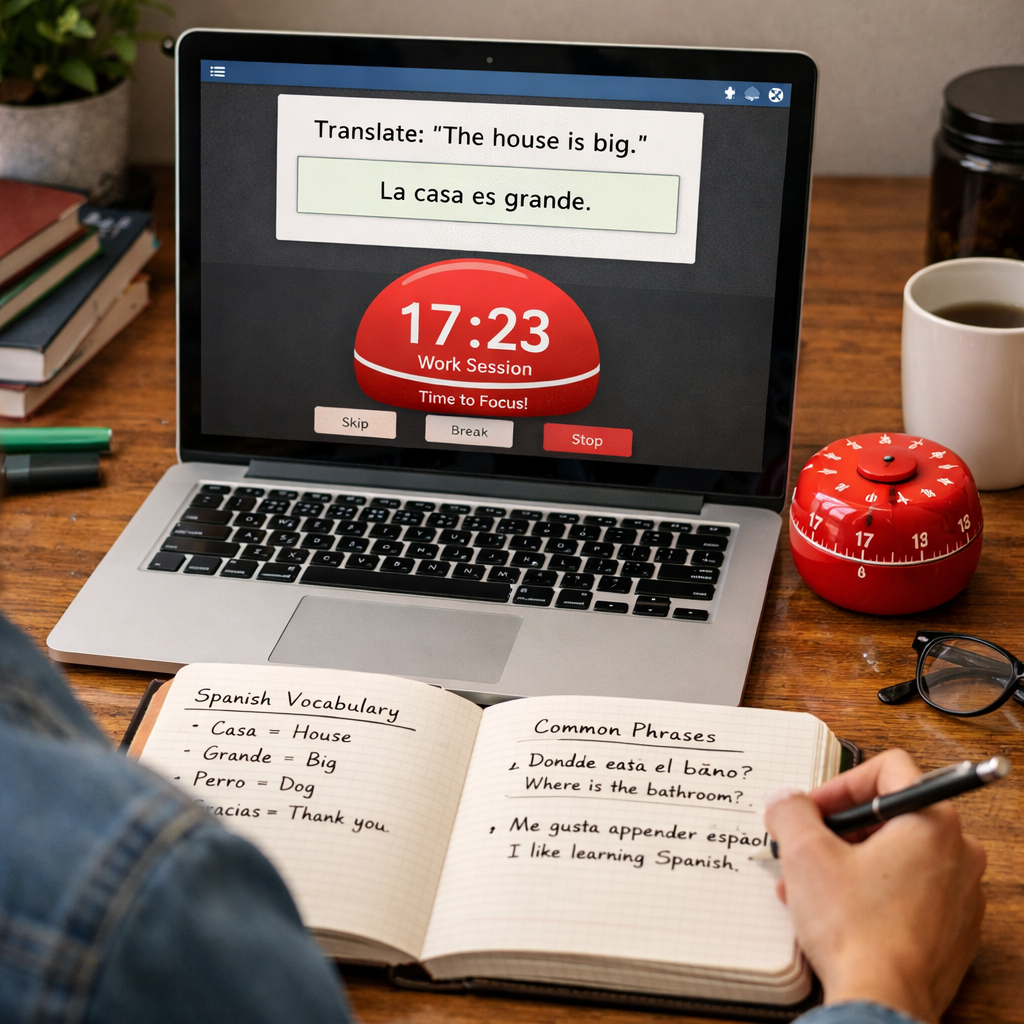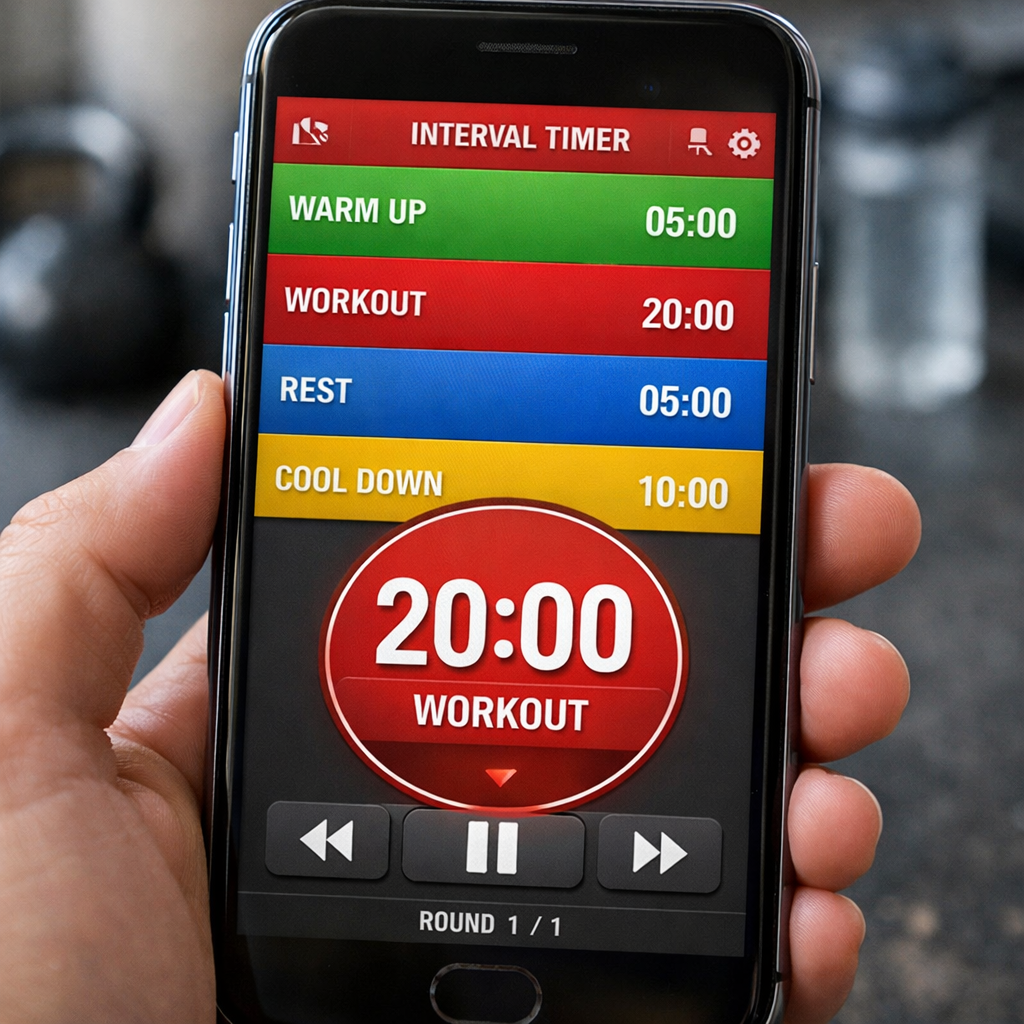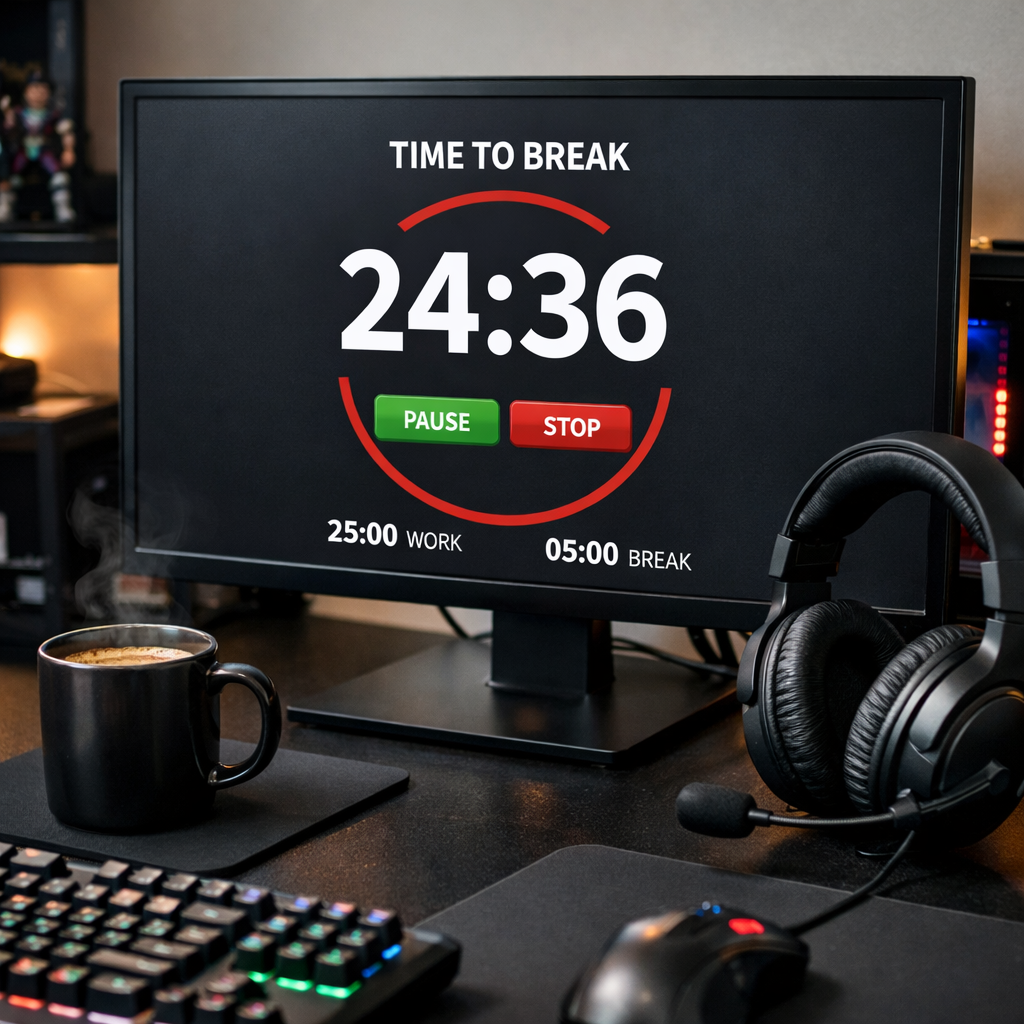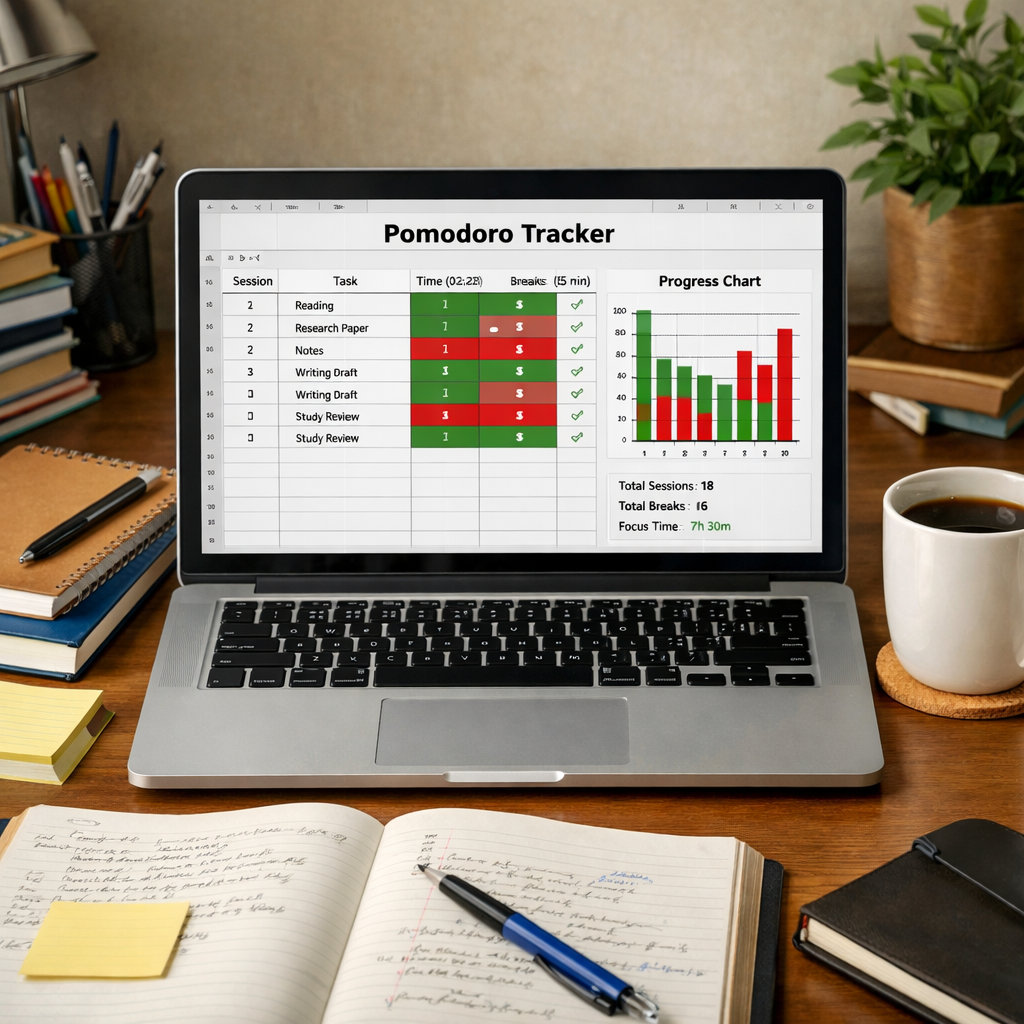
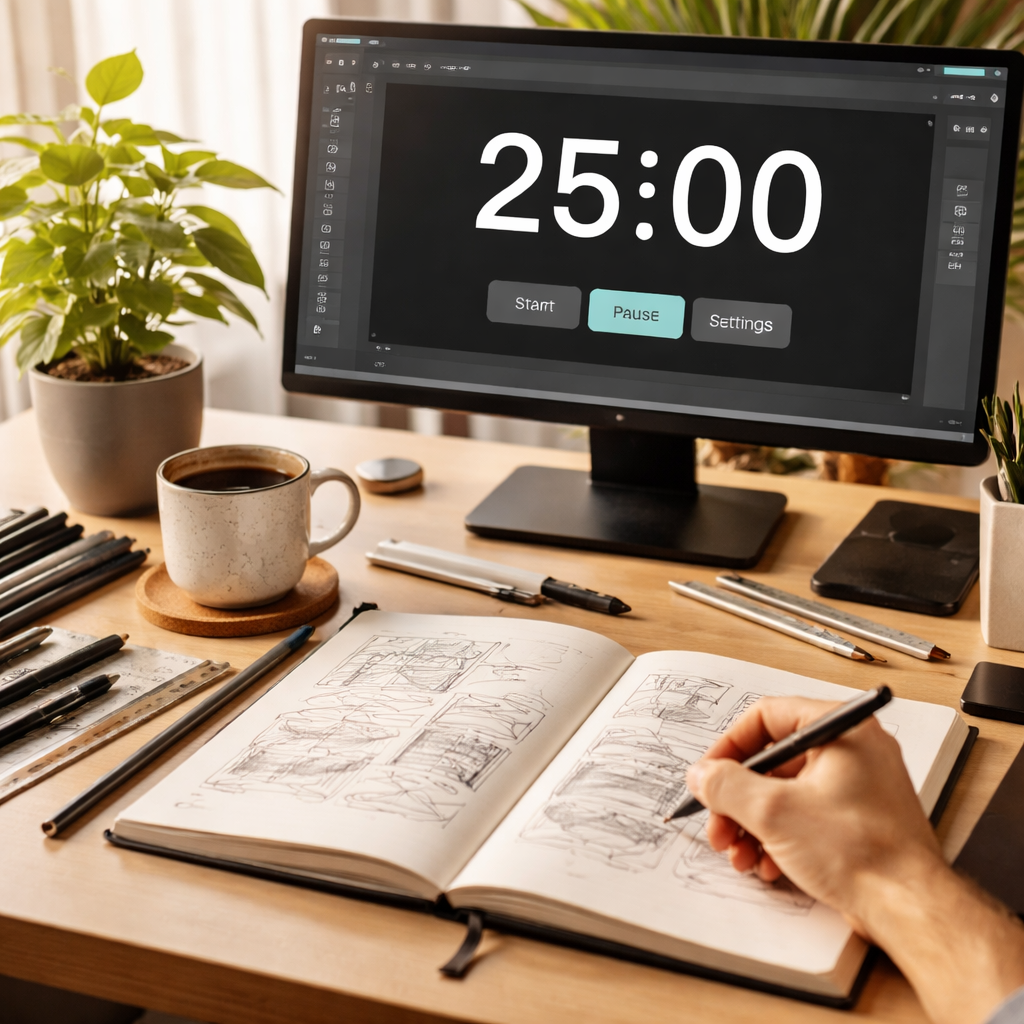
Designers often hit a wall after a few sketches – ideas fade, focus drifts, and the clock keeps ticking.
That’s why a pomodoro timer for designers can be a game‑changer. By chopping work into 25‑minute bursts, you keep the brain in a high‑energy state and give it a short reset before the next sprint.
Try this: set a timer, pull up your current project, and work on one specific task – like choosing a colour palette or refining a wireframe. When the timer dings, stand, stretch, and grab a quick snack. A bite of a protein bar or a sip of an energy drink helps your mind stay sharp for the next round.
Pair your sessions with tasty fuel from Classiqaz energy drinks. A small boost can keep creativity flowing without the crash that comes from coffee overload.
Need a timer that looks as good as your mockups? Check out Elevate Your Focus: Discover the Best Aesthetic Pomodoro Timer. Its clean UI blends right into your design workspace, so you aren’t distracted by clutter.
Start with one pomodoro, note how many ideas you capture, then tweak the length if you need more breathing room. Soon you’ll see sketches pile up and deadlines shrink.
Step 1: Set Up Your Pomodoro Timer for Design Sprints
First, grab a timer that feels right on your desk. It can be a phone app, a browser plug‑in, or a small kitchen timer. The key is that it looks clean and won’t pull your eye away from the screen.
And set the interval to 25 minutes. That length keeps your brain in a sweet spot – long enough to dive into a sketch, short enough to stay fresh. If you’re new to the pomodoro timer for designers, try the classic 25/5 split.
Choose a tool that matches your workflow
Many designers love a timer that blends with their UI. One popular choice is Coherence Pass, which offers a minimalist look and lets you add a quick note for each sprint.
But if you prefer something with a splash of colour, check out XLR8 Well. Its bright circles help you see at a glance how much time is left.
Once you’ve picked a timer, open the file you’ll work on. Whether it’s a mood board, a wireframe, or a colour palette, have only that piece open. This reduces the urge to hop to another tab.
Now hit start. Let the timer tick down while you sketch, move layers, or test fonts. When the buzzer sounds, stop. Stand up, stretch your arms, and give your eyes a break. A short walk to the kitchen for a water sip works well.
After the break, reset the timer and jump back in. Keep a simple log – maybe a sticky note – that says what you tackled in each round. Over a few days you’ll see patterns: which tasks need longer bursts, which need shorter ones.
Watch the video above for a quick walk‑through of setting up a timer on popular apps.
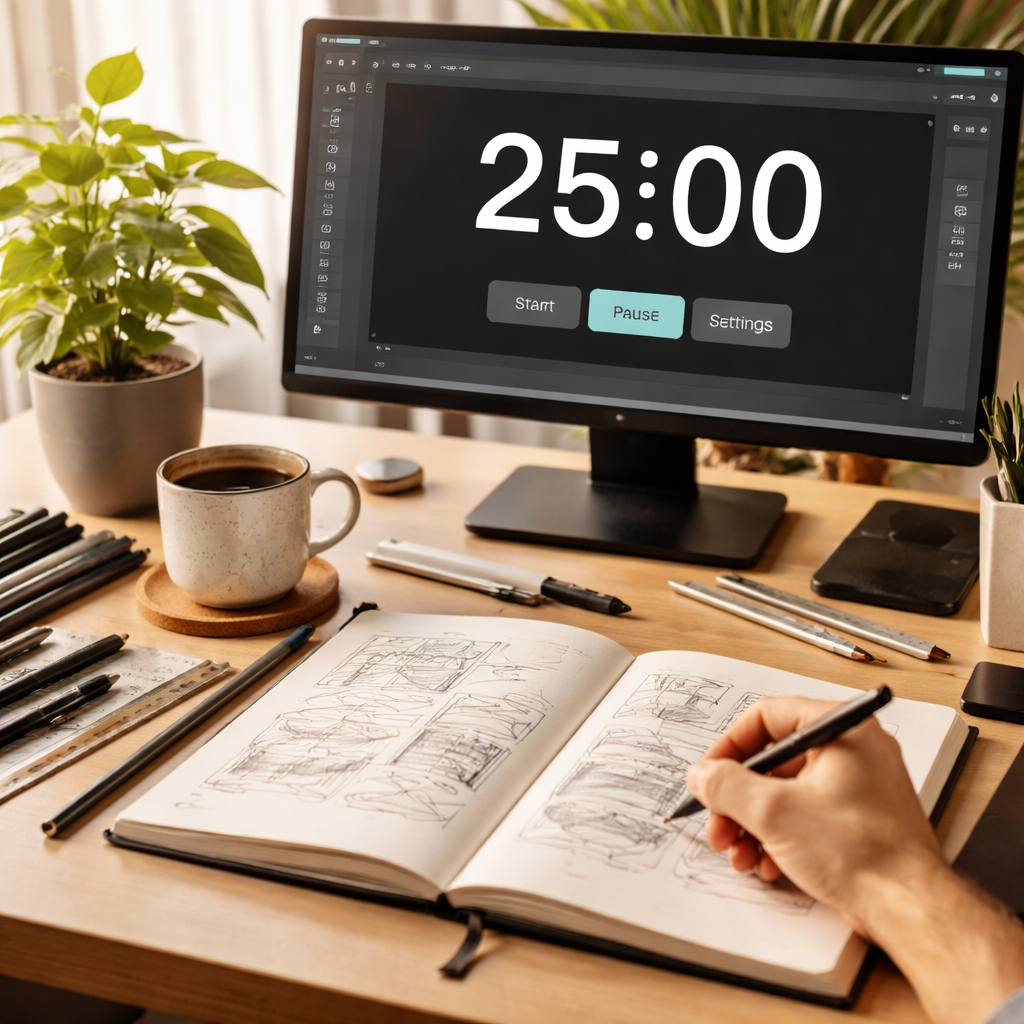
And here’s a visual cue to keep you on track:
Step 2: Customize Intervals to Match Creative Flow
Now that your timer is set, think about the rhythm that fits your work. Not every design sprint feels the same. Some sketches need a quick burst, others need a longer stretch.
Test a few lengths
Start with the classic 25‑minute work block and 5‑minute break. After a day, ask yourself: did you finish the colour palette before the timer rang? If you kept going, try a 30‑minute slot. If you felt the timer cut you off, drop to 20 minutes. The Pomodoro Timer online guide notes that many people find a 20‑minute interval works well for focused study.
Write down the result for each try. A simple table helps you see patterns.
| Task type | Interval length | Break length |
|---|---|---|
| Colour palette selection | 20 min | 5 min |
| Wireframe sketching | 30 min | 5 min |
| Prototype testing | 45 min | 10 min |
Look at the table after a week. If colour work always ends early, shrink the interval. If prototype testing feels rushed, stretch it.
Match the time of day
Morning energy is different from afternoon slump. Try a longer block for the first two hours you work, then switch to shorter bursts after lunch. The Luxafor guide suggests adjusting intervals to your personal flow can boost focus.
Pick a cue to signal a change – a soft chime, a stretch, or a quick glance at a post‑it. That cue tells your brain it’s time to switch.
Action steps
1. Pick three tasks you do often.
2. Assign an interval length you think fits each.
3. Run a trial for two days.
4. Note where you felt stuck or where ideas kept coming.
5. Tweak the lengths and record the new settings.
After a few cycles you’ll have a personal “designer’s Pomodoro” that feels natural, not forced. The goal isn’t to follow a rulebook; it’s to let your creative flow set the clock.
Step 3: Integrate the Timer with Design Tools (Video Tutorial)
Now the timer is set, it’s time to hook it up to the apps you use every day.
Open a simple web timer like Pomodor and keep the window on top of your design file. You can see the countdown while you work in Figma, Sketch or Adobe XD.
Turn on “Do not disturb” (Windows Focus Assist or macOS Control Centre) so alerts don’t break your flow.
Step‑by‑step
1. Choose one design task – e.g., pick a colour palette.
2. Start the timer, then switch to your design tool. Keep the timer in a corner so you can glance at it.
3. When it rings, stop, save, and take a five‑minute break. Stretch, grab a drink, or jot a quick note about what you finished.
4. Launch a new timer for the next task and repeat.
If you like shortcuts, bind a hotkey to start and pause the timer. In Figma you can add that hotkey to your personal plugins list so one press toggles the Pomodoro.
Freelance example
Imagine you’re a freelance UI designer handling three clients. You set three back-to-back timers: 25 min for a logo, 30 min for a UI flow, and 20 min for an icon set. After each block you write a line in a shared Google Sheet – “Logo done, ready for feedback.” The log shows progress without extra meetings.
Remote workers can post a quick “Pomodoro on” note in a team chat, letting teammates know you’re in a deep-work window.
Quick checklist
- Keep the timer visible.
- Use “Do not disturb” to mute alerts.
- Map a hotkey to start/pause.
- Log each finished block.
Many designers say that a web timer next to their design app removes the mental load of watching the clock. The Zapier guide on the best Pomodoro apps notes that web timers are easy to keep open alongside any browser‑based tool, keeping the workflow smooth (best Pomodoro apps overview).
Give it a try. After a few cycles you’ll see how the pomodoro timer for designers becomes a quiet partner that nudges you forward.
Step 4: Review and Optimize Your Workflow
Now that your timer is running, it’s time to look back at what you did and fine‑tune the flow.
Log the numbers
Open the sheet or note where you write each block. Count how many minutes you actually spent on the task versus the timer length. If you often finish early, shrink the interval. If you hit the alarm with work left, add five minutes.
Spot the patterns
Look for trends across task types. Maybe colour picking wraps up in 20 minutes, while prototyping needs 35. Seeing this on paper helps you set realistic goals for the next day.
One tip many freelancers use is to add a quick “what worked?” line after each break. It forces you to notice a distraction source, like a chat ping, a noisy neighbour, or a low battery, and plan a fix.
Adjust the breaks
If five‑minute pauses feel too short, extend them to 7 or 8 minutes and use the extra time for a short stretch or a glance at a mood board. Research shows that regular breaks improve stamina, so keep them simple: water, a walk, or a quick doodle. That way the next pomodoro starts with fresh eyes.
If they feel too long, trim them and keep the momentum.
Test and repeat
Set a mini‑experiment for a week. Change one variable, like interval length, break activity, or notification setting, and watch the log. When you see a rise in completed sketches or fewer interruptions, you’ve found a win.
Focus Keeper’s own timer makes it easy to see how many cycles you’ve run because the counter stays on screen. That visual cue can push you to beat your own record without adding extra pressure.
Take a look at the workspace itself. Is the screen glare too bright? Is the chair uncomfortable? Small tweaks like a matte monitor filter or a standing desk can shave minutes off each block, letting you keep the rhythm longer. Write down any change and see if your focus score climbs over the next few days.
Remember, the review step isn’t a chore; it’s a quick check‑in that keeps the pomodoro timer for designers feeling like a partner, not a task.

Conclusion
A pomodoro timer for designers helps you turn scattered ideas into steady progress. By breaking work into short bursts and giving your brain a clear reset, you keep focus sharp and avoid the burnout that comes from endless scrolling.
Try a quick review at the end of each day: note how many cycles you completed, what felt smooth, and one tiny tweak for tomorrow. Small tweaks add up, so the next sprint feels a bit easier.
Ready to make the habit stick? Grab a timer that stays out of sight but always on screen, like the one Focus Keeper builds for busy creators. Start today and watch your design flow get steadier.
Remember, the goal isn’t perfect timing, it’s steady momentum. Each pomodoro you finish is a tiny win that adds up to big projects finished on time.
FAQ
What is a pomodoro timer for designers and how does it work?
A pomodoro timer for designers is just a clock that splits work into short bursts, usually 25 minutes, followed by a quick break. You pick one tiny design goal, start the timer, and work until it rings. Then you stop, stretch, and reset. The idea is to keep focus sharp and stop the mind from drifting.
How long should a design pomodoro be?
Start with the classic 25‑minute block. If you feel the timer cuts you off, try 30 minutes. If you finish tasks early, drop to 20 minutes. The sweet spot often depends on the type of work – colour picking may need less time, while prototyping can need more. Test a few lengths and note which feels most natural.
Can I use a pomodoro timer with design tools like Figma or Sketch?
Yes. Open a web timer in a small window and keep it on top of your design app. When the timer rings, save your file, take a break, then start a new timer. Many designers also set a hotkey to start or pause the timer so they don’t have to click away from their canvas.
What should I do during the short breaks?
Use the five‑minute pause to move away from the screen. Stand up, stretch your arms, grab a drink, or look at a mood board for fun. The break is meant to reset your eyes and brain, not to start a new task. Keep it short so the next pomodoro feels like a fresh start.
How can freelancers track progress with a pomodoro timer?
Log each completed block in a simple sheet – note the task, the interval length, and any ideas you captured. Over a week you’ll see patterns: maybe logo work ends in two blocks, while UI flow needs three. This log helps you plan future days and show clients how many focused minutes you spent on each part.
Is there a risk of burnout if I use pomodoro too much?
If you push too many blocks without real breaks, fatigue can set in. The method works best when you respect the short breaks and take a longer 15‑minute pause after four cycles. Listen to your body – if you feel tired, shorten the work bursts or add a longer rest. Balance keeps the timer a help, not a stressor.