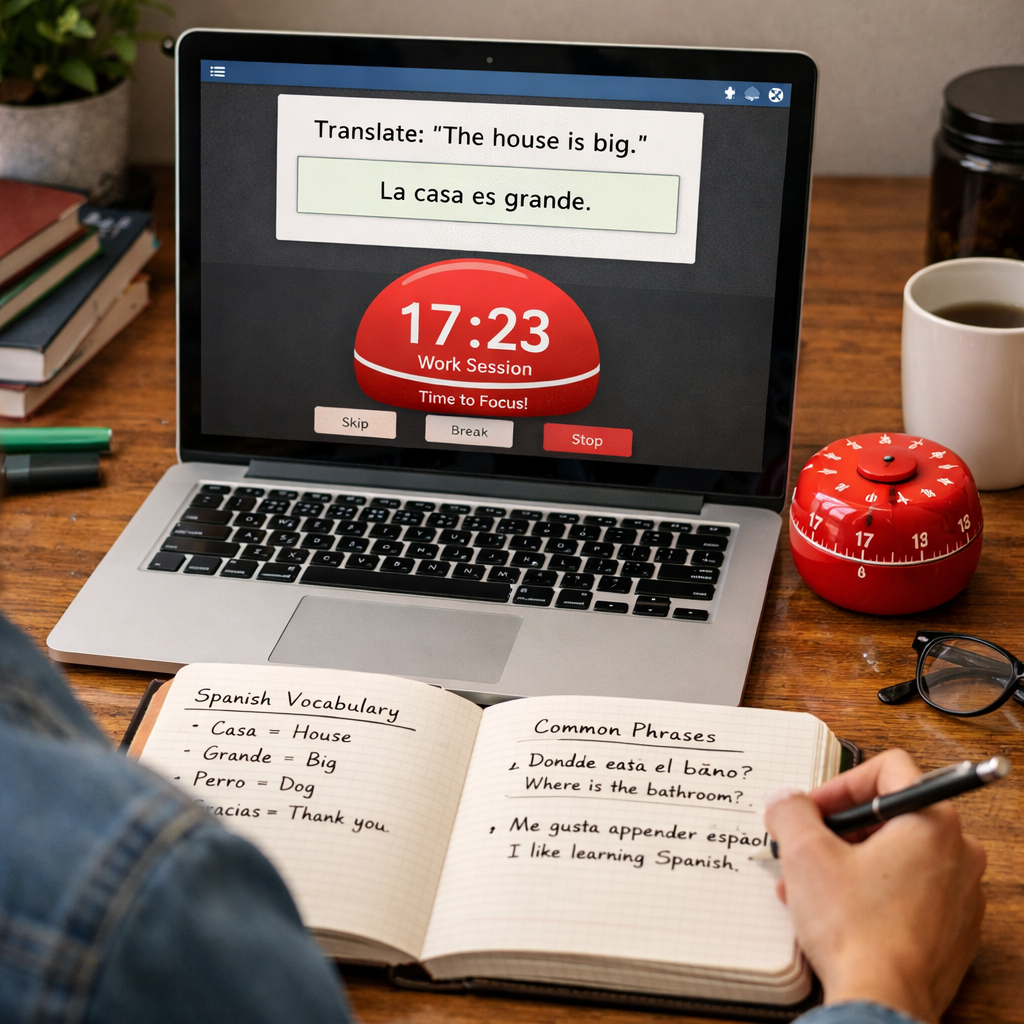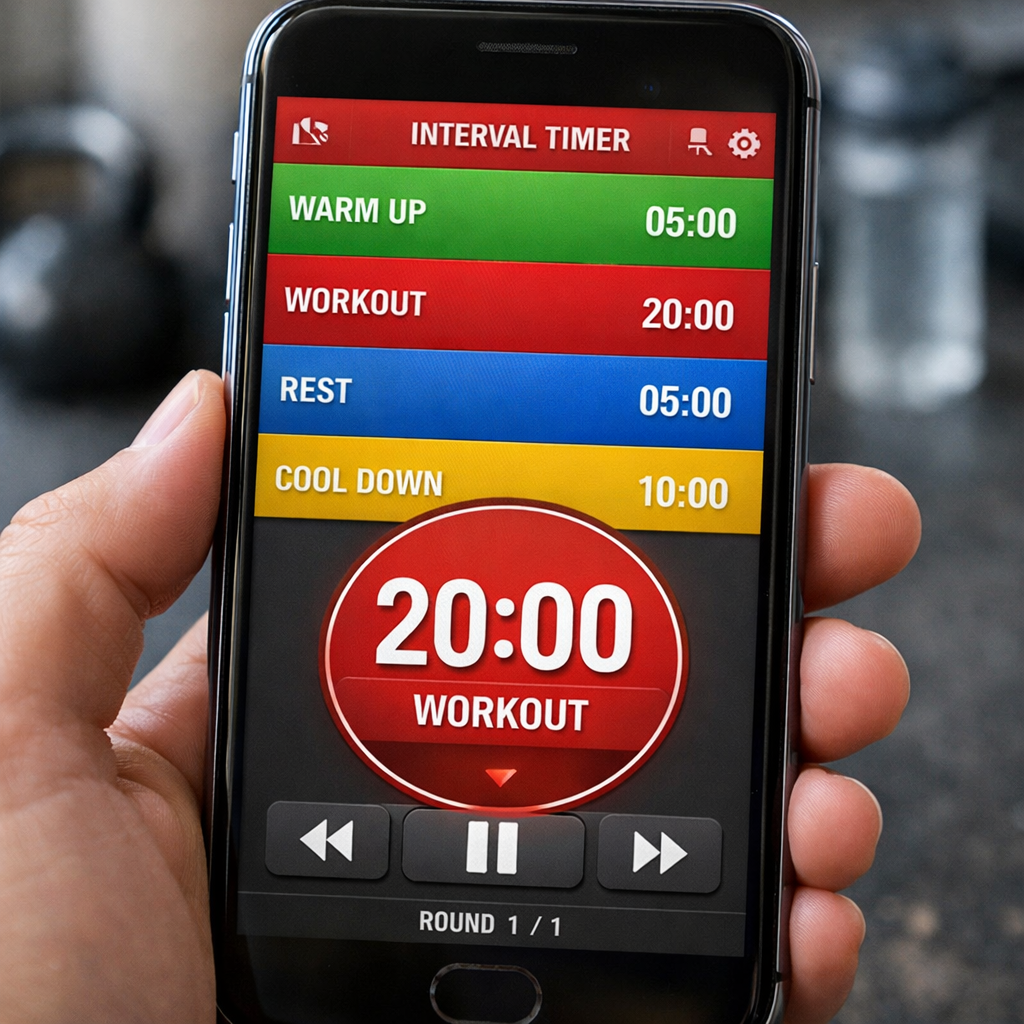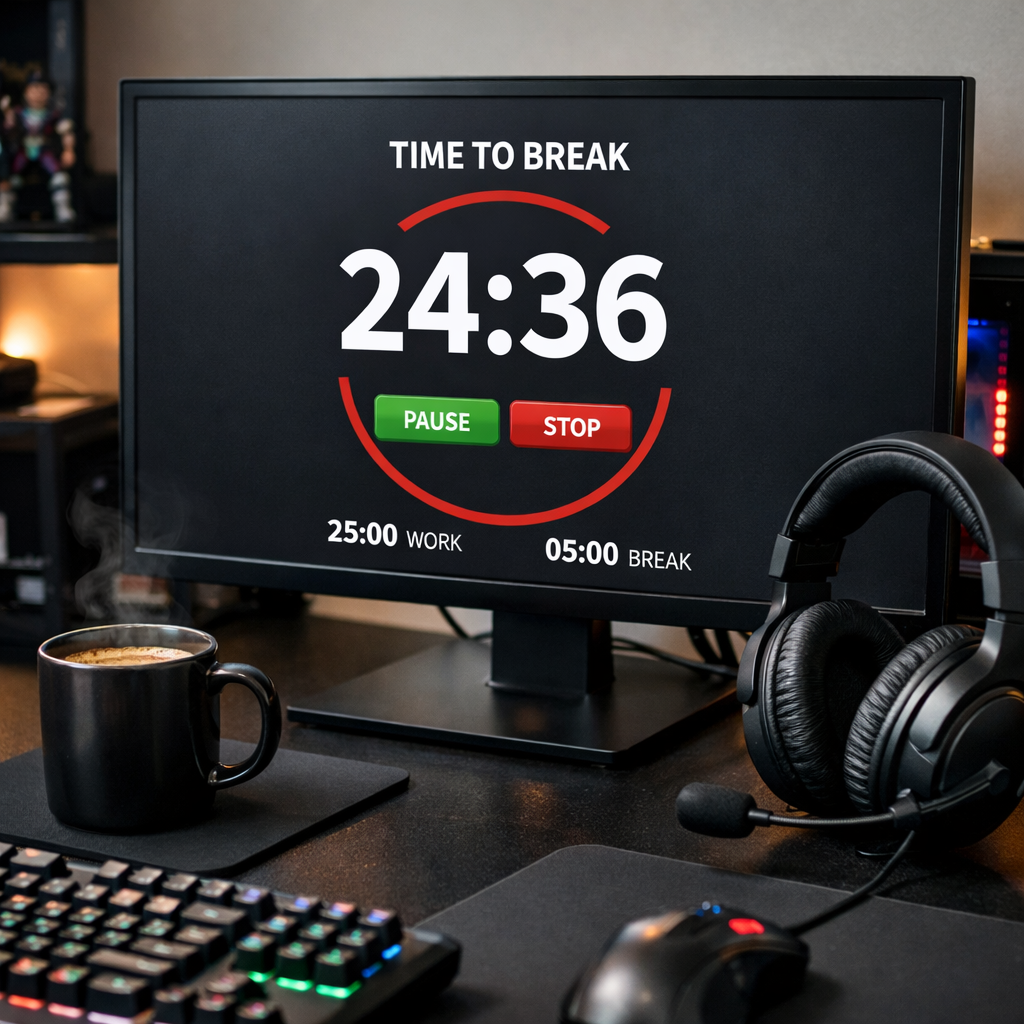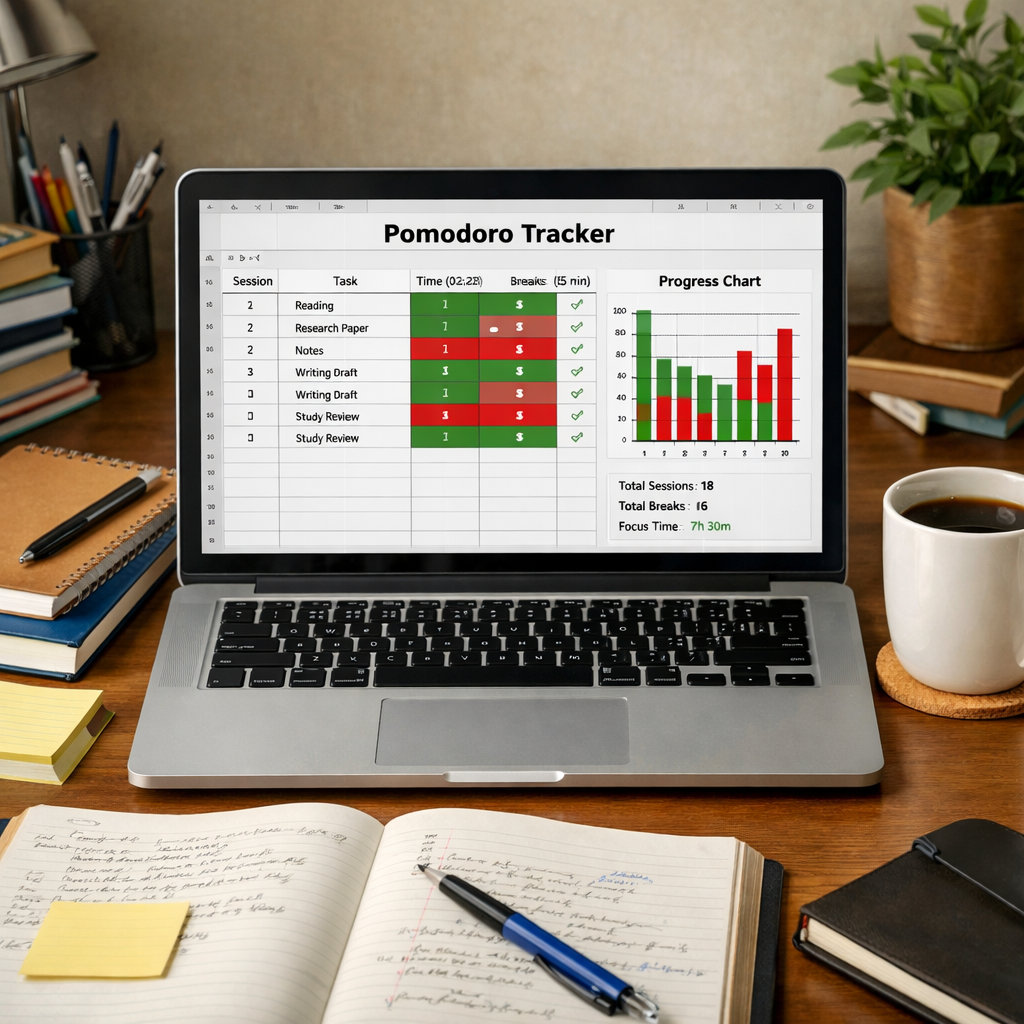

Most programmers hit a wall after a few hours of staring at code. The brain just burns out, and the bugs start piling up. A pomodoro timer for programmers cuts that cycle in half by forcing short, focused bursts followed by real breaks.
Here’s the simple trick: work for 25 minutes, then step away for five. After four rounds, take a longer 15‑minute pause. Those intervals match the natural attention span most people have, so you stay sharp and avoid the endless scroll of Stack Overflow that never ends.
Start by picking a timer that lets you set custom intervals. If you need to tweak the length for deep‑dive debugging, you can adjust it without any code changes. What a pomodoro timer is explained in plain terms helps you set it up in seconds.
For a remote dev juggling meetings, try this practical routine: 1) Open your timer before the first commit of the day. 2) Silence notifications during the work slot. 3) When the alarm rings, stand, stretch, and grab a drink. 4) Log what you finished in a quick note. That log becomes a tiny win list you can glance at later.
Freelancers can use the same method to bill clients by showing exactly how many pomodoros each feature took. Busy professionals can slot a timer between meetings to clear out inbox clutter without letting it eat into project time.
If you want deeper guidance on structuring work sessions, check out a productivity coaching program that pairs goal‑setting with the pomodoro rhythm.
Step 1: Set Up Your Pomodoro Schedule
First thing you need is a clear plan for each work block. Decide how long you want to code before a break – most programmers stick with 25 minutes, but you can shrink or stretch it to match a tough bug or a quick review.
Write those intervals down in a simple table or a note app. Put a label like “Deep Dive” for longer sessions and “Quick Fix” for short bursts. Seeing the schedule on screen helps your brain treat each slot as a mini‑goal.
Next, pick a timer that lets you save custom cycles. Many free apps let you name each interval, so you won’t have to re‑type the length every time. Once you hit start, the timer does the heavy lifting.
After the alarm rings, stand up, stretch, and grab a drink. Then move on to the next slot. If you’re juggling meetings, slot a short pomodoro between calls to clear out email or refactor a tiny function.
Need a quick health tip for those long coding marathons? Check out this practical guide on men’s multivitamin support – it’s a simple way to keep energy steady.
For a handy code snippet library that works well with any timer, explore Open Claw Lab. It offers free snippets you can paste into your notes during a break.
When you finish the day, glance at your log. You’ll see exactly how many pomodoros you completed and which tasks moved forward. That little record is a win list you can share with teammates or use to bill clients.

Step 2: Choose the Right Pomodoro Timer Tool
Picking the right timer is as key as setting the right interval. If the tool feels clunky, you’ll waste brain power fighting it instead of coding.
Look for three things: the ability to set custom work and break lengths, a way to block distracting sites while the timer runs, and sync across the devices you use, laptop, phone, maybe a tablet.
One of the top picks for programmers is Focus Keeper. It lets you save a separate schedule for each project, mute notifications, and keep your sessions in one place. Many remote workers say it cuts the urge to check Slack mid code.
If you want a quick test, try a free web timer. Zapier’s list of Pomodoro apps shows simple options that run in a browser without installing anything.
Step by step, try this: 1) Open the timer, set a 25 minute work block. 2) Turn on the “block sites” feature if it has one. 3) Run a few cycles while you code a small function. 4) Note if the timer pops up on every device you use. 5) If it feels smooth, make it your default; if not, swap it out.
So, does the timer help you stay in the flow or pull you out?
Take a minute now to launch your chosen timer and run a test Pomodoro. When the alarm rings, you’ll know if it’s a fit for your day.
Step 3: Integrate the Timer with Your Development Environment
Got a timer that fits your flow? Hook it up to the code editor you spend time in. When the timer lives inside VS Code, you won’t need to switch windows each time a session ends.
A quick way is to install a Pomodoro extension from the VS Code marketplace. The Pomodoro Technique extension adds start, stop and break commands in the command palette. Trigger it with a shortcut and keep focus on the file you’re editing.
You can grab the Pomodoro Technique extension here.
If you prefer a lighter UI, the Pomodoro Break Timer extension shows a tiny status bar icon and a subtle notification when it’s time to rest. It respects your custom work‑break lengths, so the 25/5 rhythm you set in the main app stays the same.
To wire the timer to workflow, follow these steps: 1) Open Extensions, find and install the extension, then reload VS Code. 2) In Settings set “workDuration” and “breakDuration” to match intervals you use in Focus Keeper. 3) Add a keybinding for “Start Pomodoro” to launch a session without leaving the editor.
Finally, test it on a small coding task. Start the timer, write a function, let the break alert appear, then note how the editor stays in front of you. If the alert feels noisy, lower the notification level in the settings.
With the timer snug inside your development environment, you eliminate one more distraction source and let the Pomodoro rhythm drive your coding sessions automatically.
Step 4: Track Productivity and Adjust Settings
Now the timer is running, but you still need to see how it works for you. A glance at your stats tells you if the rhythm fits your code flow.
Open the timer’s log view after each session. Note the number of pomodoros you finished, the length of each work block, and any breaks you skipped.
Do you often hear the alarm while still in the middle of a function? If yes, bump the work slot up by 5‑10 minutes. If you stare at a blank screen after the break, shrink the break time.
Many teams find it helpful to tag each pomodoro with a task type – bug fix, feature, or refactor. This lets you spot patterns, like “bug fixes need longer blocks” or “refactors thrive on 50‑minute sprints.”
Tip: Keep a tiny note in your IDE (a comment or a markdown file) that records any interruptions. Over a week you’ll see if meetings or chat alerts are cutting into your flow.
| Metric | What to Track | Adjustment Tip |
|---|---|---|
| Work Duration | Minutes per pomodoro | Increase by 5 min if you often finish early. |
| Break Length | Minutes of rest | Shorten if you lose momentum; lengthen if you feel drained. |
| Interruptions | Count of unexpected stops | Block notifications or shift to a longer block. |
Focus Keeper’s timer lets you export the log as CSV, so weekly reviews are painless.
For a deeper dive on tweaking intervals for devs, check out this guide on custom Pomodoro intervals for developers. It walks you through testing 50‑minute or 90‑minute cycles and notes how they match the brain’s natural rhythms.
Finally, review your log every Friday. Spot the rows that look off and edit the settings before next week. Small tweaks keep the pomodoro timer for programmers a steady ally, not a nag.
Step 5: Tips for Staying Consistent and Avoiding Burnout
Staying on track with a pomodoro timer for programmers is easy when you treat the rhythm like a habit, not a rule. If you push too hard, the brain quits and the code gets messy.
Set realistic intervals
Pick a work block that fits your flow. 25 minutes works for most, but a bug hunt may need 35. The key is to end the slot before you feel the urge to quit. When the alarm rings, stop and note what you did.
Plan micro breaks
A short break should move you away from the screen. Stand, stretch, grab a drink. Even a quick walk to the kitchen resets the mind. Keep the break under ten minutes so the focus stays fresh.
Watch for signs of fatigue
Notice when you start to stare at the same line for a long time. That’s a cue to take a longer pause or shift to a lighter task. Many devs log these moments in a note file and look back each week.
Ask yourself how you feel after each cycle. If you notice tension in your neck or eyes, add a quick eye‑rest or a few deep breaths. Small moves help keep the grind gentle.

After a week, review your log. If you see more short breaks than work blocks, shrink the work time a bit. If you finish early, add five minutes. This tiny tweak keeps the pomodoro timer for programmers a steady ally, not a stress source. For a deeper look at why the cycle works, read this guide on the Pomodoro Technique.Pomodoro technique benefits for developers.
Conclusion
You’ve seen how a pomodoro timer for programmers can turn a chaotic day into a smooth flow.
Pick a timer that lets you set your own work and break lengths. Log each session, spot the patterns, and tweak the intervals until they feel just right.
Whether you’re a student cramming code, a remote dev juggling meetings, a freelancer billing each sprint, or a busy professional clearing inboxes, the same simple rhythm helps you stay sharp and avoid burnout.
One practical next step is to open your timer, set a 25‑minute slot, and try it on your next coding task. When the alarm rings, stand, stretch, and note what you got done.
Focus Keeper makes the set‑up quick and keeps your log tidy.
Ready to make focus a habit? Give the pomodoro timer for programmers a try and watch your productivity lift.
FAQ
What is a pomodoro timer for programmers and how does it work?
A pomodoro timer for programmers breaks work into short bursts, usually 25 minutes, followed by a quick break. You start the timer, code until it rings, then stop and rest. The cycle repeats four times before a longer pause. This rhythm matches how the brain stays sharp, so you keep focus and avoid burnout.
How long should I set the work and break intervals?
Start with the classic 25‑minute work block and a 5‑minute break. If a task feels too hard, drop the work time to 15 minutes. If you’re in deep flow, try 35 or 45 minutes. The break should stay short enough to keep momentum, but long enough to let your eyes rest.
Can I use a pomodoro timer on different devices?
Yes. Most pomodoro apps sync across phone, laptop, and tablet. Set up your schedule once, then open the app on any device you use to code. The timer will keep the same intervals, so you don’t have to re‑enter settings each time.
How do I keep track of my sessions without getting distracted?
Log each pomodoro right after it ends. A simple note in a text file or a quick entry in a spreadsheet works. Write the task name and whether you finished it. Over a week you’ll see patterns – like which tasks need longer blocks – and you can tweak your schedule.
What if I get stuck on a bug during a pomodoro?
If the alarm rings while you’re still on a bug, pause and note where you are. Use the break to step away, stretch, and clear your mind. When the next work block starts, look at the note and jump back in. Often the short rest gives a fresh view that helps you solve the problem.
Is there a way to adjust the timer for long coding sprints?
Yes. Some programmers run longer cycles, like a 50‑minute work slot with a 10‑minute break. You can set this up in any flexible pomodoro tool. Test it on a big feature, then watch the log. If you still feel tired, shorten the work time; if you stay sharp, you can try even longer blocks.