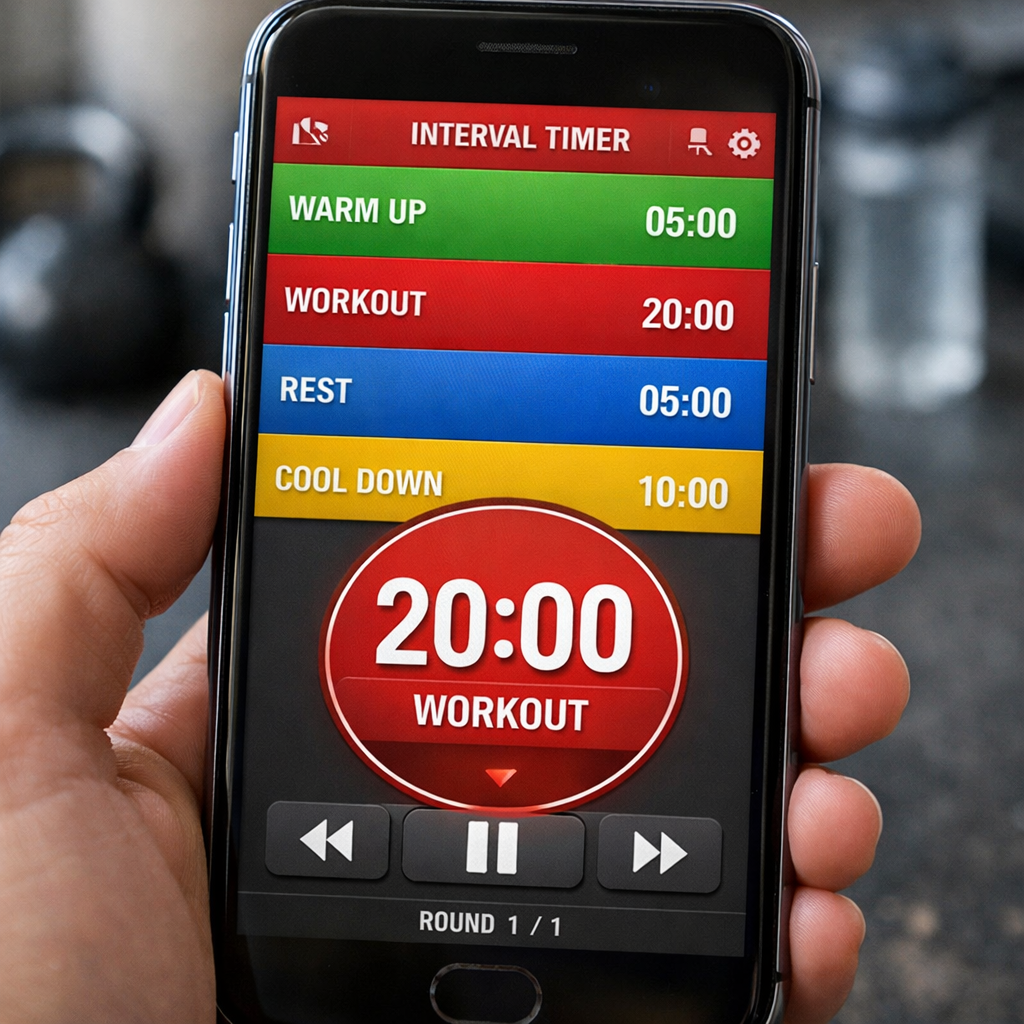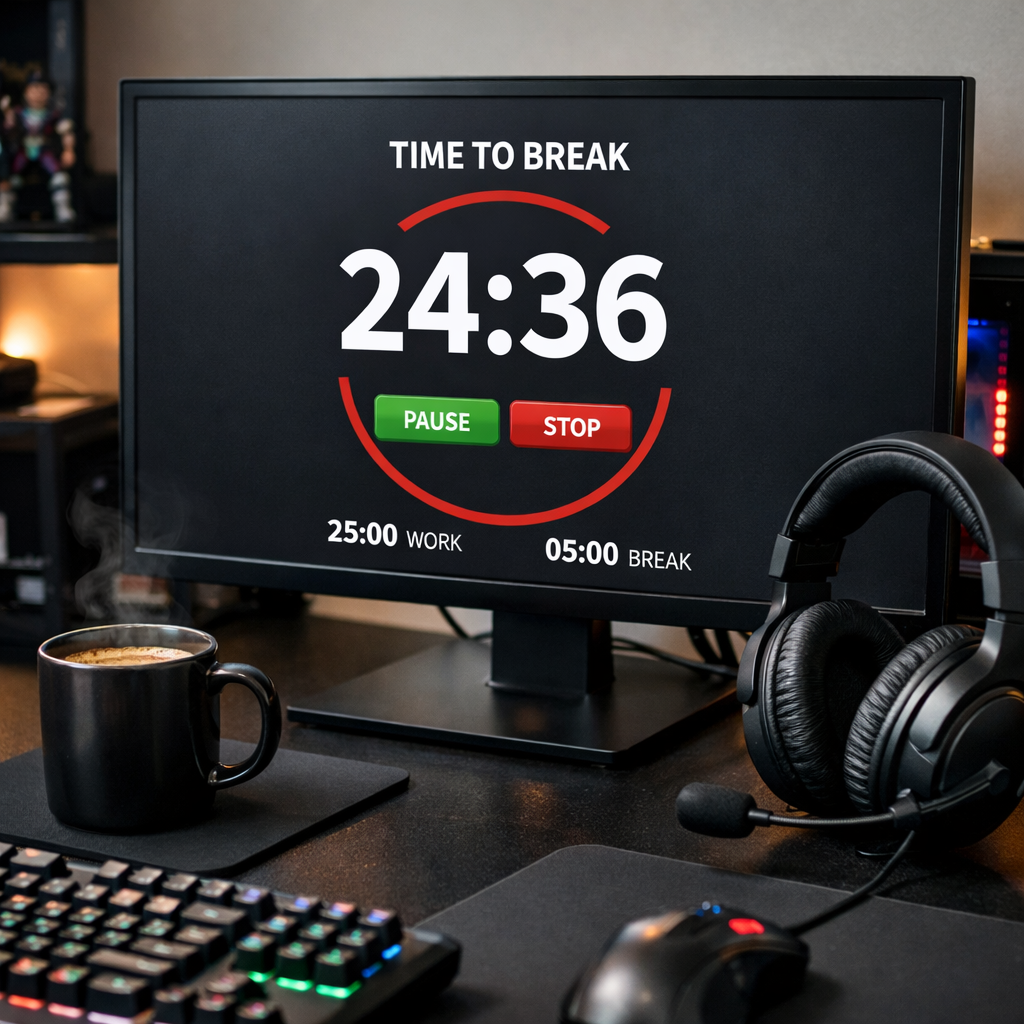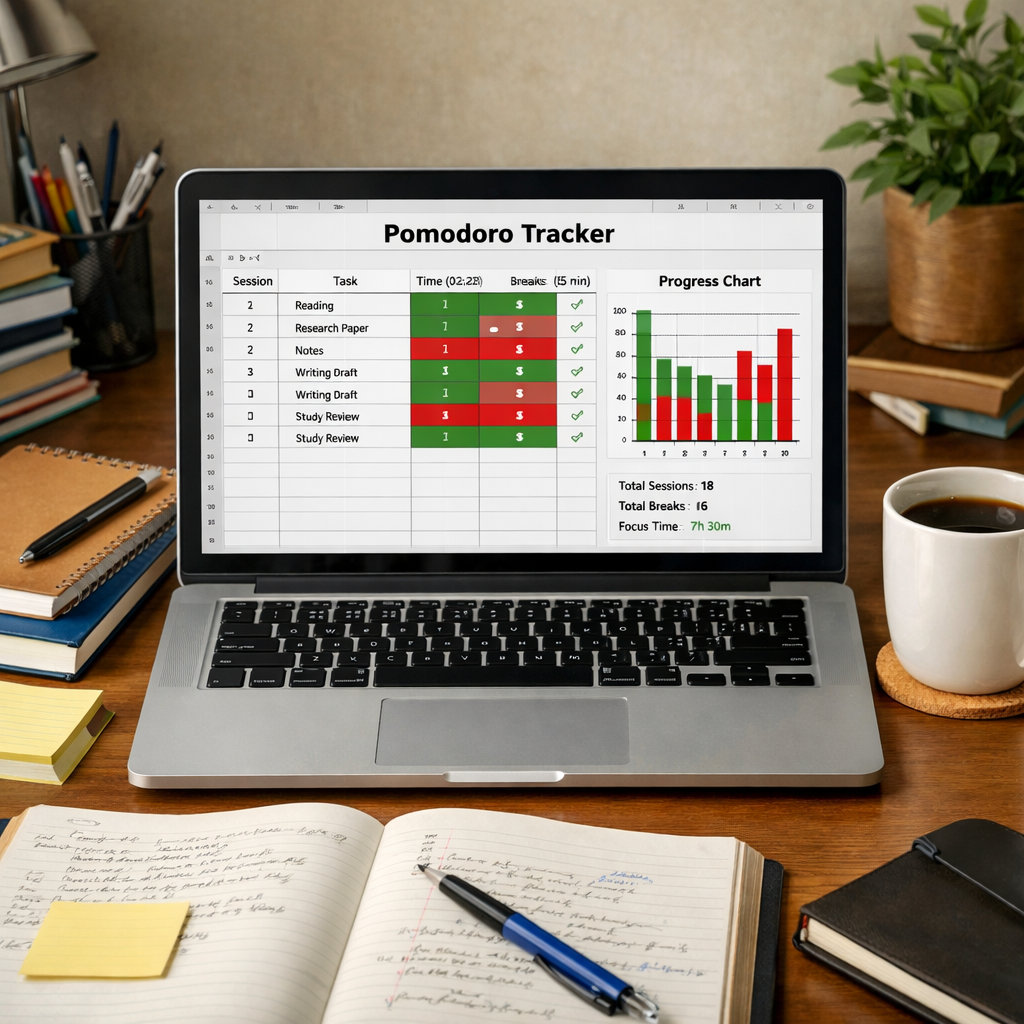

So, you’re looking to get more done without feeling like you’re constantly running on fumes? You’ve probably heard about the Pomodoro Technique, and maybe you’re wondering, ‘what is pomodoro technique?’ Well, it’s not some complicated system. It’s actually a pretty simple way to break up your work into focused chunks, with built-in breaks. Think of it like running sprints instead of a marathon. It helps you stay sharp, avoid getting totally bogged down, and actually get more done. Let’s break down how this tomato-timer thing can change your whole workday.
Key Takeaways
- The Pomodoro Technique is a time management method using 25-minute work intervals followed by short breaks to boost focus and productivity.
- Developed by Francesco Cirillo, it uses a kitchen timer (often tomato-shaped) to structure work sessions.
- Key steps involve picking a task, working for 25 minutes, taking a 5-minute break, and a longer break after four work intervals.
- Benefits include better focus, reduced distractions, prevention of burnout, and a more balanced approach to work.
- The technique can be customized by adjusting interval lengths and adapted using various timer apps and tools.
Understanding What Is The Pomodoro Technique
So, what exactly is this Pomodoro Technique everyone’s talking about? Basically, it’s a time management strategy that breaks your workday into focused chunks, separated by short breaks. Think of it as a way to train your brain to concentrate better and get more done without feeling completely drained. It’s not some super complicated system; it’s pretty straightforward once you get the hang of it.
The Core Principles of Pomodoro
The whole idea behind Pomodoro is pretty simple. You work in focused bursts, usually 25 minutes long, and then you take a short break. This cycle repeats. The key is that during those 25 minutes, you’re supposed to be completely focused on one task. No checking emails, no scrolling through social media, just pure concentration. After four of these work bursts, you take a longer break. It’s all about creating a rhythm that works with your brain, not against it.
- Work in focused intervals: These are typically 25 minutes long.
- Take short breaks: Usually 5 minutes after each work interval.
- Take longer breaks: After about four work intervals, you get a longer break (15-30 minutes).
- Avoid distractions: During the work intervals, try to stay completely on task.
This method helps you tackle tasks that feel overwhelming by breaking them down into smaller, more manageable time blocks. It makes starting easier because you’re only committing to 25 minutes at a time.
How Pomodoro Boosts Productivity
This technique really shines when it comes to getting stuff done. By working in these short, intense bursts, you create a sense of urgency. You know you only have 25 minutes, so you tend to be more efficient. Plus, those regular breaks are a lifesaver. They stop you from hitting that wall where you just can’t focus anymore. Instead of staring blankly at your screen for hours, you’re getting focused work done and then giving your brain a chance to reset. It’s like a mini-recharge station throughout your day.
The Science Behind Focused Intervals
There’s actually some thinking behind why these short bursts work so well. Our brains aren’t really built for super long periods of intense concentration. We tend to get distracted or our focus naturally wanes. The Pomodoro Technique plays into this by working with our natural attention spans. Those 25-minute intervals are often just right for maintaining high focus without getting bored or tired. The short breaks then help prevent mental fatigue, allowing you to come back to the next work interval feeling refreshed and ready to go. It’s a smart way to manage your mental energy throughout the day.
The Origins and Evolution of Pomodoro

Francesco Cirillo’s Innovation
Back in the late 1980s, a university student named Francesco Cirillo was really struggling to get his studying done. You know how it is when you just can’t seem to focus? He was getting frustrated, and in a moment of, well, desperation, he grabbed a tomato-shaped kitchen timer. He decided to challenge himself to study for just ten minutes. That simple, almost accidental, experiment was the spark that eventually led to the Pomodoro Technique we know today.
From Kitchen Timer to Time Management Method
That little tomato timer wasn’t just a random object; it became the core tool. Cirillo kept playing around with it, trying different work times and break times. He eventually landed on the 25-minute work interval, which is pretty much the standard now. It’s funny how something so simple, like a kitchen timer, can turn into a whole system for managing your time and getting stuff done.
The Tomato’s Influence on the Name
So, why "Pomodoro"? It’s actually the Italian word for tomato. Cirillo’s original timer was shaped like one, and that’s where the name stuck. It’s a nod to the humble beginnings of the technique, a reminder that even simple tools can lead to big changes in how we work and focus. It’s a pretty neat story, right? A little kitchen gadget inspiring a method used by people all over the world.
Implementing the Pomodoro Technique Effectively
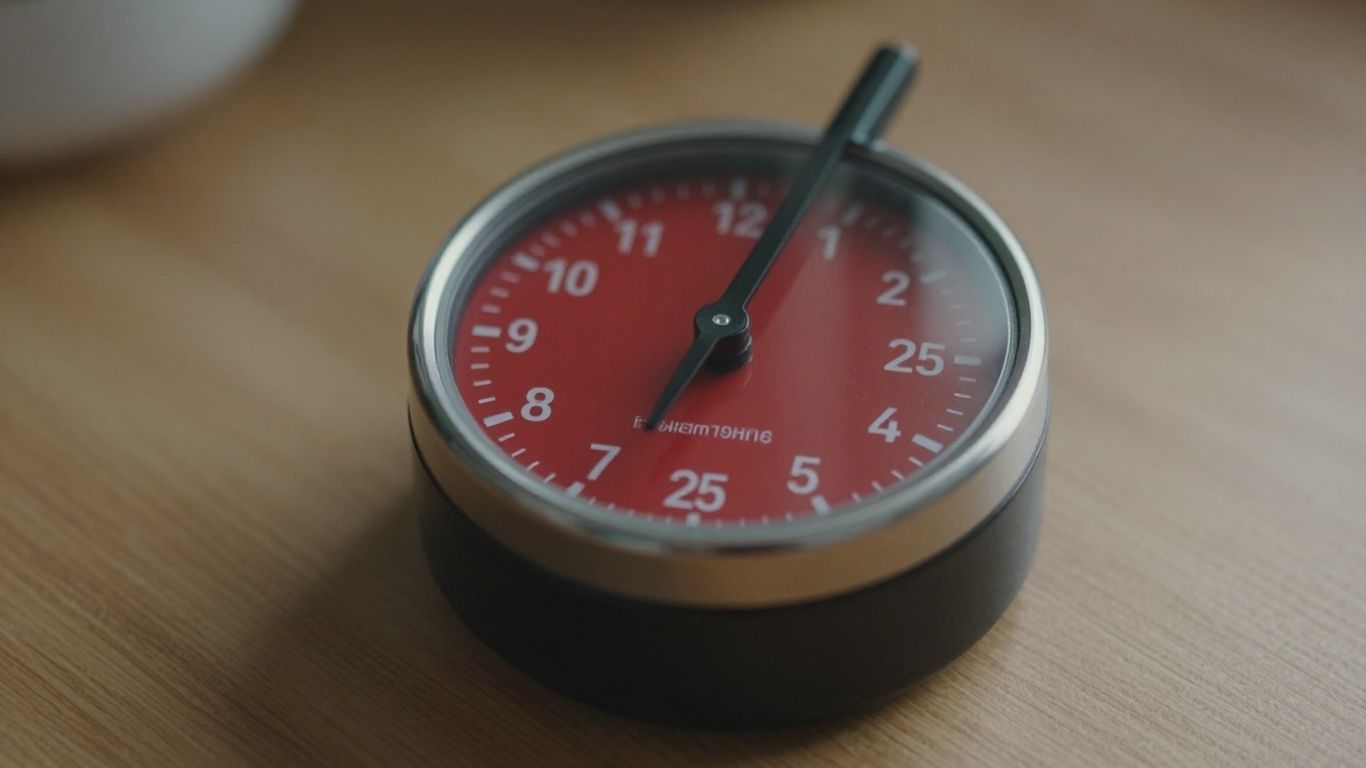
So, you’ve heard about the Pomodoro Technique and you’re ready to give it a shot. That’s great! But how do you actually make it work without feeling like you’re just staring at a timer? It’s not just about setting a clock and hoping for the best. There’s a bit of strategy involved to really get the most out of those focused work bursts.
Choosing and Defining Your Tasks
First things first, you need to know what you’re actually going to work on. Trying to tackle a giant project without a clear plan is a recipe for frustration. It’s way better to break things down. Think about your to-do list. If a task feels like it’s going to take all day, it’s probably too big for a single Pomodoro. You want tasks that you can realistically make progress on in about 25 minutes. If a task is huge, like writing a whole report, break it into smaller pieces: ‘Outline report,’ ‘Research section 1,’ ‘Draft introduction.’ This makes it feel less daunting and gives you a clearer target for each work session.
The 25-Minute Work Interval
This is the heart of the technique. You set your timer for 25 minutes and you work. No email checking, no social media scrolling, no getting up for a snack. Just focus on that one task you defined. It sounds simple, but it takes practice. The idea is to create a sense of urgency without being overly stressed. You know you only have 25 minutes, so you try to make the most of it. This focused burst is what really helps you get things done. It’s about quality over quantity, really. You’re not just busy; you’re actively working towards a goal.
The Importance of Short Breaks
When that 25-minute timer goes off, you stop. Seriously, stop. And you take a short break, usually 5 minutes. This isn’t optional! These short breaks are super important for your brain. They give you a chance to step away, stretch, grab some water, or just zone out for a minute. It prevents you from getting completely drained. Trying to power through for hours without a break is a fast track to burnout. These little pauses help you reset so you can come back to your next Pomodoro feeling refreshed and ready to go. It’s like hitting a mini-refresh button for your mind.
The Longer Break After Four Pomodoros
After you’ve completed four of those 25-minute work sessions, it’s time for a longer break. We’re talking 15 to 30 minutes here. This is your chance to really unwind a bit. Get up, walk around, maybe grab a coffee. This longer break is crucial for preventing that deep-seated mental fatigue. It gives your brain a more substantial rest before you dive back into another cycle of work. Think of it as a reward for your focused effort. It helps you maintain your energy and focus throughout the entire day, rather than hitting a wall mid-afternoon. It’s a key part of making the Pomodoro Method sustainable.
Planning your Pomodoros in advance is a smart move. It helps you see how your tasks fit into your day and prevents you from overcommitting. If a task is too big, break it down. If you have too many planned, move some to another day. This foresight makes the whole process smoother.
Maximizing Benefits Through Pomodoro
So, you’ve started using the Pomodoro Technique, and maybe you’re wondering what exactly you’re getting out of it. It’s not just about ticking off tasks; there are some pretty solid advantages that can really change how you approach your work, or even your studies.
Enhanced Focus and Reduced Distractions
One of the biggest wins with Pomodoro is how it trains your brain to concentrate. When you know you’ve only got 25 minutes before a break, you tend to zero in on the task at hand. It’s like a mini-challenge to get as much done as possible without getting sidetracked. This focused burst helps you push past those little urges to check your phone or browse the web. The structured intervals make distractions less appealing because they interrupt your flow. Over time, this practice can actually improve your ability to concentrate for longer periods, even outside of your Pomodoro sessions.
Preventing Burnout and Mental Fatigue
This is a big one, right? We’ve all been there, staring at a screen, feeling completely drained. Pomodoro tackles this head-on with its built-in breaks. Those short rests aren’t just for grabbing a coffee; they’re vital for your brain to reset. Think of it like giving your mental muscles a chance to recover.
Here’s how the breaks help:
- Short Breaks (5 minutes): These are perfect for stepping away from your work, stretching, or just closing your eyes for a minute. It’s enough to break the monotony without letting your mind wander too far.
- Longer Breaks (15-30 minutes): After a few Pomodoros, this longer break is your chance to really recharge. Get up, move around, maybe chat with someone. It prevents that feeling of being stuck in a rut.
- Mental Recharge: Regular breaks stop your brain from getting overloaded, which means you can maintain a higher level of performance throughout the day.
Achieving a Better Work-Life Balance
It might seem odd, but a time management technique can actually help you disconnect. By working in defined blocks, you create clearer boundaries between work time and personal time. When your Pomodoro session is over, and especially after your longer breaks, you can more easily switch off. This structured approach helps prevent work from bleeding into your evenings or weekends, giving you more genuine downtime.
The Pomodoro Technique encourages you to be intentional with your time. By committing to focused work periods and respecting your break times, you build a rhythm that supports both productivity and well-being. This balance is key to long-term success and avoiding that constant feeling of being ‘on’.
Boosting Motivation and Accomplishment
There’s a real psychological boost that comes from completing a Pomodoro. Each 25-minute session feels achievable, and when you finish one, you get a small hit of accomplishment. This builds momentum. Instead of looking at a massive project and feeling overwhelmed, you’re focused on completing one Pomodoro at a time. This makes progress feel tangible and keeps your motivation high. It’s like collecting small wins throughout the day, which adds up to significant progress.
Practical Strategies for Pomodoro Success
Alright, so you’ve got the gist of the Pomodoro Technique, but how do you actually make it work without just staring at a timer? It’s not rocket science, but a few smart moves can really make a difference. Think of it like prepping for a big meal – you wouldn’t just throw everything in the pot, right? You plan, you chop, you get things ready.
Setting Clear Objectives Before Each Session
Before you even hit ‘start’ on that timer, take a minute. What exactly are you trying to get done in this next 25-minute sprint? Just saying ‘work on the report’ is a bit vague. Try to be more specific. Instead, aim for something like ‘Draft the introduction section of the report’ or ‘Analyze the Q3 sales data’. Having a clear target makes it way easier to stay on track and gives you a real sense of accomplishment when you hit it.
Creating a Distraction-Free Environment
This one’s a biggie. Your phone buzzing, email notifications popping up, your roommate asking if you’ve seen their keys – these are the enemies of focus. So, before you start, do a quick sweep. Put your phone on silent, close unnecessary tabs on your computer, and maybe even put up a little ‘do not disturb’ sign if you live with others. The less you have to fight distractions, the more you can actually get done.
Breaking Down Large Tasks
Got a monster project looming? Trying to tackle it all in one go, even with Pomodoros, can feel like trying to eat an elephant. The trick is to break it down. If ‘write a book chapter’ is your goal, your first Pomodoro might be ‘Outline Chapter 5’. The next could be ‘Write the first 500 words of Chapter 5’. Small, bite-sized pieces are much less intimidating and easier to fit into those 25-minute slots.
Here’s a quick way to think about it:
- Big Goal: Launch new website.
- Breakdown:
- Pomodoro 1: Research competitor websites.
- Pomodoro 2: Sketch out homepage layout.
- Pomodoro 3: Write draft content for ‘About Us’ page.
- Pomodoro 4: Find stock images for the gallery.
Planning Your Pomodoro Schedule
Don’t just wing it day-to-day. Spend a few minutes at the start of your day, or even the night before, to map out your Pomodoros. How many do you think you can realistically get done? What tasks will you tackle? This planning helps you see your workload more clearly and prevents that ‘what should I do next?’ paralysis.
It’s easy to overschedule yourself. If you’re planning more than 12-14 Pomodoros in a day, you’re probably setting yourself up for a rough time. It’s better to push some tasks to tomorrow than to burn yourself out today.
Customizing the Pomodoro Technique
So, you’ve tried the standard 25-minute work, 5-minute break routine, and it’s… okay. But maybe it doesn’t quite fit your rhythm. That’s totally fine! The beauty of the Pomodoro Technique is that it’s not a rigid set of rules, but more like a flexible framework. You can absolutely tweak it to work better for you. It’s all about finding what makes your brain tick most effectively.
Adjusting Interval Durations
While 25 minutes is the classic suggestion, it’s not set in stone. Some people find they can focus for longer stretches, while others do better with shorter bursts. If 25 minutes feels too short and you’re just getting into a groove when the timer goes off, try extending it. Maybe 30, 40, or even 50 minutes works better for your concentration levels. On the flip side, if you’re struggling to even start a task, or if your focus tends to wane quickly, don’t be afraid to shorten the intervals. Try 15 or 20 minutes. The goal is to find a duration where you can commit to focused work without feeling overwhelmed or constantly fighting the urge to stop.
Finding Your Optimal Focus Time
Think about when you’re naturally most alert and productive during the day. Are you a morning person who hits peak performance before lunch? Or do you find your brain really kicks into gear in the afternoon? You can align your Pomodoro sessions with these natural energy peaks. For instance, if you know you’re sharpest from 9 AM to 11 AM, schedule your longer or more demanding Pomodoros during that window. Conversely, if your energy dips mid-afternoon, maybe shorter, less intensive tasks are better suited for those times. Experimenting is key here. The most effective Pomodoro session is one that aligns with your personal energy cycles.
Adapting for Different Work Styles
Your work style matters too. Are you someone who likes to tackle one big project at a time, or do you prefer to juggle multiple smaller tasks? If you’re working on a complex project, you might want to dedicate a series of Pomodoros to it, perhaps with slightly longer breaks in between if you’re deep in thought. If you have a lot of small, quick tasks, you might find that a 25-minute Pomodoro is perfect for clearing out a batch of emails or responding to messages. Some people even find that using a timer app with customizable settings, like Pomodoro Timer Apps, helps them stick to their chosen intervals, whether they’re standard or modified.
It’s important to remember that the Pomodoro Technique is a tool, not a master. If the standard intervals aren’t working, it’s a sign to adjust, not to give up. The core idea is focused work followed by rest, and the specifics can be molded to fit your life and your brain’s natural patterns.
Tools to Enhance Your Pomodoro Experience
So, you’re ready to give the Pomodoro Technique a real shot, huh? That’s awesome. While you can totally use a basic kitchen timer or even just your phone’s stopwatch, there are some pretty neat tools out there that can make the whole process smoother and, dare I say, even a bit more fun. These aren’t strictly necessary, but they can really help you stick to the plan and get the most out of your focused work sessions.
Essential Pomodoro Timer Apps
There are tons of apps designed specifically for this. They take the guesswork out of timing and often add extra features to keep you on track. Think of them as your personal accountability partner.
- Forest: This one’s kind of cool because it gamifies focus. You plant a virtual tree when you start a work session, and if you leave the app before the timer’s up, your tree dies. It’s surprisingly motivating to see your little forest grow!
- Pomofocus: A simple, no-frills web-based timer. It’s great if you just want something straightforward that you can customize easily. No downloads needed, which is a plus.
- Session: If you’re on a Mac, this app is pretty slick. It syncs across your devices and has features like blocking distracting websites and tracking your productivity over time. It’s a bit more of an investment, but it’s really well-made.
Features to Look for in a Timer
When you’re picking out a tool, don’t just grab the first one you see. Think about what you actually need. Here are a few things that make a big difference:
- Customizable Intervals: While 25 minutes is the classic, you might find that 45 minutes works better for you, or maybe even shorter bursts. A good app lets you tweak the work and break times.
- Distraction Blocking: Some apps can block specific websites or even your entire internet connection for the duration of a Pomodoro. This is a lifesaver if you’re easily tempted by social media or news sites.
- Progress Tracking: Seeing how many Pomodoros you’ve completed can be really satisfying. Some apps offer basic stats, while others give you detailed reports on your focus habits.
- Sound and Notifications: Make sure you can set up alerts that work for you – not too jarring, but clear enough that you don’t miss the end of a session or the start of a break.
Leveraging Technology for Focus
Using these tools isn’t about being lazy; it’s about being smart. They help enforce the structure of the Pomodoro Technique, which is the whole point. By having a dedicated timer, you’re less likely to let a work session bleed into your break time, or vice versa. It creates a clear boundary.
Sometimes, the simplest tools are the most effective. Don’t get bogged down trying to find the ‘perfect’ app. The best tool is the one you’ll actually use consistently. Start with something basic and upgrade if you find you need more features. The goal is to support your focus, not to become a tech wizard.
Experimenting with different apps can help you find what clicks with your workflow. What works for one person might not be ideal for another, so don’t be afraid to try a few out until you find your digital sidekick for focused work.
Overcoming Challenges in Pomodoro Practice
So, you’re trying out the Pomodoro Technique, and things aren’t going exactly as planned? That’s totally normal. It’s not always a smooth ride, especially when life decides to throw curveballs. Let’s talk about some common hiccups and how to get past them.
Managing Interruptions Effectively
Interruptions are the bane of focused work, aren’t they? Someone walks over, an email pops up, or your phone buzzes. The Pomodoro Technique has a way to handle this. If something pulls you away during a 25-minute work sprint, the advice is pretty simple: stop, make a note of what interrupted you, and then restart that Pomodoro later. It sounds strict, but it keeps your work sessions truly focused.
- Track your interruptions: For a week, jot down what breaks your focus and when. This helps you see patterns.
- Communicate your focus time: Let colleagues or family know when you’re in a "Pomodoro" and can’t be disturbed, unless it’s an emergency.
- Batch similar interruptions: If possible, group responses to emails or messages for a break time, rather than reacting instantly.
The goal isn’t to eliminate all interruptions, which is often impossible, but to minimize their impact on your focused work periods and regain your concentration quickly.
Dealing with Procrastination
Procrastination is a tough one. Sometimes, just looking at a big task makes you want to do anything but that task. The Pomodoro Technique can actually help here. Committing to just 25 minutes feels way less daunting than facing hours of work. It’s like, "Okay, I can do anything for 25 minutes."
Here’s a little strategy:
- Start Small: If even 25 minutes feels like too much, try 15 or 10 minutes. The point is to just start.
- Focus on the Next Step: Don’t think about the whole project. Just focus on the very next action you need to take.
- Reward Yourself: Acknowledge completing a Pomodoro, even if it was a struggle. That small win builds momentum.
Maintaining Consistency with Breaks
Breaks are where the magic happens for preventing burnout, but it’s easy to skip them or make them too long. You might think, "I’m on a roll, I’ll just skip this break," or conversely, get lost on social media for 20 minutes when you only had 5.
- Use a timer for breaks too: Seriously, set an alarm for your breaks. This applies to both the short 5-minute ones and the longer ones after four Pomodoros.
- Plan break activities: Think about what you’ll do during your break. Stretching, getting water, or stepping outside for a minute are good options. Avoid screen time if you can.
- Be realistic about task length: If a task consistently takes more than 4 Pomodoros, it’s probably too big. Break it down further before you start.
Wrapping Up: Your Pomodoro Journey Starts Now
So, there you have it. The Pomodoro Technique isn’t some magic bullet, but it’s a pretty solid way to get more done without feeling like you’re losing your mind. We’ve gone over how it works, why it’s been around for ages, and how you can actually start using it today. It’s all about those focused work bursts and taking real breaks. Give it a shot, see how it feels, and don’t be afraid to tweak it a bit to fit your own rhythm. You might be surprised at how much you can accomplish when you break things down and give your brain a chance to breathe. Now go forth and conquer that to-do list!
Frequently Asked Questions
What exactly is the Pomodoro Technique?
Think of it like this: you work super hard on one thing for 25 minutes, then take a short break. It’s a way to break down your work into small, focused chunks, making big tasks feel less scary and helping you stay on track without getting tired.
Why is it called the ‘Pomodoro’ Technique?
The name comes from the Italian word for tomato, ‘pomodoro.’ The person who came up with this method, Francesco Cirillo, used a tomato-shaped kitchen timer when he was a student to help him focus. So, each 25-minute work period is called a ‘pomodoro’!
How do the breaks work?
After you finish one 25-minute work session (a pomodoro), you take a short 5-minute break. It’s important to really step away and relax your brain. After you’ve done four of these work sessions, you get a longer break, usually 15 to 30 minutes, to really rest up.
Can I change the 25-minute work time?
Yes, you can! While 25 minutes is the standard, if you find you focus better for a different amount of time, you can adjust it. Some people like to work for 50 minutes, or even just 15 minutes. The main idea is to work in focused bursts and then take breaks.
What if I get interrupted during a work session?
If something or someone interrupts you, the best thing to do is pause your work session. Take a short break and then start a new 25-minute work session. This helps keep your work time truly focused and free from distractions.
How can this help me if I tend to put things off (procrastinate)?
The Pomodoro Technique is great for procrastination because it makes tasks seem much smaller. Committing to just 25 minutes of work feels much easier than thinking about hours of work. Plus, the regular breaks keep you from feeling drained, making it easier to start and keep going.