Finding enough hours to tackle our ever-growing to-do lists can feel like an impossible task. With constant emails, back-to-back meetings, and a seemingly endless stream of responsibilities, staying productive can seem out of reach. However, the Pomodoro Technique offers a powerful solution to these challenges. By breaking work into manageable intervals, this innovative method helps you maintain focus and boost productivity throughout the day. This guide will teach you how to master the Pomodoro Technique explained for maximum focus and productivity.
Key Takeaways
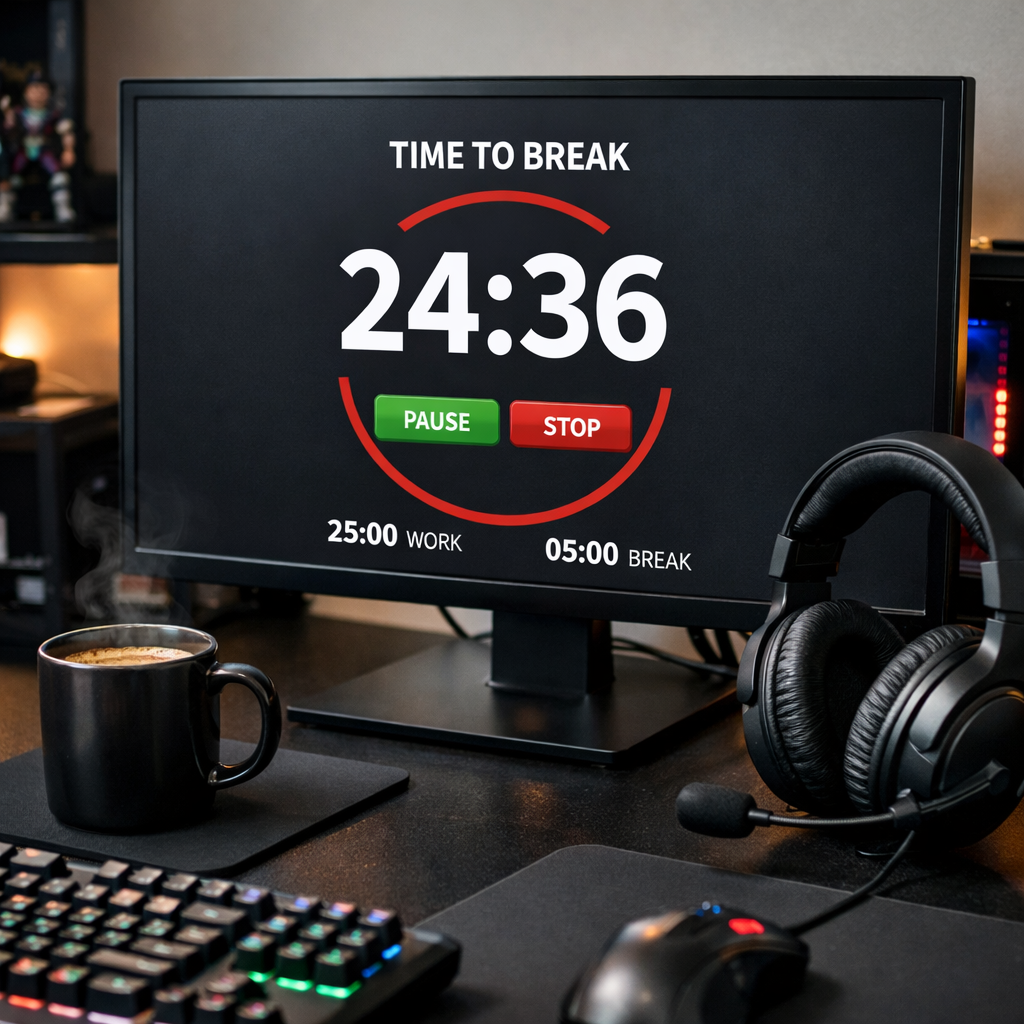
- The Pomodoro Technique involves working in 25-minute intervals followed by 5-minute breaks, with a longer break after four cycles, to improve focus and prevent burnout.
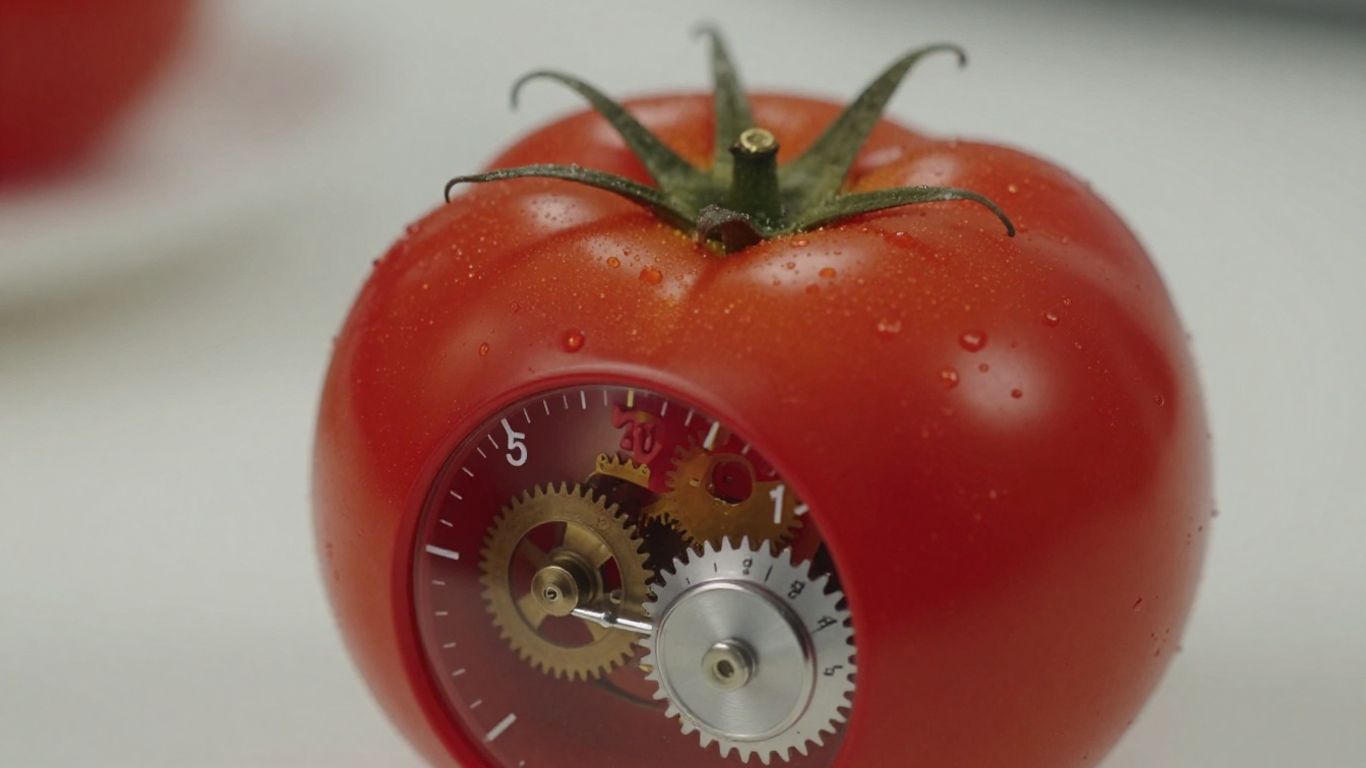
- Developed by Francesco Cirillo in the late 1980s using a tomato-shaped kitchen timer, the technique aims to break work into manageable chunks, reducing distractions and enhancing productivity.
- The key benefits include preventing mental fatigue, managing distractions, boosting motivation through structured breaks, and maintaining high levels of focus and consistency in work routines.
- By breaking down tasks and using a timer, you create a sense of urgency and focus, making it easier to start and complete work.
- Regularly reviewing your Pomodoro sessions helps you understand your work patterns and adjust the technique for better results.
Understanding the Pomodoro Technique Explained
Origins and Core Principles
Ever feel like your workday just disappears without much to show for it? You’re not alone. The Pomodoro Technique is a simple, yet surprisingly effective, way to get a handle on your time and actually get things done. It was cooked up by Francesco Cirillo back in the late 1980s when he was a university student struggling to focus. He grabbed a tomato-shaped kitchen timer (hence ‘Pomodoro,’ the Italian word for tomato) and started breaking his study sessions into short, focused bursts. The core idea is pretty straightforward: work intensely for a set period, then take a short break. This rhythm helps train your brain to concentrate better and prevents that feeling of being completely drained.
Here’s the basic setup:
- Work Interval (Pomodoro): 25 minutes of uninterrupted focus on a single task.
- Short Break: 5 minutes to step away, stretch, or grab some water.
- Long Break: After four Pomodoros, take a longer break of 15-30 minutes.
It’s not about working harder, but working smarter by structuring your time.
The Science Behind Focused Work Intervals
So, why does this 25-minute work, 5-minute break thing actually work? It taps into how our brains naturally function. Our attention spans aren’t infinite; they naturally ebb and flow. Trying to force yourself to concentrate for hours on end is a recipe for burnout and mistakes. The Pomodoro Technique acknowledges this limitation. By working in short, manageable sprints, you can maintain a higher level of focus during each interval. When the timer goes off, you get a built-in reward – a break. This short pause helps reset your mental state, preventing fatigue from creeping in. It’s like giving your brain little mini-vacations throughout the day, allowing it to come back refreshed and ready for the next task.
The key is that during a Pomodoro, you commit to only working on the chosen task. No checking emails, no social media scrolling, just pure focus. This single-mindedness is what makes the short intervals so powerful.
Key Benefits for Productivity
Using the Pomodoro Technique can really change how you approach your work. For starters, it’s a fantastic way to combat procrastination. That daunting task suddenly seems less scary when you only have to focus on it for 25 minutes. Plus, it helps you get a better handle on how long things actually take. You start to see patterns in your work habits, which is super useful for planning future projects.
Here are some of the main advantages:
- Improved Concentration: Short, focused bursts make it easier to stay on task.
- Reduced Burnout: Regular breaks prevent mental and physical exhaustion.
- Better Task Management: Breaking down big projects into smaller Pomodoros makes them less overwhelming.
- Increased Awareness of Time: You become more mindful of how you’re spending your time.
- Fewer Distractions: Knowing a break is coming helps you resist the urge to get sidetracked.
It’s a simple system, but the cumulative effect on your productivity can be pretty significant.
Implementing the Pomodoro Technique for Peak Performance
So, you’ve got the gist of what the Pomodoro Technique is all about. Now, let’s get down to actually using it. It’s not just about setting a timer and hoping for the best; it’s about building a system that works for you. The real magic happens when you integrate it smoothly into your day.
Step-by-Step Guide to Your First Pomodoro
Getting started is simpler than you might think. Forget about overcomplicating things; just follow these basic steps:
- Pick Your Task: Before you even think about the timer, decide exactly what you’re going to work on. Be specific. Instead of
Maximizing Your Pomodoro Technique Practice
So, you’ve got the hang of the basic Pomodoro Technique – 25 minutes of work, a short break, repeat. That’s awesome! But like anything, there’s always a way to get even more out of it. It’s not just about setting a timer; it’s about making the whole process work for you, not the other way around.
Taking Effective Short and Long Breaks
Don’t just see breaks as downtime. They’re actually super important for keeping your brain sharp. Those short 5-minute breaks? They’re not for scrolling through social media or checking emails – that just pulls you back into distraction mode. Instead, get up! Walk around, stretch your arms, grab a glass of water, or just stare out the window for a bit. The goal is to give your eyes and your brain a real rest.
Longer breaks, the 15-30 minute ones after a few Pomodoros, are your chance for a bigger reset. Maybe step outside for some fresh air, do a quick chore, or just sit quietly for a few minutes. Think of it as hitting a mini-refresh button.
Here’s a quick look at what to aim for:
- Short Breaks (5 minutes): Physical movement, hydration, quick mental reset.
- Long Breaks (15-30 minutes): Deeper relaxation, stepping away from your workspace, light activity.
The key is to actively disengage from your work task during breaks. This mental separation is what allows for true rejuvenation, making your next work interval much more effective.
Customizing Intervals for Your Workflow
Look, the classic 25-minute Pomodoro is a great starting point, but it’s not a one-size-fits-all solution. Some days, you might find your focus is really locked in for 30 or even 40 minutes. Other days, 20 minutes might feel like a stretch. That’s totally fine!
Experiment a little. Try 20-minute work sessions if 25 feels too long, or push it to 30 if you’re in the zone. The same goes for breaks. Maybe you need a bit longer than 5 minutes to really feel refreshed. The important thing is to find a rhythm that feels sustainable and productive for you.
Here’s a simple way to think about adjusting:
- If focus wanes early: Try shorter work intervals (e.g., 15-20 minutes).
- If you’re in deep flow: Extend work intervals slightly (e.g., 30-40 minutes).
- Adjust break times: Find what truly recharges you, whether it’s 5 minutes or 10.
Daily Practices for Consistent Results
Making the Pomodoro Technique a habit is where the real magic happens. It’s not just about using it when you feel like it; it’s about integrating it into your daily routine.
- Plan your Pomodoros: Before you start your day, or the night before, jot down the tasks you want to tackle and roughly how many Pomodoros each might take. This gives you a roadmap.
- Track your progress: Keep a simple log of your Pomodoros. What did you accomplish? How did you feel? This data can show you when you’re most productive and what types of tasks drain your focus.
- Review and adjust: At the end of the day, take a few minutes to look over your log. Did you stick to your plan? What worked well? What could be better tomorrow? This reflection helps you fine-tune your approach.
Consistency is key. The more you practice, the more natural it will feel, and the more you’ll see the benefits stack up.
Overcoming Common Pomodoro Technique Challenges

Even the best tools can have their tricky spots, and the Pomodoro Technique is no different. Sometimes, sticking to those timed work blocks and breaks can feel a bit… rigid. Let’s talk about how to smooth out those bumps.
Managing Interruptions During Work Intervals
Interruptions are the absolute worst when you’re trying to get into a flow. That email notification, a colleague stopping by, or even just a sudden thought can completely break your concentration. The key here is to be proactive and reactive.
- Communicate your focus time: Let people around you know when you’re in a Pomodoro session. A simple sign on your desk or a quick message can work wonders.
- Silence the noise: Turn off non-essential notifications on your phone and computer. If your environment is noisy, noise-canceling headphones are a lifesaver.
- Politely defer: If an interruption is unavoidable, a quick, "I’m in the middle of a focused work session right now, can we connect during my break at [time]?" usually does the trick.
The goal isn’t to be rude, but to protect your focused time so you can actually get things done. You can always circle back later.
Adapting to Structured Time Blocks
For some, the strict 25-minute work and 5-minute break structure can feel a bit confining, especially when you’re just starting out or dealing with tasks that don’t fit neatly into those boxes. It’s okay to tweak things.
- Start smaller: If 25 minutes feels too long, try 15 or 20-minute work intervals to build up your focus stamina.
- Experiment with breaks: Maybe you need a slightly longer short break, or perhaps you find you can jump back in after just 3 minutes. Play around with it.
- Chain Pomodoros: For bigger tasks, you can run multiple Pomodoros back-to-back, taking a longer break after every 3 or 4 sessions.
Balancing Short and Long Tasks with Pomodoros
Not every task is created equal, and some just won’t fit into a single 25-minute block. That’s perfectly normal.
- Break it down: For large projects, break them into smaller, manageable sub-tasks. Each sub-task can then become a target for a Pomodoro.
- Estimate and adjust: Before starting, estimate how many Pomodoros a task might take. You can then track your progress across multiple sessions.
- Task batching: Group similar small tasks together to tackle them efficiently within one or two Pomodoros.
The Pomodoro Technique is a guide, not a dictator. The real win comes from adapting it to your own rhythm and workflow, not forcing yourself into a mold that doesn’t fit.
Advanced Strategies for Pomodoro Technique Mastery
So, you’ve got the hang of the basic Pomodoro Technique. Nice! But what if you want to take it up a notch? It’s not just about setting a timer and calling it a day. There are ways to really make this method work harder for you, blending it with other tools and really digging into what makes you tick.
Combining Pomodoro with Other Productivity Methods
The Pomodoro Technique doesn’t have to be a solo act. Think of it as a great team player. You can mix it with other systems to build something even more powerful. For instance, pairing it with ‘Getting Things Done’ (GTD) can help you sort out your tasks before you even start your Pomodoro sessions. Or, you could use time blocking to set aside specific chunks of your day for certain types of Pomodoro work. This way, you’re not just working in bursts, but you’re also making sure those bursts are focused on the right things at the right time.
Leveraging Time Tracking Tools
Keeping tabs on your work is a smart move. Tools designed for time tracking can be super helpful here. They can automatically log your Pomodoro sessions, helping you see where your time actually goes. You can set up your tasks, assign estimated Pomodoros to them, and then track your progress. It’s like having a personal assistant for your time.
Here’s a quick look at how you might use a time tracker:
- Set up your tasks: Break down big projects into smaller, doable items.
- Schedule your Pomodoros: Use the tool’s timer for your 25-minute work sprints and breaks.
- Log your work: Mark tasks as complete and note how many Pomodoros they took.
- Review your data: Look at reports to see what’s working and what’s not.
Overcoming Procrastination with Focused Bursts
Procrastination is a real pain, right? The Pomodoro Technique is actually pretty good at fighting it. That 25-minute timer can feel less intimidating than a whole day of work. It creates a sense of urgency without being overwhelming. Starting that first Pomodoro is often the hardest part, but once you get going, the momentum can carry you through. You get a little win after each session, which builds up and makes it easier to tackle the next task, or even the next part of the same daunting one.
Sometimes, the biggest hurdle isn’t the task itself, but the mental block we put up before we even start. The Pomodoro Technique helps break down that initial resistance by making the commitment feel small and manageable. It’s about tricking your brain into getting started, and then letting the structure do the rest.
Pomodoro Technique in Action: Real-World Success

Case Studies from Professionals and Students
It’s easy to talk about the Pomodoro Technique in theory, but seeing it work in practice is where the magic really happens. Lots of people, from students cramming for exams to professionals juggling big projects, have found this method to be a total game-changer. For instance, a software developer I know was stuck on a really complicated coding task. Instead of staring at the screen for hours, they started breaking it down into 25-minute chunks. They said it felt like they could actually make progress without getting completely drained. This focused approach helped them avoid burnout and actually improve the quality of their code.
Students, too, have reported huge wins. Imagine facing a massive pile of textbooks before finals. Using Pomodoros to study specific subjects, say, 25 minutes on history, then a short break, then 25 minutes on biology, makes the whole process feel way less overwhelming. It helps you absorb information better and keeps you from feeling like you’re just spinning your wheels.
How Companies Implement the Technique
This isn’t just for individuals working alone, either. Companies are starting to see the benefits too. Marketing teams, for example, use it to keep projects on track. They might dedicate a Pomodoro session to brainstorming new campaign ideas, another to writing social media posts, and so on. It helps everyone stay focused on what needs to get done and meet deadlines without the usual last-minute panic. It also seems to encourage more teamwork because those short breaks are a good time to quickly chat and share ideas.
The Pomodoro Technique offers a method for small businesses to enhance productivity and prevent burnout. It involves working in focused 25-minute intervals, allowing for structured work and regular breaks.
Transforming Your Workflow with Pomodoro
So, what does this all mean for you? It means the Pomodoro Technique isn’t just some trendy productivity hack; it’s a proven way to get more done and feel better about your work. Whether you’re a student, a freelancer, or part of a larger organization, adopting this method can seriously change how you approach your tasks. It’s about working smarter, not just harder, and finding a rhythm that actually works for you. Ready to give it a try and see what happens? You might be surprised at the results you get from just focused work intervals.
Ready to Get Focused?
So, there you have it. The Pomodoro Technique isn’t some magic bullet, but it’s a really solid way to get more done without feeling totally wiped out. It’s all about working smarter, not just harder. By breaking things down into those 25-minute chunks and taking real breaks, you can actually get into a good flow and stop letting distractions win. Give it a shot for a week, see how it feels. You might be surprised at how much more you can accomplish when you’re just focused on one thing at a time. It’s a simple idea, but man, it can make a big difference in your day.
Frequently Asked Questions
What exactly is the Pomodoro Technique?
Think of it like this: you work really hard on one thing for a short time, like 25 minutes, and then you take a quick break. After you do this a few times, you get a longer break. It’s a way to help your brain stay focused without getting tired.
Why is it called the ‘Pomodoro’ Technique?
The name comes from an Italian word for tomato. The person who invented this method, Francesco Cirillo, used a tomato-shaped kitchen timer when he was a student. So, he named his time-management trick after his little tomato timer!
How does working in short bursts help me focus better?
Our brains are wired to focus best in short bursts, kind of like how we naturally have ups and downs in energy during the day. These 25-minute work periods are just the right length to keep you super focused without getting bored or overwhelmed. The breaks help your brain rest and get ready for the next burst.
What should I do during my short breaks?
The idea is to step away from your work! You can stand up, stretch, grab a glass of water, or just look out the window for a few minutes. The key is to give your brain a real break, not just switch to checking social media. This helps you come back to your work feeling refreshed.
Can I change the 25-minute work time or break times?
Absolutely! While 25 minutes is the classic time, you can totally adjust it. If you find you focus better for 45 minutes, or need shorter breaks, experiment and see what feels best for you. The important part is the cycle of focused work and planned rest.
What if I get interrupted while I’m working on a Pomodoro?
It happens! If it’s something quick, try to jot it down and deal with it during your next break. If it’s urgent and can’t wait, you might have to stop your Pomodoro and start a new one later. The goal is to minimize interruptions, but don’t beat yourself up if they occur.