
Figuring out how to actually get stuff done can be a real puzzle. We all know we need to focus, but sometimes it feels like our brains just don’t want to cooperate. This article is all about finding that sweet spot for your study sessions. We’ll look at how long you should set your timer, why breaks are actually good for you, and some simple tricks to keep your mind on track. Let’s get this done.
Key Takeaways
- Your brain’s ability to focus isn’t fixed; you can train it to last longer over time. Start small and gradually increase your focus periods.
- Setting specific times for focused work, and sticking to them, really helps cut down on distractions and gets more done.
- The question of how long should I study timer be set for depends on you. Experiment to find what works best, but remember that short, focused bursts are often more effective than long, drawn-out sessions.
- Taking breaks isn’t slacking off; it’s smart. Planned breaks help you recharge and come back to your work with more energy and a clearer head.
- Using tools like timers, especially techniques like the Pomodoro method, can make a big difference in staying on task and managing your study time effectively.
Understanding Your Focus Capacity
So, you want to get more done, right? It all comes down to focus. But here’s the thing: your brain isn’t a machine that can just switch on full power indefinitely. It has limits, and knowing them is the first step to actually getting better at concentrating. Think of it like training for a marathon; you wouldn’t just run 26 miles on day one. You build up to it.
Assessing Your Current Focus Limits
How long can you really concentrate on a single task before your mind starts wandering? Be honest with yourself. Maybe it’s 15 minutes, maybe it’s 45. Jot it down. This isn’t about judging yourself; it’s about getting a baseline. You might find that certain types of tasks hold your attention longer than others. For instance, reading a dense textbook might be harder than working on a hands-on project.
- Track your focus periods: For a few days, simply note down how long you’re actively engaged in a task before you feel the urge to switch or get distracted.
- Identify your ‘distraction triggers’: What usually pulls you away? Is it your phone buzzing, a notification popping up, or just a random thought?
- Note your energy levels: When during the day do you feel most alert and able to concentrate?
The Progressive Nature of Focus Training
Once you know your starting point, you can begin to push it, but gently. Just like building muscle, you need to gradually increase the demand on your attention span. If you can focus for 20 minutes now, aim for 25 next time. Small, consistent increases are key. Trying to jump from 20 minutes to an hour overnight is a recipe for burnout and frustration. This gradual approach helps build endurance without overwhelming you. It’s about making progress, not perfection, and it’s a skill that can be learned, much like how learning to study smarter involves building good habits.
Recognizing Individual Focus Boundaries
Everyone’s brain is wired a little differently. Some people naturally have a longer attention span, while others might struggle more. That’s okay. Your goal isn’t to become someone you’re not, but to work with your own unique capacity. Pushing too hard against your natural limits can be counterproductive. You still need breaks, and some distractions are inevitable. The trick is to manage them, not pretend they don’t exist.
Your focus isn’t a fixed trait; it’s a skill that can be developed. But like any skill, it requires consistent practice and an understanding of your own capabilities. Trying to force yourself to focus for hours on end when you’re not ready will likely lead to frustration and less productivity in the long run.
Think of it this way: you can train to run faster and longer, but you’ll still have days where you feel sluggish. The same applies to focus. You can improve your ability to concentrate, but you’ll still have off days. The important part is the overall trend of improvement, not hitting a perfect score every single time.
The Power of Time Blocking for Study
Okay, so you’ve got your study goals, but how do you actually make progress without getting lost in a sea of distractions? This is where time blocking comes in. Think of it like drawing a line in the sand for your study time. You’re saying, ‘For this specific period, this is what I’m focusing on, and nothing else is getting in.’ It’s about being intentional with your hours, not just letting them slip away.
Establishing Dedicated Focus Periods
This is the core idea. Instead of just vaguely planning to ‘study later,’ you’re assigning specific blocks of time for specific tasks. It’s like scheduling an important meeting, but the meeting is with your future self and your academic success. You decide when you’re going to work and what you’ll be working on. This structure helps train your brain to switch into ‘work mode’ when those times arrive. It’s not about studying non-stop; it’s about making the time you do study count.
Minimizing Interruptions During Study
Once you’ve blocked out your time, the next big hurdle is keeping those blocks sacred. This means actively shutting down distractions. Turn off notifications on your phone and computer. Let people you live with know you need uninterrupted time. If you’re in a shared space, consider using headphones, even if you’re not listening to anything, just as a visual cue. The goal is to create an environment where your focus isn’t constantly being pulled away.
The real magic of time blocking isn’t just about getting more done; it’s about getting the right things done with less wasted effort. When you’re truly focused, tasks that might normally drag on for hours can be completed much faster.
How Long Should I Study Timer Intervals Be?
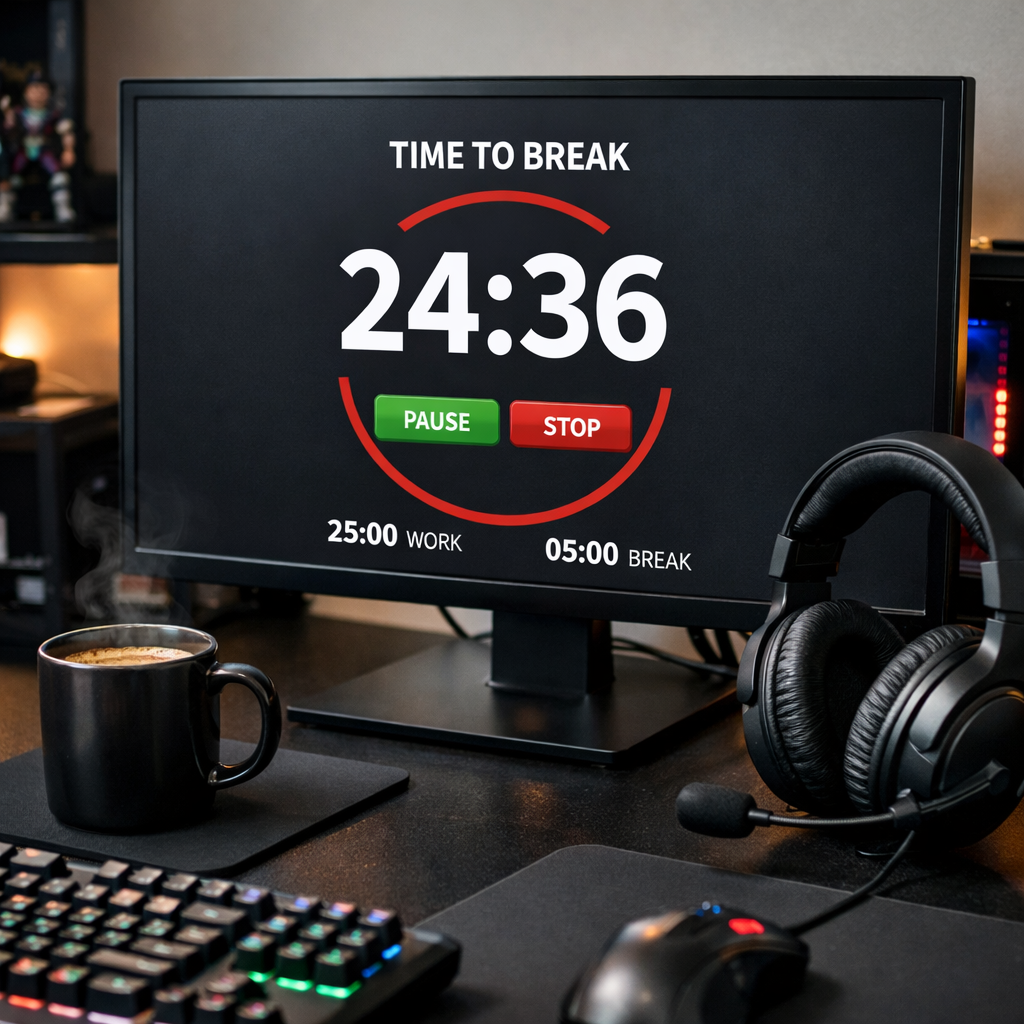
This is where the timer really shines. You don’t need to sit for hours straight. Short, focused bursts are often more effective. A common approach is the Pomodoro Technique, which uses 25-minute work intervals followed by short breaks. However, this isn’t a one-size-fits-all rule. Your ideal interval might be shorter or longer depending on the task and your personal focus capacity.
Here’s a general idea to get you started:
- Short, intense tasks (e.g., reviewing flashcards, answering a few practice questions): 15-25 minutes might be perfect.
- Medium-difficulty tasks (e.g., reading a chapter, writing a section of an essay): 30-45 minutes could work well.
- Complex tasks requiring deep thought (e.g., problem-solving, coding, outlining a major project): You might aim for 50-60 minutes, but be prepared to take a slightly longer break afterward.
It’s a good idea to experiment. Try different lengths and see what feels most productive for you. You might find that you can sustain focus for longer on certain subjects than others. The key is to find a rhythm that allows for deep work without leading to burnout.
Leveraging Timers for Enhanced Concentration

So, you’ve got your study space sorted, and you’re ready to buckle down. But how long should you actually be on? This is where timers become your best friend. Think of them as little coaches, nudging you to stay on track without letting you drift off into the abyss of social media.
The Role of Timers in Sustaining Focus
It’s easy to sit down with a mountain of work and feel overwhelmed. You might start strong, but then, before you know it, an hour has passed, and you’ve barely made a dent. Timers help break this down. They create defined periods where your only job is to focus. This structure makes the task feel less daunting. It’s like running a race with clear mile markers instead of just an endless road. Knowing you only have to push hard for a set amount of time makes it much more manageable. Plus, the ticking clock can create a gentle sense of urgency, which, for many, is a good motivator.
Choosing the Right Timer Length for You
There’s no one-size-fits-all answer here. What works for your friend might not work for you. It really depends on your current focus capacity and the type of task you’re tackling.
- Start small: If you’re new to focused study, try 20-25 minute intervals. See how you do. Can you maintain concentration for that whole time?
- Progress gradually: If 25 minutes feels good, try pushing it to 30, then 35. Don’t jump from 20 to 60 minutes overnight. It’s a marathon, not a sprint.
- Consider the task: Deep reading or complex problem-solving might need longer blocks than, say, organizing notes or answering simple review questions.
Here’s a rough guide, but remember to adjust based on your own experience:
| Task Type | Suggested Timer Interval | Notes |
|---|---|---|
| Deep Work/Learning | 45-60 minutes | Requires sustained mental effort. |
| Review/Practice | 30-45 minutes | Good for reinforcing learned material. |
| Administrative Tasks | 20-30 minutes | Shorter bursts for less demanding work. |
The key is to find a rhythm that challenges you without burning you out. It’s about building endurance, not just brute force. Pay attention to when your mind starts to wander or fatigue sets in. That’s your cue to take a break and reset.
Integrating Timers with Study Techniques
Timers aren’t just standalone tools; they work best when paired with other strategies. The most famous example is the Pomodoro Technique, which uses short, focused work intervals (typically 25 minutes) followed by short breaks. But you can adapt this. Maybe you prefer longer work periods with slightly longer breaks. The important thing is the intentionality. You’re not just studying; you’re studying within a structured time frame. This conscious effort to manage your time and attention is what makes timers so effective. It turns passive study time into active, focused engagement.
Strategic Breaks for Optimal Performance

You know, sometimes I think we get so caught up in the ‘doing’ that we forget to ‘be’. That’s where breaks come in. They aren’t just downtime; they’re actually a really smart part of the whole study process. Think about it: your brain isn’t a machine that can run at full speed forever. It needs a chance to reset, to process what you’ve been cramming in. Purposeful breaks are the secret sauce to sustained concentration. Without them, you’re just pushing yourself towards burnout, and that’s never good for learning.
The Importance of Purposeful Breaks
It’s easy to just zone out on your phone when you decide to take a break, but that’s usually not what your brain needs. Scrolling through social media can actually make you feel more drained, not less. A purposeful break means doing something that genuinely helps you recharge. This could be anything from a quick walk outside to listening to a song that makes you happy. The key is that it actively helps you step away from your study material and gives your mind a different kind of engagement, or even just a quiet moment.
The goal of a break isn’t just to stop working; it’s to prepare yourself to work better when you return. It’s about giving your mind and body a chance to recover so you can tackle the next study block with renewed energy and clarity.
Effective Break Activities for Recharging
So, what actually counts as a good break? It really depends on what you find refreshing, but here are some ideas that tend to work well:
- Move your body: Even a short walk around the block or some simple stretching can do wonders. It gets the blood flowing and can shake off that stiff, study-induced posture.
- Engage your senses differently: Listen to some music, step outside for some fresh air, or even just look out the window for a few minutes. Give your eyes and ears a break from the textbook.
- Do something completely unrelated: This could be a quick chat with a friend (about anything but studying), a short meditation, or even just tidying up your desk. The shift in activity is what matters.
- Hydrate and refuel: Grab a glass of water or a healthy snack. Sometimes, feeling sluggish is just your body telling you it needs fuel.
Balancing Study Time with Rest
Finding the right rhythm between studying and breaking is a bit of an art. It’s not a one-size-fits-all situation. What works for one person might not work for another, and what works for you on Monday might not work on Friday. A good starting point is to experiment. Try different break lengths and see how you feel afterward. A common approach is the Pomodoro Technique, which suggests 25 minutes of focused work followed by a 5-minute break. After a few of these cycles, you take a longer break, maybe 15-30 minutes.
Here’s a rough guide to get you started:
| Study Block Length | Recommended Break Length |
|---|---|
| 25 minutes | 5 minutes |
| 50 minutes | 10 minutes |
| 90 minutes | 15-20 minutes |
| 120+ minutes | 20-30 minutes |
Remember, the goal is to feel refreshed, not to completely disengage. If you find yourself getting lost in a break and struggling to get back to your studies, it might be too long or the wrong activity. It’s all about finding that sweet spot where you can maintain focus over longer periods without burning out.
Mindfulness and Meditation for Focus
Sometimes, the biggest hurdle to getting work done isn’t the task itself, but what’s going on inside our own heads. Our minds can feel like a runaway train, jumping from one thought to the next, making it tough to stick with anything for long. This is where practices like mindfulness and meditation come in, offering a way to train our attention, much like we train a muscle.
Learning Focus Through Meditation Analogies
Think about when you first try to meditate. It can feel pretty weird, right? You sit there, maybe with your eyes closed, and suddenly your mind goes wild. You might feel restless, wanting to get up, or your thoughts might race about everything you need to do later. Meditation teaches you not to fight these thoughts or feelings, but to just notice them and let them pass without getting caught up. It’s like watching clouds drift by. This is surprisingly similar to how you need to approach studying. When you sit down to focus on a chapter or an assignment, you’ll likely feel that urge to check your phone or switch to something easier. The meditation lesson here is to acknowledge that urge, but then gently bring your attention back to your study material. It’s about training your mind to return to the task at hand, again and again.
Cultivating Mental Stillness for Study
Achieving a state of mental stillness isn’t about emptying your mind completely – that’s pretty much impossible. Instead, it’s about creating a calm space within your thoughts where you can concentrate. When you’re studying, this means learning to quiet the background noise of your mind. It’s about developing the ability to tune out distractions, both external (like notifications) and internal (like worries or random ideas). This practice helps you become more present with your work, allowing you to absorb information more effectively and think more clearly.
Here are a few ways to start cultivating this stillness:
- Mindful Observation: Simply pay attention to your breath for a few minutes. Notice the sensation of air entering and leaving your body. When your mind wanders, gently guide it back to your breath.
- Body Scan: Lie down or sit comfortably and bring your awareness to different parts of your body, from your toes to the top of your head. Notice any sensations without judgment.
- Single-Tasking Practice: Choose one simple activity, like washing dishes or walking, and focus all your attention on it. Notice the sights, sounds, and feelings associated with that activity.
Breathing Techniques to Aid Concentration
Breathing is one of the most accessible tools we have for managing our mental state. Simple breathing exercises can help calm a racing mind and bring your focus back into the present moment. They act as an anchor when your thoughts start to drift.
Here are a couple of techniques you can try:
- Diaphragmatic Breathing (Belly Breathing): Place one hand on your chest and the other on your belly. Breathe in slowly through your nose, allowing your belly to expand. Your chest should move very little. Exhale slowly through your mouth. Repeat for a few minutes.
- Box Breathing: Inhale slowly for a count of four, hold your breath for a count of four, exhale slowly for a count of four, and hold your breath out for a count of four. This creates a steady rhythm that can be very grounding.
These techniques aren’t just for meditation sessions; you can use them right before a study block or whenever you feel your focus slipping. They’re quick, discreet, and can make a noticeable difference in your ability to concentrate.
Practical Timer Strategies
Alright, so we’ve talked about why timers are good and how to pick a length that works for you. Now, let’s get down to the nitty-gritty: how to actually use them effectively. It’s not just about setting a timer and hoping for the best; there are specific ways to make them work harder for your study goals.
The Pomodoro Technique Explained
This is probably the most well-known timer strategy out there. The basic idea is simple: you work in focused bursts, followed by short breaks. It’s designed to keep you from burning out while still getting a solid amount of work done.
Here’s the classic breakdown:
- 25 minutes of focused work: This is your "Pomodoro." During this time, you’re all in, no distractions allowed.
- 5-minute short break: Get up, stretch, grab some water. Anything to get away from your study material for a few minutes.
- After four Pomodoros: Take a longer break, maybe 15-30 minutes. This is where you can really reset.
The beauty of Pomodoro is its rhythm. It creates a predictable pattern that your brain can get used to, making it easier to settle into focus.
Customizing Timer Durations for Tasks
While the 25/5 minute split is a great starting point, it’s not a one-size-fits-all solution. Some tasks might need longer focus periods, while others can be tackled in shorter bursts.
Think about the nature of the task:
- Deep Reading or Complex Problem Solving: You might find that 45-50 minutes of focused work feels more productive before needing a break. Trying to cram too much into 25 minutes can feel rushed and less effective.
- Reviewing Notes or Light Reading: Shorter, 15-20 minute intervals might be perfectly sufficient. You can knock out a few of these in a row.
- Creative Work: Sometimes, you hit a flow state and don’t want to be interrupted. In these cases, you might extend your focus time, but be mindful not to skip breaks entirely.
It’s all about experimenting. Keep a little log of what works for different types of study. You might be surprised at how much variation you can handle.
The key is to be intentional. Don’t just set a timer and forget about it. Pay attention to how you feel during and after each work interval. Are you feeling rushed? Are you getting distracted easily? Your own feedback is the best guide for adjusting your timer settings.
Utilizing Apps for Timer Management
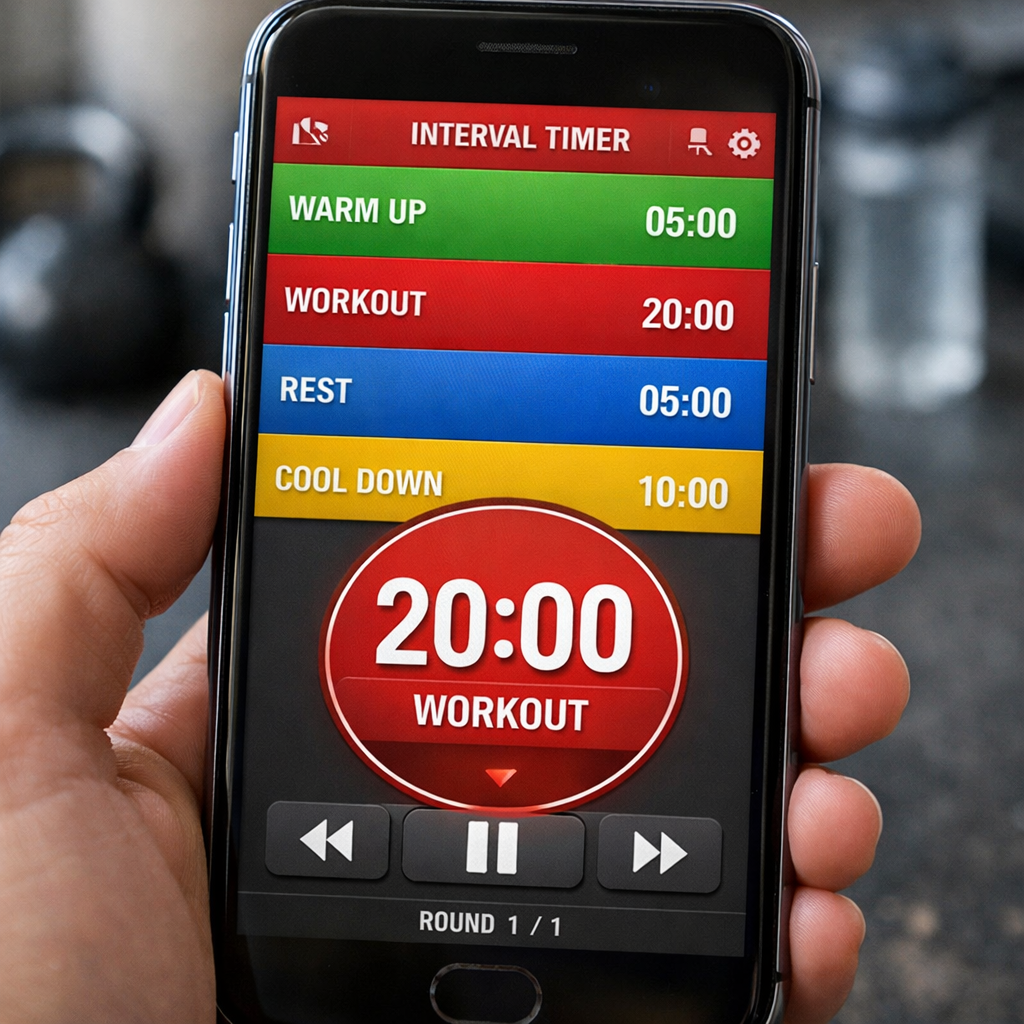
We live in a digital age, and there are tons of apps designed to help you manage your study timers. Many of these go beyond a simple countdown. Some apps offer features like:
- Task-specific timers: You can assign different timer lengths or Pomodoro cycles to specific subjects or assignments.
- Progress tracking: See how much focused time you’ve logged each day or week.
- Distraction blocking: Some apps can even block distracting websites or apps during your focus sessions.
- Customizable sounds and alerts: Ditch the jarring alarm for something more pleasant.
Apps like Forest, Focus Keeper, or even built-in timer functions on your phone can be really helpful. The best app is the one you’ll actually use consistently. Don’t get bogged down trying every single one; pick one that feels intuitive and stick with it for a while to see if it fits your workflow.
Wrapping Up Your Focus Journey
So, finding that sweet spot for your study timer isn’t about a magic number. It’s more about listening to yourself and figuring out what works best for your brain. Remember, focus isn’t something you’re just born with; it’s a skill you build, kind of like getting stronger at the gym. Start with what you can manage, maybe 20 minutes, and slowly push it a bit further. Don’t forget to take real breaks – step away, move around, or just zone out for a bit. It might feel like you’re losing time, but trust me, focused work gets more done way faster. Keep experimenting, keep practicing, and you’ll find your rhythm. Happy studying!
Frequently Asked Questions
How long should I set my study timer for?
Start with shorter times, like 20-25 minutes, and see how long you can really focus. As you practice, you can slowly increase the time. It’s like training a muscle – you get stronger with practice!
What’s the Pomodoro Technique?
It’s a popular method where you study for a set time (like 25 minutes) and then take a short break (like 5 minutes). After a few of these cycles, you take a longer break. It helps you stay focused and avoid burnout.
Why are breaks so important when studying?
Breaks are super important! They give your brain a chance to rest and recharge. This actually helps you focus better and be more productive when you return to studying. Think of it as hitting the refresh button for your mind.
What kind of activities are good for study breaks?
Good breaks involve things that help you relax and recharge. Try stretching, taking a short walk, listening to music, meditating for a few minutes, or even just daydreaming. Avoid things that can pull you in, like endless scrolling on social media.
Can I really train my brain to focus better?
Yes, absolutely! Focusing is a skill, just like riding a bike or playing a game. The more you practice focusing for set periods and minimizing distractions, the better you’ll become at it over time.
What if I get distracted during my study time?
It’s totally normal to get distracted! When it happens, gently bring your attention back to your task without getting upset. Think of it like meditating – you just notice the thought and let it pass, then return to what you were doing.