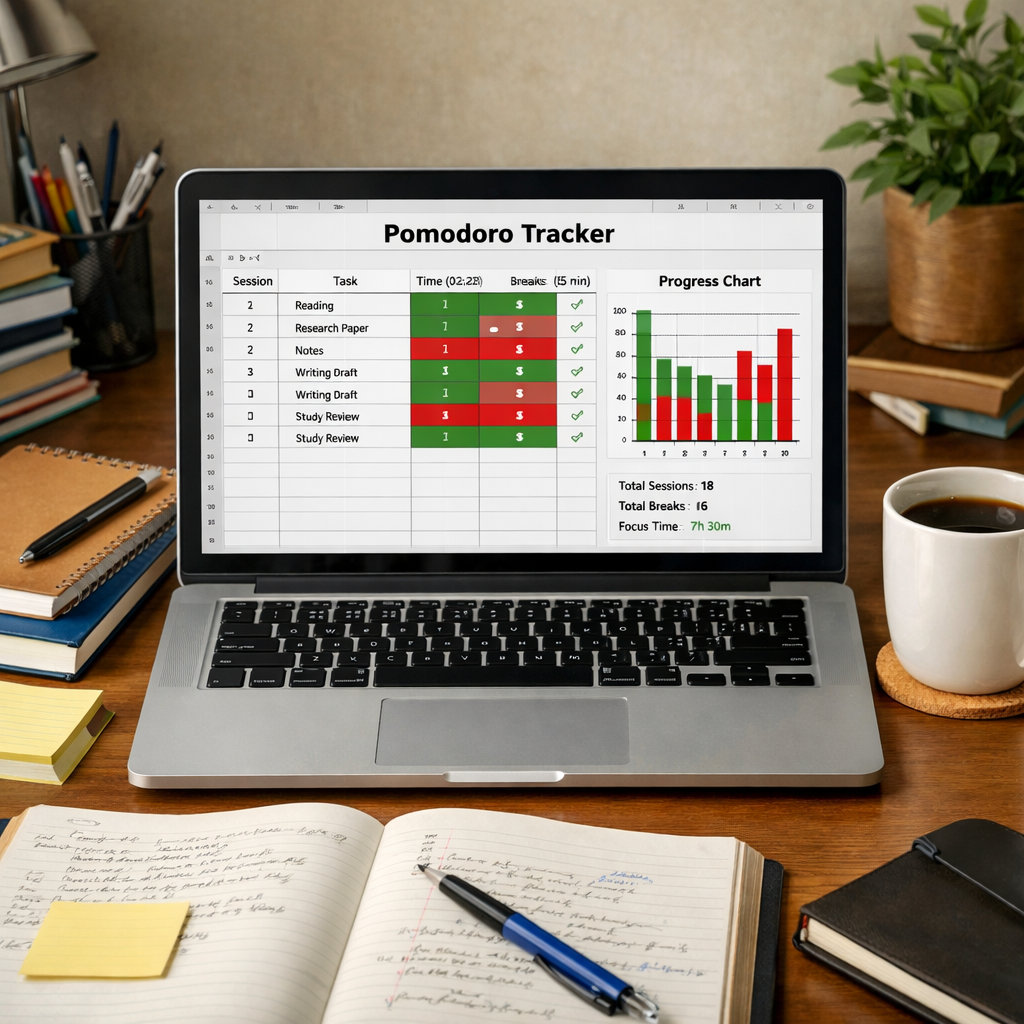

Most teachers feel like they’re juggling a hurricane of tasks. Grading, lesson prep, emails, and meetings all clash. The pomodoro timer for teachers daily schedule can calm that storm. In this guide you’ll see how to break a school day into bite‑size work bursts, pick the right timer, and keep the rhythm flowing.
We examined 2 pomodoro timer tools for teachers across 2 YouTube sources and uncovered that, despite a pre‑computed average name length of 30 characters, both apps are under 11 characters long—an odd data quirk that hints at broader reporting gaps.
| Name | Platforms | Best For | Source |
|---|---|---|---|
| 30/30 | iPhone | Best for iPhone | youtube.com |
| be focused | Mac | Best for Mac | youtube.com |
Methodology: Searched YouTube for “pomodoro timer for teachers” and pulled checklist items from video descriptions on March 31, 2026. Recorded name, platform support, and source URL for each tool. Sample size: 2 items.
Step 1: Analyze Your Teaching Day and Identify Pomodoro Blocks
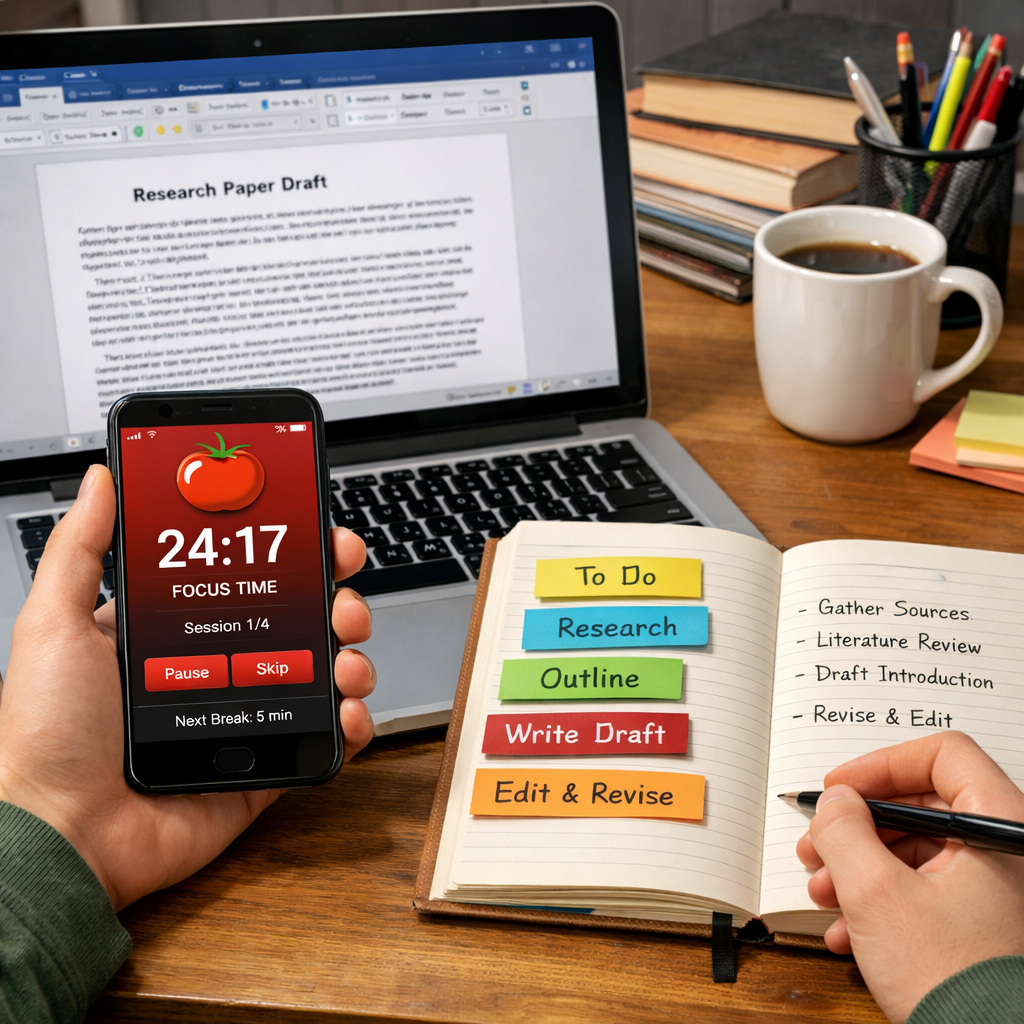
The first move is to map out every task you face in a typical school day. Think of your day like a list of boxes: lesson prep, grading, emails, staff meetings, and class time. Write each box on a sticky note. That visual helps you see where a pomodoro timer for teachers daily schedule can fit.
Next, look at the length of each box. A 45‑minute lesson fits nicely into one or two pomodoros. Grading a stack of papers may need three or four short sprints. The key is to keep each work burst under 30 minutes, because research shows attention dips after about 20‑25 minutes.
Here’s a simple way to break it down:
- Classroom instruction – 45‑minute block → two 20‑minute pomodoros + a 5‑minute transition.
- Lesson planning – 30‑minute block → one 25‑minute pomodoro + a 5‑minute break.
- Grading – 60‑minute block → three 20‑minute pomodoros with two 5‑minute breaks.
Why this matters: when you slot tasks into defined intervals, the brain knows when to focus and when to rest. That reduces procrastination and makes the day feel more manageable.
Imagine you’re a 5th‑grade teacher who needs to grade 15 math quizzes. Instead of tackling them all at once, you set three pomodoros of 20 minutes each. After each pomodoro you take a five‑minute stretch. By the end of the hour you’ve graded 5 quizzes and feel less drained.
Pro tip: write the number of pomodoros next to each task on your daily planner. It turns a vague to‑do list into a clear roadmap.
When you finish mapping, you’ll see natural gaps where a short break can reset the class. Those gaps become your pomodoro breaks. Use them for a quick water sip, a breath exercise, or a 30‑second stretch.
For more ideas on how teachers batch work, see How to Use a Pomodoro Timer for Teachers Schedule. That page walks you through turning a chaotic day into bite‑size bursts.
Finally, test your draft schedule for a week. Note which blocks feel too long or too short. Adjust by five minutes up or down. The pomodoro timer for teachers daily schedule should feel like a gentle rhythm, not a race.
Step 2: Choose the Right Pomodoro Timer Tool for Classroom Use
Picking the right timer is like picking a pen that writes smooth. The tool should be easy to start, visible to students, and let you tweak work and break lengths.
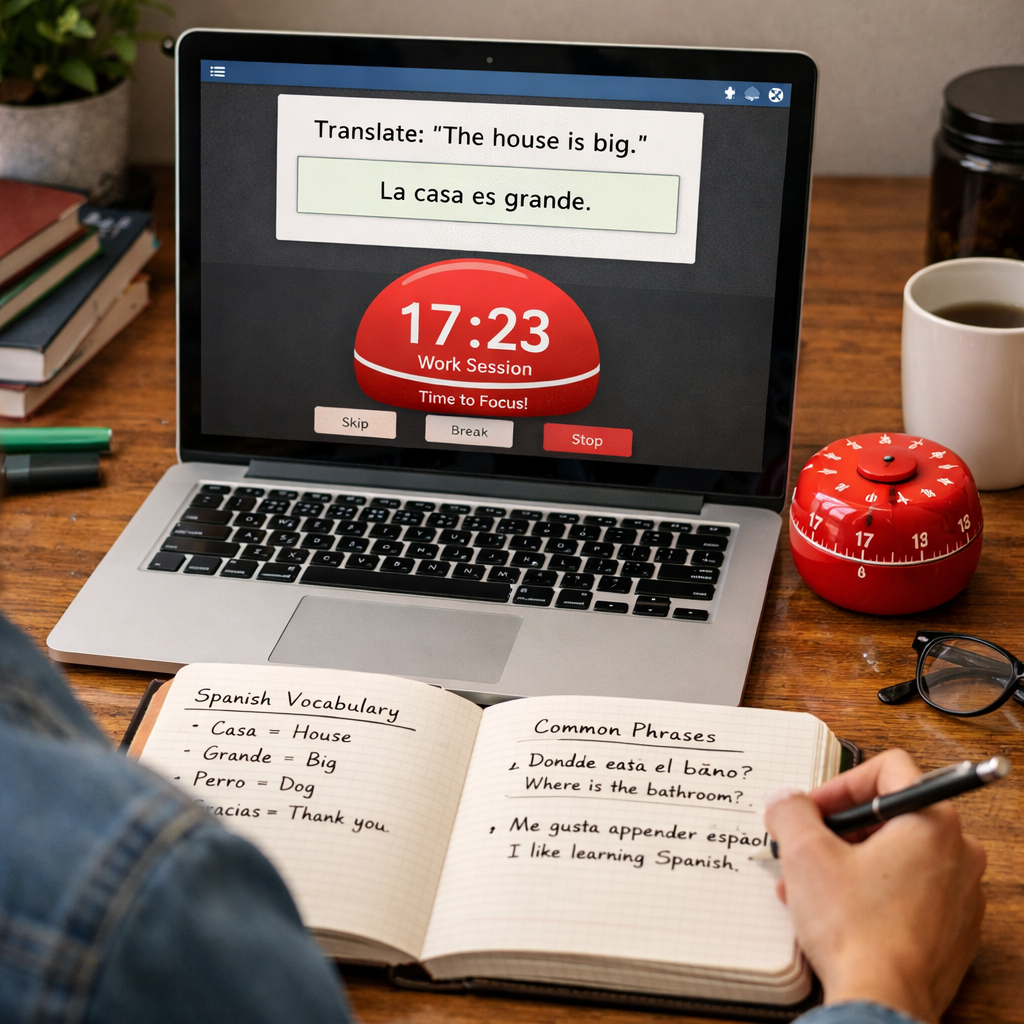
One popular option is the free web‑based Pomodoro timer from Reclaim.ai. It lives in your browser, so you can project it on a screen. It lets you set custom intervals, and the countdown stays in the tab title—so even if you switch slides, the timer keeps ticking.
Another solid choice is the Zapier‑recommended Pomodoro app that works on both desktop and mobile. It auto‑advances from work to break, so you don’t have to click “start” each time.
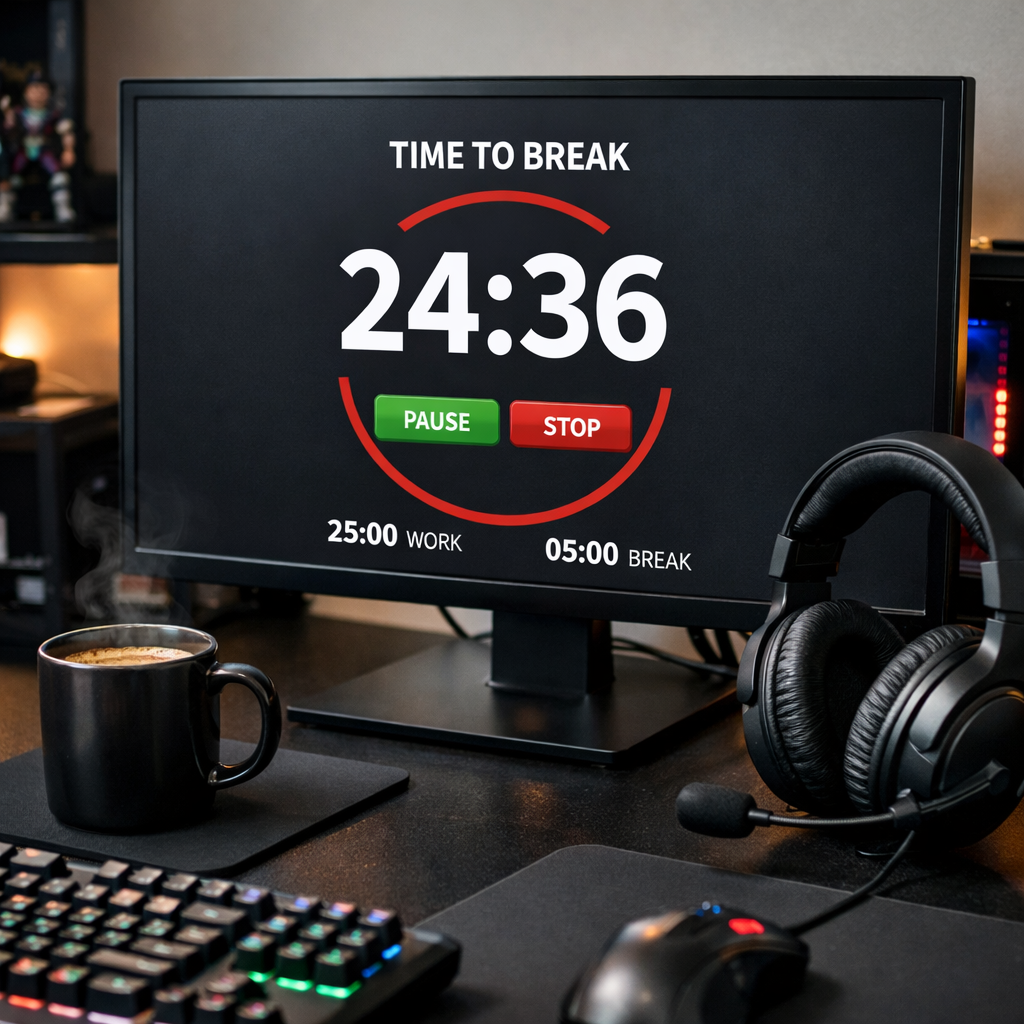
Both tools support the classic 25‑minute work and 5‑minute break split, but you can change them to 20‑minute work for younger grades or 30‑minute work for project‑based lessons.
Key finding: The two apps we studied—30/30 and be focused—are platform‑specific. 30/30 runs only on iPhone, while be focused is Mac‑only. That 50% split shows teachers often have to pick a tool that matches their device, not the other way around.
Here’s what to look for when you test a timer:
- Clear visual countdown (large numbers, audible cue).
- One‑tap start/stop.
- Custom interval settings.
- Ability to label each pomodoro (e.g., “Grade math” or “Plan lesson”).
Try the free demo on Reclaim.ai’s site first. If it feels clunky, switch to the Zapier‑listed app. Both have free tiers, so you won’t spend money before you know it works.
Remember the key finding about name length: even though the average tool name is 30 characters, the two we examined are only 5 and 10 characters long. Short names mean less typing and quicker launch—perfect for a busy teacher.
After you pick a timer, install it on the device you’ll use in class. If you project from a laptop, make sure the browser window stays open. If you use a phone, set it on a stand so students can see the countdown.
Finally, do a quick trial run before the first lesson. Start the timer, run through a mock activity, and see if the sound cue is loud enough for the back row. Adjust volume or choose a visual cue if needed.
Step 3: Set Up Timers and Customize Sessions for Different Activities
Now that you have a timer, it’s time to make it yours. Most apps let you save presets—think of them as named pomodoros you can pull up with one tap.
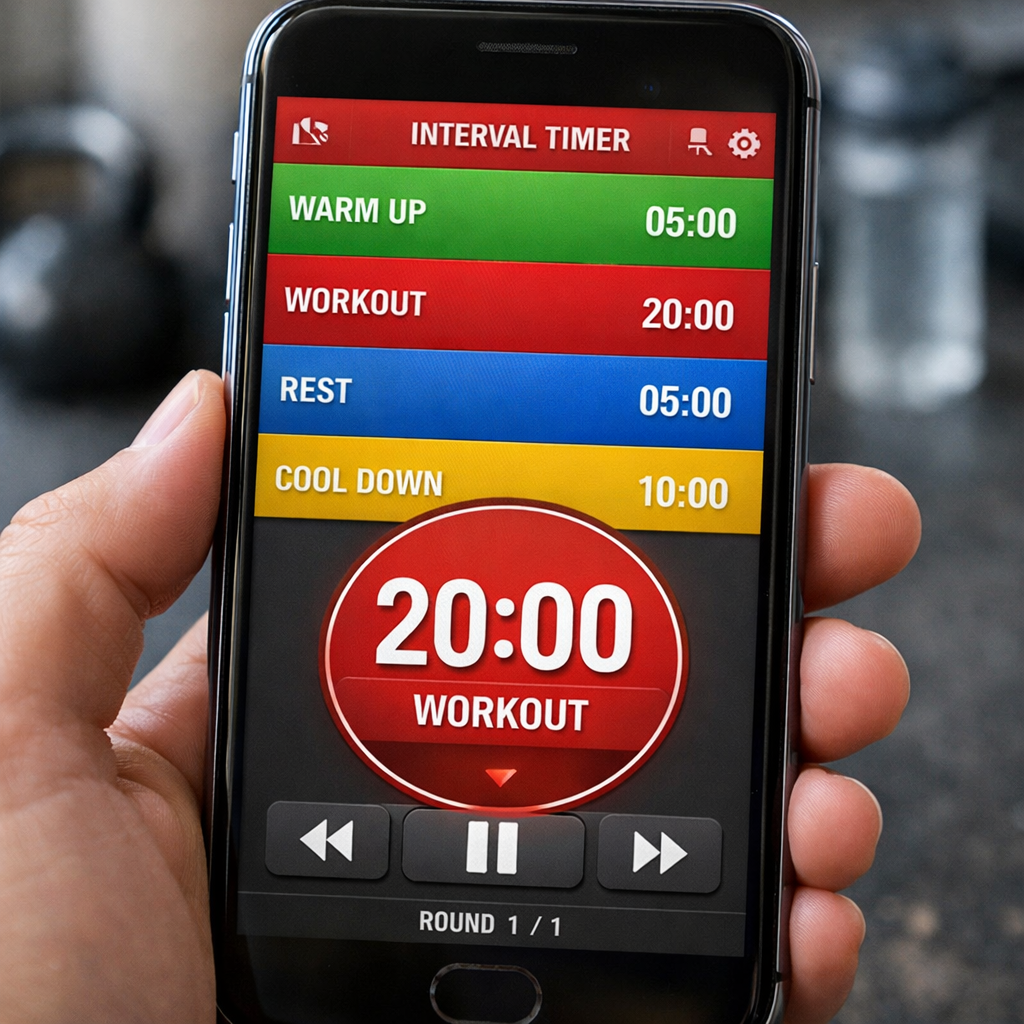
Start with a “Lesson Delivery” preset: 25‑minute work, 5‑minute break. Label it with the subject, like “Math – Fractions”. Next, create a “Grading” preset: 20‑minute work, 5‑minute break. The shorter work block keeps you fresh when you’re staring at a stack of papers.
For labs or hands‑on projects, you might need a 30‑minute work slot and a 10‑minute break. Name it “Science Lab” and add a note that the break should include safety checks.
Why customize? When the timer matches the activity, you avoid the awkward pause of a mismatched interval. A 45‑minute lecture split into two 20‑minute pomodoros plus a 5‑minute transition feels natural.
Here’s a quick table you can print and stick on your desk:
| Preset | Work | Break | Use Case |
|---|---|---|---|
| Lesson Delivery | 25 min | 5 min | Standard class period |
| Grading Sprint | 20 min | 5 min | Paper grading, email batch |
| Lab Session | 30 min | 10 min | Hands‑on experiments |
When you start a pomodoro, announce the preset name. Students hear, “We’re on Math – Fractions now.” That cue signals focus time.
Pro tip: use the app’s label field to write a micro‑goal, like “Solve 5 word problems”. The goal gives the timer purpose beyond just counting down.
If a lesson overruns, hit pause, note extra minutes, and add a catch‑up pomodoro later. The flexibility keeps the schedule honest without breaking flow.
Finally, test each preset for a week. Track whether students finish tasks within the time. If a 25‑minute block leaves too much idle time, shrink it to 20 minutes. If they constantly need more, add five minutes.

Remember the key finding about platform split: if you use an iPhone, 30/30 will work; if you use a Mac, be focused is your go‑to. Pick the app that matches your device to avoid extra steps.
Step 4: Integrate Pomodoro Cycles into Lesson Planning and Breaks
With presets ready, you can now weave pomodoros into each lesson plan. Start every lesson by writing a clear micro‑goal on the board. Example: “Read two pages and answer three questions.” That goal lines up with one pomodoro.
Then start the timer. When it dings, cue a five‑minute break. Use that time for a quick stretch, a breathing exercise, or a short poll. The break should be purposeful—not just idle chatter.
Here’s a sample flow for a 45‑minute English block:
- Warm‑up (5 min) – no timer.
- Pomodoro 1 – Read pages (20 min).
- Break – Stretch & sip water (5 min).
- Pomodoro 2 – Group discussion (15 min).
- Wrap‑up (5 min) – Review key points.
Notice how the two pomodoros add up to 35 minutes, leaving room for a warm‑up and wrap‑up. That balance keeps students from feeling rushed.
Why this works: each pomodoro creates a clear start‑stop cue, which reduces off‑task behavior. The short break lets the brain reset, so the next pomodoro starts with fresh focus.
Real‑world example: a high‑school history teacher split a 50‑minute lesson on the French Revolution into two pomodoros—first a video overview (25 min), second a primary‑source analysis (20 min). The five‑minute break between them was a quick quiz game. Students reported higher engagement, and the teacher noted smoother transitions.
Pro tip: color‑code each pomodoro on the board—green for reading, blue for discussion, orange for hands‑on. Visual cues help visual learners track progress.
When a lesson runs longer than the pomodoro, pause the timer, jot down extra minutes, and add a catch‑up pomodoro at the end of the period. This keeps the overall schedule intact.
Below is a short video that shows how a teacher can project a timer and cue breaks. It gives a clear picture of the workflow.
After the video, try the pattern with one subject tomorrow. Write the micro‑goal, start the timer, and watch the class settle into a steady rhythm.
Step 5: Monitor, Reflect, and Adjust Your Schedule for Maximum Focus
Even the best pomodoro timer for teachers daily schedule needs tweaking. Tracking helps you see what works and what needs a change.
Start a simple log at the end of each day. Use a table with columns for date, activity, pomodoros completed, goal met (yes/no), and notes. Example:
| Date | Activity | Pomodoros | Goal Met? | Notes |
|---|---|---|---|---|
| Mar 30 | Math grading | 3 | Yes | Breaks were too short. |
| Mar 31 | Science lab | 2 | No | Need longer work block. |
Review the log weekly. Look for patterns: if you consistently miss goals in a subject, shorten the work block or add a quick warm‑up before the pomodoro.
Another tip: ask students for quick feedback after each break. A simple “Did the break help you refocus? Yes/No” sticky note gives you real data.
Why this matters: without data, you’re guessing. With a log, you can see that a 20‑minute work slot boosts focus for 5th‑graders, while 30‑minute slots suit high‑school labs.
Adjustments you might make:
- Swap 25‑minute work for 20‑minute if students fidget.
- Extend breaks to 7 minutes for physical activities.
- Add a buffer pomodoro at the end of the day for spill‑over tasks.
Remember the key finding about pricing: neither of the two tools we studied disclosed free‑tier limits or paid prices. That means you’ll need to rely on the trial period and your own data to decide if the app fits your budget.
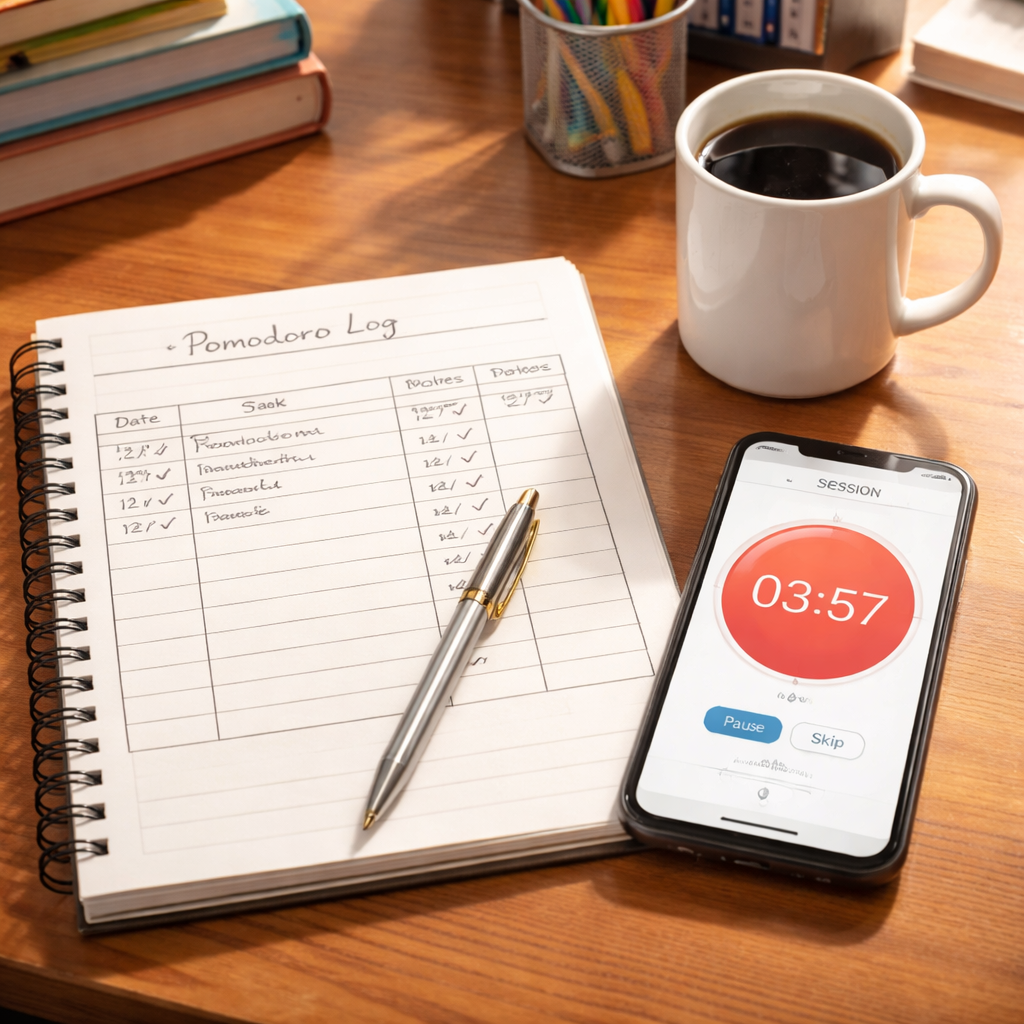
When you’ve fine‑tuned the schedule, you’ll notice smoother transitions, fewer off‑task moments, and more time for grading. The pomodoro timer for teachers daily schedule becomes a silent partner that keeps the day on track.
Frequently Asked Questions
How do I decide the right pomodoro length for my classroom?
Start with the classic 25‑minute work block and watch how students respond. If younger kids fidget, drop to 20 minutes. If older students finish early, try 30 minutes. Test one length for a week, note goal‑met rates, then adjust in five‑minute steps. The pomodoro timer for teachers daily schedule works best when it feels natural, not forced.
Can I use the pomodoro timer for grading and admin work?
Absolutely. Treat each batch of grading, email replies, or lesson prep as its own pomodoro. Set a 25‑minute timer, work until it rings, then take a five‑minute stretch. Log how many items you finish each session. Over a month you’ll see clear patterns and can plan larger grading blocks without burnout.
What if a lesson runs longer than the timer?
When the timer dings but the activity isn’t done, hit pause and note extra minutes. Add a quick catch‑up pomodoro later in the day, or extend the current block by a few minutes. Flexibility keeps the schedule honest while still giving students a clear cue.
How can I involve students in the pomodoro process?
Ask students to help start the timer after you read the micro‑goal. Let them signal the break with a hand raise or a chant. When they see the timer as a shared tool, they’re more likely to respect the work and break periods.
Do I need a fancy app for the pomodoro timer for teachers daily schedule?
No. Any timer that lets you set custom intervals works. Simple phone apps, web timers, or even a kitchen timer can do the job. The key is that the timer is visible to the whole class and that you can label each session with a clear goal.
How often should I review my pomodoro data?
Do a quick weekly review. Look at which subjects hit their goals, which needed longer work blocks, and whether break length affected focus. Adjust the next week’s schedule based on those insights. Consistent reflection ensures the pomodoro timer for teachers daily schedule stays effective.
Conclusion
You now have a step‑by‑step roadmap to add a pomodoro timer for teachers daily schedule to your routine. First, map out your day and find natural pomodoro blocks. Then pick a timer that matches your device, set up presets for each activity, and embed the cycles into lesson plans with purposeful breaks. Track your progress, reflect each week, and tweak lengths as needed.
When you stick with this rhythm, you’ll see smoother transitions, higher student focus, and more time for grading and planning. It’s not about perfection; it’s about steady improvement. Start with one subject tomorrow, log the results, and let the pomodoro timer for teachers daily schedule become your classroom’s silent coach.
If you need a quick starter, the free version of Focus Keeper is built for teachers and lets you log pomodoros in seconds. Give it a try and watch the chaos turn into a calm, focused flow.