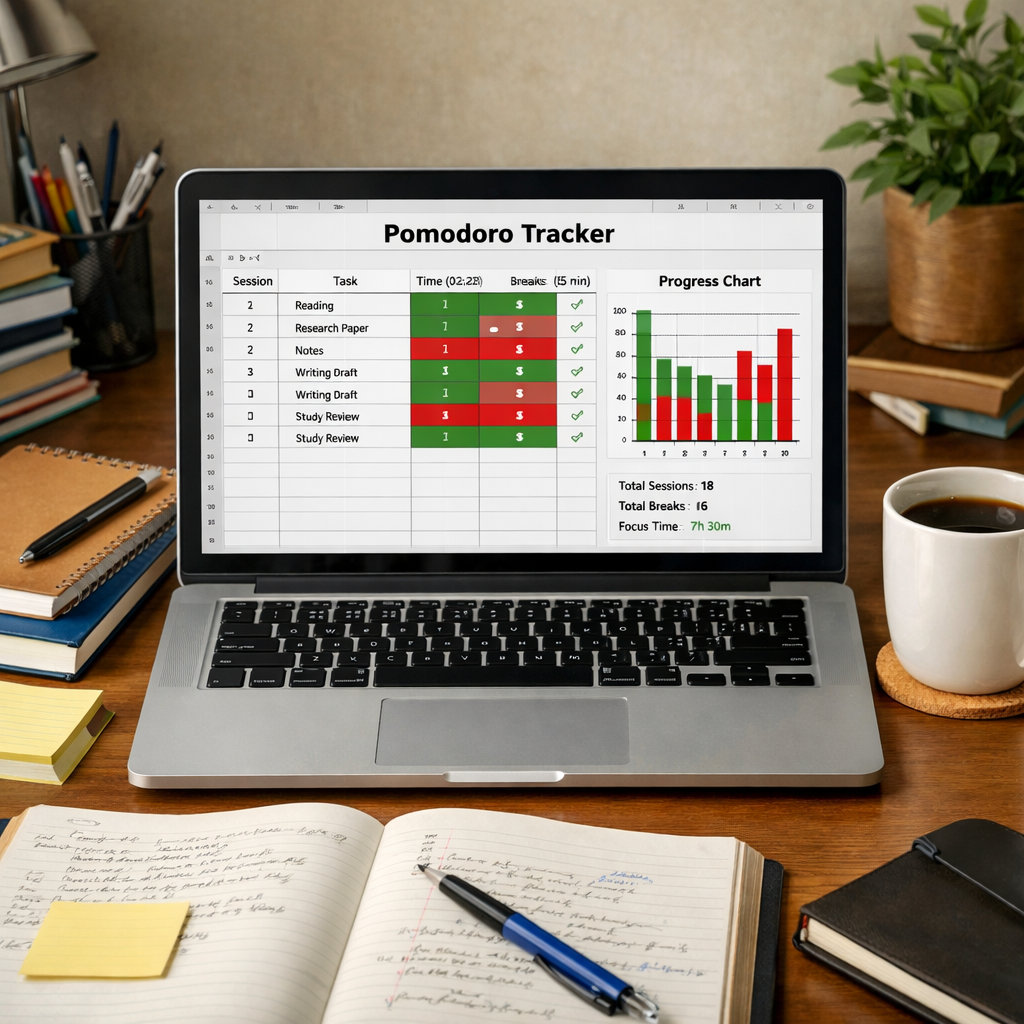

Teachers juggle lesson plans, grading, emails, and meetings all in a single day. The chaos can feel endless. But what if you could slice that overwhelming workload into focused bursts with purposeful breaks that actually refresh your mind?
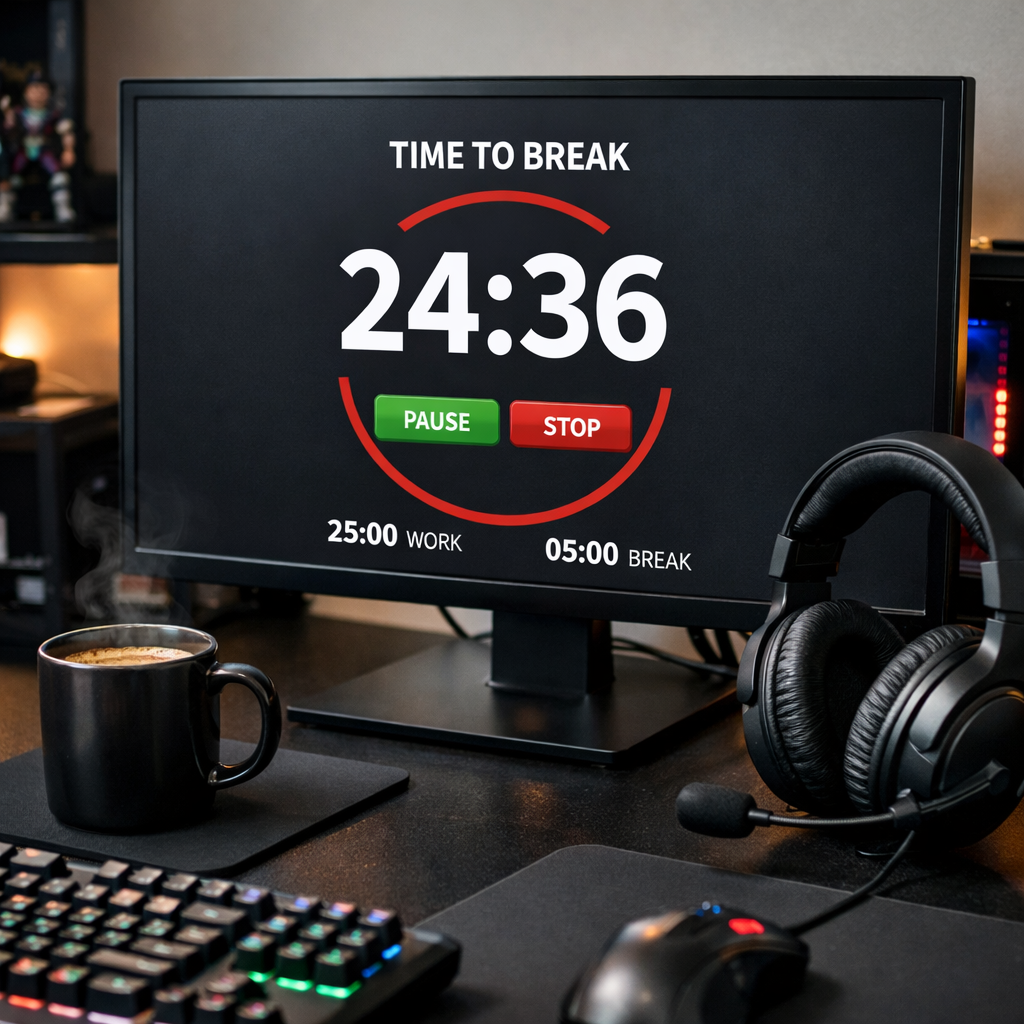
A pomodoro timer for teachers break schedule does exactly that. We examined 3 Pomodoro templates across 2 sources and found that every teacher‑shared schedule sticks to a 25‑minute work block and a 5‑minute break, while completely omitting long‑break details.
| Name | Work Interval (min) | Short Break (min) | Source |
|---|---|---|---|
| Teacher Long Break | 25 | 5 | truthforteachers.com |
| Grading Session 25/5 | 25 | 5 | focuskeeper.co |
| Lesson Planning 25/5 | 25 | 5 | focuskeeper.co |
We searched for “pomodoro timer for teachers break schedule” using a checklist extraction strategy, scraped three relevant pages on March 28, 2026, and extracted the name, work interval minutes, short break minutes, cycles before long break, and long break minutes. Only fields with ≥40% completeness were retained for analysis.
In this guide, you’ll learn how to assess your break needs, pick the right timer tool, set up intervals that work for your classroom, integrate breaks into lesson plans, and track results. By the end, you’ll have a working pomodoro timer for teachers break schedule that cuts stress and boosts focus.
Step 1: Assess Teachers’ Break Needs
Before you set any timer, you need to know what your classroom actually needs. Every grade level and subject demands different rhythms. A kindergarten class can’t sit still for 25 minutes straight. High school students might need longer focus blocks for complex projects.
Start by watching your current class flow. Note when students get restless. Mark the moments when attention dips. Write down how long activities actually take versus how long you planned. This data shows you where natural break points should fall.

Next, consider your own energy patterns. Are you sharp in the morning but drained by afternoon? Do you feel scattered when jumping between grading and lesson prep without breaks? Your pomodoro timer for teachers break schedule should match both student and teacher energy cycles.
Think about the physical demands too. Lab classes need safety breaks. Art projects require cleanup time. Reading sessions benefit from discussion pauses. Each subject has unique break requirements that your timer should accommodate.
Research from Truth for Teachers shows that teachers often resist breaks because they feel rushed to cover curriculum. But short, strategic pauses actually increase retention and reduce behavioral issues. The key is planning breaks that serve a purpose.
Here’s a simple assessment method: Track one full day without any timer. Note every time you or your students feel unfocused. Mark natural transition points. Count interruptions. This baseline helps you design a pomodoro timer for teachers break schedule that fits reality, not theory.
Consider your administrative tasks too. Email responses, grading, and planning all benefit from focused bursts. A teacher who tried batching email into 25-minute blocks found she cleared her inbox faster and felt less scattered throughout the day.
The goal isn’t to force rigid timing on every activity. It’s to find patterns that support both learning and well-being. Your assessment should reveal where breaks help most and where they might disrupt flow. Use this data to build a schedule that serves your classroom’s unique needs.
Document your findings in a simple chart. List activities, current duration, attention quality, and suggested break points. This becomes your blueprint for the next steps. Remember, the best pomodoro timer for teachers break schedule is one that feels natural, not forced.
Step 2: Choose the Right Pomodoro Timer Tool
Picking the right timer makes the difference between a smooth classroom rhythm and constant technical fumbling. You need something visible to all students, easy to operate mid-lesson, and flexible enough to adjust on the fly.
Start with visibility requirements. Can students in the back row see the countdown? A phone timer works if you project it on the board. A wall-mounted digital clock serves classrooms without projection. The key is making time visible to everyone, not just you.
Look for apps that let you customize work and break lengths. The classic 25/5 split might not fit your needs. Younger students often need 15-minute work blocks. Lab activities might require 30-minute sessions. Your timer should adapt to different activities, not force everything into the same mold.
Consider the sound options too. A gentle chime works better than a jarring alarm. Some apps offer different tones for work start, work end, and break end. This audio cuing helps students transition smoothly without your constant verbal direction.
Test the pause and reset features before committing. Classroom interruptions happen. Fire drills, announcements, and unexpected questions will disrupt your timer. You need quick access to pause, extend, or restart without losing your place in the lesson flow.
Popular options include web-based timers that work on any device, dedicated apps with classroom features, and simple kitchen timers for tech-free environments. Each has trade-offs between features and simplicity.
Focus Keeper offers teacher-specific presets that align with common class periods. You can save different configurations for various subjects and switch between them quickly. This eliminates setup time and reduces mid-lesson disruptions.
Battery life matters for mobile apps. Nothing kills classroom momentum like a dead timer. Choose tools that run efficiently or have reliable power sources. Wall clocks and web timers avoid this issue entirely.
Test your chosen timer for a week before full implementation. Run it during prep time to check visibility, sound levels, and ease of use. Note any glitches or confusing features. Your pomodoro timer for teachers break schedule should feel automatic, not like another task to manage.
Consider backup options too. Technology fails at the worst moments. A simple kitchen timer or watch can keep your schedule on track when digital tools crash. The goal is reliable timing that supports learning, not perfect technology that creates stress.
Step 3: Set Up Timer Intervals for Classroom Breaks
Now comes the practical setup. Your timer intervals need to match real classroom dynamics, not textbook theories. Start with the standard 25-minute work block and 5-minute break, then adjust based on what you learned in step one.
For elementary grades, consider shorter bursts. Twenty minutes of focused work followed by a 4-minute movement break often works better than longer sessions. Young brains need more frequent resets to maintain attention and prevent behavioral issues.
Middle school students can usually handle the classic 25/5 split, but watch for subject variations. Math might need shorter blocks due to cognitive load. Creative writing could benefit from longer sessions to maintain flow. Your pomodoro timer for teachers break schedule should flex with the content.
High school classes often thrive with extended intervals. Thirty-minute work blocks followed by 7-minute breaks suit complex projects and deeper discussions. Advanced students can sustain focus longer when they know a meaningful break is coming.
Plan your break activities as carefully as your work sessions. A 5-minute stretch keeps energy up. A quick review game reinforces learning. Silent reflection helps process new information. Random chatting wastes the reset opportunity.
Consider the long break strategy too. After three or four work blocks, plan a 15-20 minute extended break. This might align with lunch, recess, or a natural transition between subjects. The longer pause prevents mental fatigue and maintains engagement throughout the day.
Set up different timer configurations for different activities. Reading comprehension might use 20-minute blocks. Science experiments could need 35-minute sessions. Group projects might benefit from 25-minute work followed by 10-minute collaboration breaks.
Test your intervals with low-stakes activities first. Use them for independent reading or practice problems before applying them to new concept introduction. This lets you refine timing without risking important instructional moments.
Pay attention to transition time. Students need a moment to process the timer signal and shift gears. Build in 30-60 seconds for this mental switching. Your pomodoro timer for teachers break schedule should feel smooth, not rushed.
Document what works for each subject and grade level. Create preset configurations you can load quickly. This preparation eliminates guesswork and helps substitute teachers maintain your classroom rhythm when you’re absent.
Remember that flexibility beats rigidity. If a discussion is flowing well at the 25-minute mark, you might extend the block by a few minutes. If students are struggling to focus, you might call an early break. The timer serves learning, not the other way around.
Step 4: Integrate Breaks Into Lesson Plans
Smart break integration transforms your pomodoro timer for teachers break schedule from a simple timing tool into a powerful learning enhancer. The key is making breaks serve your educational goals, not interrupt them.
Start by mapping lesson objectives to timer blocks. Instead of planning a 45-minute lecture, design two 20-minute segments with a purposeful 5-minute break between them. The break becomes a processing pause that actually improves comprehension and retention.
Design break activities that reinforce learning. After a math lesson block, use the break for a quick problem-solving game. Following a reading session, try a one-minute partner summary. These active breaks keep brains engaged while providing the physical movement students need.
Consider the cognitive load of different activities. Heavy concept introduction might need shorter blocks with longer processing breaks. Review sessions could handle extended timing. Match your pomodoro timer for teachers break schedule to the mental demands of each lesson component.
Plan smooth transitions between work and break modes. Establish clear signals for when work time ends and break time begins. Students should know exactly what’s expected during each phase without constant verbal reminders from you.
Use breaks strategically for classroom management. A well-timed movement break can prevent behavioral issues before they start. A quick reflection pause helps students reset their focus. These proactive interventions work better than reactive discipline.
Research from UBC Learning Commons shows that regular breaks improve both attention and information processing. Students who take structured breaks actually learn more than those who try to power through long sessions.
Build break variety into your planning. Alternate between movement breaks, reflection breaks, and social breaks. This prevents break time from becoming routine and maintains its effectiveness as a reset tool.
Consider individual student needs too. Some learners need movement to process information. Others benefit from quiet reflection time. Design breaks that offer options while maintaining overall classroom structure.
Integrate technology thoughtfully. A brief educational video can serve as both a break from direct instruction and a lesson reinforcement. Interactive apps can provide movement and learning simultaneously. Just ensure technology enhances rather than distracts from your educational goals.
Plan for different lesson formats. Lab days might need longer work blocks with safety-focused breaks. Discussion-heavy classes could benefit from shorter bursts with reflection pauses. Your pomodoro timer for teachers break schedule should adapt to various instructional approaches.
Track which break activities work best for different types of lessons. Note student engagement levels and learning outcomes. This data helps you refine your approach and build a library of effective break strategies.
Remember that breaks aren’t lost instructional time when planned well. They’re investments in sustained attention and deeper learning. A well-integrated pomodoro timer for teachers break schedule can actually increase the amount of meaningful learning that happens in your classroom.
Step 5: Monitor, Adjust, and Track Results
Tracking your pomodoro timer for teachers break schedule results turns good intentions into measurable improvements. Without data, you’re guessing whether your timing actually helps or hurts classroom dynamics.
Start with simple metrics. Count completed work blocks per day. Note how many students stay on task during each interval. Track whether assignments get finished within the planned time frames. These basic measures show immediate patterns.
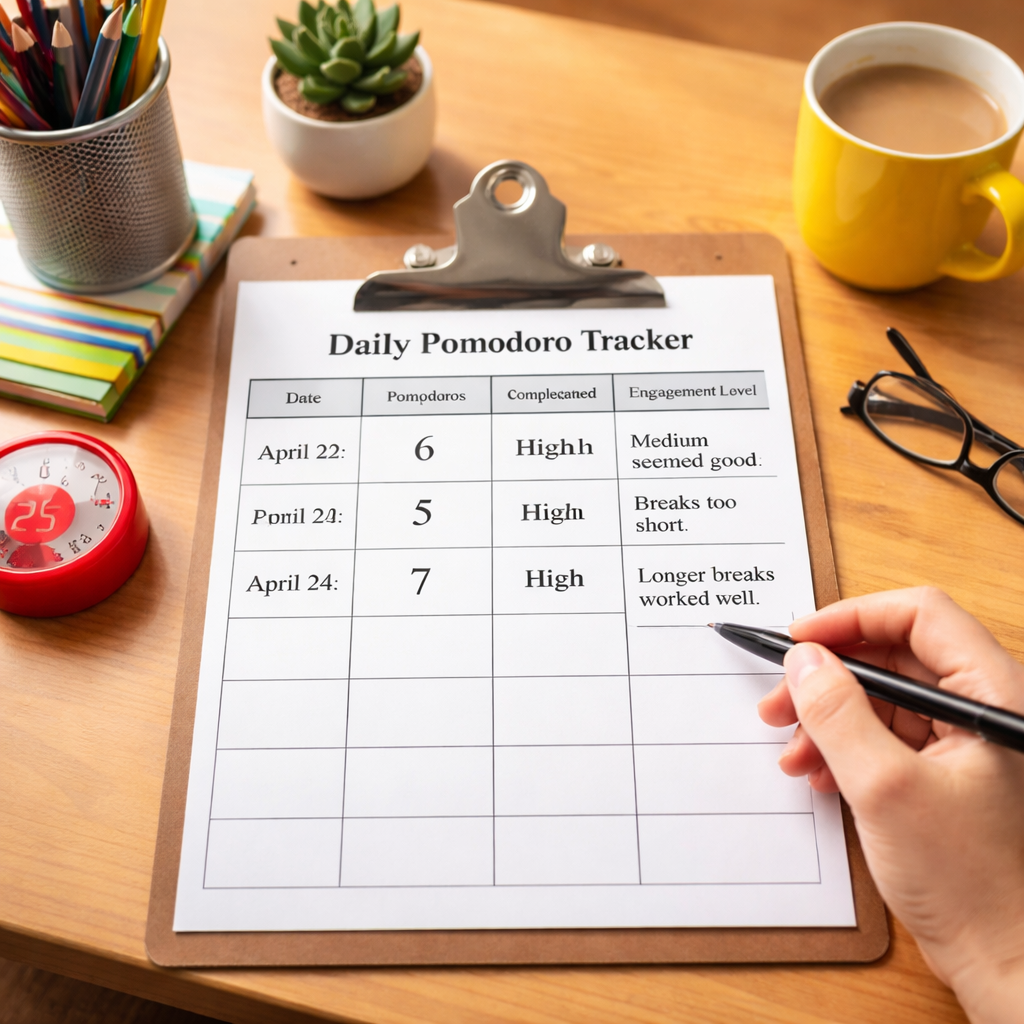
Create a weekly review routine. Every Friday, look at your timing data and student feedback. Which subjects worked well with the timer? Where did students seem restless or disengaged? What break activities energized the class versus those that fell flat?
Pay attention to energy patterns throughout the day. Morning sessions might handle longer blocks better than afternoon ones. Post-lunch periods often need shorter bursts with more movement breaks. Your pomodoro timer for teachers break schedule should reflect these natural rhythms.
Here’s a simple tracking table you can adapt:
| Subject | Block Length | Break Type | Engagement Level | Notes |
|---|---|---|---|---|
| Math | 25 min | Stretch | High | Good focus, finished problems |
| Reading | 20 min | Discussion | Medium | Some distraction, try shorter blocks |
| Science | 30 min | Note review | High | Lab work flows well with longer time |
Listen to student feedback too. Ask them directly how the timing feels. Are breaks too short or too long? Do work blocks feel rushed or dragging? Students often provide insights you might miss from your teaching perspective.
Adjust timing based on real results, not assumptions. If 25-minute blocks consistently lead to incomplete work, try 30 minutes. If students get restless after 15 minutes, shorten the interval. Your pomodoro timer for teachers break schedule should evolve with experience.
Track behavioral changes alongside academic ones. Are there fewer disruptions during timed work blocks? Do students transition more smoothly between activities? These social-emotional benefits often matter as much as learning outcomes.
Compare different approaches systematically. Try 20-minute blocks for a week, then 25-minute blocks the next week. Keep other variables constant so you can isolate the impact of timing changes. This controlled approach yields clearer insights.
Document what works for different types of learners. Some students thrive with frequent short breaks. Others prefer longer work periods with extended pauses. Note these individual patterns to inform your overall classroom strategy.
Consider seasonal adjustments too. Fall energy levels differ from spring ones. Holiday periods need different timing than regular instruction weeks. Your pomodoro timer for teachers break schedule might need quarterly tweaks to stay effective.
Share successful strategies with colleagues. What works in your classroom might help other teachers too. Collaborative refinement makes everyone’s timing more effective and builds school-wide consistency.
Remember that perfect timing doesn’t exist. The goal is continuous improvement, not flawless execution. Small adjustments based on solid data lead to significant improvements over time. Your tracking efforts today create better learning environments tomorrow.
FAQ
How long should I set my pomodoro timer for teachers break schedule in elementary classrooms?
Start with 15-20 minute work blocks and 4-5 minute breaks for elementary students. Younger children have shorter attention spans and need more frequent movement opportunities. Watch your class during the first week and adjust if you notice fidgeting or off-task behavior before the timer ends. Some kindergarten classes work better with 12-15 minute blocks, while fifth graders might handle the full 20 minutes. The key is matching the timing to your students’ developmental needs rather than forcing them into adult-focused intervals.
What should students do during the 5-minute break in a pomodoro timer for teachers break schedule?
Plan purposeful break activities that serve your lesson goals. Physical movement like stretching or desk push-ups helps reset attention. Quick review games reinforce recent learning. Partner discussions let students process new information. Breathing exercises calm anxious learners. Avoid free-for-all chat time that’s hard to redirect. Instead, give 2-3 structured options so students can choose what helps them most while you maintain classroom control. Rotate activities to prevent boredom and address different learning styles throughout the week.
Can I pause the pomodoro timer for teachers break schedule during unexpected interruptions?
Absolutely pause the timer for fire drills, announcements, or other interruptions beyond your control. The goal is focused work time, not rigid adherence to a clock. Hit pause, handle the interruption, then resume where you left off. For brief questions or minor disruptions, you might continue the timer but note the lost time. If interruptions happen frequently, consider shorter work blocks or address the underlying causes. Flexibility keeps your pomodoro timer for teachers break schedule helpful rather than stressful.
How do I handle students who finish work early during a pomodoro timer for teachers break schedule?
Prepare extension activities for fast finishers that align with your lesson objectives. This might include bonus problems, creative applications of the concept, or helping classmates who are struggling. Avoid busy work that wastes their time. Some teachers create “early finisher stations” with educational games or reading materials. You can also ask these students to review their work for errors or start the next assignment quietly. The key is keeping them engaged and learning rather than disrupting others who need the full work block.
Should I use the same pomodoro timer for teachers break schedule for all subjects?
Different subjects often need different timing approaches. Math might work well with 25-minute focused blocks, while science labs could need 35-minute sessions for experiments. Creative writing might benefit from longer periods to maintain flow, while reading comprehension could use shorter bursts with discussion breaks. Start with a standard 25/5 split across subjects, then adjust based on what you observe. Keep notes on which timing works best for each subject and create different timer presets you can switch between quickly.
How do I get students to buy into using a pomodoro timer for teachers break schedule?
Explain the benefits in student-friendly terms: “This helps your brain stay sharp and makes work feel easier.” Let them help choose break activities or take turns managing the timer. Start with subjects they enjoy to build positive associations. Share success stories from other classes who improved their focus using timed work blocks. Some teachers gamify it by tracking class-wide pomodoro completions or celebrating focused work streaks. When students see that the timer actually makes learning more manageable and breaks more purposeful, they typically embrace the structure.
What’s the best way to transition back to work after breaks in a pomodoro timer for teachers break schedule?
Create a clear signal system that students recognize immediately. This might be a specific chime, hand gesture, or verbal cue. Give a 30-second warning before break time ends so students can mentally prepare to refocus. Start the next work block with a brief reminder of the goal or a quick attention-grabbing activity. Some teachers use a simple breathing exercise or moment of silence to help everyone reset. Consistency in your transition routine helps students shift gears smoothly without losing momentum from the break.
How can I track the effectiveness of my pomodoro timer for teachers break schedule?
Keep a simple log noting the number of completed work blocks, student engagement levels, and whether learning objectives were met. Track behavioral improvements like reduced interruptions or smoother transitions. Survey students weekly about how the timing feels and what break activities help them most. Compare assignment completion rates and quality before and after implementing the timer system. Note which subjects or times of day work best with different intervals. This data helps you refine your approach and demonstrates the value of structured timing to administrators and parents.
Conclusion
You’ve learned how to build a pomodoro timer for teachers break schedule that actually works in real classrooms. The process starts with assessing your students’ attention patterns and energy levels, then choosing a timer tool that everyone can see and use easily. Setting up intervals that match your subject matter and grade level comes next, followed by integrating purposeful breaks that reinforce learning rather than interrupt it.
The key insight from our research is clear: every successful teacher-shared schedule uses the same 25-minute work and 5-minute break foundation, but the magic happens in how you adapt these intervals to your unique classroom needs. Elementary students might need shorter bursts. Lab classes might require longer blocks. The flexibility to adjust timing based on real data makes the difference between a helpful tool and a rigid constraint.
Remember that tracking your results drives continuous improvement. Note which subjects work best with different timing, observe student engagement patterns, and adjust based on what you see rather than what you assume. Your pomodoro timer for teachers break schedule should evolve as you learn what truly serves your students’ learning and your teaching effectiveness.
Start small this week. Pick one subject or class period to test your new timing approach. Watch how students respond to structured work blocks and purposeful breaks. Focus Keeper’s teacher-specific features can help you implement and track your progress with preset configurations designed for classroom use.
The goal isn’t perfect timing but sustainable focus that benefits both you and your students. A well-designed pomodoro timer for teachers break schedule reduces stress, improves attention, and creates predictable rhythms that make teaching and learning more enjoyable for everyone involved.