Feeling swamped by your writing tasks? You know, the kind where you stare at a blank page, unsure where to even begin, and the deadline feels like it’s breathing down your neck? Distractions and procrastination are pretty common for writers. Writing a book is a big deal, and all the little steps involved can feel overwhelming. That’s where the Pomodoro Technique comes in. It’s a simple time management trick that’s helped a lot of people get more done. This article will break down how the writing pomodoro can help you focus and get more words on the page.
Key Takeaways
- The writing pomodoro method uses timed work intervals, usually 25 minutes, followed by short breaks to help you focus.
- This technique makes large writing projects feel less daunting by breaking them into smaller, manageable chunks.
- Scheduled breaks are important for resting your mind and preventing burnout, but be careful not to let them turn into long distractions.
- You can adjust the length of your writing pomodoro sessions and breaks to fit your personal work style and the type of writing you’re doing.
- Tracking your progress and acknowledging completed sessions can boost motivation and help you see how much you’ve accomplished.
Understanding the Writing Pomodoro Technique
What Is The Pomodoro Technique?
Ever feel like you’re staring at a blank page, and the sheer amount of writing ahead just makes you want to run away? Yeah, me too. That’s where the Pomodoro Technique comes in. It’s a simple time management method that breaks your work into focused chunks, separated by short breaks. The core idea is to work intensely for a set period, then step away to reset. It’s not about writing for hours straight; it’s about making the time you do spend writing really count.
The Origins Of The Pomodoro Method
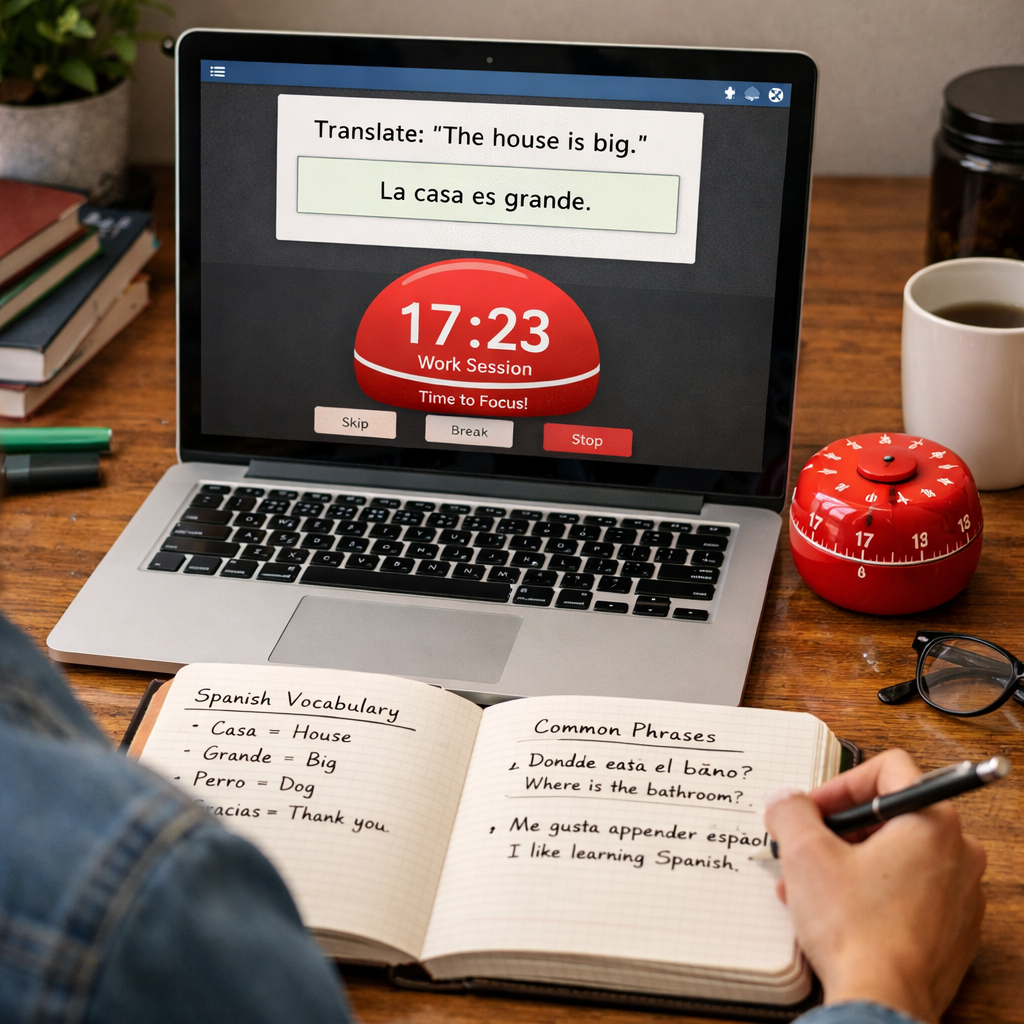
This whole thing started back in the late 1980s with a university student named Francesco Cirillo. He was struggling to focus on his studies and needed a way to get more done without burning out. So, he grabbed a tomato-shaped kitchen timer (that’s where "Pomodoro," the Italian word for tomato, comes from) and started timing his study sessions. He found that working in 25-minute bursts, followed by short breaks, was the sweet spot for him. It helped him stay sharp and avoid that feeling of being completely overwhelmed.
Core Principles Of The Writing Pomodoro
The Pomodoro Technique is built on a few key ideas that make it work so well for writers:
- Focused Work Intervals: You commit to working on a single task for a set amount of time, usually 25 minutes. During this time, you aim to eliminate distractions and just write.
- Scheduled Breaks: After each work interval, you take a short break, typically five minutes. This isn’t just a reward; it’s a chance for your brain to rest and recharge.
- Regular Breaks: After completing a set number of work intervals (usually four), you take a longer break, maybe 20-30 minutes. This helps prevent fatigue and keeps you from hitting that wall.
- Task Management: Before you start, you decide what you’ll work on during each interval. This clarity helps you stay on track and feel a sense of accomplishment as you tick things off.
The beauty of the Pomodoro Technique lies in its simplicity. It transforms daunting tasks into manageable steps, making it easier to start and keep going. It’s about building a sustainable rhythm for your writing, rather than trying to force marathon sessions that leave you drained.
Implementing The Pomodoro Technique For Writers
Setting Up Your Writing Pomodoro Sessions
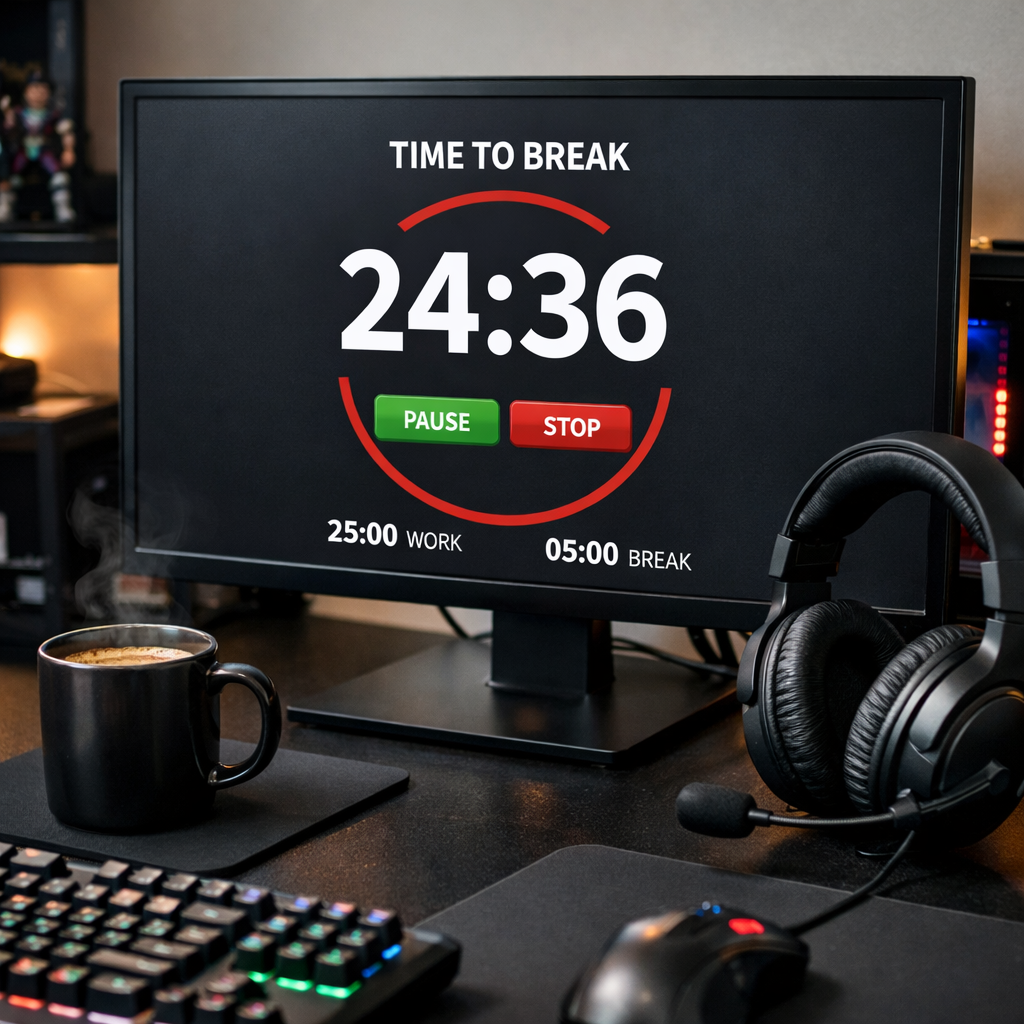
Getting started with the Pomodoro Technique for your writing is pretty straightforward. The core idea is to break your work into focused bursts. Most people find that 25 minutes of writing, followed by a 5-minute break, works well. This short, timed interval helps you avoid feeling overwhelmed by a huge writing task. Before you even start the timer, though, it’s a good idea to know what you want to achieve in that 25-minute block. Are you aiming to write a certain number of words, outline a scene, or perhaps edit a specific page? Having a clear, small goal makes it easier to focus.
Here’s a basic setup:
- Choose your timer: This could be a simple kitchen timer, your phone’s timer app, or a dedicated Pomodoro app. Just make sure it’s easy to set and has an audible alert.
- Define your task: Pick one specific writing goal for your session. Keep it manageable.
- Set the timer: Start your 25-minute writing interval.
- Write! Focus only on your defined task until the timer rings.
- Take a break: When the timer goes off, stop writing immediately and take your 5-minute break.
The key is to commit to the timer, both for working and for breaking.
Navigating Distractions During Pomodoros
Distractions are the enemy of focused writing, and the Pomodoro Technique gives you a framework to deal with them. When that urge to check your email or social media pops up, or a thought about something unrelated to your writing comes to mind, acknowledge it, but don’t act on it immediately. The timer is your ally here. If a distraction is minor and can be dealt with quickly (like a quick note to yourself to research something later), jot it down and get back to writing. For bigger distractions, like an urgent thought or a sudden need to do something else, you might need to pause your Pomodoro, deal with the distraction, and then restart your timer. It’s about training yourself to recognize distractions and gently steer your focus back to the task at hand.
It’s easy to get sidetracked. The trick is to have a plan for when those distractions inevitably show up. A simple notepad next to your computer can be a lifesaver for jotting down those ‘oh, I need to remember to…’ thoughts so they don’t derail your writing session.
The Importance Of Scheduled Breaks
Those short 5-minute breaks are not just a reward for finishing a writing interval; they are an integral part of the process. They give your brain a chance to rest and reset, preventing mental fatigue. During these breaks, it’s important to actually step away from your writing. Stand up, stretch, grab a drink of water, or just look out the window. Avoid using your break time to check emails or social media, as this can easily pull you back into a state of distraction and make it harder to refocus when the next writing interval begins. After a set number of Pomodoros (usually four), you’ll take a longer break, which is even more important for sustained productivity and preventing burnout.
Maximizing Your Writing Pomodoro Experience

So, you’ve got the basic Pomodoro Technique down – 25 minutes of focused writing, followed by a 5-minute break. That’s a solid start, but how do you really make it sing for your writing? It’s not just about setting a timer; it’s about fine-tuning the process to fit you and your writing goals. Let’s dig into how to get the most out of these focused bursts.
Tailoring Pomodoro Intervals To Your Needs
The classic 25/5 split is a great starting point, but it’s not a one-size-fits-all solution. Some writers find that 25 minutes is just enough time to get into the groove before the timer buzzes, jarring them out of their creative flow. Others might find longer sessions work better for their particular tasks.
- Creative Fiction: For tasks like drafting a scene or developing characters, you might find that longer intervals, say 45-60 minutes, allow you to build momentum without interruption. The key is to find a length where you feel you can make meaningful progress before needing a break.
- Non-Fiction & Editing: These tasks often require a different kind of focus. Shorter, more frequent bursts might be more effective here. You could stick to the 25-minute pomodoros or even try 15-minute sessions for highly detailed editing work.
- Experimentation is Key: Don’t be afraid to play around. Try a 30/5 split, or a 50/10 split. Keep a simple log of what you tried and how it felt. The goal is to find a rhythm that feels productive and sustainable for your brain and your project.
Tracking Progress And Celebrating Wins
It’s easy to get lost in the writing itself and forget to acknowledge how far you’ve come. Tracking your progress isn’t just about seeing numbers; it’s about building motivation and recognizing your effort.
- Word Count Tracker: A simple spreadsheet or even a notebook where you jot down your word count at the end of each pomodoro can be surprisingly effective. Seeing that number grow, even by small increments, is a tangible sign of progress.
- Task Completion List: Before you start a session, write down what you aim to achieve. Did you outline that chapter? Draft that introduction? Edit those five pages? Checking items off a list provides a sense of accomplishment.
- Pomodoro Count: Simply tallying the number of completed pomodoros can be a good metric, especially when you’re just starting out. It’s a clear indicator that you’re putting in the focused time.
Don’t underestimate the power of acknowledging your efforts. When you hit a milestone, whether it’s finishing a chapter or just completing a challenging pomodoro session, take a moment to appreciate it. This positive reinforcement can make a big difference in your long-term motivation.
Leveraging Breaks For Creative Recharge
Those short breaks aren’t just downtime; they’re strategic pauses designed to refresh your mind and prevent burnout. How you use them can significantly impact your productivity in the next session.
- Move Your Body: Get up, stretch, walk around the room, or do a few jumping jacks. Physical movement can shake off mental fatigue and improve blood flow to the brain.
- Step Away From Screens: Resist the urge to immediately check social media or email. Give your eyes and your mind a break from digital input. Look out a window, listen to a song, or just sit quietly.
- Hydrate and Snack: Grab a glass of water or a healthy snack. Sometimes, a dip in energy is simply due to dehydration or low blood sugar.
- Mindful Reflection: Briefly think about what you accomplished in the last session or what you plan to tackle next. This mental transition can help you re-engage more effectively when the timer starts again.
Benefits Of The Writing Pomodoro

So, why bother with all this timer-setting and break-taking? Well, it turns out that using the Pomodoro Technique for your writing can actually make a big difference. It’s not just about managing time; it’s about changing how you approach your work and, ultimately, how much you get done.
Combating Procrastination With Pomodoros
Let’s be honest, staring at a blank page can be pretty intimidating. That feeling of "where do I even start?" often leads to doing anything but writing. The Pomodoro Technique breaks down that huge, scary task into small, manageable chunks. Knowing you only have to focus for 25 minutes makes it much easier to just sit down and begin. It’s like tricking your brain into getting started. Instead of a marathon, it feels like a series of short sprints, which is way less daunting.
- Reduces the overwhelm: Big projects become less scary when you only focus on the next 25 minutes.
- Creates momentum: Starting is often the hardest part. Pomodoros make starting easier.
- Provides clear stopping points: This prevents you from getting stuck or feeling like you have to write endlessly.
The structured nature of the technique provides a clear path forward, making it easier to overcome the initial resistance to starting a writing task.
Enhancing Focus And Concentration
When you’re writing, distractions are everywhere, right? Your phone buzzes, an email pops up, or your mind just wanders. The Pomodoro Technique trains your brain to focus intensely for those 25-minute intervals. By committing to a specific task for a set period and knowing a break is coming, you’re less likely to get sidetracked. This focused work builds up over time, improving your ability to concentrate even outside of your timed sessions. It’s like building a mental muscle for focus. You can find more about the Pomodoro Technique and how it works.
Reducing Burnout For Sustainable Writing
Writing can be draining. Pushing yourself too hard for too long without breaks often leads to burnout, where you feel exhausted and uninspired. The scheduled short breaks are key here. They aren’t just rewards; they’re essential for mental recovery. Stepping away, even for five minutes, allows your brain to rest and reset. This prevents the mental fatigue that can creep in during long writing sessions. By working in these focused bursts with regular breaks, you can maintain a more consistent and sustainable writing pace over the long haul, avoiding that feeling of hitting a wall.
Here’s a quick look at how breaks help:
- Mental Reset: Short breaks allow your brain to disengage and recover.
- Physical Well-being: Get up, stretch, move around to avoid stiffness and eye strain.
- Prevent Fatigue: Regular pauses stop exhaustion from building up.
This approach helps you keep writing day after day, rather than burning out after a few intense sessions.
Adapting The Pomodoro For Different Writing Tasks
So, you’ve got the Pomodoro Technique down for general writing, but what happens when you’re tackling different kinds of projects? The beauty of this method is its flexibility. You don’t have to stick to the rigid 25-minute sprints for everything. Let’s look at how you can tweak it for various writing scenarios.
Pomodoros For Creative Fiction Writing
When you’re deep in the world of fiction, especially when you’re in the flow of a scene or developing characters, those short 25-minute bursts might feel a bit interruptive. For creative writing, you might find longer sessions work better. Think about trying 50-minute or even 90-minute Pomodoros, followed by slightly longer breaks. This gives you enough uninterrupted time to really get into the story and build momentum without feeling like you’re constantly stopping and starting.
- Longer work intervals: Aim for 50-90 minutes of focused writing.
- Extended breaks: Take 10-15 minutes after each longer session.
- Task batching: Group similar creative tasks, like character sketching or world-building, into one longer session.
For fiction, the goal is often immersion. Shorter, choppy sessions can pull you out of that immersive state, making it harder to recapture the mood and flow of your narrative.
Using Pomodoros For Non-Fiction Projects
Non-fiction often involves research, outlining, and structuring arguments, which can be broken down into more discrete tasks. Here, the standard 25-minute Pomodoro can be incredibly effective. You can dedicate a session to finding sources, another to outlining a section, and yet another to drafting a specific point. This makes large, potentially overwhelming projects feel much more manageable.
Here’s a possible breakdown for a non-fiction project:
| Task Type | Pomodoro Length | Break Length | Notes |
|---|---|---|---|
| Research | 25 minutes | 5 minutes | Focus on finding specific information. |
| Outlining | 25 minutes | 5 minutes | Structure one section or chapter. |
| Drafting | 25 minutes | 5 minutes | Write a specific paragraph or point. |
| Fact-checking | 25 minutes | 5 minutes | Verify data or claims. |
Adjusting Pomodoros For Editing And Revision
Editing and revision require a different kind of focus – a more critical and analytical one. While the standard 25-minute Pomodoro works well for many editing tasks, you might want to adjust your approach slightly. For instance, you could dedicate a Pomodoro specifically to checking for grammar errors, another to sentence structure, and a third to overall clarity. This focused approach helps prevent you from getting bogged down in one aspect and missing others.
- Single-task focus: Dedicate each Pomodoro to one specific editing task (e.g., punctuation, flow, word choice).
- Visual breaks: Use your short breaks to look away from the screen, perhaps at something distant, to rest your eyes.
- End-of-session review: Briefly review what you’ve edited in the last session before starting the next.
The key is to experiment and find what rhythm best suits the specific demands of your writing task.
Wrapping Up
So, there you have it. The Pomodoro Technique isn’t some magic bullet, but it’s a pretty solid way to get more writing done without feeling totally drained. It breaks down big tasks into smaller, manageable chunks, which honestly makes them feel way less scary. Remember, the key is to actually take those breaks and step away from your screen. Don’t be afraid to play around with the timings to find what feels right for you. Give it a shot, and see if those focused bursts of work help you get closer to finishing that manuscript. Happy writing!
Frequently Asked Questions
What exactly is the Pomodoro Technique?
The Pomodoro Technique is a way to manage your time while working. You set a timer for a short period, usually 25 minutes, and focus really hard on one task. When the timer rings, you take a short break. It’s like working in small bursts.
Why is it called the ‘Pomodoro’ Technique?
The name comes from the Italian word for ‘tomato.’ The person who came up with this method used a small tomato-shaped kitchen timer when he was a student to help him focus on his studies.
How does this help with writing?
Writing can feel like a huge task. The Pomodoro Technique breaks it down into smaller, manageable chunks. Knowing you only have to focus for 25 minutes makes it easier to start and less scary. It helps you avoid getting distracted and feeling overwhelmed.
What should I do during the short breaks?
During your short breaks, it’s best to step away from your work. You could stretch, walk around, get a drink of water, or just rest your eyes. It’s important not to check social media or email, as those can easily eat up your break time and make it hard to get back to work.
Can I change the timer lengths?
Yes, absolutely! The 25-minute work and 5-minute break is a common starting point, but you can adjust it. Some writers find that longer work sessions, like 45 or 50 minutes, work better for them. The key is to find what helps you focus best without getting too tired.
What if I get distracted during a work session?
If a thought or a distraction pops into your head, quickly jot it down on a piece of paper or in a note. Then, let it go and get back to your task. You can deal with that thought or distraction during your break or after your work session is over.