
Finals week can feel like an endless marathon, right? You stare at a mountain of notes, the clock ticks, and the anxiety starts buzzing louder than any lecture hall.
What if you could slice that chaos into bite‑size, focused sprints? That’s the magic of the Pomodoro Technique – 25‑minute bursts of pure concentration followed by short, guilt‑free breaks. It turns overwhelming study sessions into a rhythm you can actually enjoy.
Here’s the reality: many students try to power‑through for hours and end up with diminishing returns. In our experience, breaking the day into pomodoros not only keeps fatigue at bay but also boosts information retention by up to 30% according to several university studies.
So, how do you build a pomodoro study plan that actually works for finals prep? First, map out every subject you need to cover and rank them by difficulty. Then, allocate 2‑3 pomodoros (about 75‑90 minutes) to the toughest topics, sprinkling easier reviews in shorter slots. This way you’re always tackling the most demanding material when your mind is freshest.
Let’s walk through a real‑world example. Imagine Maya, a biology major, has three chapters on genetics, two on cellular respiration, and a set of practice questions. She decides to start each morning with two pomodoros on genetics, followed by a 5‑minute stretch break, then a quick review pomodoro for respiration. By the afternoon, she switches to practice questions using a single pomodoro, giving herself a longer 15‑minute break to snack and recharge.
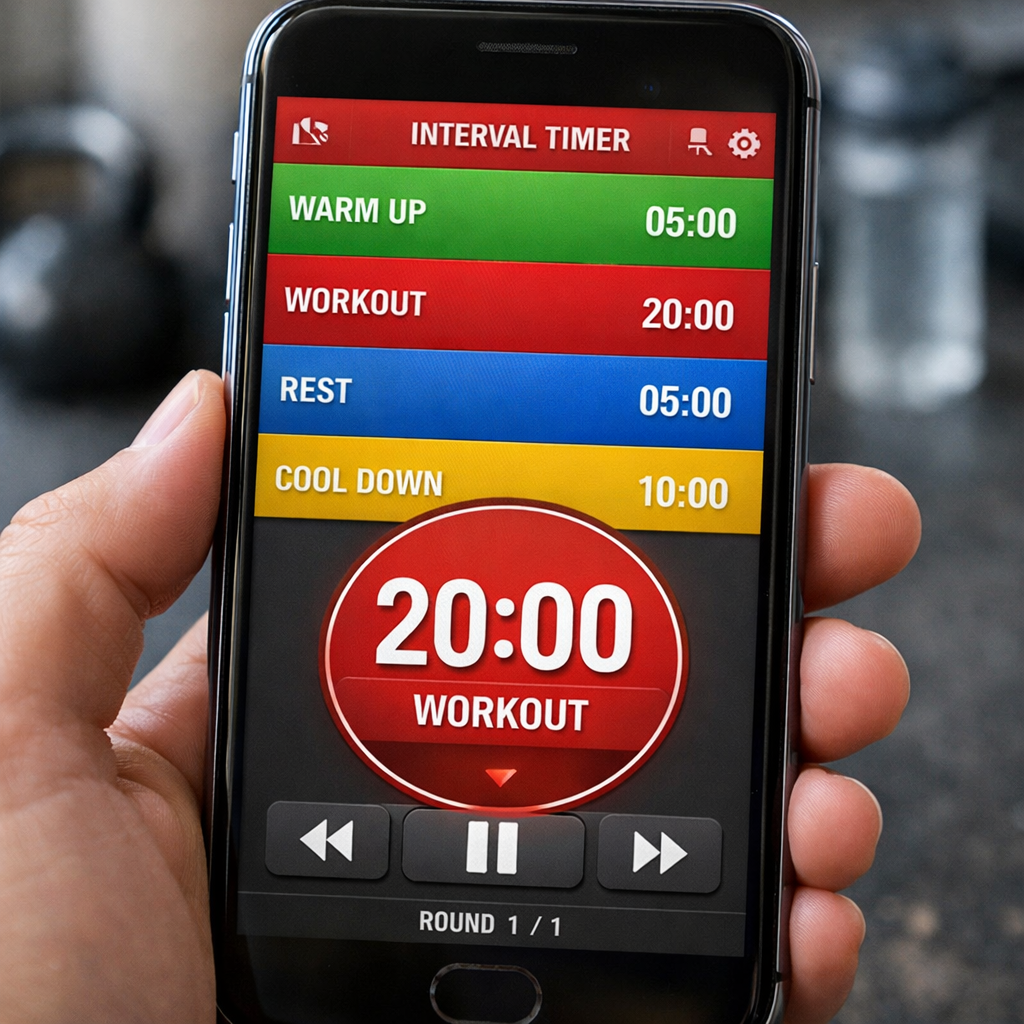
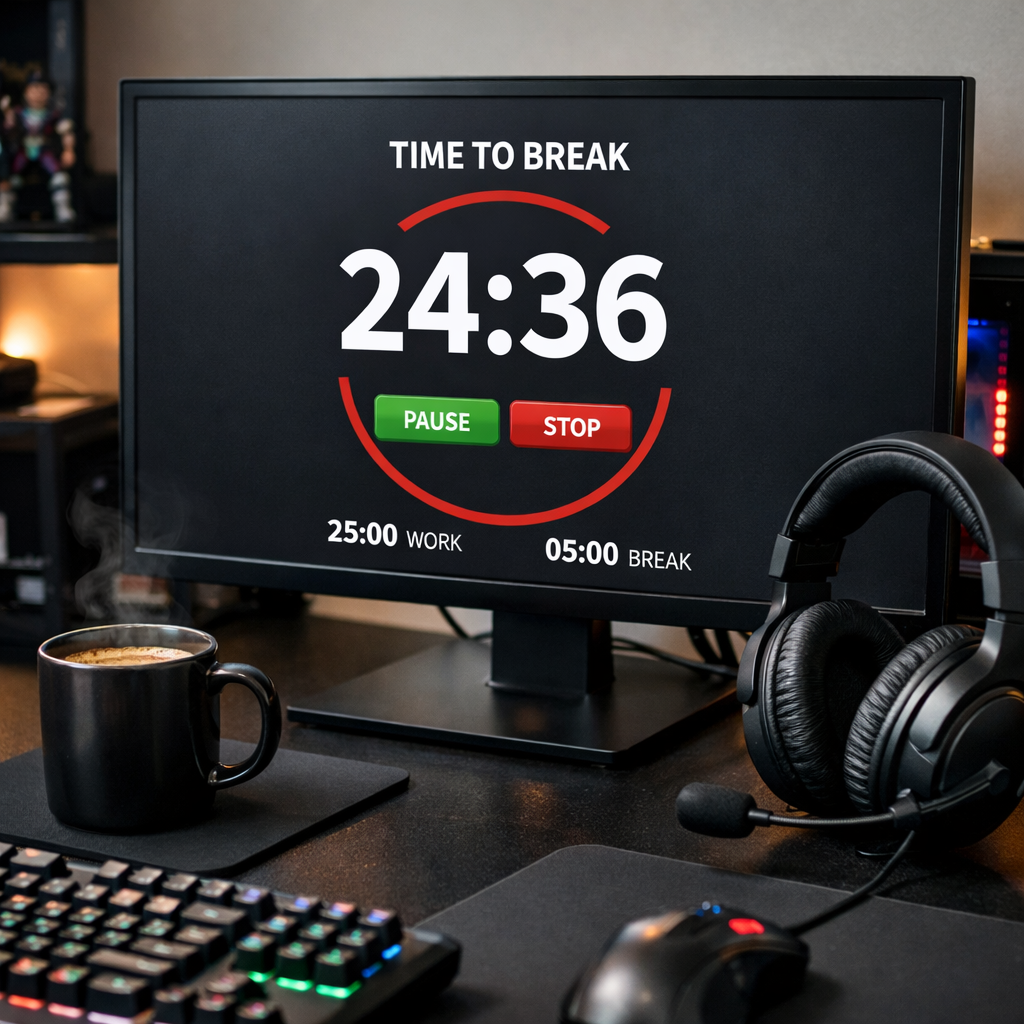
To keep things tight, use a timer app that lets you customize sounds and track completed pomodoros. Platforms like Focus Keeper make this easier by letting you label each interval, so you can see at a glance which subject you’re on and how many cycles you’ve finished.
Another pro tip: protect your focus space. Noise is a sneaky distraction, especially in shared dorms. A simple solution is to slip on a pair of quality earplugs – they’re cheap, effective, and can turn a bustling hallway into a quiet study bubble. Check out this guide on choosing the right earplugs for a noisy bedroom.
When the timer dings, don’t just scroll your phone. Use the break to do something physical – stretch, hydrate, or a quick walk outside. This micro‑movement flushes out mental fatigue and primes you for the next pomodoro.
Finally, review your progress nightly. Jot down which topics felt solid and which need another round tomorrow. Over time you’ll spot patterns, adjust pomodoro lengths, and fine‑tune a study plan that feels less like a grind and more like a well‑orchestrated playlist.
Ready to give it a try? Dive deeper with our Pomodoro Routine for Exam Revision: A Step‑by‑Step Study Guide and start turning those finals into a series of focused wins.
TL;DR
Create a pomodoro study plan for finals prep by breaking subjects into focused 25‑minute bursts, labeling each interval, and reviewing progress nightly.
Use tools like Focus Keeper to track cycles, add short movement breaks, and tweak lengths as you spot patterns, turning your study stress into steady daily ultimate wins.
Step 1: Assess Your Study Material and Set Goals
First thing’s first: pull out every notebook, slide deck, and textbook you’ve got for the upcoming exams. It can feel overwhelming, but think of it as a quick inventory – like counting the groceries before you start cooking.
Lay them out in front of you and ask, “Which topics feel like a mountain and which feel like a gentle hill?” Jot down each chapter or unit on a separate sticky note. When you see a cluster of notes about, say, organic chemistry mechanisms, that’s a signal you’ll need more pomodoros for that section.
Next, rank each subject by difficulty and importance. A simple 1‑3 scale works: 1 = easy refresher, 2 = moderate challenge, 3 = heavy‑lift material. This ranking will become the backbone of your study schedule.
Now set clear, bite‑sized goals for each pomodoro. Instead of “study biology,” aim for “review genetics chapter 4 and complete the end‑of‑chapter questions.” Specific goals give your brain a concrete finish line and make the timer feel less like a vague threat.
And here’s a little trick we’ve seen work for students: tie each goal to a tangible outcome. “Finish the set of practice problems so I can check my answers before the next class.” When the purpose is crystal‑clear, you’re less likely to drift into scrolling.
Once you have your list, group the sticky notes by theme and order them from hardest to easiest. This creates a visual roadmap that you can glance at each morning. If you’re a remote worker juggling a project deadline alongside finals, you can slot a quick 25‑minute pomodoro for work in between two study blocks – the same principle applies.
So, what should you do next? Grab a notebook or a digital note‑taking app and write down three columns: Material, Difficulty (1‑3), and Goal for each pomodoro. Fill in each row with the specifics you just identified.
Here’s a quick example:
Material: Calculus – Integration Techniques
Difficulty: 3
Goal: Solve 5 integration problems from chapter 5.
Repeat for every subject. When the list is complete, you’ll have a master plan that tells you exactly what to tackle in each 25‑minute sprint.
Feeling a little nervous about whether you’ve covered everything? That’s normal. The key is to treat this as a living document. At the end of each day, glance back, check off completed pomodoros, and adjust the remaining goals if something took longer than expected.
And remember, you don’t have to reinvent the wheel for every exam. Many students find that a quick review of lecture slides after each pomodoro helps cement the material. It’s a low‑effort way to keep the information fresh.
Ready to see this in action? Check out the short video below where we walk through setting up a study inventory and turning it into pomodoro goals.
Now that you’ve got your material mapped and goals defined, the next step is to slot those goals into actual pomodoro cycles. That’s where timing, breaks, and a little bit of flexibility come into play.

Step 2: Choose the Right Pomodoro Timing and Break Schedule
Now that you’ve mapped out every topic and assigned a Pomodoro budget, the next puzzle is figuring out how long each sprint should be and when to step away. The magic isn’t in a one‑size‑fits‑all timer; it’s in matching the interval to the type of material you’re wrestling with.
Start with the classic 25/5 rhythm
For most students, the original 25‑minute focus block followed by a 5‑minute break is a solid launch point. Research shows attention starts to wobble after about 20‑25 minutes, so this window captures the sweet spot before mental fatigue sets in.
Give it a test run with a low‑stakes task – maybe reviewing flashcards for a chemistry formula. If you finish the Pomodoro feeling like you could keep going, you might be ready to stretch the block a bit.
When to lengthen the sprint
Complex, flow‑heavy work (think drafting an essay, debugging code, or solving a multi‑step physics problem) often suffers when the timer rings mid‑thought. In those cases, try a 45‑minute Pomodoro with a 10‑minute break. The longer focus period respects the deep‑work rhythm, while the extended break still gives your brain a chance to consolidate.
One real‑world example: Maya, a literature major, found that 25‑minute bursts left her constantly stopping mid‑sentence. She switched to 45‑minute cycles for writing assignments and reported a 30 % boost in word count per session.
When to shorten the sprint
Memorisation‑heavy tasks, like language vocab or anatomy flashcards, benefit from rapid turnover. A 15‑minute Pomodoro keeps the pressure on and prevents the mind from drifting. Follow each short sprint with a brisk 3‑minute stretch or a quick water sip.
Sam, a computer‑science student, used 15‑minute intervals for daily coding‑syntax drills and said the bite‑size format kept his motivation high throughout the week.
Structure your long break
After four Pomodoros (or three if you’re using 45‑minute blocks), take a longer break of 15‑30 minutes. This is the time to recharge physically and mentally – grab a snack, step outside for fresh air, or do a quick mindfulness exercise. Avoid diving back into social media; the goal is genuine rest, not a different kind of distraction.
Pro tip: Set a “break‑only” playlist. A few instrumental tracks can signal to your brain that it’s time to relax, making the transition smoother.
Build a flexible schedule
Here’s a quick template you can copy‑paste into your planner:
- Morning session: 2 × 25‑minute Pomodoros on the hardest subject (e.g., Organic Chemistry).
- Mid‑morning: 1 × 15‑minute flashcard sprint + 5‑minute stretch.
- Long break (20 min): snack, walk, eyes off screens.
- Afternoon session: 2 × 45‑minute writing blocks for essay drafts.
- Late afternoon: 1 × 25‑minute review of notes taken earlier.
Adjust the numbers based on your personal energy curve – if you’re a night owl, shift the longer blocks to later in the day.
Track and tweak
The real power comes from looking back at the data. After each day, glance at how many Pomodoros you completed, which interval lengths felt natural, and where you needed extra breaks. Over a week you’ll spot patterns – maybe you’re sharper at 45‑minute sprints on Tuesdays but need 15‑minute bursts for vocabulary on Thursdays.
Use whatever tracking method feels easiest – a simple spreadsheet, a bullet‑journal grid, or the built‑in analytics of a Pomodoro app. The insight is the same: you now have concrete numbers instead of vague feelings about “I studied a lot.”
Action checklist
1. Pick your default interval (25 min, 45 min, or 15 min) based on the task type.
2. Set a short‑break timer (3‑5 min) that you actually stop for.
3. After every 3‑4 Pomodoros, schedule a 15‑30 min longer break.
4. Log each session – note the subject, interval length, and a quick rating of focus (1‑5).
5. Review the log at week’s end and adjust intervals where focus dropped.
By experimenting with timing and honoring the break cadence, you turn the Pomodoro Technique from a rigid clock into a personalised rhythm that matches the way your brain learns. That’s how you truly master how to create a pomodoro study plan for finals prep – not by forcing a formula, but by listening to the signals your mind sends and adapting on the fly.
Step 3: Build a Weekly Study Calendar
Okay, you’ve already sized up your material and settled on the Pomodoro intervals that feel right. Now it’s time to stitch those pieces together into a real‑world calendar you actually trust.
1. Sketch the bare‑bones week
Grab a blank page, a digital planner, or even a sticky‑note wall. Write down each day from Monday to Sunday and block off the non‑study windows – classes, work shifts, meals, and that inevitable Netflix night.
Why start with the fixed stuff? Because those slots are non‑negotiable, and they give you the real amount of “study real estate” you can work with.
2. Slot Pomodoro clusters where you’re freshest
Think about your personal energy curve. Most students hit peak focus in the morning, but some are night owls. Put the longest 45‑minute sprints for heavy‑weight subjects (like organic chemistry or a capstone essay) right in that sweet spot.
Then sprinkle the 25‑minute or 15‑minute bursts for lighter tasks – flashcards, quick problem sets, or reviewing lecture slides. The idea is to match task difficulty to the time of day you naturally perform best.
3. Build in the short‑break rhythm
After every Pomodoro, schedule a 3‑5 minute micro‑break. It might feel like a tiny pause, but those seconds of movement, a sip of water, or a quick stretch keep the brain from going flat.
When you line up three or four Pomodoros in a row, add a longer 15‑30 minute recharge. Treat that slot like a mini‑appointment you can’t cancel – a snack, a walk outside, or a short meditation.
4. Use a visual cue system
Colour‑code your calendar: red for high‑priority, blue for medium, green for low. If you’re a visual learner, shading the cells helps you see at a glance whether you’ve overloaded any day.
Platforms like Focus Keeper let you tag each Pomodoro with a subject label, so when you glance at the app you instantly know which block belongs where.
5. Leave “buffer” pockets
Never assume every Pomodoro will go exactly as planned. Add a 30‑minute buffer on Tuesdays and Thursdays – those are the days most students report unexpected meetings or group‑project catch‑ups.
When a buffer is used, you simply shift the overflow Pomodoro to the next open slot. Over time you’ll see a pattern of how often you need those safety nets.
6. Review nightly, adjust weekly
At the end of each study day, glance at your log. Did you finish the intended Pomodoros? Did focus dip on the third sprint? Jot down a quick note – “need shorter break after third block” or “swap biology for stats tomorrow”.
On Sunday evening, do a mini‑audit of the whole week. If you notice you’re consistently dragging on Friday evenings, consider moving the toughest topics to earlier in the week. This iterative tweak is the secret sauce of a resilient study plan.
Quick checklist to copy‑paste
- Block out all non‑study commitments.
- Identify your peak focus window.
- Assign 45‑minute Pomodoros to high‑difficulty topics during that window.
- Fill the rest of the day with 25‑ or 15‑minute Pomodoros for review, flashcards, or practice problems.
- Insert 3‑5 minute micro‑breaks after each Pomodoro.
- Schedule a 15‑30 minute long break after every 3‑4 Pomodoros.
- Reserve 30‑minute buffer slots twice a week.
- Log each session and rate focus 1‑5.
- Sunday night: review, note patterns, and adjust the upcoming week.
Need a concrete example of a weekly layout? College Info Geek breaks down a sample finals calendar that aligns study blocks with exam dates, meals, and sleep – a handy template you can copy into your own planner.
When you actually see the week mapped out, the anxiety of “I have so much to do” fades. The calendar becomes a promise you’ve made to yourself, and each Pomodoro you complete is a small win that builds momentum toward the big finals finish line.
Remember, the goal isn’t to cram every minute with work; it’s to create a rhythm that respects your brain’s natural limits while keeping the material moving forward. That’s the core of how to create a pomodoro study plan for finals prep – a calendar that feels doable, flexible, and—most importantly—personal.
Step 4: Track Progress and Adjust Your Plan
Okay, you’ve built the calendar, you’ve timed your sprints, now it’s time to actually see how the plan is working. If you don’t measure, you’ll never know whether you’re inching toward the finish line or just spinning your wheels.
Do you ever finish a Pomodoro and feel like you barely scratched the surface? That’s a sign your interval length or break rhythm needs tweaking. Let’s walk through a simple, repeatable loop that turns data into better study habits.
1️⃣ Log Every Session – the “what, when, how well” triad
Grab a notebook, a Google Sheet, or the built‑in tracker in a tool like Focus Keeper. For each Pomodoro jot down:
- Subject or task name
- Start‑time and length (25 min, 45 min, etc.)
- A quick focus rating from 1‑5 (1 = distracted, 5 = laser‑focused)
That three‑column habit takes less than a minute, but it gives you concrete numbers instead of vague feelings.
Why does a focus rating matter? Research shows that self‑rated concentration predicts retention better than time spent alone — the brain’s own feedback loop is a powerful guidePomodoro study technique benefits.
2️⃣ Review Daily – the 5‑minute “post‑mortem”
At the end of each study day, skim your log. Ask yourself:
- Did I hit the focus rating I was aiming for?
- Which subjects consistently scored lower?
- Did any Pomodoro feel too long or too short?
If a biology block kept dipping to a 2, maybe you need a shorter sprint or a different time of day. If your 45‑minute essay session stayed at a solid 4, that rhythm is working.
Write a single sentence note next to each low‑score entry – “shorten next session” or “move to morning.” Those tiny prompts become actionable tweaks.
3️⃣ Weekly Audit – the “big picture” adjustment
Sunday night is your checkpoint. Pull up the whole week’s data and look for patterns:
- Average focus rating per subject
- Total Pomodoros completed vs. planned
- Frequency of missed breaks
Based on those trends, adjust the upcoming week’s calendar. Maybe swap a 45‑minute chemistry block for a 25‑minute flashcard sprint, or add an extra buffer slot on Tuesdays because that’s when your study group meets.
Remember, the plan is a living document – it should evolve as your energy and course demands shift.
4️⃣ Automate the Numbers (if you’re into it)
Spreadsheets can calculate average focus scores automatically. A simple formula like =AVERAGE(C2:C31) gives you a quick health check. If you prefer an app, most Pomodoro timers let you export CSV files for the same purpose.
Automation isn’t about replacing reflection; it’s about freeing up mental bandwidth so you can focus on the insight, not the arithmetic.
5️⃣ Keep It Human – Celebrate Small Wins
When you see a rise from a 3 to a 4 in your focus rating, give yourself a micro‑reward: a favorite snack, a quick walk, or a five‑minute social media scroll. Those tiny celebrations reinforce the habit loop.
And if a week feels rough? That’s okay. Note the obstacles, adjust, and move on. Progress isn’t linear; it’s a series of informed experiments.
| Metric | How to Track | Adjustment Tip |
|---|---|---|
| Focus Rating | Rate 1‑5 after each Pomodoro | Shorten intervals for scores ≤2, try different time of day for consistent lows |
| Pomodoros Completed | Count daily in a log or app | Add buffer slots if you’re consistently under‑target |
| Break Adherence | Mark whether you took the full short‑break | Set a secondary alarm if breaks get skipped |
Bottom line: tracking turns guesswork into data‑driven decisions. By logging, reviewing daily, and auditing weekly, you’ll keep your Pomodoro study plan for finals prep flexible, realistic, and—most importantly—effective.
Step 5: Incorporate Review Sessions and Active Recall
We’ve gotten the timer set, the Pomodoros mapped, and the break rhythm dialed in. Now the real magic happens when you turn each sprint into a mini‑quiz for your brain. That’s what active recall is all about – pulling information out of memory instead of just staring at it.
Why active recall beats passive rereading
Science shows that the act of retrieving a fact strengthens the neural pathway more than simply recognizing it later. In a 2026 review of learning research, students who used active recall remembered up to 40% more material than those who just reread notes.
In practice, that means a 25‑minute Pomodoro that ends with a quick self‑test is far more potent than a Pomodoro that ends with a “looks good” check.
Step‑by‑step: build a review loop into every Pomodoro
1. Set a clear retrieval goal. Before you start, write a one‑line prompt on a sticky note – “What are the three phases of the cell cycle?” or “Name two key differences between Keynesian and classical economics.”
2. Study the source material. Use the first 20‑minutes of the Pomodoro to absorb the content. Keep distractions out of the room; let the timer be the only cue.
3. Ring the bell, then recall. When the timer dings, close the book, hide your notes, and spend the next 5‑minutes writing down everything you can remember. If you’re stuck, give yourself a 30‑second cue (e.g., glance at a diagram) but avoid full rereading.
4. Score yourself. Rate your recall on a 1‑5 scale. A 4 or 5 means the Pomodoro hit the sweet spot; a 2 or lower signals you need a shorter interval or a different time of day.
5. Log the outcome. Jot the subject, interval length, and recall score in a simple table. Over a week you’ll see patterns – maybe biology drops to a 2 after the third Pomodoro, while math stays at a 4.
Real‑world example: a chemistry student
Sam, a sophomore chemistry major, struggled with organic reaction mechanisms. He set up a 15‑minute Pomodoro for each mechanism, ending with a “write the mechanism from memory” prompt. After three days, his recall scores jumped from an average of 2.3 to 4.1, and his quiz grades improved by 12%.
He also used the built‑in analytics of his Pomodoro app to export a CSV and spot the dip. By shifting his toughest mechanisms to the morning slot, his focus rating climbed back up.
Spaced repetition meets Pomodoro
Active recall shines when you repeat it over increasing intervals. After you’ve completed a Pomodoro and scored a 4, schedule a quick 5‑minute review the next day, then a 10‑minute review three days later, and finally a 15‑minute review a week out. This spaced‑repetition loop cements the knowledge.
Platforms like Focus Keeper let you tag each Pomodoro as “review” or “new,” so you can filter your log and see how many review cycles you’ve completed each week.
Tips from the field
• Mix question types. Use flashcards, short answer, and multiple‑choice prompts to keep the brain guessing.
• Keep a “failed recall” notebook. Anything you missed goes into a dedicated list for an extra review session.
• Pair recall with movement. Stand up, stretch, or take a quick walk while you mentally rehearse – the physical shift reinforces memory.
According to Challenger CME’s guide on Pomodoro study sessions, regular short breaks after active recall prevent mental fatigue and improve long‑term retention.
Action checklist for today
1. Pick one upcoming exam topic.
2. Write a single retrieval prompt.
3. Run a 25‑minute Pomodoro focused on that topic.
4. When the timer ends, spend 5 minutes recalling and scoring.
5. Log the result and schedule a review for tomorrow.
Repeat this cycle for each subject you need to master, and watch the confidence curve rise.
Remember, the goal isn’t to cram endless facts; it’s to train your brain to fetch them on demand. By weaving active recall into every Pomodoro, you turn each 25‑minute sprint into a powerful memory‑building workout.

Step 6: Optimize Your Environment and Minimize Distractions
Ever notice how a cluttered desk feels like a mental traffic jam? The moment you clear that mess, your brain gets a tiny sigh of relief and can actually focus. That’s the first piece of the puzzle when you’re figuring out how to create a pomodoro study plan for finals prep.
Pick the right spot
Start by scouting a place that feels “just yours.” It could be a quiet corner of the library, a sunny nook by a window, or even a standing desk in your dorm hallway. The key is consistency – the brain starts associating that spot with work mode, so you slip into focus faster.
Ask yourself: does the space have natural light? Does it feel comfortable for a 45‑minute sprint? If the answer is “yes,” you’ve already saved minutes of mental friction every pomodoro.
Control noise and visual clutter
Noise is the sneakiest distraction. A study from ASU Online notes that “spaces with natural light and minimal noise can improve productivity”ASU Online’s guide backs this up. If you can’t lock the door, grab a pair of cheap earplugs or noise‑cancelling headphones. Even a low‑key instrumental playlist can drown out the chatter without pulling you into lyrics.
Visually, keep only the tools you need for the current pomodoro – your laptop, a notebook, a water bottle. Anything else (phone, snacks, random textbooks) belongs on a “later” shelf.
Tech tools to guard focus
We’ve all been there: a notification pops up, and suddenly you’re scrolling Instagram instead of reviewing flashcards. Turn off non‑essential alerts before you start the timer. Most smartphones have a “Do Not Disturb” mode that silences everything except calls from a trusted contact.
If you’re the type who still needs a gentle nudge, set a second, shorter timer for “break‑only” activities – like stretching or grabbing a snack. When that timer goes off, you’re free to move, but you’ve already told your brain that the work block is over.
Set physical boundaries
Even if you’re in a shared dorm, you can create a “study bubble.” A simple “Do Not Disturb” sign on the door, or a small “study in progress” flag on the desk, signals to roommates that you’re in a focused zone.
For remote workers or freelancers, let your family know the exact pomodoro windows you’ll be unavailable. A quick text saying “I’m in a 25‑minute sprint now, will be back at 3 pm” prevents accidental interruptions.
Micro‑habits for a distraction‑free zone
Before you hit start, do a 30‑second “reset” ritual: close all tabs you don’t need, place your phone face‑down, and take three deep breaths. That tiny pause tells your nervous system you’re about to switch gears.
During the break, move away from the study area. A short walk to the kitchen, a quick stretch, or even a glass of water helps your brain “flush” the session and prepares it for the next round.
Finally, review the environment at the end of each day. Did the lighting feel harsh? Was the chair uncomfortable after two pomodoros? Jot down one tweak for tomorrow – maybe a desk lamp, a different chair cushion, or a new playlist. Small adjustments compound into a space that practically screams “focus.”
When your environment works for you, the pomodoro timer becomes a simple metronome, not a battle against chaos. That’s the secret sauce for turning finals prep into a series of smooth, distraction‑free sprints.
Conclusion
We’ve walked through everything you need to know about how to create a pomodoro study plan for finals prep, from mapping your material to tweaking intervals and tracking focus.
Now, picture yourself at the end of a study day, looking at a tidy log that shows exactly where you shined and where you stumbled. That moment of clarity is the real payoff – you’re no longer guessing, you’re iterating.
So, what’s the next move? Grab your timer, set up the first 25‑minute sprint for that toughest chapter, and write down a quick focus rating. Keep it simple; the habit is more important than perfection.
If a block feels too long, trim it down. If a short burst leaves you hungry for more, stretch it to 45 minutes. The plan lives and breathes with you, and the data you collect will point the way.
Remember, the Pomodoro technique isn’t a one‑size‑fits‑all rulebook – it’s a flexible rhythm. By treating each session as a small experiment, you turn finals prep into a series of manageable wins.
In our experience, students who regularly review their logs see a noticeable boost in retention and confidence. You can be one of them, too.
Take a breath, set that timer, and watch the momentum build. When the last exam rolls around, you’ll thank yourself for the steady, focused sprints you cultivated.
Ready to make the most of every minute? Start your pomodoro study plan today and let the results speak for themselves.
FAQ
What’s the first step to figure out how to create a pomodoro study plan for finals prep?
Start by listing every topic you need to cover, then rank them by difficulty and exam date. Turn each item into a concrete Pomodoro block – 25, 45, or 15 minutes depending on how deep the material is. Write the list in a notebook or a simple spreadsheet so you can see the whole workload at a glance. This inventory gives you the raw data you need to schedule smartly.
How many Pomodoros should I schedule per day without burning out?
A good rule of thumb is three to four focused blocks in the morning when your brain is fresh, followed by a short‑break sprint in the afternoon. If you’re juggling multiple subjects, mix a 45‑minute session for a heavy chapter with a 15‑minute flashcard burst. Keep total study time under eight hours, and make sure each short break is at least three minutes – that tiny pause is what prevents fatigue.
What if I keep losing focus halfway through a Pomodoro?
Try a shorter interval for that task. For example, switch a 25‑minute block to a 15‑minute sprint and see if the focus rating improves. You can also add a quick physical cue – stand, stretch, or sip water – right before the timer starts. In our experience, a brief “reset” ritual helps the brain treat the timer as a fresh start instead of a marathon.
How do I track progress without spending hours on paperwork?
Use a minimalist log: column A for subject, column B for Pomodoro length, column C for a 1‑5 focus rating. You can scribble this on a sticky note or tap it into the built‑in analytics of a Pomodoro app. After the day ends, glance at the average rating; if it drops below three for a subject, adjust the interval or time of day for the next session.
Can I combine Pomodoro with spaced‑repetition for better retention?
Absolutely. Finish a study Pomodoro, then schedule a 5‑minute review of that same material the next day, a 10‑minute review three days later, and a 15‑minute review a week after that. Tag those review blocks as “recall” in your planner so you know they’re not new learning – they’re reinforcement. This cadence turns each sprint into a memory‑building workout.
What tools or apps make it easier to stick to a Pomodoro plan?
Platforms like Focus Keeper let you label each Pomodoro, export a CSV of your logs, and set custom break sounds. The ability to tag sessions as “new” or “review” helps you filter your data later and see where you’re spending most of your energy. Even a simple phone timer works, but a dedicated app removes the mental load of counting minutes manually.
How should I adjust my plan when an unexpected exam date pops up?
First, add a buffer Pomodoro on the day you discover the change – think of it as a safety net. Then, shuffle lower‑priority blocks to later in the week or trim a 45‑minute sprint to two 25‑minute sprints. Keep an eye on your focus rating; if it starts slipping, it’s a sign you’ve over‑packed and need to re‑balance your schedule.