Feeling like your to-do list is a mile long and you’re constantly getting sidetracked? You’re not alone. In today’s busy world, staying focused can feel like a superpower. But what if I told you there’s a simple, free tool that can help you get more done without feeling overwhelmed? We’re talking about a free focus timer, a game-changer for anyone looking to boost their productivity. It’s not magic, it’s just smart time management. Let’s explore how this tool can help you get back in control of your day.
Key Takeaways
- The Pomodoro Technique breaks work into short, focused bursts (like 25 minutes) followed by quick breaks, making tasks less daunting and improving concentration.
- Using a free focus timer helps you build a rhythm for work and rest, which can boost motivation and reduce the urge to procrastinate.
- Customizing timer intervals and integrating breaks are important for sustained energy and preventing burnout, allowing for longer deep work sessions if needed.
- Minimizing distractions during focus time and focusing on one task at a time are key to making the most of your timed sessions.
- This technique can be adapted for various needs, from personal study sessions to collaborative team environments, helping everyone stay on track.
Understanding The Free Focus Timer
What Is The Pomodoro Technique?
The Pomodoro Technique is a time management method that uses a timer to break down work into intervals. Think of it like this: you work intensely for a set period, then take a short break. This cycle repeats. The name comes from an old tomato-shaped kitchen timer, "pomodoro" being Italian for tomato. It’s a simple idea, but it can really help you get more done.
This method is all about creating a rhythm for your work. It’s not just about working hard, but working smart by alternating focused effort with necessary rest.
Here are the basic steps:
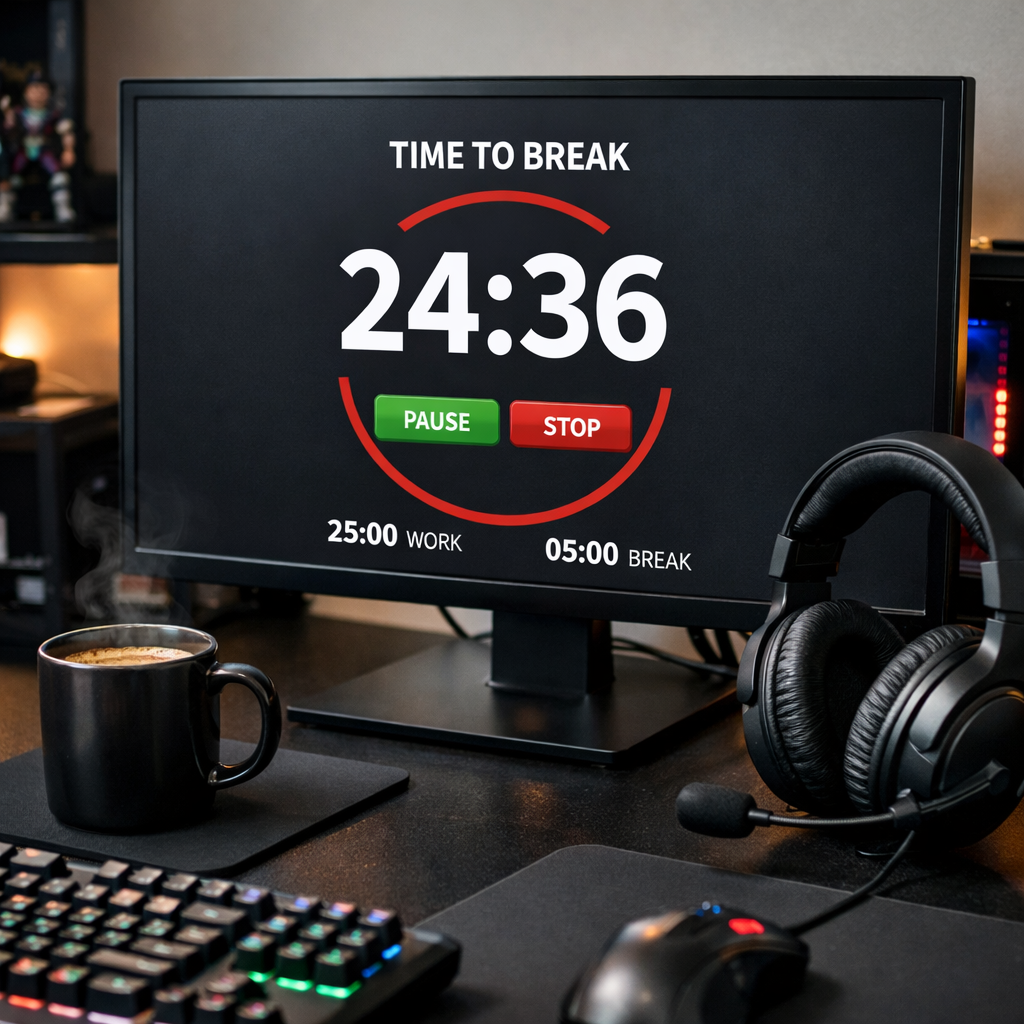
- Set a timer for a work interval (traditionally 25 minutes).
- Work on a single task until the timer rings.
- Take a short break (usually 5 minutes).
- After four work intervals, take a longer break (15-20 minutes).
Core Principles Of A Free Focus Timer
A free focus timer, often built around the Pomodoro Technique, operates on a few key ideas. The main goal is to create structured work sessions that help you concentrate better. It’s about dividing your day into manageable chunks. This approach helps prevent mental fatigue and keeps you engaged with your tasks. By setting clear start and end times for work periods, you create a sense of urgency that can push you to focus. It also makes it easier to resist distractions because you know a break is coming soon.
Benefits Of Structured Work Intervals
Using structured work intervals, like those provided by a free focus timer, offers several advantages. It can significantly improve your ability to concentrate on the task at hand. By working in focused bursts, you train your brain to stay on track for longer periods. This method also helps in reducing procrastination. Knowing you only have to focus for a set amount of time makes starting difficult tasks less daunting. Plus, the built-in breaks are vital for maintaining energy and preventing burnout. It’s a way to build a sustainable work habit that doesn’t leave you feeling drained at the end of the day. You can find many apps that help with time management.
Maximizing Your Productivity With A Free Focus Timer
Setting Up Your Ideal Work Sessions
Getting the most out of your focus timer isn’t just about hitting ‘start.’ It’s about setting yourself up for success before you even begin. Think of it like prepping your workspace before a big project – a little effort upfront makes everything run smoother. You’ll want to figure out what work intervals and break times actually feel right for you. The classic 25-minute work, 5-minute break is a good starting point, but it’s not set in stone. Some people find they get into a better groove with longer focus periods, maybe 50 minutes of work followed by a 10-minute break. It really depends on the type of task and your personal rhythm.
Here are some popular interval setups to consider:
- 25-minute work, 5-minute break: Great for getting started and tackling smaller tasks.
- 50-minute work, 10-minute break: Good for tasks that require a bit more sustained attention.
- 90-minute work, 15-minute break: Ideal for deep work sessions where you need to really get in the zone.
Before you start your first session, take a moment to clear your physical and digital workspace. Turn off notifications that aren’t absolutely critical, close unnecessary tabs, and let people around you know you’ll be unavailable for a bit. This small act of preparation can make a huge difference in maintaining focus.
The Power Of Short, Focused Bursts
It might seem counterintuitive, but breaking your work into smaller, timed chunks can actually make big tasks feel less overwhelming. When you know you only have to concentrate intensely for, say, 25 minutes, it’s much easier to get started than if you’re staring down an entire afternoon of work. Each completed focus session acts like a mini-win, building momentum and making it easier to tackle the next one. This approach helps combat that feeling of being swamped and can significantly reduce procrastination because the barrier to entry is so much lower.
Integrating Breaks For Sustained Energy
Breaks aren’t just a reward for finishing a work session; they’re a vital part of maintaining your energy and focus over the long haul. Think of them as pit stops for your brain. During these short breaks, try to step away from your screen. A quick walk around the room, stretching, or just looking out the window can do wonders. After a few work sessions, a longer break is a good idea. This is your chance to really recharge – grab a snack, listen to a song, or do something completely unrelated to work. This prevents mental fatigue and keeps you from hitting that dreaded afternoon slump, allowing you to stay productive and sharp throughout the day.
Leveraging Your Free Focus Timer Features

So, you’ve got your free focus timer set up and you’re ready to get to work. But have you really thought about how to get the most out of it? These tools aren’t just simple countdown clocks; they often come packed with features that can seriously ramp up your productivity if you know how to use them. Let’s break down some of the key aspects you should be exploring.
Customizable Timer Intervals
The classic 25-minute work, 5-minute break structure is a great starting point, but it’s not the only way. Your focus timer is likely more flexible than you think. Some people find longer focus blocks work better for deep work, while others need shorter bursts to stay engaged. Don’t be afraid to experiment. Try out different combinations to see what fits your personal workflow and the type of tasks you’re tackling.
Here are a few popular interval ideas to get you started:
- 25 min work / 5 min break: The standard, good for most tasks.
- 50 min work / 10 min break: Better for tasks requiring sustained concentration.
- 90 min work / 15 min break: Ideal for deep work sessions where you want to minimize interruptions.
- Custom: Set your own lengths based on your energy levels and task complexity.
Task Management Integration
Many free focus timers go beyond just timing. They often include a built-in to-do list or task management feature. This is super handy because it means you can plan your work sessions directly within the timer app. Instead of jumping between a timer and a separate to-do list, you can assign specific tasks to your focus intervals. This helps you stay focused on one thing at a time and provides a clear sense of accomplishment as you check items off your list.
Think about it: you can list out your tasks for the day, assign a focus block to each, and then start the timer. When the timer goes off, you mark the task as done. It’s a simple system, but it really helps in breaking down big projects into manageable chunks.
Using the integrated task list means you’re not just passively timing your work; you’re actively directing your attention towards specific goals. This makes the entire process feel more intentional and less like just waiting for the clock to run out.
Progress Tracking And Analytics
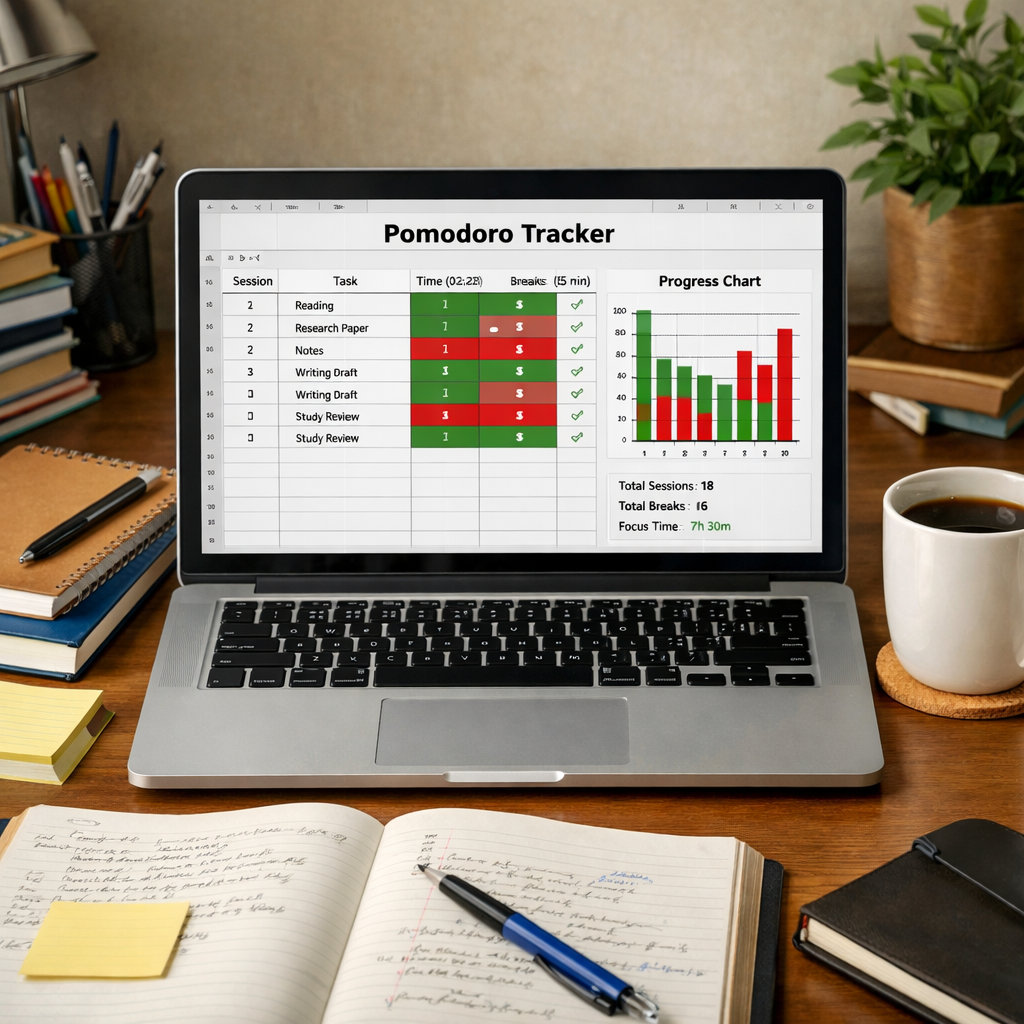
This is where the real magic happens for long-term productivity gains. Most good focus timers will track your work sessions and provide some form of analytics. Don’t just ignore these reports! They offer insights into your work habits that you might not otherwise notice.
Look for metrics like:
- Pomodoros completed per day/week/month: See your output over time.
- Total focus time: Understand how much time you’re actually dedicating to work.
- Task completion rates: How efficient are you at finishing what you start?
- Streaks: Motivate yourself by seeing how many days in a row you’ve stuck to your focus sessions.
By reviewing these stats, you can identify patterns, see when you’re most productive, and figure out where you might be getting sidetracked. It’s like having a personal productivity coach built right into your timer.
Overcoming Common Productivity Challenges
Even with the best tools, staying focused isn’t always a walk in the park. Life happens, right? Distractions pop up, motivation dips, and sometimes, just starting feels like the hardest part. But don’t worry, the free focus timer is built to help you tackle these common roadblocks head-on.
Minimizing Distractions During Focus Time
Distractions are the silent killers of productivity. Your phone buzzes, an email pops up, or a colleague stops by your desk. It’s easy to get pulled away from your task. The key is to create a focused environment before your timer starts. Think of it like building a little fortress around your work time.
- Silence your devices: Turn off notifications or put your phone on airplane mode. Seriously, that social media scroll can wait.
- Close unnecessary tabs: If you’re working on a report, close the ones for online shopping or news articles.
- Communicate your focus time: Let your household or colleagues know you’ll be unavailable for a set period. A simple "Do Not Disturb" sign can work wonders.
- Use website blockers: If certain sites are your kryptonite, consider using an app or browser extension to block them during your focus sessions.
Creating a dedicated, distraction-free zone isn’t just about willpower; it’s about setting up your environment for success. Make it hard for distractions to find you.
Combating Procrastination With Timed Tasks
Procrastination often stems from feeling overwhelmed by a task. It seems too big, too boring, or too difficult. The focus timer breaks down these giants into manageable chunks. Knowing you only have to focus for 25 minutes makes starting much less daunting.
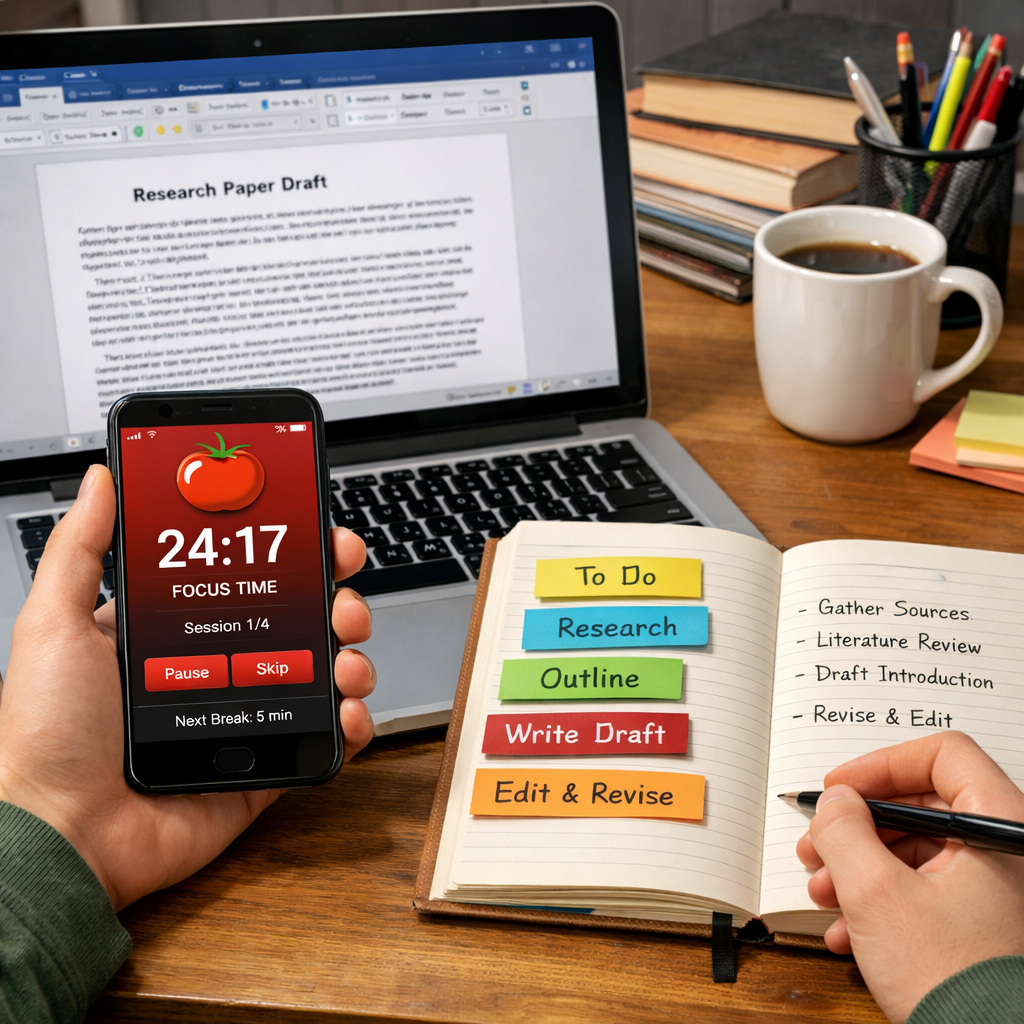
- Break down big projects: Instead of "Write report," break it into "Outline report," "Research section 1," "Write introduction," etc. Assign a pomodoro to each small step.
- Start with the easiest part: Sometimes, just getting started is the hardest. Pick a small, easy part of the task to build momentum.
- Set clear goals for each session: Before you start a pomodoro, decide exactly what you want to accomplish. This gives your focus a target.
The urgency of a ticking clock can be a powerful motivator to just begin.
Preventing Burnout With Regular Breaks
It might seem counterintuitive, but taking breaks is just as important as the focused work itself. Pushing yourself non-stop leads to fatigue, mistakes, and eventually, burnout. The focus timer’s built-in breaks are designed to prevent this.
- Short breaks (5 minutes): Use these to step away from your screen. Stretch, grab some water, look out the window. Avoid engaging in anything too mentally taxing or that might suck you in (like social media).
- Long breaks (15-30 minutes): After a few focus sessions, take a longer break. This is your chance to truly recharge. Go for a short walk, have a snack, listen to music, or do a quick mindfulness exercise.
| Work Interval | Short Break | Long Break (after 4 intervals) |
|---|---|---|
| 25 minutes | 5 minutes | 15-30 minutes |
| 50 minutes | 10 minutes | 15-30 minutes |
Remember, these breaks aren’t wasted time; they’re investments in your sustained productivity and well-being.
Advanced Strategies For Free Focus Timer Users
Adapting The Technique For Deep Work
The standard Pomodoro setup is great for getting started and maintaining momentum, but sometimes you need longer stretches of uninterrupted focus. This is where adapting the technique comes in handy. Instead of the typical 25-minute bursts, try extending your work intervals. Many find that 50-minute work sessions followed by a 10-minute break, or even 90-minute sessions with a 15-minute break, work better for tasks that require sustained concentration. The key is to experiment and find what feels right for your brain. Don’t be afraid to deviate from the classic 25/5 pattern if it means getting into a deeper flow state.
Using Your Timer For Study Sessions
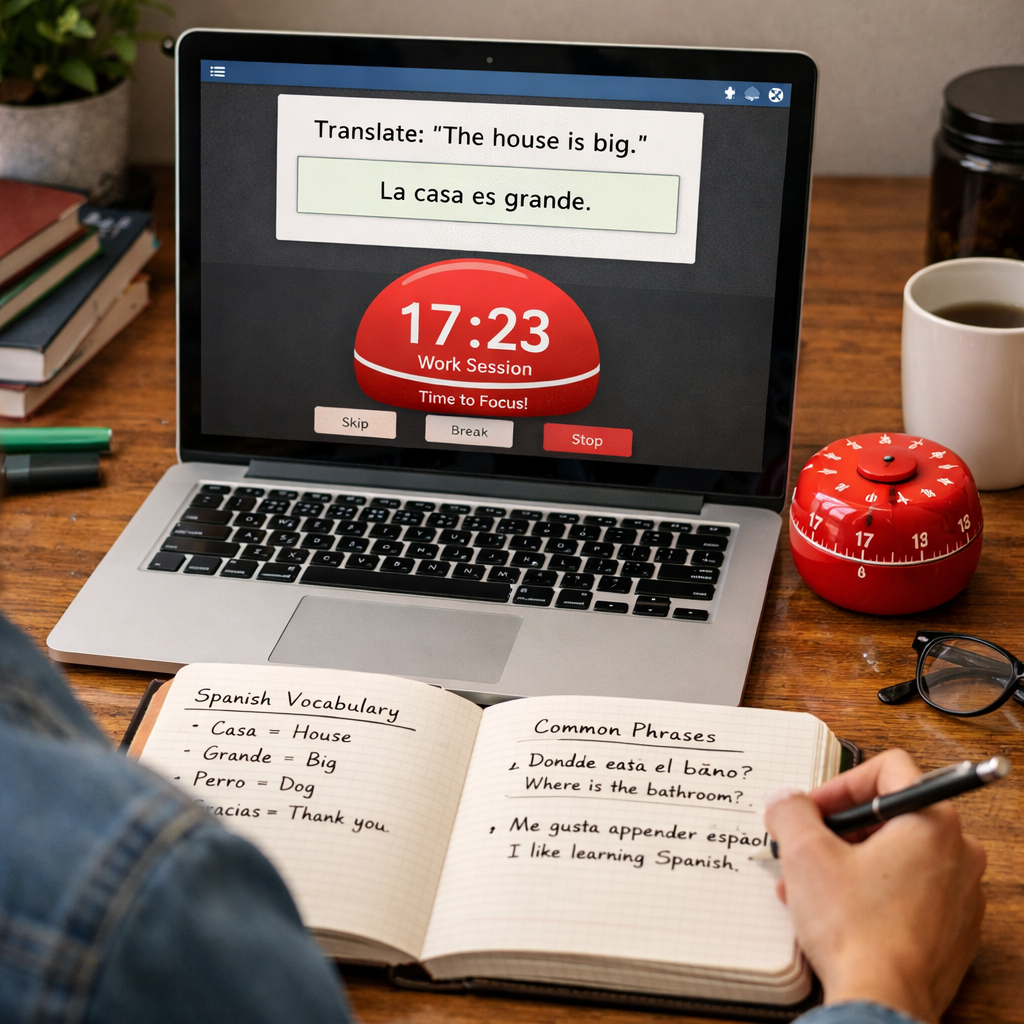
Students can really benefit from using a focus timer. It’s not just about getting through textbooks; it’s about active learning. Break down your study material into manageable chunks. For example, you could dedicate one 25-minute session to reading a chapter, another to taking notes, and a third to reviewing flashcards. This structured approach prevents cramming and helps solidify information over time. Remember to schedule longer breaks after a few study sessions to avoid mental fatigue.
Here’s a sample study session breakdown:
- Session 1 (25 min): Read assigned chapter section.
- Break (5 min): Stand up, stretch, grab water.
- Session 2 (25 min): Take detailed notes on the section.
- Break (5 min): Quick mental reset.
- Session 3 (25 min): Create practice questions or flashcards.
- Long Break (15-20 min): Step away completely, maybe a short walk.
Applying The Technique In Team Environments
Bringing focus timer principles into a team setting can be tricky but rewarding. It’s about respecting everyone’s need for concentration. You can use it for collaborative work sessions where everyone agrees to focus on a specific task for a set period, minimizing interruptions. For asynchronous teams, encourage team members to communicate their focus times, perhaps by updating their status on a team chat or blocking out time on a shared calendar. This helps manage expectations and reduces the likelihood of disruptive pings or calls during someone’s dedicated work interval.
When working with others, clear communication about focus times is just as important as the timer itself. It builds a culture of respect for concentrated work.
Wrap Up Your Focus Journey
So there you have it. Using a free focus timer, like the ones we’ve talked about, can really make a difference in how much you get done. It’s not some magic bullet, but it’s a simple tool that helps you break down your work and take much-needed breaks. Give it a shot for a week and see how it feels. You might be surprised at how much more you can accomplish when you just focus on one thing at a time, with a timer keeping you honest. It’s a small change, but it can lead to some pretty big improvements in your day.
Frequently Asked Questions
What exactly is the Pomodoro Technique?
Think of it like this: you work super hard for a short time, like 25 minutes, and then you take a little break. Each of those work times is called a ‘pomodoro.’ It’s a way to break up your day so you don’t get tired or bored.
Can I change the timer times?
Yes, you can! While 25 minutes of work and 5 minutes of break is popular, you can totally switch it up. Some people like longer work times, like 50 minutes, with a 10-minute break. It’s all about finding what works best for you.
Why are breaks so important?
Breaks are like hitting the refresh button for your brain! They help you avoid getting tired or stressed out. Taking short breaks keeps you sharp, and longer breaks help you really relax so you can come back ready to focus.
How can this help me stop procrastinating?
It makes starting tasks way easier. Instead of thinking about a huge project, you just need to focus for 25 minutes. That short amount of time feels much less scary, so you’re more likely to just jump in and get started.
Is this timer good for studying?
Absolutely! You can break down your study goals into pomodoros. For example, one pomodoro for reading a chapter, another for doing practice problems. It helps you study smarter, not just longer.
Can a whole team use this technique?
Yes, teams can use it too! It’s not about everyone working at the exact same time, but about creating a shared understanding that everyone needs focus time. It can help teams get more done without feeling overwhelmed.