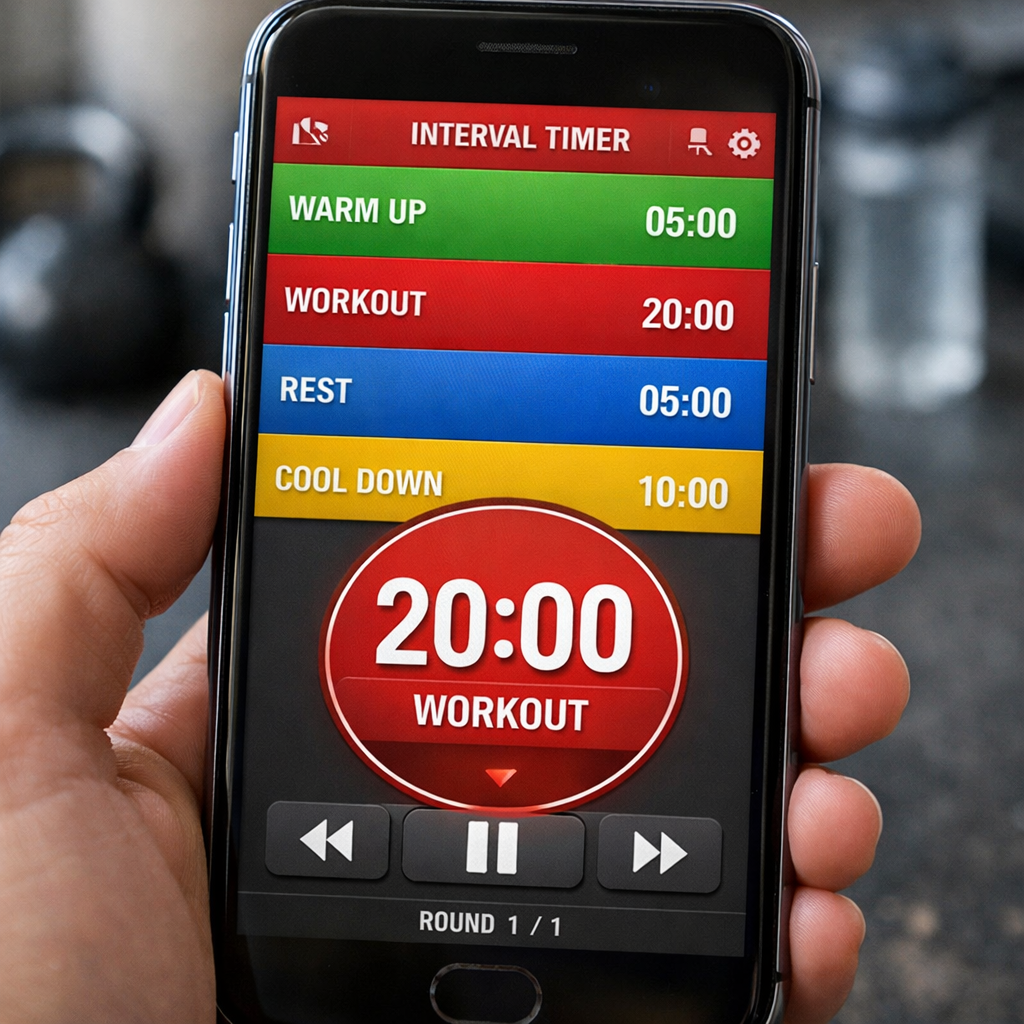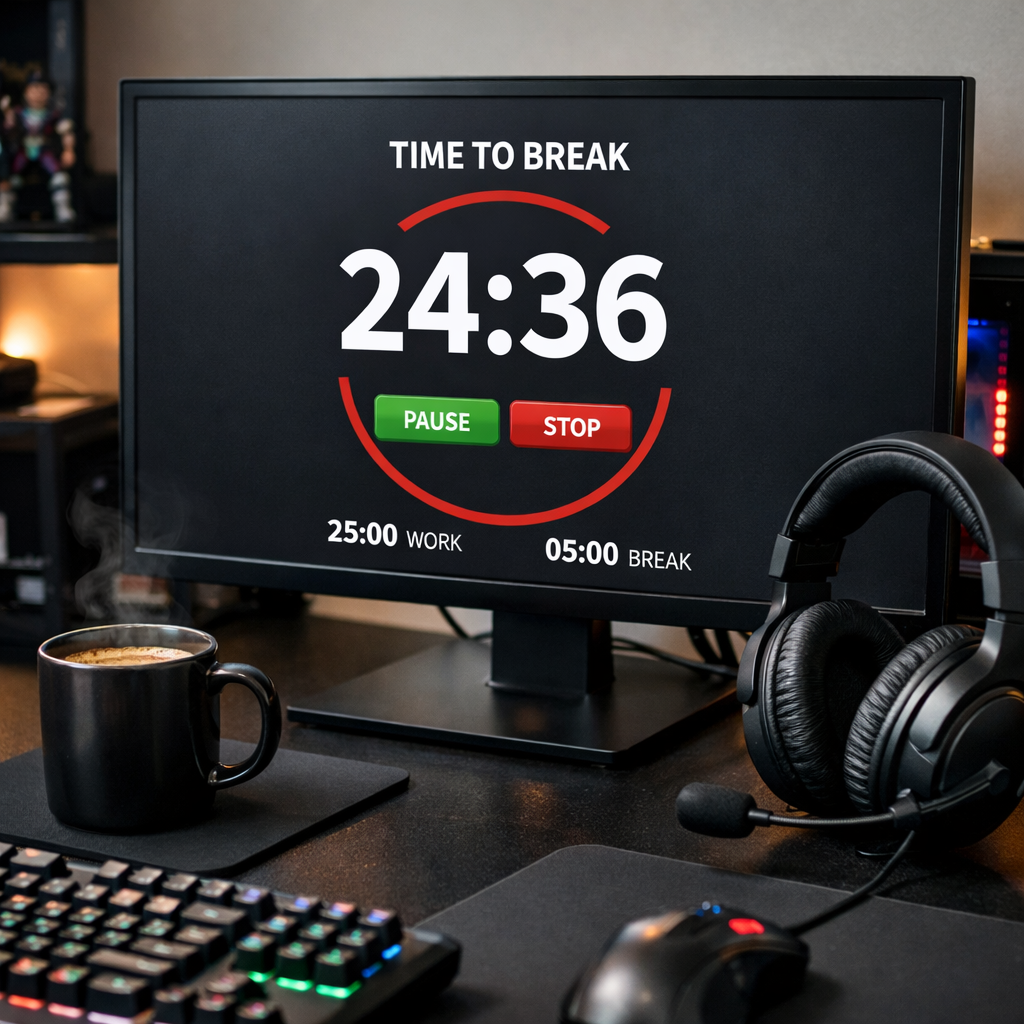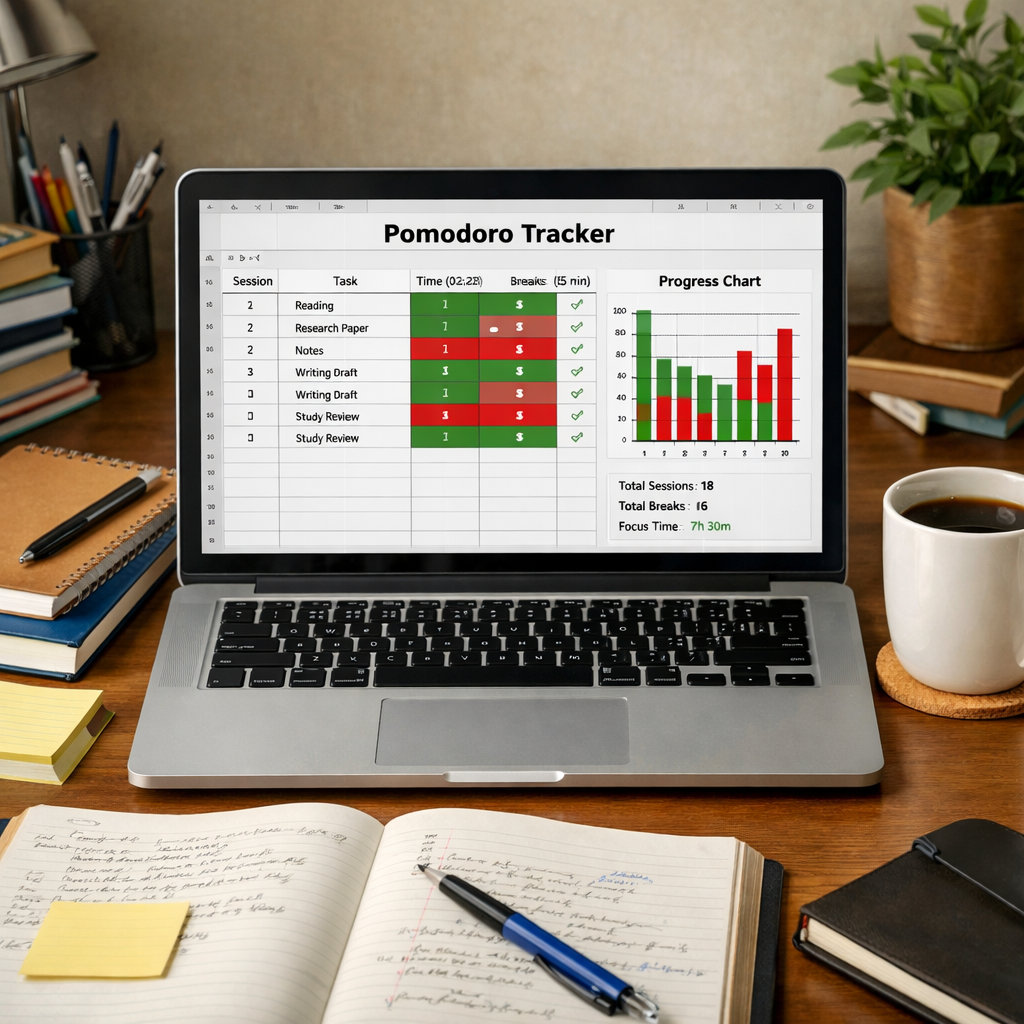

A pomodoro timer for college students can turn a chaotic week into a steady rhythm.
Instead of trying to study for hours straight, you break the time into short, focused bursts. A 25‑minute sprint keeps your mind sharp, and a five‑minute pause stops fatigue before it starts. When you repeat the cycle, you build a habit that feels natural and low‑stress.
Your brain gets a reset, so you stay alert for the next round.
Start by picking a timer you trust – the Focus Keeper app works well, but any phone timer will do. Set it for a block that matches the material: 25 minutes for dense reading, 15 minutes for flash‑card review. When the alarm rings, write a one‑sentence recap before you take the break. This tiny step locks the info in and makes the next sprint smoother. For more ideas on matching intervals to subjects, see how to set pomodoro intervals for college studying.
While you’re writing essays or polishing a cover letter, pair your pomodoro blocks with a tool that helps you shape a strong CV. EchoApply offers AI‑driven help to turn your focused writing time into a polished application, letting you make the most of each study session. Give yourself a quick stretch during the five‑minute break to keep energy up.
Step 1: Set Up Your Pomodoro Timer
First you need a timer that won’t quit. A phone timer works, but many students like a dedicated app.
One popular pick is Focus Keeper. It lets you set a 25‑minute work block and a 5‑minute break, and you can rename each block.
If you prefer a web tool or a kitchen timer, that’s fine too. The alarm just has to be loud enough to pull you out of a daydream.
Pick the interval that fits the material. For dense reading 25 minutes feels right. For flash‑card review 15 minutes may be enough. Keep the break short – five minutes of stretch or a snack.
When the timer dings, pause work and write a one‑sentence recap. That tiny step locks the info in before you switch topics.
Put a sticky note on your desk that says “Start timer now”. Seeing the cue helps you begin.
Need a spot for quick notes? A simple digital notebook open before the timer starts keeps you from hunting files during a break.
Check out Property Copilot for ideas on how a tidy workspace can boost focus. Less clutter means fewer trips to the phone.
Another handy site is Jiffy Print Online. Print a small cheat‑sheet of your study goals and stick it where you can see it while you work.
Try it tonight: set the timer, pick a chapter, and watch how the rhythm makes the material feel lighter. After a few cycles you’ll notice your brain stays sharper longer.
That’s the foundation. With the timer set you can move on to matching intervals to each subject and fine‑tuning your breaks.
Step 2: Customize Session Lengths for College Tasks
Now that you have a timer, it’s time to match the interval to the task. A one‑size‑fits‑all sprint usually leaves you either bored or burnt out.
Think about the kind of work you’re doing. Heavy reading, like a biology chapter, needs a longer stretch. Quick recall, like flashcards, thrives on a shorter burst.
Long blocks for deep material
Try a 30‑minute work window followed by a 5‑minute break when you’re tackling dense concepts. The extra five minutes lets you stay in the flow without hitting a mental wall.
Short bursts for rapid drills
Switch to a 15‑minute sprint for things like vocabulary drills or math fact flashcards. The brief focus keeps your mind sharp and the break feels like a reward.
Actionable steps
1. Pick a task type (reading, problem‑solving, flashcards). 2. Choose an interval length (15, 25, or 30 minutes). 3. Set the pomodoro timer for college students to that length. 4. When the alarm rings, note a quick focus rating from 1‑5. 5. Adjust the length up or down based on the rating.
Run a mini‑test for three different subjects. If you score a 4 or 5 most of the time, you’ve hit the sweet spot. If the rating dips, trim five minutes or add a brief mental cue.
Keep a tiny log in a notebook or the timer app. Seeing the numbers stack up turns the habit into data you can trust.

Once you lock in the right length for each kind of work, the timer does the heavy lifting. You’ll notice fewer distractions, smoother transitions, and more confidence heading into exams.
Step 3: Integrate the Timer with Your Study Schedule
Now that you know which interval feels right, it’s time to weave the pomodoro timer for college students into your weekly plan.
First, pull up your class schedule. Mark every lecture, lab, or meeting. Those blocks are non‑negotiable.
Next, look for gaps that are at least 20 minutes long. Those are your golden windows for pomodoros.
Ask yourself: how can you match the task to the energy you have at that time? If you feel fresh in the morning, slot a 30‑minute sprint for dense reading. If you hit a dip after lunch, use a 15‑minute burst for flash‑card recall.
Label each sprint in your timer app. A quick tag like “Bio‑Chapters” or “Essay‑Outline” tells your brain what to expect and makes later review easy.
After four pomodoros, schedule a longer 20‑minute break. Use that time to stretch, grab a snack, or check a quick note. The longer pause helps your brain reset before the next round.
At the end of each week, glance at your log. Which subjects needed more time? Which breaks felt too short? Jot a short note and shift the next week’s slots accordingly.
Many online learners follow a similar rhythm. The UF Online time‑management guide recommends breaking work into 25‑minute intervals with regular breaks to keep focus high.
Platforms like Focus Keeper make tagging and logging effortless. The app lets you pick a tag before you start, then records the length and a quick focus rating when the alarm rings. That data becomes your personal feedback loop.
If you rate a session a 2 or 3, shrink the next sprint by five minutes. If you consistently hit 4 or 5, try adding a few minutes or swapping a short break for a quick stretch.
Quick checklist
| Step | Action | Tip |
|---|---|---|
| 1 | Map fixed classes | Use colour codes for easy view |
| 2 | Insert pomodoros into gaps | Match task difficulty to energy level |
| 3 | Review weekly | Adjust lengths based on focus rating |
Step 4: Use Break Strategies to Boost Retention
Your brain needs a pause to lock in what you just studied. A short break stops fatigue and lets the info settle.
One trick is a micro-review. When the timer dings, spend the five minutes writing a one-sentence summary or flashing a key term. That tiny act turns a break into a memory boost.
Movement helps too. Stand up, stretch, or do a quick walk around your dorm hallway. A bit of blood flow wakes up the brain for the next sprint.
If you’re stuck on a tough concept, use the break for a light recall game. Close your notes, try to recite the main idea, then check if you got it right. The effort to retrieve information strengthens retention.
After four pomodoros, schedule a longer 20-minute recharge. Use that time for a snack, a chat, or a short study-free walk. The longer pause gives your mind time to consolidate the batch of material you just covered.
Watch your focus rating. If you often mark a 2 or 3, shrink the next work block by five minutes. If you consistently hit a 4 or 5, try adding a few minutes or swapping a short break for a quick stretch.
A pomodoro timer for college students can automate all of this. Set default break lengths, enable a longer break after four cycles, and let the app remind you to do the micro-review.
So what should a good break look like?
- Micro-review: write one sentence.
- Move: stretch or walk.
- Recall: try to say the main point.
- Long reset: 20-minute snack break after four sprints.
Step 5: Track Progress and Adjust Over the Semester
Your study plan works only if you see how it plays out. A pomodoro timer for college students gives you the raw numbers to tweak.
Log each Pomodoro
Open the timer, pick a tag like “Bio‑Chapter” or “Essay‑Outline,” then start. When the alarm rings, note the task you finished, a focus rating 1‑5, and any roadblock.
Do this for every block, short 5‑minute breaks. After a week you’ll have a simple sheet that shows which subjects pull a 4 or 5 and which dip to 2 or 3.

Turn data into tweaks
Look at the ratings. If you see a pattern of low scores for a chemistry topic, shrink the work block by five minutes or add a quick flash‑card review at the end of each break.
If a subject consistently hits a 5, try adding a few extra minutes or swapping a short break for a brief stretch. Goal is to keep rating high without burning out.
Weekly audit
Set aside 10 minutes every Sunday. Pull up your log, count how many pomodoros you did for each class, and note any gaps where you missed a planned block.
Adjust the upcoming week’s schedule: move longer sprints to your morning energy peak, place shorter bursts after lunch, and schedule a 20‑minute recharge after four cycles.
Tip: Many students find a quick visual chart of pomodoro counts makes the audit feel like a game. Sketch a bar chart on a sticky note and watch progress grow.
By treating each sprint as data point, you turn vague habit into a measurable system. Over a semester that feedback loop can shave hours of wasted time and keep your grades on track.
FAQ
How do I choose the right pomodoro timer for college students?
Start by looking for a timer that lets you set work and break lengths fast, and that can add a short tag for each subject. A simple phone timer works, but an app that logs each sprint makes it easier to see patterns. Many students find that being able to see a quick list of tags helps them plan the next day’s study blocks.
What length of work block works best for most college courses?
Most students feel comfortable with a 25‑minute work block followed by a 5‑minute break. If the material is dense, like a chemistry chapter, try 30 minutes and keep the break at five. For lighter tasks, such as flash‑card review, 15‑minute bursts keep the mind fresh. Test a couple of lengths for a week and note which gives you a focus rating of four or five.
Can I use the pomodoro timer for group study sessions?
Yes. Set the timer for the same interval for everyone, then use the break to discuss what you just covered. Make sure each person tags their own part of the work so the log still shows who did what. This way the group stays on track and you still get the benefit of short, focused bursts.
How should I handle interruptions during a pomodoro sprint?
If something urgent pops up, pause the timer, write a quick note about the interruption, and return to the sprint as soon as you can. The note helps you see how often interruptions happen, and you can plan extra time later in the week. Keeping the pause short preserves the rhythm and stops the feeling of losing momentum.
What’s the best way to review my pomodoro data at the end of the week?
Pull up the list of tags and focus ratings. Look for subjects that often score a two or three – those need a shorter block or a different study method. For subjects that regularly hit four or five, you might add a few minutes or swap a short break for a quick stretch. A simple bar chart on a sticky note can turn the numbers into a quick visual game.
Should I adjust the pomodoro timer during exam week?
During exams, you can lengthen work blocks for heavy revision topics, but keep the break short so you don’t lose focus. Many students add a longer 15‑minute recharge after four cycles to give the brain time to store the info. Keep tagging each sprint so you can see which subjects needed extra time and plan the next day’s schedule accordingly.
Conclusion
Using a pomodoro timer for college students can turn a chaotic week into a steady rhythm.
Pick a timer you trust, set a work block that fits the task, and tag each sprint. The short breaks lock in what you just learned and keep fatigue low.
Track your focus rating, tweak the length when needed, and review the data each week. Over time you’ll see more study time turn into real recall.
So, what’s the next step? Grab a timer, mark your first sprint, and watch the habit grow. A simple pomodoro habit can boost grades without burning out.
Remember to keep the breaks short but purposeful, stretch, sip water, or jot a quick note.
Consistency beats intensity, so stick with the cycle for a few weeks and let the rhythm do the work.