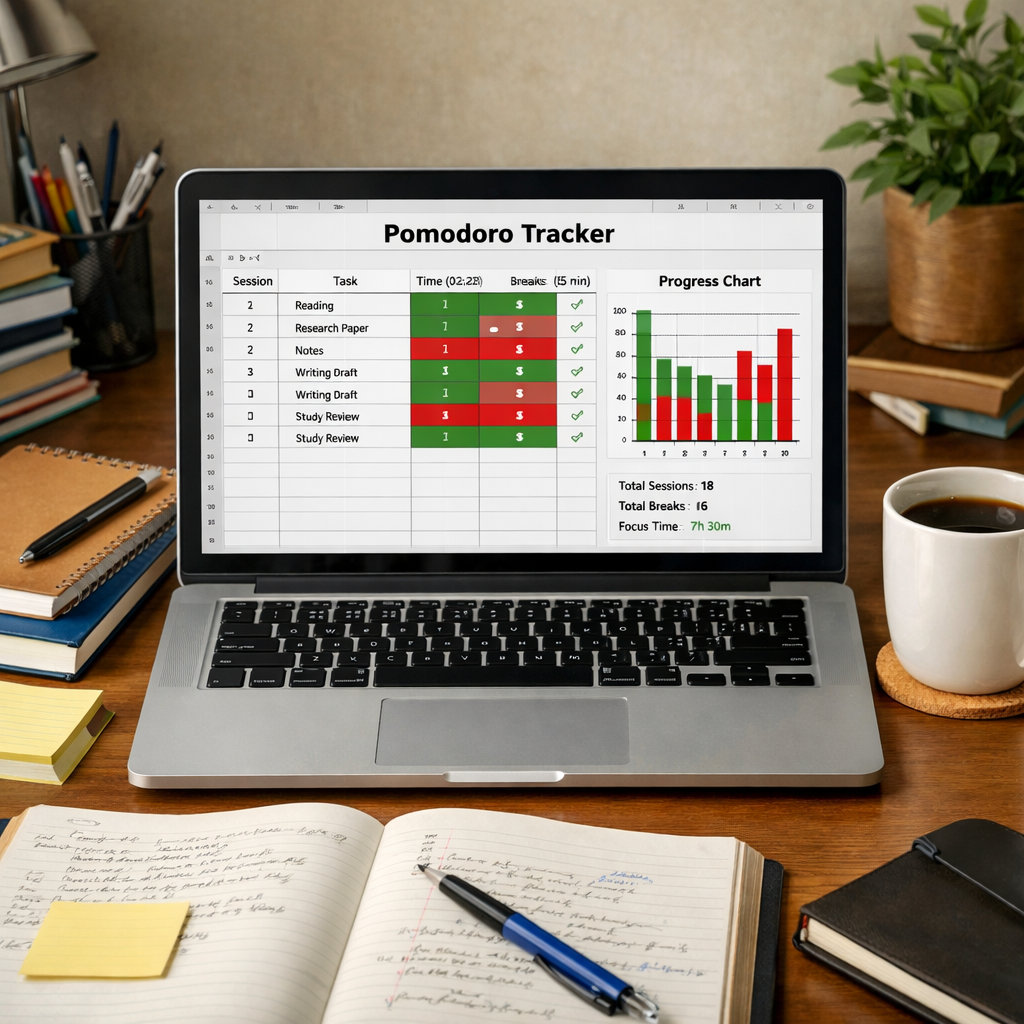

In today’s world, staying focused can feel like a real challenge. With so many things pulling at our attention, getting work done from home without getting sidetracked is tougher than ever. It’s easy to feel like you’re just spinning your wheels, right? This guide is packed with practical work from home focus tips for 2026 that actually work. We’re going to look at how to set up your space, train your brain, and build habits that help you concentrate better, so you can finally get that important work done without losing your mind.
Key Takeaways
- Set aside specific times for focused work, like using the Deep Work Methodology, and make sure to block out all interruptions during these periods.
- Your physical and digital surroundings play a big role. Keep your desk clear, organize your computer files, and create a quiet spot just for working to minimize distractions.
- Training your mind through regular mindfulness or meditation can help you get better at concentrating and gently bring your focus back when it wanders.
- Create routines before you start work and communicate your availability to others. Also, try to schedule your most demanding tasks for when you naturally have the most energy.
- Actively manage digital distractions by using tools to block websites, putting your phone away, and closing unnecessary browser tabs to keep your attention where it needs to be.
Cultivate Deep Focus With Dedicated Work Blocks
In today’s world, it feels like our attention is constantly being pulled in a million directions. Emails ping, social media beckons, and suddenly, that important project you were supposed to tackle is still sitting there, untouched. That’s where the idea of dedicated work blocks comes in. It’s about carving out specific times where you can really sink your teeth into demanding tasks without interruption.
Embrace The Deep Work Methodology
This isn’t just about working harder; it’s about working smarter. The deep work methodology, championed by folks like Cal Newport, is all about focusing intensely on cognitively demanding tasks. Think of it as training your brain to operate at its highest level, producing quality output and learning new things much faster than if you’re constantly switching gears. It’s the opposite of ‘shallow work,’ which includes things like answering routine emails or attending meetings that don’t really require your full brainpower. By protecting your time for these focused sessions, you can actually make significant progress on your most important projects.
- Schedule your sessions: Treat these blocks like important appointments. Put them right in your calendar.
- Eliminate distractions: Make it impossible for interruptions to break your flow. Silence notifications, close unnecessary browser tabs, and let others know you’re unavailable.
- Set clear goals: Before you start, know exactly what you want to achieve in that block.
- Define a duration: Decide how long your session will be. Beginners might start with 60-90 minutes.
The real value of deep work isn’t just about getting more done. It’s about reclaiming control over your most valuable asset: your attention. It’s about doing work that matters.
Schedule Your Focused Sessions
Okay, so you’re sold on the idea of deep work, but how do you actually make it happen? Scheduling is key. You need to proactively block out time in your calendar for these focused periods. This isn’t just a suggestion; it’s a commitment. When you treat these blocks like important meetings, you’re less likely to let them slide. This approach helps eliminate the constant decision-making about what to work on next and protects your most important tasks from the chaos of your to-do list. It’s a way to regain control over your day, moving from a reactive mode to a proactive one. You can learn more about time blocking techniques to help structure your day effectively.
Eliminate All Distractions During Deep Work
This is where the rubber meets the road. Once you’ve scheduled your deep work block, you have to be ruthless about distractions. This means more than just turning off email notifications. It involves creating a physical and digital environment that supports your focus.
- Put your phone on silent and place it out of sight, maybe even in another room.
- Close any browser tabs that aren’t directly related to the task at hand.
- Consider using website and app blockers to create a digital sanctuary.
- If you work from home, communicate your focused work times to family or housemates to minimize interruptions.
Optimize Your Environment For Concentration
Your surroundings play a bigger role in your focus than you might think. It’s not just about having a quiet spot; it’s about actively shaping your physical and digital spaces so they work for you, not against you. Think of it like setting the stage for a play – the right props and lighting make all the difference. When your environment is set up for focus, concentration becomes the path of least resistance.
Declutter Your Physical Workspace
Look around your desk right now. Is it a chaotic mess of papers, pens, and random gadgets? That visual noise is constantly sending little signals to your brain that things are out of order, making it harder to settle into a task.
- Clear the decks: Remove anything that isn’t directly related to what you’re working on right now. That pile of mail? Deal with it later. That stack of books you might read? Move them.
- Organize essentials: Keep only the tools you need for your current project within easy reach. A tidy desk means a tidier mind.
- Manage sensory input: If noise is an issue, noise-canceling headphones are your best friend. For lighting, try to position yourself near a window for natural light, but be mindful of glare on your screen.
A clean workspace isn’t just about aesthetics; it’s a direct signal to your brain that it’s time to get serious and focus. It reduces the mental load of processing unnecessary visual information.
Organize Your Digital Work Environment
Just like your physical desk, your computer screen can become a major distraction zone. All those open tabs and desktop icons? They’re little attention thieves.
- Tab Taming: Close any browser tabs that aren’t directly related to your current task. Seriously, how many are open right now?
- Desktop Detox: Your desktop shouldn’t be a dumping ground for files. Create a clear folder structure and move things where they belong.
- App Audit: Shut down any applications you’re not actively using. They might be running in the background, consuming resources and tempting you to switch tasks.
Create a Dedicated Focus Zone
This is where you really double down on making your environment work for concentration. It’s about creating a mental and physical association between a specific place and focused work.
- Designate a spot: Ideally, this is a separate room or at least a specific corner of a room that you only use for work.
- Make it work for you: Equip this zone with everything you need for focused tasks – good lighting, comfortable seating, and minimal distractions.
- Signal your intent: When you’re in your focus zone, it means business. When you leave it, you’re done for the day. This helps create a clear mental separation between work and personal time.
Train Your Mind For Enhanced Attention
Our brains aren’t naturally wired for sustained focus in today’s world. Think of your attention like a muscle; it needs regular exercise to get stronger. Luckily, there are practical ways to train your mind to concentrate better, even when distractions are everywhere.
Practice Mindfulness And Meditation Regularly
Mindfulness and meditation are basically mental workouts. They teach you to pay attention to what’s happening right now, without getting caught up in every thought that pops into your head. When you practice these regularly, you’re actually strengthening the part of your brain that handles focus and decision-making. It’s like teaching your brain to notice when it’s wandering off and gently bring it back.
The goal isn’t to stop thinking altogether, which is pretty much impossible. It’s about learning to observe your thoughts without letting them hijack your attention. This skill makes a huge difference when you’re trying to get important work done.
Start Small With Guided Meditations
Jumping into meditation can feel a bit daunting, but it doesn’t have to be. Starting with guided sessions is a great way to get the hang of it. These are like having a coach walk you through the process.
Here’s a simple way to begin:
- Find a quiet spot: Pick a place where you won’t be interrupted for a few minutes.
- Set a timer: Start with just 5 or 10 minutes. Consistency is key here.
- Sit comfortably: Get into a relaxed but upright position.
- Focus on your breath: Just notice the feeling of air coming in and going out.
- Apps can help: Consider using apps like Calm or Headspace. They have tons of beginner-friendly guided meditations that make it easy to start.
Gently Redirect Wandering Thoughts
When your mind drifts off – and it will, that’s totally normal – the practice is to notice it without judgment. Don’t get frustrated. Just acknowledge the thought, like "Oh, I’m thinking about dinner," and then gently guide your attention back to what you were doing. This repeated action of noticing and returning is the core of the training. Over time, you’ll find it easier to stay on task and less likely to get lost in daydreams or worries.
Establish Routines That Support Focus

Look, we all know that just wanting to focus isn’t enough. Our brains are wired for distraction, and without some structure, we’re basically just setting ourselves up for a day of bouncing between emails and social media. That’s where routines come in. They’re like the guardrails for your workday, keeping you on track even when the shiny object syndrome kicks in.
Develop A Pre-Work Ritual
Think of this as your personal "get ready for battle" sequence, but for your brain. It’s a short, consistent set of actions you do before you dive into your actual work. This signals to your mind that it’s time to switch gears and get serious. It doesn’t have to be complicated. Maybe it’s making a specific cup of tea, tidying up your desk for exactly two minutes, or doing a quick five-minute stretch. The key is that it’s predictable and happens every single time you start your workday. This ritual helps create a mental buffer, separating your personal time from your work time, and primes you for concentration.
Communicate Your Boundaries Clearly
This one is huge, especially if you’re working from home with other people around. You can’t expect uninterrupted focus if nobody knows when you need it. Letting people know your "do not disturb" times is non-negotiable. This means telling your family, roommates, or even colleagues (if applicable) when you’re in a deep work block and shouldn’t be interrupted unless it’s an emergency. It might feel awkward at first, but it’s way less awkward than constantly being pulled away from important tasks. You can use visual cues too, like a sign on your door or a status message on your communication apps. Setting these expectations upfront saves a lot of frustration for everyone involved.
Work During Your Peak Energy Hours
We’re not robots; our energy levels fluctuate throughout the day. Trying to force yourself to do complex, focus-intensive work when you’re already feeling drained is a recipe for disaster. Instead, pay attention to when you naturally feel most alert and sharp. For some, that’s first thing in the morning. For others, it might be mid-afternoon or even late at night. Once you identify these peak times, schedule your most demanding tasks during those windows. Save the easier, more administrative stuff for when your energy dips. It’s about working with your natural rhythms, not against them. This simple adjustment can make a massive difference in how much you accomplish and how good you feel doing it.
Manage Digital Distractions Effectively
In today’s world, our screens are practically extensions of ourselves, which means they’re also huge sources of distraction. It’s easy to get pulled into endless scrolling or a quick game, but these little breaks can really derail your focus. We need to be proactive about taming the digital beast.
Utilize Website and App Blockers
Think of these as your personal digital bouncers. They stand guard at the entrance to your favorite time-wasting sites and apps, only letting you through when your work is done. You can set them up to block specific sites or even entire categories of apps for set periods. It takes a little setup, but the payoff in saved time and improved concentration is huge. Some tools even offer "focus modes" that lock down your device entirely, forcing you to stick to your work.
Put Your Phone Out Of Sight
This one sounds simple, but it’s surprisingly effective. If your phone is on your desk, even on silent, its mere presence can pull at your attention. The temptation to check notifications is always there. Try putting it in a drawer, in another room, or even just face down. Out of sight really does mean out of mind, at least for a while.
Close Unnecessary Browser Tabs
Every open tab is a potential distraction waiting to happen. You might have a tab open for research, another for a quick news check, and a third for social media. Before you know it, you’re jumping between them, and your brain is trying to keep track of it all. Close anything that isn’t directly related to the task you’re working on right now. It’s like clearing your desk – a cleaner digital space leads to a clearer mind.
Prioritize Rest And Well-being For Focus
Look, we all want to be super productive, right? But sometimes, we push ourselves too hard, and that’s when things start to fall apart. Your brain needs downtime, just like your body does. If you’re not getting enough sleep or taking care of yourself, your concentration is going to take a nosedive. It’s not about being lazy; it’s about being smart.
Ensure Quality Sleep For Cognitive Function
Sleep isn’t just ‘off’ time; it’s when your brain does some of its most important work. It sorts through information, fixes itself up, and gets ready for the next day. Think of it like charging your phone – you can’t expect it to run all day on a low battery. For us humans, that means aiming for about 7 to 9 hours of solid sleep each night. It really makes a difference in how sharp you feel and how well you can focus.
Here’s how to get better sleep:
- Stick to a schedule: Try to go to bed and wake up around the same time every day, even on weekends. This helps your body’s internal clock stay on track.
- Make your room a sleep haven: Keep it dark, cool, and quiet. Blackout curtains and earplugs can be lifesavers.
- Create a chill-out routine: Spend the last hour before bed doing something relaxing, like reading a book or listening to calm music. Definitely put the phone away.
When you consistently get enough quality sleep, you’re not just feeling more rested. You’re actively improving your brain’s ability to concentrate, make decisions, and handle stress. It’s the bedrock of good focus.
Be Mindful Of Caffeine And Meal Timing
What you eat and drink, and when you eat and drink it, can mess with your sleep and, by extension, your focus. Caffeine is a big one. Having too much, especially later in the day, can make it hard to fall asleep. The same goes for big meals or alcohol close to bedtime.
- Cut off caffeine: Try to stop drinking coffee or other caffeinated drinks by early afternoon, maybe around 2 p.m.
- Watch your evening meals: Avoid heavy, greasy foods or lots of alcohol right before you hit the hay.
- Hydrate wisely: Drink water throughout the day, but maybe ease up a bit an hour or two before bed to avoid nighttime bathroom trips.
Incorporate Regular Physical Activity
Moving your body is great for your brain. Regular exercise can help you sleep better and feel more alert during the day. Just be careful not to do super intense workouts right before bed, as that can sometimes make it harder to wind down. Find a balance that works for you.
- Find your rhythm: Aim for at least 30 minutes of moderate activity most days of the week.
- Timing matters: Morning or afternoon workouts are usually best for sleep quality.
- Listen to your body: If a late workout energizes you too much, shift it earlier in the day.
Master Task Transitions To Prevent Mental Clutter

Ever feel like your brain is still stuck on the last thing you were doing, even when you’re trying to start something new? That’s called attention residue, and it’s a real focus killer. When you jump from one task to another without a proper break, bits of your attention get left behind. This makes it harder to concentrate on the new job and can leave you feeling scattered.
Implement Attention Residue Elimination
This is all about creating little mental "off-ramps" and "on-ramps" between tasks. It’s not about taking long breaks, but rather short, deliberate pauses that signal to your brain that one thing is done and another is about to begin. Think of it like closing one browser tab before opening another – you wouldn’t want a hundred tabs open at once, right?
Here’s a simple way to do it:
- Acknowledge Completion: When you finish a task, take a moment to recognize it’s done. Jot down any final thoughts or next steps for that task on a piece of paper. This helps clear your head.
- Take a Quick Break: Stand up, stretch, grab some water, or just look out the window for a minute or two. A physical shift can help create a mental one.
- Prepare for the Next Task: Before diving in, quickly review what you need to do for the upcoming task. What’s the main goal? What are the first few steps?
The key is to make these transitions intentional. Without them, your brain keeps juggling unfinished thoughts, which really bogs down your ability to focus on what’s in front of you. It’s a small change that makes a big difference in how sharp you feel.
Create Deliberate Shutdown Rituals
These rituals are your personal signals to your brain that it’s time to wrap up. They don’t need to be complicated. Maybe it’s tidying your desk, saving all your files, or writing a quick to-do list for tomorrow. The important part is that you do it consistently. This helps you mentally disconnect from the previous task, preventing those lingering thoughts from interfering with your next activity. It’s like a mini-ceremony to close out your work for a bit, making it easier to transition to remote work smoothly.
Signal Task Completion To Your Brain
How do you actually tell your brain, "Okay, that’s done, let’s move on"? It’s about creating a sense of finality. Checking off a task on your list, even a mental check, can be surprisingly effective. Some people find it helpful to physically put away materials related to the completed task. Others might say out loud, "Task X is complete." The goal is to create a clear marker that the previous work is finished, allowing you to fully engage with whatever comes next without that mental baggage.
Your Focus Journey Starts Now
So, we’ve gone over a bunch of ways to get your concentration back on track. It’s not about doing everything perfectly right away, you know? The real win here is picking one or two things that feel doable for you and sticking with them for a bit. Think of it like building a habit, one small step at a time. Whether it’s tidying up your desk, trying out the Pomodoro timer, or just putting your phone in another room, these little changes add up. Mastering your focus isn’t just about getting more done; it’s about feeling more in control of your day and your work. Start small, be patient with yourself, and you’ll see a difference. Your attention is your most important tool, so let’s make sure you’re using it well.
Frequently Asked Questions
What is ‘Deep Work’ and why is it important for working from home?
Deep Work is like giving your brain a special quiet time to do really hard or important thinking without any interruptions. When you work from home, it’s easy to get sidetracked by things like your phone or chores. Deep Work helps you focus totally on one task, so you can do your best work faster and better.
How can I make my home workspace less distracting?
Think of your workspace like a clean, calm zone. First, get rid of anything you don’t need on your desk – less stuff means less to look at that isn’t your work. Also, make sure your computer screen isn’t cluttered with too many open windows. If noise bothers you, try headphones. Having a dedicated spot just for work can also tell your brain, ‘It’s time to focus!’
What’s the best way to handle my phone and social media when I need to concentrate?
The easiest trick is to put your phone where you can’t see it, maybe in another room or in a drawer. For websites and apps that suck up your time, you can use special tools called blockers that stop you from visiting them during work hours. Closing extra browser tabs also helps a lot!
How do mindfulness and meditation help with focus?
Mindfulness and meditation are like workouts for your brain. They teach you to pay attention to what’s happening right now, like your breath, and to notice when your mind wanders without getting upset. The more you practice, the better you get at bringing your focus back to your task, just like strengthening a muscle.
Why is having a routine important for staying focused?
Routines create signals for your brain. Having a little routine before you start work, like making a cup of tea or tidying your desk, tells your brain, ‘Okay, focus time is starting!’ Also, knowing when you have the most energy and scheduling your toughest tasks then can make a big difference.
How much sleep do I really need to focus better?
Getting enough good sleep is super important for your brain to work well. Aim for about 7-9 hours of quality sleep each night. When you’re well-rested, it’s much easier to concentrate, remember things, and solve problems.