
Ever found yourself staring at a spreadsheet for hours, only to realize the clock has ticked past lunch and you still haven’t crossed off a single task? I’ve been there, and it feels like you’re stuck in a hamster wheel that never stops.
That’s the exact moment many remote workers hit a wall – endless digital distractions, scattered to‑do lists, and a vague sense that something’s off with their workflow. The good news? You don’t need a brand‑new productivity app or a magic formula. You just need a rhythm that respects how our brains actually work.
Enter the pomodoro workflow for remote workers. It’s simple: 25 minutes of focused work, followed by a 5‑minute break. Those short sprints keep mental fatigue at bay and make it easier to say “no” to Slack ping‑pongs or that endless email thread. In our experience, the biggest boost comes when you pair the timer with a clear task hierarchy – know exactly which piece of a project you’re tackling before the clock starts.
Let’s make it concrete. Imagine Sarah, a freelance graphic designer juggling three client briefs from her home office in Melbourne. She starts her day by listing the deliverables, then breaks each brief into bite‑size chunks: concept sketches, color palettes, final assets. She sets a pomodoro for the first sketch, works uninterrupted for 25 minutes, then steps away to stretch, grab a coffee, or check the kids’ homework. After four cycles, she takes a longer 15‑minute pause to review progress and adjust priorities. By the end of the day, Sarah has moved three drafts forward – something that would have felt impossible without that structure.
Want to get started right now? Try this quick three‑step starter kit: 1) Write down the top three outcomes you need today. 2) Split each outcome into 25‑minute blocks on a simple sheet or digital timer. 3) After each block, record a one‑sentence note about what you achieved and what’s next. It’s a tiny habit that builds momentum.
If you’re looking for a deeper dive on how to set up the whole system, check out Mastering the Pomodoro Technique: A Beginner’s Guide to Boosting Productivity. It walks you through the principles, common pitfalls, and how to tweak the intervals for different types of work.
And while you’re fine‑tuning your workflow, you might also be thinking about the next big project – perhaps launching a new website for a client. Budgeting that can feel overwhelming, but a solid guide can simplify it. This How Much Does a Website Cost? Guide for Aussie Small Biz breaks down the expenses so you can slot those tasks into your pomodoros without breaking a sweat.
So, what’s the next move? Grab a timer, pick a single task, and give the 25‑minute sprint a try. You’ll be surprised how quickly the fog lifts.
TL;DR
The pomodoro workflow for remote workers turns scattered to‑do lists into focused 25‑minute sprints, letting you crush tasks, reduce fatigue, and see real progress each day.
Start with three clear outcomes, time each with a simple timer, and capture a quick note after every sprint – you’ll feel momentum build and the fog lift instantly.
Step 1: Set Up Your Pomodoro Timer
Alright, you’ve decided the pomodoro workflow for remote workers is worth a try. First thing’s first: you need a timer that actually works for you, not one that just sits there blinking.
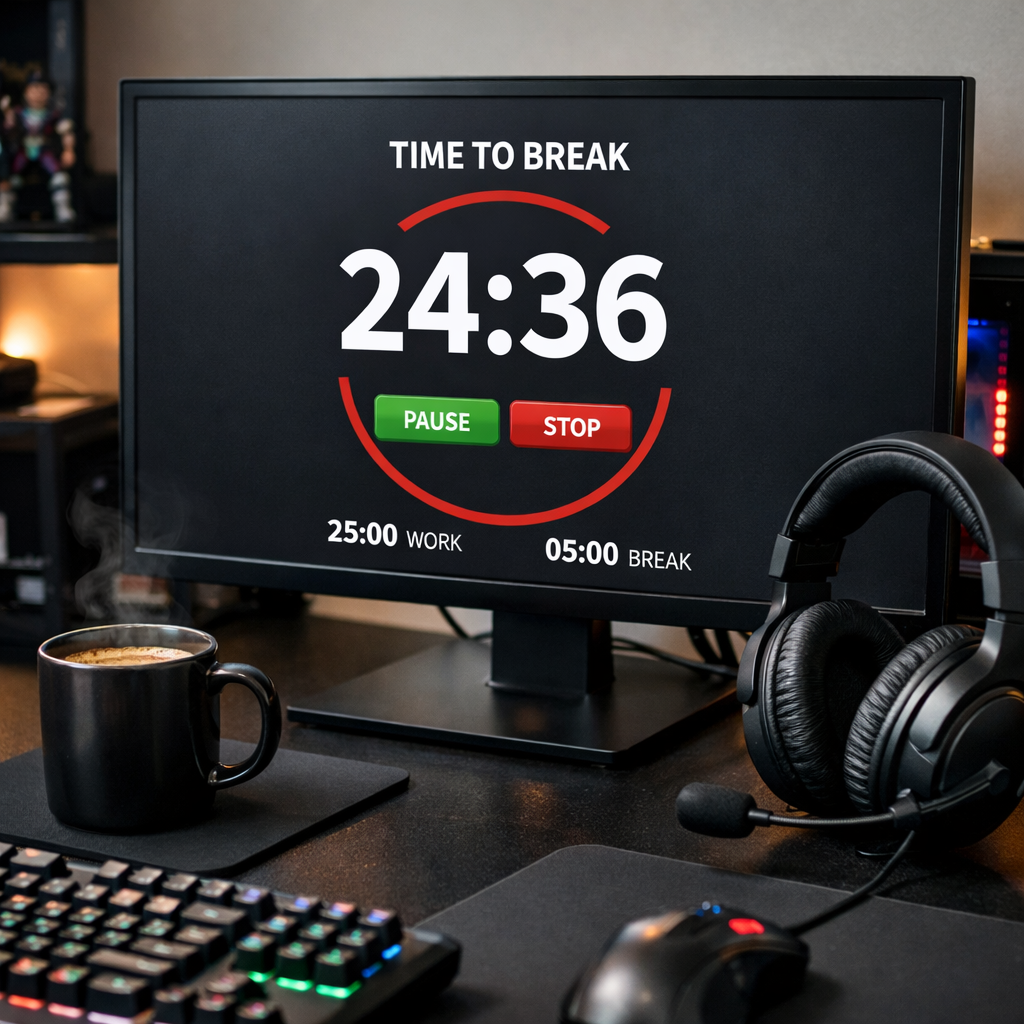
Grab whatever feels comfy – the classic kitchen timer, a phone app, or the built‑in timer on your laptop. If you’re already using a digital calendar, pop a 25‑minute block onto it and give it a bright colour so it stands out.
Here’s a quick sanity‑check: set the timer for 25 minutes, hit start, and watch the seconds count down. No scrolling, no checking email, just let the ticking be the only thing you hear. If you find yourself reaching for your phone, that’s a sign you need a more focused tool, maybe a dedicated pomodoro app.
Once you’ve got a timer, it’s time to pair it with a clear task. Write the exact piece of work you’ll tackle on a sticky note or in a simple doc – something like “draft client proposal intro” instead of vague “work on proposal.” Specificity tells your brain what to focus on and reduces the urge to drift.
Now, let’s talk about the environment. Turn off non‑essential notifications. On Windows or macOS, use “Focus Assist” or “Do Not Disturb” for the next 25 minutes. If you work from a shared space, put on a pair of noise‑cancelling headphones and cue a low‑key playlist – instrumental, no lyrics.
Ready to fire it up? Hit start, and for the next quarter‑hour, work as if the timer were a tiny coach shouting, “Stay on track!” When the alarm rings, celebrate a tiny win: stretch, grab a drink, or glance at the view outside. Those 5‑minute breaks are non‑negotiable – they reset your mental energy.
Need a visual cue? Picture this: you’re at your desk, a sleek timer glowing on the screen, a sticky note with your task beside your coffee mug. The clock ticks, you type, you sketch, you code – all without a single Slack ping interrupting you.
And here’s a pro tip: after each pomodoro, jot down a one‑sentence note about what you accomplished. It could be as simple as “completed outline for blog post.” Over time you’ll see a trail of progress that keeps motivation high.
What if you hit a snag halfway through? That’s okay. Pause, note the blocker, and decide if it’s worth a quick 2‑minute fix or if you should push it to the next break. The goal isn’t perfection; it’s momentum.
Below is a short video that walks you through setting up a basic pomodoro timer on common devices. It’s quick, no fluff, just the steps you need.
Take a breath, then move on to the next task. Remember, the timer is your ally, not a prison.
One more thing: if you’re juggling multiple projects, consider colour‑coding each pomodoro block. Green for client work, blue for internal admin, orange for creative brainstorming. Your brain picks up the pattern faster than you think.
Finally, keep the setup simple. The more friction you add, the harder it becomes to start. A timer, a task note, a quiet space – that’s all you really need to launch your pomodoro workflow for remote workers.

Step 2: Design Your Remote Work Blocks
Now that your timer is glued to the screen, the next puzzle is figuring out what exactly lives in each 25‑minute block. It’s less about forcing every task into a rigid slot and more about shaping a rhythm that mirrors how your brain actually works.
First, take a quick inventory of the kinds of work you do day‑to‑day. Are you drafting copy, reviewing code, fielding client emails, or juggling a quick‑fire brainstorm? Group similar activities together – that way you can batch them into a single pomodoro and avoid the mental cost of constant context‑switching.
Map tasks to realistic pomodoros
Grab your to‑do list and ask yourself: how many pomodoros will this task realistically need? If you’re unsure, start with a rough guess – maybe two 25‑minute sprints for a blog outline, or one for a short admin check‑in. The key is to keep the estimate loose; you can always adjust on the fly.
When a task looks too big, break it down. For example, “create client presentation” becomes “outline slides,” “design visuals,” and “add speaker notes.” Each chunk should comfortably fit into a single pomodoro, giving you a clear finish line and a quick win.
Build a visual block schedule
Put your blocks on a simple grid – a paper planner, a spreadsheet, or the built‑in calendar view in Focus Keeper. Colour‑code by work type (creative, admin, communication) so you can glance at the day and see the flow.
Because remote work often bleeds into personal life, slot the most demanding blocks during your natural peak hours. If you’re a night‑owl in Melbourne, those early‑morning pomodoros might be your power zone. Communicate your “focus windows” to teammates so they know when you’re in deep work mode.
Don’t forget the micro‑breaks. After each 25‑minute sprint, stand, stretch, or sip water. Those five minutes are not just a pause; they’re the brain’s reboot button that keeps fatigue at bay.
Plan for inevitable interruptions
Remote work means the door (or Slack) can open at any moment. When a colleague pops in, use the “INSC” strategy – Inform them you’re in a pomodoro, negotiate a quick catch‑up later, schedule the conversation, or call them back once you finish.
If an urgent issue truly can’t wait, pause the timer, address it, then start a fresh pomodoro. The technique isn’t about perfection; it’s about creating a habit of returning to focused work as soon as possible.
Review and tweak daily
At the end of each day, glance at how many pomodoros you actually completed versus what you planned. Did a 30‑minute research task bleed into two blocks? Did a short email batch finish in half a pomodoro? Jot down those notes – they become the data you use to fine‑tune future schedules.
Over a week, you’ll spot patterns: maybe you’re consistently under‑estimating design work, or you’ve discovered that “quick admin” tasks fit perfectly into a single pomodoro. Adjust your block sizes accordingly, and the workflow becomes smoother each cycle.
For a deeper dive on why this structure works for remote teams, check out this guide on the Pomodoro Technique for remote workers that explains the benefits of scheduled work and breaks. It highlights how breaking work into timed chunks can boost focus, reduce burnout, and give you clearer estimates for client deliverables. Read the full guide.
So, what’s the next move? Sketch a quick block map for tomorrow, pick three priority tasks, and assign each a pomodoro. When the timer rings, celebrate the finish, note any adjustments, and roll into the next block. Within a few days, you’ll feel the rhythm – the pomodoro workflow for remote workers will start to feel like a natural extension of your day rather than a forced system.
Step 3: Integrate Break Activities & Collaboration
So you’ve got your timer ticking and your blocks mapped out—great start. But the real magic happens in the five‑minute gaps between sprints.
Those micro‑breaks are where you recharge, refocus, and even squeeze a little teamwork in without derailing your flow.
Pick break activities that reset, not reset‑ruin
Think about what actually wakes your brain up. A quick stretch, a walk to the kitchen, or a few deep breaths—these are proven to boost circulation and clear mental fog.
And because you’re working remotely, you’ve got the freedom to tailor each pause to your space. Maybe you’re a cat‑owner who spends a minute playing with a toy mouse, or a musician who riffs on a ukulele for a bar.
Here are three go‑to break actions that fit in under five minutes:
- Physical reset: 30‑second jumping jacks, a desk‑side yoga pose, or a hallway lap.
- Mindful reset: 1‑minute box breathing, a quick gratitude note, or a glance at a nature photo.
- Social reset: A brief “water‑cooler” chat on Slack, a emoji‑only meme exchange, or a shared playlist pause.
Try one, see how you feel, then swap it out next pomodoro. The goal is to return to work feeling a shade sharper.
Use breaks for light collaboration
Collaboration doesn’t have to wait for a full meeting. Those five minutes are perfect for quick syncs that keep projects moving.
Set a “mini‑standup” rule with your team: when the timer dings, anyone who needs a 2‑minute update can hop on a voice note or a quick thread. No agendas, just “What’s the blocker?” and “What’s next?”
And if you’re juggling multiple clients, a rapid check‑in with yourself can be just as valuable—ask, “Did I hit the goal for this sprint? What’s the one thing I need to tweak tomorrow?”
Structure your break ritual
Consistency turns a random pause into a habit. Write a tiny checklist and keep it visible next to your timer.
- Timer ends → stand up.
- Do a 30‑second stretch.
- Take a sip of water or a snack.
- If a teammate needs you, reply in a quick message; otherwise, close the laptop.
- Reset the timer and dive back in.
When the pattern becomes second nature, you’ll notice fewer “I’m stuck” moments and smoother hand‑offs between tasks.
Mind the “break‑burnout” trap
It’s easy to let a break bleed into a scrolling session or a Netflix binge. The trick? Set a hard stop. Use your pomodoro app’s “break end” alarm, or place a sticky note on your monitor that says “Back to focus!”
And if you find yourself constantly tempted by distractions, consider a “digital detox” break: turn off notifications, lock your phone in a drawer, and just breathe.
Track what works
At the end of each day, add a quick note to your pomodoro log: which break activity gave you the biggest energy boost? Which mini‑collaboration cleared a bottleneck?
Over a week you’ll have a mini‑data set that tells you exactly how to optimise your micro‑breaks for maximum output.
Ready to put it into practice? Pick three break ideas from the list above, schedule them into tomorrow’s pomodoros, and watch how the rhythm feels more human—and a lot more productive.
Step 4: Track Productivity Metrics & Adjust
Now that you’ve got the timer ticking and the breaks working, the real magic shows up in the data you collect. When you can see what’s actually moving, you stop guessing and start fine‑tuning.
Identify the right metrics
Not every number matters. For remote workers the most useful signals are:
- Number of pomodoros completed per day.
- Average focus rating (how sharp you felt during each sprint).
- Break‑recharge score – a quick note on how refreshed you were after each pause.
Do you ever wonder why some days feel endless while others fly by? Those three metrics give you a clue.
Use a simple log
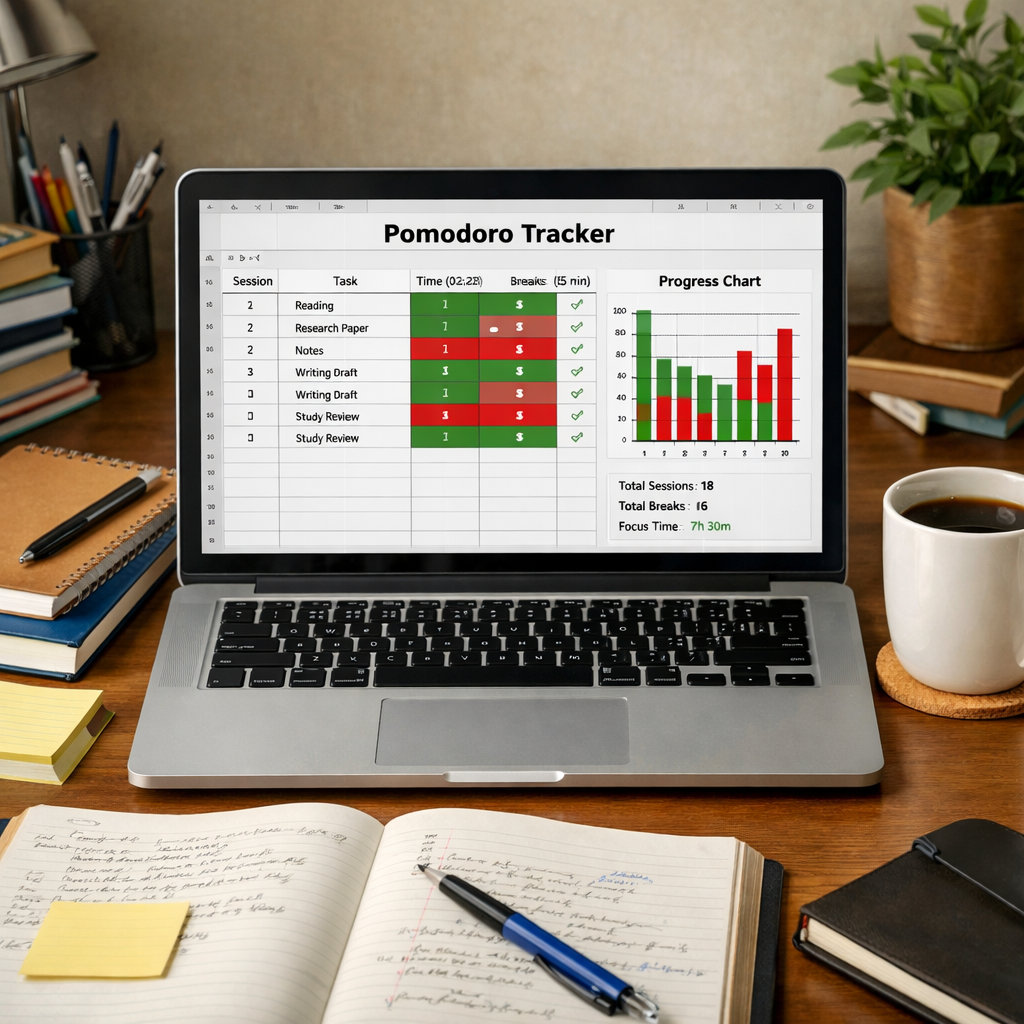
Grab a Google Sheet, a paper notebook, or the built‑in log in Focus Keeper. Record the date, the pomodoro count, a one‑word focus rating, and a short break note. Keep it to a single line per session – the less friction, the more likely you’ll keep it up.
Picture Maya, a freelance copywriter in Brisbane, who writes down “4 | high | quick stretch” after a morning block. After a week she sees a pattern: her focus dips after the third pomodoro unless she swaps the stretch for a 30‑second walk.
So, what should you track tomorrow?
Analyze weekly patterns
At the end of each week, pull your log into a quick pivot table or a simple chart. Look for spikes – maybe you consistently hit five pomodoros on Tuesdays when you start at 9 am. Or notice a dip on Fridays when meetings bleed into your focus windows.
Does this data tell you anything about your natural rhythm? If you answer yes, you’ve already earned a productivity win.
Adjust intervals and breaks
Now that you know where the friction is, experiment. Try a 30‑minute sprint on the day you’re most alert, or shrink a break to three minutes if you notice you lose momentum.
Some timer apps even surface analytics for you. For a deeper dive into how smart timers can surface these insights, check out this guide on the best pomodoro timer apps for remote professionals.productivity timer apps often include built‑in charts that save you the manual work.
Adjusting isn’t a one‑time thing. Treat each tweak as a hypothesis: change, measure, repeat.
Set actionable goals
Pick one metric to improve this week. Maybe you want to add one extra pomodoro on your biggest project day, or boost your break‑recharge score from “meh” to “energised.” Write the goal in your log and check it off at week’s end.
When the goal feels realistic, the habit sticks.
Here’s a quick reference table you can copy into your own notes:
| Metric | Why it matters | Adjustment tip |
|---|---|---|
| Pomodoros per day | Shows overall work volume | Add a 5‑minute buffer sprint if you consistently finish early |
| Focus rating | Signals mental fatigue | Swap a stretch for a walk when rating drops below “good” |
| Break‑recharge score | Measures how well you reset | Try a breathing exercise if you feel “still tired” after breaks |
Give yourself a 7‑day review window. Log, look, tweak, and repeat. In just one week you’ll see where your pomodoro workflow for remote workers can be sharpened, and you’ll have concrete evidence to back it up.
Ready to turn those numbers into better focus?
Take a moment now to add today’s first entry – date, pomodoro count, a quick focus note, and a break observation. Then set a reminder to review the data on Sunday evening.

Step 5: Optimize with Advanced Tools & Team Sync
You’ve got the timer ticking, the blocks mapped, and the micro‑breaks humming. At this point the real juice comes from the tools that talk to each other and the people you share your screen with. Think of it as turning a solo sprint into a relay race where the baton never drops.
Layer a smart Pomodoro timer on top of your existing stack
Most remote workers already juggle a task board, a calendar, and maybe a chat hub. Instead of opening a new app every time, look for a timer that can sync with those platforms. When the timer ends, a webhook can drop a quick note into your project board, automatically moving a card from “In Progress” to “Review.” That tiny automation saves the mental bandwidth of copying and pasting a status update.
In our experience, the Focus Keeper timer offers an export‑to‑CSV feature and a simple API endpoint that you can hook into tools like Trello, Asana, or Notion. A two‑minute setup lets you push the pomodoro count, focus rating, and break‑recharge note straight into the column you already use for daily metrics.
So, what does that look like on a Tuesday? You finish a 25‑minute design sprint, the timer rings, and a “Design Draft – Ready for Review” card pops up in your Kanban board. No extra clicks, no lost context. Your brain stays in flow mode, and your teammates see the update instantly.
Sync focus windows with your team’s calendar
Remote work often feels like you’re dancing to a different beat than the rest of the squad. The trick is to make your focus windows visible – not just to you, but to anyone who might need to drop a quick question.
Grab a shared calendar (Google or Outlook works fine) and create recurring “Pomodoro Focus” blocks. Colour‑code them in a muted shade so they don’t scream “busy,” but are still obvious when you hover. When a colleague tries to schedule a meeting, they’ll see you’ve earmarked 9:00‑9:25 am for a deep‑work sprint and can either move the meeting or send a brief note asking if the interruption is urgent.
Here’s a quick checklist you can paste into your notes:
- Open your team calendar.
- Block 25‑minute slots for your top‑priority pomodoros.
- Enable a “busy” status that syncs with Slack status.
- Invite your manager to view the calendar (optional).
When the whole crew respects those blocks, the number of “quick‑fire” interruptions drops dramatically, and you get more consistent focus scores.
Use shared break‑sync rituals
Breaks aren’t just solo recharge moments; they can be tiny team‑building windows. Set a 5‑minute “stand‑up break” on the hour where the whole remote crew steps away, stretches, and then drops a one‑sentence status into a shared channel.
Imagine a Slack channel called #pomodoro‑break. When the timer dings, you type something like “Finished UI mockup, next up: colour palette.” A teammate replies with a quick tip, and you both get a mini‑feedback loop without a formal meeting. It feels like a coffee‑room chat, but it’s logged for later reference.
Pro tip: use a bot that automatically posts the timer’s end‑signal to that channel. That way you don’t have to remember to type anything – the bot does the heavy lifting, and you stay in the flow.
Leverage analytics dashboards for team‑wide insights
When each member’s timer feeds data into a central spreadsheet or BI tool, you can spot patterns across the whole remote team. Maybe the data shows that everyone’s focus rating dips after the third pomodoro of the day. That’s a signal to schedule a longer lunch or a short mindfulness session for the whole group.
Focus Keeper’s built‑in analytics let you export daily logs with just a click. Import those CSVs into Google Data Studio, set up a simple bar chart of “Pomodoros per person per week,” and share the live view in a weekly stand‑up. The visual makes the numbers feel less like a spreadsheet and more like a shared scoreboard.
Remember, the goal isn’t to micromanage; it’s to surface the truth about how the team actually works, so you can collectively tweak the rhythm.
Actionable “tool‑and‑team” checklist
1. Choose a Pomodoro timer that offers CSV export or an API (Focus Keeper is a solid pick).
2. Connect the timer to your project board via webhook or manual import.
3. Block your focus windows in a shared calendar and sync the status to Slack.
4. Set up a #pomodoro‑break channel and add a simple bot to announce timer ends.
5. Pull the daily logs into a shared dashboard and review the trends weekly.
6. Adjust intervals, break activities, or meeting times based on what the data tells you.
By weaving advanced tooling and transparent team sync into your pomodoro workflow for remote workers, you turn a personal habit into a collaborative superpower. Your focus sharpens, your teammates stay in the loop, and the whole crew moves faster without the endless back‑and‑forth.
FAQ
What is a pomodoro workflow for remote workers and how does it differ from the classic technique?
At its core, the pomodoro workflow for remote workers is the same 25‑minute focus‑burst plus a short break that Francesco Cirillo invented. The twist for remote teams is adding explicit sync points – like posting a quick status in Slack or updating a shared board – so everyone knows when you’re in deep work. It also means you tailor the blocks around your own time‑zone peaks and the inevitable interruptions that come with working from home.
How can I set up my pomodoro workflow when my day is full of meetings and unpredictable client calls?
Start by carving out “focus windows” around the meetings you can’t move. Block 25‑minute slots in your calendar during your natural energy peaks and mark them as busy. When a client call pops up, pause the timer, handle the request, then start a fresh pomodoro. Treat each interruption as a mini‑task and log it separately – that way your total pomodoro count still reflects true productive time.
What are the best ways to track progress and stay accountable without micromanaging the team?
Keep a simple log – a spreadsheet, a Notion table, or the built‑in tracker in Focus Keeper – where you note the date, pomodoro count, a one‑word focus rating, and a brief outcome. Share the sheet with your teammates or post a daily summary in a #pomodoro‑updates channel. The data becomes a conversation starter, not a surveillance tool, and you can spot patterns together, like when focus dips after the third sprint.
Can I customize the pomodoro intervals for creative tasks versus administrative work?
Absolutely. Creative work often thrives on slightly longer bursts, so try a 30‑minute focus period followed by a 5‑minute break. For routine admin tasks, the classic 25‑minute cycle usually feels just right. The key is to experiment for a week, record how “sharp” you felt after each block, and let the metrics guide you to the sweet spot for each type of work.
How do break activities influence the effectiveness of a pomodoro workflow for remote workers?
The break is where the brain resets. Simple physical moves – a 30‑second stretch, a quick walk to the kitchen, or a few deep breaths – boost circulation and clear mental fog. Adding a tiny social element, like a meme exchange in Slack, can also lift mood without stealing focus. The trick is to keep the break under five minutes; anything longer starts to feel like a distraction itself.
What common pitfalls should remote workers avoid when implementing a pomodoro workflow?
One big mistake is treating the timer as a rigid rule and ignoring real‑world demands. If you keep pushing through a meeting, the whole rhythm collapses. Another trap is neglecting the break – scrolling through email or TikTok erodes the recharge benefit. Finally, don’t forget to review your log weekly; without reflection you’ll never know whether you need longer blocks, different break activities, or a shift in focus windows.
Conclusion
We’ve walked through everything from setting up the timer to tweaking breaks, and you can already picture how the pomodoro workflow for remote workers could reshape your day.
Remember the feeling when you finish a 25‑minute sprint and the clock pings – that’s the little burst of pride? That’s the core reward loop that keeps the momentum going.
If you’ve tried the quick three‑step starter kit, you’ve seen how breaking tasks into bite‑size chunks turns a mountain of emails or design drafts into manageable hills.
What’s the next step? Grab your timer, block your first focus window, and jot a one‑sentence note after each cycle. In a week you’ll have a tiny data set that tells you when you’re sharpest and which break activities truly recharge you.
In our experience, remote workers who pair the technique with a simple tool like Focus Keeper notice fewer distractions and more “done” moments without feeling burnt out.
So, does the pomodoro workflow feel like a fit for your routine? Give it a try for the next five days, track the numbers, and adjust as you go. You might just find the rhythm that turns chaos into calm.
When you look back, the small habits you built will feel like the backbone of a thriving remote career.