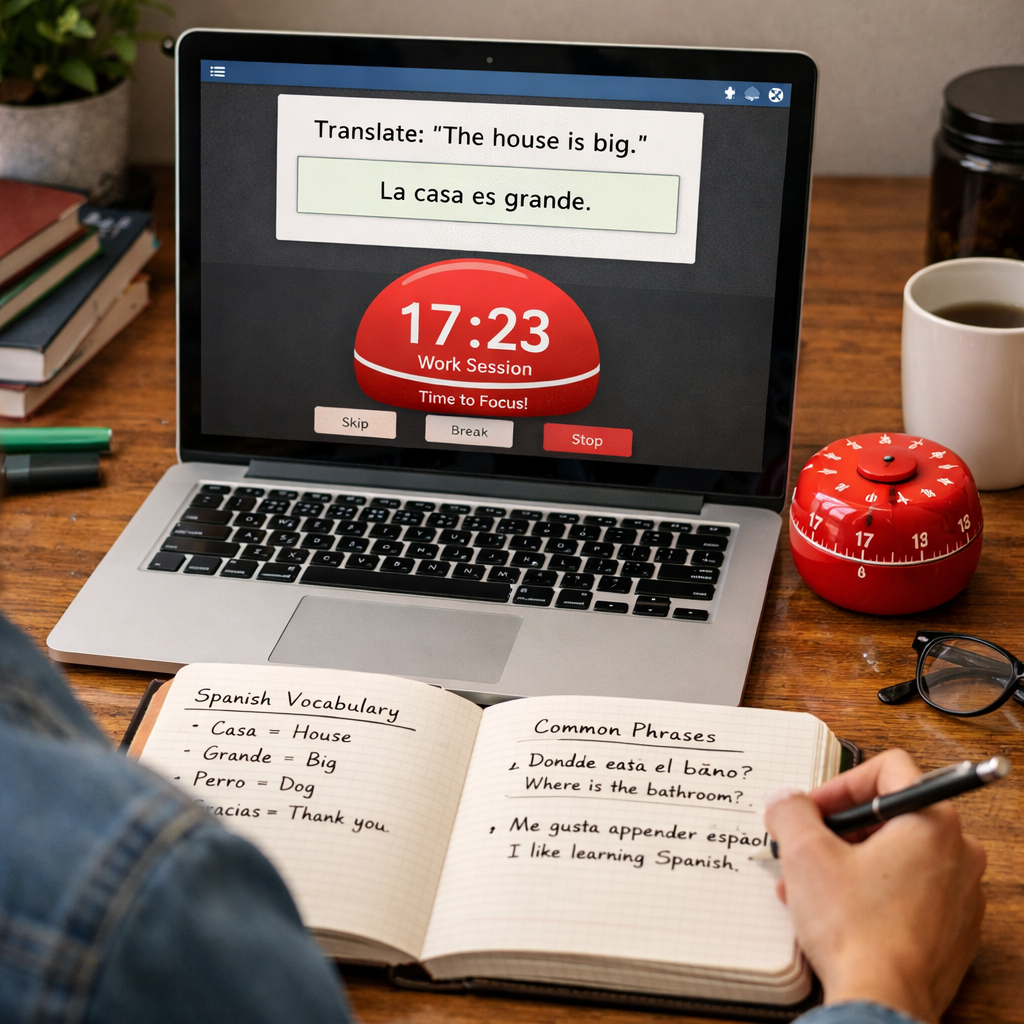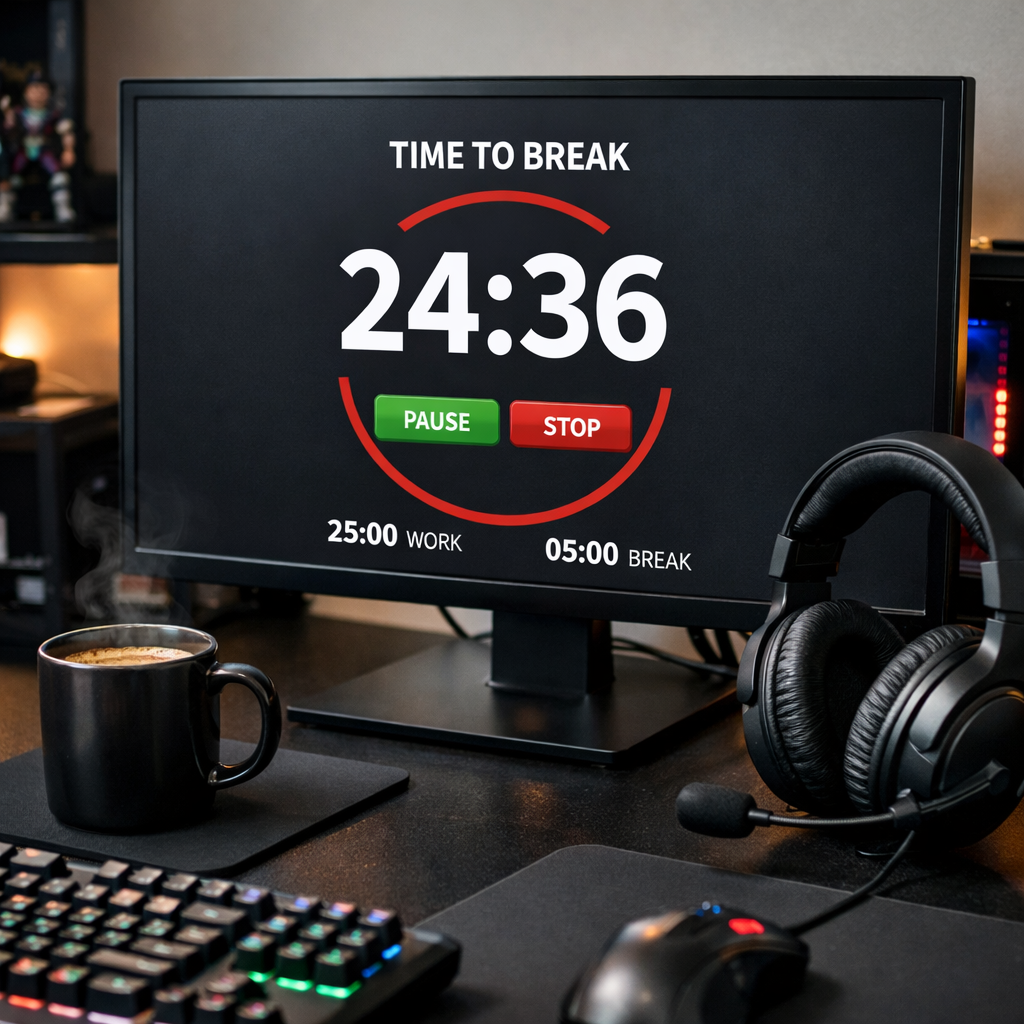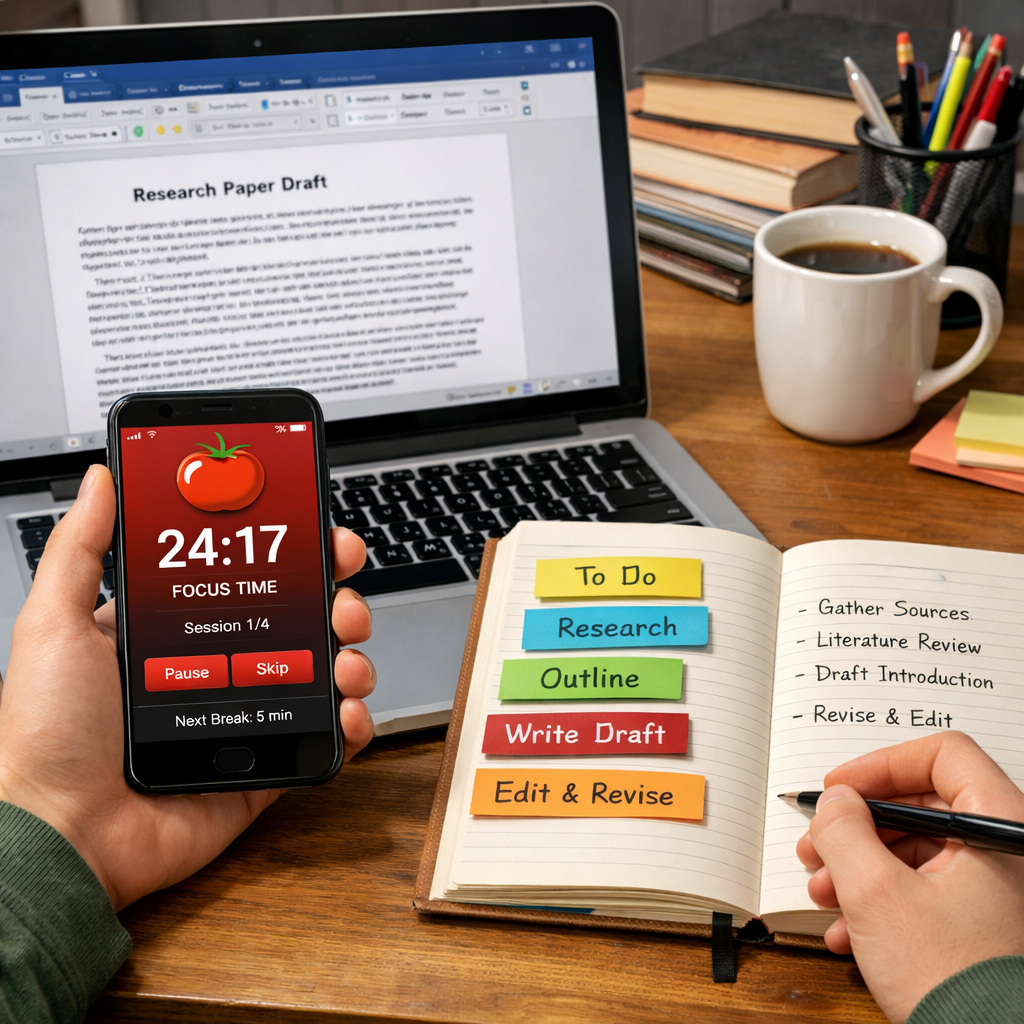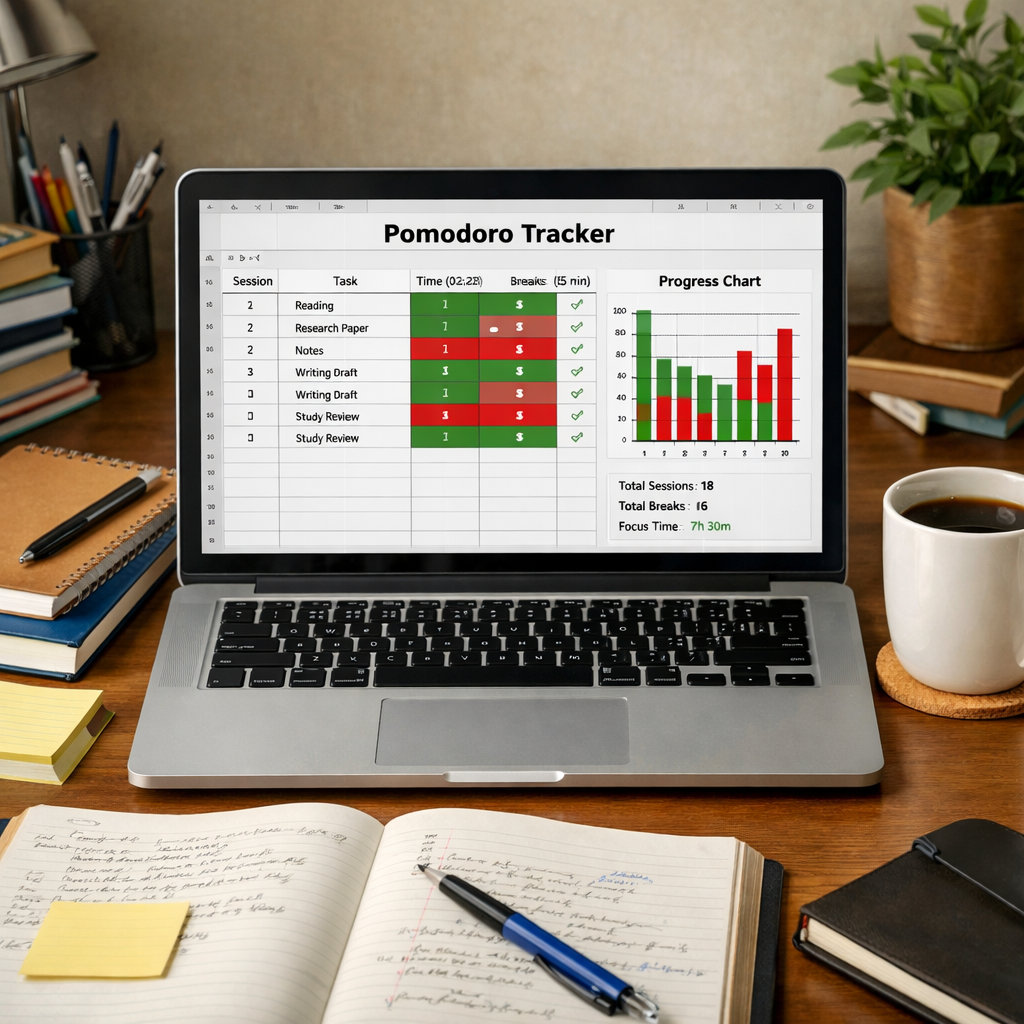

Remote work can feel chaotic without a rhythm.
That’s why a pomodoro timer for remote workers is a game‑changer. It splits your day into bite‑size focus bursts, then forces a short reset. The result? Less drift, more done.
Imagine you’re a freelancer juggling three client calls, a design sprint, and a deadline. You set a 25‑minute timer, dive into one task, then pause for five minutes to stretch or check email. When the timer rings, you know exactly where you left off. Over a day, those tiny cycles add up to hours of pure output.
Here’s a quick way to start:
- Pick a task that needs undivided attention.
- Set the pomodoro timer for 25 minutes.
- Work until it buzzes. No phone, no Slack.
- Take a 5‑minute break – walk, grab coffee, breathe.
- Repeat four times, then enjoy a longer 15‑minute pause.
Many remote teams find that pairing this rhythm with a clear plan keeps meetings from bleeding into deep work. For a step‑by‑step walk‑through, check out the Pomodoro Workflow for Remote Workers: A Practical Guide. It shows how to map your tasks onto timed sessions and track progress.
If you’re also handling SEO copy or content research, you can slot those activities into pomodoro blocks and use a tool like Distribb – AI SEO Software – Grow Organic Traffic on Auto-Pilot to automate the heavy lifting while you stay focused.
Start simple: pick today’s biggest task, set the timer, and notice how the pressure of a ticking clock sharpens your attention. You’ll soon see a steady flow of completed work, fewer distractions, and a clearer sense of progress.
Step 1: Set Up Your Pomodoro Timer for Remote Work
Getting a pomodoro timer right is the first step to win back focus when you work from home. You’ll feel the pressure of a ticking clock and that’s the secret sauce for deep work.
Pick a simple timer app or a physical kitchen timer. Set it to 25 minutes, then hit start. Let the timer be the boss for that block – no phone, no Slack, just you and the task.
- Choose the task that needs your full attention.
- Hit start on the timer.
- Work straight until it buzzes.
- When it rings, stand up, stretch, grab a drink.
- After four rounds, take a longer 15‑minute break.
If you like having a printable version on your desk, JiffyPrintOnline offers free pomodoro sheets you can print and stick to your monitor.
Watch the short video below for a visual walk‑through of how to set the timer and keep track of each cycle.
Once you’ve got the rhythm, you’ll notice fewer distractions and more momentum. For remote workers who also write SEO copy, Distribb’s guide on semantic search for SEO explains how to slot research into pomodoro blocks without breaking focus.

Step 2: Customize Work and Break Intervals to Fit Remote Workflows
Now that you have a timer running, the next move is to shape the intervals so they match the way you work from home.
Most people start with the classic 25‑minute work and 5‑minute break pattern. Remote work, however, often adds quick calls or family interruptions. If you’re a freelancer, try a 30‑minute work block followed by a 7‑minute pause. The extra five minutes gives you room to answer a brief message without breaking flow.
Remote students can flip the script. A 20‑minute sprint keeps the mind fresh, then a 4‑minute stretch break stops eye strain.
Busy professionals juggling several projects may use a 45‑minute deep‑work slot and a 10‑minute reset to scan inboxes.
Quick checklist to set a custom cycle in Focus Keeper:
- Open settings and choose a work length that fits the task.
- Set the break length to about a third of the work time.
- Name the pattern (e.g., “Client Call” or “Study Sprint”).
- Save and add the pattern to your calendar so teammates see your focus blocks.
Pro tip: after four cycles, add a longer 15‑minute break. Use that time to step outside, grab a snack, or just breathe. It recharges you for the next round.
Remember, the aim isn’t a rigid rule. It’s a clear start‑stop cue that works with the chaos of remote life. Tweak the minutes, test for a week, and you’ll land on the sweet spot that keeps you productive and sane.
Step 3: Integrate Pomodoro with Remote Collaboration Tools (Video Walkthrough)
Now that your pomodoro timer for remote workers is ready, link it to the apps you use every day. Start by opening the timer’s settings and look for a “Integrations” tab. Most timers let you add a webhook or a simple calendar link.
Pick the collaboration tool you spend the most time in – Slack, Microsoft Teams, or Google Meet are common choices. Copy the webhook URL from the tool’s “Incoming Webhooks” page and paste it into the timer. Save.
Next, create a short message template. Something like “Pomodoro started – focus mode on” works well. Set the timer to send this note when a work block begins and another note when the break starts. Your teammates will see when you’re in focus mode and when you’re free to chat.
For video calls, add the timer link to the meeting invite. When the timer rings, a quick pop‑up can remind you to mute yourself or switch off the camera for the break. This tiny cue stops meetings from bleeding into deep‑work time.
Freelancers often juggle client calls and design sprints. Try a rule: if a call lands during a pomodoro, ask to move it to the next break slot. The timer’s notification will give you a polite excuse.
Students can sync the timer with their study group’s shared calendar. When the timer starts, a shared status changes to “In focus”. When the break hits, the status flips to “Available”. This simple visual cue cuts down on unnecessary pings.
Finally, give the setup a test run. Run a single pomodoro while you’re in a Slack channel. Watch the messages appear. If they look right, roll it out to the whole team. The result? Clear signals, fewer interruptions, and a smoother remote flow.
Step 4: Track Productivity and Adjust Sessions Using Data
Now the timer is ringing, but you still need to know if it’s really helping. A quick glance at the numbers can tell you if you’re on track or need a tweak.
First, look at how many pomodoros you finish each day. If the count drops, maybe your work blocks are too long or you’re getting pulled into meetings.
Do you wonder if the breaks are enough? Check the break‑adherence rate – the percent of breaks you actually take. Skipping breaks kills focus faster than a long email thread.
Next, measure focus‑time %: total minutes worked divided by total minutes scheduled. A steady rise means the timer is shaping good habits.
Use these three simple metrics in a tiny table. Keep it in a spreadsheet or in the dashboard of your pomodoro timer for remote workers.
| Metric | How to Track | Action |
|---|---|---|
| Pomodoros Completed | Count each timer finish | Adjust block length if count falls |
| Focus‑Time % | Divide work minutes by scheduled minutes | Shorten blocks if % dips |
| Break Adherence | Mark each break taken | Set reminders if you skip breaks |
Seeing the data lets you fine‑tune your routine. If you notice a pattern – say, afternoons lag – move the harder tasks to the morning when you’re freshest.
One tip from Virtual Vocations is to review the numbers every week, not every day. That way you spot trends without getting stuck on tiny swings.
So, check the table, tweak the length or the break, and let the numbers guide you toward smoother remote work days.
Step 5: Best Practices and Tips for Sustaining Pomodoro Rhythm While Working Remotely
Sticking to a pomodoro rhythm is easier when you treat it like a habit, not a rule.

First, lock your focus blocks in your calendar. When teammates see a green slot, they know you’re deep in work and will hold back chat.
Second, pick a break activity that really resets you. A quick stretch, a sip of tea, or a walk to the window works better than scrolling social feeds.
Third, keep the timer settings flexible. If a 25‑minute sprint feels too short after a week, try 30 minutes and see if your flow stays strong.
Fourth, use a simple cue to signal the end of a break. A small bell, a hand clap, or a phone vibration tells your brain it’s time to dive back in.
Finally, spend five minutes at the end of each week looking at your pomodoro numbers. Spot patterns, maybe your mornings are solid but afternoons dip, and tweak the length or the break type.
You can also sync your timer with your team’s status board. Platforms like Focus Keeper let you set an automatic status change when a pomodoro starts, setting your Slack or Teams status to “In focus”. When the break rings, flip it back to “Available”. This tiny signal cuts down on random pings and helps the whole crew keep a steady beat.
Try one change today: add a “focus mode” label to your calendar and watch how fewer interruptions let the rhythm stay smooth.
After a month, compare your focus‑time % across weeks. If you see a steady rise, you’re on the right track. If it stalls, experiment with a longer break or a different work length. Small tweaks keep the rhythm fresh.
FAQ
What is a pomodoro timer for remote workers?
A pomodoro timer for remote workers is a simple clock that splits your day into short work bursts and breaks. You set it for, say, 25 minutes, work hard, then rest for five. The pattern repeats, giving your brain clear start‑stop cues. Because you’re at home, the timer also helps you signal to family or teammates when you’re in focus mode.
How do I choose the right interval length?
Start with the classic 25‑minute work slot and a five‑minute break. After a week, see if you feel rushed or still have energy. If 25 feels too short, try 30 minutes and a seven‑minute pause. The key is to match the length to the task and your attention span. Adjust until the flow feels natural.
Can I use a pomodoro timer with my team’s status tools?
Yes. Many remote groups set their Slack or Teams status to “In focus” when the timer starts, then flip back on break. This small signal tells coworkers you’re busy, so they hold off on non‑urgent messages. You can automate the status change with a webhook or simply update it manually each cycle.
What should I do during the five‑minute break?
Pick an activity that really resets your mind. Stretch, walk to the kitchen, sip water, or look out the window. Avoid scrolling social media because it pulls you back into distraction. A quick physical move or a breath exercise helps you come back sharper for the next sprint.
How often should I review my pomodoro data?
Give yourself a five‑minute review at the end of each week. Look at how many cycles you completed, your focus‑time percent, and whether you missed breaks. If the numbers dip in the afternoon, try moving harder tasks to the morning. Small tweaks based on real data keep the rhythm fresh.
Is a pomodoro timer useful for students and freelancers?
Absolutely. Students can break study sessions into bite‑size chunks, making it easier to retain info. Freelancers juggling several clients can assign each project its own timer, so they stay on track and avoid over‑working. The regular pauses also protect against burnout, no matter the job.
Conclusion
You’ve seen how a pomodoro timer for remote workers can turn a chaotic day into a steady beat. By breaking work into 25‑minute sprints and short breaks, you give your brain a clear start‑stop cue that keeps focus high.
A simple habit like updating your status in Slack or adding a “focus mode” label to your calendar lets teammates know when you’re in a block. That small signal cuts down the ping‑fest and lets you finish more with less stress.
Pick a timer that fits your style, many remote workers love the clean interface of Focus Keeper, and test it for a week. If you notice you’re missing breaks, shrink the work slot or add a longer pause. Small tweaks keep the rhythm fresh.
So, what’s next? Start a pomodoro today, watch the clock, and let the pattern guide you to more done and more calm. Ready to give it a try? Your next focused sprint is just a click away.