
Finals are coming. Maya has three chapters of biology, two sets of practice questions, and a looming anxiety about time. She sits at her desk, notebook open, phone buzzing, and wonders how to fit it all in before the exam. She tries to read for hours, but her mind drifts after ten minutes. She feels the panic rise and the night gets long. This is a common scene for many students who face the pressure of exam prep. The good news is that a pomodoro timer for exam preparation can turn that chaos into a clear, steady rhythm. By breaking study time into short, focused bursts, you can keep your brain fresh and your stress low. In this guide, you’ll learn step‑by‑step how to build a pomodoro study plan that fits your finals schedule, helps you recall more, and leaves room for breaks that actually recharge you.
Step 1: Set Up Your Pomodoro Schedule
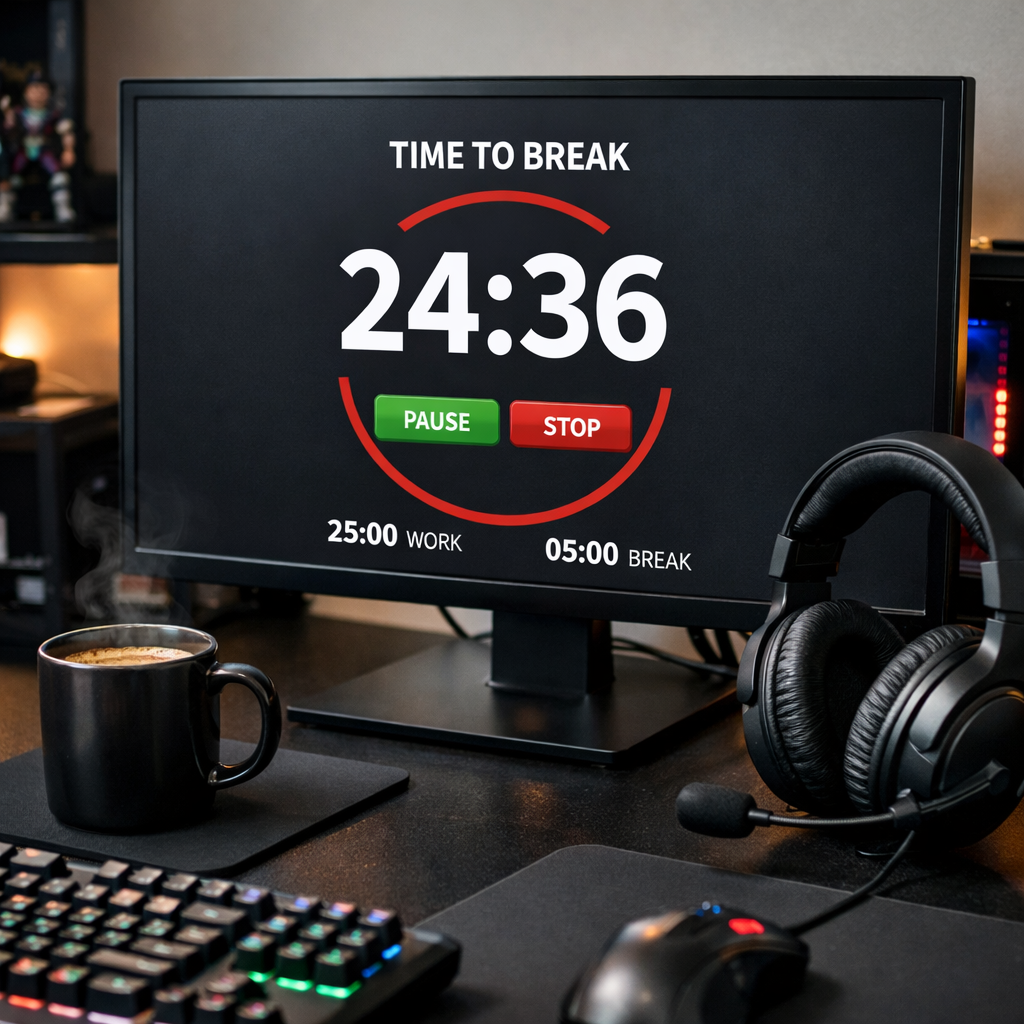
First, you need a simple plan. Write down every subject you must review. Next to each subject, note how many pomodoro cycles you think you need. A pomodoro cycle is a 25‑minute work block followed by a 5‑minute break. The research on Pomodoro timer online says the attention span lasts about 20 minutes, so 25 minutes is a sweet spot. BCU’s guide also notes that after four cycles you should take a longer 15‑ to 30‑minute break to let the brain reset.
Here’s a quick way to map it out:
- List each topic.
- Assign 1‑3 pomodoros per topic depending on difficulty.
- Put the hardest topics in the morning when you’re most alert.
- Schedule short breaks after each pomodoro and a longer break after four.
And remember to keep the schedule flexible. If a chapter takes longer, add another pomodoro. If you finish early, use the extra time for quick review.
Now, let’s add a concrete example. Maya writes:
- Genetics – 3 pomodoros
- Cellular respiration – 2 pomodoros
- Practice questions – 2 pomodoros
She then blocks out her morning: 8:00‑8:25 genetics, 8:25‑8:30 break, 8:30‑8:55 genetics, and so on. This visual plan makes the workload feel doable.
To help you see this in action, check out Pomodoro Routine for Exam Revision: A Step‑by‑Step Study Guide. It walks through the same steps with extra tips.
And don’t forget to stay hydrated during breaks – a glass of water can boost focus.

Step 2: Choose the Right Timer Tool
Choosing a good pomodoro timer for exam preparation matters. You want a tool that does the timing for you, tracks cycles, and lets you label tasks. Zapier’s roundup lists several top apps. Pomofocus is a web‑based option that works on any browser and lets you set custom work and break lengths. It also lets you add a task name, so you can see at a glance which subject you’re on.
Another solid pick is Pomofocus.io. It has a clean design, no ads, and a simple start/stop button. You can also sync the timer across devices if you study on both a laptop and a phone.
When you pick a timer, ask yourself these questions:
- Does it let me change the interval length?
- Can I label each pomodoro with a subject?
- Does it give a sound or visual cue when the time’s up?
- Is the interface free of clutter?
And think about where you’ll use it. If you study on a laptop, a browser app like Pomofocus is perfect. If you prefer a phone, look for an app that sends a gentle vibration instead of a loud alarm.
Here are three tips to get the most out of your timer:
- Set the timer before you start the pomodoro. Don’t open the app mid‑session.
- Turn off notifications on your phone and computer while the timer runs.
- Use the “task label” feature to record exactly what you’re working on – this helps later tracking.
But the tool is only a helper. The real power comes from the habit you build around it.
For a deeper dive, you might also read about Tabella Rinforzo Positivo: Come Crearla e Usarla per Motivare i Bambini which shows how simple visual cues can boost motivation – a principle that works for study too.
And if you need a quick visual cue, try the “focus mode” in many apps that dims the screen and shows only the timer.
Step 3: Tailor Pomodoro Intervals for Each Exam Subject
Not every subject needs the same pomodoro timer for exam preparation length. Some topics need deep focus, others are quick recall. For dense subjects like organic chemistry, you might stretch a pomodoro to 45 minutes with a 10‑minute break. For flashcard work in language learning, 15‑minute bursts keep the mind sharp.
Start by testing a few lengths for each subject. Do a 25‑minute run on a chapter of history. If you finish with energy, try 30 minutes next time. If you feel your mind wander at 25, cut it to 20.
Here’s a simple matrix you can copy:
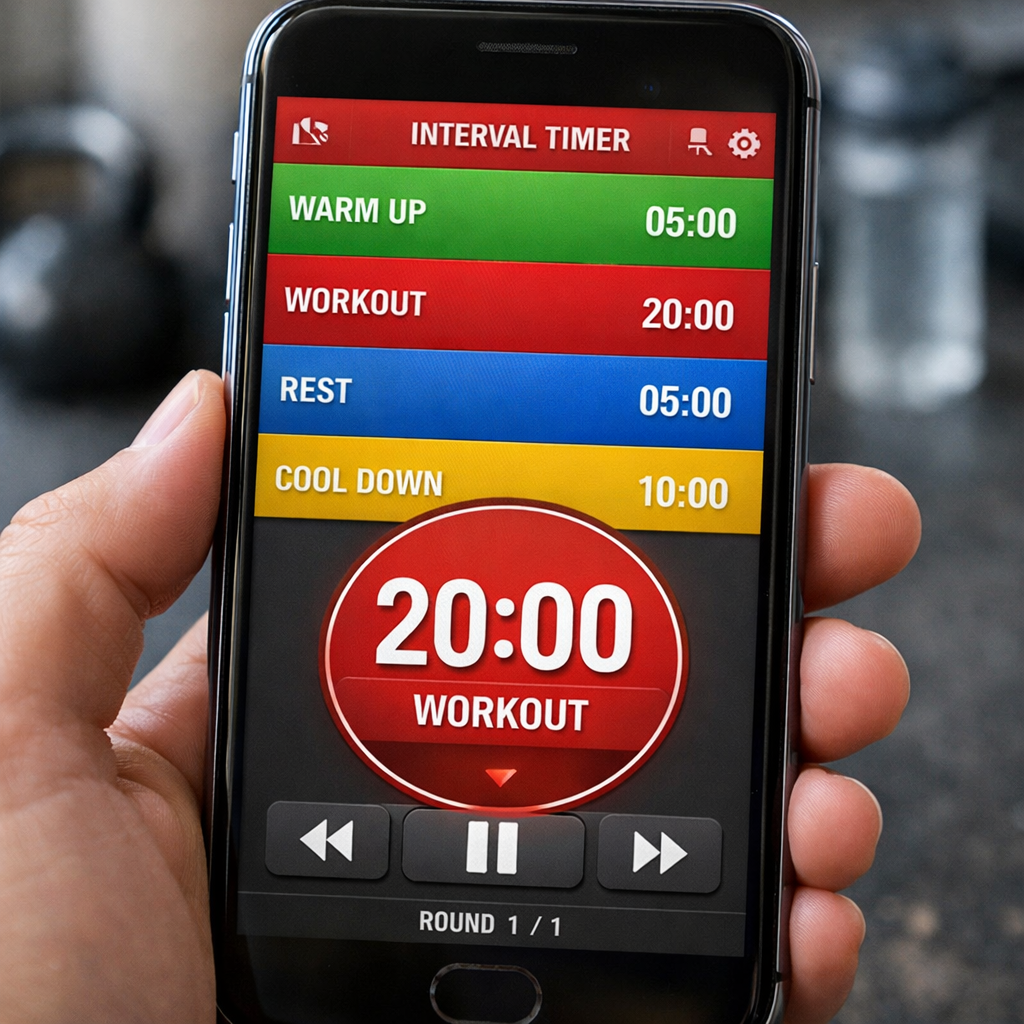
| Subject Type | Work Length | Break Length |
|---|---|---|
| Complex problem solving | 45 min | 10 min |
| Reading heavy text | 30 min | 5 min |
| Flashcards / vocab | 15 min | 3 min |
And remember to keep a note of what worked. Over a week you’ll see a pattern.
Now watch this short video that shows how to set up custom intervals in a popular timer app:
After the video, try a 20‑minute pomodoro for a math proof and a 25‑minute one for a literature summary. The key is to match the interval to the mental load.
And don’t forget to add a short “reset” ritual at the end of each break – a stretch, a sip of water, or a quick glance at a to‑do list.
For more ideas on tweaking intervals, you can explore Token economy esempi: guida pratica per applicazioni reali, which talks about small rewards for completing tasks – a concept that works well with pomodoro cycles.
Step 4: Integrate Active Recall and Break Activities
Active recall is the best way to lock info in memory. During a pomodoro timer for exam preparation, spend the last five minutes of the work block reviewing what you just studied. Write a quick summary, quiz yourself, or teach the idea to an imaginary friend.
Then use the 5‑minute break for a different kind of activity. The Gridfiti guide lists many ideas. Here are a few that work well for students:
- Grab a glass of water or a healthy snack – hydration boosts brain power.
- Do a quick stretch – it gets blood flowing to the brain.
- Play a short music clip – music can lift mood and improve recall.
- Step outside for fresh air – a few breaths of outdoor air can reset focus.
And for longer breaks after four pomodoros, try a 20‑minute walk, a light snack, or a brief meditation. These longer pauses help consolidate memory.
Below is a table that pairs break activities with the type of recall you might do:
| Break Length | Suggested Activity | Recall Technique |
|---|---|---|
| 5 min | Stretch & hydrate | Write one‑sentence summary |
| 5 min | Listen to a song | Quiz yourself on 2‑3 key points |
| 15‑30 min | Walk outside | Teach the concept aloud |
And you can keep a quick log of what you recalled each session. This log will show you which topics need another round.
For a creative twist, check out Bottiglie sensoriali: come usarle per il benessere sensoriale dei bambini. The idea of using sensory tools can inspire a short mindfulness break that resets your mind.
Remember, the break is not a free‑for‑all. Keep it brief and purposeful so you return to the next pomodoro fresh.

Step 5: Track Progress and Adjust Your Plan
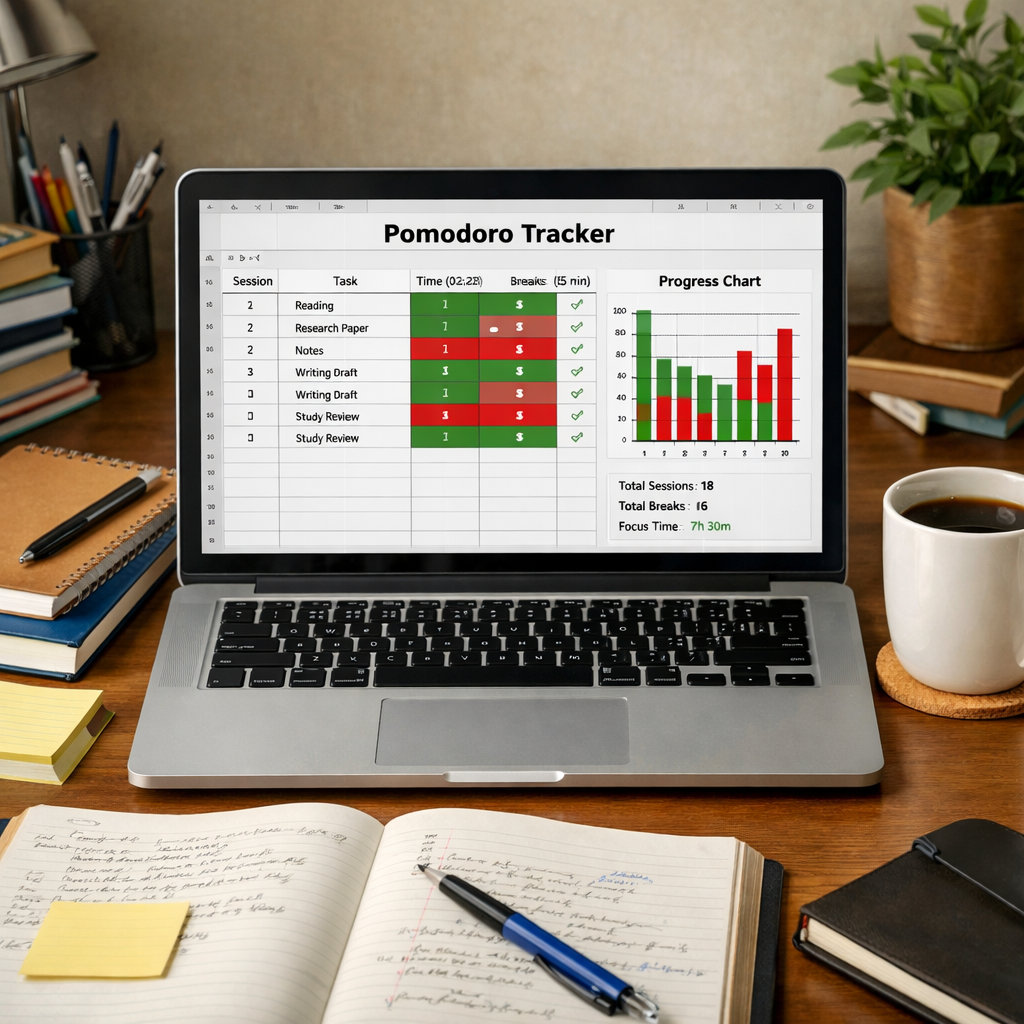
Tracking is the final piece of a solid pomodoro timer for exam preparation system. Use the timer’s built‑in log or a simple spreadsheet. Record the subject, interval length, and a quick rating of focus from 1 to 5.
At the end of each day, review the log. Ask yourself:
- Which subjects needed longer work blocks?
- Did any break feel too short?
- Where did my focus rating drop below 3?
Based on the answers, tweak the next day’s schedule. If you scored a 2 on a physics pomodoro, try a 30‑minute block with a 10‑minute break next time.
Many students find that a simple visual chart helps. Draw a bar for each subject showing total pomodoros completed. The taller the bar, the more time you spent. This visual cue can guide you to balance effort across subjects.
And don’t forget to celebrate wins. After you finish a tough chapter, give yourself a longer break or a small treat. This positive reinforcement keeps the habit strong.
For a deeper look at tracking tools, you might read Cartellone regole classe: guida passo-passo per una classe organizzata, which shows how visual boards can help track progress.
Finally, keep the plan flexible. Exams can bring surprises, and your schedule should adapt, not break.
Another useful resource is Come creare un cartellone delle regole efficace per la tua famiglia. The idea of a rule board can be turned into a study rule board that reminds you of your pomodoro habits.
Conclusion
You now have a full roadmap for using a pomodoro timer for exam preparation. Start by writing a simple schedule, pick a timer that fits your style, and adjust the intervals per subject. Use active recall during each work block and fill breaks with quick, energizing actions. Track every session, review the data, and fine‑tune your plan each week. This rhythm turns a mountain of material into manageable sprints, keeps fatigue low, and builds confidence for exam day. Give it a try this week, and you’ll see the focus and recall improve without the stress of endless cramming. When you feel ready, share your own tweaks with classmates – the habit spreads faster when we help each other.
FAQ
How do I decide the right length for each pomodoro?
Start with the classic 25‑minute work and 5‑minute break. If the task feels easy, stretch to 30 or 45 minutes. If you lose focus early, cut it to 20 minutes. Test each length for a week, note how sharp you feel, and pick the one that gives you the highest focus rating. Adjust per subject for best results.
What should I do if a pomodoro timer for exam preparation rings but I’m in the middle of a thought?
Pause the thought, jot a quick note on a sticky note, and stop the timer. The note helps you pick up where you left off after the break. Then use the 5‑minute break to stretch or sip water. When the next pomodoro starts, read the note and jump back in. This keeps the flow without losing ideas.
Can I use the pomodoro technique for group study?
Yes. Set a shared timer on a laptop or phone so everyone sees the countdown. Agree on a single task, like solving practice problems together. After each pomodoro, take a short group break to discuss what you learned. Use the break to stretch or grab a snack. This keeps the group focused and prevents endless chat.
How many pomodoros should I aim for each day?
A good target is 6‑8 pomodoros on a heavy study day, which equals about three to four hours of focused work. If you feel drained, drop to 4‑5. The key is to keep the total break time at least equal to the work time, so your brain can recover. Track your energy and adjust the count as needed.
What is the best way to track my pomodoro sessions?
Use the timer’s built‑in log or a simple spreadsheet with columns for date, subject, work length, break length, and focus rating. At the end of the week, glance at the totals. Look for subjects where the rating is low and consider longer breaks or shorter work blocks. A visual bar chart can show where you spent most time.
How can I stay motivated during long exam weeks?
Set tiny goals for each pomodoro, like “read 5 pages” or “solve 3 equations.” After each completed pomodoro, give yourself a mini reward – a stretch, a bite of fruit, or a quick song. Keep a visible progress board so you see the pomodoros add up. Seeing real progress fuels motivation.
Is it okay to skip a break if I’m in the zone?
It’s tempting, but the break is key to long‑term focus. If you feel strong, you can extend the work block by five minutes, but still take a short pause afterward. The brain needs the reset to keep memory fresh. Skipping breaks often leads to burnout later, which hurts exam performance.