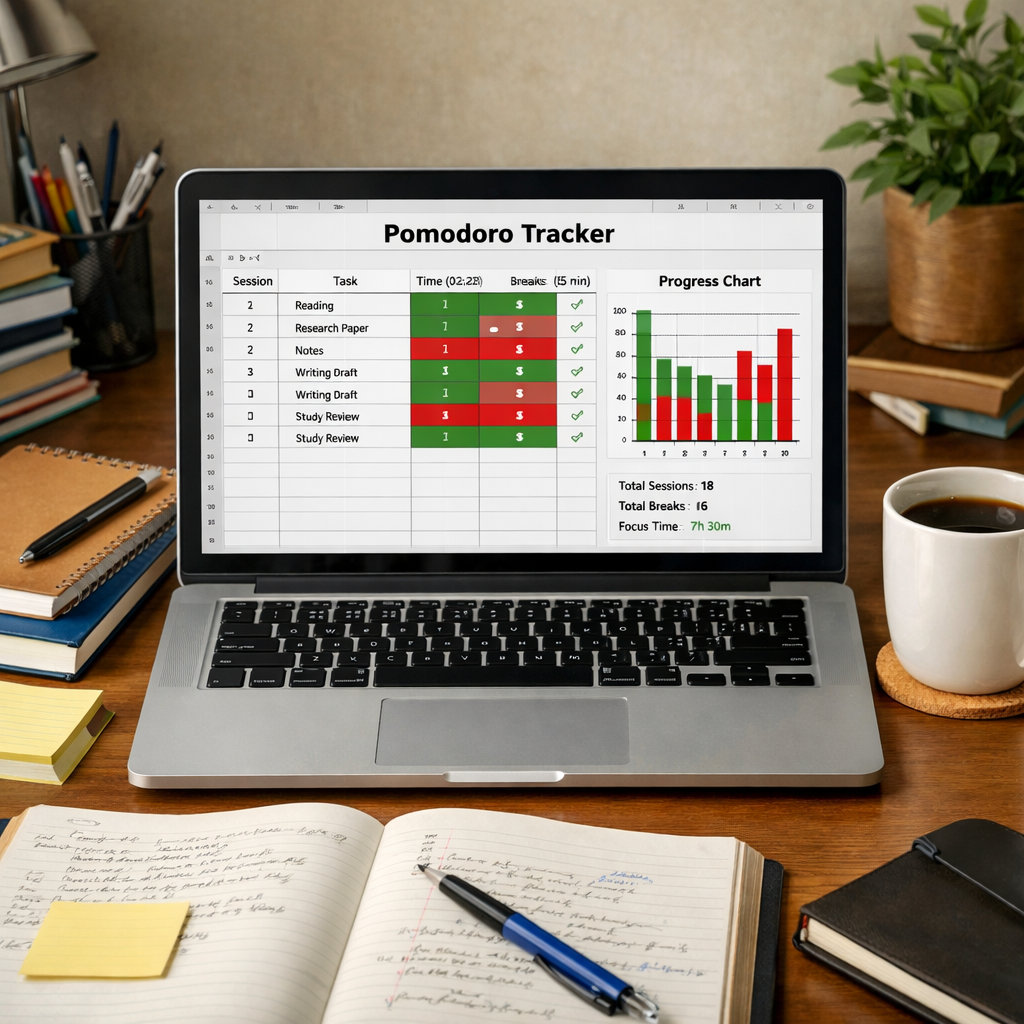
Finding the right tool to help you focus can make a big difference in getting things done. The Pomodoro Technique is a popular method, and using a good aesthetic pomodoro timer can make it even better. These apps aren’t just about counting time; they’re designed to look nice and keep you engaged. Let’s check out some of the best options out there to help you get into your work.
Key Takeaways
- The Pomodoro Technique uses timed work intervals (usually 25 minutes) followed by short breaks to boost focus and prevent burnout.
- An aesthetic pomodoro timer adds visual appeal and can make the process more enjoyable and less of a chore.
- Many apps offer customization for work/break times, helping you tailor the technique to your personal workflow.
- Some timers include extra features like website blocking, gamification, or integration with other productivity tools.
- The best timer for you will depend on your device, your workflow, and what visual style you prefer.
1. Pomodor
Alright, let’s talk about Pomodor. If you’re just dipping your toes into the whole Pomodoro Technique thing, or maybe you just need a quick timer now and then without installing anything, this one’s pretty solid. It’s a web-based timer, which means you just open it in your browser and go. Super simple.
The best part about Pomodor is how easy it is to customize. You can actually change the length of your work intervals and your breaks, plus decide how many of those work sessions you want before a longer break. This is great because, let’s be honest, not everyone works best in exactly 25-minute chunks. I know I sometimes like to keep going if I’m really in the zone.
Here’s a quick rundown of what you can tweak:
- Work interval length
- Short break length
- Long break length
- Number of work intervals before a long break
It’s got a clean, minimalist look, and there’s even a dark mode if you’re working late. The timer shows up right in the browser tab’s title, which is a neat little trick so you don’t have to keep the window front and center. It’s a no-fuss option that gets the job done without any extra baggage. If you’re curious about the Pomodoro Technique but don’t want to commit to a fancy app, Pomodor is a fantastic starting point.
2. Otto

Otto is a pretty neat Pomodoro timer, especially if you’re a Windows or Chrome user. It’s got this fun personality to it, which is a nice change from the usual plain timers. While you’re working, there’s a little mascot doing various things, like trying to lift weights. It sounds silly, but it actually adds a bit of charm and makes the whole experience less dry.
Otto is a great option for those who want a fully featured Pomodoro timer with a bit of character. It’s also good because it can block distracting websites, which is a big help when you really need to buckle down. It’s not a standalone app, mind you, it’s a Chrome Extension, so its capabilities are a bit tied to your browser, but it’s still a solid choice for many.
Here’s a quick look at what Otto offers:
- Customizable Timers: Set your work and break intervals to fit your workflow.
- Website Blocking: Prevent yourself from visiting time-wasting sites during focus sessions.
- Mascot & Personality: A charming visual element that makes the timer more engaging.
- Basic Analytics: Track your focus sessions to see where your time is going.
While the basic Pomodoro functionality is free, you can get more detailed analytics and extra features if you opt for their paid plans, which start around $24 a year or a $59 lifetime purchase. It’s still pretty accessible, though, especially for the free version.
Otto brings a welcome dose of personality to the Pomodoro Technique. Its mascot and website blocking features make it stand out, offering a more engaging way to stay on task, particularly for users within the Chrome ecosystem.
3. Forest
Forest is a really neat app that turns staying focused into a game. The basic idea is simple: you want to focus, so you plant a virtual tree. As your timer runs, the tree grows. If you get distracted and leave the app before your time is up, your tree dies. It sounds a little harsh, but honestly, it works. It’s surprisingly motivating to see your little forest grow over time, with each tree representing a completed focus session.
What I like about Forest is how it tackles phone distractions head-on. If you’re someone who constantly pulls out your phone, the ‘Deep Focus Mode’ can actually block you from accessing other apps. It’s a pretty strong move, but effective if you really need to buckle down. Plus, you earn coins as you grow trees, which you can then use to unlock new tree types or even plant real trees through their partnership with Trees for the Future. It’s a nice touch that makes your productivity feel like it’s doing some good.
Here’s a quick rundown of what makes Forest stand out:
- Gamified Motivation: Planting and growing trees provides a visual reward for staying focused.
- Distraction Blocking: Deep Focus Mode helps prevent you from straying onto other apps.
- Real-World Impact: Earn coins to plant actual trees, contributing to environmental efforts.
- Progress Tracking: See your forest grow over days and weeks, offering a tangible sense of accomplishment.
While it’s not strictly a Pomodoro timer (you can set custom focus lengths), the core mechanic of timed work sessions and breaks fits the philosophy perfectly. It’s a charming way to build better work habits without feeling like a chore.
Forest is available on both iOS and Android, and there’s a free version for basic use, with premium features available through a one-time purchase or subscription if you want more advanced analytics or special tree types.
4. Flow
Flow is a pretty neat little app, especially if you’re rocking an Apple ecosystem. It’s got this clean, minimalist vibe that really helps you zero in on what you need to do. You can get a lot done with the free version, which is awesome, but if you want to go all out, the paid plan is still quite affordable compared to some others out there. It’s available on Mac and iPhone, and it even syncs with your Apple Watch, which is handy.
It’s a great choice for Apple users who want a straightforward timer without a lot of fuss.
Here’s a quick look at what Flow offers:
- Customizable Timers: Set your work and break intervals to whatever feels right for you. No need to stick to the rigid 25/5 minute split if that’s not your jam.
- Minimalist Interface: The design is super clean, meaning fewer distractions and more focus on your tasks.
- Cross-Device Sync: Keep your timers and settings consistent across your Mac, iPhone, and Apple Watch.
- Affordable Premium: While the free version is solid, the paid upgrade is reasonably priced, especially if you opt for the annual plan.
Flow really shines because it doesn’t try to be too much. It’s a timer, and it does that job really well, letting you adjust the lengths of your work sprints to match your personal work style. It’s simple, effective, and doesn’t get in your way.
5. Session
Session is a bit of an over-the-top, but in a good way, Pomodoro timer designed for Apple users. It really aims to be the best possible timer experience on macOS, iOS, and even Apple Watch. It syncs your timers across all your devices, which is super handy if you switch between your Mac and iPhone a lot. You get all the standard stuff like adjustable timer lengths and keyboard shortcuts, but then it adds extras like calendar integration and the ability to block apps and websites on your Mac. It even plays nice with Apple’s Dynamic Island for Live Activities and can automate things using Shortcuts.
What’s really interesting is that Session is also trying to incorporate to-do list features, even though I usually find that kind of thing distracting. It’s still in beta, but it can connect with apps like Reminders and Things, letting you see and check off tasks right from the timer. Plus, it nudges you to take a moment for some mindful breathing before each session and prompts you to reflect on your productivity afterward.
Session is packed with features, almost to a silly degree. It’s the kind of app that makes you wonder if a timer can really be this complex, but for those who want every bell and whistle, it’s quite something.
Of course, all these fancy features come with a price. There’s a basic free version that does the job for most people, but to get the full experience, you’ll need a subscription. It’s definitely on the pricier side for a timer, but if you’re looking for a deeply integrated and feature-rich experience on Apple devices, Session might just be worth the splurge.
6. Toggl Track
Toggl Track is a bit of a powerhouse, and while it’s not just a Pomodoro timer, it has that functionality built-in. If you’re someone who needs to track billable hours or just wants a really robust way to see where your time goes, Toggl Track is a solid choice. It’s available on pretty much every platform you can think of – Mac, Windows, iOS, Android, and even as browser extensions.
The Pomodoro timer feature is integrated smoothly, even though time tracking is its main gig. You can set your work intervals and break times, and it works just like you’d expect. But where Toggl Track really shines is its integration with the rest of the Toggl suite. If you’re invoicing clients or managing projects, this app can connect those dots.
Here’s a quick look at what it offers:
- Time Tracking: Log your work hours with detailed entries.
- Pomodoro Mode: Use the built-in timer for focused work sessions.
- Reporting: Get insights into how you spend your time.
- Integrations: Connects with other tools like Zapier for automation.
It’s definitely more than just a simple timer. If you’re already using Toggl for other work-related tracking, adding the Pomodoro feature is a no-brainer. For those who just need a basic timer, it might be a bit much, but the free version is pretty capable.
If you’re in a field where tracking every minute is important, Toggl Track bridges the gap between focused work sessions and actual billing. It’s not just about counting down time; it’s about understanding the value of that time.
7. Focus Timer
Focus Timer is an app that aims to help you concentrate by using a mix of sounds and a customizable timer. It’s designed for people who find ambient noise helpful for getting into a productive groove. The app offers a selection of Largo Baroque compositions, which are classical music pieces, and various rain sounds. You can blend these sounds together to create your own audio environment, adjusting the intensity of each to your liking.
The core idea is to create a personalized soundscape that minimizes distractions and helps you enter a focused state. You can set the timer for specific work intervals, and the app allows for custom durations, so it can fit your personal work style. It’s not just about blocking out noise; the developers mention that certain types of music and sounds can actually boost cognitive functions and creativity, which is what Focus Timer tries to tap into.
Key features include:
- A simple, easy-to-use interface.
- A curated library of Largo Baroque music.
- Adjustable timer settings for custom work sessions.
- A variety of rain sounds for a calming atmosphere.
- The ability to mix music and rain sounds.
While many productivity apps focus on task management or strict time-blocking, Focus Timer takes a different approach by concentrating on the auditory environment. It’s for those who believe that the right background sound can make a significant difference in their ability to concentrate and get work done.
If you’re someone who needs a bit of background ambiance to really buckle down, or if you find typical white noise a bit too monotonous, Focus Timer might be worth checking out. It’s about making your workspace a more pleasant and less distracting place to be.
8. Focus To-Do
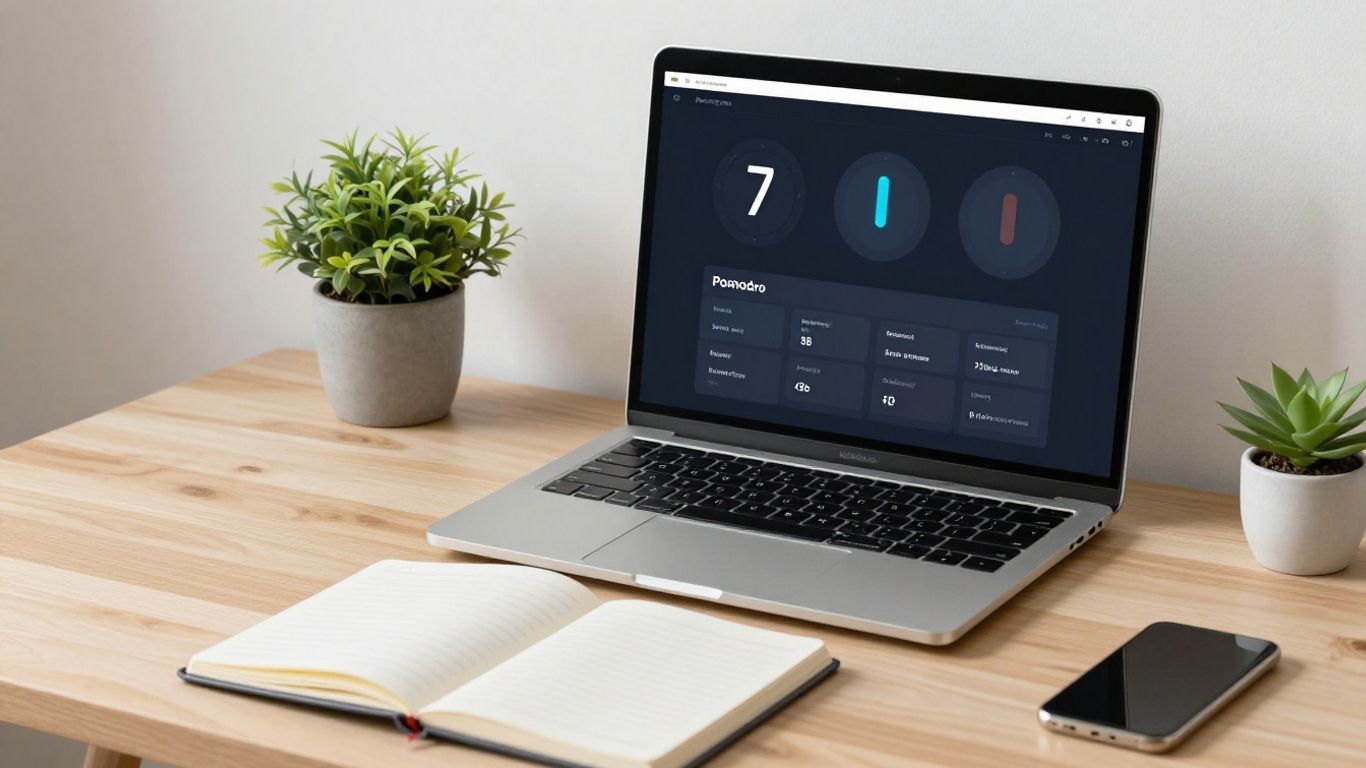
Focus To-Do is an interesting app because it doesn’t just offer a timer; it bundles task management right in there with it. So, you can actually create your to-do list within the app, assign tasks, and then start a Pomodoro session for each one. It’s pretty neat if you like having everything in one place.
This app is built on the idea of being science-based, which sounds fancy, but basically means it tries to use proven methods to help you concentrate. You can customize how long your work sessions and breaks are, which is a nice touch. It also syncs across your phone and computer, so your tasks and timers are always with you.
Here’s a quick look at what it offers:
- Integrated Task Management: Create, organize, and prioritize your tasks directly within the app.
- Customizable Timer: Adjust Pomodoro and break lengths to fit your personal workflow.
- Cross-Platform Sync: Access your data on multiple devices.
- Reporting: See how you’re spending your time and track completed tasks.
The app also has a feature where it grows a virtual plant while you’re focused, kind of like Forest. It’s a little gamified way to keep you motivated. If you’re someone who gets easily distracted by other apps, Focus To-Do has an app whitelist feature to help block those out during your work sessions. It’s a solid choice for anyone looking to combine their task list with their time management.
It’s a good option if you’re looking for a more all-in-one solution rather than just a standalone timer. You can check out their website for more details on how it all works.
9. Pomotodo
If you’re someone who really likes to keep your tasks and your focus timer all in one place, Pomotodo might be worth a look. It’s designed to blend the Pomodoro Technique with a to-do list, which can be super handy if you’re trying to streamline your workflow.
Basically, you can create your tasks, assign them to Pomodoro sessions, and then track your progress right within the app. It’s a pretty straightforward approach to managing your work.
Here’s a quick rundown of what it offers:
- Task Management: Create, organize, and prioritize your to-do list.
- Integrated Timer: Built-in Pomodoro timer that syncs with your tasks.
- Progress Tracking: See how many Pomodoros you’ve completed for each task.
- Customization: Adjust work and break times to fit your rhythm.
It’s a solid option if you find yourself juggling multiple apps for task management and time tracking. Pomotodo aims to simplify that by bringing them together.
While many apps focus solely on the timer aspect, Pomotodo tries to bridge the gap between planning your work and executing it. It’s a good choice for those who want a unified system for getting things done.
10. Pomello
Pomello is an interesting option if you’re already deep into the Kanban workflow, especially if Trello is your go-to project management tool. It’s not just a timer; it’s designed to integrate directly with your Trello boards.
The core idea is to link your Pomodoro sessions with specific tasks on your Trello cards. When you start a Pomodoro session in Pomello, it’ll prompt you to select a Trello card. This way, you’re not just working in timed intervals; you’re actively working on a defined task. It adds a layer of accountability and makes it clear exactly where your time is going.
Here’s a quick look at how it works:
- Start a Session: Initiate a Pomodoro timer within Pomello.
- Link to Trello: Choose the Trello card that corresponds to the task you’re about to tackle.
- Work & Track: Complete your focused work session. Pomello tracks the time spent on that specific Trello card.
- Breaks: Pomello handles the short and long breaks automatically, just like any other Pomodoro timer.
It’s a neat way to keep your productivity focused and your project management organized all in one place. If you live by Trello and want your timer to play nicely with it, Pomello is definitely worth checking out. It’s a solid choice for those who appreciate a structured approach to task management and time blocking.
While many Pomodoro timers focus solely on the time intervals, Pomello bridges the gap between time management and task management. It’s a smart move for anyone who wants to see a direct correlation between their focused work and their project progress.
Wrapping Up Your Focus Journey
So, there you have it. Finding the right Pomodoro timer is all about what clicks for you. Whether you like a super simple web app or something with a bit more flair, the goal is the same: get in the zone and get things done. Don’t be afraid to try a few out and see which one feels right. Remember, the best tool is the one you’ll actually use. Happy focusing!
Frequently Asked Questions
What exactly is the Pomodoro Technique?
The Pomodoro Technique is a time management method where you work in focused bursts, usually 25 minutes long, followed by short breaks, typically 5 minutes. After about four of these work periods, you take a longer break. It’s like a simple way to break down big tasks into smaller, manageable chunks to help you stay focused and avoid getting tired.
Why should I use a Pomodoro timer app instead of a regular timer?
While any timer works, Pomodoro apps make things easier. They automatically switch between work and break times, keep track of how many sessions you’ve finished, and often have cool designs. This means less fiddling with settings and more time actually working.
Are these apps only for students?
Not at all! The Pomodoro Technique is great for anyone who needs to focus, like writers, programmers, or even people doing chores. If you find yourself easily distracted or tend to jump between tasks, this method can bring much-needed structure to your day.
Can I change the timer lengths?
Yes, many apps let you adjust the work and break times to fit your personal style. While 25 minutes is the classic time, some people find longer or shorter periods work better for them. It’s all about finding what helps you concentrate best.
What if the Pomodoro Technique doesn’t work for me?
That’s perfectly fine! The Pomodoro Technique is just one way to boost productivity. If it doesn’t feel right, try experimenting with other methods or different timer settings. The main goal is to find a system that helps you get things done without feeling overwhelmed.
Do I need to pay for these apps?
Many of the best Pomodoro apps offer a free version with core features, which is great for trying them out. Some apps have paid options that unlock extra features like detailed stats, website blocking, or special sound options, but you can often get a lot done with the free versions.