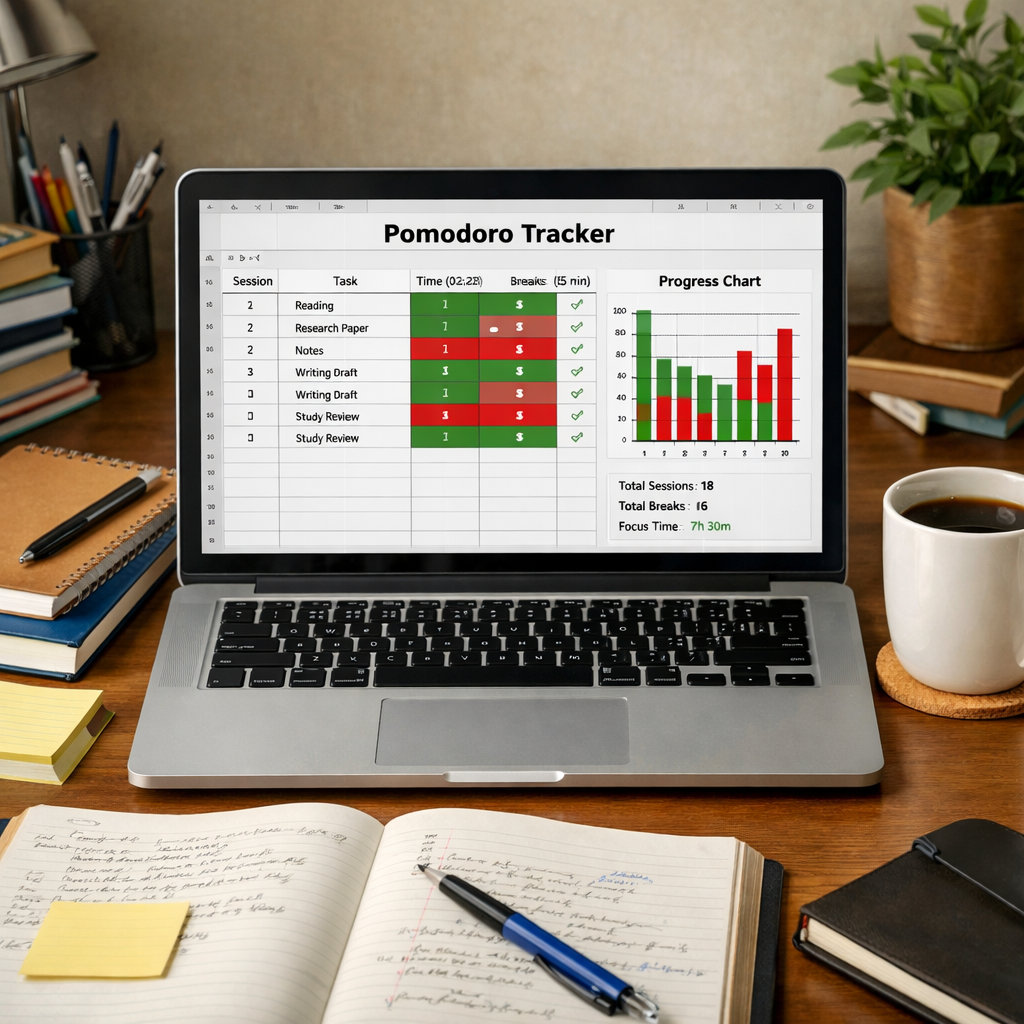

Feeling like there aren’t enough hours in the day? You’re not alone. So many of us struggle to get things done without getting sidetracked. But what if I told you there’s a simple method that can help you focus, get more done, and actually feel less stressed about it all? It’s called the Pomodoro Technique, and it uses a timer to break your work into manageable chunks. This guide will walk you through how to use a pomodoro timer to seriously boost your productivity.
Key Takeaways
- The Pomodoro Technique breaks work into focused intervals, typically 25 minutes, followed by short breaks.
- Using a pomodoro timer helps manage distractions and prevents burnout by scheduling regular rest.
- Experiment with different interval lengths and break times to find what works best for your focus.
- Integrate your pomodoro timer strategy into your daily routine for consistent productivity gains.
- Various apps and physical timers are available, choose the pomodoro timer tool that fits your work style.
Understanding The Pomodoro Technique

What Is The Pomodoro Technique?
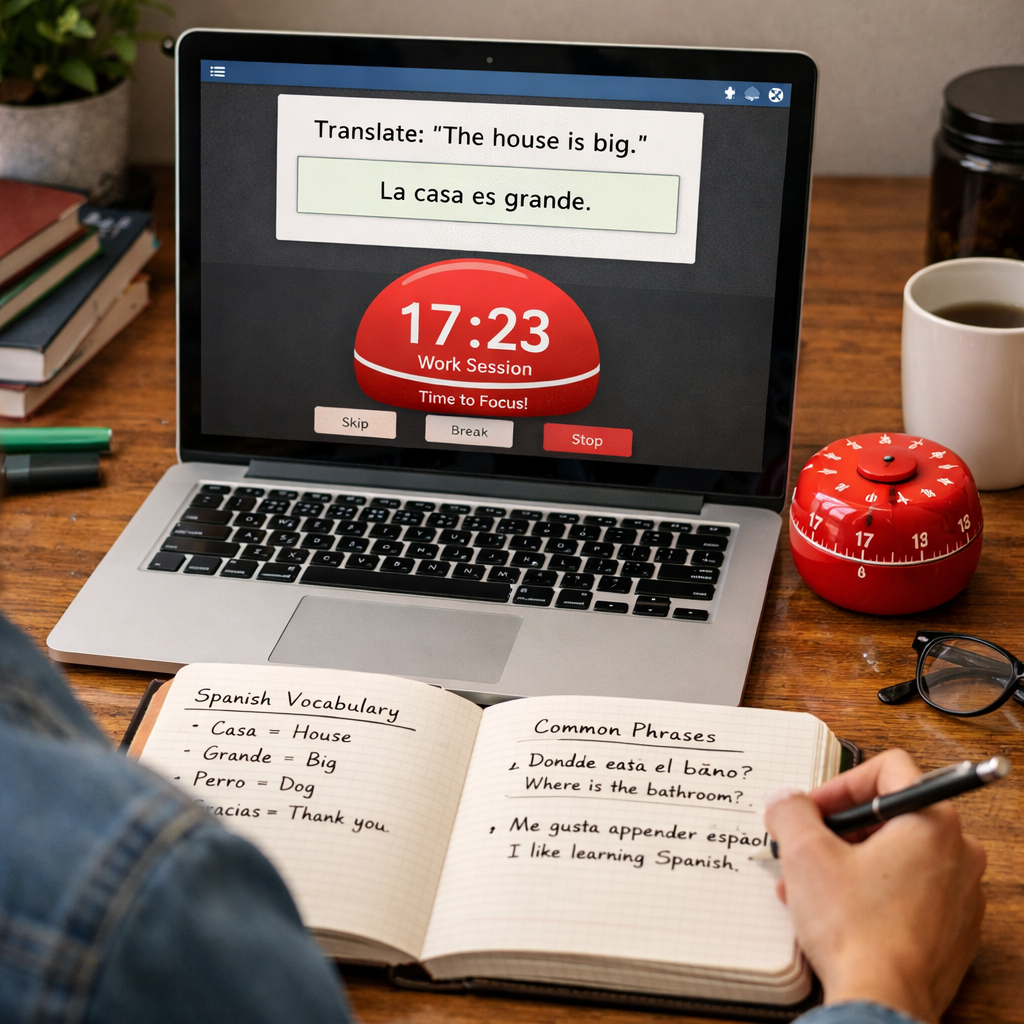
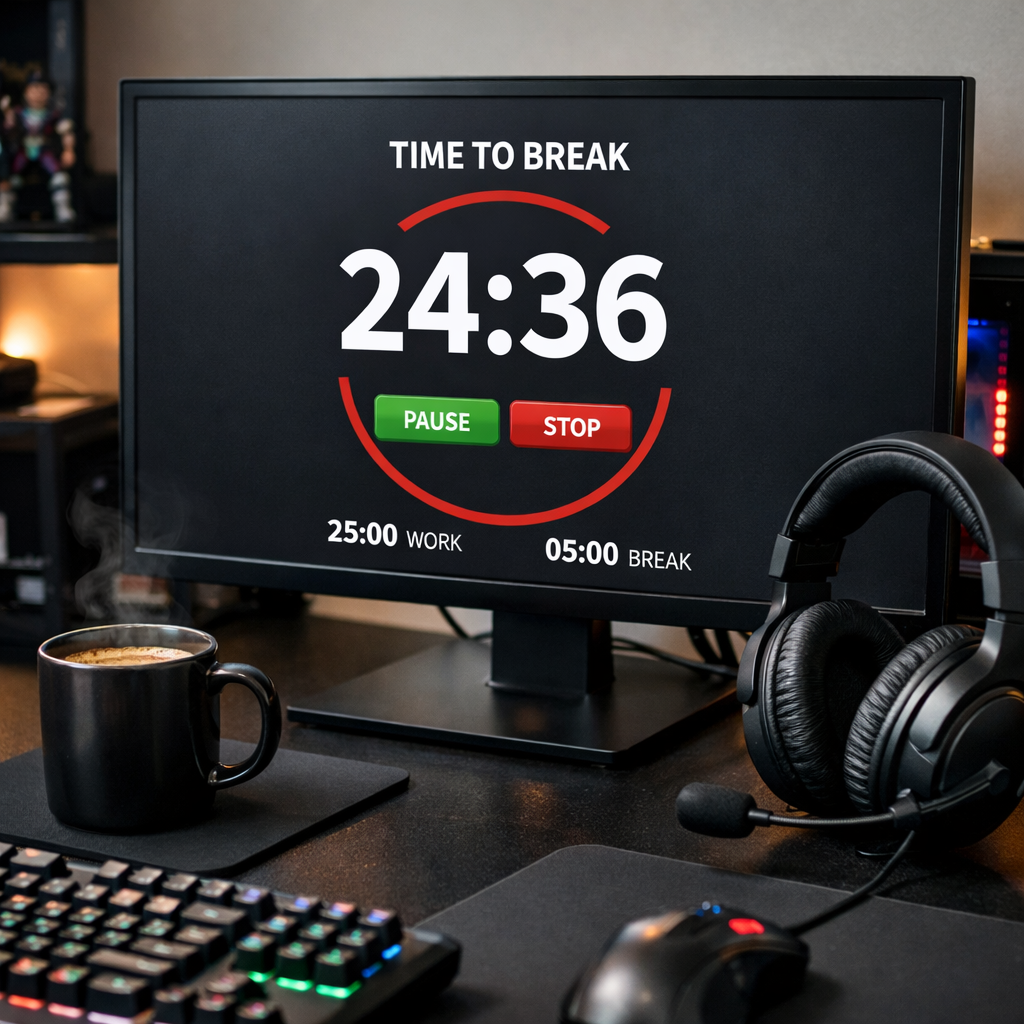
Ever feel like you’re just spinning your wheels, trying to get stuff done but getting nowhere? The Pomodoro Technique might be your new best friend. Basically, it’s a way to manage your time by breaking your work into focused chunks, traditionally 25 minutes long, called "pomodoros." After each pomodoro, you take a short break. It’s named after a tomato-shaped kitchen timer, which is pretty neat, right? The whole idea is to work with intense focus for a set period and then give your brain a little rest. This method was developed by Francesco Cirillo back in the late 80s when he was a student struggling to concentrate. He found that using a simple timer helped him stay on track. It’s a straightforward system that has helped tons of people get more done without feeling totally wiped out. You can read more about the Pomodoro Technique and how it works.
Why Does The Pomodoro Technique Work So Well?
So, why is this 25-minute thing so effective? It taps into how our brains actually work. Our attention spans aren’t infinite; they naturally fluctuate. Trying to force yourself to focus for hours on end is a recipe for burnout. The short work intervals, or pomodoros, help you maintain a high level of concentration because you know a break is coming soon. It makes tackling big tasks feel less overwhelming. Plus, those short breaks are super important. They let your mind reset, preventing that mental fog that creeps in after long stretches of work. It’s like giving your brain little mini-vacations throughout the day. This approach also helps you manage your perception of time, making it feel less like a constant race against the clock and more like a tool you can control.
Key Benefits Of Using A Pomodoro Timer
Using a Pomodoro timer isn’t just about getting more done; it’s about working smarter and feeling better while you do it. Here are some of the main perks:
- Improved Focus: Those timed intervals train your brain to concentrate intensely on one task, minimizing distractions.
- Reduced Burnout: Regular short breaks prevent mental fatigue, keeping you fresh and energized throughout the day.
- Better Time Management: You become more aware of how long tasks actually take, helping you plan more realistically.
- Less Procrastination: Breaking down work into small, manageable chunks makes it easier to start and keep going.
- Stress Reduction: Knowing you have built-in breaks can significantly lower feelings of overwhelm and anxiety.
The Pomodoro Technique is a simple yet effective way to structure your workday. It’s not about rigid rules, but about finding a rhythm that works for you to stay focused and avoid exhaustion. The key is consistency and adapting it to your own needs.
Implementing Your Pomodoro Timer Strategy
So, you’ve got the gist of the Pomodoro Technique, and now it’s time to actually put it into practice. It sounds simple enough, right? Set a timer, work, take a break. But like anything, there’s a bit more to it than just hitting start. Getting this right means you’ll actually see those productivity gains.
Setting Up Your First Pomodoro Session
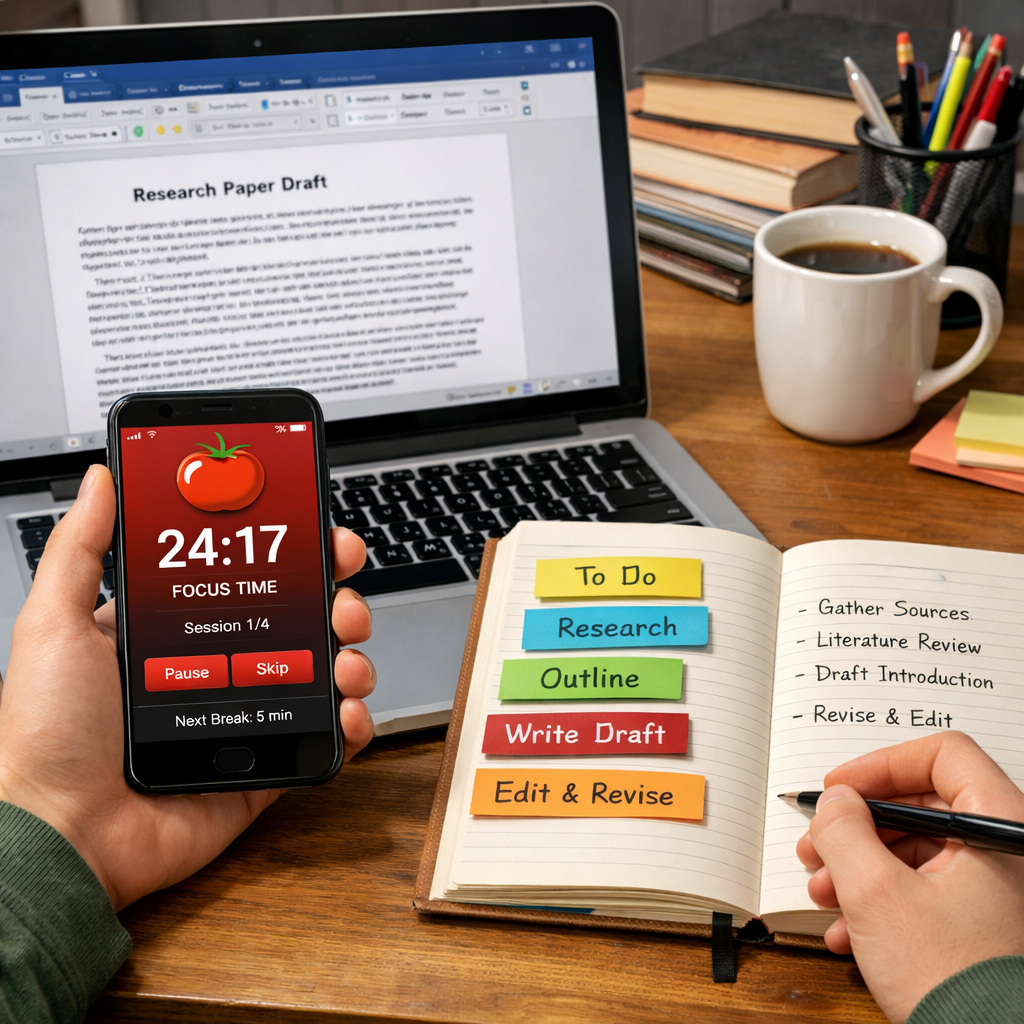
Getting started is easier than you might think. First off, pick a task. Seriously, just choose one thing you want to get done. It could be writing an email, working on a report, or even just tidying your desk. Then, grab your timer – whether it’s on your phone, a dedicated app, or a good old kitchen timer – and set it for 25 minutes. This is your first "pomodoro." During this time, your only job is to focus on that one task. No checking emails, no scrolling social media, just work. When the timer goes off, you’ve completed a pomodoro! Mark it down, maybe on a simple to-do list. This is a great way to start building momentum, and you can find some helpful apps to get you going if you need them.
Navigating Distractions During Work Intervals
Distractions are the arch-nemesis of focused work, aren’t they? When that 25-minute timer is ticking, your phone will suddenly seem like the most interesting thing in the world, or a colleague will have a
Optimizing Your Pomodoro Timer Experience

So, you’ve got the hang of the basic Pomodoro Technique – 25 minutes of focused work, a short break, repeat. That’s a solid start! But like any good tool, you can tweak and tune your Pomodoro setup to make it even better for you. It’s not about rigidly sticking to the clock; it’s about finding what makes your brain tick.
Experimenting With Pomodoro Intervals
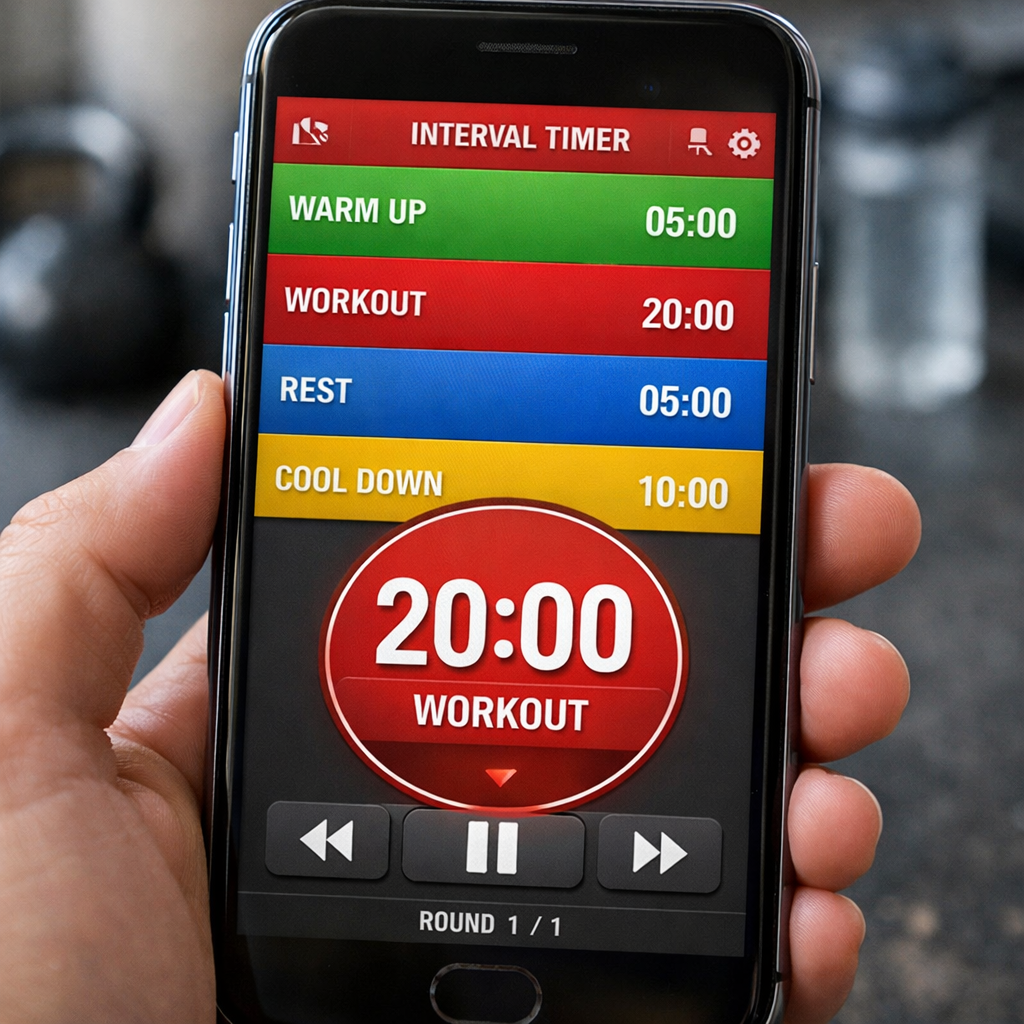
The classic 25-minute work, 5-minute break is a great starting point, but it’s not set in stone. Some tasks just need a bit more time, or maybe your focus naturally wanes after 20 minutes. Don’t be afraid to play around with the timings. You might find that 45-minute work sessions with 10-minute breaks work better for longer projects, or perhaps 15-minute bursts are perfect for quick, repetitive tasks. The key is to listen to your own energy levels and task demands.
Here’s a quick look at how different intervals might suit various needs:
| Interval Type | Work Duration | Break Duration | Best For |
|---|---|---|---|
| Classic | 25 minutes | 5 minutes | General tasks, beginners |
| Extended | 45-50 minutes | 10-15 minutes | Deep work, complex projects |
| Short Burst | 15-20 minutes | 3-5 minutes | Repetitive tasks, low energy |
Integrating Pomodoro Into Your Daily Workflow
Making Pomodoro a regular part of your day is where the real magic happens. It shouldn’t feel like an extra chore; it should become your default way of tackling work. Try starting your day with a Pomodoro session for your most important task. Use it to break down large projects into manageable chunks. Even for meetings or email checking, a quick Pomodoro can help you stay focused and avoid getting lost down rabbit holes.
- Start small: Don’t try to Pomodoro your entire day on day one. Pick one or two tasks to start.
- Be consistent: Aim to use it daily, even on days when you don’t feel super motivated.
- Adapt: If a 25-minute session feels too short or too long for a specific task, adjust it. The goal is focus, not a rigid adherence to a number.
The timer is really just a tool to help you start and build momentum. Once you get used to the rhythm of working and breaking, you might find yourself naturally continuing past the 25-minute mark on tasks you’re really engaged with. That’s okay, but be mindful not to let it become a habit that leads back to old procrastination patterns.
Tracking Your Pomodoro Progress
Keeping tabs on your Pomodoro sessions can be surprisingly motivating. It’s not just about counting completed sessions; it’s about seeing patterns in your productivity. Are you more focused in the morning? Do certain types of tasks consistently take longer than you expect? Many Pomodoro apps have built-in tracking, but a simple notebook works too. Jot down the date, the task, and how many Pomodoros it took. This data can help you refine your interval choices and better estimate future task times.
- Log completed Pomodoros: A simple tally mark for each finished session.
- Note task duration: How many Pomodoros did a specific task take?
- Record energy levels: Did you feel more focused during certain sessions?
- Review regularly: Look back at your logs weekly to spot trends and make adjustments.
Choosing The Right Pomodoro Timer Tools
So, you’re ready to give the Pomodoro Technique a real shot, and that means you need a timer. But with so many options out there, where do you even start? It’s not just about picking any old clock; the right tool can make a big difference in how smoothly your sessions go. Let’s break down the choices.
Best Pomodoro Apps For Every Work Style
Apps are super popular because they’re convenient and often packed with extra features. Think of them as your digital Pomodoro buddy.
- For the minimalist: If you just want a clean, no-fuss timer, look for apps that offer simple countdowns and maybe a basic notification sound. They get the job done without any distractions.
- For the data-driven: Some apps track your completed sessions, give you reports, and even let you log what you worked on. This is great if you like seeing your progress laid out visually.
- For the customizable: Maybe you don’t like the standard 25-minute work interval. Certain apps let you tweak the work and break times to fit your personal rhythm. You might find that 45 minutes of focus works better for you, or maybe shorter 15-minute bursts are your jam.
- For the distraction-blocker: If your phone is your biggest enemy, some apps can actually block other apps or websites during your work intervals. Pretty handy, right?
Physical Timers Versus Digital Solutions
It’s not all about screens, though. Physical timers have their own charm and benefits.
| Feature | Physical Timer (e.g., Kitchen Timer) | Digital Timer (App/Website) |
|---|---|---|
| Distraction | Low (no notifications from other apps) | Potentially High (other apps/sites) |
| Portability | Varies (can be bulky) | High (on your phone/computer) |
| Features | Basic timing | Tracking, blocking, customization |
| Cost | One-time purchase | Free to premium subscriptions |
| Tactile Feel | Satisfying to turn/set | Less tangible |
Some people just prefer the physical act of setting a timer. The ticking sound can be a good cue, and the distinct ‘ding’ when it finishes is a clear signal to switch gears. Plus, it keeps you away from your phone, which is often a major source of distraction. On the other hand, digital timers are usually already on your device, and the advanced features can be really helpful for habit building.
Leveraging Productivity Platforms With Pomodoro
Beyond standalone timers, you can often integrate Pomodoro into bigger productivity systems. Many project management tools or team collaboration software now have built-in Pomodoro timers or allow integrations. This means you can track your focused work time directly alongside your tasks and projects. It helps connect your focused effort to specific outcomes, making your productivity efforts feel more organized and purposeful. This kind of integration can really help solidify the Pomodoro Technique as a core part of your daily workflow.
Choosing the right timer isn’t about finding the ‘best’ one, but the one that best fits your habits and work style. Don’t be afraid to try a few different types until you find what clicks. What works for your friend might not work for you, and that’s perfectly okay. The goal is to find a tool that makes sticking to your Pomodoro sessions easier, not harder.
Advanced Pomodoro Timer Techniques
So, you’ve got the basics of the Pomodoro Technique down. You’re setting your timers, taking your breaks, and feeling a bit more in control of your day. That’s awesome! But what if you want to take it up a notch? The Pomodoro Technique isn’t just a rigid set of rules; it’s a flexible framework you can adapt. Let’s explore some ways to really supercharge your productivity.
Combining Pomodoro With Other Methods
Think of Pomodoro as a great building block. It pairs really well with other productivity strategies. For instance, you could use time blocking to schedule your Pomodoro sessions into specific slots in your calendar. This way, you’re not just working in 25-minute bursts, but you’re also dedicating those bursts to particular types of tasks or projects. Another combo is with the Eisenhower Matrix. You can use the matrix to decide what to work on, and then use Pomodoro to decide how you’ll tackle those high-priority items.
Here’s a quick look at how you might combine them:
| Method | How it Works with Pomodoro |
|---|---|
| Time Blocking | Schedule specific Pomodoro sessions for defined tasks in your day. |
| Eisenhower Matrix | Prioritize tasks using the matrix, then use Pomodoro for execution. |
| Getting Things Done | Use Pomodoro for focused work on tasks identified in your GTD system. |
Setting SMART Goals For Pomodoro Sessions
Just saying "I’ll work on this" isn’t always enough. To get the most out of each Pomodoro, try setting SMART goals for your work intervals. This means making your goals Specific, Measurable, Achievable, Relevant, and Time-bound. Instead of "write report," aim for "write the introduction and first section of the Q3 report (approx. 500 words)." This clarity helps you stay focused and gives you a clear win when the timer rings. It’s about making each 25-minute sprint count towards something concrete.
Using Background Music For Focus
For some people, silence is golden. For others, a little background noise can actually help drown out distracting sounds and create a more immersive work environment. Experiment with different types of music or ambient sounds. Some find instrumental music, classical pieces, or even nature sounds work best. Avoid music with lyrics, as that can often pull your attention away from the task at hand. Finding the right audio backdrop can make those Pomodoro intervals feel more productive and less like a struggle against external noise. You can find curated playlists on many streaming services designed specifically for concentration and focus.
The key to advanced Pomodoro is adaptation. Don’t be afraid to tweak the intervals, combine it with other methods, or find what truly helps you get into that productive zone. It’s your productivity journey, after all.
Wrapping It Up
So, there you have it. The Pomodoro Technique isn’t some magic bullet, but it’s a really solid way to get more done without feeling totally wiped out. It’s all about working smarter, not just harder, by breaking things down and giving yourself proper breaks. Whether you stick to the classic 25-minute sprints or tweak them a bit, the main thing is to just give it a try. You might be surprised at how much more focused and productive you can be. Don’t overthink it; just grab a timer and start ticking off those tasks. Happy working!
Frequently Asked Questions
What exactly is the Pomodoro Technique?
Think of the Pomodoro Technique as a way to break up your work into small, focused chunks. You work hard for about 25 minutes, then take a short break. It’s like sprinting through your tasks instead of trying to run a marathon all at once. The name comes from a tomato-shaped timer someone used a long time ago!
Why does this method help people focus better?
Our brains aren’t built to concentrate for hours straight. By working in short bursts, you can really lock in on what you’re doing. The breaks are super important too – they give your brain a chance to rest and reset, so you can come back even more focused for the next work period.
What are the main good things about using a Pomodoro timer?
Using a Pomodoro timer can make you feel less stressed because you know a break is coming soon. It helps you get more done by keeping you focused and preventing burnout. Plus, you get better at knowing how long tasks actually take, which is great for planning.
Can I change the 25-minute work time?
Absolutely! While 25 minutes is the classic time, it’s okay to experiment. Some people find they focus better for 40 minutes, while others might need shorter bursts of 15 minutes. The key is to find what works best for you and your tasks, and adjust your breaks accordingly.
What should I do during my breaks?
Breaks are for recharging, not for checking social media or emails! Try to do something completely different from your work. You could stretch, walk around, grab a snack, or just close your eyes for a few minutes. The goal is to give your brain a real break so you feel refreshed.
How can I deal with distractions when the timer is on?
Distractions happen! If a thought pops up, quickly jot it down on a piece of paper to deal with later. If someone interrupts you, politely let them know you’re in a focused work session and will get back to them soon. The timer helps you train yourself to push through these interruptions.