Feeling like your to-do list is a monster you can’t tame? Distractions everywhere, right? Well, there’s a simple way to get a handle on things. It’s called the Pomodoro Technique, and it’s not as complicated as it sounds. This guide breaks down the pomodoro technique steps so you can actually get stuff done without feeling totally drained. We’ll cover how to start, what to do, and how to handle those annoying interruptions. Let’s make your work time work for you.
Key Takeaways
- The core idea of the pomodoro technique steps involves working in focused bursts, usually 25 minutes, followed by short breaks.
- Start simple: all you really need is a timer and a task to get going with the pomodoro technique steps.
- During a 25-minute work interval, focus solely on your chosen task; interruptions should be avoided or noted for later.
- Breaks are important for recharging; short breaks after each work interval and longer breaks after a few intervals help maintain focus.
- Your first goal with the pomodoro technique steps is to observe how much effort tasks actually take, not to be perfectly productive or fast.
Understanding the Pomodoro Technique Steps

The Core Concept of Focused Intervals
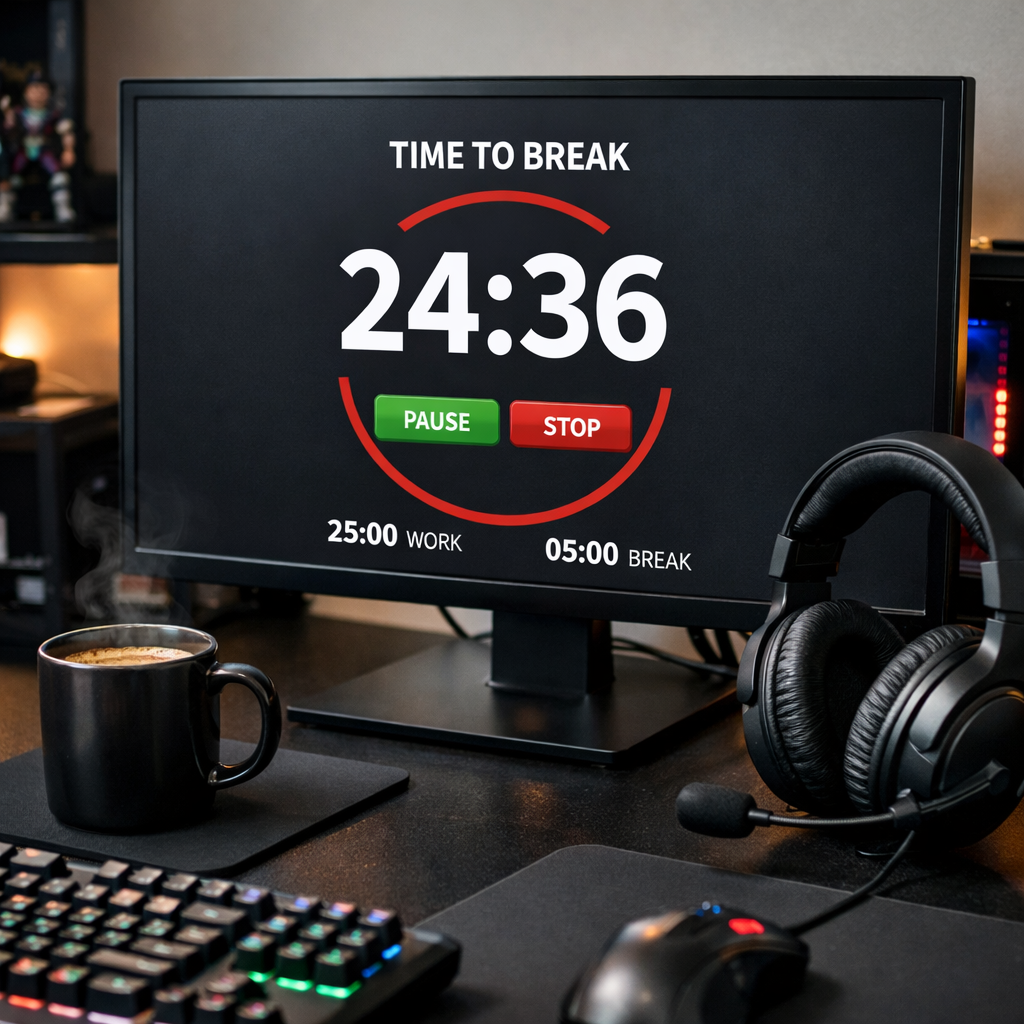
The Pomodoro Technique is built around a simple idea: break your work into focused bursts, separated by short breaks. Think of it like sprinting for a short distance, then walking for a bit to catch your breath. The classic interval is 25 minutes of work, followed by a 5-minute break. This isn’t just about timing; it’s about training your brain to concentrate intensely for a set period. The goal is to make your work time truly productive, free from distractions. It’s a way to manage your energy and attention, not just your clock.
Why the Pomodoro Technique Works
So, why does this 25-minute sprint and short walk approach actually help? For starters, it combats that feeling of being overwhelmed by large tasks. Breaking things down into manageable chunks makes them seem less daunting. Plus, the timer creates a sense of urgency, pushing you to focus and get things done within that window. It also helps you become more aware of how you spend your time and what pulls your attention away. It’s like giving your brain a clear signal: "Okay, focus now, then rest." This rhythm helps prevent burnout and keeps your mind fresh.
The Evolutionary Approach to Learning
When you first start with the Pomodoro Technique, don’t expect perfection. The creator, Francesco Cirillo, designed it as an "evolutionary approach." This means you learn and improve over time, focusing on one objective at a time. Your very first goal isn’t to be super productive or to eliminate all interruptions. It’s simply to understand how much effort your tasks actually take. You’ll track how many 25-minute Pomodoros a task requires. This observational step is key. You’re not trying to predict or estimate perfectly right away; you’re just learning by doing. It’s about building a habit and understanding your own work patterns, one Pomodoro at a time.
Here’s a look at the initial objectives:
- Objective I: Find Out How Much Effort an Activity Requires. This is your main focus when starting. Just do the work and track it.
- Objective II: Cut Down on Interruptions. As you get comfortable, you’ll start noticing what breaks your focus and learn to manage it.
- Objective III: Estimate the Effort for Activities. Once you’re tracking and managing interruptions, you can start getting better at guessing how long tasks will take.
The initial phase is about observation and building a rhythm. Don’t get caught up in trying to be perfect or overly efficient from the get-go. The technique reveals its power through consistent practice and gradual improvement.
Preparing for Your First Pomodoro Session
Getting started with the Pomodoro Technique doesn’t need to be complicated. In fact, the whole point is to keep things simple, especially when you’re just beginning. Trying to set up a fancy system or download a dozen apps will likely just get in the way. The beauty of this method is its low-tech approach, which helps you focus on the core idea: working in focused bursts.
Essential Tools for Getting Started
To kick off your first Pomodoro session, you really only need a few basic items. Don’t overthink this part; you probably already have everything you need lying around.
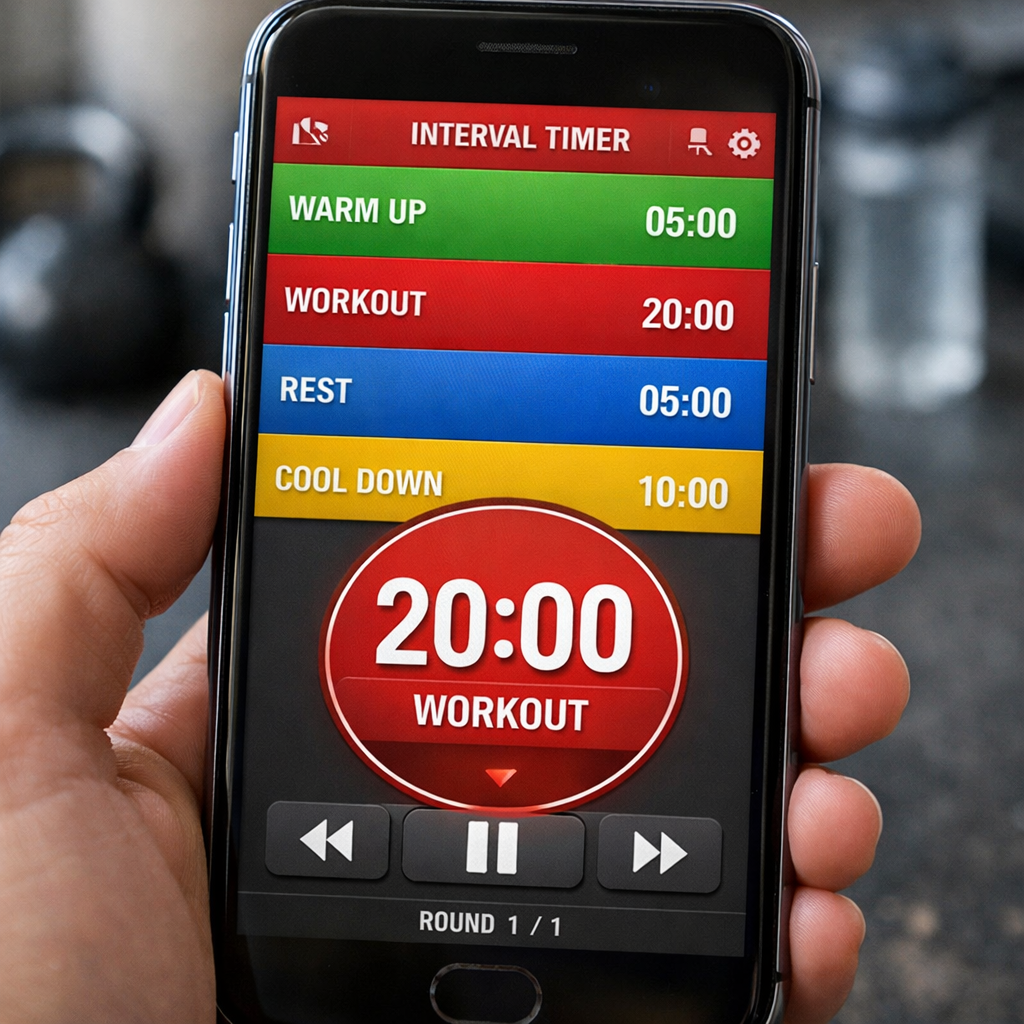
- A Timer: This is your main tool. It could be a simple kitchen timer, the timer on your phone, or a basic computer app. The key is that it can be set for 25 minutes and will let you know when time’s up. Francesco Cirillo, the creator, famously used a tomato-shaped timer (that’s what ‘pomodoro’ means in Italian!), but any timer will do.
- Pen and Paper: Grab a notebook or some loose sheets of paper. You’ll use this to jot down your tasks and to make a mark (like an ‘X’) each time you complete a 25-minute work interval. Keeping it low-tech helps you concentrate on the technique itself rather than getting distracted by digital interfaces.
- A Task: You need something to actually work on. Pick one item from your to-do list – maybe it’s answering a few emails, reading a chapter for class, or starting that report you’ve been putting off. The technique works for almost any focused activity.
What You Don’t Need for Initial Practice
When you’re starting out, it’s just as important to know what not to do. The Pomodoro Technique is designed to be straightforward, and adding complexity too early can be counterproductive. You don’t need:
- Fancy Software: Forget about specialized productivity apps or complex digital planners for your first few sessions. These can often add more distraction than they solve.
- Elaborate Planning Systems: Don’t spend hours creating intricate schedules. Your goal right now is to learn the basic rhythm, not to optimize your entire life.
- Perfection: You’re not aiming to eliminate every single interruption or perfectly predict how long tasks will take on day one. That comes later.
The most common pitfall for beginners is trying to do too much too soon. Focus on mastering the basic cycle: work, break, repeat. Your first objective is simply to observe how much effort your work actually requires, measured in these 25-minute blocks.
Choosing Your First Task
Selecting your first task is straightforward. Look at your to-do list and pick something that requires a moderate amount of focus. It shouldn’t be something so simple that it takes less than 25 minutes, nor should it be a massive project that feels overwhelming. Think of it as a test run. You’re not trying to conquer the world with your first Pomodoro; you’re just learning the ropes. The goal for your very first session is simply to complete one uninterrupted 25-minute work interval. If you can do that, you’ve already succeeded. You can find a simple Pomodoro timer online if you don’t have a physical one handy.
Executing the Pomodoro Technique Steps
Alright, you’ve prepped, you’ve picked your task, and you’re ready to go. This is where the magic, or at least the focused work, actually happens. It’s pretty straightforward, but sticking to the rules is key.
Setting the 25-Minute Timer
This is the heart of it. Grab whatever timer you’re using – your phone, a kitchen timer, an app – and set it for exactly 25 minutes. No more, no less. This specific duration is chosen because it’s long enough to get into a task without feeling rushed, but short enough that you can maintain a high level of concentration. It’s a sweet spot that helps you push past that initial resistance to starting something.
Engaging in Pure, Focused Work
Once that timer starts ticking, it’s go time. For the next 25 minutes, your only job is to work on the task you selected. No checking emails, no scrolling through social media, no quick chats with colleagues. This is your dedicated work block. If a thought pops into your head that’s unrelated to your task, jot it down quickly on a piece of paper to deal with later. The goal here is to give your full attention to one thing.
The Indivisible Nature of a Pomodoro
Here’s a rule that trips people up: a Pomodoro is an all-or-nothing deal. You can’t split it. If the timer rings and you’re in the middle of something, you stop. Even if you’re just about to finish a sentence or solve that last little problem. You don’t get partial credit for a Pomodoro. It’s either completed, or it’s not. This might feel a bit rigid at first, especially if you’re used to working until you feel ‘done’. But this strictness is what trains your brain to focus intensely within that set timeframe. It teaches you to be efficient and to accept that tasks might need more than one Pomodoro, and that’s perfectly okay.
The timer is your partner in this. It’s not there to rush you, but to create a container for your focus. Think of it as a gentle nudge, not a drill sergeant. When it rings, it’s a signal to pause, not a judgment on your progress.
Navigating Breaks and Interruptions
So, the timer goes off. Awesome! You’ve just completed a focused work session. Now what? This is where the magic of breaks and handling those pesky interruptions comes in. It’s not just about working hard; it’s about working smart, and that includes knowing when to stop and how to deal with life happening around you.
The Importance of Short Breaks
Think of these short breaks as your brain’s pit stops. After 25 minutes of intense focus, your mind needs a moment to reset. It’s not a luxury; it’s a necessity for sustained concentration. During these 5-minute breaks, you should actively disengage from whatever you were just doing. Stand up, stretch, grab some water, or just stare out the window for a bit. The goal is to give your brain a real break, allowing it to process information and prepare for the next sprint.
- Physical movement: Get your blood flowing. A quick walk or some stretches can make a big difference.
- Mental detachment: Avoid anything that requires deep thought, like checking emails or planning complex tasks.
- Hydration and snacks: Keep your energy levels up with water or a light, healthy snack.
These short breaks are where your brain consolidates what you’ve learned and recharges. Don’t skip them, and don’t fill them with more ‘work,’ even if it seems minor.
Handling Internal and External Interruptions
Life happens, right? Sometimes your own thoughts pull you away (internal interruptions), and sometimes the outside world intrudes (external interruptions). The key is to have a plan.
- Internal Interruptions: If you suddenly remember something you need to do or a new idea pops up, don’t panic. Just jot it down on a piece of paper or a digital note. Acknowledge the thought, schedule it for later, and then immediately return to your Pomodoro. This simple act of writing it down often satisfies the urge.
- External Interruptions: If someone walks up to your desk, calls you, or sends an urgent message that demands your attention, the Pomodoro you were in is considered void. Don’t try to salvage it. Just stop, deal with the interruption, and then start a fresh Pomodoro when you’re ready. It might feel like a loss, but it’s better than trying to force focus after being pulled away.
The Mantra: The Next Pomodoro Will Go Better
It’s easy to get discouraged if your first few Pomodoros get interrupted or if you struggle to focus. That’s totally normal! The most important thing is to adopt a positive and forgiving mindset. Don’t beat yourself up over imperfections in your early sessions. Instead, embrace the mantra: "The next Pomodoro will go better." This simple phrase helps you let go of frustration, learn from each session, and keep moving forward with a fresh perspective. Each attempt is a learning opportunity, and with practice, you’ll get better at managing your focus and handling whatever comes your way.
Defining Success in Your Initial Practice

Alright, so you’ve done your first few Pomodoros. Maybe it felt a bit clunky, maybe you got interrupted more than you expected. That’s totally fine. The big thing to remember for your first day is that success isn’t about crushing your to-do list or suddenly becoming a productivity guru. It’s much simpler than that.
Realistic Expectations for Day One
Let’s be real. Your first day with the Pomodoro Technique isn’t about setting world records. It’s about learning a new skill, like learning to ride a bike. You’re not going to be perfectly balanced and zooming down the street on day one. You’re going to wobble, maybe even fall a little. And that’s exactly what’s supposed to happen. The goal is to complete at least one full 25-minute Pomodoro without interruptions. If you manage that, you’ve already won. Seriously. Even getting through a single session is a win because it lets you see how you actually work [1b42]. Don’t worry about finishing tasks; worry about completing those 25-minute blocks and taking your breaks. That’s it.
Tracking Your Effort Honestly
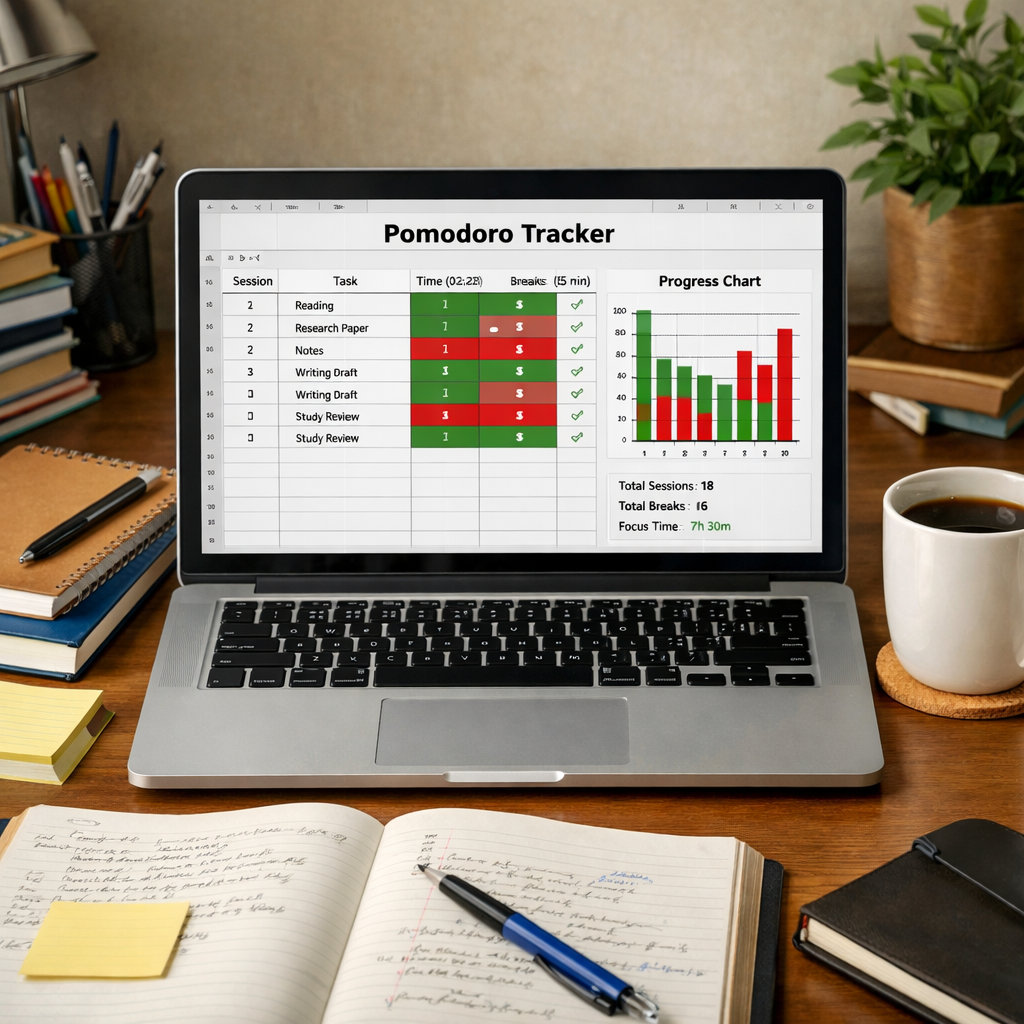
This is where the ‘X’ comes in. Every time that timer rings and you’ve completed a 25-minute work session, you make a mark. Think of each ‘X’ as a little badge of honor for your real effort. It’s not about how much you thought you’d get done, or how fast you tried to go. It’s about the actual time you spent focused. At the end of the day, you just count those Xs. That number is your output for the day. It’s honest data. You can jot it down on a piece of paper, or use a simple spreadsheet. The key is to be truthful about it. This tracking is what helps you understand your own work patterns over time.
Here’s a simple way to log your first day:
- Date: (e.g., March 6, 2026)
- Task: (e.g., Draft Article Section)
- Pomodoros Completed (Xs): (e.g., 3)
Focusing on Process Over Speed
It’s super tempting to want to finish tasks quickly, especially if you’re used to being a high achiever. You might feel a little anxious if a task takes longer than you thought. But here’s the thing: the Pomodoro Technique isn’t about speed. It’s about observation and improvement. Cirillo himself said that seeming fast isn’t important; being fast is. And you get there by watching how you work, not by stressing yourself out. So, on your first day, forget about speed. Just focus on sticking to the rhythm: work, timer rings, break, mark your X. That’s the process. Speed will come later, as you get better at managing interruptions and estimating tasks.
The most common mistake beginners make is trying to do too much too soon. On day one, your only job is to learn how to track your work in 25-minute blocks. That’s it. Everything else, like cutting down interruptions or estimating tasks, comes later. Give yourself permission to be a beginner.
Moving Beyond the Basics
So, you’ve gotten the hang of the basic Pomodoro rhythm. You’re setting timers, working in focused bursts, and taking those much-needed breaks. That’s awesome! But what’s next? It’s time to really start refining how you use this tool to your advantage. This isn’t just about ticking off Pomodoros anymore; it’s about making them work smarter for you.
Learning to Estimate Task Effort
One of the biggest leaps forward you can make is getting better at guessing how long tasks will actually take. When you first start, you might just jot down a task and hope for the best. But as you get more experience, you’ll start to see patterns. You’ll notice that writing a report section usually takes about three Pomodoros, while answering emails might only take one. This is where tracking your "X" marks really pays off. It’s not just about counting them at the end of the day; it’s about looking back and seeing how many Pomodoros each type of task actually took.
Here’s a simple way to start thinking about it:
- Small Tasks: Usually 1 Pomodoro. Think quick email replies, scheduling a meeting, or reviewing a short document.
- Medium Tasks: Typically 2-3 Pomodoros. This could be drafting a section of a document, researching a specific topic, or working through a small coding problem.
- Large Tasks: Often 4+ Pomodoros. These are bigger projects like writing a full report, developing a new feature, or planning a complex event.
The goal isn’t to be perfect with your estimates right away, but to get progressively closer.
Customizing Pomodoros for Deeper Work
While the standard 25-minute Pomodoro is great for many things, you might find that some tasks require longer stretches of uninterrupted focus. This is where you can start experimenting. Maybe a complex coding session or creative writing session would benefit from a 50-minute Pomodoro followed by a slightly longer break. Or perhaps you have a task that’s so involved, you decide to dedicate a whole morning to it, using the Pomodoro structure within that larger block. The key is to observe your own focus levels and adjust the timer length accordingly. Remember, the Pomodoro Technique is a flexible tool, not a rigid rulebook.
Don’t be afraid to tweak the standard times. If you find yourself consistently getting into a deep flow state around minute 40, consider adjusting your Pomodoro length for those specific types of tasks. The core principle of focused work followed by a break remains, but the duration can be adapted to your personal workflow and the demands of the task at hand.
Integrating Pomodoros into Your Workflow
Once you’re comfortable with estimating and customizing, the next step is making Pomodoros a natural part of your entire workday. This means not just using them for big projects, but for all sorts of activities. Think about your daily to-do list. Can you break down even small items into Pomodoros? This helps you see your progress more clearly and prevents tasks from piling up. It’s about building a consistent habit, where focused work intervals become your default mode. The mantra "The Next Pomodoro Will Go Better" isn’t just for tough days; it’s a reminder that each session is a chance to learn and improve your process, making your overall workflow more efficient and less stressful.
Keep Going, You’ve Got This!
So, that’s the Pomodoro Technique in a nutshell. It might seem super simple, and honestly, it is. But don’t let that fool you. Sticking with it, even when things get a little messy or you get interrupted (which you will!), is where the real magic happens. Remember, your first few sessions aren’t about being perfect; they’re about learning how you work best. Just keep showing up, ticking that timer, and taking those breaks. You’ll start to see a difference, one focused 25-minute block at a time. Now go ahead and take control of your time!
Frequently Asked Questions
What exactly is the Pomodoro Technique?
Think of it like a special way to work or study. You set a timer for 25 minutes and focus super hard on one task. When the timer buzzes, you take a short break, usually 5 minutes. You repeat this cycle. It’s named after a tomato-shaped kitchen timer, which is where ‘Pomodoro’ comes from!
Why should I try the Pomodoro Technique?
It helps you concentrate better by breaking down your work into smaller, manageable chunks. This makes big tasks feel less scary and helps you avoid getting tired or distracted. Plus, those short breaks give your brain a rest so you can come back refreshed.
What do I need to get started?
You don’t need much! The most important things are a timer (your phone works great!) and something to write on, like a notebook or paper. You’ll also need a task you want to focus on. That’s it! No fancy apps needed to begin.
What if I get interrupted during a 25-minute work session?
It happens! If something or someone interrupts you, try to deal with it quickly. If it’s something you can’t handle right away, jot it down and tell yourself you’ll get to it after your current work session or during a longer break. The goal is to get back to your task as soon as possible.
How long should my breaks be?
After each 25-minute work session, you take a short break of about 5 minutes. Use this time to stretch, grab a drink, or just relax your eyes. After about four of these work sessions, you take a longer break, maybe 15-30 minutes, to really recharge.
What if I finish my task before the 25 minutes are up?
That’s great! If you finish your task early, use the remaining time to review your work, plan your next steps, or do some light organizing related to the task. The key is to stay focused on the task or related activities until the timer rings.