
Feeling like your to-do list is a mile long and you’re constantly getting sidetracked? You’re not alone. In today’s world, staying focused can feel like a superpower. But what if I told you there’s a simple, time-tested method that can help you get more done, without feeling totally drained? We’re talking about the Pomodoro Technique, and specifically, a variation that might just be your new best friend for tackling those big, brainy tasks. Get ready to meet the pomodoro 90 20.
Key Takeaways
- The 90/20 Pomodoro variation suggests working in focused 90-minute blocks followed by 20-minute breaks, which is ideal for complex tasks requiring deep concentration.
- This method helps combat mental fatigue by scheduling longer, more restorative breaks compared to the classic 25/5 approach.
- Experimenting with different work-to-break ratios, like the 90/20, is key to finding what best suits your personal energy cycles and task demands.
- Protecting your focus during work intervals by silencing your phone, closing unnecessary browser tabs, and pausing notifications is vital for success.
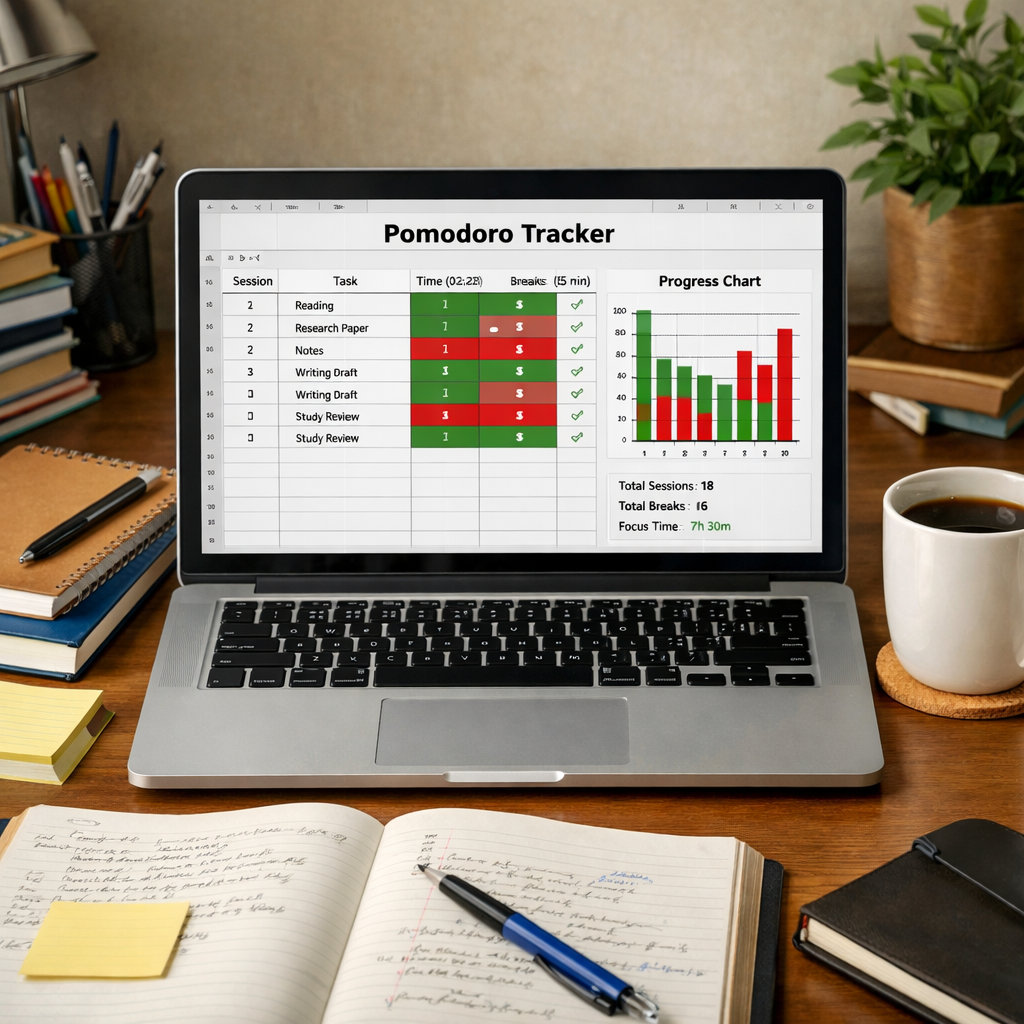
- Tracking your Pomodoro sessions can provide valuable data to understand your peak productivity times and refine your approach for sustained focus.
1. Tomato-Shaped Kitchen Timer
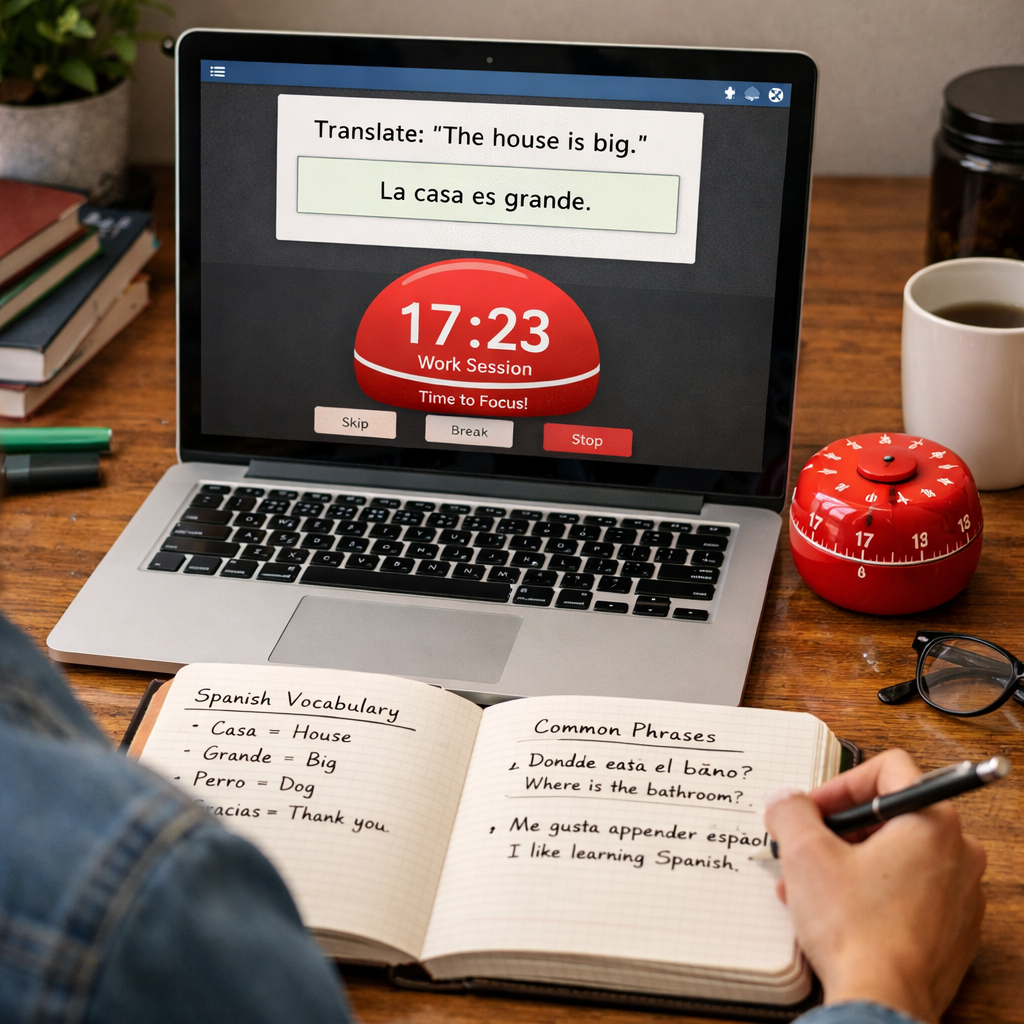
So, the whole Pomodoro thing? It actually started with a kitchen timer. Not some fancy app or a complex piece of software, but a simple, tomato-shaped timer. Francesco Cirillo, the guy who came up with this whole system back in the late 80s, was a student. He was trying to study, and you know how it is – distractions everywhere. He found that working in short bursts, like 25 minutes, and then taking a quick break was way better than trying to force himself to focus for hours. That 25-minute chunk was his sweet spot. He named the technique "Pomodoro" because, well, that’s Italian for tomato. It’s a reminder that this whole productivity hack is built on something super basic and accessible.
Think about it: a physical timer. It’s tangible. You set it, you hear it tick (or buzz), and when it goes off, you stop. No hitting snooze on a digital notification, no accidentally closing the timer app. It’s a clear signal. This simple tool helps train your brain to focus for a set period and then to truly rest during the break. It’s not about the timer itself, but what it represents: a commitment to focused work and a promise of a break.
Here’s a quick look at how the basic cycle works:
- Choose a Task: Pick just one thing to work on.
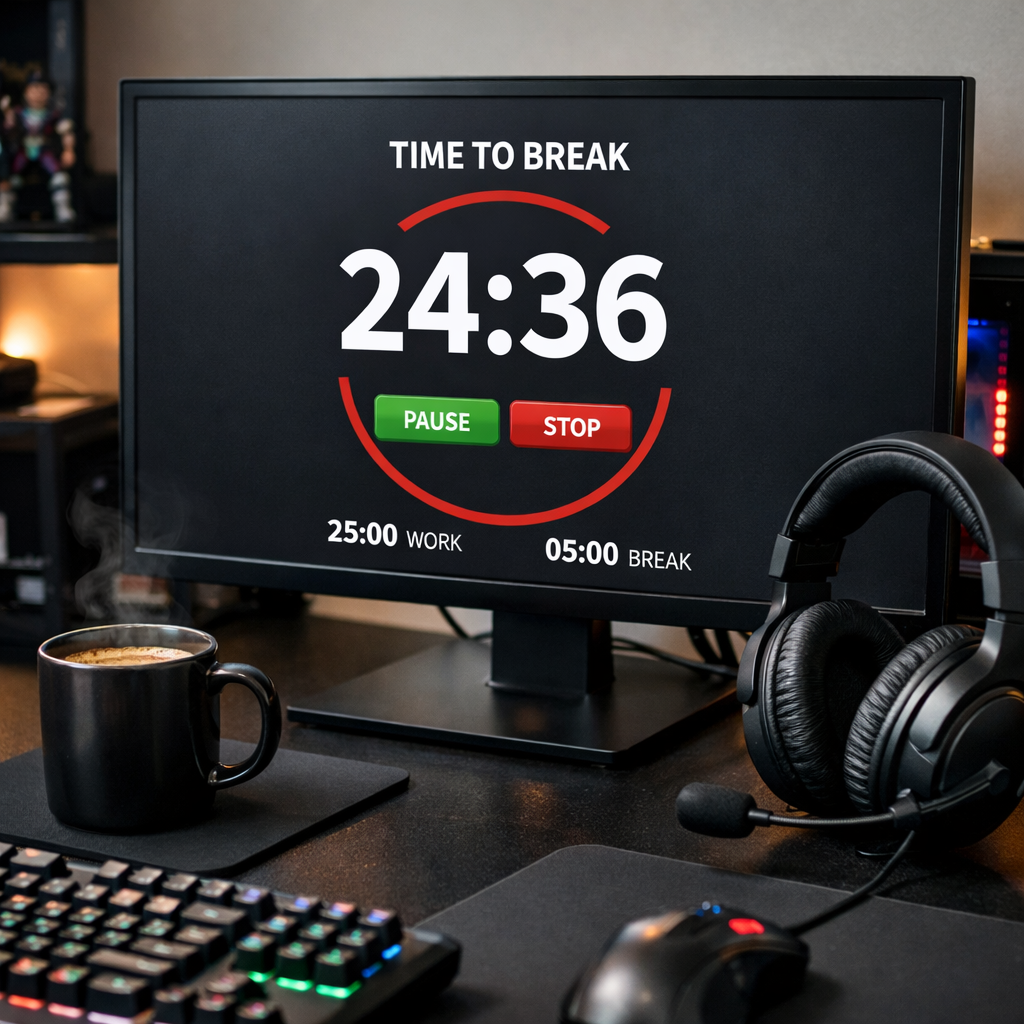
- Set the Timer: Aim for 25 minutes of focused work.
- Work: Give that task your full attention until the timer rings.
- Short Break: Take a 5-minute break when the timer goes off.
- Repeat: After four work sessions, take a longer break.
The beauty of the tomato timer is its simplicity. It forces you to be present with your work and your breaks, cutting out the mental clutter of deciding what to do next or when to stop. It’s a physical anchor in a digital world.
2. Francesco Cirillo
So, who came up with this whole tomato timer thing anyway? It turns out it was a university student named Francesco Cirillo back in the late 1980s. He was trying to get his studying done, and honestly, he was probably struggling just like a lot of us do. He found that trying to cram for hours just wasn’t cutting it. Instead, he discovered that working in short, focused bursts was way more effective.
He landed on 25 minutes as the sweet spot – long enough to get into a task but short enough to avoid totally burning out. And the name? "Pomodoro" is Italian for tomato. Why? Because his first timer was, you guessed it, a tomato-shaped kitchen timer. Pretty neat how a simple kitchen gadget sparked a productivity method used by millions today.
Cirillo’s core idea was pretty straightforward:
- Work in focused intervals.
- Take short, regular breaks.
- Use a timer to keep yourself honest.
This method isn’t about working harder; it’s about working smarter by respecting your brain’s natural limits and rhythms. It’s a way to fight back against constant distractions and actually get meaningful work done.
3. 25-Minute Work Sprint
Alright, so you’ve got your task picked out and your distractions mostly handled. Now comes the core of the technique: the 25-minute work sprint. This isn’t just about setting a timer and hoping for the best; it’s about creating a dedicated, protected window for deep concentration. Think of it as a mini-marathon for your brain, where the only goal is to push forward on that single task until the timer calls you to a halt.
When that timer starts, your entire focus needs to lock onto that one item. It’s totally normal for your mind to wander or for that little voice to whisper about checking emails or social media. The trick is to just notice that thought, acknowledge it without judgment, and gently guide your attention back to what you’re supposed to be doing. The timer acts as your anchor, a commitment you’ve made to yourself for this short burst of effort. Respecting the timer, even when you feel like you’re just about to finish something, is key to building real discipline.
Here’s a quick rundown of how to make the most of these sprints:
- Choose One Task: Seriously, just one. Trying to juggle multiple things will defeat the purpose.
- Set the Timer: For 25 minutes. No more, no less for this initial sprint.
- Work Undivided: Give it your absolute best focus. If you finish early, use the remaining time for related prep or review, rather than stopping completely.
- Stop When It Rings: This is non-negotiable. Even if you’re mid-sentence, stop. This trains your brain to work within the defined boundaries.
This structured approach helps combat procrastination because the idea of working for just 25 minutes feels much more manageable than facing a huge project. It’s a practical way to get started and build momentum. You can learn more about the science behind these focused intervals at kimai.org.
The 25-minute sprint is designed to align with our brain’s natural capacity for sustained attention. By working in these focused bursts, we train our minds to concentrate more effectively and resist the constant pull of distractions, ultimately leading to higher quality output.
4. 5-Minute Short Break
Alright, the timer just went off. Stop what you’re doing. Seriously, right now. It’s tempting to just finish that one last sentence or that tiny bit of code, but the whole point of the timer is to teach you to stop when it says stop. That’s where the discipline comes in.
Now, set your timer for five minutes. This isn’t a break to check emails or scroll through social media. That’s just more work, disguised. This short break is for your brain to actually, you know, rest. Get up, walk around a bit, grab some water, or just stare out the window. This little mental pause is what keeps you from burning out and makes the next work sprint feel manageable.
Here’s what you should aim for during these five minutes:
- Get away from your screen.
- Move your body, even just a little stretch.
- Hydrate – grab a drink of water.
- Do something completely unrelated to your task.
This brief period of disengagement is surprisingly effective. It allows your mind to reset, making it easier to jump back into your task with fresh eyes and renewed concentration when the next work interval begins. It’s a quick recharge, not a deep dive.
After these five minutes are up, it’s time to get back to it. You’ll do this short break after every 25-minute work sprint, except after the fourth sprint, when you’ll take a longer break.
5. 15-30 Minute Long Break
After you’ve powered through four work sprints, it’s time for a more substantial break. This isn’t just a quick breather; it’s a dedicated period to truly disconnect and recharge your mental batteries. Think of it as a pit stop for your brain, allowing it to recover fully before the next set of focused work sessions. This longer break is key to preventing burnout and maintaining peak performance over extended periods.
What should you do during this time? The goal is to step away from your work entirely. Avoid anything that feels like more mental effort. Here are some ideas:
- Get some physical activity: Go for a short walk, do some stretching, or even a few jumping jacks. Moving your body can really help clear your head.
- Engage in a hobby: Spend a few minutes reading a non-work-related book, listening to music, or doing a quick puzzle.
- Connect with someone: Have a brief, casual chat with a colleague or family member. Just keep it light and non-work-related.
- Step outside: If possible, get some fresh air and sunlight. It can do wonders for your mood and energy levels.
This extended pause is where the real recovery happens. It’s not about cramming in more tasks or checking emails; it’s about giving your mind the space it needs to reset. Skipping this crucial step is like trying to run a marathon without ever stopping for water – you’ll eventually hit a wall.
While the classic Pomodoro suggests 15-30 minutes, feel free to adjust based on how you’re feeling. Some days you might need the full 30 minutes, while other days a solid 15 might be enough. The important thing is to truly step away and let your mind wander a bit. This allows for creative thinking and problem-solving to bubble up naturally, something that rarely happens when you’re staring at a screen. You can find more on the science behind this at kimai.org.
6. To-Do List

Before you even start your first Pomodoro sprint, you need to know what you’re actually going to work on. This is where your to-do list comes in. Think of it as your mission control for the day.
The trick is to break down big, scary projects into tiny, bite-sized tasks. Instead of writing "Write report," aim for something like "Outline report introduction" or "Find three supporting statistics." This makes each task feel achievable within a 25-minute window.
Here’s a simple way to set up your list:
- Morning Prep: Before your first work session, spend 5-10 minutes jotting down everything you want to accomplish. Be realistic.
- Prioritize: Look at your list and decide what’s most important. Maybe use a simple A, B, C system, or just number them in order.
- Task Selection: For each Pomodoro, pick just ONE task from your list. Don’t try to cram multiple small things into one sprint unless they are super quick.
If a task feels too big, it probably is. Break it down further. The goal is to have a clear, actionable item for every single 25-minute work block. This prevents that "what do I do now?" paralysis when your timer starts.
Once you pick a task, commit to it for the full 25 minutes. If you finish early, don’t just stop. Use the extra time to refine what you just did, prep the very next step, or tidy up your workspace. This keeps the momentum going and reinforces the focus habit.
7. Focus Bubble
Alright, so you’ve picked your task and you’re ready to actually get some work done. Before you hit that timer, though, you need to build what I like to call a "focus bubble." Think of it as your personal, temporary force field against all the stuff that wants to pull your attention away. It’s not about being anti-social or ignoring the world; it’s about creating a clear space where your brain can actually concentrate on one thing.
So, how do you actually build this bubble? It’s pretty straightforward, really.
- Pick just one task. Seriously, just one. Don’t look at your whole to-do list and feel overwhelmed. Choose something specific that you can realistically make progress on in 25 minutes. Maybe it’s writing the introduction to that report, or debugging a particular piece of code.
- Silence your phone. Don’t just put it on vibrate. Turn it off, put it on airplane mode, or at the very least, turn it face down and shove it in a drawer. Out of sight, out of mind, right?
- Close unnecessary browser tabs. Be honest with yourself. Do you really need that social media feed or that news article open right now? Keep only the tabs that are directly related to the task at hand.
- Pause notifications. This means turning off those little pop-ups from email, Slack, or any other app that likes to chime in. They can wait. You’re in the zone now.
Creating this protected time isn’t about being rigid; it’s about setting up a predictable routine that lets your brain do its best work without constant interruptions. It’s like giving your mind a quiet room to think.
This whole process might sound like a lot, but it’s really just about being proactive. You’re setting yourself up for success before you even start. It’s about making sure that when you commit to that 25-minute sprint, you’re actually able to focus on the task, not on fighting off distractions. The goal is to make your 25 minutes as productive as possible.
8. Phone Silencer
Okay, let’s talk about the biggest culprit for derailing your focus: your phone. It’s like a little black hole of notifications, buzzing and pinging its way into your brain. For the Pomodoro Technique to really work, you’ve got to put that device in its place. This isn’t just about hitting ‘mute’; it’s about creating a digital boundary.
The goal is to make your phone disappear from your immediate mental landscape.
Here’s how to tackle it:
- Turn it Off or Airplane Mode: If you can, just switch it off completely. If you absolutely need it on for emergencies, put it in airplane mode. This cuts off all incoming calls and data, effectively silencing the noise.
- Out of Sight, Out of Mind: Don’t just put it face down on your desk. Move it. Put it in a drawer, in another room, or at least across the room. The physical distance creates a mental distance.
- Resist the Urge: During your work sprints, tell yourself that whatever is on your phone can wait. It’s a tough habit to break, but with practice, you’ll find that most things aren’t as urgent as they seem.
Think of it this way: your phone is a tool, but it shouldn’t be the master of your attention. By actively silencing it, you’re reclaiming control and making space for deep work. There are even apps designed to help you manage your phone usage during focus sessions, like ChickFocus which can help block distracting apps.
The constant pull of notifications trains our brains to expect immediate gratification. Breaking this cycle is key to developing sustained concentration. It requires a conscious effort to disconnect from the digital chatter and reconnect with the task at hand.
9. Browser Tab Closer

Alright, so you’ve picked your task, silenced your phone, and maybe even tidied up your physical desk. But what about that digital clutter? Your web browser can be a major productivity black hole. Think about it: how many tabs do you usually have open? Five? Ten? Twenty? Each one is a little siren song, pulling your attention away from what you’re supposed to be doing.
Closing unnecessary browser tabs is a non-negotiable step before starting a Pomodoro sprint. It’s like clearing the runway before takeoff. You wouldn’t want a bunch of random objects on the runway, right? Your brain is the same way.
Here’s a quick way to handle it:
- Identify the essentials: What tabs are absolutely necessary for the task at hand? If you’re writing a report, maybe you need your research document and a dictionary. If you’re coding, you might need your IDE and the documentation site.
- Be ruthless: Anything else? Close it. That social media tab? Gone. The news article you bookmarked? Gone. That online shopping cart? Definitely gone.
- Bookmark for later: If you stumble upon something interesting or important that you need for a different task, don’t just leave it open. Use a bookmarking tool or a simple note to save it for later. This way, you capture the idea without letting it derail your current focus.
This digital decluttering isn’t just about tidiness; it’s about actively creating a mental space free from the constant temptation of distraction. Each closed tab is a small victory, reinforcing your commitment to the task at hand and making it easier to stay locked in for the full 25 minutes.
10. Notification Pauser
Okay, so you’ve got your timer set, your task is clear, and you’re ready to dive in. But then it happens. BING! A new email pops up. DING! A Slack message arrives. Suddenly, your carefully constructed focus bubble is popped, and you’re back to square one. It takes a surprising amount of time, like 23 minutes on average, to get your brain back on track after a distraction. That’s a huge chunk of your 25-minute sprint gone.
The key is to proactively silence the noise before it even starts.
Think of it like this: you wouldn’t try to have a quiet conversation in the middle of a rock concert, right? Your digital workspace needs a similar kind of quiet.
Here are a few ways to create that silence:
- Turn off non-essential notifications: This is the most basic step. Go into your phone and computer settings and disable alerts for apps that aren’t critical to your current task. Social media, news apps, even some email alerts can wait.
- **Use
Keep Going and Find Your Flow
So, that’s the 90/20 Pomodoro Technique. It’s not some magic bullet, but it’s a really solid way to get more done without feeling totally wiped out. Remember, the key is to play around with the timings and figure out what works best for you. Don’t be afraid to tweak those 90-minute work blocks or 20-minute breaks. The real goal here is to build a system that helps you focus when you need to and rest when you need to, so you can actually get your best work done. Give it a shot, see how it feels, and keep refining it. You’ve got this.
Frequently Asked Questions
What exactly is the Pomodoro Technique?
Imagine working in short bursts, like 25 minutes of super-focused work, followed by a quick 5-minute break. After a few of these work sessions, you take a longer break. It’s a way to break down big tasks into smaller, easier steps and avoid getting tired out.
Why is it called the Pomodoro Technique?
The person who came up with this method, Francesco Cirillo, used a tomato-shaped kitchen timer when he was in college. ‘Pomodoro’ is the Italian word for tomato. So, he named his time-management trick after his timer!
How does this help me focus better?
By working in short, timed sessions, you train your brain to concentrate on just one thing. Knowing a break is coming soon makes it easier to resist distractions. It’s like giving your attention span a workout.
What should I do if someone interrupts me during a work session?
It’s best to have a plan. You can politely say something like, ‘I’m in the middle of a focus session right now. Can I get back to you in about 15 minutes?’ This lets them know you’ll help them soon without completely breaking your concentration.
Can I change the work and break times?
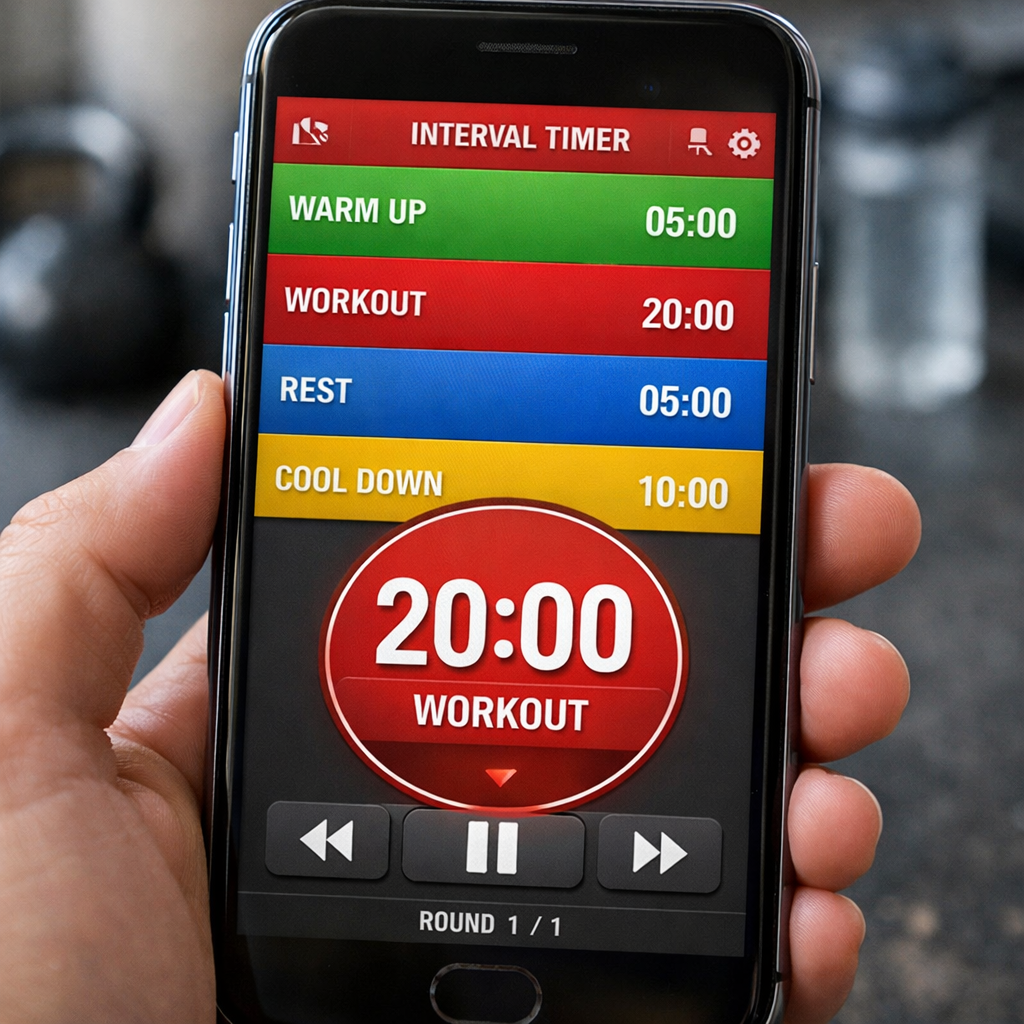
Yes! The classic is 25 minutes of work and 5 minutes of break, but you can adjust it. Some people find longer work periods, like 50 or 90 minutes, work better for them, followed by longer breaks. The key is to find what helps *you* focus the most.
What’s the point of the longer break after a few work sessions?
Those longer breaks, usually 15 to 30 minutes, are super important. They give your brain a real chance to rest and recharge. This helps prevent burnout and makes sure you’re ready to tackle the next set of focused work sessions with energy.