
Meetings can really eat up your day, can’t they? It feels like you’re always jumping from one call to the next, and before you know it, the whole day is gone. But what if there was a way to get some solid work done in between those calls? That’s where focus sessions between meetings come in. We’re talking about carving out time to actually get things done, the important stuff, without constant interruptions. It’s about working smarter, not just harder, and making sure you’re not just busy, but actually productive.
Key Takeaways
- Figure out when you’re naturally most alert and focused, and schedule your most important tasks for those times. Don’t try to do complex work when you’re already tired.
- Try to set up blocks of time where no meetings are allowed. Even a few hours can make a big difference in getting things done.
- Be brave and say no to meetings that aren’t really necessary. Ask yourself if the information can be shared in another way, like an email.
- When you do have meetings, make sure there’s a clear plan (an agenda) for what needs to be discussed and decided. This keeps things moving and respects everyone’s time.
- Talk with your team about when it’s okay to interrupt and when people need quiet time to focus. Setting these expectations helps everyone work better together.
Understanding Your Peak Productivity Windows

Ever feel like you’re just running on fumes by mid-afternoon? You’re not alone. A lot of us struggle to get things done, even with a perfectly planned day, because we’re constantly getting pulled away by notifications or unexpected chats. It’s easy to end up feeling like you haven’t really accomplished anything meaningful, which can make work feel like a drag. That’s where figuring out your "power time" really makes a difference. When you match your most important tasks with the times you naturally feel most focused and energized, you actually get back in control of your day. It means you can do more of the work you actually enjoy, get into a flow state, and get better results in less time.
Identifying Your Natural Energy Cycles
Everyone’s got their own internal clock, right? For some folks, the early morning is prime time – that’s when they feel sharpest and most alert. Others might find their creative juices really start flowing later in the day, or even at night. It really depends on the kind of work you do and just your personal rhythm. The trick is to pay attention to when you feel most awake, clear-headed, and ready to tackle something tricky. You can try tracking your energy levels for a week. Jot down when you feel most on top of your game and when you’re dragging. You might be surprised by what you find.
Here’s a quick way to start observing:
- Morning (e.g., 8 AM – 11 AM): How’s your focus? Are you tackling complex problems or just getting through emails?
- Afternoon (e.g., 1 PM – 4 PM): Does your energy dip? Is this a good time for routine tasks or do you need a break?
- Evening (e.g., 7 PM – 9 PM): Do you get a second wind? Is this when creative ideas strike?
Paying attention to these natural ups and downs helps you stop fighting your body’s natural rhythms and start working with them. It’s about finding those pockets of time where you’re naturally more effective.
Aligning Tasks with Cognitive Peaks
Once you have a handle on when you’re at your best, the next step is to match your tasks to those peak times. Think about what kind of work requires your sharpest thinking. These are usually the tasks that move the needle the most, like strategizing, writing important reports, or solving tough problems. These are the things that often require deep concentration and can leave you feeling really satisfied when they’re done well. Trying to do this kind of demanding work when you’re already tired is just setting yourself up for frustration. Instead, reserve those high-energy windows for your most important, cognitively demanding activities. This is how you can really make progress on what matters most, protecting peak productivity times.
The Importance of Uninterrupted Work Blocks
We all know how easily a day can get fragmented by constant pings and pop-ins. But for truly productive work, especially the kind that requires deep thought, you need blocks of time where you can just focus without interruption. These uninterrupted periods are where you can get into a state of flow, where ideas connect and progress happens. Even short, consistent blocks can make a huge difference. Trying to do complex work in 15-minute bursts between meetings is like trying to build a house one brick at a time while people keep knocking on the door. It’s inefficient and exhausting. Setting aside dedicated, protected time for focused work is key to getting meaningful things done and avoiding that feeling of always being busy but never productive.
Strategic Scheduling for Focused Work

Okay, so we’ve talked about finding your best work times. Now, how do we actually make that happen, especially when your calendar looks like a game of Tetris gone wrong? It’s all about being smart with your schedule. We need to build in those quiet zones where actual work can get done, not just meetings.
Implementing Meeting-Free Zones
This is where you reclaim your day. Think of these as protected blocks of time. You’re not just hoping for a gap; you’re actively creating one. It means looking at your calendar and saying, "Nope, not today" to anything that doesn’t absolutely require your presence. It’s about being intentional with your time, not just reactive.
- Block out specific times for deep work. Treat these like important appointments you can’t miss.
- Communicate these zones to your team. Let them know when you’re unavailable for spontaneous requests.
- Start small. Maybe begin with one or two meeting-free hours a day and build from there.
The goal here isn’t to eliminate meetings entirely, but to make sure the ones you do have are necessary and don’t constantly interrupt your flow state. It’s a delicate balance, for sure.
Evaluating Meeting Necessity and Cadence
Let’s be honest, not every meeting is a winner. We need to get better at asking, "Does this really need to be a meeting?" Sometimes an email or a quick chat is all that’s needed. And if it is a meeting, is it happening too often? Maybe a weekly check-in could become bi-weekly, or a daily stand-up could be a quick Slack message.
- Question the purpose: What’s the desired outcome? Can it be achieved differently?
- Assess attendance: Who really needs to be there?
- Review frequency: Is this meeting still serving its original purpose?
Declining Non-Essential Meeting Invitations
This one can feel tough, especially if you’re worried about seeming uncooperative. But here’s the thing: if a meeting doesn’t align with your priorities or if your presence isn’t strictly required, it’s okay to say no. You can suggest an alternative, like sending notes or having a brief one-on-one later. Protecting your focus time is a professional responsibility, not a personal failing. It’s about making sure you’re spending your energy where it counts the most, which ultimately benefits your overall productivity.
Here’s a quick way to think about it:
| Meeting Type | Necessity Check | Action |
|---|---|---|
| Daily Stand-up | Is it providing new info? | Attend if vital, otherwise delegate or get notes. |
| Project Update | Can this be an email? | Decline if not directly involved, or suggest async update. |
| Brainstorming Session | Is the goal clear? | Attend if you have key input, otherwise offer thoughts beforehand. |
Maximizing Focus Sessions Between Meetings
Okay, so you’ve cleared some space on your calendar. Now what? The real magic happens when you actually use that time wisely. It’s not just about having uninterrupted blocks; it’s about making them count. This is where you tackle the stuff that really moves the needle, the tasks that require your full brainpower and can’t be done while juggling emails or half-listening to a call.
Defining High-Impact Tasks for Deep Work
Think about what truly requires your undivided attention. These aren’t the quick replies or routine checks. These are the projects, the strategy sessions, the complex problem-solving that you dread doing at the end of a long day. Identifying these tasks is the first step. Look at your to-do list and ask yourself: which of these items would I do if I had a guaranteed two-hour block of silence? Those are your deep work candidates.
- Strategic planning and goal setting
- Complex problem-solving or analysis
- Creative work like writing or designing
- Learning new skills or researching a difficult topic
Utilizing Timeboxing Techniques
Once you know what you need to do, you need a plan for how to do it. Timeboxing is your friend here. It’s basically assigning a fixed time period to a specific task. Instead of just saying "work on the report," you say "work on the report for 90 minutes, starting now." This creates a sense of urgency and helps prevent tasks from expanding to fill all available time. It’s like setting a timer for your focus.
Here’s a simple way to start:
- Pick your task: Choose one high-impact item.
- Set your timer: Decide on a realistic block of time (e.g., 45, 60, or 90 minutes).
- Work only on that task: No checking email, no social media, just focus.
- Take a short break: Step away for 5-10 minutes before starting the next block or task.
Minimizing Distractions During Focus Time
This is the tough part, right? Distractions are everywhere. Your phone buzzes, a colleague pops by, or that little notification pops up on your screen. To make your focus sessions work, you have to be ruthless about cutting these out. Turn off notifications, close unnecessary tabs, and let people know you’re unavailable. It might feel a bit awkward at first, but the payoff in productivity is huge.
The goal isn’t to eliminate all interruptions forever, but to create intentional periods where you can consistently do your best thinking and work without constant pings and pop-ups. It’s about reclaiming your attention.
Consider these common distractions and how to tackle them:
- Digital Notifications: Turn off email, chat, and social media alerts. Put your phone on silent or airplane mode.
- Physical Interruptions: Use a sign on your door or desk, wear headphones, or communicate your focus times to your immediate team.
- Mental Wandering: Keep a notepad handy to jot down unrelated thoughts that pop up, so you can address them later without losing your train of thought.
Cultivating a Culture of Focused Work
So, we’ve talked about finding your best work times and how to actually use them. But none of that really sticks if your whole team isn’t on the same page. It’s like trying to have a quiet library when everyone else is shouting. You need some ground rules, some team agreements, to make sure everyone can actually get their heads down.
Setting Team Agreements on Availability
This is where you actually talk to your team. Ask them when they feel most productive, what their workdays look like, and when they absolutely need to be left alone. It’s not about micromanaging; it’s about respecting that everyone works a little differently. You might find that some people are morning larks, while others hit their stride in the afternoon. The goal is to build a shared understanding so you can schedule necessary meetings without wrecking someone’s flow.
Here are a few things to discuss:
- Core Focus Hours: Agree on a block of time each day, or maybe a couple of days a week, where meetings are a big no-no. This is sacred time for deep work.
- Response Times: Set expectations for how quickly people need to respond to messages. Does everything need an instant reply, or can some things wait until the end of the day?
- Meeting Buffer Time: Consider adding 10-15 minute buffers before and after meetings. This gives people time to transition, grab a coffee, or just mentally prepare without rushing.
Building these agreements takes time and open conversation. It’s about creating a system that supports everyone’s ability to do their best work, not just the loudest voices in the room.
Encouraging Mindful Meeting Practices
Once you have those agreements, you need to make sure people are actually following them. This means being a bit more thoughtful about the meetings you do have. Are they really necessary? Who absolutely needs to be there? And, critically, does it have an agenda?
- Question Every Meeting: Before accepting or scheduling, ask yourself: "Could this be an email?" or "Can this wait for our team sync?"
- Strict Agendas: Every meeting should have a clear purpose and a list of topics to cover. If there’s no agenda, it’s okay to push back or suggest rescheduling.
- Right Attendees Only: Keep the guest list tight. Only invite people who are directly involved or have a key contribution to make.
Building Trust to Reduce Meeting FOMO
Sometimes, people attend meetings out of fear of missing out (FOMO) or because they feel like they should be seen as busy. This is where trust comes in. If your team trusts that important information will be shared and that their focused work is valued, they’ll be less likely to jump into every meeting just for the sake of it.
- Transparent Communication: Make sure important decisions and updates are communicated clearly, even to those who weren’t in a specific meeting.
- Focus on Outcomes, Not Presence: Measure success by the quality of work produced, not by how many hours someone spends in meetings.
- Lead by Example: If you’re a leader, demonstrate that you value focused work by protecting your own focus time and declining non-essential meetings.
Tools and Techniques for Enhanced Focus
So, you’ve figured out when your brain works best and you’ve cleared some space between those endless meetings. Now what? It’s time to get serious about actually doing the work. This section is all about the practical stuff – the methods and tools that help you make the most of those precious focus blocks.
Leveraging Productivity Methodologies
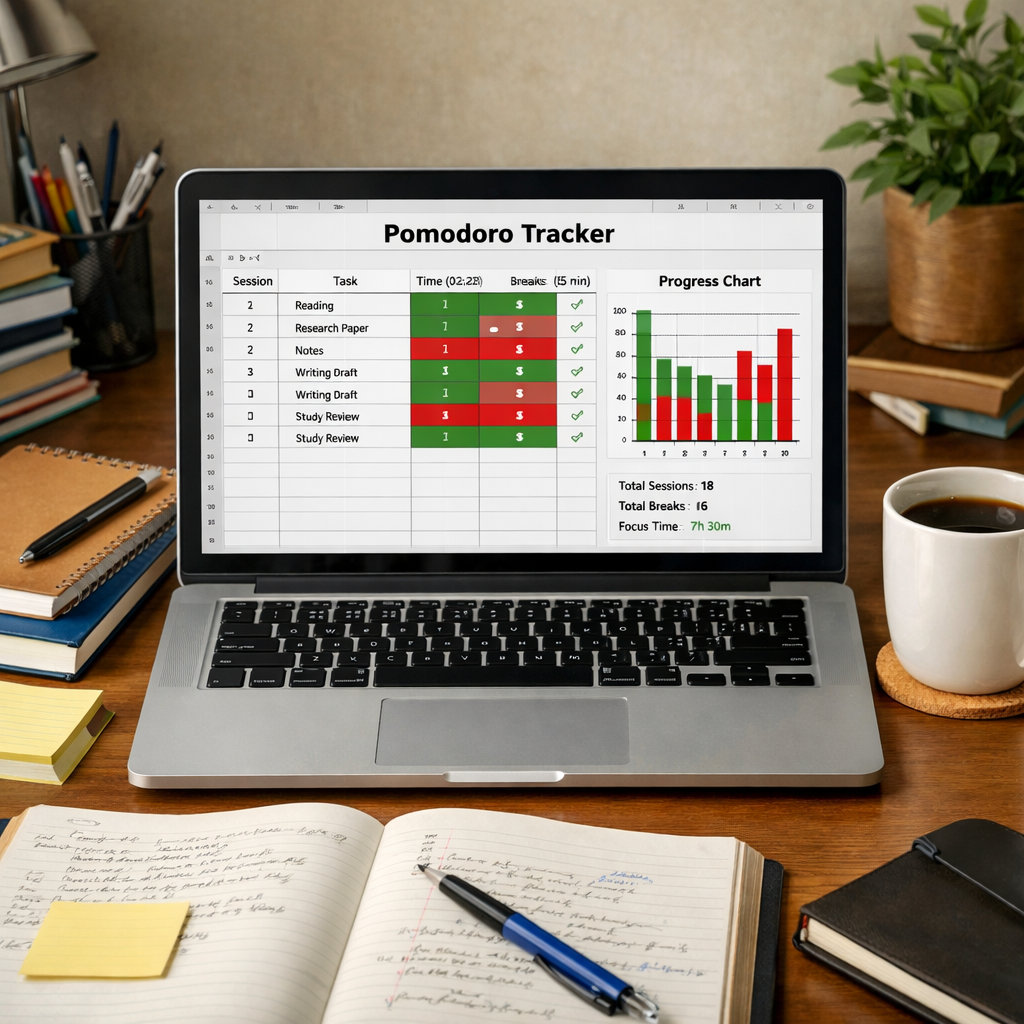
There are a bunch of ways people try to get more done. Some folks swear by the Pomodoro Technique. Basically, you work in short bursts, like 25 minutes, then take a quick break. It sounds simple, but it really helps you zero in on one thing without getting totally fried. It’s like giving your brain little sprints instead of a marathon.
Another popular one is the Eisenhower Matrix. This is where you sort your tasks based on how urgent and important they are. You end up with four boxes: Urgent & Important (do it now), Important & Not Urgent (schedule it), Urgent & Not Important (delegate it if you can), and Not Urgent & Not Important (get rid of it). It’s a good way to stop yourself from getting bogged down in busywork.
Here’s a quick look at how that matrix breaks down:
| Quadrant | Description |
|---|---|
| Urgent & Important | Do it now |
| Important & Not Urgent | Schedule it |
| Urgent & Not Important | Delegate if possible |
| Not Urgent & Not Important | Eliminate or postpone |
Utilizing Calendar Management Tools
Your calendar isn’t just for meetings; it’s your command center for focused work too. Blocking out specific times for deep work is non-negotiable. Think of it like scheduling a doctor’s appointment – you wouldn’t let someone just pop in during that time, right? Use your calendar to reserve those uninterrupted slots. Many tools let you color-code these blocks, making it visually clear when you’re in ‘focus mode’ versus ‘meeting mode’. Some even allow you to set reminders for yourself to transition between tasks or take short breaks, which can be surprisingly helpful.
The Role of Agendas in Meeting Efficiency
Okay, this one might seem a bit counterintuitive since we’re talking about avoiding meetings. But when you do have to attend one, or even schedule one, having a clear agenda makes a huge difference. It tells everyone what you’re there to accomplish and keeps the conversation on track. Without one, meetings can easily drift into unrelated topics, wasting everyone’s time and eating into your focus blocks. A good agenda usually includes:
- The main goal of the meeting.
- Specific topics to be discussed.
- Who is responsible for leading each discussion point.
- Any pre-reading or preparation needed.
- A clear outcome or decision expected.
When meetings are purposeful and well-structured, they become less of a drain and more of a productive exchange. This means less time spent in unproductive discussions and more time available for the actual work that needs doing. It’s about making every minute count, whether you’re in a meeting or trying to get work done between them.
Wrapping Up Your Focus Time
So, we’ve talked about how meetings can really eat up your day. But by being smart about when you actually need to meet and protecting those pockets of time in between, you can get a lot more done. Finding your ‘power time’ and guarding it fiercely is the name of the game. It’s not about avoiding meetings altogether, but about making sure the ones you have are worth it, and that you have solid blocks of uninterrupted time for the work that truly matters. Give these ideas a try, and you might just find your workday feels a whole lot more productive and less chaotic.
Frequently Asked Questions
What is ‘power time’ and why is it important?
Power time is basically your personal ‘super focus’ time during the day. It’s when you feel most awake, clear-headed, and ready to tackle tough tasks. Knowing your power time helps you put your most important work there, so you get more done and feel better about it.
How can I figure out when my power time is?
It’s like being a detective for your own energy! Pay attention to when you feel most focused and creative. Do you get your best ideas in the morning, afternoon, or evening? Try working on different kinds of tasks at different times and see what feels best. Keep track of it for a week or two.
What kind of tasks should I do during my power time?
Save your power time for the ‘big stuff’ – the tasks that really make a difference. Think about things like planning big projects, writing important reports, solving tricky problems, or making big decisions. These are the jobs that need your full attention and are often the most rewarding.
How do I make sure I don’t get interrupted during my power time?
The best way is to block it off on your calendar like a real meeting. Tell your team you’re unavailable during that time. Turn off notifications on your phone and computer. It’s about creating a ‘do not disturb’ zone so you can really get into the work.
What if my job requires a lot of meetings?
It’s tough, but you can still try! See if you can group your meetings together. Ask yourself if every meeting is truly necessary, or if some can be shorter or skipped. Also, try to create ‘meeting-free’ blocks of time, even if it’s just an hour or two, to get some focused work done.
Are there any tools that can help me manage my focus time?
Yes! Many calendar apps let you block out time. There are also apps that help you break work into chunks, like the Pomodoro Technique (working for 25 minutes, then taking a short break). Some tools can even help you plan your day based on your energy levels.