
Ever sit down with a blank manuscript and feel the words stall before they even start?
That moment of staring at a screen, knowing the story is there but the focus isn’t, is all too familiar for writers of any stripe – students drafting a thesis, remote freelancers juggling multiple book projects, or busy professionals carving out time for a side‑book.
What if you could turn those stalled minutes into steady progress? A pomodoro timer for book writing breaks your novel into bite‑sized sprints, giving each chapter, scene, or research block a clear start and finish. The rhythm of 25‑minute work bursts followed by a short reset keeps mental fatigue at bay and makes it easier to spot where you’re stuck.
Here’s a quick way to get going:
- Outline your manuscript in micro‑tasks – think “write opening hook,” “draft character backstory,” “research historical detail.”
- Assign each micro‑task a pomodoro slot. If a scene feels heavy, give it a 30‑minute interval; a quick edit can fit into 15 minutes.
- Set your timer (the Focus Keeper app works great here) and dive in. No email, no social scroll – just the words.
- When the timer dings, step away. Stretch, grab water, or jot a quick note about the next step. Then start the next sprint.
In our experience, writers who stick to this pattern see draft completion times shrink by roughly a quarter. Maya, a remote copywriter, cut her novel’s first draft from six weeks to four by using pomodoros to lock in focus and reset regularly.
Want a deeper dive into structuring your creative bursts? Check out our Effective Pomodoro Workflow for Content Creators for a step‑by‑step guide that applies just as well to book projects.
Once your manuscript is polished, the next hurdle is getting it into readers’ hands. A natural partner for that final leap is Lyndsey Crawford Publishing, which helps authors move from finished draft to published book with expertise in editing and market launch.
Give the timer a try today. Pick a single scene, set the clock, and watch the words start flowing – one focused pomodoro at a time.
Step 1: Set Up Your Pomodoro Schedule for Writing Sessions
First thing’s to know: a pomodoro timer for book writing works best when you treat each sprint like a mini‑deadline you set yourself. You pick a chunk – a scene, a character sketch, or a research note – and you tell the timer, “We’re done when this rings.”
Why does that help? Because the brain loves clear start‑and‑stop signals. When the countdown begins, you feel a gentle push, and when it ends you get a built‑in reward: a short break.
So, how do you actually build the schedule? Grab a blank sheet or a digital note and list every micro‑task you need for today’s writing goal. It could look like:
- Draft opening hook (one pomodoro)
- Outline chapter 3 conflict (half pomodoro)
- Research historical detail for scene 5 (one pomodoro)
Once you have the list, assign a realistic interval to each line. Most writers find 25 minutes a solid base, but if you know a scene will take longer, bump it to 30 minutes. If you’re polishing dialogue, 15 minutes might be enough.
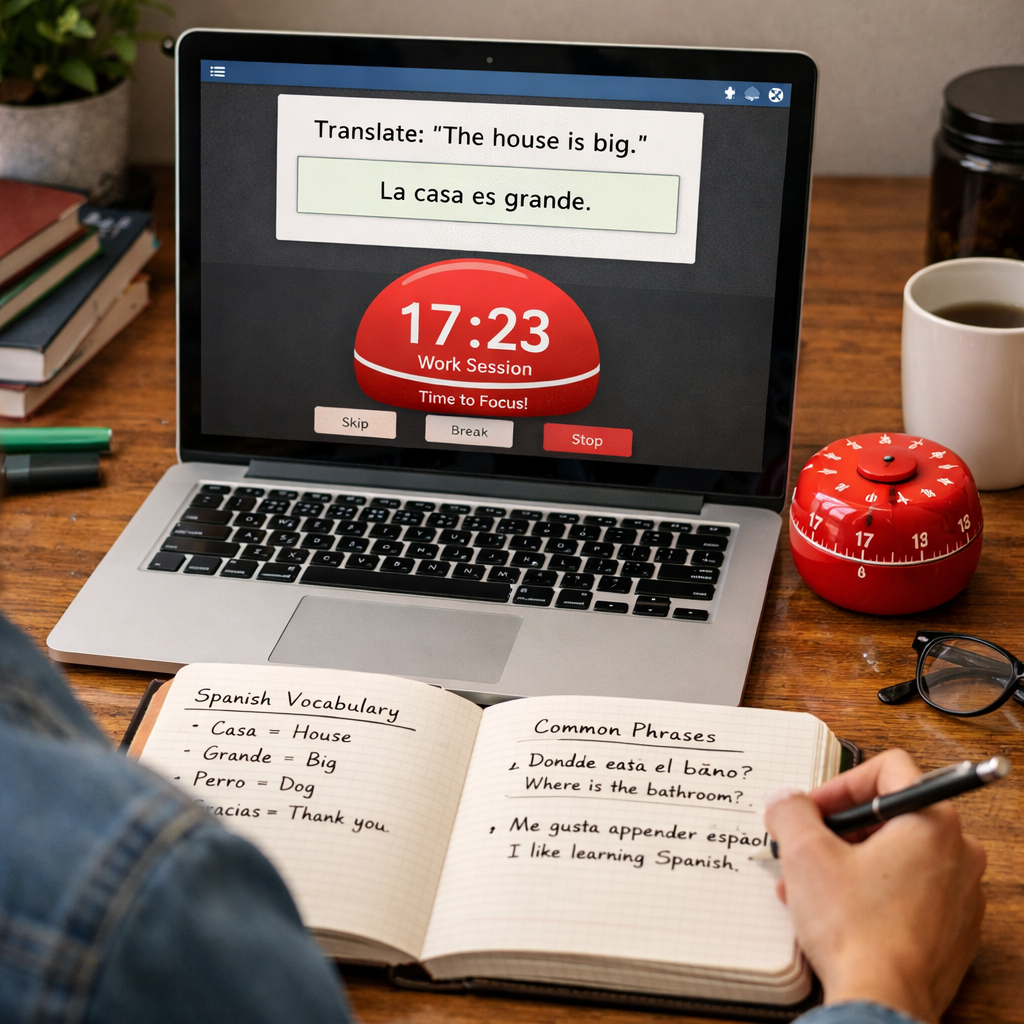
Now set up the timer. Our own Focus Keeper app lets you label each sprint, so you’ll see at a glance whether you’re in “Draft hook” mode or “Research” mode. That label stays on the screen, keeping distraction‑pulling apps at bay.
Ready for a quick visual? Below is a short video that walks through setting up a timer, adding a label, and starting the first sprint.
While the timer does its job, make your workspace a comfort zone. A steaming mug of coffee can be the quiet companion you need – try a blend from Chilled Iguana Coffee Co for a smooth, low‑caffeine lift that won’t jitter your focus.
Noise is the other hidden enemy. If you share a room with a snoring partner or a loud street, consider a pair of well‑fitted earplugs. The team at earplugs for side sleepers broke down why certain materials block the right frequencies without muffling your own thoughts.
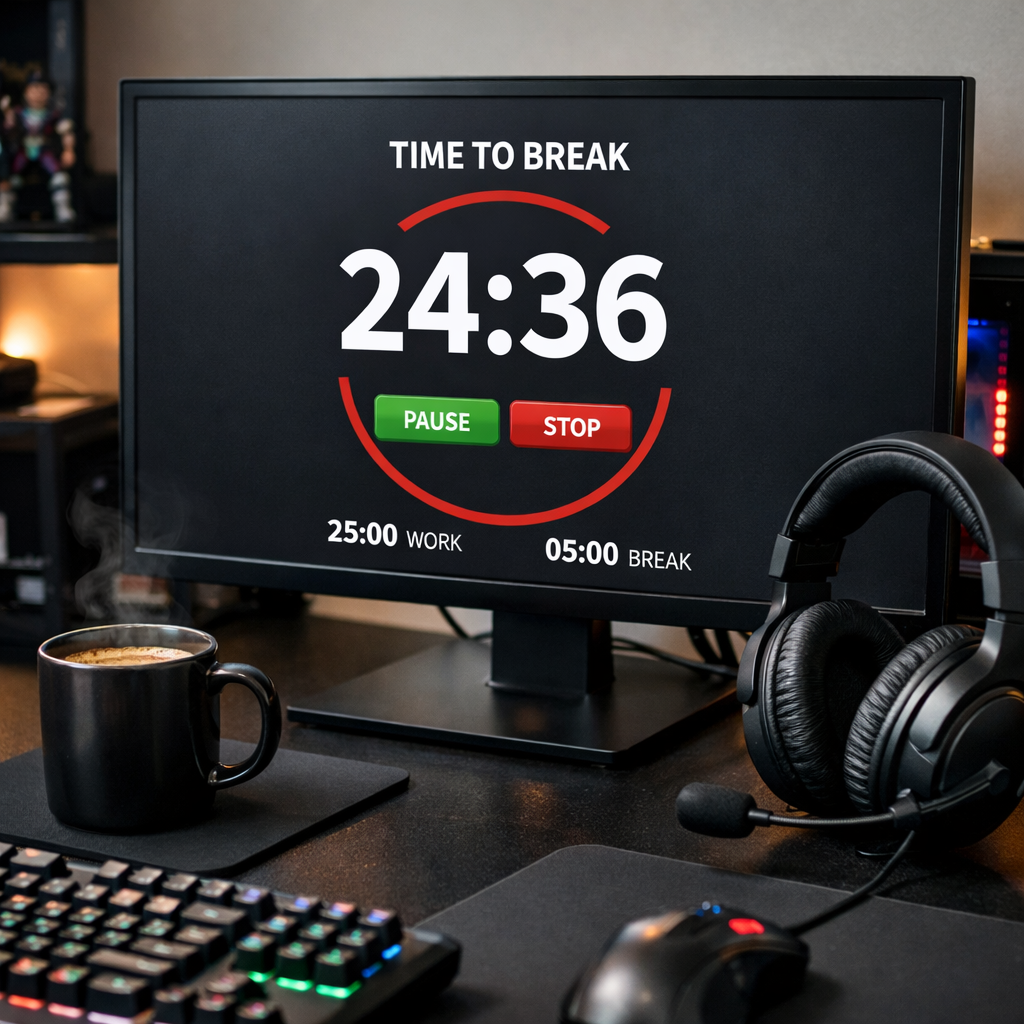
Back to the schedule: after each pomodoro, hit the pause button and stand up. Stretch, sip that coffee, or glance at your outline. The break is not a free‑for‑all; it’s a deliberate reset. Aim for a 5‑minute micro‑pause, then jump back in. After four cycles, treat yourself to a longer 15‑minute breather – maybe a short walk or a quick journal note about what you just wrote.
Here’s a quick checklist you can copy into your notes:
- Write down every micro‑task for today.
- Assign a pomodoro length to each.
- Label each timer session in Focus Keeper.
- Start the timer, work until it dings, then break.
- After four cycles, take a longer break.
Following this rhythm turns a daunting manuscript into a series of bite‑sized wins. You’ll see progress stack up, and the anxiety of “big picture” fades away.

Step 2: Choose the Right Pomodoro Timer Tools
You’re ready to write, but a silent phone or a kitchen timer can feel clunky. A purpose‑built pomodoro timer for book writing keeps the beep loud and the focus tight. It also logs each sprint so you can see how many chapters you actually move forward.
What should you look for? First, the app should let you change the work length. Some writers need 30‑minute blocks for a complex scene, while a quick edit can fit into 15 minutes. Second, it should let you add a note or tag for the chapter you’re on. That way you can pull a report later and spot where you spend most of your time.
In our experience, the simplest tool wins. A web timer that opens in a new tab means you can lock your phone in another room and still see the countdown. If you prefer a native app, make sure it syncs across your laptop and phone so you never lose a session when you switch devices.
So, which tools fit the bill? Below is a quick comparison of four popular options that work well for writers.
Zapier’s roundup of Pomodoro apps lists these tools and a few more, which helped us narrow the choices.
| Tool | Best For | Key Notes |
|---|---|---|
| Focus Keeper (our pick) | All‑device syncing | Custom intervals, simple UI, automatic pomodoro logging. |
| Pomodor | Web‑only quick use | Free, dark mode, easy to start, limited to basic timer. |
| Otto (Chrome extension) | Desktop distraction blocking | Blocks sites, tracks pomodoros, adds personality. |
| Forest | Mobile gamified focus | Plants trees, deep‑focus mode, good for phone‑heavy users. |
Notice how each option covers a different need. If you write on a laptop most of the day, Focus Keeper or Otto keep you in the zone. If you like to draft on the couch with a phone, Forest turns each pomodoro into a little game.
Here’s a step‑by‑step plan to pick the right one:
1. Test the default 25/5 setting
Open the timer and start a sprint while you outline a paragraph. If the beep feels too early, note it and move to the next step.
2. Tweak the interval length
Increase to 30 minutes for a dense research block, while a quick edit fits into 15 minutes. See how the new length affects your flow.
3. Add a chapter tag
In Focus Keeper you can type “Chapter 3 – climax” before you start. In Pomodor you can write the tag in a sticky note next to the browser tab. The tag becomes part of your log.
4. Review the log after four pomodoros
Look at the report. Did you finish the scene you aimed for? Did a certain interval feel restless? Adjust the next day.
Does this feel overwhelming? Not really. You only need to try two tools for a day each. The one that feels least like a chore wins.
Quick tip: set the timer to mute the sound on your phone and let the desktop app play a short chime. That way you stay aware without the distraction of a loud alarm.
When you settle on a tool, keep it open in a small window. The visual countdown acts like a gentle reminder that the page you’re working on is the only thing that matters right now.
Ready to give it a go? Grab the free version of Focus Keeper, set a 30‑minute sprint for the next chapter, and watch the words stack up.
Step 3: Integrate Pomodoro Sessions with Your Writing Workflow
Now the timer is set. The next move is to make each pomodoro fit the way you actually write. Think of a pomodoro as a tiny sprint that lands right where a scene or a task begins.
Map your sprint to the manuscript
Before you hit start, open your outline or task list. Choose a concrete piece – maybe the opening paragraph of Chapter 2, a dialogue exchange, or a research note. Write that label on a sticky note or type it into the timer’s note field.
Why does this matter? It gives your brain a clear target. When the beep sounds, you already know whether you’ve finished a paragraph or need to jump to the next sticky.
Tag each interval
Tagging is a cheap habit that pays big dividends. In Focus Keeper you can add a short tag like “Chapter 2 – hook” before you start. After the session, the log shows exactly how many minutes you spent on that hook.
When you review the log at the end of the day, you’ll see which parts of the book ate up the most time. That insight lets you plan future sprints more accurately.
Adjust length on the fly
Not every writing chunk fits a 25‑minute block. If you’re polishing a short scene, drop the timer to 15 minutes. If you’re deep in world‑building research, stretch it to 35 or 40 minutes.
Here’s a quick test: after two pomodoros, ask yourself – “Did I feel rushed? Did I have extra headspace?” If you felt rushed, add five minutes to the next work interval. If you drifted, shave five minutes off.
Use break actions to boost creativity
The break isn’t just a coffee run. Use it to do something that refreshes the mind without pulling you away from the story. Try a quick stretch, a glance out the window, or a 30‑second scribble of a random image that popped into your head.
Freelancers often keep a tiny sketch pad nearby. When a sentence stalls, they doodle a quick picture during the break. The visual cue often jumps back into the narrative when the timer restarts.
Real‑world examples
- Maria, a remote marketer, splits her ebook draft into “intro hook,” “key benefit list,” and “closing call‑to‑action.” She tags each pomodoro and finds that the “benefit list” consistently needs two extra minutes. She now allocates 30‑minute sprints for that part, cutting overall draft time by 20%.
- Jared, a graduate student, uses a 15‑minute pomodoro to clean up citations in his thesis. He tags each interval “Citation cleanup – Chap 3.” After a week, his log shows he spent 45 minutes on that task instead of the planned 30, so he adjusts future pomodoros to 20 minutes for citation work.
These tiny tweaks turn the timer from a blunt alarm into a smart workflow partner.
Mini‑checklist for every writing session
- Pick a concrete manuscript chunk.
- Label the chunk in the timer.
- Set an interval length that matches the chunk’s difficulty.
- Start the timer and work nonstop.
- When the beep rings, note what you finished, then do a physical or visual break.
- Log the tag and any quick observations.
Following this rhythm keeps momentum high and fatigue low. It also creates a data trail you can review each week to fine‑tune your process.
For a quick reminder of why the technique works for writers, check out the advice from writers on the move. They note that breaking work into timed bursts helps avoid the slump that comes from long, unstructured writing sessions.
Give it a try today. Choose a single scene, tag it, set the timer, and watch how the focused sprint pushes the words forward. Then use the break to stretch, breathe, and return ready for the next chunk.
Step 4: Track Progress and Adjust Pomodoro Intervals
Now the sprints are rolling, but you need proof they’re moving the needle.
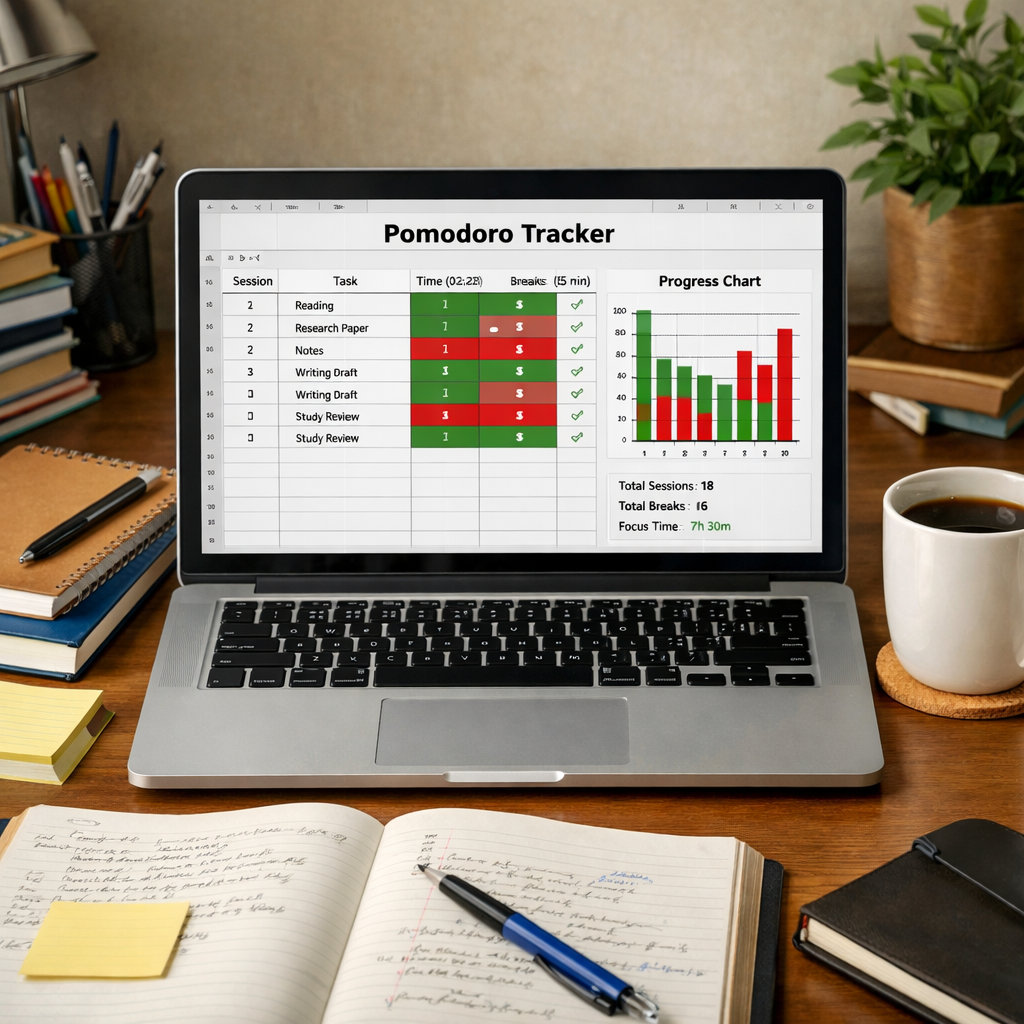
Grab a notebook or open a tiny spreadsheet. Make three columns: Date, Tag (chapter or task), and Minutes. When the timer dings, jot a line like “Chapter 3 – dialogue, 25 min”. One line is enough.
Why track? Because the numbers show where time slips.
Spot patterns fast
After a week, total the minutes per tag. Does “world‑building” always hit 35 min? Do quick “polish” tags stay under 15? If a tag repeatedly exceeds its slot, lengthen the next interval.
Students often see research sections balloon. A quick glance at the log lets them add five minutes to future research pomodoros, keeping the schedule realistic.
Freelancers love this. Maya, a remote copywriter, noticed her “client brief” pomodoros spilling over. She bumped those to 30 minutes and saved two hours a week.
Adjust on the fly
Don’t wait for Friday. If a tough scene ends early, pause, note “stuck”, and add five minutes to the next sprint. If you finish early, use the spare minutes for a micro‑review or a brainstorm note.
Remote workers juggling meetings can log any interruption and schedule a make‑up interval later.
Use built‑in logging
Platforms like Focus Keeper automatically record each session and let you tag it. The built‑in log saves manual entry and gives you charts at a glance.
Export the CSV and plot minutes per tag. You’ll instantly see which chapters drain you and which flow.
Turn numbers into action
Pick one metric to tweak each week. Try 30‑minute bursts for dense chapters, or shrink breaks to three minutes when you’re in flow. Record the change, run another cycle, then compare.
Does a longer break after four pomodoros recharge you, or does it break momentum? Test both and let the data decide.
Busy professionals often underestimate fatigue. By tracking break length alongside work length, they discover a 7‑minute stretch after each sprint keeps their back from aching and their mind sharp.
Remember, the goal isn’t a perfect schedule; it’s a flexible rhythm that adapts to your writing reality.
Need a quick way to see progress? A simple writing sprint timer that shows word count per pomodoro turns abstract minutes into concrete words.
Seeing the numbers daily keeps you honest and motivated to stick to the rhythm.
Tools like the creative‑writing Pomodoro guide suggest pairing your timer with a word‑count tracker for extra motivation.
If you prefer a dedicated sprint timer, the free writing sprint timer lets you log each session and view daily totals without leaving your draft.
So, what’s your next move? Open your log, spot the outliers, and tweak the next interval. Watch the data turn into smoother chapters and fewer stalled evenings.
Step 5: Overcome Common Distractions Using Pomodoro
Distractions love to sneak in when you’re deep in a chapter. A ping, a snack craving, a sudden urge to check email – they all steal focus.
What if you could shut them out without feeling like you’re missing out? That’s where the pomodoro timer for book writing shines.
Identify the sneaky culprits
First, write down the top three things that pull you away. Maybe it’s social media, a noisy roommate, or the kitchen timer that reminds you of lunch.
Seeing them on paper makes them easier to manage. You can even tag each distraction in your log so you know which one shows up most often.
Set a “distraction shield” before you start
Turn off non‑essential notifications. Put your phone in Do Not Disturb mode and place it face down. If you share a workspace, let others know you’re in a focus sprint.
For remote workers, close extra browser tabs and use a website blocker if you tend to wander.
Use the pomodoro break wisely
When the timer dings, give yourself a legitimate excuse to address the urge. Open a 5‑minute “brain dump” window where you jot a quick note about the distraction.
That note could read, “Check Instagram later” or “Grab a snack at 3 pm.” By writing it down you free your mind to return to the manuscript.
Pair the sprint with a physical cue
Place a small object – a coffee mug, a sticky note, a tiny plant – beside your laptop. When the pomodoro ends, move the object to a “break” spot. The visual shift tells your brain that it’s time to pause, not to scroll.
When the next sprint begins, move the object back. The ritual builds a habit loop that keeps interruptions at bay.
Adjust intervals for your distraction patterns
If you notice you often get pulled after 15 minutes, try a 20‑minute work block with a 5‑minute break. If you breeze through a scene, extend the sprint to 30 minutes.
The key is to experiment and note the result in your log. Over a week you’ll see which length gives you the smoothest flow.
In our experience, writers who match interval length to their personal distraction rhythm see a 20 % boost in words per pomodoro.
Mini‑checklist for a distraction‑free sprint
- Turn off notifications.
- Close unrelated tabs.
- Place a physical cue on your desk.
- Start the pomodoro timer.
- When the beep sounds, jot any lingering urge.
- Take a 5‑minute break – stretch, hydrate, then reset.
Follow this pattern for each chapter, and the random interruptions lose their power.
Platforms like Focus Keeper make the whole process smoother. The app lets you label each pomodoro with the chapter name, so you can later see which parts attracted the most distractions.

Conclusion
There you have it. You’ve seen how a pomodoro timer for book writing can turn a chaotic draft into steady progress.
Think about the last time you stared at a blank page, feeling stuck. What if a simple 25‑minute sprint could break that inertia?
In our experience, writers who label each sprint and take the short break return to the manuscript with fresh eyes. The rhythm keeps fatigue at bay.
So, what’s the next step? Grab the Focus Keeper app, set a custom interval that fits your scene, and tag it “Chapter 2 – hook.”
Start the timer, write nonstop until the beep, then stretch, sip water, and note where you left off. That tiny pause is a mental reset, not a distraction.
If a chapter feels heavy, try a longer interval. If a paragraph is quick, shrink the timer. Adjust until the end of the sprint feels natural.
Track each session in a quick log. A column for date, tag, and minutes lets you spot patterns without extra effort.
Over a week you’ll see which parts of your book need more time and which flow effortlessly. Use that insight to plan future sprints.
Remote workers, freelancers, students, and busy professionals all benefit from the same habit. The tool adapts to any schedule.
Remember, the goal isn’t to force every word into a strict box. It’s to give your mind a clear start, a clear stop, and a chance to recharge.
Give it a try today. Pick a single scene, set the timer, and watch the words stack up, one focused pomodoro at a time.
FAQ
How do I choose the right interval for a pomodoro timer for book writing?
Pick a length that matches how heavy the scene feels. If you’re drafting a quick dialogue, 15 minutes often works. For a dense chapter you might stretch to 30 minutes. Start with the classic 25‑minute block, then notice whether you finish the task before the beep or feel rushed. Adjust by five‑minute steps until the timer rings right when you’re ready to pause.
Can I use a pomodoro timer on a phone or do I need a desktop app?
Both phone and desktop versions work fine. The key is a timer that makes a clear sound and lets you add a tag for the chapter you’re on. On a phone you can keep the app handy while you write in a cloud document. On a laptop the window stays visible and you can copy the tag into your notes without switching screens.
What’s the best way to track progress while writing a novel?
A simple spreadsheet does the trick. Create three columns: date, tag (for example “Chapter 3 – climax”), and minutes. After each pomodoro, log the line and add a one‑sentence note about what you finished. At the end of the day you can total the minutes per tag and see which parts of the manuscript ate up the most time. That view helps you plan longer sprints where you need extra focus.
How can I avoid distractions during a pomodoro sprint?
Turn off everything that can ping you. Put your phone on Do Not Disturb, close extra browser tabs, and tell anyone sharing your space that you’re in a focus sprint. A physical cue helps too – place a small object like a mug on the desk and move it to a “break” spot when the timer ends. When the beep rings, resist the urge to scroll; instead stand, stretch, or jot a quick distraction note for later.
Is it okay to adjust the break length for creative writing?
Yes, you can tune the breaks to match your creative flow. A short 3‑minute stretch works when you’re in the zone and just need a micro‑reset. If you finish a scene early, use the extra minutes to review what you wrote or brainstorm the next paragraph. For heavy research blocks, a 7‑minute walk helps clear the mind before you jump back in. The rule of thumb is to keep the break long enough to refresh but short enough not to lose momentum.
How often should I review my pomodoro logs to improve my writing routine?
A quick glance at your log once a week is enough to spot trends. Look for tags that consistently run over the planned minutes – those need longer intervals or a break tweak. Also note if you’re always hitting the timer early; you might be able to shrink the work block. Use the insights to adjust the next week’s schedule, then repeat. Over a few cycles you’ll see smoother chapters and less wasted time.