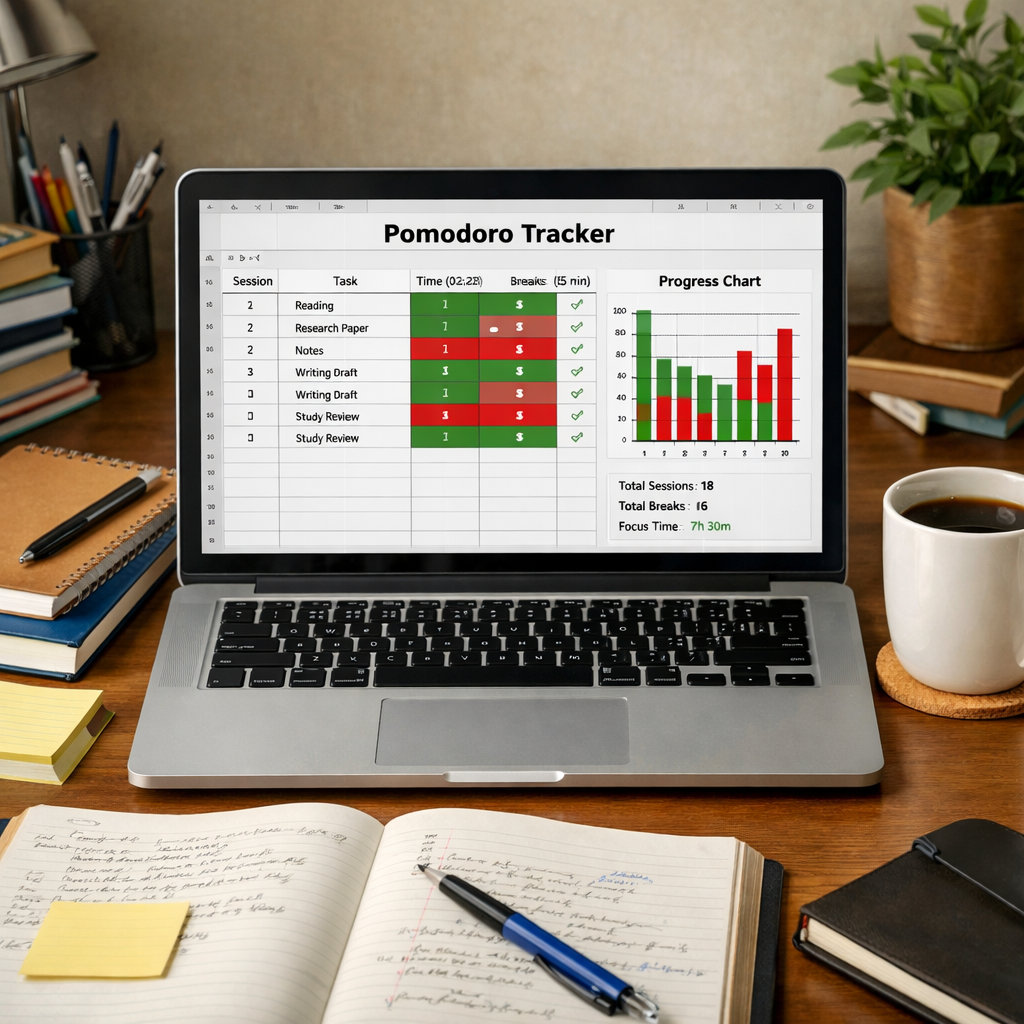

Working from home has its perks, but staying focused can be a real challenge. You know, with all the distractions that pop up. That’s where the Pomodoro Technique comes in handy. It’s a simple way to break up your workday into manageable chunks, helping you get more done without feeling totally drained. This article is all about how to use pomodoro for remote work to your advantage, making your work-from-home days more productive and less stressful.
Key Takeaways
- The Pomodoro Technique breaks work into focused 25-minute intervals with short breaks, ideal for remote work.
- Sticking to these timed work sessions helps minimize distractions and boosts concentration.
- Longer breaks after a few work intervals are important for preventing burnout and maintaining energy.
- Customizing your Pomodoro intervals and breaks can help fit your personal workflow and task types.
- Using timer apps and task managers can make implementing pomodoro for remote work much easier.
Understanding The Pomodoro Technique For Remote Work
What Is The Pomodoro Technique?
So, what exactly is this Pomodoro thing? Basically, it’s a way to manage your time by breaking your workday into small, focused chunks. You set a timer, usually for 25 minutes, and work on one thing without getting sidetracked. When the timer goes off, you take a short break, like 5 minutes. After you’ve done this a few times, you take a longer break. It’s named after the tomato-shaped kitchen timer (pomodoro is Italian for tomato) that its creator, Francesco Cirillo, used back in the late 1980s. It’s a pretty simple idea, but it really works for keeping you on track.
The Core Principles Of Pomodoro
The whole point of Pomodoro is to make time work for you, not against you. It’s not about working non-stop; it’s about working smarter. Here are the main ideas:
- Focused Work Intervals: These are your dedicated work periods, typically 25 minutes long. During this time, you commit to a single task and try to avoid any interruptions. It creates a sense of urgency and helps you get into a flow state.
- Short Breaks: After each work interval, you take a short break, usually 5 minutes. This isn’t for checking emails or scrolling through social media. It’s a real break to step away, stretch, grab a drink, or just rest your eyes.
- Longer Breaks: After completing about four of these work-break cycles, you take a longer break, maybe 15 to 30 minutes. This is your chance to really recharge before diving back into another set of work intervals.
- Task Management: You decide what you’re going to work on during each interval. This helps you stay organized and gives you a clear goal for each 25-minute block.
The Pomodoro Technique transforms time from a source of anxiety into a helpful tool. By structuring your work into manageable bursts, you can tackle tasks more effectively and reduce the feeling of being overwhelmed.
Why Pomodoro Is Ideal For Remote Work
Working from home can be a mixed bag, right? On one hand, you’ve got freedom. On the other, distractions are everywhere – the laundry, the dog, that notification from your phone. This is where Pomodoro really shines for remote workers. It gives you a clear structure that’s missing when you don’t have a traditional office environment. You can create your own focused work zones, even if your ‘office’ is just a corner of your living room. It helps you build a mental separation between work time and personal time, which is super important when your home is also your workplace. Plus, those short breaks are perfect for a quick walk around the block or a stretch, helping you avoid that sedentary slump that can happen when you’re always at your desk.
Implementing Pomodoro For Remote Work Success
So, you’ve heard about the Pomodoro Technique and how it can help you focus, especially when working from home. It’s not some magic bullet, but it’s a pretty straightforward way to get more done without feeling completely drained. The basic idea is to break your workday into chunks, work intensely for a bit, and then take a real break. Let’s get into how you actually do it.
Choosing Your Task And Setting The Timer
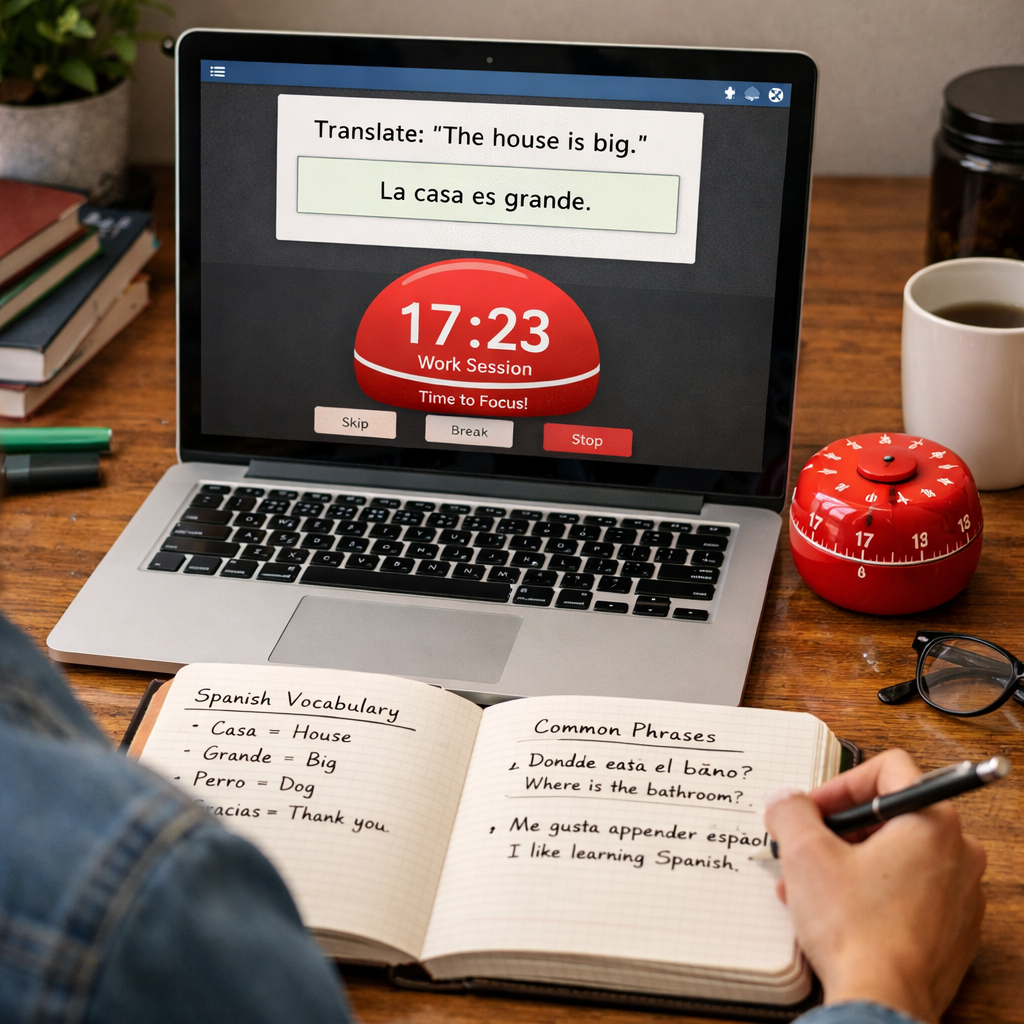
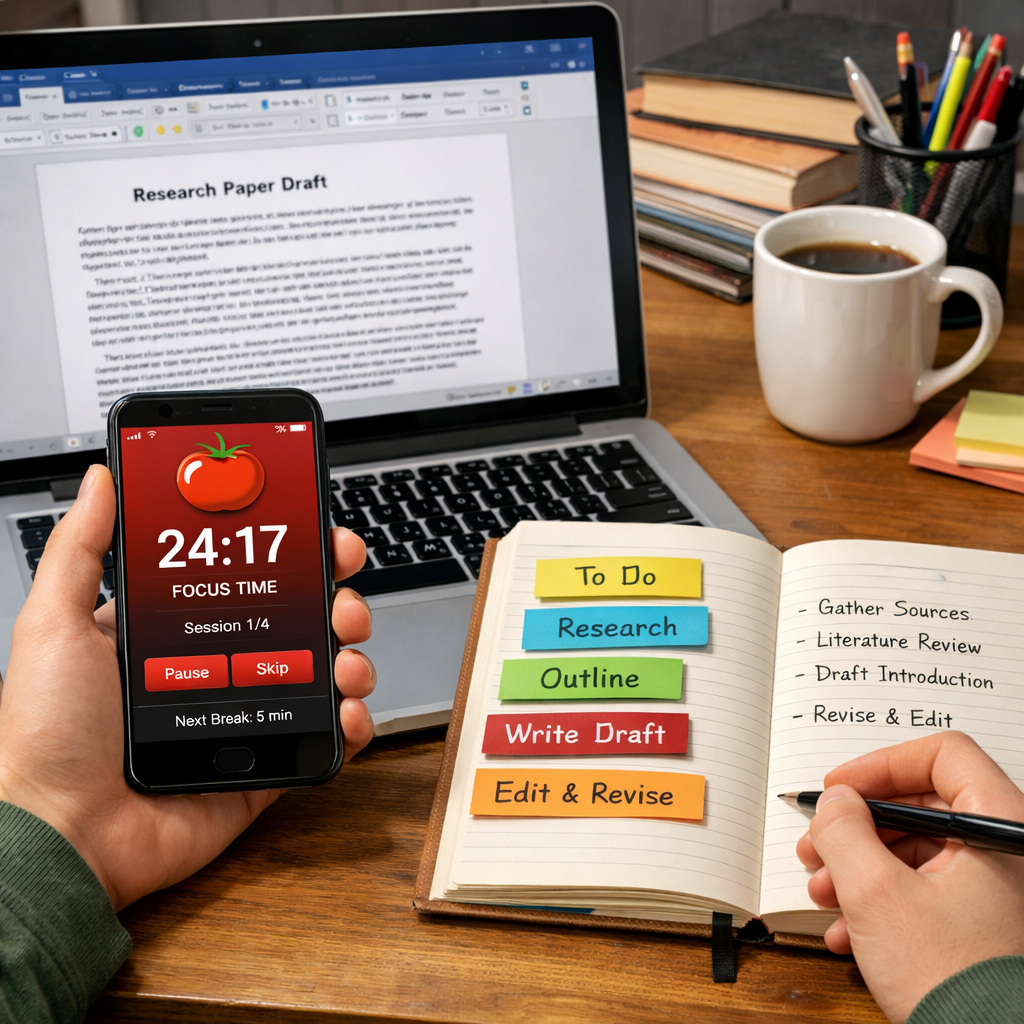
First things first, you need to know what you’re going to work on. Look at your to-do list and pick one specific task. Don’t try to tackle too much at once; that’s a recipe for feeling overwhelmed. Once you’ve got your task, grab a timer – it can be your phone, a kitchen timer, or an app. Set it for 25 minutes. This 25-minute block is called a ‘pomodoro’.
- Pick a single, clear task.
- Set your timer for 25 minutes.
- Commit to working only on that task until the timer goes off.
Navigating Work Intervals And Short Breaks
When that 25-minute timer starts, it’s go-time. Your mission is to focus solely on the task you chose. No checking emails, no scrolling through social media, no quick chats with family members if you can help it. Just work. When the timer rings, stop immediately. Now, take a short break – usually 5 minutes. This isn’t a break to start another task or catch up on messages. Get up, stretch, grab some water, look out the window. These short breaks are just as important as the work intervals.
Here’s a typical cycle:
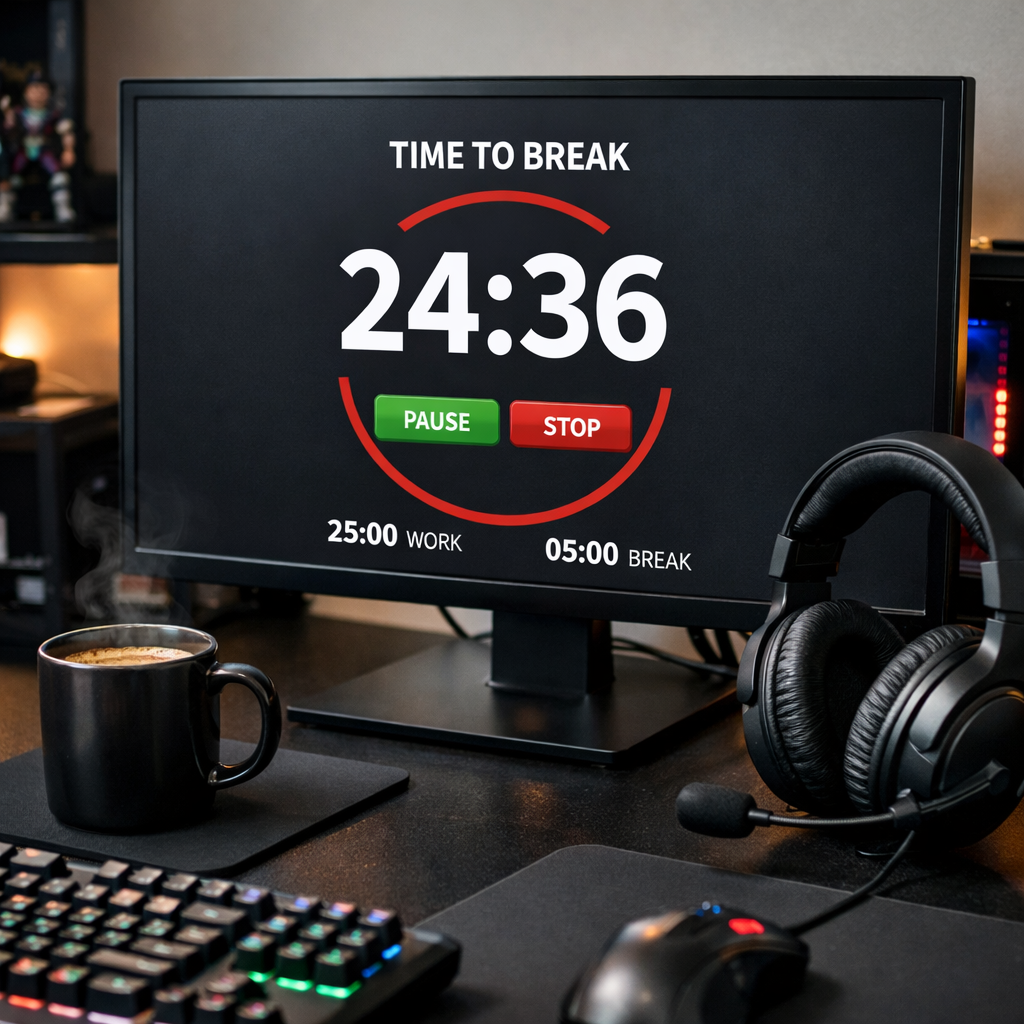
- Work Interval: 25 minutes of focused work.
- Short Break: 5 minutes to step away.
- Repeat: Do this four times.
Leveraging Longer Breaks Effectively
After you’ve completed four of those 25-minute work intervals and their short breaks, it’s time for a longer break. This one should be around 15 to 30 minutes. This is your chance to really disconnect for a bit. You could go for a short walk, have a snack, listen to a song, or do some light chores. The goal is to give your brain a more substantial rest before you dive back into another set of pomodoros. Skipping these longer breaks is a common mistake, and it’s how people end up burning out quickly. Think of it as refueling your mental engine so you can keep going strong.
The structure of Pomodoro helps create a rhythm for your day. It turns a long stretch of work into manageable pieces, making it easier to stay on track and feel a sense of accomplishment as each interval concludes.
Maximizing Pomodoro With Essential Remote Work Practices
So, you’ve got the Pomodoro timer set, and you’re ready to rock those focused work intervals. But just having the timer isn’t the whole story, right? Especially when you’re working from home, distractions are everywhere, and sometimes, it feels like you’re fighting a losing battle. Let’s talk about how to really make those Pomodoro sessions count and how to make sure your breaks actually help you, not just eat up time.
Eliminating Distractions During Focus Sessions
This is where the rubber meets the road. Those 25-minute bursts are precious, and letting them get derailed by a notification or a quick peek at social media is a productivity killer. Think of your focus session like a deep dive into a task – you wouldn’t want someone interrupting you every few minutes, would you? So, what can you actually do?
- Silence the Noise: Turn off notifications on your phone, computer, and any messaging apps. Seriously, all of them. If it’s not an emergency, it can wait 25 minutes.
- Communicate Your Status: Let your household know you’re in a focus block. A simple sign on your door or a quick message in a family chat can work wonders.
- Close Unnecessary Tabs: Before you start, close any browser tabs or applications that aren’t directly related to the task at hand. Less visual clutter means less mental clutter.
- Use Website Blockers: If you find yourself habitually drifting to certain websites, consider using a browser extension that temporarily blocks them during your work intervals.
The goal here isn’t to create a completely sterile environment, which is often impossible at home. It’s about being intentional and proactive in minimizing interruptions so you can get into a flow state.
Intentionally Utilizing Your Break Times
Your breaks are just as important as your work intervals. They’re not just a reward; they’re a necessary part of the process to prevent burnout and keep your mind fresh. Don’t just scroll through your phone or check emails – that’s not really a break for your brain.
Here’s how to make those short breaks count:
- Move Your Body: Get up, stretch, walk around the room, or do a few jumping jacks. Physical activity helps combat the sedentary nature of remote work.
- Hydrate or Snack: Grab a glass of water or a healthy snack. Fueling your body properly supports brain function.
- Step Away from Screens: If possible, look out a window, go outside for a few minutes, or just close your eyes and rest them.
- Quick Mindfulness: A minute or two of deep breathing can really help reset your mental state.
Signaling Your Focus Status To Colleagues
When you’re working remotely, especially in a team setting, it’s easy for work to bleed into everyone’s personal time, or for constant interruptions to kill productivity. Clearly signaling when you’re in a focused Pomodoro session helps manage expectations and reduces unwanted interruptions from colleagues.
- Update Your Status: Use your team’s communication tools (like Slack or Microsoft Teams) to set your status to something like "In a Pomodoro" or "Focusing." Some people even use a tomato emoji 🍅.
- Use a Physical Indicator: If you have a home office door, a small sign can be very effective for household members and even delivery people.
- Establish Team Norms: Discuss with your team how to handle interruptions during focus times. Agreeing on a system, like "only urgent messages get a response during Pomodoros," can create a more respectful and productive environment for everyone.
Customizing Pomodoro For Your Remote Workflow
The standard Pomodoro setup – 25 minutes of work followed by a 5-minute break, with a longer break after four cycles – is a great starting point. But let’s be real, not every task or every person fits neatly into that box. Remote work offers a unique kind of freedom, and your productivity methods should reflect that flexibility. It’s about making Pomodoro work for you, not the other way around.
Experimenting With Interval Durations
That 25-minute timer is just a suggestion. If you find yourself getting into a deep groove and 25 minutes feels too short to finish a thought, or if you’re tackling something that requires less intense focus, you might want to adjust. Some people swear by longer work intervals, like 50 minutes, paired with 10-minute breaks. Others find that shorter, more frequent bursts, maybe 15 minutes, work better for tasks that are easily interrupted or require constant context switching.
Here’s a quick look at how different intervals might suit various work styles:
| Interval Type | Work Duration | Break Duration | Best For |
|---|---|---|---|
| Classic | 25 minutes | 5 minutes | General tasks, getting started |
| Extended | 50 minutes | 10 minutes | Deep work, complex projects |
| Micro | 15 minutes | 3 minutes | Quick tasks, high-interrupt environments |
Don’t be afraid to play around with these. What works for your colleague might not be your cup of tea. Try a few different combinations over a week and see which one leaves you feeling most productive and least drained.
Adapting Pomodoro To Task Complexity
Not all tasks are created equal, right? Writing a complex report is a different beast than answering a few emails. The Pomodoro Technique can be adapted to match the demands of your workload.
- For complex tasks: You might want to dedicate multiple Pomodoros to a single item. For instance, if a task is estimated to take three Pomodoros, you’d block out roughly 75 minutes of focused work, with short breaks in between, and then take your longer break. This helps you maintain focus on a single, involved objective.
- For simple, repetitive tasks: You might find that a single Pomodoro is more than enough. Or, you could group several similar small tasks (like responding to a batch of emails or making a few quick calls) into one Pomodoro session.
- For creative brainstorming: Sometimes, rigid timers can stifle creativity. You might opt for a more fluid approach, perhaps setting a timer for a longer period (like 45 minutes) and allowing yourself to follow your train of thought, taking breaks as needed rather than strictly on schedule.
The key is to view the Pomodoro structure as a flexible framework, not a rigid prison. If a task requires more or less time than a standard interval, adjust accordingly. The goal is sustained focus and effective completion, not just ticking off timer cycles.
Integrating Pomodoro With Other Productivity Methods
Pomodoro doesn’t have to be a standalone solution. It can play nicely with other productivity strategies you might already be using or want to try.
- Time Blocking: Use Pomodoro sessions within your larger time blocks. If you’ve blocked out two hours for a specific project, you can then break that block down into 25-minute Pomodoros with short breaks.
- Getting Things Done (GTD): Use the Pomodoro technique to tackle items on your GTD "Next Actions" list. A single Pomodoro can be perfect for completing one or two small, actionable items.
- Kanban Boards: When you pull a task from your "In Progress" column on a Kanban board, start a Pomodoro session for it. This adds a time-management layer to your visual workflow.
By combining Pomodoro with other methods, you create a more robust and personalized productivity system that fits the unique demands of your remote work life. It’s all about building a workflow that feels natural and effective for you.
Leveraging Tools To Enhance Pomodoro For Remote Work

Okay, so you’ve got the Pomodoro Technique down, but how do you make it even better when you’re working from home? Tools, that’s how. Think of them as your trusty sidekicks in the quest for focused work. Without the right tech, you might find yourself fumbling with your phone’s stopwatch or losing track of your cycles. Let’s look at what can really help.
Essential Timer Applications
Forget using your phone’s basic timer; there are apps made specifically for Pomodoro. These often come with pre-set intervals, allow for customization, and some even track your sessions. You can find simple, no-frills timers that just do the job, or more advanced ones that offer analytics. Some popular choices include Forest, which gamifies focus by growing a virtual tree, or Be Focused, which lets you manage tasks within your Pomodoro cycles.
- Forest: Great for visual motivation. You plant a seed that grows into a tree during your focus session. If you leave the app, your tree dies. It’s surprisingly effective!
- Be Focused: Lets you create task lists and assign Pomodoros to them. You can see how many cycles you’ve completed for each task.
- Focus Keeper: A clean, straightforward timer with customizable intervals and a history log.
Task Management Software Integration
This is where things get really organized. If you’re already using tools like Trello, Asana, or Notion for your projects, you can often integrate your Pomodoro sessions directly. This means you can assign a certain number of Pomodoros to a specific task. When you complete a task, you know exactly how much focused time you put into it. It makes planning your day and estimating future work much more accurate.
| Software | Integration Type | Benefit |
|---|---|---|
| Trello | Browser extensions, Zapier | Assign Pomodoros to cards, track time spent |
| Asana | Zapier, third-party apps | Link tasks to timer sessions, visualize completed work |
| Notion | Built-in features, templates | Create custom dashboards with integrated timers and task lists |
Time Tracking For Pomodoro Analysis
Knowing how you spend your time is half the battle. Time tracking tools, when used with Pomodoro, give you concrete data. You can see how many Pomodoros you complete in a day, which tasks take the most focus time, and where you might be losing efficiency. This isn’t about micromanaging yourself; it’s about understanding your work patterns so you can make smart adjustments. Tools like Toggl Track or Clockify can be set up to log your Pomodoro sessions, giving you reports that are genuinely useful for refining your workflow.
The real power of these tools isn’t just in their features, but in how they help you build awareness. When you see the data, you start to understand your own productivity rhythms better. This insight is gold for anyone working remotely.
By picking the right tools and using them consistently, you can turn the simple Pomodoro Technique into a highly effective system for staying productive and focused, even when your office is just a few steps from your couch.
Building A Sustainable Pomodoro Routine

Establishing Consistent Pomodoro Cycles
Making the Pomodoro Technique a regular part of your workday is key to seeing real benefits. It’s not just about using it for a day or two; it’s about building a rhythm. Think of it like training for a marathon – you don’t just run one long race and expect to be fit. You build up gradually. For Pomodoro, this means trying to stick to your chosen cycle of work intervals and breaks as much as possible, even on days when you don’t feel super motivated. Consistency helps your brain get used to these focused bursts and planned rests, making it easier to get into the flow each day.
Preventing Burnout With Structured Rest
One of the biggest traps when working remotely is the tendency to just keep going, thinking breaks are for people who aren’t busy enough. But honestly, that’s a fast track to feeling completely drained. The Pomodoro Technique builds in breaks for a reason. These aren’t just little pauses; they’re structured opportunities to step away and actually recharge. Use your short breaks to stand up, stretch, grab some water, or just look out the window. The longer breaks are even more important – maybe take a short walk, listen to a song, or do something completely unrelated to work. This intentional rest prevents that creeping exhaustion that can make even simple tasks feel impossible.
The goal isn’t to work more hours, but to work better during the hours you’re on the clock. Structured breaks are not a sign of slacking; they are a strategic tool for maintaining mental sharpness and preventing the mental fog that leads to mistakes and reduced output.
Reviewing And Adjusting Your Pomodoro Strategy
While consistency is important, so is flexibility. What works perfectly for one person, or even for you on a Monday, might not be the best fit for a different task or a different day. Don’t be afraid to tweak things. Maybe you find that 25 minutes is just a bit too short for certain deep-dive tasks, and 40 minutes feels better. Or perhaps you need slightly longer breaks than the standard 5 minutes. Keep a simple log for a week or two. Note down what intervals you used, how you felt during and after, and if you completed your tasks. This kind of reflection helps you fine-tune the Pomodoro Technique to fit your unique workflow and energy levels, making it a tool that truly serves you, rather than a rigid rule you have to follow.
Wrapping Up Your Remote Work Productivity
So, we’ve talked about a few ways to get more done when you’re working from home. The Pomodoro Technique, with its timed work sessions and short breaks, is a solid way to keep your focus sharp and avoid feeling totally drained. It’s not some magic bullet, but it’s a simple tool that can make a real difference. Remember, finding what works best for you might take a little trial and error. Don’t be afraid to tweak the timings or try out different productivity apps. The main thing is to build a routine that helps you stay on track and actually enjoy your workdays, instead of just getting through them. Give it a shot, and see how much more you can accomplish.
Frequently Asked Questions
What exactly is the Pomodoro Technique?
Think of it like this: you work super hard on one thing for a short time, then take a quick break. It’s like sprinting for a bit and then walking to catch your breath. You do this in cycles to stay focused and not get too tired.
Why is this technique good for working from home?
When you work from home, it’s easy to get distracted by chores, pets, or just browsing the internet. The Pomodoro Technique gives you a clear plan to focus on your work and then tells you when it’s okay to take a break, helping you stay on track.
How long should I work and take breaks for?
The most common way is to work for 25 minutes straight, then take a 5-minute break. After you do this four times, you take a longer break, maybe 15 to 30 minutes. But you can totally change these times to fit what works best for you!
What should I do during my breaks?
Your breaks are for resting your brain! Don’t check emails or do more work. Instead, get up, stretch, grab a drink of water, or just look out the window. It helps you come back to your work feeling refreshed.
How can I stop getting distracted when I’m supposed to be focusing?
It’s tough! Try turning off phone notifications, closing extra tabs on your computer, and maybe even letting your family or roommates know you need quiet time. It’s like creating a little bubble for your work.
Can I use apps to help me with the Pomodoro Technique?
Absolutely! There are tons of apps and websites that have built-in timers for the Pomodoro Technique. Some can even help you keep track of your tasks. They make it super easy to get started and stick with it.