
Feeling like you’re always running on empty? It’s easy to get caught up in the demands of studying, and before you know it, you’re staring down the barrel of burnout. This isn’t just about feeling tired; it’s a deeper exhaustion that can really mess with your motivation and overall well-being. But here’s the good news: preventing study burnout is totally doable. It’s all about being smart with how you manage your energy, set up good habits, and take care of your mind. Let’s talk about some practical ways to make sure you can keep succeeding without crashing.
Key Takeaways
- Burnout isn’t just being tired; it’s a state of emotional, mental, and physical depletion. Recognizing the early signs, like constant fatigue or irritability, is the first step in study burnout prevention.
- Managing your energy is more effective than just managing your time. Schedule short breaks and pay attention to your natural energy rhythms to stay focused and avoid exhaustion.
- Setting clear boundaries between study time and personal life is vital. This means knowing when to switch off and protect your downtime to recharge properly.
- Your mindset plays a big role. Try to see challenges as opportunities for growth rather than threats, and cultivate a hopeful outlook for better resilience.
- Don’t go it alone. Building a support network with friends, family, or mentors, and taking care of yourself with consistent, effective self-care practices are key to long-term academic well-being.
Understanding the Nuances of Study Burnout
Most people think study burnout is just feeling super tired after a long cram session. And yeah, exhaustion is definitely part of it, but it’s way more than just being sleepy. It’s like a slow drain on your whole system, not just your energy levels. Think of it as a gradual wearing down, not a sudden crash. It creeps up on you, and before you know it, you’re feeling pretty rough.
Defining Burnout Beyond Simple Exhaustion
It’s easy to confuse burnout with just being overworked. But burnout is a bit more complex. It’s not just about feeling tired; it’s about feeling emotionally drained, detached from your studies, and like you’re not really accomplishing anything, even when you’re putting in the hours. It’s that feeling of being completely depleted, where even small tasks feel like climbing a mountain. You might start feeling cynical about your courses or even question why you’re even studying in the first place. It’s a deep-seated weariness that rest alone doesn’t fix.
Recognizing the Progressive Nature of Burnout
Burnout doesn’t just appear out of nowhere. It’s a process that happens over time. You might start with a "honeymoon phase" where you’re super motivated and willing to put in extra effort. Then, stress starts to creep in, maybe you notice you’re a bit more irritable or your focus isn’t as sharp. If this continues, you can slide into chronic stress, where exhaustion and cynicism become the norm. Eventually, if nothing changes, you hit full-blown burnout. It’s like a slow leak in a tire; you might not notice it at first, but eventually, it’ll leave you stranded.
Identifying Early Warning Signs and Red Flags
Catching burnout early is key. Some common signs to watch out for include:
- Physical: Constant fatigue that doesn’t go away with sleep, frequent headaches, changes in appetite or sleep patterns, or getting sick more often.
- Emotional/Mental: Increased irritability, feeling overwhelmed by everyday tasks, a drop in motivation, trouble concentrating, or feeling detached and cynical about your studies.
- Behavioral: Putting things off more than usual, skipping classes or study sessions, withdrawing from friends, or feeling like you’re working harder but getting less done.
It’s important to remember that these signs aren’t weaknesses. They’re signals your body and mind are sending you, telling you that something needs to change before you reach a breaking point. Ignoring them is like ignoring a check engine light on your car – eventually, something will break down.
Paying attention to these signals can help you make adjustments before burnout takes a serious toll on your academic performance and overall well-being.
Cultivating Resilience Through Energy Management
Look, we all know that feeling. You’re staring at your books, the words are just swimming, and your brain feels like it’s running on fumes. It’s easy to think, ‘I just need to push through,’ but that’s often a fast track to burnout. The real trick isn’t just managing your time better; it’s about managing your energy. Think of yourself like a phone – you can’t keep using it if the battery is dead, right? We need to recharge.
Prioritizing Energy Over Time Management
We’re taught to make to-do lists and schedule every minute. But what if your energy levels are low? That perfectly scheduled hour of studying might just turn into an hour of staring blankly at the page. Instead, try paying attention to when you actually feel most alert and focused. Maybe that’s early morning for some, or late at night for others. Working with your natural energy cycles, rather than against them, makes a huge difference. It’s about working smarter, not just longer.
Implementing Strategic Micro-Recovery Breaks
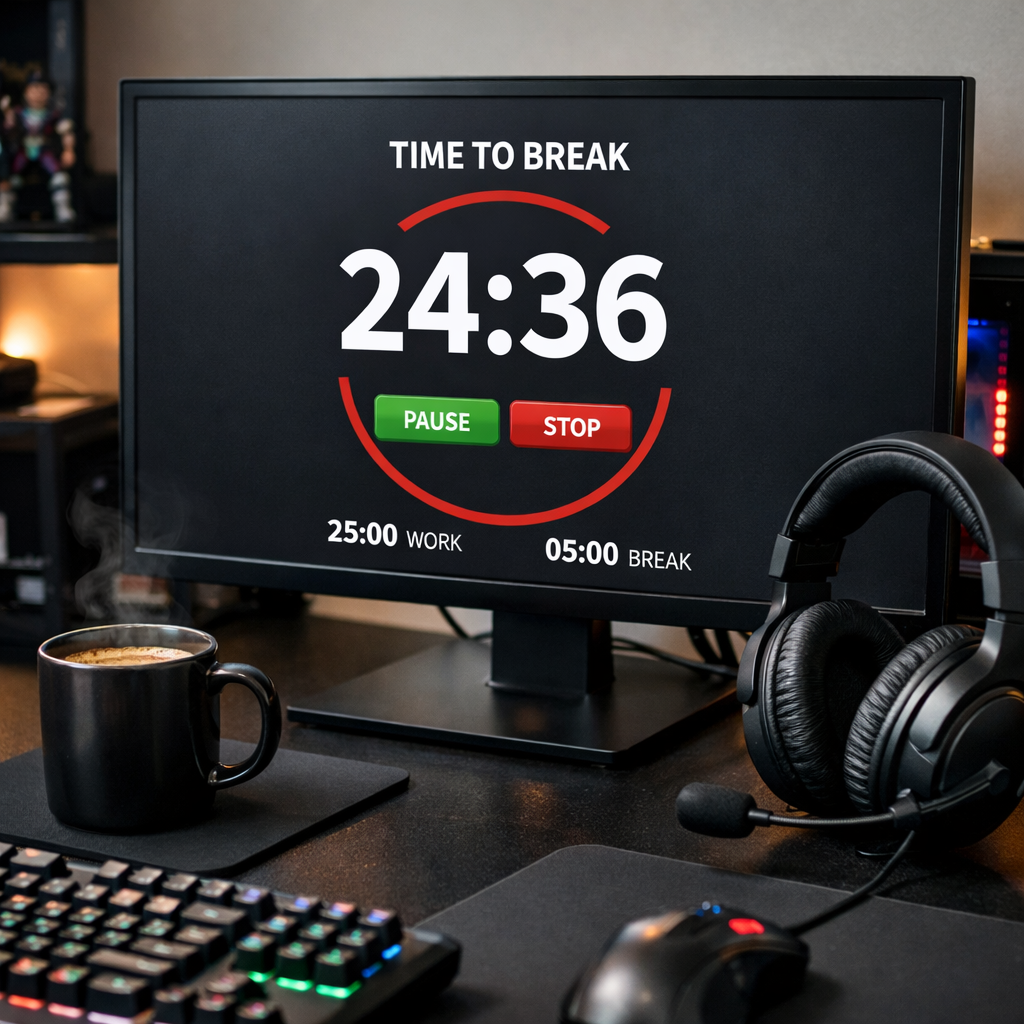
This is a game-changer. You don’t need to take an hour off to feel refreshed. Short, intentional breaks can reset your brain and prevent that creeping exhaustion. Think 5-10 minutes every hour or so. What can you do? Stand up and stretch, walk around the block, do some deep breathing, or just stare out the window for a bit. These little pauses are like hitting the refresh button for your mind. They help lower stress hormones and keep your focus sharp for longer.
Here are some ideas for quick resets:
- Mindful Moment: Close your eyes and focus on your breath for 60 seconds.
- Movement Break: Do 20 jumping jacks or a quick stretch.
- Hydration Station: Get up, walk to the kitchen, and drink a glass of water.
- Sensory Shift: Step outside for a minute, feel the air, listen to the sounds.
Leveraging Ultradian Rhythms for Focus
Our bodies naturally operate on cycles, and one of these is the ultradian rhythm, which is roughly a 90-minute cycle of high and low energy. After about 90 minutes of focused work, our energy naturally dips. Pushing through this dip is where fatigue really sets in. Instead, try working in focused bursts of about 50-90 minutes, followed by a short break (10-20 minutes) to let your brain recover. This approach helps you maintain peak performance without burning out. It’s like riding a wave – you catch the crest of energy, then you rest before the next one comes.
The key here is to listen to your body. If you’re feeling that familiar slump, don’t just power through. Recognize it as a signal that it’s time for a short break. These aren’t signs of weakness; they’re smart strategies for sustained effort. Treating your energy like a valuable resource, rather than an endless supply, is the foundation of preventing burnout and actually achieving your academic goals without sacrificing your well-being.
Establishing Sustainable Study Practices
Okay, so we’ve talked about understanding burnout and managing your energy. Now, let’s get into the nitty-gritty of actually setting up your study habits so they don’t end up backfiring on you. This isn’t about cramming more in; it’s about making sure what you do study sticks, and that you don’t end up feeling like a deflated balloon.
Setting Clear Boundaries for Work-Life Balance
This is a big one. You need to decide when study time is study time, and when it’s not. It sounds simple, but it’s surprisingly hard to do. Think about it like this: if you’re supposed to be relaxing with friends or family, but your brain is still stuck on that tough chapter, you’re not really relaxing, are you? And if you’re supposed to be studying, but you keep checking your phone or thinking about what’s for dinner, you’re not really studying effectively either.
- Define your study ‘hours’. Even if it’s just a few hours a day, try to stick to them. Treat them like a class you can’t miss.
- Create a dedicated study space. It doesn’t have to be fancy, but it should be a place where you only study. This helps your brain switch gears when you sit down.
- Put away distractions. Seriously, turn off notifications, close unnecessary tabs, and let people know you’re in study mode.
- Schedule non-study activities. Make time for hobbies, exercise, or just chilling out. These aren’t optional extras; they’re part of what keeps you going.
It’s easy to fall into the trap of thinking you need to be ‘on’ all the time, especially with so much access to information. But your brain needs downtime to process and recharge. Without it, you’re just spinning your wheels.
Optimizing Workload and Task Prioritization
Feeling overwhelmed is a fast track to burnout. So, let’s talk about making your workload feel more manageable. It’s not about doing less, necessarily, but about doing the right things at the right time.
Here’s a way to think about it:
- List everything out. Get all those assignments, readings, and revision topics out of your head and onto paper (or a digital list). Seeing it all can be scary at first, but it’s the first step to control.
- Figure out what’s most important. What’s due soonest? What carries the most weight for your grade? What topics are you struggling with the most?
- Break big tasks down. A whole research paper is daunting. But ‘find three sources’ or ‘write the introduction’ feels much more doable.
- Be realistic. Don’t overload yourself on any given day. It’s better to do a few things well than to try to do everything and feel like you failed.
Designing Recovery Periods Between Study Sessions
This is where the ‘sustainable’ part really comes in. You can’t just go, go, go. You need planned breaks, not just when you feel like you’re about to collapse, but as a regular part of your routine. Think of these as strategic pauses that actually help you study better when you return.
- Micro-breaks: These are super short, like 5-10 minutes. Get up, stretch, walk around, grab some water. It’s amazing what a quick reset can do.
- Medium breaks: After a longer study block (say, 90 minutes), take a 20-30 minute break. This is enough time to actually step away, maybe listen to a song, or do a quick mindfulness exercise.
- Longer recovery: Make sure you have longer periods, like a full day or even a weekend, where you completely disconnect from studying. This is crucial for preventing that chronic exhaustion.
It’s like training for a marathon; you wouldn’t run 26 miles every single day without rest days, right? Your brain needs that same kind of recovery to perform at its best over the long haul.
The Power of Mindset in Burnout Prevention

Sometimes, it feels like our own thoughts are the biggest roadblock to avoiding burnout. It’s not just about how much we’re doing, but how we’re thinking about it. Changing our perspective can make a huge difference in how we handle stress and keep going.
Reframing Stress as a Performance Enhancer
We often see stress as this big, bad thing that just drains us. But what if we looked at it differently? Think of it less like a threat and more like a signal that something important is happening. When you feel that pressure, it can actually mean you’re engaged and challenged, which is good for growth. It’s like a runner feeling their heart pound before a race – it’s energy, not just anxiety.
- Recognize the physical signs: Notice your heart rate increasing, your breathing quickening. These are signs your body is getting ready.
- Focus on the task: Remind yourself why this is important and what you can achieve.
- See it as a challenge: Frame the situation as an opportunity to show what you can do, rather than something to fear.
Shifting your view of stress from a negative force to a potential motivator can change how you react to demanding situations. It’s about harnessing that energy instead of being overwhelmed by it.
Developing Realistic Expectations and Thinking Patterns
One of the quickest ways to burn out is by setting yourself up for impossible standards. We see others seemingly doing it all, and we think we should too. But everyone has limits, and comparing yourself constantly is a recipe for feeling inadequate. It’s important to be honest about what you can realistically achieve in a given time.
- Break down big goals: Instead of one giant task, create smaller, manageable steps. This makes progress feel more achievable.
- Acknowledge your limits: It’s okay to say no or ask for help. You don’t have to be a superhero.
- Focus on effort, not just outcome: Sometimes, doing your best is enough, even if the result isn’t perfect.
Cultivating Optimism and Hope for Future Success
When you’re feeling overwhelmed, it’s easy to get stuck in a negative loop, thinking things will never get better. But actively choosing to look for the good and believe in your ability to overcome challenges can be a powerful tool. This isn’t about ignoring problems, but about maintaining a belief that you can get through them and that better times are ahead.
- Celebrate small wins: Acknowledge every bit of progress, no matter how minor it seems.
- Practice gratitude: Regularly think about what you’re thankful for, even on tough days.
- Visualize positive outcomes: Imagine yourself successfully completing tasks and feeling good about it.
Your mindset is a powerful tool in preventing burnout; by reframing stress, setting realistic goals, and cultivating a hopeful outlook, you build a stronger internal defense against exhaustion.
Leveraging Support Systems for Study Burnout Prevention

Sometimes, you just can’t do it all alone, right? Trying to power through tough academic periods without leaning on others is a fast track to burnout. It’s like trying to build a house by yourself – possible, maybe, but incredibly slow and likely to end with a shaky structure. Building strong connections and knowing where to find help makes a huge difference in keeping your academic engine running smoothly.
Building Strong Social Connections and Peer Support
Your friends, family, and fellow students are more than just people to hang out with; they’re your first line of defense against feeling completely overwhelmed. Sharing your struggles, even the small ones, can lighten the load. Talking through a difficult concept with a classmate or just venting about a tough assignment to a friend can provide immediate relief and new perspectives. Don’t underestimate the power of a good chat.
- Schedule regular check-ins: Make time each week to connect with friends or family, even if it’s just a quick call or text.
- Form study groups: Working with peers can help you tackle complex material and share the burden of understanding. Plus, you can commiserate together!
- Find a mentor: Someone who’s been through it before can offer invaluable advice and encouragement. This could be a senior student, a teaching assistant, or even a professor you connect with.
Relying on your social network isn’t a sign of weakness; it’s a smart strategy for managing stress and maintaining perspective during challenging academic times. It helps you remember you’re part of a community, not just an isolated individual facing a mountain of work.
Engaging in Non-Academic Mastery Experiences
It sounds counterintuitive, but stepping away from your studies to learn something new or practice a skill outside of academics can actually boost your academic performance. When you achieve something in a different area – maybe you finally learn to play that guitar riff or get better at cooking a new dish – it builds your confidence. This sense of accomplishment spills over, reminding you that you’re capable and competent, which is a great antidote to feeling stuck or inadequate in your studies. It’s about proving to yourself that you can learn and grow, period.
Utilizing Professional and Workplace Resources
Most educational institutions and even many part-time jobs offer resources designed to support students. These aren’t just for people in crisis; they’re for everyone. Think about counseling services, academic advising, or even career development centers. These professionals are trained to help you manage stress, improve your study habits, and plan your future. Don’t hesitate to explore what’s available; it’s often included in your tuition or as part of your employment benefits. For instance, many universities provide access to academic resilience resources that can help you build coping mechanisms.
- Campus counseling services: These offer confidential support for stress, anxiety, and other mental health concerns.
- Academic advisors: They can help you plan your course load, understand degree requirements, and strategize for academic success.
- Student support centers: Look for centers focused on writing, tutoring, or specific subject areas where you might need extra help.
Remember, using these resources is a proactive step towards sustainable success, not a sign of failure. It’s about being smart with your well-being.
Proactive Strategies for Long-Term Academic Well-being
Okay, so we’ve talked a lot about stopping burnout in its tracks, but what about keeping it from showing up in the first place? It’s like preventative maintenance for your brain and your academic life. This isn’t just about surviving the semester; it’s about setting yourself up for success over the long haul, making sure you can keep learning and growing without hitting a wall.
Investing in Continuous Personal Development
Think of your personal development as an ongoing project, not a one-and-done task. It’s about actively seeking out ways to grow, not just academically, but as a person. This could mean picking up a new skill that’s completely unrelated to your studies, like learning a bit of coding or how to play an instrument. It’s also about getting better at managing yourself – your stress, your emotions, how you talk to yourself. A solid growth mindset can really help here, making you see challenges as chances to learn rather than reasons to quit. It’s about building up your internal resources so you’re more resilient when things get tough.
Practicing "Batteries Included" Self-Care
This is where we move beyond just the occasional bubble bath. "Batteries Included" self-care means building routines that keep your energy levels topped up consistently. It’s about recognizing what genuinely recharges you and making time for it regularly, not just when you’re already running on empty. This could look like:
- Consistent Sleep Schedule: Aiming for 7-9 hours of quality sleep most nights. Your brain needs this to consolidate learning and function properly.
- Nutritious Eating Habits: Fueling your body with balanced meals and snacks, rather than relying on quick, processed fixes that can lead to energy crashes.
- Regular Physical Activity: Even a brisk 20-minute walk can make a huge difference in mood and energy levels.
- Mindful Moments: Incorporating short periods of mindfulness or meditation to help calm your nervous system and improve focus.
Adopting a "Recovery First" Mindset
This is a big shift in thinking. Instead of seeing recovery as something you do after you’re exhausted, you start to see it as a necessary part of your productive cycle. It’s about planning for rest and downtime just as seriously as you plan your study sessions. Think of it like this:
You wouldn’t expect a car to run indefinitely without refueling or maintenance. Your mind and body are no different. Prioritizing recovery isn’t a sign of weakness; it’s a smart strategy for sustained performance and well-being.
This means scheduling breaks, planning actual downtime where you disconnect from academic pressures, and recognizing that periods of lower activity are essential for preventing burnout and maintaining creativity. It’s about working smarter, not just harder, and understanding that true productivity comes from a well-rested and resilient mind.
Moving Forward: Making Burnout Prevention a Habit
So, we’ve talked a lot about what burnout is and how to spot it. But the real win here is putting these ideas into practice. It’s not about doing everything perfectly all at once. Pick one or two things that seem doable for you right now, maybe it’s taking short breaks or setting a firm stop time for work. See how it feels. The goal is to build habits that help you keep going strong, not just for a week, but for the long haul. Remember, this is your career, and it’s a marathon, not a quick race. Taking care of yourself along the way means you’ll actually get to the finish line feeling good, and ready for whatever comes next.
Frequently Asked Questions
What exactly is study burnout?
Study burnout is more than just feeling tired. It’s when you feel totally drained, lose interest in your studies, and feel like you’re not doing a good job anymore. It happens when you’re stressed for a long time and don’t have enough ways to cope.
How can I tell if I’m starting to burn out?
Watch out for signs like feeling super tired all the time, getting easily annoyed, having trouble focusing, or not wanting to do schoolwork anymore. Sometimes you might even get sick more often or have trouble sleeping.
What’s the difference between managing time and managing energy?
Managing time is about fitting things into your schedule. Managing energy is about making sure you have the strength and focus to do those things. It’s better to work when you have energy and rest when you don’t, rather than just trying to cram more into your day.
How do short breaks help prevent burnout?
Taking short breaks, like 5-10 minutes every hour or so, helps your brain and body reset. It’s like hitting a refresh button. These little breaks can stop you from getting too tired and help you focus better when you return to your studies.
Why is having a positive mindset important for studying?
Thinking positively helps you see challenges as chances to grow, not as impossible problems. Believing you can handle things and that good things will happen makes you less likely to feel overwhelmed and more likely to keep going when things get tough.
Can friends and family help prevent burnout?
Absolutely! Having people you can talk to and who support you makes a big difference. Sharing your stress with friends or family can make it feel less heavy, and they can offer encouragement or help you see things from a different angle.