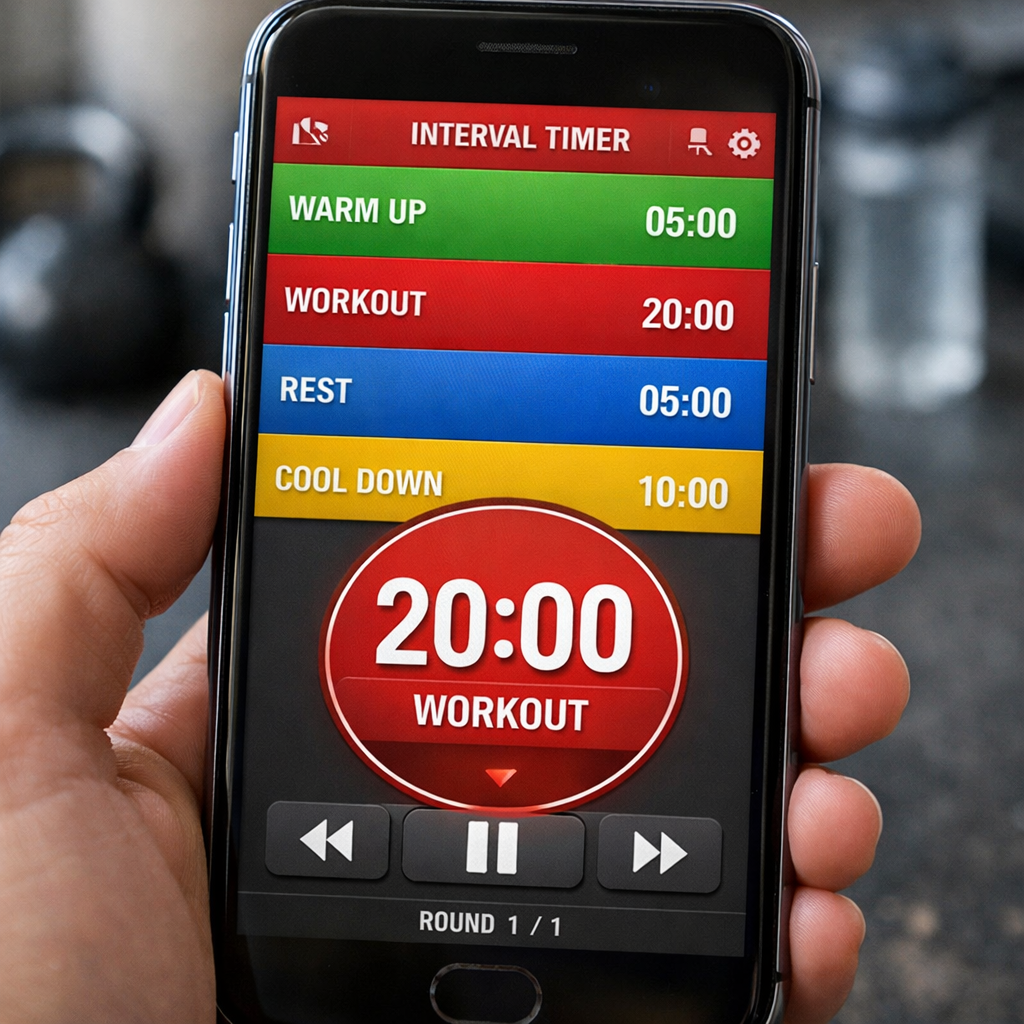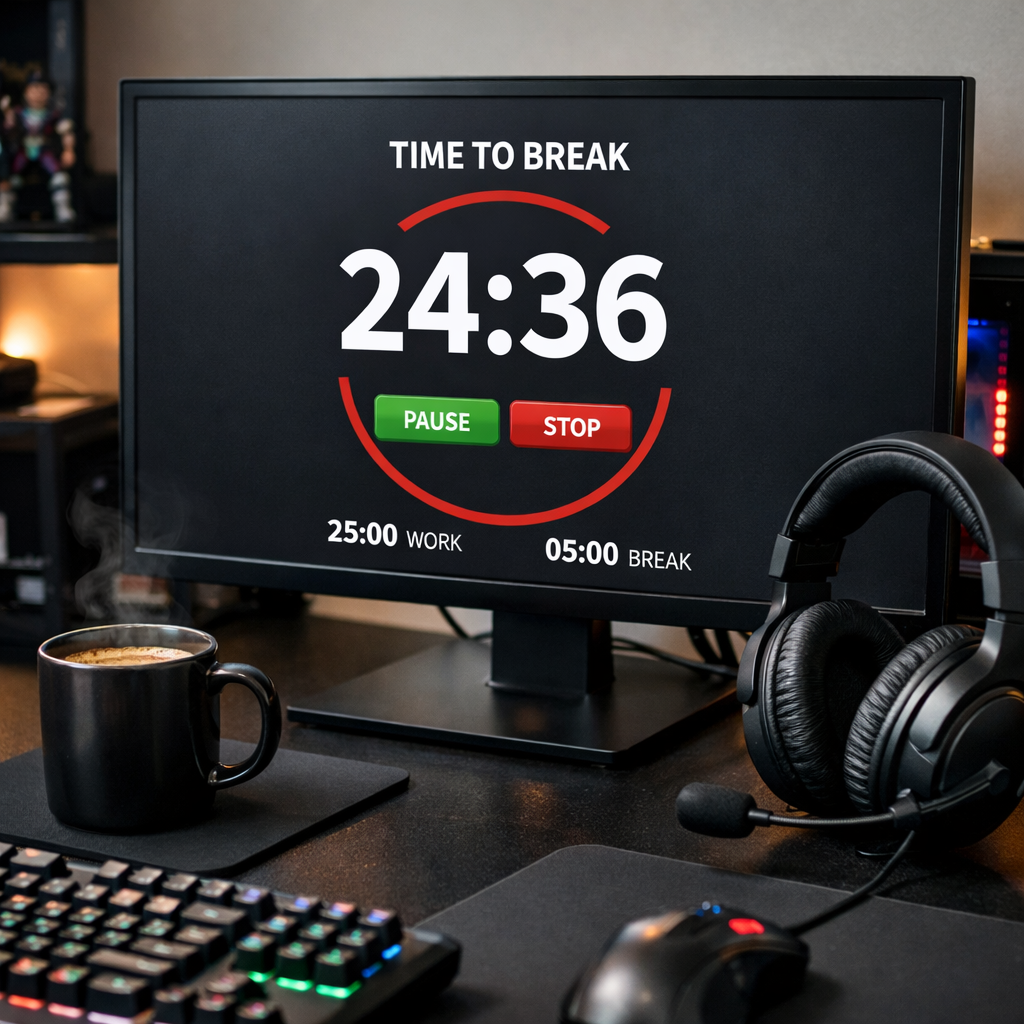

Feeling swamped with study material? It happens to the best of us. You read something, and then, poof, it’s gone. It’s frustrating, right? Well, there are ways to make your brain actually hold onto that information. We’re going to look at a method that combines two smart study tricks to help you learn more and feel less stressed about it. It’s called the active recall Pomodoro. Sounds fancy, but it’s pretty straightforward and can really make a difference in how well you remember things.
Key Takeaways
- Combining the Pomodoro Technique with active recall studying is a smart way to learn more effectively.
- Use short breaks during Pomodoro sessions to quiz yourself on what you just studied.
- Active recall means testing yourself instead of just rereading notes.
- The Pomodoro Technique breaks study time into focused bursts with short breaks.
- This method helps you remember information better and makes study sessions more productive.
Understanding the Active Recall Pomodoro Method
So, you’ve heard about active recall and the Pomodoro Technique, and you’re wondering how they fit together. It’s not just about studying harder; it’s about studying smarter. This section breaks down these two powerful study strategies and shows you how combining them can really change the game for your learning.
The Pomodoro Technique Demystified
This technique, developed back in the late 1980s, is all about managing your time effectively. The basic idea is pretty simple: you work in focused bursts, usually 25 minutes long, and then take a short break, typically 5 minutes. After about four of these work periods, you take a longer break, maybe 15 to 30 minutes. It sounds almost too simple, right? But this structure helps keep your brain from getting tired and makes it easier to stay focused on the task at hand. It’s a great way to tackle big study loads without feeling completely drained. You can find more details on how this method works on the Pomodoro Revision Technique page.
What is Active Recall Studying?
Active recall is the opposite of just passively reading your notes or textbook. Instead of just looking over the material, you actively try to pull information out of your brain. Think of it like quizzing yourself. You ask questions about what you just read, or you try to explain a concept in your own words without looking at your notes. This process really makes your brain work harder to retrieve the information, which is exactly what helps you remember it better. Studies show that people who use active recall remember way more than those who just reread things.
The core idea is that the effort you put into retrieving information strengthens the memory of that information. It’s like exercising a muscle; the more you use it, the stronger it gets.
Integrating Two Powerful Methods
Now, imagine putting these two together. You use the Pomodoro Technique to create focused study sessions, and then, during your breaks or at the end of a session, you use active recall to test yourself on what you just learned. This combination is where the magic happens. You get the benefit of focused work periods without burnout, and you immediately reinforce what you’ve studied by actively pulling it from your memory. It’s a dynamic way to learn that keeps your brain engaged and helps information stick.
Here’s a quick look at how the basic cycle works:
- Focused Study (Pomodoro): 25 minutes of intense concentration on your study material.
- Short Break: 5 minutes to step away, stretch, or grab some water.
- Active Recall: During the short break, ask yourself questions about the material you just covered.
- Repeat: Continue this cycle, taking a longer break after four Pomodoros.
This structured approach helps you manage your study time effectively while making sure you’re actually learning and retaining the information.
Implementing Active Recall Pomodoro for Enhanced Learning
So, you’ve got the basic idea of the Pomodoro Technique and active recall. Now, let’s talk about actually putting them together. It’s not just about setting a timer and hoping for the best; there’s a bit of strategy involved to make it really work for you.
Setting Up Your Pomodoro Intervals
First things first, you need to decide on your work intervals. The classic setup is 25 minutes of focused study, followed by a 5-minute break. This is a great starting point, especially if you’re new to this. You can use a simple kitchen timer, your phone’s timer, or even a dedicated app. The key is to stick to the time. When that timer goes off, you stop working, no matter what. This strictness is what makes the Pomodoro Technique so effective at building focus.
Active Recall During Breaks
This is where the magic happens. Instead of just scrolling through social media or zoning out during your 5-minute break, you’re going to use that time to test yourself. Think about what you just studied in that last 25-minute block. What were the main points? Can you explain a concept in your own words? Try to recall as much as you can without looking at your notes. This quick retrieval practice is incredibly powerful for solidifying information in your memory. It’s like a mini-review session that primes your brain for the next study block.
Repeat the Process
After you’ve completed four of these 25-minute study/5-minute recall cycles, it’s time for a longer break, usually 15 to 30 minutes. This longer break is for genuine rest and recovery. Get up, stretch, grab a snack, or do something completely unrelated to studying. Then, you start the cycle all over again. You’ll find that by breaking your study time into these manageable chunks and actively testing yourself, you can cover more material and retain it better than you might have expected. It’s a cycle of focused effort followed by active reinforcement, repeated until you’ve covered your study goals for the day.
The real benefit comes from the consistent application. It’s not about one perfect session, but about building a sustainable habit that trains your brain to learn more efficiently over time. Don’t get discouraged if it feels awkward at first; like any new skill, it takes practice to get good at it.
Maximizing Study Efficiency with Active Recall Pomodoro

So, you’ve got the basics of Active Recall Pomodoro down. Now, let’s talk about really making it work for you. It’s not just about setting a timer and quizzing yourself; it’s about being smart with your time and your breaks.
Strategic Break Activities That Enhance Retention
Your breaks aren’t just for scrolling through social media (though, we’ve all been there!). They’re prime real estate for solidifying what you just learned. Think of them as mini-review sessions, but without the pressure of a test.
- Quick Quizzes: Jot down a few questions about the material you just covered during your Pomodoro session. Try to answer them without looking at your notes. This is active recall in its purest form.
- Flashcard Drills: If you’re using flashcards, use your short breaks to flip through a few and test yourself. Don’t try to go through your whole deck; just a handful will do.
- Mind Maps or Summaries: After a couple of Pomodoros, use a break to sketch out a quick mind map or write a one-sentence summary of the key concepts. This forces you to connect ideas.
The goal during these short breaks is to engage with the material in a way that forces your brain to retrieve information. It’s about making connections and reinforcing memory pathways, not just resting.
Adjusting Intervals Based on Subject Difficulty
Not all subjects are created equal, right? Some topics just take more brainpower. You shouldn’t treat a complex physics problem the same way you treat memorizing vocabulary.
Here’s a simple way to think about adjusting your Pomodoro intervals:
| Subject Difficulty | Pomodoro Sprint Duration | Short Break Duration | Long Break Duration |
|---|---|---|---|
| Easy | 25 minutes | 5 minutes | 15-30 minutes |
| Medium | 20 minutes | 7 minutes | 15-30 minutes |
| Hard | 15 minutes | 10 minutes | 15-30 minutes |
Experimenting with these timings is key. If you find yourself consistently losing focus before the 25 minutes are up on a tough subject, shorten the sprint. If you’re still feeling sharp after 15 minutes on an easier topic, you might be able to extend it slightly. The idea is to find that sweet spot where you’re working intensely but not burning out.
Leveraging Time Management Techniques
Active Recall Pomodoro is already a time management powerhouse, but you can layer other techniques on top to really dial in your efficiency. Think of it as adding extra tools to your study toolkit.
- Task Batching: Group similar tasks together. For example, if you have several readings to do, do them all in one block of Pomodoros, rather than scattering them throughout the week. This reduces context switching.
- Time Blocking: Schedule your Active Recall Pomodoro sessions directly into your calendar. Treat them like appointments you can’t miss. This helps prevent procrastination and ensures you dedicate time to studying.
- Prioritization: Before you start a study block, identify the most important topics or tasks you need to cover. Use a simple system like the Eisenhower Matrix (Urgent/Important) to decide what gets your focus during each Pomodoro. This way, you’re always working on what matters most.
Overcoming Challenges with Active Recall Pomodoro
Even the best study hacks can hit a snag now and then. When you’re trying to combine active recall with the Pomodoro Technique, you might run into a few bumps. It’s totally normal, and thankfully, there are ways to smooth things out.
Common Pitfalls in Active Recall Pomodoro
Sometimes, people get stuck in a rut. They might just passively re-read notes instead of actually testing themselves, or they might let distractions creep in during their focused work times. Another issue is trying to cram too much into one Pomodoro session, which defeats the purpose of short, focused bursts.
- Passive Review Instead of Active Testing: Just looking over your notes isn’t the same as trying to pull the information from your brain.
- Distractions During Focus Time: Phones buzzing, social media notifications, or even just thinking about what’s for dinner can pull you off track.
- Overestimating What Can Be Done: Trying to cover a whole chapter in one 25-minute session is a recipe for frustration.
Strategies to Stay in the Right Mindset
Getting into the zone and staying there is key. When you switch from focused study to active recall, it’s easy to lose momentum. Try using a quick, simple summary of what you just learned to bridge the gap. This little recap helps reinforce the information and keeps your brain engaged.
It’s not about being perfect every single time. It’s about recognizing when you’re slipping and having a plan to get back on track. Small adjustments make a big difference.
Maintaining Motivation and Accountability
Keeping yourself motivated can be tough, especially when you’re facing challenging subjects. Finding a study buddy or joining a group can really help. You can share tips, quiz each other, and just generally keep each other going. Knowing someone else is working towards similar goals can be a huge motivator. Plus, you can celebrate small wins together!
Don’t be afraid to adjust your intervals if a subject is proving particularly difficult.
| Subject Difficulty | Sprint Duration | Break Duration |
|---|---|---|
| Easy | 25 minutes | 5 minutes |
| Medium | 20 minutes | 7 minutes |
| Hard | 15 minutes | 10 minutes |
The Science Behind Active Recall Pomodoro
So, why does this combo actually work? It’s not just some random study fad; there’s some real brain science going on here. Think of your brain like a muscle. The more you work it out in the right ways, the stronger it gets. Active recall is like doing reps for your memory. When you force yourself to pull information out of your brain, instead of just letting it sit there passively, you’re actually building stronger connections to that information. It’s like trying to find a specific book in a messy library versus having it neatly cataloged. The more you practice retrieving it, the easier it becomes to find later.
How Active Recall Strengthens Memory
When you try to remember something, your brain has to work to retrieve that memory. This retrieval process itself actually makes the memory stronger and easier to access in the future. It’s a bit like how exercising a muscle makes it grow. The act of recalling information, whether it’s answering a question or explaining a concept in your own words, reinforces the neural pathways associated with that memory. This is way more effective than just rereading notes, which can give you a false sense of familiarity without actually cementing the knowledge.
Why Short, Focused Bursts Improve Productivity
Our brains aren’t really built for marathon focus sessions. Trying to concentrate for hours on end usually leads to diminishing returns and burnout. The Pomodoro Technique, with its short, timed work intervals, plays into our natural attention spans. By breaking study time into manageable chunks, you can maintain a higher level of focus during each session. Plus, knowing a break is coming up soon makes it easier to resist distractions. It’s like sprinting instead of jogging a marathon – you can go faster and harder for shorter periods.
The Neuroscience of Memory Retention
Memory retention isn’t just about stuffing information into your head. It’s about how well your brain can store and retrieve that information later. Active recall taps into the concept of the "testing effect," where the act of being tested on material actually improves your ability to remember it. When you recall information, you’re engaging in a process that strengthens the memory trace. Combining this with the focused bursts of the Pomodoro Technique means you’re not just recalling, you’re recalling effectively within a period of peak concentration. This dual action helps move information from short-term to long-term memory more efficiently. It’s a smart way to study, not just a hard way.
The brain is more likely to remember information that it has to actively work to retrieve. This effortful retrieval process is what makes the memory stick.
Tracking Progress with Active Recall Pomodoro

So, you’ve been using the Active Recall Pomodoro method, which is awesome. But how do you know if it’s actually working? It’s like going to the gym without checking the scale or how your clothes fit – you might be putting in the effort, but are you seeing results? That’s where tracking your progress comes in. It’s not just about putting in the hours; it’s about making those hours count.
Monitoring Your Learning Performance
Keeping tabs on how well you’re learning is pretty straightforward with this system. After each study block, or at the end of a set of Pomodoros, take a moment to jot down how you felt about your recall. Were you able to pull the information out easily, or did it feel like pulling teeth? You can use a simple rating system, maybe a scale of 1 to 5, for each topic or session. This gives you a quick snapshot of your retention.
- Session 1: Topic A – Recall: 4/5 (Felt pretty solid)
- Session 2: Topic B – Recall: 2/5 (Struggled with details)
- Session 3: Topic A – Recall: 5/5 (Nailed it!)
- Session 4: Topic C – Recall: 3/5 (Got the main ideas)
This kind of feedback loop is super important. It tells you where you’re strong and where you need to spend more time. Don’t just rely on how long you studied; focus on how much you remembered.
Creating a Personalized Study Schedule
Your initial schedule might be based on general advice, like 25-minute work intervals and 5-minute breaks, which is a good starting point for the Pomodoro technique. But as you track your performance, you’ll see what works best for you. Maybe you find that for really dense subjects, 25 minutes is too long, and you start losing focus. Or perhaps you discover that you can actually recall information better after a slightly longer break.
Here’s how you can adjust:
- Analyze Your Performance Data: Look at your ratings from the previous section. Are there specific subjects or types of information you consistently rate lower?
- Adjust Interval Lengths: If you’re struggling with a subject, try shortening your Pomodoro sessions to 20 minutes and increasing your break to 7-10 minutes. For subjects you grasp quickly, you might stick with 25 minutes or even try slightly longer sessions if you’re in a deep flow.
- Modify Break Activities: Are your breaks just for scrolling social media? Try using them for quick review questions or even a short walk to clear your head. This can make a big difference in how much you retain.
The goal isn’t to stick rigidly to a timer. It’s about using the timer as a tool to build a study habit that genuinely helps you learn and remember. Flexibility is key to making this method work long-term.
Identifying Areas for Improvement
Tracking isn’t just about seeing what you’re doing well; it’s also about spotting the weak spots. If you notice a particular topic keeps popping up with low recall scores, that’s a clear signal. It might mean you need to revisit that material, try a different active recall strategy for it (like drawing diagrams instead of just writing questions), or perhaps dedicate more Pomodoro sessions to it. You can even create a simple table to visualize this:
| Subject Area | Average Recall Score (1-5) | Notes |
|---|---|---|
| Biology – Cell Structure | 2.5 | Difficulty with specific organelles |
| History – WWII Causes | 4.0 | Good grasp of main events |
| Chemistry – Stoichiometry | 3.0 | Need more practice with calculations |
By regularly checking in with your progress, you turn your study sessions from a guessing game into a strategic process. You’re not just studying; you’re actively managing your learning journey.
Putting It All Together
So, there you have it. Combining the Pomodoro Technique with active recall isn’t just some fancy study trick; it’s a practical way to actually get more done and remember it better. You break down your study time into manageable chunks, and then you actively test yourself during those short breaks. It keeps your brain engaged and stops you from just passively reading. Give it a shot. You might be surprised at how much more you learn and how much less stressed you feel about your classes. It’s a solid hack for anyone looking to study smarter, not just harder.
Frequently Asked Questions
What exactly is the Pomodoro Technique, and how does it help me study?
Think of the Pomodoro Technique as breaking your study time into small, manageable chunks. You focus hard for 25 minutes, then take a 5-minute break. After doing this four times, you get a longer break. It’s like running a sprint instead of a marathon – it helps you stay focused and avoids getting tired too quickly.
How is ‘active recall’ different from just reading my notes?
Instead of just reading over your notes, active recall means you actively try to remember what you’ve learned without looking. It’s like quizzing yourself. You might close your book and try to explain a topic out loud or write down everything you remember. This really makes your brain work harder to pull out the information, which helps you remember it much better.
How can I combine the Pomodoro Technique and active recall during my study breaks?
During your short 5-minute Pomodoro breaks, you can do a quick active recall. Try asking yourself a few questions about the material you just studied, or jot down the main ideas from that session. For your longer breaks, you could do a more thorough review or try to explain a concept to an imaginary friend.
What if I get distracted easily during my 25-minute study sessions?
It’s common to get distracted! Try setting up a quiet study space away from your phone or social media. You can also use apps that block distracting websites for a set time. Remember, the 25-minute focus period is short, so tell yourself you can resist distractions just for that little while.
How do I know if this study method is actually working for me?
You can track your progress by keeping a simple study journal. After each study session, note down what topics you covered and how well you could recall them. You can also track how many Pomodoros you complete without getting too distracted. Seeing your improvement over time is a great motivator!
What should I do during my breaks to make sure they help me study better?
Your breaks are for recharging, not for getting distracted by your phone! Try stretching, walking around for a bit, getting some water, or doing a quick mindfulness exercise. The key is to step away from your study material so your brain can rest and be ready for the next focused session.