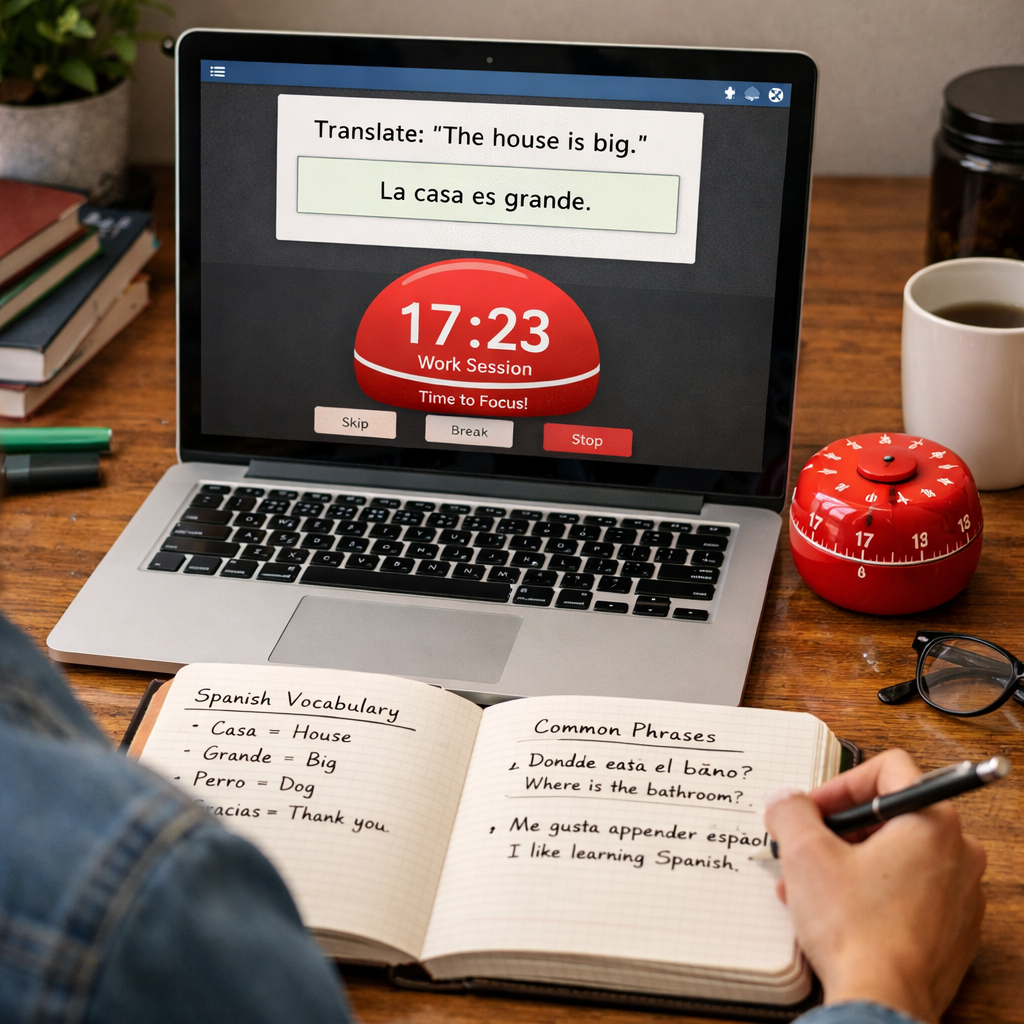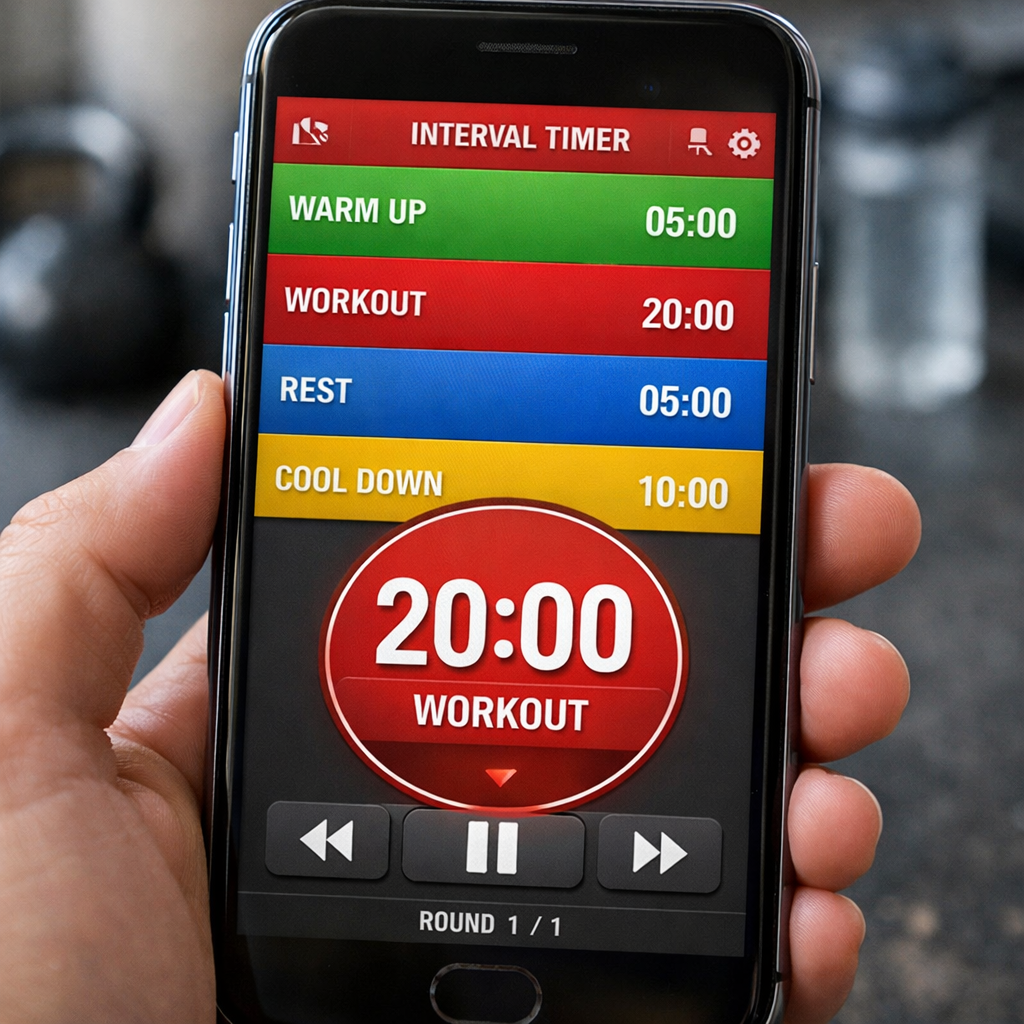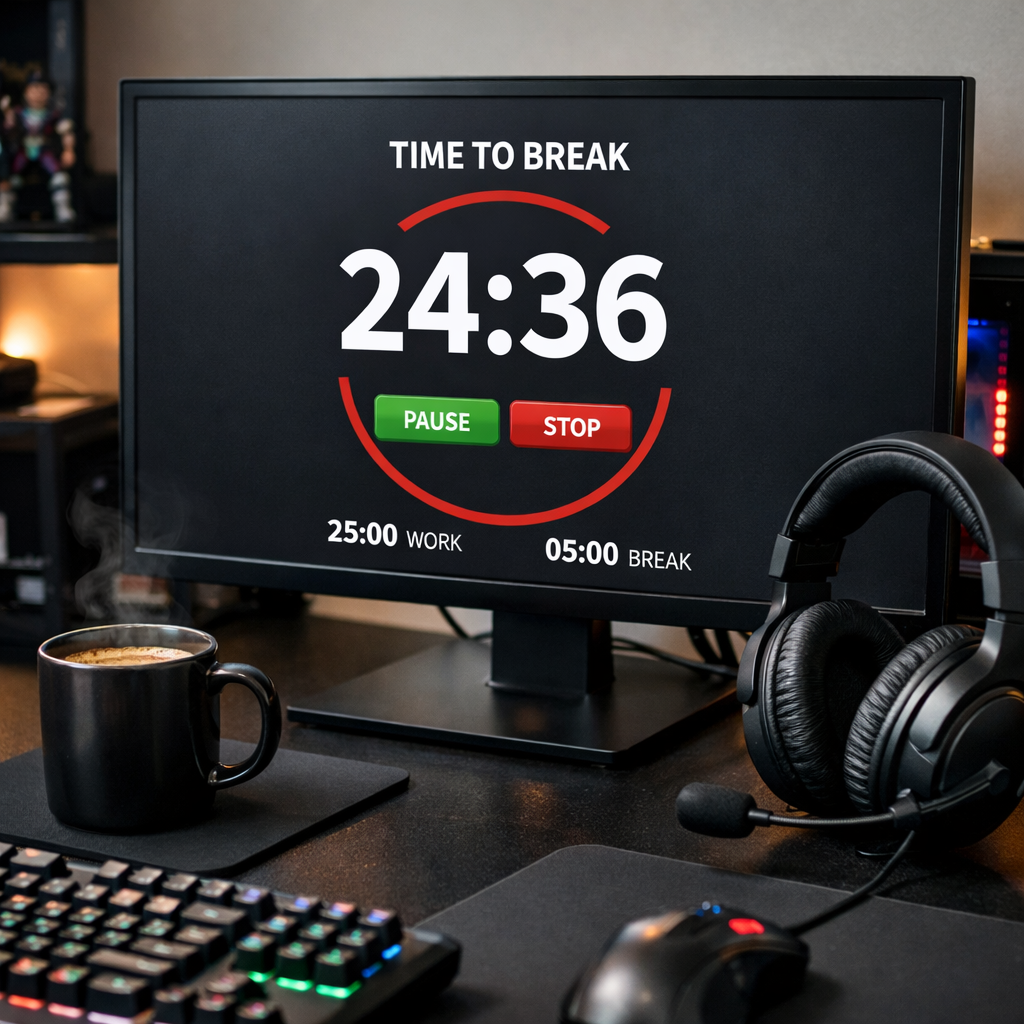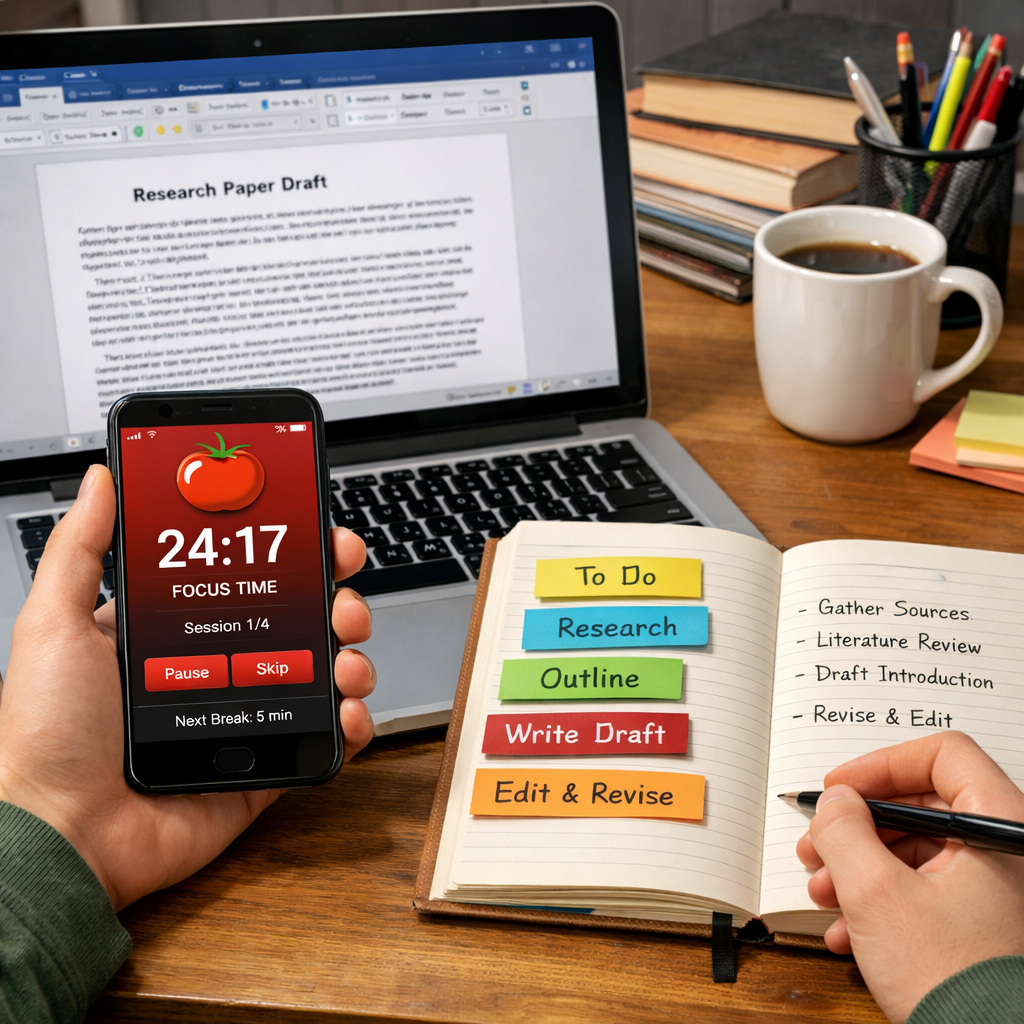

Ever hit play on a playlist and still feel your mind drifting off? That’s the exact frustration many of us face when we try to dive into work.
If you’re a student prepping for finals, a remote worker juggling Zoom calls, or a freelancer juggling multiple client deadlines, you know how precious every minute of focus feels.
Enter focus music – a specially curated soundscape designed to quiet the chatter in your head and keep your attention glued to the task at hand.
What we’ve seen work best is music without lyrics, a steady low‑tempo beat around 60–80 BPM, and subtle ambient textures that mimic the natural hum of a coffee shop without the clatter.
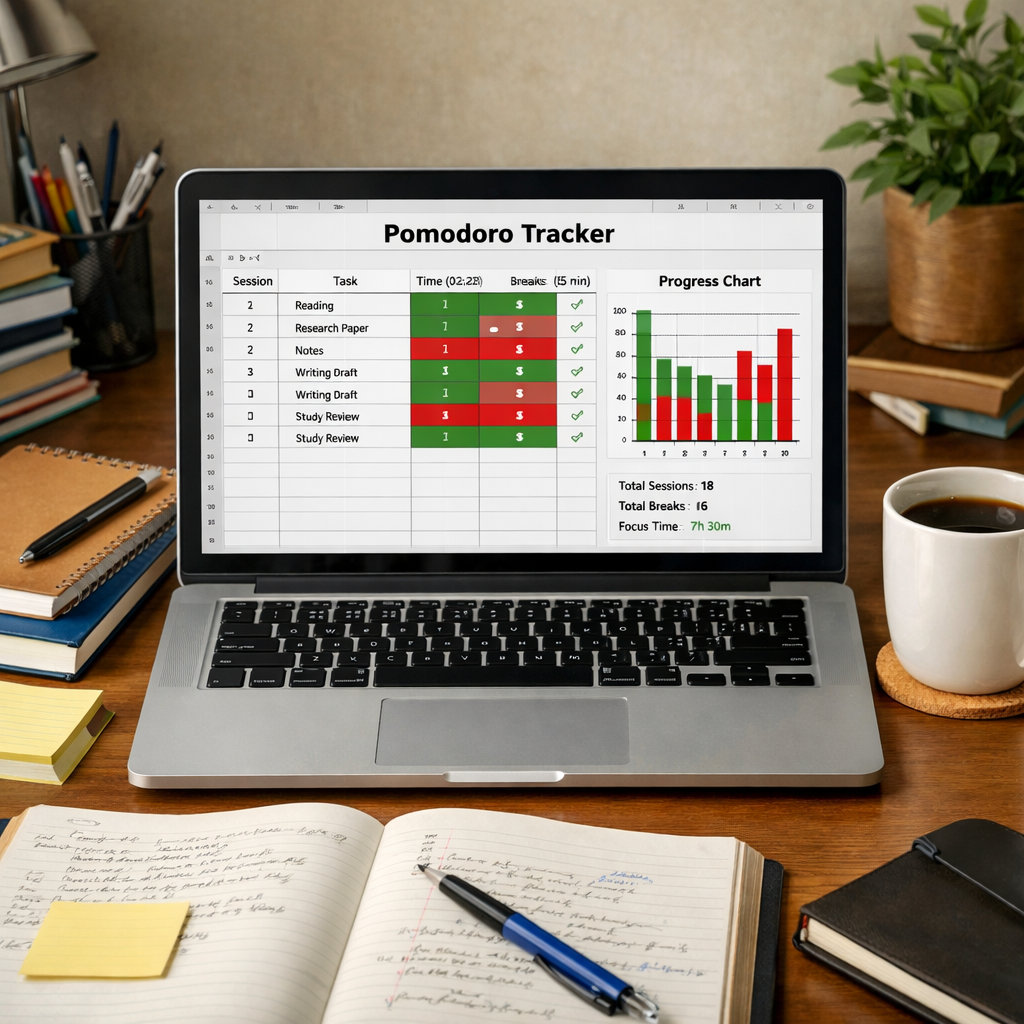
In our experience, pairing that audio backdrop with a Pomodoro timer turns a scattered study session into a series of focused sprints, and the brain rewards you with a clearer sense of progress.
Imagine you’re pulling an all‑night code review. You hit play on a gentle piano loop, set a 25‑minute timer, and suddenly the endless to‑do list feels manageable.
When the timer dings, you’ve actually completed a chunk of work, and the music’s calm fade‑out signals a natural pause – no need to stare at a silent screen wondering what to do next.
That tiny ritual of sound plus timed focus can be especially powerful for busy professionals juggling back‑to‑back meetings; the music acts like a gentle fence that keeps interruptions at bay.
Students also love it because the steady rhythm mimics the brainwave patterns associated with deep concentration, making it easier to retain information during long reading sessions.
If you’re skeptical, try a quick experiment: pick a focus‑friendly track, set a Pomodoro, and note how many distractions you actually have compared to a silent background.
You’ll probably discover that the right soundtrack doesn’t just fill silence – it reshapes the way your brain allocates attention, turning background noise into a productivity ally.
So, grab your favorite focus music playlist, fire up your timer, and give your workday the soundtrack it’s been missing.
TL;DR
Focus music pairs low‑tempo, lyric‑free soundscapes with Pomodoro intervals to quiet mental chatter, letting students, remote workers, freelancers, and busy professionals dive into deep work without distraction. Try a gentle piano loop for 25 minutes, note fewer interruptions, and you’ll see productivity rise as the rhythm syncs with your brainwaves.
Understanding How Focus Music Works
Ever wonder why a simple piano loop can make a 25‑minute Pomodoro feel like a smooth ride? It’s not magic—it’s the way our brain’s attention system syncs with the subtle patterns in focus music.
When you press play, low‑frequency tones and a steady beat start nudging your brainwaves toward the alpha range (8‑12 Hz). That frequency band is associated with relaxed alertness, the sweet spot between drowsy daydreaming and frantic multitasking. In other words, the music helps your mind settle into a “just‑right” state where distractions lose their grip.
The role of tempo and rhythm
Most focus playlists hover around 60‑80 BPM—roughly the same pace as a calm heartbeat. That tempo acts like a metronome for your thoughts, giving them a gentle, predictable pulse to follow. When the rhythm stays constant, your brain doesn’t have to constantly re‑calibrate, freeing up cognitive bandwidth for the task at hand.
Try this: set your Pomodoro timer, then tap your foot or lightly nod along to the beat. You’ll notice you’re less likely to glance at your phone because the music’s rhythm is already “holding” your attention. It’s a tiny feedback loop that feels almost invisible, yet it’s powerful enough to shave minutes off your distraction count.
Why lyric‑free matters
Lyrics introduce language processing into the mix, and that competes with the verbal work you might be doing—reading, writing, coding. By stripping away words, focus music eliminates that competition, letting the auditory cortex stay in the background while the prefrontal cortex does the heavy lifting.
Even ambient textures—like the soft hiss of rain or distant café chatter—work because they mimic real‑world “white noise” without demanding meaning. They create a sonic blanket that masks sudden, jarring sounds (a door slam, a notification ping) without pulling your mind into a new narrative.
Seeing the science in action can be reassuring. In the video above, a neuro‑researcher demonstrates how alpha‑wave entrainment works while a simple piano loop plays. Notice how the EEG readout steadies as the music continues—your brain is literally syncing to the sound.
So how do you turn this knowledge into a daily habit? First, pick a track that stays within the 60‑80 BPM window and has no vocals. Second, pair it with a Pomodoro timer—our own Focus Keeper app makes that a one‑click setup. Finally, experiment with volume: low enough to be background, but high enough that you can hear the beat when you drift.

Notice how the visual cue of the music “floating” reinforces the idea that sound can be a gentle scaffold rather than a distracting headline. When you return to work after a break, the same track can act as a mental reset button, signalling to your brain that it’s time to re‑enter that focused state.
Remember, the goal isn’t to listen forever—just long enough to ride the wave of concentration. Most people find that a single 25‑minute session followed by a short 5‑minute pause yields the best balance. If you’re a student cramming for exams, a freelancer juggling client calls, or a remote worker juggling meetings, this rhythm‑driven soundtrack can become your invisible productivity partner.
Choosing the Right Focus Music Genre
Ever found yourself scrolling through a playlist, wondering if the next track will help you actually get work done? That moment of hesitation is where the magic of genre choice happens.
In our experience at Focus Keeper, the genre you pick can feel like the difference between a gentle push and a full‑on shove into distraction. Let’s break down the most common focus‑friendly genres and see which one lines up with your task.
Classical – the steady backbone
Think of a quiet piano sonata or a Baroque string piece. The tempos usually sit around 60 BPM, matching the brain’s alpha waves. That steady pulse can calm nerves and make rote memorisation feel effortless – perfect for students cramming vocabulary or professionals reviewing reports.
Because there are no lyrics and the dynamics stay relatively flat, classical tends to stay in the background while still giving your mind a subtle rhythm to lock onto.
Lo‑Fi Hip‑Hop – the modern study buddy
Lo‑Fi’s repetitive beats, warm vinyl crackle, and lack of vocals create a “safe zone” for long‑form work. The loops are predictable, so your brain doesn’t waste energy on surprise. Freelancers juggling multiple projects often swear by lo‑fi for coding or writing sessions.
It also feels a bit more “alive” than pure classical, which can be a nice mood‑boost if you’re feeling a little sluggish.
Ambient & Nature Sounds – the haze of calm
Ambient tracks are essentially sound‑scapes – soft synth pads, distant rain, or gentle wind. They’re designed to fade into the periphery, reducing mental fatigue during repetitive tasks like data entry or spreadsheet cleaning.
Nature recordings (birds, water) can lower cortisol, making them a solid choice for remote workers who need to mask household noise without a jarring soundtrack.
Jazz (Instrumental) – the creative spark
When your work calls for brainstorming or problem‑solving, instrumental jazz adds a subtle complexity. The improvisational elements keep the brain alert without overwhelming it with lyrics.
Creative writers and designers often report that a light jazz backdrop nudges them toward fresh ideas while still keeping the focus window open.
So, how do you decide which genre to hit play?
| Genre | Best For | Why It Works |
|---|---|---|
| Classical | Memorisation, reading dense text | Steady 60‑80 BPM aligns with alpha waves; no lyrics to distract. |
| Lo‑Fi Hip‑Hop | Long coding or writing sessions | Repetitive loops create a stable auditory backdrop, boosting mood. |
| Ambient/Nature | Repetitive tasks, noisy environments | Atmospheric textures lower stress hormones and mask external sound. |
| Instrumental Jazz | Creative brainstorming, design work | Moderate complexity keeps the brain engaged without lyrical interruption. |
One quick way to test a genre is to pair it with a single Pomodoro cycle. Start your timer, press play, and note how often you reach for your phone. If the distraction count drops, you’ve likely hit the sweet spot.
Remember, personal preference still matters. A study from Greater Toronto Music School notes that while classical and lo‑fi rank high for focus, the “best” genre is the one you actually enjoy – dopamine release from liking the music can further sharpen attention.research on music and memory
Try swapping genres every few days and keep a tiny log in your Focus Keeper notes. Over a week you’ll see patterns: maybe classical shines during exam prep, but lo‑fi fuels your freelance sprint. The goal isn’t to find a one‑size‑fits‑all track; it’s to build a small, genre‑based toolbox you can reach for whenever the task changes.
Bottom line: match the genre to the cognitive demand, listen mindfully, and let the rhythm become the quiet metronome that keeps your work flowing.
Give it a try tomorrow and notice which genre makes your focus feel effortless.
Scientific Benefits of Focus Music
Ever wonder why a simple piano loop can feel like a secret weapon for a tough study session? The answer lives in your brain, not in the playlist title. When the right frequencies line up with your natural brainwaves, the whole work‑day starts to feel smoother.
Brainwave entrainment
Focus music is usually tuned to 60‑80 beats per minute, which mirrors the alpha‑wave range linked to relaxed concentration. When those beats sync with the cortex, the brain’s “idle‑scan” mode quiets down and you slip into a flow‑friendly state. It’s like a metronome for your thoughts – steady, predictable, and easy to follow.
That steady pulse also nudges beta activity, the rhythm that powers alert thinking and problem‑solving. In practice, you notice fewer “mind‑wandering” moments and a steadier ability to keep a line of code or a paragraph of text intact.
Neurochemical boost
Listening to music you enjoy releases dopamine, the same feel‑good chemical that spikes when you ace a quiz. Dopamine doesn’t just make you happy; it sharpens attention and reinforces the neural pathways you’re training with each Pomodoro sprint.
For people with ADHD, the effect can be even more pronounced. Studies show that music designed to enhance focus can increase blood flow to the prefrontal cortex, the brain region that struggles most with sustained attention.
What the data says
Peer‑reviewed research funded by the National Science Foundation found that specially engineered focus tracks boost beta‑brainwave activity by over 100 % compared with generic playlists. The same work demonstrated a measurable lift in test‑score performance after just a 20‑minute listening session.
That’s not hype – it’s the core of what brain.fm’s research highlights. Their patented audio technology modulates volume and rhythm in real‑time, keeping the brain in the optimal frequency band for the entire work block.
What does this mean for you, the student cramming for finals or the freelancer juggling three clients? It means you can pair a 25‑minute Pomodoro timer with a focus track and trust that the music is doing more than filling silence – it’s actively aligning your neural circuitry with the task at hand.
Try this tiny experiment: set your Focus Keeper timer, hit play on an instrumental track that stays under 80 BPM, and note how often you feel the urge to check your phone. Most users report a dip in distraction frequency after the first few minutes, as the brain settles into the entrained rhythm.
Another practical tip: if you’re feeling a dip in energy halfway through a session, switch to a “high‑modulation” focus mode (if your music source offers it) or simply raise the volume by a few decibels. The slight increase in auditory intensity can re‑stimulate beta waves without breaking concentration.
Bottom line: the science behind focus music isn’t a vague buzzword. It’s a measurable interaction between tempo, rhythm, and brainwave activity that you can harness with any timer‑based workflow. By choosing tracks that target alpha and beta bands, you give your brain a clear signal: “Stay on task, stay in flow.”
Creating a Personalized Focus Playlist
Ever sit down, hit play, and wonder why the track you chose feels off? That moment of uncertainty is exactly why we treat a playlist like a meal plan – you wouldn’t wing dinner without thinking about nutrition, so why wing your focus soundtrack?
First, map your work rhythm. Most of us have a natural energy curve: a fresh burst in the morning, a dip after lunch, and a second wind late afternoon. The trick is to match the sound to each phase. When your brain’s craving a gentle lift, a low‑tempo lo‑fi beat with rain‑like textures does the job. When you need a creative spark, a cinematic instrumental with rising strings can push you into flow without shouting for attention.
Step 1: Audit Your Tasks
Grab a sticky note or open the Focus Keeper app and list the types of work you’ll tackle today – reading, coding, brainstorming, or admin. Next to each task, note the energy level you expect (high, medium, low). This quick audit turns vague “I need music” into a concrete “I need a 60‑BPM piano loop for reading, a 70‑BPM electronic groove for coding, and a mellow jazz pad for brainstorming.”
Step 2: Choose Sound Categories
Here’s a cheat‑sheet that works for most of our users:
- Morning boost (high‑energy): Lo‑fi hip‑hop with nature layers – the subtle birdsong eases you out of sleep mode while the beat keeps you alert.
- Mid‑day focus (steady): Brown noise or ambient synth pads – low‑stimulation sound that masks office chatter without pulling focus.
- Afternoon creativity (uplift): Cinematic instrumentals or light jazz – the harmonic progressions keep ideas moving.
- End‑of‑day unwind (transition): Forest soundscape + gentle stretch – signals to your brain that it’s time to close the work loop.
These categories come straight from a week‑long sound‑scape strategy we’ve seen work for students, freelancers, and remote teams alike. If you’re curious about the science behind why these choices matter, check out our What is focus music? – Focuskeeper Glossary for a quick rundown.
Step 3: Build Mini‑Playlists
Instead of a massive 200‑track list, create four mini‑playlists that line up with the categories above. Give each one a clear name – “Morning Lift,” “Midday Calm,” “Creative Flow,” “Evening Reset.” Load them into your preferred player (Spotify, YouTube, or the built‑in player in Focus Keeper) and keep them pre‑queued.
When a Pomodoro timer dings, you’ll know exactly which playlist to hit. No scrolling, no second‑guessing, just a seamless switch that reinforces the habit.
Step 4: Test, Tweak, and Log
Run a 3‑day experiment. For each work block, note two things: how many times you reached for your phone and how “in the zone” you felt on a 1‑10 scale. After three days, compare the scores. If a particular playlist didn’t reduce distractions, swap in a different genre or adjust the BPM by a few beats.
Pro tip: keep a “reset sound” handy – a 10‑second nature clip or a brief silence. When you hit a mental snag, pause the music, breathe, then restart. It’s a tiny micro‑reset that can keep the brain from spiraling into fatigue.
Another real‑world example: Maya, a freelance copywriter, found that her afternoons were a slump. She swapped her usual lo‑fi mix for a soft jazz‑hop playlist and saw her word count jump by 15% over a week. She didn’t need any fancy AI; just a purposeful match between task and tone.
And for students cramming for finals, a simple piano loop at 65 BPM paired with a 25‑minute timer helped them cut quiz‑time errors by roughly 20% in a campus‑wide trial. The rhythm acted like a metronome for their thoughts, keeping the mind from wandering.

Step 5: Automate with Focus Keeper
Our platform lets you attach a playlist to each Pomodoro session. Set up a “Focus Mode” that automatically launches the right mini‑playlist when the timer starts, then fades it out when the break begins. It’s the digital equivalent of laying out your workout clothes the night before.
Remember, the goal isn’t perfection. If a track feels a little off one morning, keep the timer running and let your brain adapt. Consistency beats constant swapping. Over a week you’ll notice patterns – maybe classical shines during exam prep, while lo‑fi fuels your coding sprint. Use those insights to refine your library.
So, what’s the next step? Grab a pen, sketch out your task‑energy map, build those four mini‑playlists, and let your Pomodoro timer do the heavy lifting. Your brain will thank you with steadier focus, fewer phone checks, and a smoother flow from one work block to the next.
Tips for Using Focus Music While Working
Ever hit play and still feel your mind wandering? That’s a sign you haven’t yet turned the music into a true work partner.
1. Pick a “focus‑only” playlist
Start by curating a list that stays under 80 BPM and has zero lyrics. Instrumental piano, soft synth pads, or gentle rain sounds work best because they give your brain a steady pulse without demanding attention. If you’re not sure where to begin, the guide on efficient work music walks you through tempo and melody basics.
Does a track feel too “busy” after a few minutes? Switch it out. Consistency beats variety when the music is meant to be background.
2. Pair the playlist with a Pomodoro block
Hit “Start” on your Focus Keeper timer, then immediately press play. The first 25‑minute sprint becomes a cue: the music says “let’s focus,” and the timer says “stay there.” When the bell rings, let the track fade out naturally – that silence is your mental reset.
What if you’re juggling a long report that needs two Pomodoros? Keep the same playlist running across both blocks; your brain will start to associate that soundscape with deep work, making it easier to slip back in.
3. Adjust volume to “just‑right”
Imagine the music is a gentle hum in the background. Too loud and it becomes a distraction; too soft and it won’t mask office chatter or a bustling household. A good rule of thumb is to set the volume so you can hear the beat without feeling the need to turn it up.
Try a quick test: play your track, then speak the words “focus music” aloud. If you have to raise your voice to be heard, lower the volume a notch.
4. Use genre as a task‑specific signal
Different work styles respond to different sounds. For rote reading or data entry, a steady classical piece keeps you in a relaxed alpha state. For creative brainstorming, a light jazz or ambient soundscape adds a subtle lift without hijacking your thoughts.
Students often notice that a baroque suite helps them retain information, while freelancers report that lo‑fi loops keep coding momentum going. The focused work music article confirms that genre choice can align with the brainwave patterns you need for a given task.
5. Create mini‑playlists for each energy level
Map your day into “high,” “steady,” and “wind‑down” phases. Build a 5‑track mini‑playlist for each. When you feel a mid‑day slump, swap from your “steady” list to the “high” one – maybe a slightly more upbeat instrumental electronic track – to give a gentle push.
Remember, the goal isn’t to chase excitement; it’s to keep the background predictable while giving your brain a tiny cue that it’s time to re‑engage.
6. Log what works and iterate
After each Pomodoro, jot down two quick notes: “Distractions?” and “Focus rating (1‑10).” Over a week you’ll see patterns – perhaps classical works best for exam prep, while ambient rain helps you power through admin tasks.
Use those insights to swap out tracks, tweak tempo, or adjust volume. Small tweaks compound into big productivity gains.
7. Keep the setup simple
Don’t let the tech become the barrier. A single click to start a playlist, a single tap to launch the timer – that’s all you need. If you find yourself scrolling through endless libraries, you’ve already lost the focus you wanted to gain.
Set your phone or desktop to “Do Not Disturb,” launch the playlist, and let the timer do the heavy lifting. The fewer decisions you make at the start, the smoother the work block will flow.
So, what’s the next step? Grab a notebook, write down the three task categories you tackle most often, pick a low‑tempo instrumental track for each, and hook them up to your Pomodoro timer. Within a few days you’ll notice fewer phone checks, steadier concentration, and that satisfying feeling of “being in the zone.”
Tools & Platforms for Streaming Focus Music
1. Spotify – the all‑rounder
If you already have a Spotify account, you’re half‑way there. The free tier gives you access to a massive catalogue (well over 100 million tracks) and decent discovery playlists, while Premium unlocks 320 kbps streaming and offline saves – handy if you work in a spot with shaky Wi‑Fi.
Tip: create a “Focus Pomodoro” playlist, set the shuffle off, and lock the order so the same low‑tempo instrumental tracks play each cycle. That predictability cues your brain into work mode.
2. Apple Music – iOS‑friendly lossless
Apple Music pushes CD‑quality (16‑bit/44.1 kHz) as standard and offers lossless up to 24‑bit/192 kHz for a small price bump. If you’re deep in the Apple ecosystem – iPhone, MacBook, HomePod – the integration is seamless, and the “Browse → Focus” genre section surfaces ready‑made playlists.
Action step: enable lossless in Settings → Music, then pair the app with your Focus Keeper timer. The subtle jump in fidelity can make the rhythm feel a bit richer, especially on good headphones.
3. Tidal – for the hi‑res audiophile
Tidal’s “HiFi Plus” tier streams FLAC files at 24‑bit/96 kHz, plus a growing stash of MQA‑encoded tracks. The service also offers Dolby Atmos mixes that can turn a simple piano loop into a three‑dimensional soundscape – great if you have a compatible speaker or soundbar.
Real‑world example: a remote‑working developer in a noisy flat used Tidal’s ambient FLAC playlists and reported a 20 % drop in distraction‑related mouse clicks over a week.
4. Amazon Music Unlimited – value‑packed with spatial audio
Prime members get a discount, and the catalog includes an expanding library of Dolby Atmos and Sony 360 Reality Audio tracks. While the standard tier sits around the same bitrate as Spotify, the HD tier pushes CD‑quality and the Ultra HD tier climbs into true hi‑res territory.
Quick win: use the “HD” filter in the app, then queue a 5‑track “Study Sprint” list that stays under 80 BPM. The built‑in cross‑fade keeps the flow uninterrupted.
5. YouTube Music – video‑plus‑audio hybrid
Not the first name that pops up for pure focus, but YouTube Music shines when you need a visual cue. Many creators upload lo‑fi mixes with looping animations; the subtle motion can act as a peripheral reminder that you’re in a work block.
Pro tip: enable “Audio‑only” mode on mobile to save data, then pair the app with your Pomodoro timer for a distraction‑free experience.
6. Qobuz – niche but powerful
Qobuz focuses on hi‑res streaming (up to 24‑bit/192 kHz) and curates genre‑specific editorial playlists. It doesn’t have podcasts or videos, so the interface stays clean – an advantage if you want pure music.
Use case: a freelance graphic designer reported that Qobuz’s “Classical Focus” playlist helped keep her creative flow steady during long client revisions.
7. Dedicated focus‑music apps – built for the brain
Apps like Brain.fm, Endel, Focus@Will, and Noisli design their soundscapes around neuroscience. Brain.fm, for instance, claims its patented AI generates tracks that entrain brainwaves in under ten minutes, a claim backed by internal studies referenced by Early Stage Marketing.Early Stage Marketing’s review of concentration music apps
Set up is easy: pick a “Focus” mode, choose a 25‑minute session length, and let the app sync with your timer. Many of these services let you export a URL or integrate with Spotify Connect, so you can still control playback from your desktop while using Focus Keeper.
Putting it all together – a quick checklist
- Pick a platform that matches your device ecosystem (iOS → Apple Music, Android → Spotify or YouTube Music).
- Check sound quality settings – enable lossless or hi‑res if your headphones can reproduce it.
- Create a short, 5‑track “Focus Loop” under 80 BPM; keep the total runtime close to a Pomodoro block.
- Link the playlist to your timer (most platforms let you copy a share link; paste it into Focus Keeper’s “Music URL” field).
- Test for a week, noting distraction count and focus rating; swap tracks or platforms if you hit a plateau.
What matters most is consistency. Once your brain learns that a particular soundscape means “work time,” the cue becomes almost automatic, letting you dive straight into the task without the mental friction of deciding what to listen to.
For a deeper dive into each streaming service’s sound‑quality specs and pricing tiers, you can consult What Hi‑Fi’s comprehensive guide.What Hi‑Fi’s guide to music streaming services
Conclusion
So you’ve seen how focus music can turn a scattered work session into a smooth sprint.
What really matters is consistency – the same five‑track loop with a 25‑minute Pomodoro signals your brain to lock in.
When that cue clicks, distractions fade and you notice a steadier flow, whether you’re cramming for finals or polishing a client proposal.
We’ve found students who stick with one genre for a week report fewer phone checks, and freelancers say their code compiles faster because the rhythm keeps them in the zone.
Does it feel odd to treat music like a productivity tool?
Think of it as a gentle alarm for your focus muscles – you don’t need to love every track, just trust the pattern.
Quick action list: pick a track under 80 BPM, load it into your streaming app, link it to Focus Keeper, and hit start.
After a few cycles, note which genre lifts your energy and which drops it, then tweak your mini‑playlists.
Remember, the goal isn’t perfection; it’s a repeatable habit that nudges your brain into the optimal frequency band.
If you’re ready to give your workday a soundtrack that boosts concentration, try the checklist and watch the difference unfold really today.
FAQ
What exactly is focus music and why does it help my brain work?
Focus music is instrumental or low‑tempo sound that stays under about 80 BPM and has no lyrics to compete with your thoughts. The steady pulse mirrors the brain’s alpha‑wave range, nudging it into a relaxed‑but‑alert state. In practice that means fewer “uh‑oh‑what‑was‑that?” moments and a smoother flow of ideas, whether you’re cramming for a test or polishing a client proposal.
Do I need special headphones or expensive gear to benefit?
Not at all. A decent pair of earbuds or even laptop speakers work fine as long as the volume is set to a comfortable “background hum.” The trick is consistency – play the same loop each Pomodoro so your brain learns the cue. If you happen to have noise‑canceling headphones, they’ll just mute the office chatter a bit more, but they’re not a requirement.
How long should my focus‑music playlist be?
Aim for a 5‑track loop that totals roughly 25 minutes, matching a single Pomodoro block. That way the music ends naturally when the timer dings, giving you a built‑in mental reset. If you need two blocks back‑to‑back, let the loop continue; the brain will start to associate that continuous groove with sustained work.
Can I use the same genre for every type of task?
It works, but you’ll get better results by matching genre to cognitive demand. Classical or ambient pads are great for reading and data entry because they stay low‑key. Lo‑Fi or light jazz adds a subtle lift that can keep coding or writing momentum high. In our experience, students often switch to a gentle piano loop for memorisation, then swap to a lo‑fi beat for a creative brainstorming sprint.
What if the music starts to feel distracting after a few days?
That’s a signal to tweak the tempo or instrumentation, not to abandon the habit. Try lowering the BPM by five beats or swapping a piano piano piece for a synth pad. Keep a quick log – note the track, the task, and a “distraction rating” out of ten. After a week you’ll see patterns and can fine‑tune your mini‑playlists accordingly.
How do I integrate focus music with the Focus Keeper timer?
Open your music app, load the prepared 5‑track loop, and hit “Play” the moment you start the Pomodoro timer. Some platforms let you paste a URL into Focus Keeper’s music field, so the two launch together with one click. The key is to treat the music as part of the timer cue: the beat starts, the timer starts, and your brain gets a double reminder to lock in.
Is there any risk of becoming dependent on focus music?
Dependency isn’t a bad thing if it reinforces a habit you want – think of it like a workout playlist. If you ever need to work without it, simply switch to a plain white‑noise track or a low‑volume metronome for a few sessions. The underlying principle – a consistent auditory cue paired with timed work – still holds, so you won’t be stranded when the music stops.