Lately, I’ve been trying to get more done without feeling totally drained. You know, that feeling when you finish work and haven’t actually accomplished much? Yeah, that’s the worst. I found this thing in Windows 11 called Focus Sessions, and honestly, it’s been a game-changer for me. It’s basically a way to block out distractions and actually get stuff done. I’m going to walk you through how to use it and share some tricks I’ve picked up along the way.
Key Takeaways
- Windows 11’s Focus Sessions are built into the Clock app and help you work in timed intervals.
- You can connect Focus Sessions to Microsoft To Do to manage your tasks and Spotify for background sound.
- Start with shorter focus sessions and gradually increase the time as you get used to it.
- Closing non-essential apps during a session can really help minimize distractions.
- Taking planned breaks after each focus session is important for staying refreshed.
Understanding Windows 11 Focus Sessions
What Are Focus Sessions?
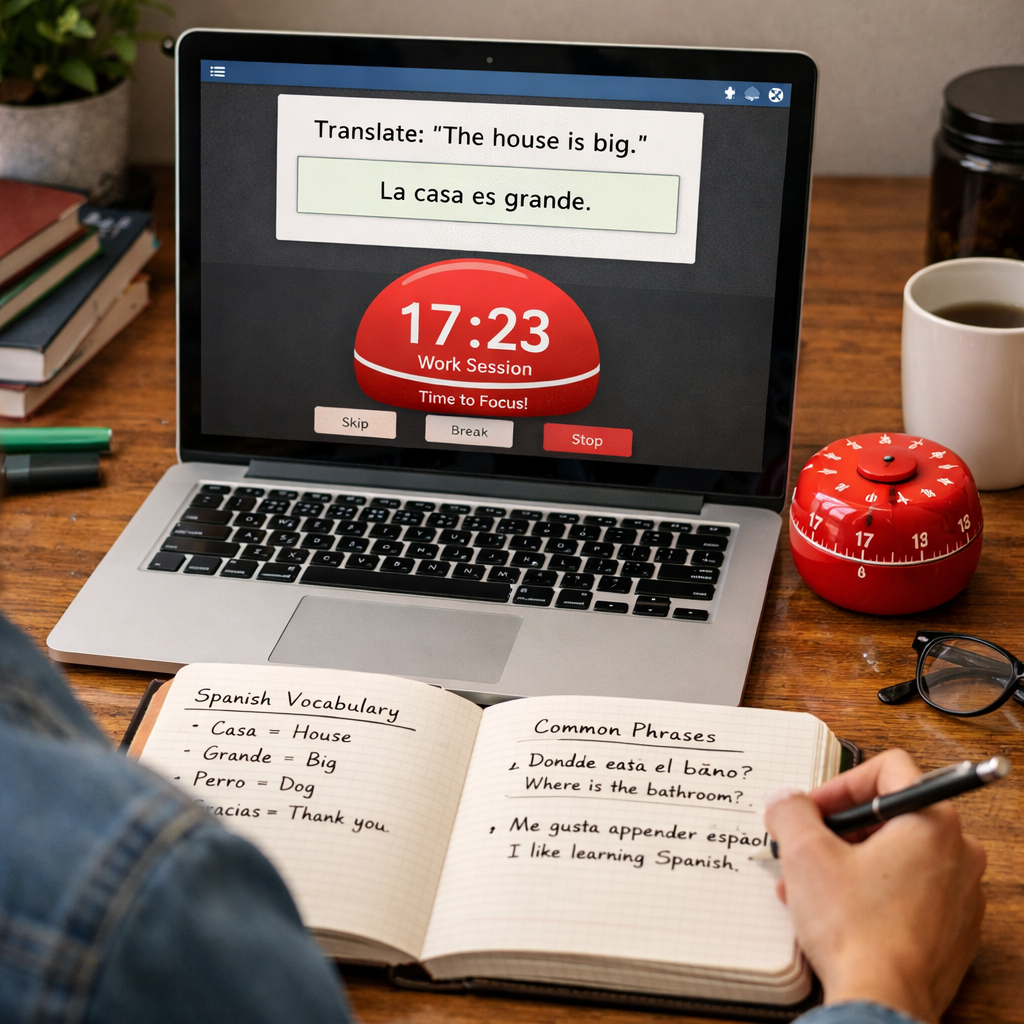
So, you’re trying to get stuff done on your computer, but notifications keep popping up, right? Windows 11 has this built-in thing called Focus Sessions, and it’s basically a way to tell your computer, "Hey, I need to concentrate for a bit." It’s part of the Clock app, which you might not think of as a productivity tool, but it really is. Focus Sessions helps you block out distractions and dedicate time to a specific task. It works by setting a timer for a work period, and during that time, it silences most of those annoying alerts. It’s designed to help you get into a flow state and actually finish what you started without getting sidetracked by emails or social media pings.
Why Utilize Focus Sessions?
Honestly, who doesn’t get distracted? I know I do. Focus Sessions tackles this head-on. By muting notifications, it removes a huge chunk of interruptions. Plus, having a timer ticking down can be surprisingly motivating. It makes you more aware of how you’re spending your time. It’s not just about stopping distractions, though. It also helps you manage your workload better.
Here’s a quick rundown of why you might want to give it a shot:
- Fewer Interruptions: It actively works to keep notifications from bothering you.
- Better Time Awareness: Seeing the timer helps you stay on track and use your work time effectively.
- Task Management: You can link it to Microsoft To Do, so your tasks are right there when you start a session.
The core idea is to create dedicated blocks of time where you’re less likely to be pulled away from your work. It’s about being intentional with your time.
The Pomodoro Technique Explained
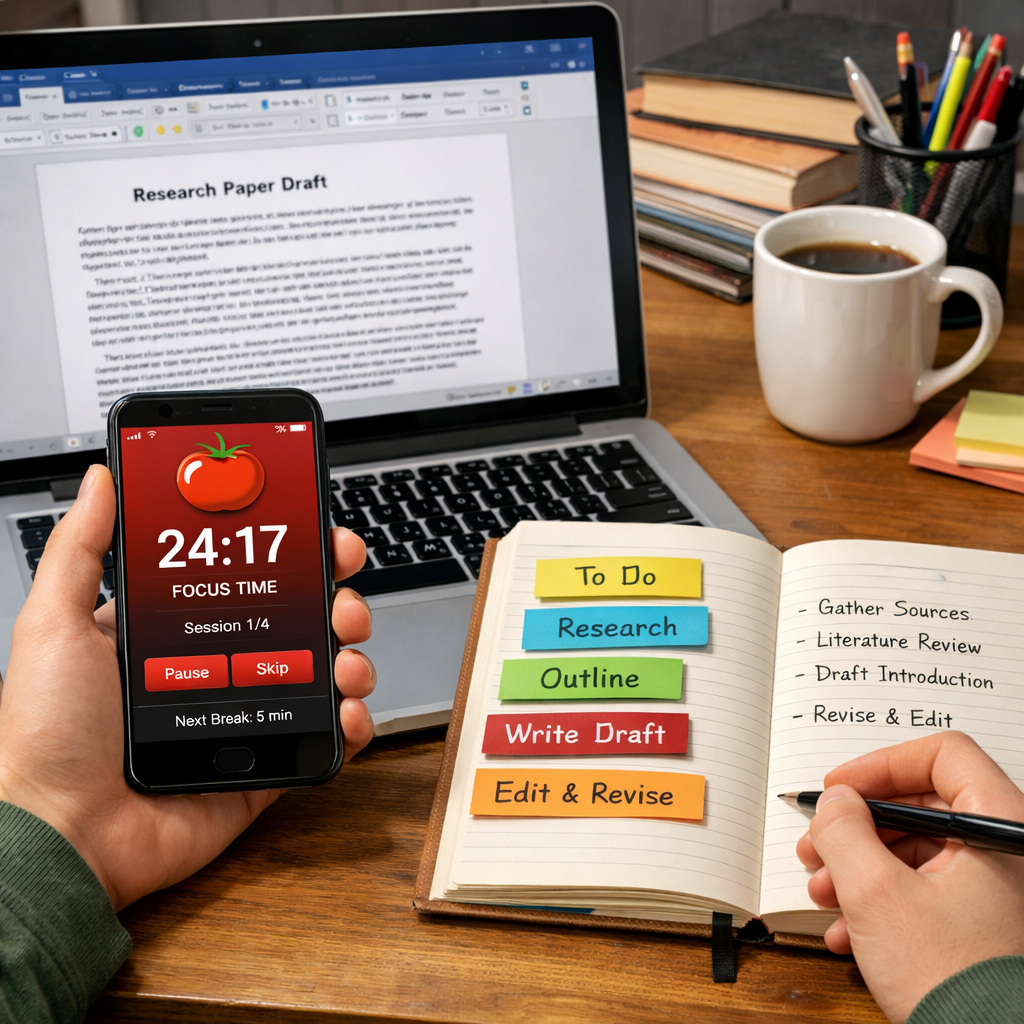
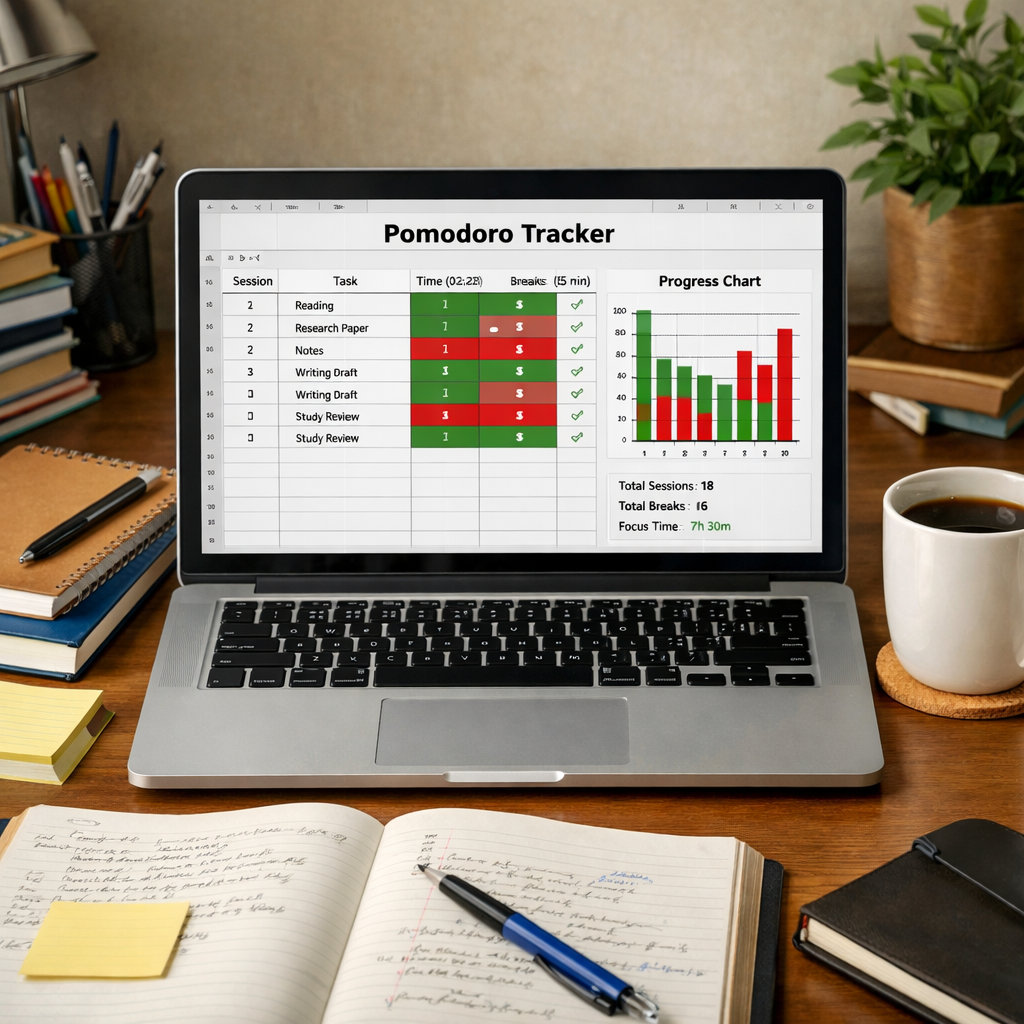
Focus Sessions is built around something called the Pomodoro Technique. It’s a time management method that breaks work down into intervals, traditionally 25 minutes long, separated by short breaks. You work for a set period, then take a short break, and after a few of these work-and-break cycles, you take a longer break. It sounds simple, but it’s pretty effective for maintaining focus and preventing burnout. The idea is that short, focused bursts of work are more sustainable than trying to power through for hours on end. It helps you stay fresh and come back to your tasks with renewed energy.
Setting Up Your First Focus Session
Getting started with Windows 11 Focus Sessions is pretty straightforward. It’s all built into the Clock app, which you probably already have. Think of it as your personal time management assistant, ready to help you get things done without constant interruptions.
Accessing the Clock App
First things first, you need to open the Clock app. The easiest way to do this is by hitting the Windows key on your keyboard or clicking the Start button, then just typing "Clock" into the search bar. Click on the Clock app when it pops up. Once it’s open, look over to the left-hand side. You should see a few icons, and the one that looks like a pie chart is usually the Focus Sessions tab. If it’s your very first time using it, you might see a "Get Started" button – go ahead and click that.
Configuring Your Focus Timer
Now for the main event: setting your timer. Under the "Get ready to focus" section, you’ll see options to pick how long you want your session to be. It’s set up in 5-minute increments, starting from 10 minutes all the way up to a whopping 240 minutes. For sessions longer than 25 minutes, Windows 11 automatically includes a 5-minute break. You can also choose to skip these breaks if you’re really in the zone, but taking them is generally a good idea for your brain.
Here’s a quick look at the timer options:
| Session Length | Default Break |
|---|---|
| 10 minutes | 0 minutes |
| 15 minutes | 5 minutes |
| 20 minutes | 5 minutes |
| 25 minutes | 5 minutes |
| 30+ minutes | 5 minutes |
Initiating a Focus Session
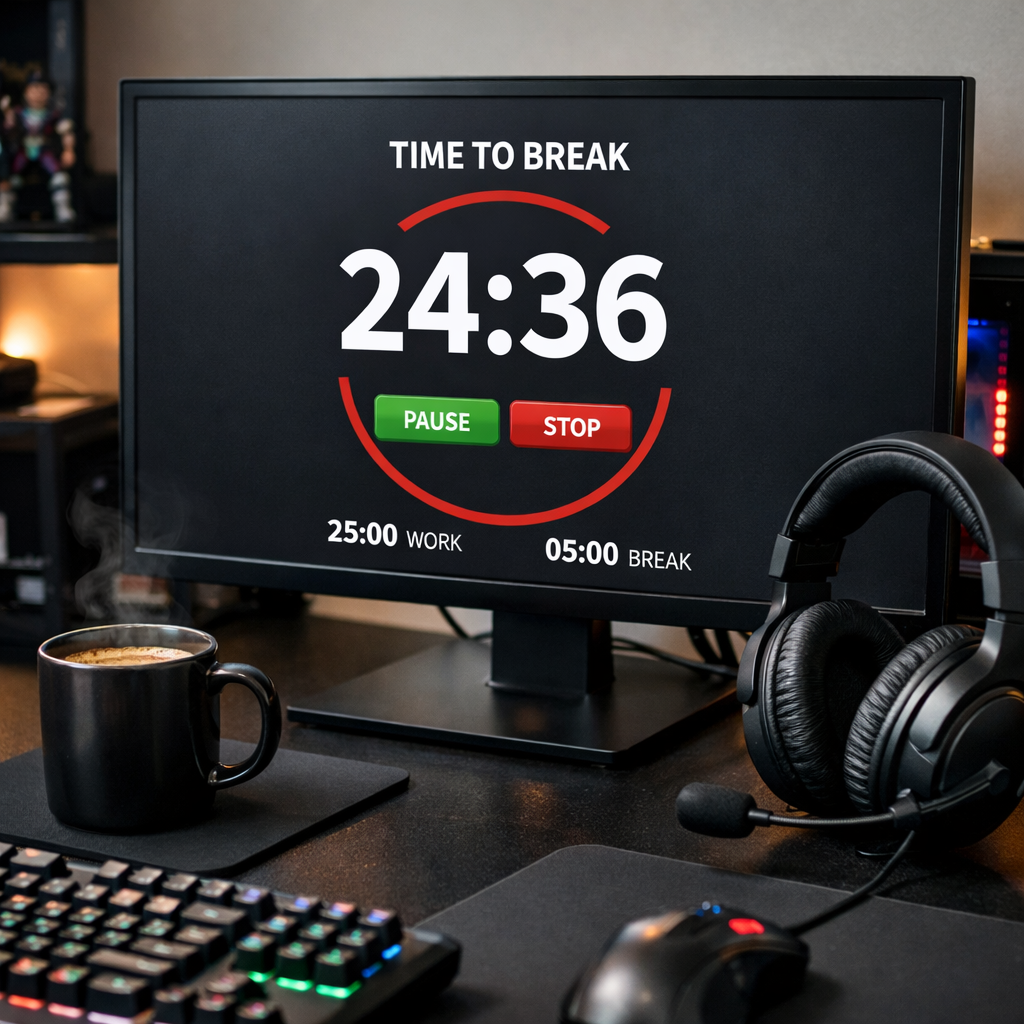
Once you’ve dialed in your desired session length and break settings, you’re ready to go. Just hit that big "Start Focus Session" button. As soon as you do, Windows 11 kicks into gear. It’ll silence notifications, helping to keep those pesky pings and alerts from pulling your attention away. You’ll also see a countdown timer, often displayed as a circle, that shows you how much time you have left in your current focus block. It’s a simple visual cue that can really help keep you on track.
It’s a good idea to close any other applications that aren’t directly related to your current task. Even with notifications silenced, seeing other programs open can be a mental distraction. Think of it as clearing your physical desk before starting a big project.
Remember, the goal here is to create a dedicated block of time for focused work. Don’t worry if it feels a little strange at first; like any new habit, it takes a bit of practice to get used to. Just stick with it, and you’ll likely start to see the benefits.
Maximizing Focus Sessions with Integrations
Focus Sessions in Windows 11 aren’t just about setting a timer; they’re designed to work with other tools you probably already use. Making these connections can really boost how much you get done.
Connecting Microsoft To Do
If you’re already using Microsoft To Do to keep track of your tasks, Focus Sessions can pull that list right into the Clock app. This means you don’t have to switch between apps to see what you need to work on. You can just pick a task from your To Do list and start your Focus Session with it. It’s a pretty neat way to keep your work organized and visible.
Here’s how to get it set up:
- Open the Clock app and go to the Focus Sessions tab.
- Sign in to your Microsoft account if you haven’t already.
- Your To Do tasks should now appear. You can select the specific task you want to tackle during your session.
This integration helps make sure you’re always working on the right thing, without having to hunt for it.
Integrating Spotify for Ambiance
Some people find that a bit of background sound helps them concentrate. Focus Sessions lets you connect with Spotify to play music or white noise directly within the session. This way, you can create your ideal work environment without leaving the Clock app. Whether you prefer lo-fi beats or calming nature sounds, having it integrated means one less thing to fiddle with.
- Go to the Spotify section within Focus Sessions.
- Log in to your Spotify account.
- Choose a playlist or genre that helps you focus.
Having your audio sorted means you can get straight to work.
Managing Tasks Within Focus Sessions
Once your tasks from Microsoft To Do are showing up, you can actively manage them during your Focus Session. As you complete a task, you can mark it as done right there. This visual progress can be really motivating. It also helps you see what’s left to do, keeping you on track for the rest of your session. This direct link between your task list and your focus timer is a big part of why Focus Sessions can be so effective.
Keeping your task management and your focus timer in the same place cuts down on mental switching costs. It’s about reducing friction so you can spend more energy on the actual work.
By linking these tools, you create a more streamlined workflow. It’s all about making it as easy as possible to get into a state of deep work and stay there. You can find more tips on managing your workflow with Windows 11 features.
Advanced Strategies for Enhanced Focus
Leveraging Shorter Session Durations
Sometimes, jumping into a long Focus Session can feel a bit daunting. If you’re finding it hard to commit to a full 25 or 50 minutes, don’t sweat it. Start smaller. Try setting your timer for just 10 or 15 minutes. The goal here is to build momentum. It’s much easier to commit to a short burst of focused work, and once you get going, you might find yourself wanting to extend it. Think of it like a warm-up before a workout – a short session can get your brain into the zone.
Organizing Tasks with Categories
If your Microsoft To Do list is starting to look like a giant, unmanageable blob, it’s time to get organized. Before you even start a Focus Session, take a few minutes to group your tasks. You can use categories like "Project Alpha," "Admin," "Creative Work," or "Urgent." This way, when you start a session, you can pick a specific category and really dig into that type of work without your mind jumping to something else. It helps you make real progress on different fronts without feeling scattered.
Minimizing Non-Essential Applications
Even with notifications silenced, the siren song of other apps can be strong. If you’re trying to write a report, having your email client or social media apps open and visible is just asking for trouble. Before you hit ‘Start Focus Session,’ do a quick sweep of your open applications. Close anything that isn’t directly related to the task at hand. It’s a simple step, but it makes a big difference in keeping your attention where it needs to be.
The key is to create an environment where your chosen task is the most accessible and appealing option. Removing digital clutter is just as important as clearing your physical workspace.
Beyond Focus Sessions: Other Windows 11 Productivity Tools
Focus Sessions are great, but Windows 11 has a whole toolbox of features to help you get more done. Sometimes, it’s not just about blocking out distractions, but also about organizing your digital workspace so you can find what you need and switch between tasks without losing your train of thought. Let’s look at a few other built-in tools that can really make a difference in your daily workflow.
Mastering Virtual Desktops
Think of virtual desktops as having multiple monitors, but without the extra hardware. You can create separate desktop spaces for different projects or types of work. For example, one desktop could be just for your coding, another for emails and communication, and a third for research. This keeps your main screen from getting cluttered and helps you mentally switch gears when you move between them.
- Creating a New Desktop: Press
Windows key + Tabto open Task View, then click "New desktop" at the top. - Switching Desktops: Use
Ctrl + Windows key + Left/Right Arrowto move between your virtual desktops. - Moving Apps: In Task View, you can drag an app from one desktop to another.
Keeping your virtual desktops organized means you’re less likely to get sidetracked by unrelated tasks. It’s like having a clean desk for every job you need to do.
Utilizing Snap Layouts and Snap Groups
If you often find yourself with a dozen windows open, Snap Layouts are a lifesaver. When you hover over the maximize button of a window, you’ll see different layout options to arrange your open apps on the screen. Snap Groups take this a step further. Once you’ve snapped windows together, Windows 11 remembers that arrangement as a Snap Group. You can then minimize or restore the entire group from the taskbar with a single click. It’s super handy for quickly bringing up a set of related applications, like your email, a document, and a web browser for research.
Configuring Focus Assist for Notifications
While Focus Sessions silence notifications during a set period, Focus Assist is a more general tool for managing interruptions throughout your day. You can set it to automatically turn on during specific hours, like your core working time, or when you’re doing something specific like presenting your screen. It can be configured to allow only priority notifications or to block all but alarms. This is great for those times when you don’t need a full Focus Session but still want to minimize random pings from apps.
Here’s a quick rundown of how to set it up:
- Go to Settings > System > Focus Assist.
- Choose your preferred mode: Off, Priority only, or Alarms only.
- Set up Automatic rules to have Focus Assist turn on based on your schedule or activities.
Reviewing Progress and Taking Effective Breaks
So, you’ve been powering through your Focus Sessions, ticking off tasks, and generally being a productivity machine. That’s awesome! But what happens when the timer finally stops? It’s not just about hitting ‘start’ and hoping for the best. We need to think about what comes next, both in terms of seeing how you’re doing and actually giving your brain a breather.
Understanding Break Periods
When your Focus Session wraps up, Windows 11 nudges you to take a break. This isn’t just a suggestion; it’s a built-in part of the process. Think of it like this: you wouldn’t run a marathon without stopping for water, right? Your brain is similar. These breaks are short, usually around 5 minutes after a standard session, or longer after a series of sessions. They’re meant to be a real break – step away from the screen, stretch, grab a drink, or just stare out the window for a bit. The goal is to reset your mental state, not to check your email or scroll through social media.
Tracking Your Focus Progress
Windows 11 keeps a tally of your focus time. You can see how much time you’ve dedicated to focused work each day. It’s a simple way to get a feel for your productivity trends. Seeing those numbers add up can be pretty motivating, honestly. It shows you that you’re actually making progress, even on days when it feels like you’re just slogging through.
Here’s a quick look at what you might see:
- Daily Focus Time: Total minutes or hours spent in active Focus Sessions.
- Session Completion Rate: How often you finish a planned session without quitting early.
- Task Completion: If you’re using Microsoft To Do, you can see how many tasks were checked off during your sessions.
The Importance of Refreshing Your Mind
Taking proper breaks isn’t just about avoiding burnout; it’s about working smarter. When you push yourself too hard without a pause, your attention starts to wander, and mistakes creep in. A short break allows your brain to consolidate information and come back to the next task with fresh eyes. It’s like letting a computer restart – things just run smoother afterward.
Don’t underestimate the power of stepping away. Sometimes, the best way to solve a tricky problem or get past a mental block is to simply stop thinking about it for a few minutes. Let your subconscious do some of the work. You might be surprised at the solutions that pop up when you’re not actively trying to force them.
Wrapping Up Your Focus
So, that’s the lowdown on Windows 11’s Focus Sessions. It’s a pretty straightforward tool, but honestly, it can really make a difference when you’ve got a lot to get done. By cutting out the noise and giving you timed work periods, it helps you actually finish things. It might not be the magic bullet for every single day, but when you’re staring down a deadline and need to get in the zone, this feature can seriously save the day. Give it a try next time you need to buckle down.
Frequently Asked Questions
What exactly are Focus Sessions in Windows 11?
Think of Focus Sessions as a special timer built into Windows 11. It helps you set aside chunks of time to work on something without getting sidetracked. It’s like a digital quiet zone for your computer.
Why should I bother using Focus Sessions?
It’s great for cutting down on distractions! Focus Sessions can silence annoying notifications and help you manage your time better by working in focused bursts. Seeing the timer tick down can also be a good motivator.
How does the Pomodoro Technique work with Focus Sessions?
The Pomodoro Technique is a time management method. Focus Sessions uses it by having you work for a set amount of time, like 25 minutes, and then take a short break, maybe 5 minutes. You repeat this cycle to stay fresh and productive.
Can I connect my to-do list to Focus Sessions?
Yes, you can! If you use Microsoft To Do, you can link it to Focus Sessions. This lets you see your tasks right there and pick which one you want to concentrate on during your session.
What if I like listening to music while I work?
Focus Sessions can connect with Spotify. You can choose playlists or sounds that help you concentrate, like white noise or calming music, to make your work environment just right.
How do I make sure I’m really focused during a session?
To really get the most out of it, try closing any apps you don’t need for your current task. Even though notifications are silenced, it’s easy to get tempted by other programs, so shutting them down helps a lot.